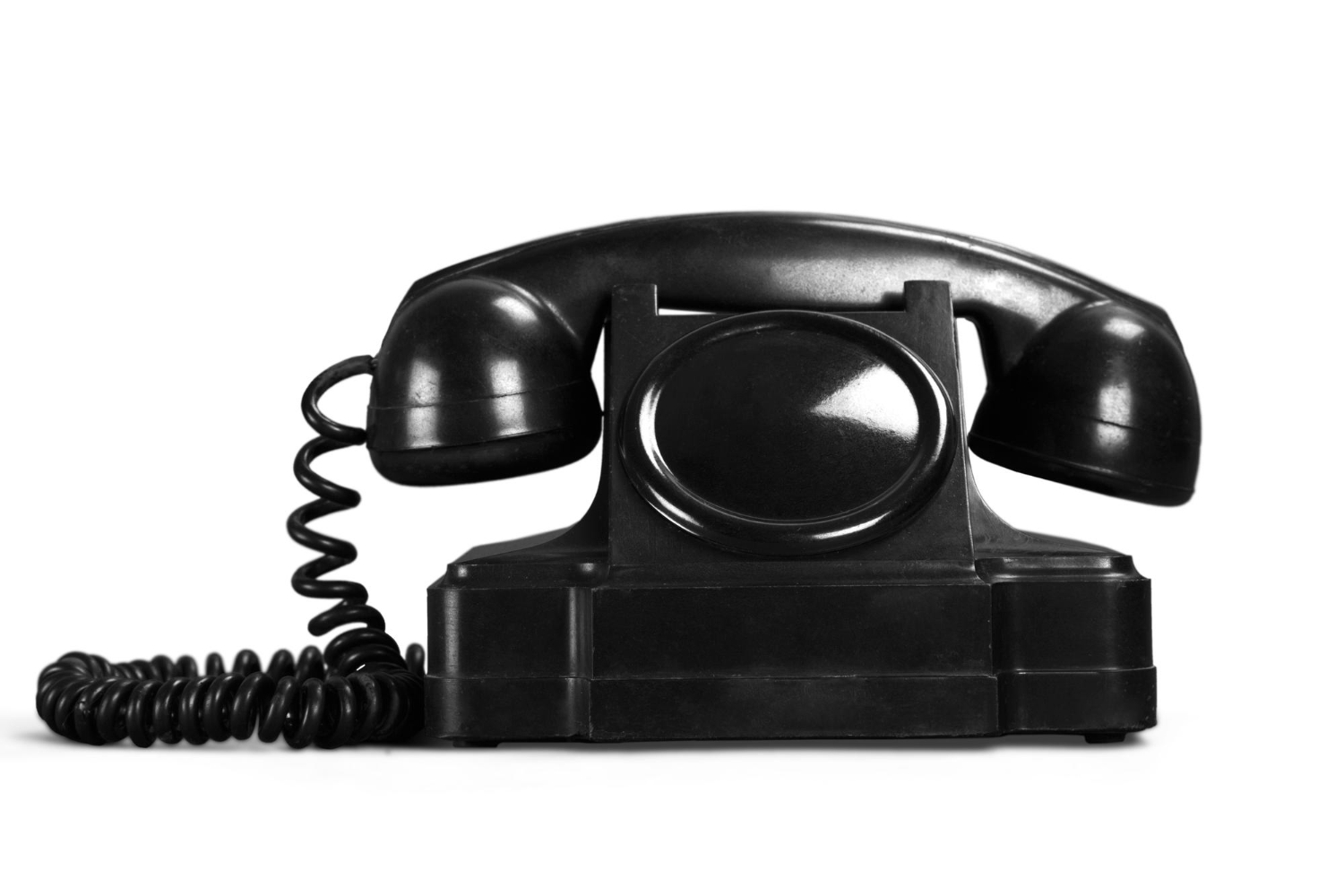
Walk through a typical baby boomer’s home and you’ll likely spot a collection of objects that were once indispensable but have steadily slid into obsolescence. These aren’t antiques, they’re everyday items from just a generation or two ago, kept around out of habit, sentiment, or the sensible refusal to throw away something that still technically works. To younger visitors, many of them seem charmingly outdated or even baffling. There’s no judgment here; holding onto useful things is often wise. But it’s a fascinating snapshot of how fast technology and daily life have changed. Here are fifteen things commonly found in boomers’ homes that almost nobody actually uses anymore.
The Landline Telephone
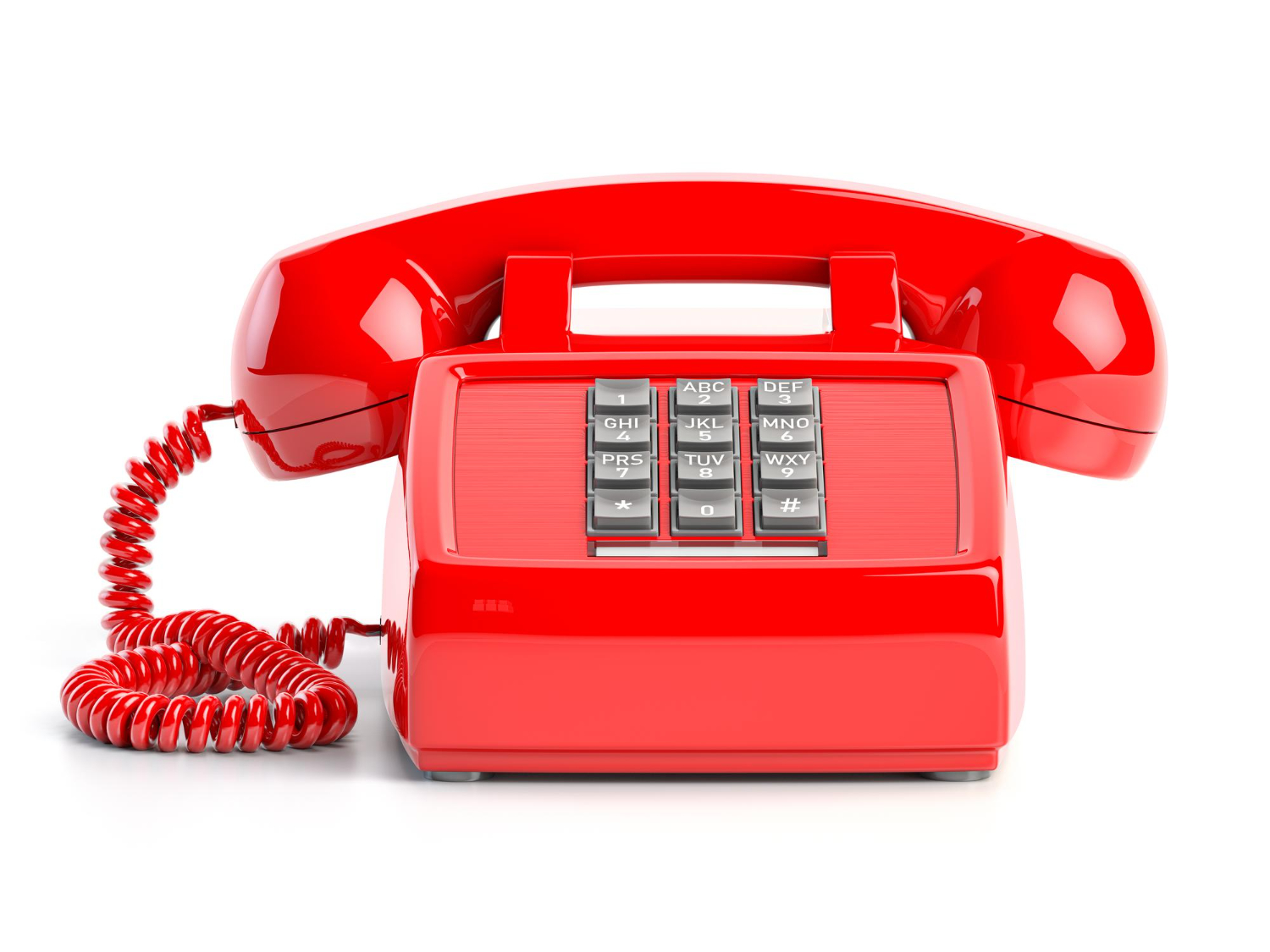
The corded or cordless home telephone, often still mounted on the kitchen wall or sitting on a side table, is a fixture in many boomer households long after most younger people have gone mobile-only. It may still ring occasionally, usually with spam calls, but it’s rarely used for real conversations anymore. Many keep it out of habit, for a sense of security, or simply because they’ve always had one. To younger generations who’ve never had a home phone number at all, the dedicated landline, complete with its monthly bill, feels like a relic. Yet it remains a steadfast presence in homes where it once was the family’s only link to the outside world.
Like our content? Follow us for more.
The Phone Book
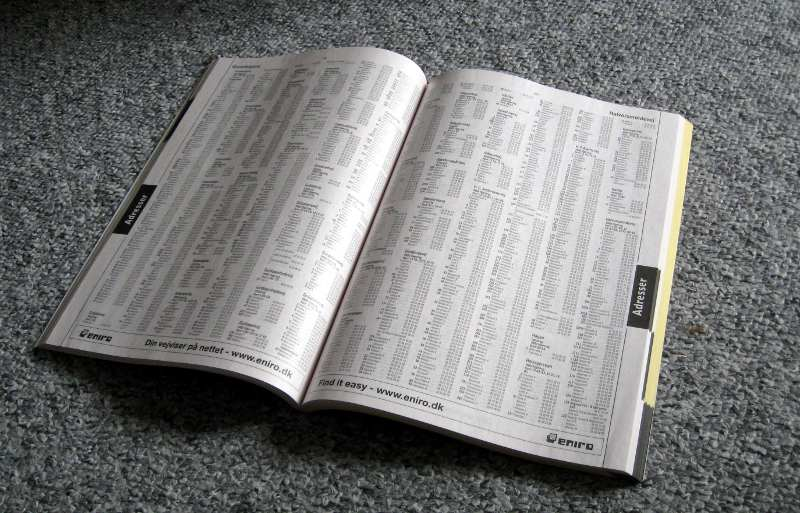
Tucked in a drawer or on a shelf, the thick phone book, white pages, yellow pages, or both, lingers in countless boomer homes despite being almost entirely unnecessary now. Once the essential tool for finding any number or business, it’s been completely replaced by online search and smartphones. Many people haven’t opened one in years, yet the hefty directories still get delivered and saved “just in case.” Younger generations, who’ve never flipped through one to find a plumber or a friend’s number, often find them baffling. The phone book endures as a dusty monument to a pre-internet era when all that information lived in a single, surprisingly heavy volume.
A Cabinet Full of Fine China
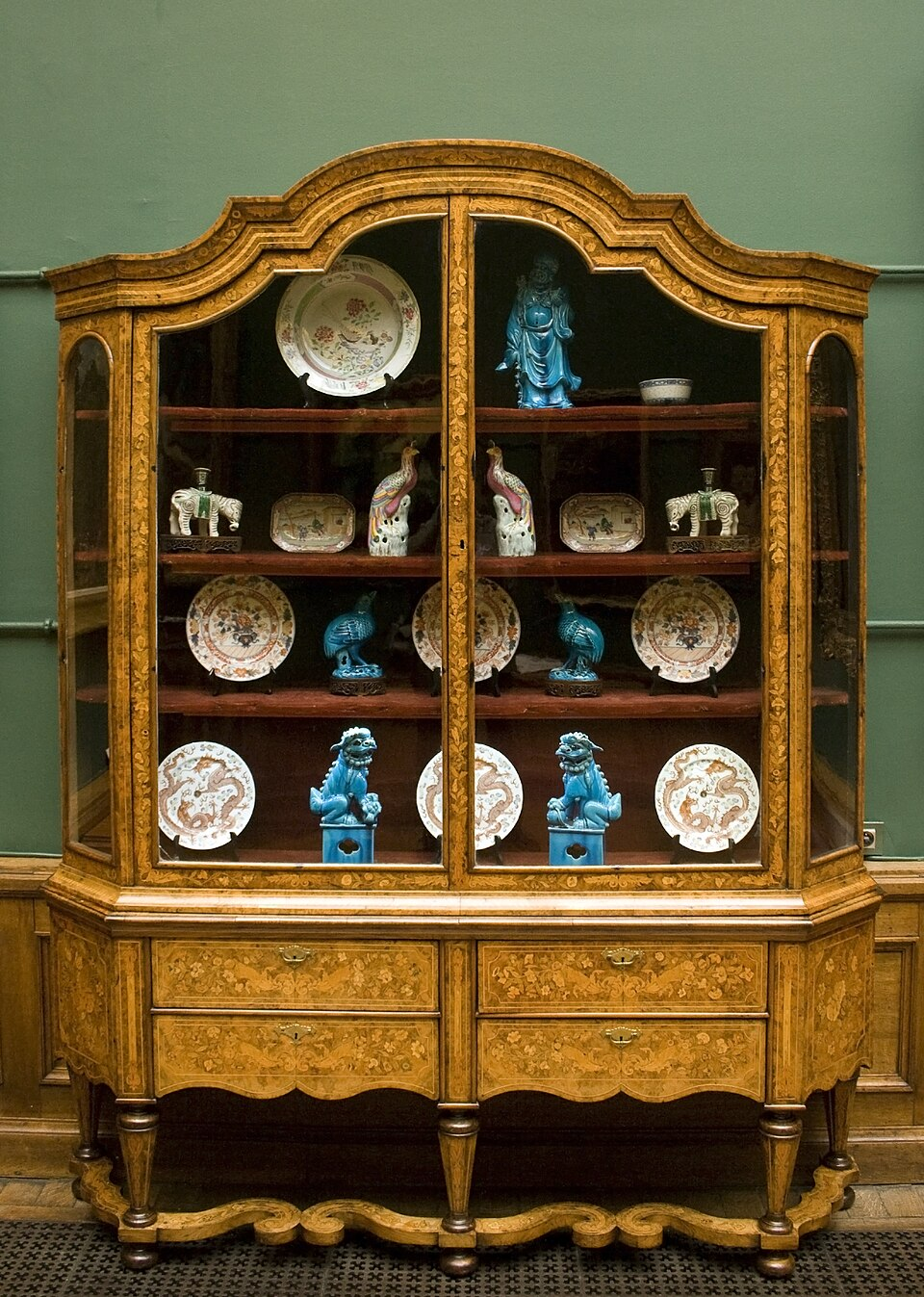
Many boomer homes feature a china cabinet displaying a treasured set of “good” dishes, often wedding gifts or inherited heirlooms, that are almost never actually used. Reserved for special occasions that rarely come, the delicate plates and teacups sit behind glass for years, gathering admiration but no gravy. Younger generations have largely moved away from formal dinnerware altogether, favoring casual, everyday dishes and minimalist kitchens. The cabinet of untouched fine china has become a poignant symbol of a more formal era of entertaining. It’s beautiful and meaningful to its owners, but increasingly an artifact of traditions, like the formal dinner party, that have faded from modern life.
Stacks of CDs and DVDs
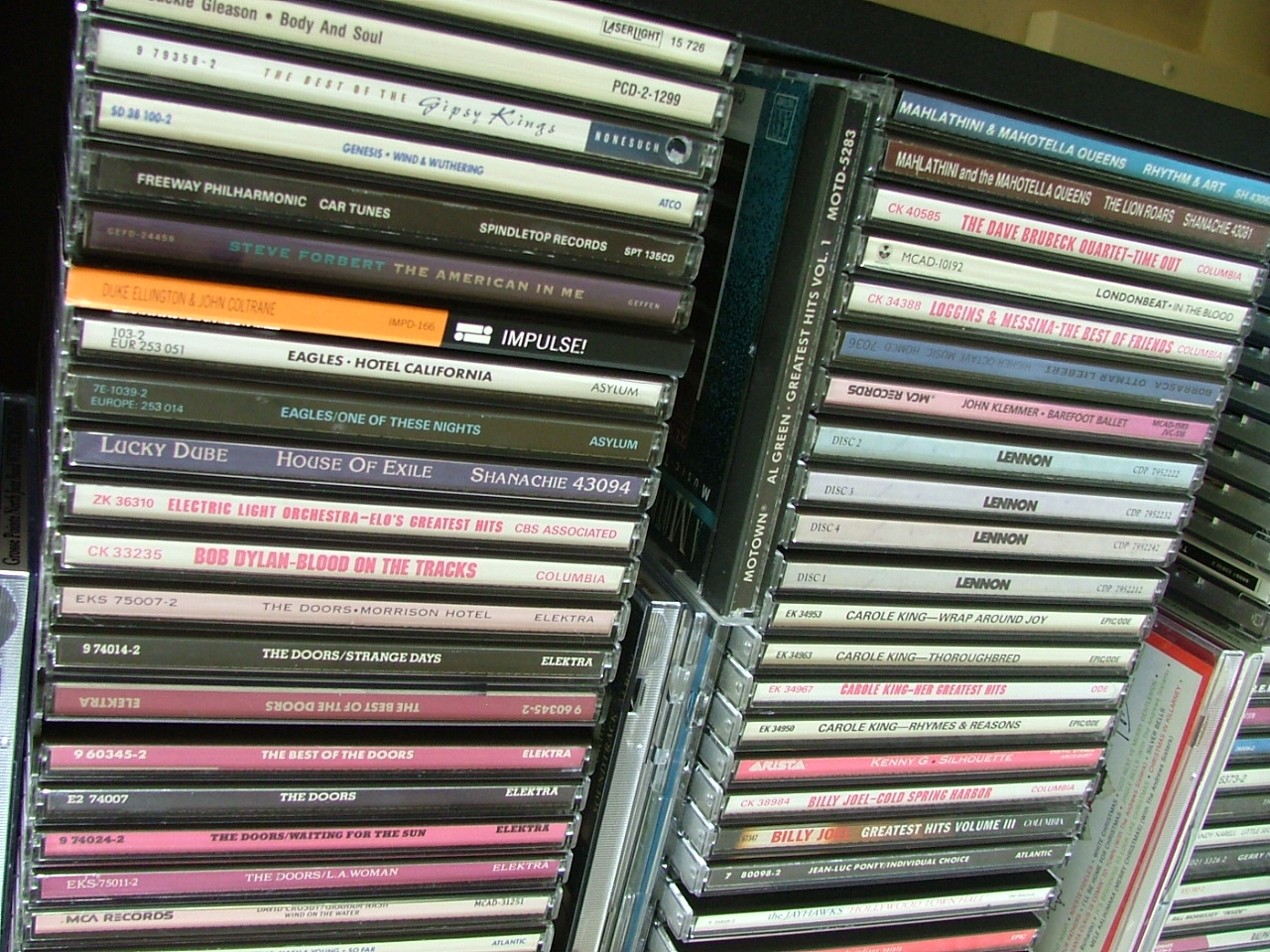
Many boomers (and plenty of others) still own substantial collections of CDs and DVDs, carefully shelved and organized, even though streaming has made physical media largely redundant. The discs may rarely be played, with their owners defaulting to streaming services like everyone else, but the collections remain, representing years of accumulated music and movies. Younger people, raised entirely on streaming, often have no devices to even play a disc. The shelves of jewel cases and movie boxes are a tribute to an era of owning media physically. They linger as both nostalgia and insurance, kept long after the players to use them have been unplugged and stored away.
An Address Book
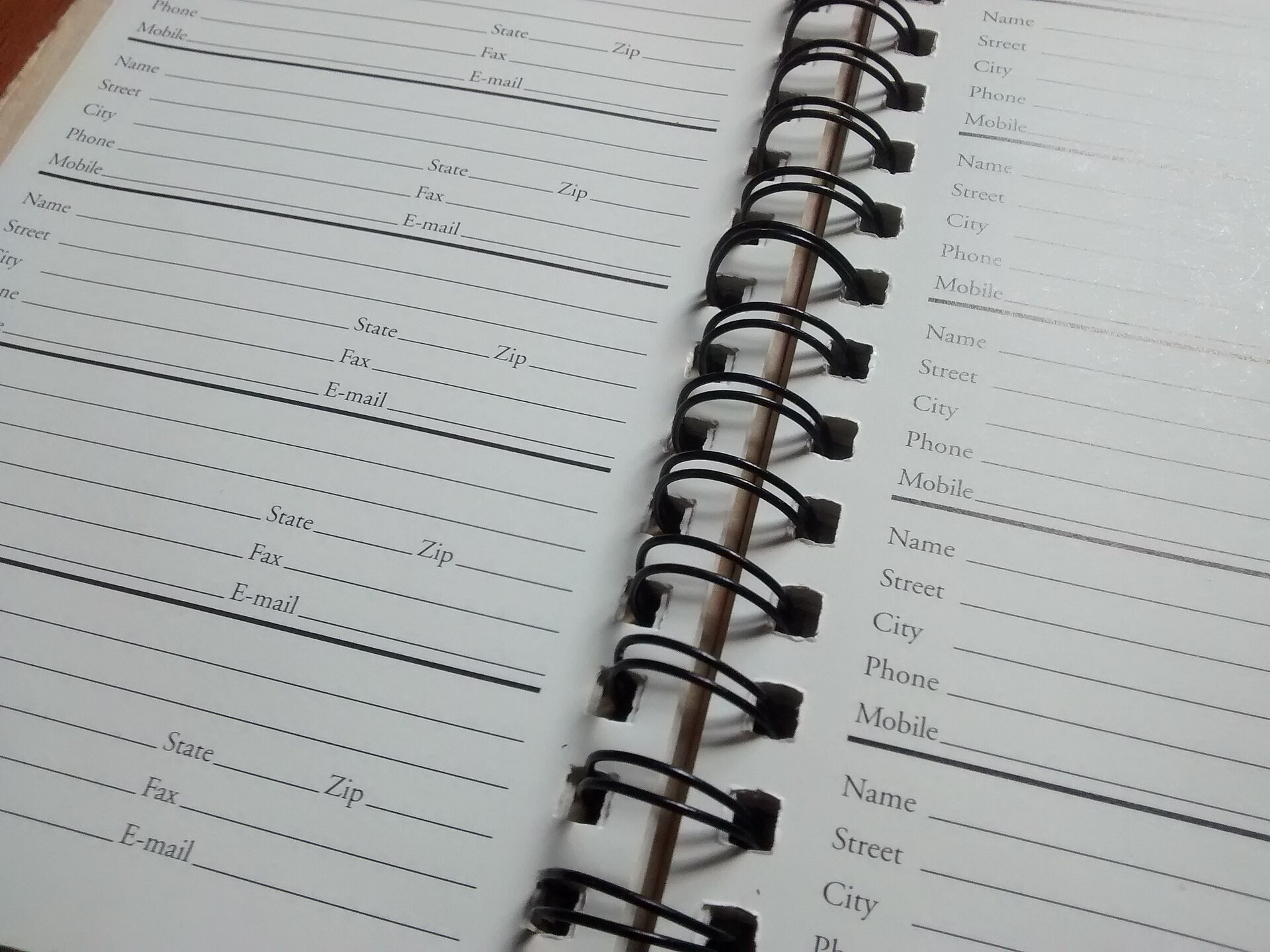
The handwritten address book, filled with names, phone numbers, and mailing addresses in carefully inked entries, remains a quiet fixture in many boomer homes. Once essential for keeping track of everyone in your life, it’s been almost entirely supplanted by the contacts stored automatically in smartphones. Yet many older adults still maintain and rely on their paper version, valuing its tangibility and independence from technology. To younger generations, whose every contact lives in the cloud, the idea of a physical book of addresses, updated by hand and at risk of becoming outdated, seems wonderfully analog. It’s a small, personal archive of a social world once organized entirely on paper.
A Fax Machine
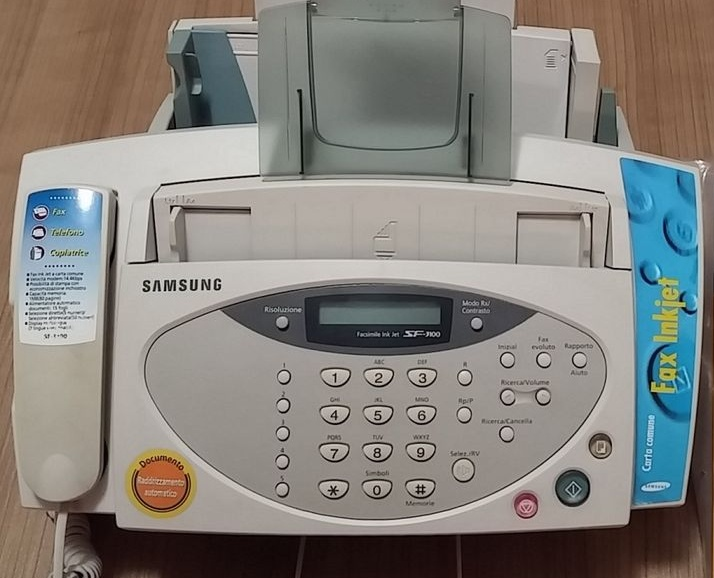
Remarkably, the fax machine, or an all-in-one printer with fax capability, still occupies desk space in some boomer homes and offices, a true holdover from another technological age. Once cutting-edge for sending documents instantly, faxing has been almost completely replaced by email, scanning, and digital signatures. While a few specific industries still use fax, for most households it’s an utterly obsolete device gathering dust. Younger people may never have sent a fax in their lives and might struggle to explain how one even works. The home fax machine stands as one of the clearest examples of a once-impressive technology that the digital era rendered all but extinct, yet which lingers on.
An Alarm Clock by the Bed
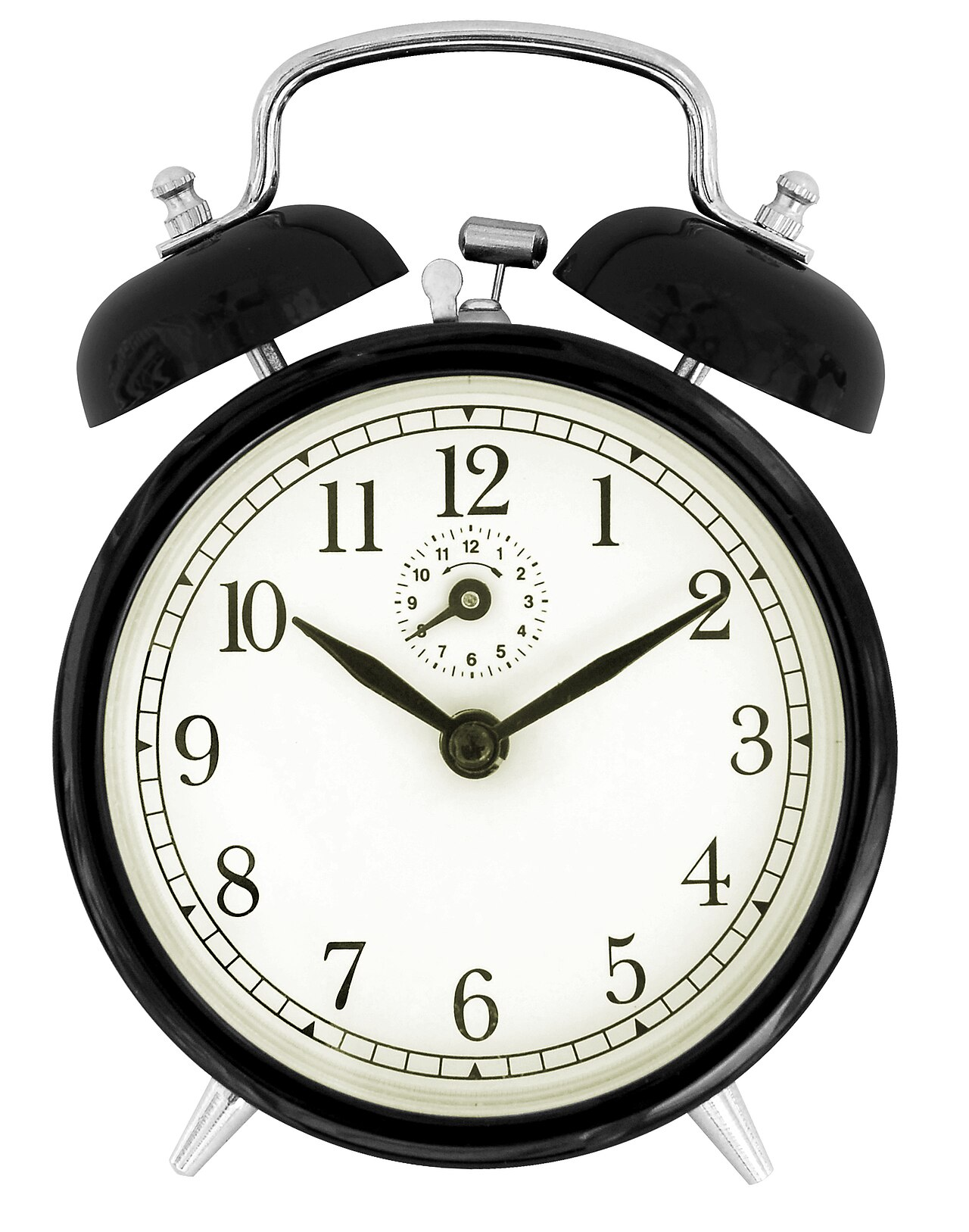
The standalone bedside alarm clock, whether a classic analog model or a glowing digital one, still sits on many a boomer’s nightstand, faithfully doing a job that smartphones have taken over for most younger people. With phones now serving as everyone’s alarm, the dedicated clock has become redundant for many, yet plenty of people keep one out of habit or a preference for not having a phone by the bed. To a generation that’s never owned a separate alarm clock, the device seems quaintly single-purpose. Still, the steadfast bedside clock soldiers on, ticking or blinking away in bedrooms where it once was the only thing standing between you and oversleeping.
A Checkbook
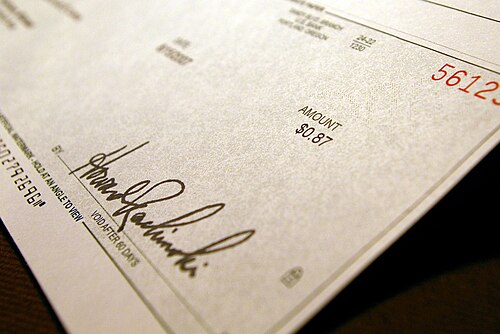
Many boomers still keep and regularly use a checkbook, writing out paper checks and balancing the register by hand, a practice that has become rare among younger generations who pay digitally. Checks were once the standard way to pay for nearly everything, but online banking, cards, and payment apps have made them increasingly unnecessary. Still, plenty of older adults prefer the familiarity and record-keeping of checks for certain bills. Younger people, many of whom have never written a single check, often find the whole system, the carbon copies, the careful subtraction, perplexing. The enduring checkbook is a financial artifact of an era before money moved at the speed of a tap.
An Encyclopedia Set
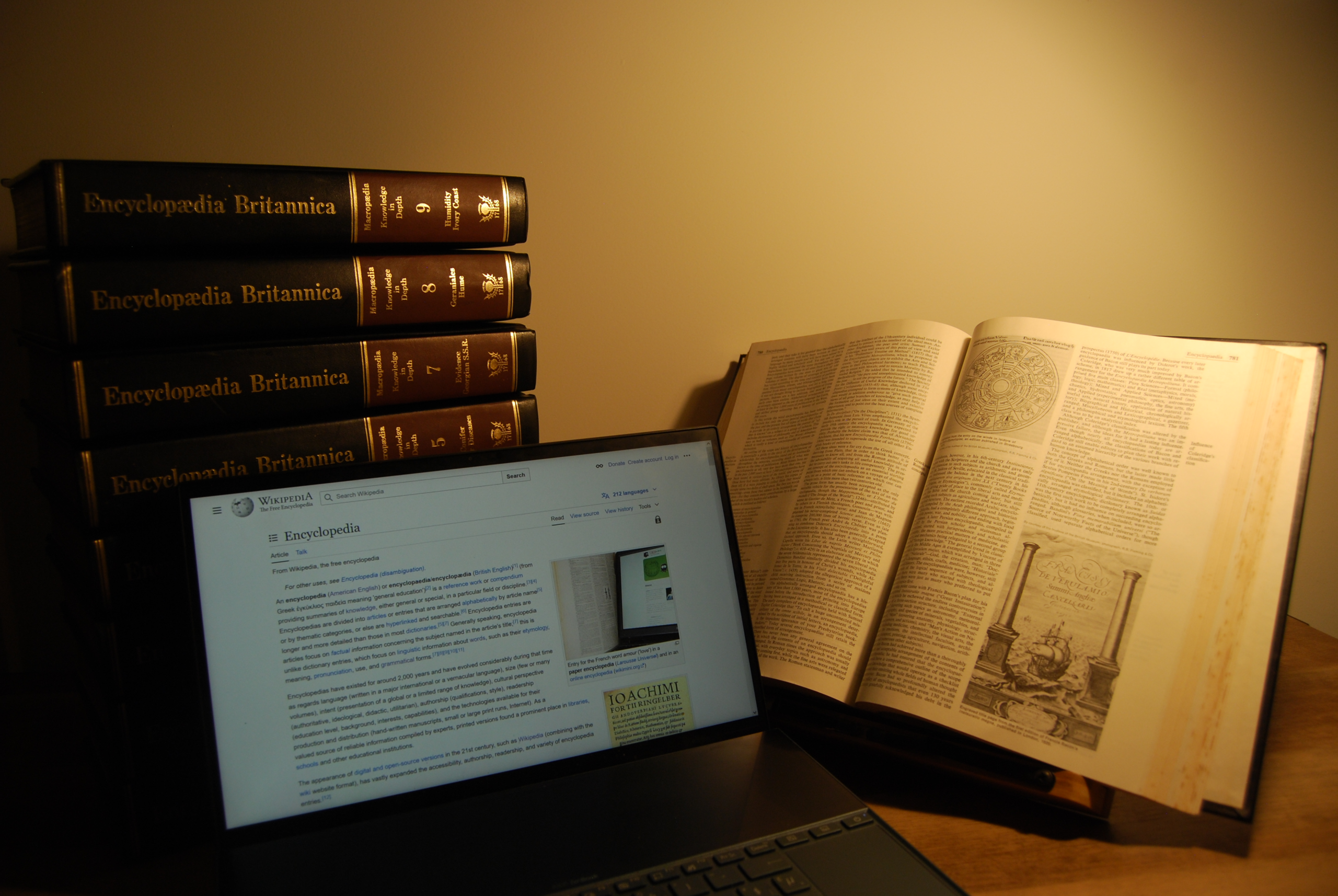
A handsome multi-volume encyclopedia set, often displayed proudly on a bookshelf, remains in some boomer homes decades after the internet made it obsolete. Once a significant investment and a symbol of a well-informed household, these reference books were the family’s gateway to knowledge. Now, with virtually all human information available instantly online, the sets go unopened for years. Many owners keep them for sentimental value or as handsome decor rather than reference. Younger generations, who’ve never consulted a printed encyclopedia for a school report, find them charming but impractical. The encyclopedia set stands as a striking reminder of how dramatically access to information has transformed within a single lifetime.
An Answering Machine
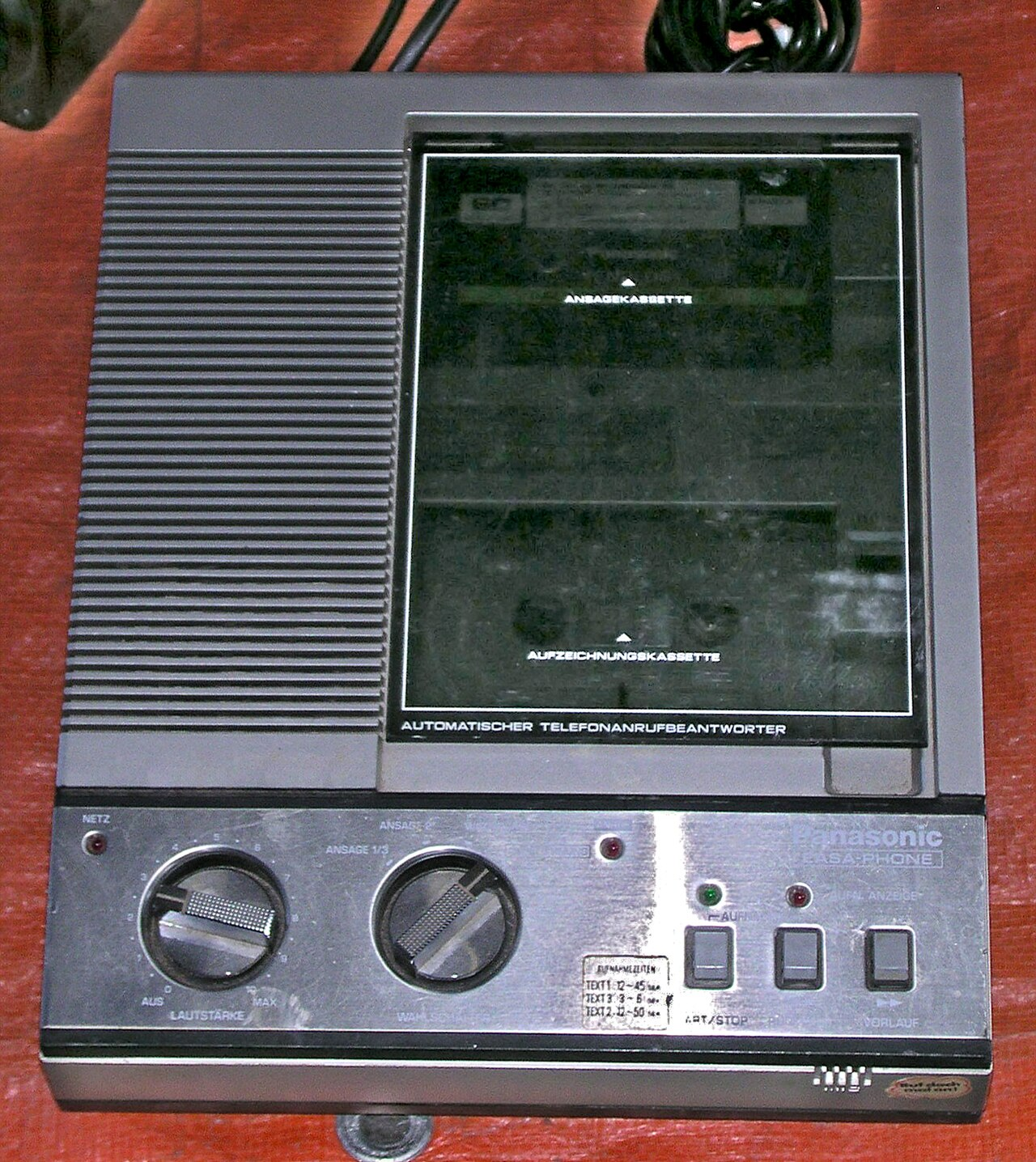
The standalone answering machine, or its function built into a landline, persists in some boomer homes, dutifully recording the occasional message in an age of voicemail, texting, and caller ID. Once a household essential for catching calls you missed, the blinking-light machine has been largely superseded by digital voicemail and the simple fact that fewer people leave voice messages at all. Many younger people have never used one and wouldn’t know how to retrieve a message from a physical device. The answering machine endures as a small monument to a time when missing a call meant hoping the caller would speak after the beep.
And Several More Faithful Holdovers
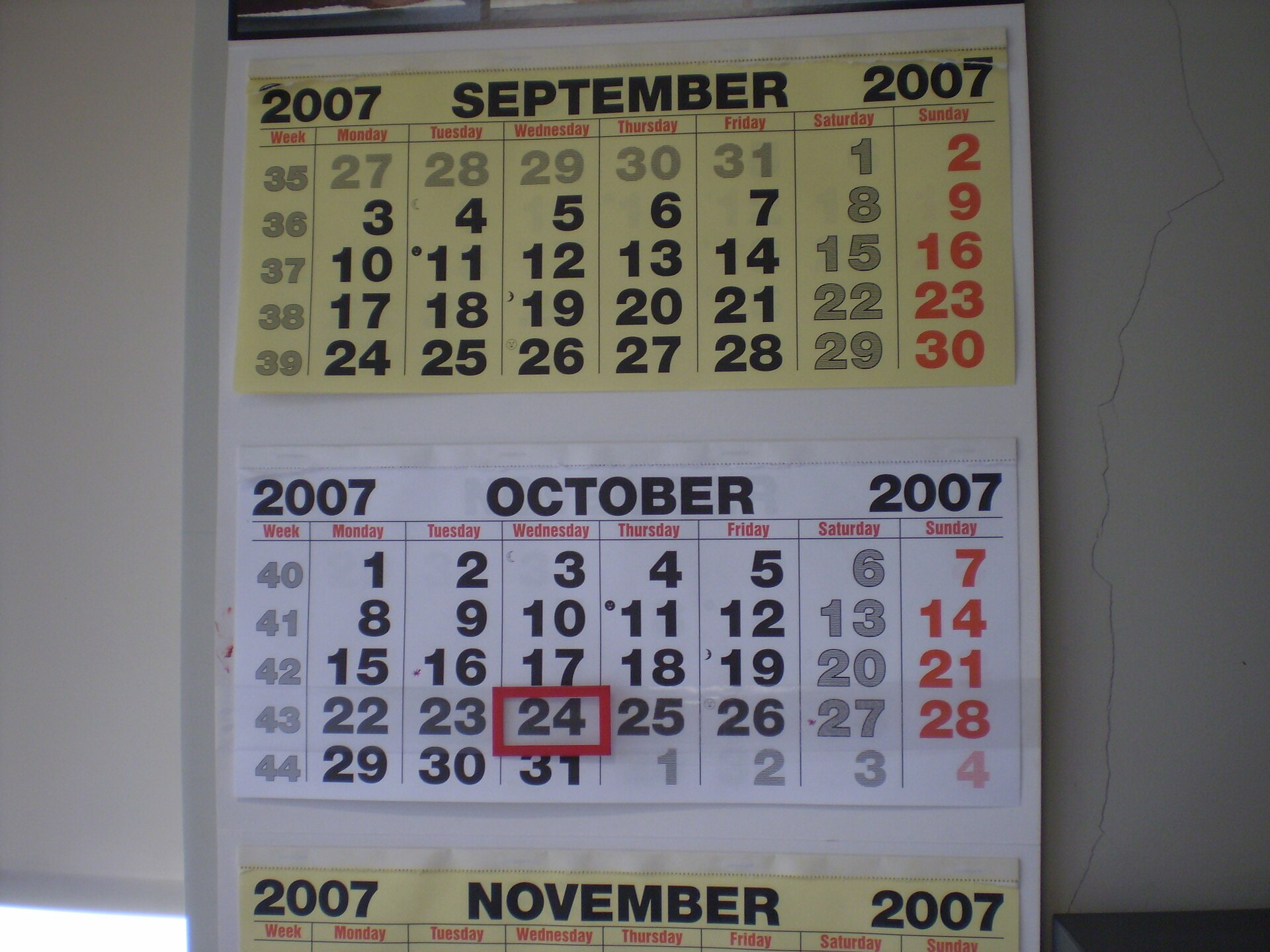
The list goes on: the wall calendar marked up by hand, the cookbook collection consulted instead of recipe apps, the giant set of physical photo albums (versus phone galleries), the magazine and newspaper subscriptions in print, the cable TV box and its remote, the sewing kit and tool drawer for repairs, the cassette or VHS tapes with nothing to play them on, and the trusty paper road atlas in the car’s glove box. Each was once essential, and each has been largely replaced by a digital equivalent. Yet they remain, kept out of habit, thrift, or genuine preference, by a generation that grew up depending on them.
A Snapshot of Changing Times
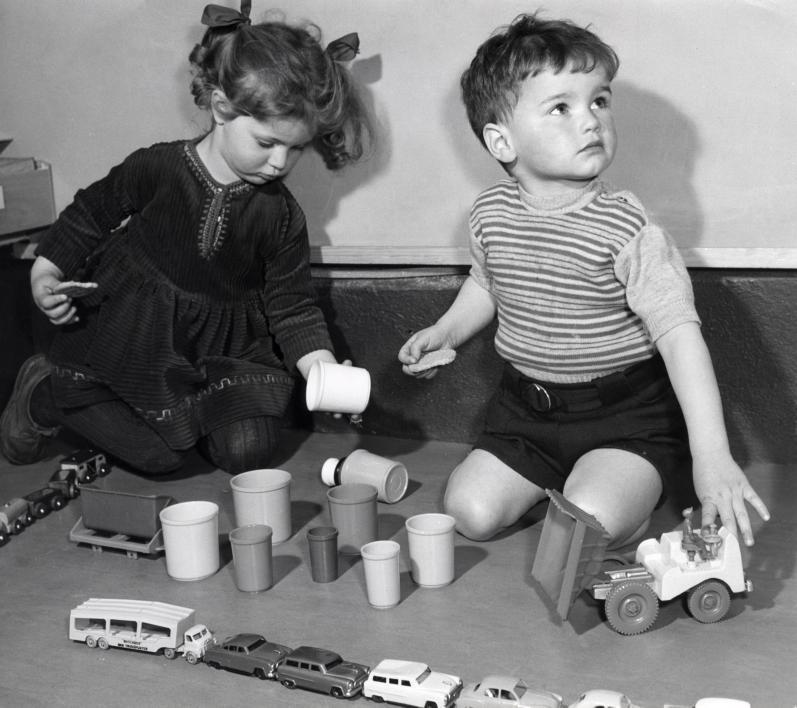
What ties all these items together is how recently they were indispensable, and how quickly they’ve become optional. Boomers aren’t wrong to hold onto them; many still work perfectly well, carry sentimental value, or simply suit a way of life that doesn’t need an app for everything. But collectively, these objects tell the story of one of the fastest periods of technological change in history. To younger generations, a boomer’s home can feel like a gentle time capsule. To boomers, it’s simply home, filled with the familiar, faithful tools of a lifetime, even if the world has largely moved on to something new.
Like our content? Follow us for more.