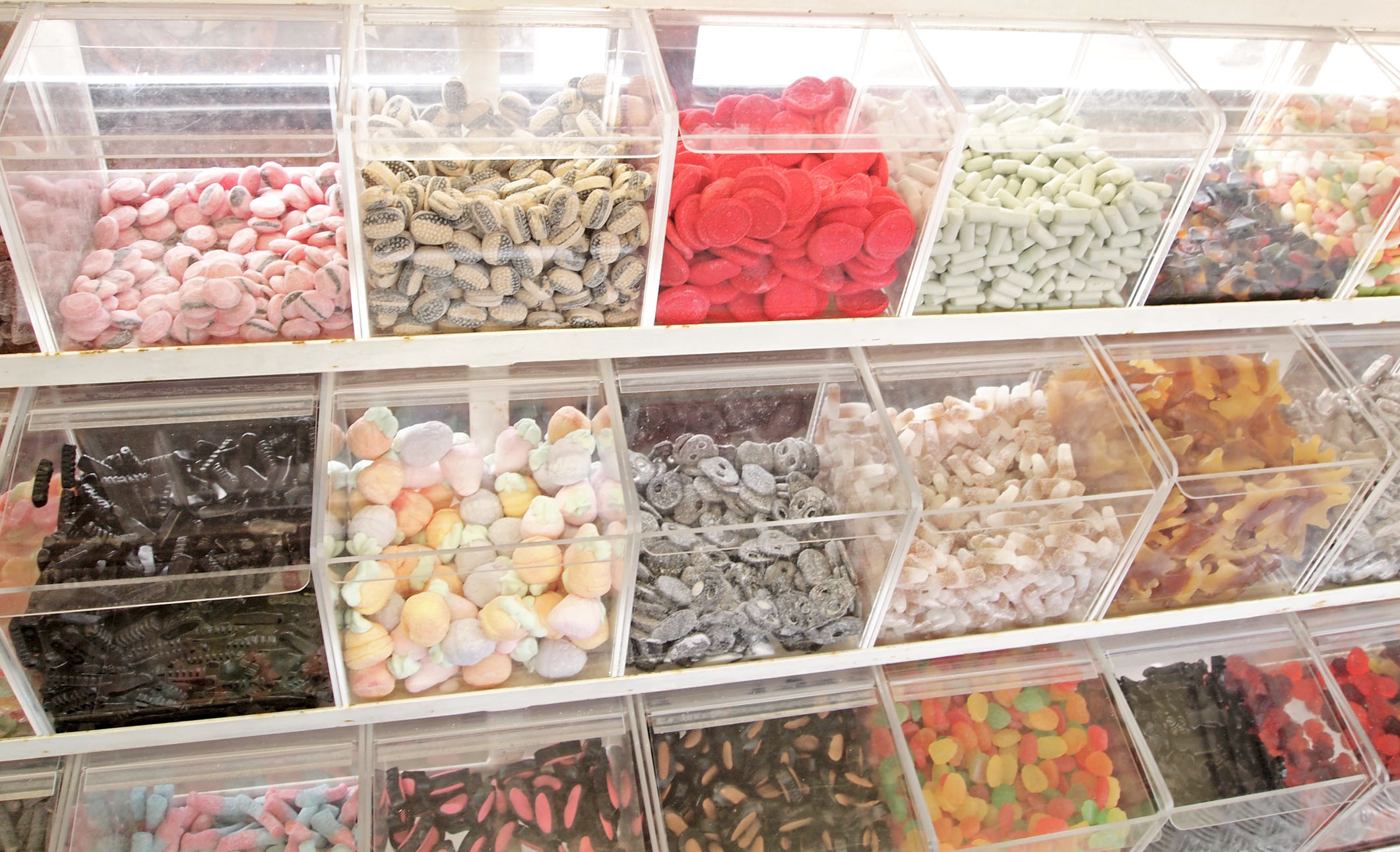
For a kid in 1973, few moments rivaled the walk to the corner store with a handful of coins, eyeing the candy counter where everything seemed affordable and the choices felt endless. The candies of that era had a particular character, bold, sugary, often gloriously artificial, and they came in packaging that is now the stuff of pure nostalgia. Many of those treats have since disappeared, discontinued as tastes changed, ingredients were reformulated, or brands faded away. Here is a sweet trip back to the candy counter of 1973, and the bittersweet stories of the favorites that are now nearly impossible to find.
The Penny Candy Counter Itself
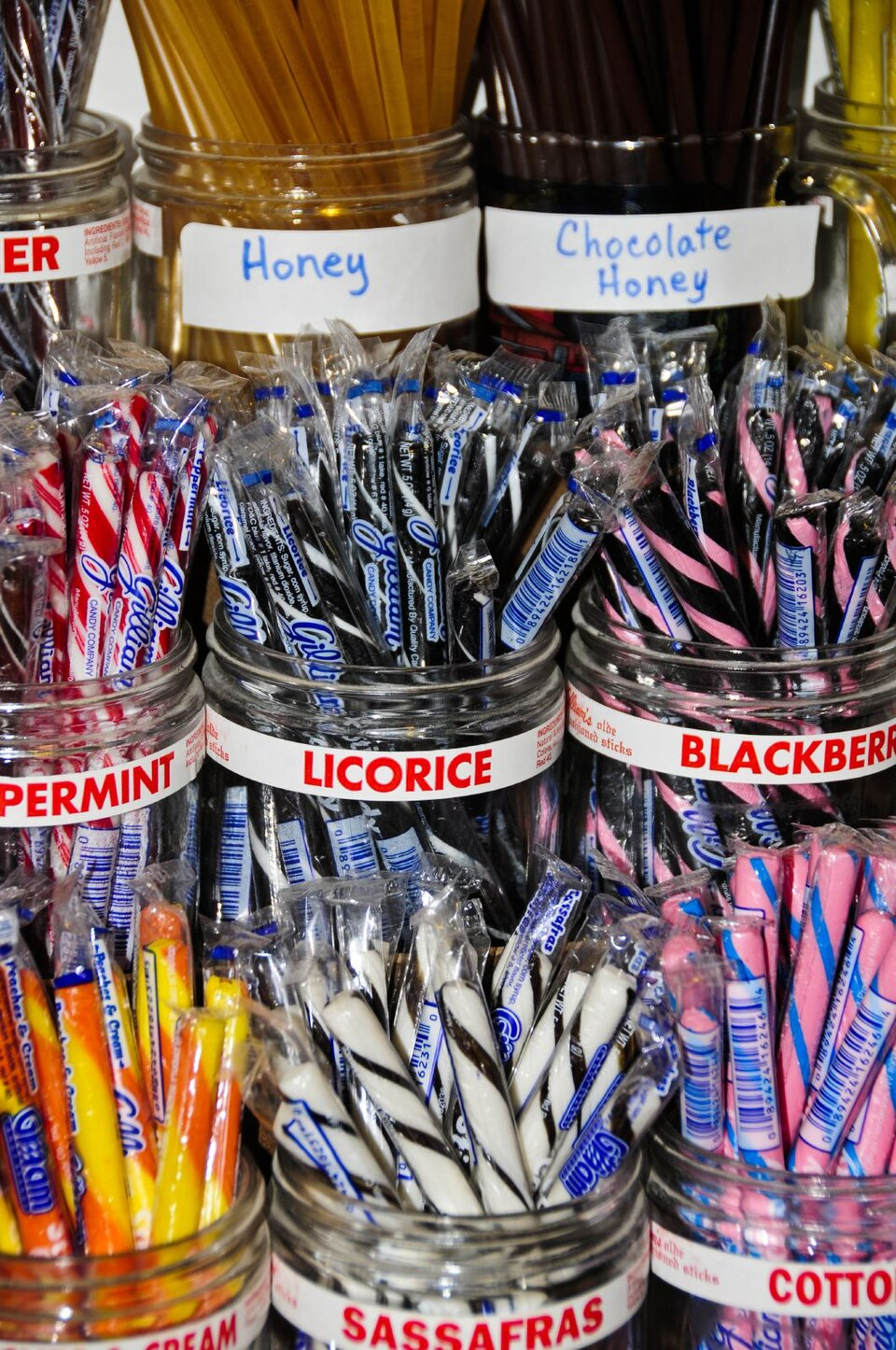
Before the individual candies, it is worth remembering the institution: the penny candy counter, where treats genuinely cost a penny or a few cents, and kids could assemble a whole bag for pocket change. Stores kept rows of glass jars and open bins of loose candy within easy reach of small hands.
The very concept has largely vanished. Rising prices, packaging and hygiene standards, and the decline of the independent corner store all conspired to end the era of true penny candy. The experience of pointing at jar after jar and walking out with a stuffed paper bag for a dime is now a memory that defines a generation’s childhood.
Like our content? Follow us for more.
Candy Cigarettes
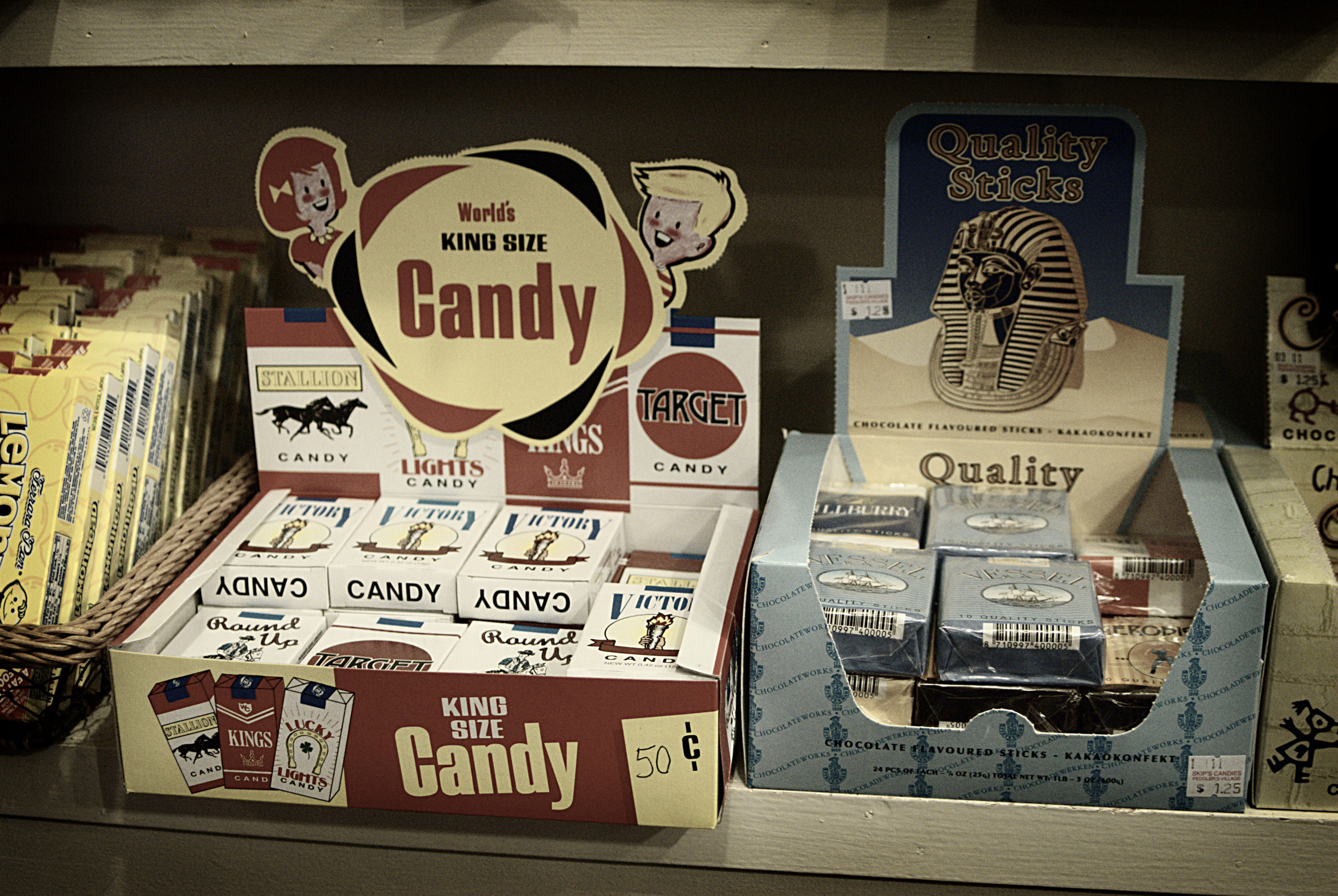
Among the most striking candies of the era were candy cigarettes, sugar or chalky-candy sticks made to look like real cigarettes, sometimes with a red-tinted tip and even packaging that mimicked tobacco brands. Kids “smoked” them in playful imitation of adults.
As attitudes toward smoking shifted dramatically and concerns grew about marketing that mimicked tobacco to children, candy cigarettes fell out of favor and were restricted or pulled in many places. Versions survive in altered forms in some markets, but the bold, brand-mimicking candy cigarettes of 1973 are largely a thing of the past, a relic of a very different era.
Wax Bottles and Wax Treats
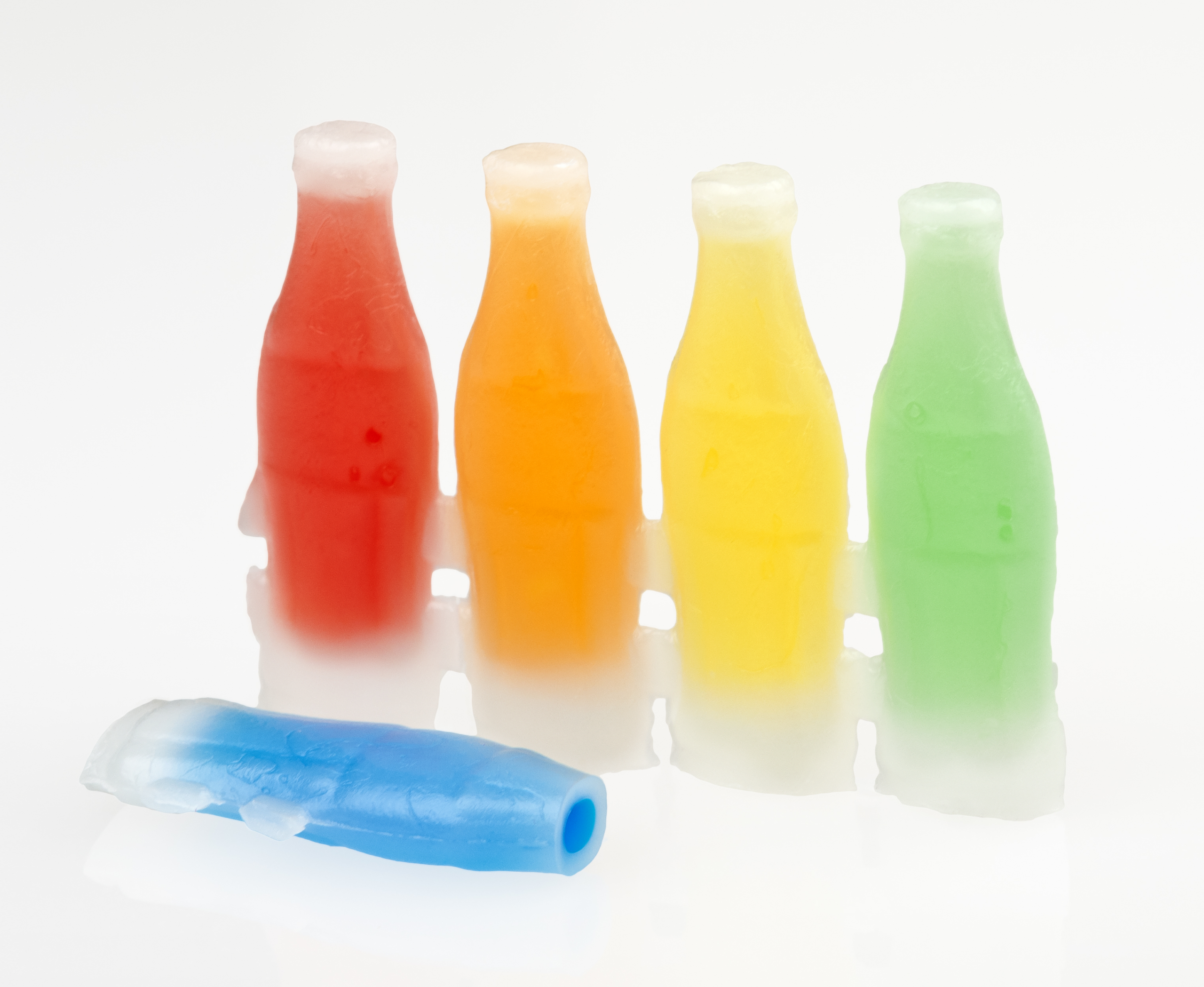
Little wax bottles filled with brightly colored, sweet liquid were a curious 1970s staple. You bit off the top, drank the tiny bit of syrup inside, and then, depending on your inclination, chewed the flavorless wax like gum before spitting it out.
These and other wax-based novelties were as much about the strange experience as the flavor. While some wax candies still exist in niche nostalgia shops, they have largely disappeared from mainstream candy counters, casualties of changing tastes. Few treats capture the delightful weirdness of 1970s candy quite like a mouthful of sweet wax.
Discontinued Chocolate Bars
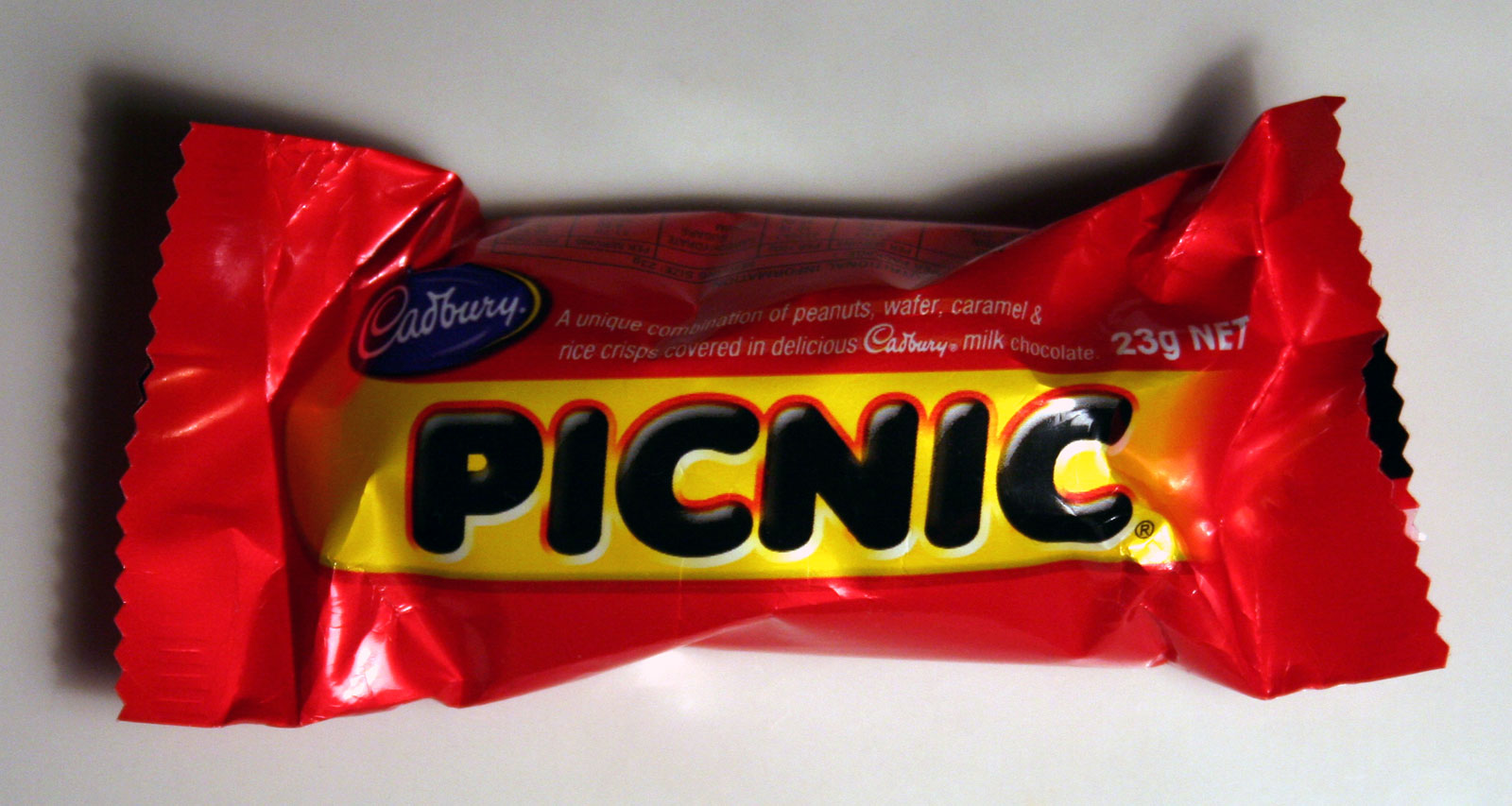
The candy aisle of 1973 held chocolate bars and combinations that have since been discontinued, their unique flavors and textures living on only in the memories of those who loved them. Brands regularly retired beloved bars as product lines changed and tastes evolved.
For fans, the disappearance of a favorite bar can sting for decades, and online communities still trade memories of specific discontinued treats. Some have been briefly revived as nostalgia plays, only to vanish again. The candy graveyard is full of chocolate bars that a 1973 kid would recognize instantly but that today’s children have never tasted.
Super-Sour and Novelty Powders
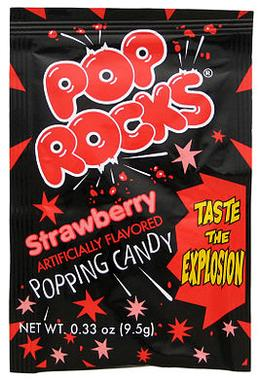
The era loved a gimmick, and novelty candies abounded: intensely sour powders, candies that fizzed or “exploded,” and treats sold as much for the sensation as the flavor. Daring each other to eat the sourest candy was a playground sport.
While sour and fizzy candies still exist in modern forms, many of the specific novelty products of the 1970s were discontinued as fads passed. The particular powders and gimmicks that thrilled 1973’s kids have mostly been replaced by newer novelties. Candy, it turns out, is an industry built on constant reinvention, and yesterday’s sensation is quickly forgotten.
Bubble Gum With Comics and Cards
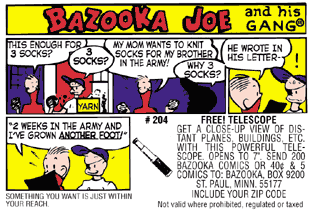
Bubble gum in 1973 often came bundled with something extra, a tiny comic strip, a trading card, or a temporary tattoo, making the purchase as much about the prize as the gum. The gum itself was frequently an afterthought to the collectible inside.
Many of these specific gum-and-prize products have been discontinued, though the concept lives on in various forms. The particular brands and their beloved comics or cards are now collectors’ items, and the gum that came with them is long gone. For many, the memory is less about the flavor than about unwrapping to see which comic or card you got.
The Sweets That Survived
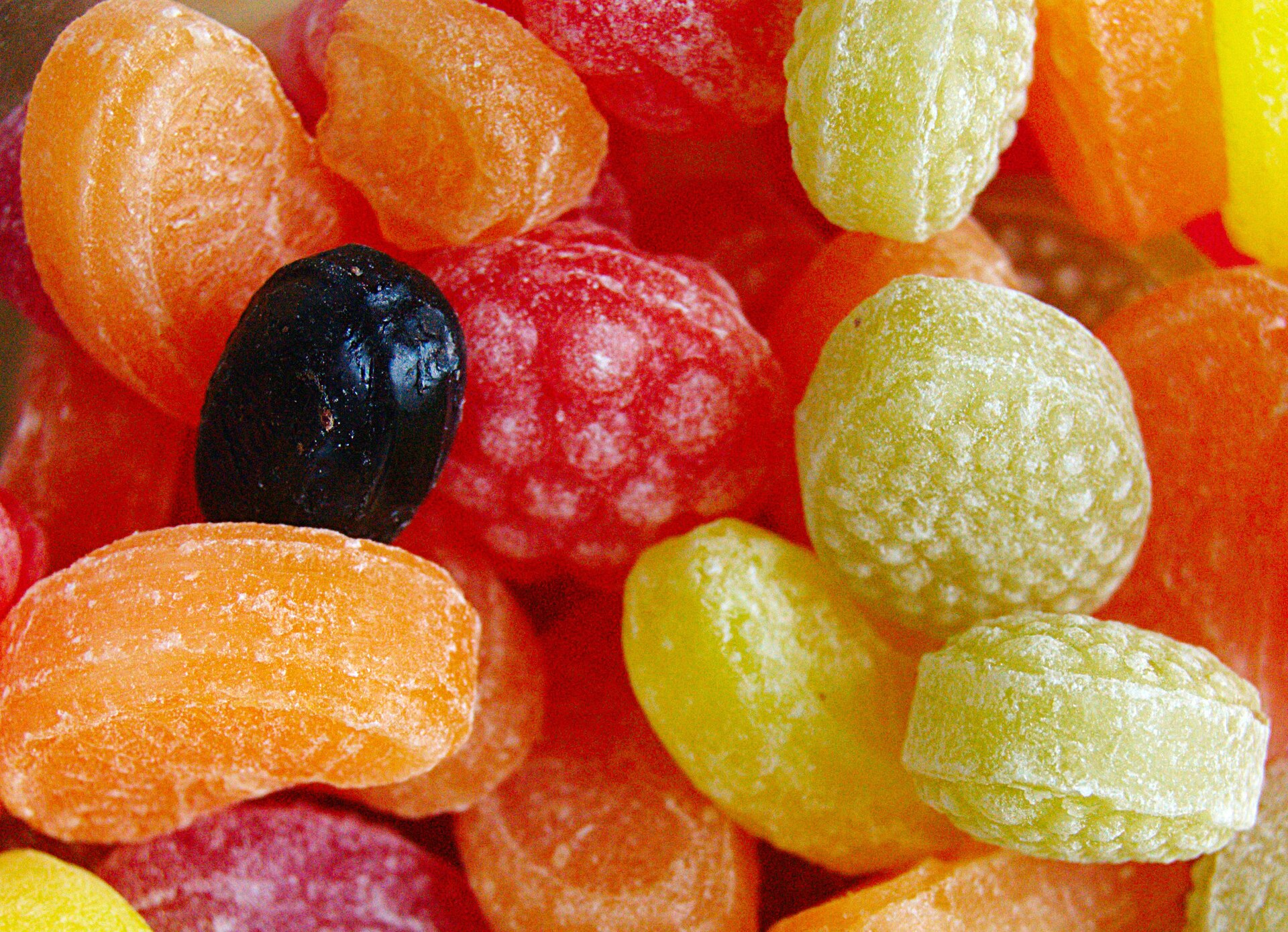
Not every 1973 candy vanished. Plenty of classic candies, hard candies, certain chocolate bars, jawbreakers, licorice, and many enduring brands, are still on shelves today, little changed. These survivors are a comforting link to childhood for those who remember the candy counter of the ’70s.
The survivors tend to be the simplest and most beloved, the candies that never needed a gimmick to stay popular. Their endurance highlights what disappeared: the novelties, the fads, and the treats tied to attitudes, like candy cigarettes, that simply have no place today. The candy counter has thinned out, but its greatest hits play on.
The Five-and-Dime and the Soda Fountain
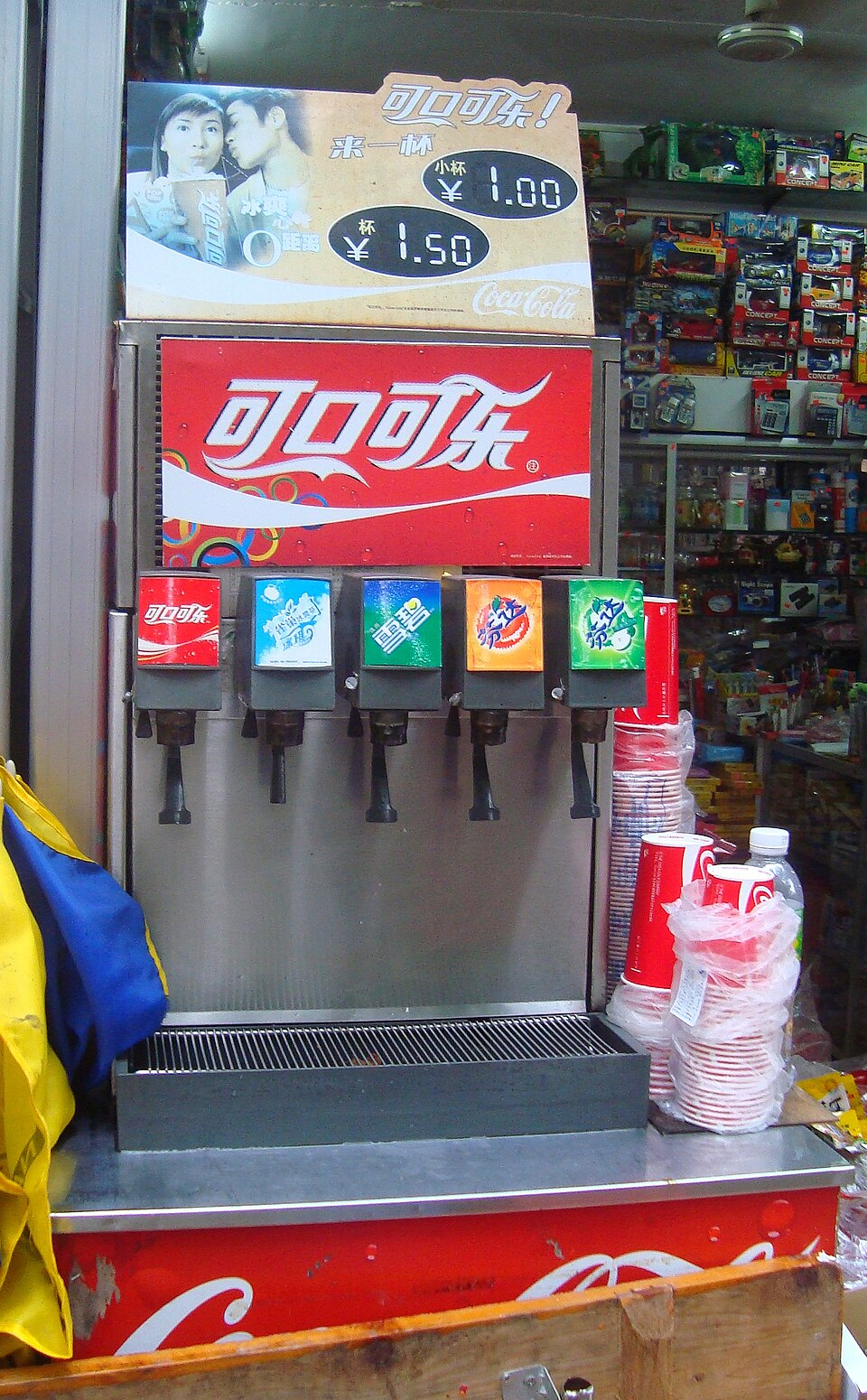
The candy of 1973 cannot be separated from the places that sold it, and many of those have vanished too. The five-and-dime store, with its long candy counter, and the drugstore soda fountain, where a kid could get a fountain drink and a handful of sweets, were institutions of American childhood. They were social hubs as much as shops.
As these establishments closed over the following decades, replaced by supermarkets, big-box stores, and pre-packaged everything, the whole ritual of buying candy changed. Gone was the experience of standing at a counter, pointing at jars, and chatting with the person behind it while they filled a paper bag. The candy that survived moved to mass-market shelves, but the intimate, local experience of acquiring it, central to the memory for so many, disappeared along with the stores. Part of what people miss is not just the treats but the whole world that surrounded them.
Why So Much Candy Disappeared
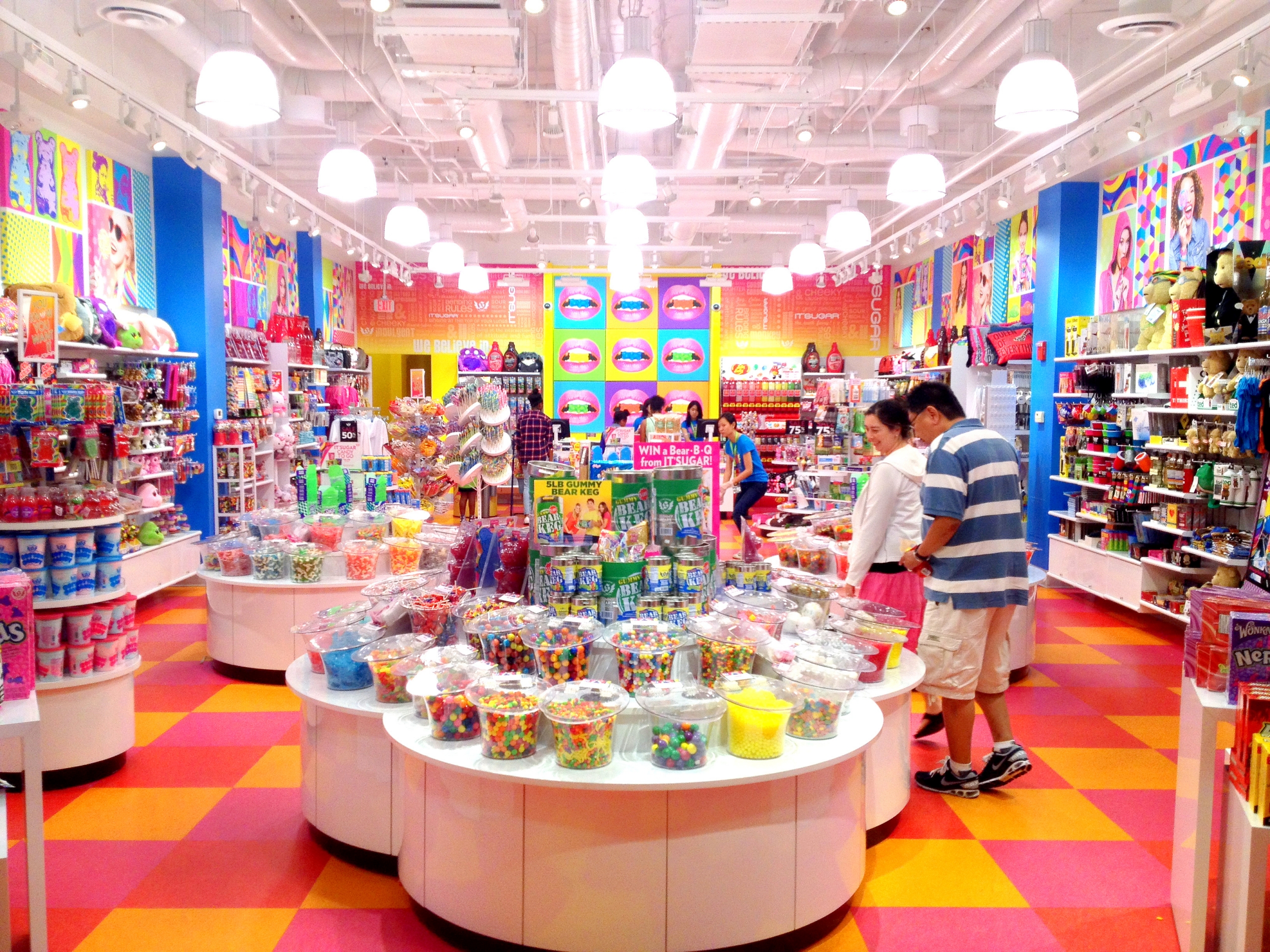
The vanishing of so many 1973 candies comes down to a mix of forces. Some treats were discontinued simply because tastes changed and sales fell. Others, like candy cigarettes, faded as cultural attitudes shifted. Still others were reformulated as ingredient standards evolved, or disappeared along with the independent corner stores that sold them.
For those who grew up making the pilgrimage to the candy counter, the nostalgia is powerful and specific, tied to particular flavors, wrappers, and the magic of buying a whole bag for pocket change. Many of those exact treats are gone, surviving only in memory and the occasional collector’s listing. The candy of 1973 is a delicious reminder that childhood favorites do not last forever, and that part of the sweetness of nostalgia is knowing you tasted something the next generation never will. Tracking down a long-lost favorite has become its own small joy for those chasing a flavor from the past.
Like our content? Follow us for more.