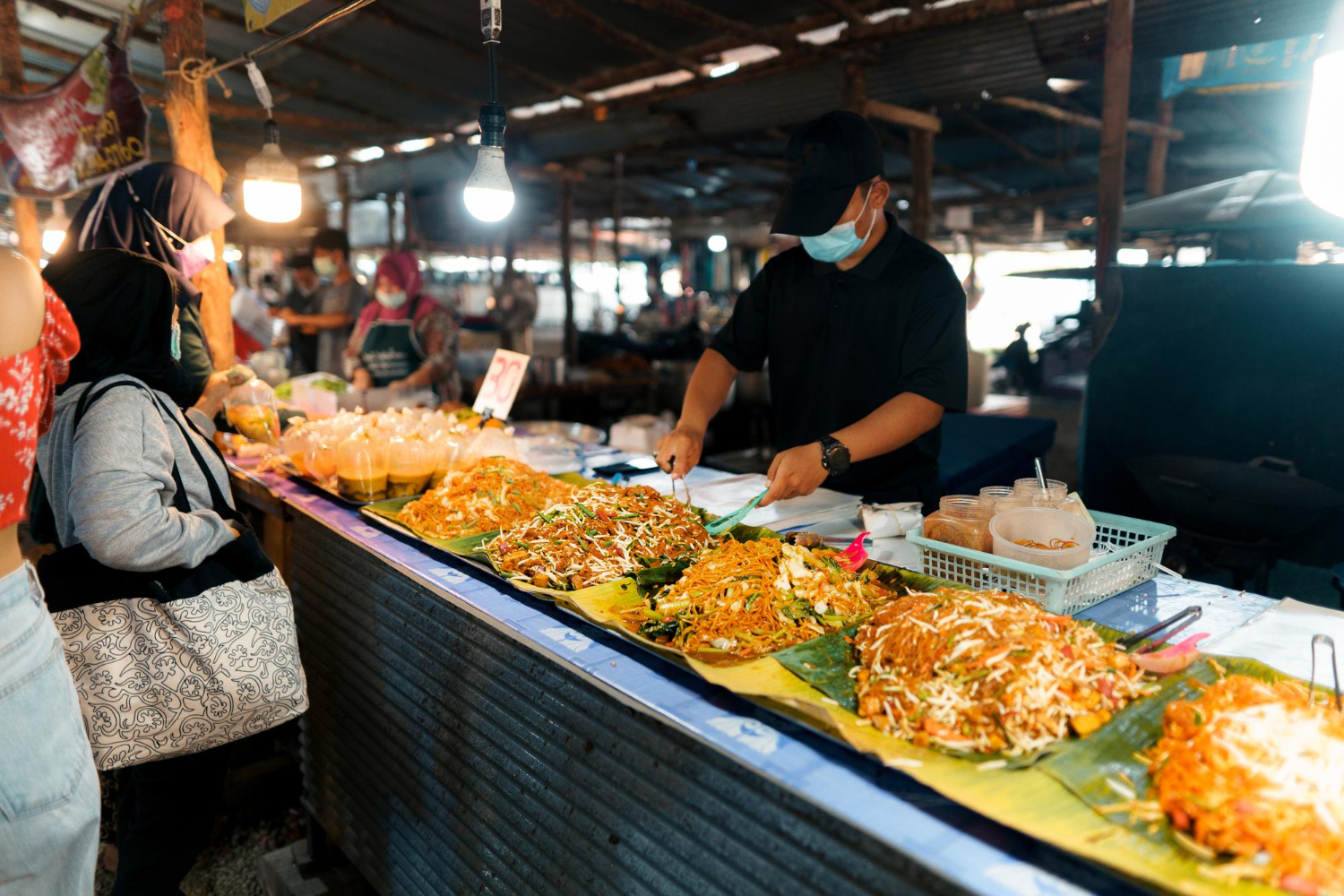
Singapore’s hawker centers (substantial outdoor food courts featuring various stalls) produce some of the world’s most distinctive food culture — including substantial willingness of Singaporeans to queue for 60+ minutes at famous stalls without significant complaint. Various famous hawker stalls including Liao Fan Hong Kong Soya Sauce Chicken Rice and Noodle (the first hawker stall to receive Michelin star, 2016) routinely produce 1-2+ hour wait lines. The cumulative queueing behavior reflects substantial Singaporean cultural commitments to food quality, fairness, and substantial cumulative national identity. Plus Singapore’s hawker culture earned UNESCO Intangible Cultural Heritage status in 2020.
The Singaporean hawker culture represents specific example of how substantial cultural commitment to food quality combined with substantial communal food consumption creates distinctive cultural practice that mainstream international tourism rarely matches. The cumulative tradition has substantially persisted across decades despite various pressures including substantial real estate development, generational changes among hawker operators, and cumulative urbanization. Understanding what makes cumulative hawker culture actually distinctive reveals substantial Singaporean depth.
The Specific Hawker Center Reality
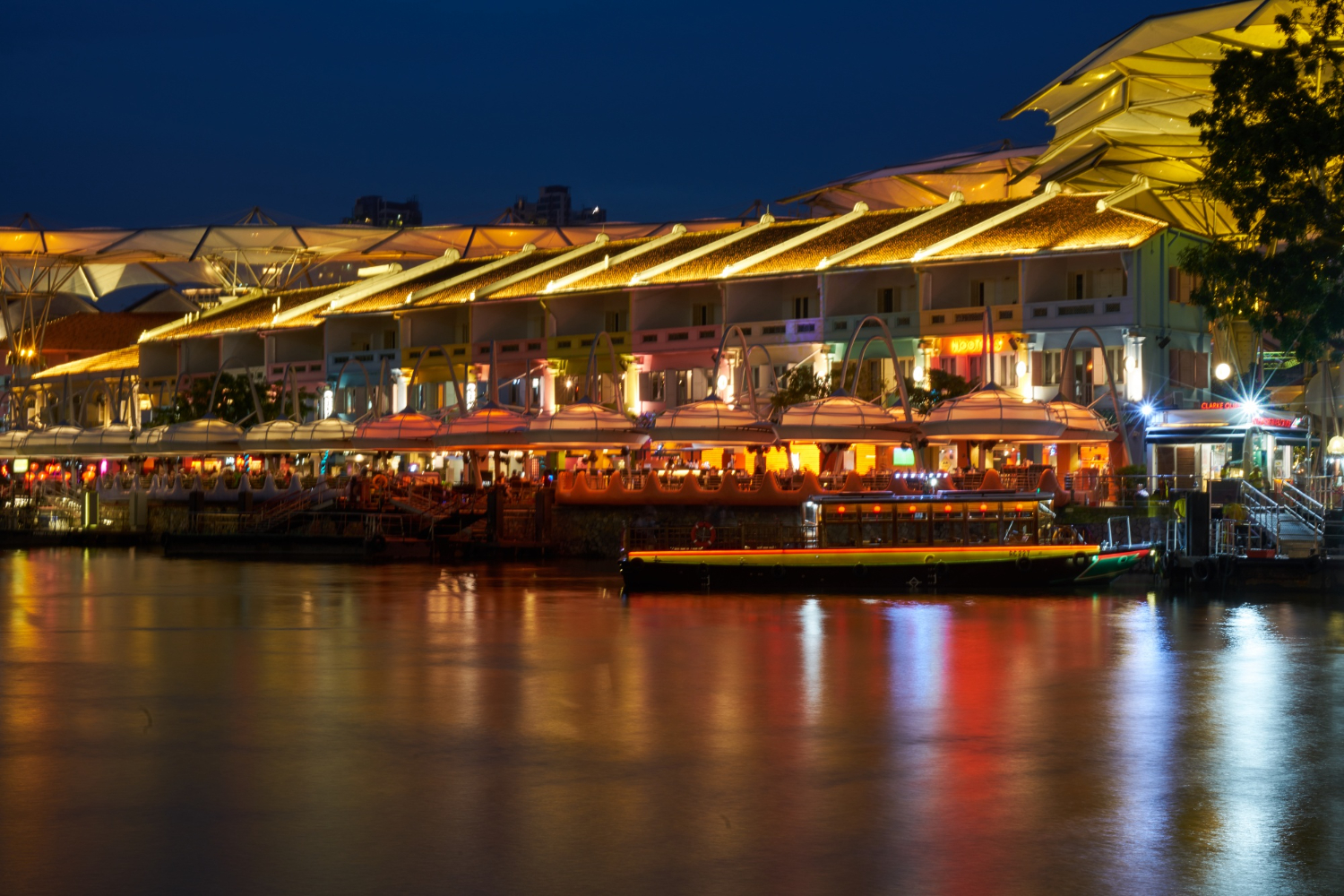
Singapore has approximately 110+ hawker centers distributed across cumulative urban territory. The cumulative centers typically feature 20-100+ individual food stalls under substantial shared roof, communal dining areas with substantial seating, various cleaning and waste management services, and various other shared infrastructure. Various famous hawker centers include: Maxwell Food Centre (substantial central location), Lau Pa Sat (substantial historic Victorian-era structure), Tiong Bahru Market, Old Airport Road Food Centre, Newton Food Centre, and various others.
The cumulative hawker centers substantially emerged during 1970s-1980s government modernization. Singapore’s government substantially moved cumulative street food vendors from substantial unregulated street locations into cumulative formal hawker centers with substantial safety, sanitation, and management standards. The cumulative transition substantially preserved food traditions while substantially improving cumulative public health standards. Various other Southeast Asian countries have followed cumulative similar models with varying success.
The Michelin Star Reality
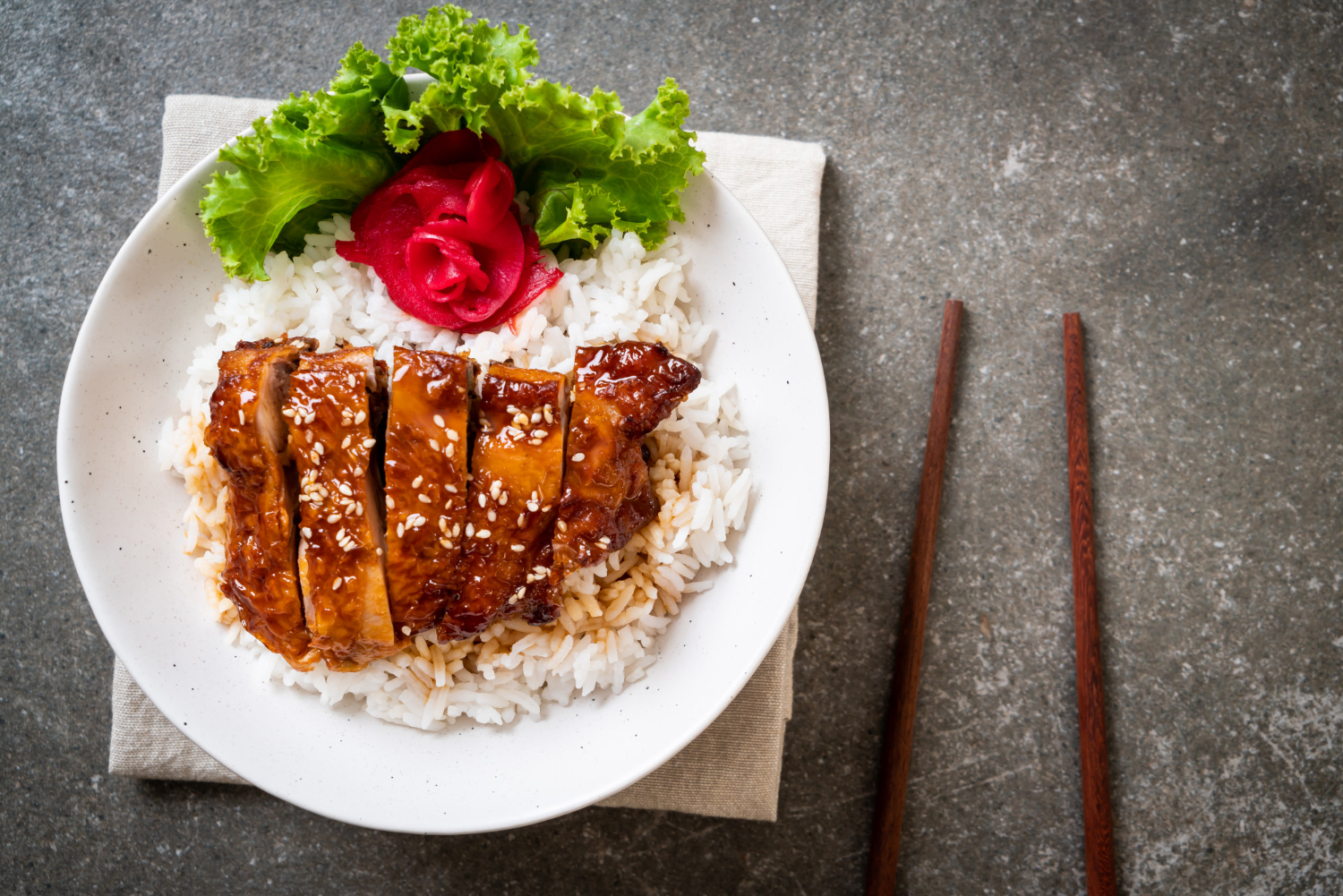
A substantial hawker culture milestone occurred in 2016 when Liao Fan Hong Kong Soya Sauce Chicken Rice and Noodle became cumulative first hawker stall globally to receive Michelin star recognition. The cumulative stall, located in Chinatown Food Complex, substantially attracted international attention. Owner Chan Hong Meng substantially gained international celebrity despite cumulative continuing operation of simple hawker stall serving substantial $2-4 USD meals.
The cumulative Michelin recognition substantially affected cumulative hawker culture perception. Various international food critics substantially recognized cumulative hawker food quality as competitive with cumulative substantially expensive restaurant traditions. The cumulative recognition validated substantial Singaporean cultural pride in cumulative hawker tradition. Various other hawker stalls have subsequently received cumulative Michelin recognition, substantially expanding international awareness of cumulative culinary heritage.
The UNESCO Designation

UNESCO designated Singapore’s hawker culture as Intangible Cultural Heritage in December 2020. The cumulative designation provides substantial international recognition framework for cumulative cultural preservation. The cumulative UNESCO recognition substantially celebrates cumulative hawker culture as substantial example of multicultural communal food tradition that mainstream international tourism rarely recognizes despite substantial cultural significance.
The cumulative UNESCO designation substantially supports cumulative cultural preservation efforts. Various Singaporean government programs have substantially expanded support for cumulative hawker culture preservation since cumulative recognition. The cumulative challenges remain substantial — younger generations substantially don’t enter cumulative hawker profession at rates necessary to replace cumulative aging hawker operators. The cumulative succession crisis substantially threatens cumulative tradition long-term continuation despite cumulative substantial cultural recognition.
The Specific Queueing Culture
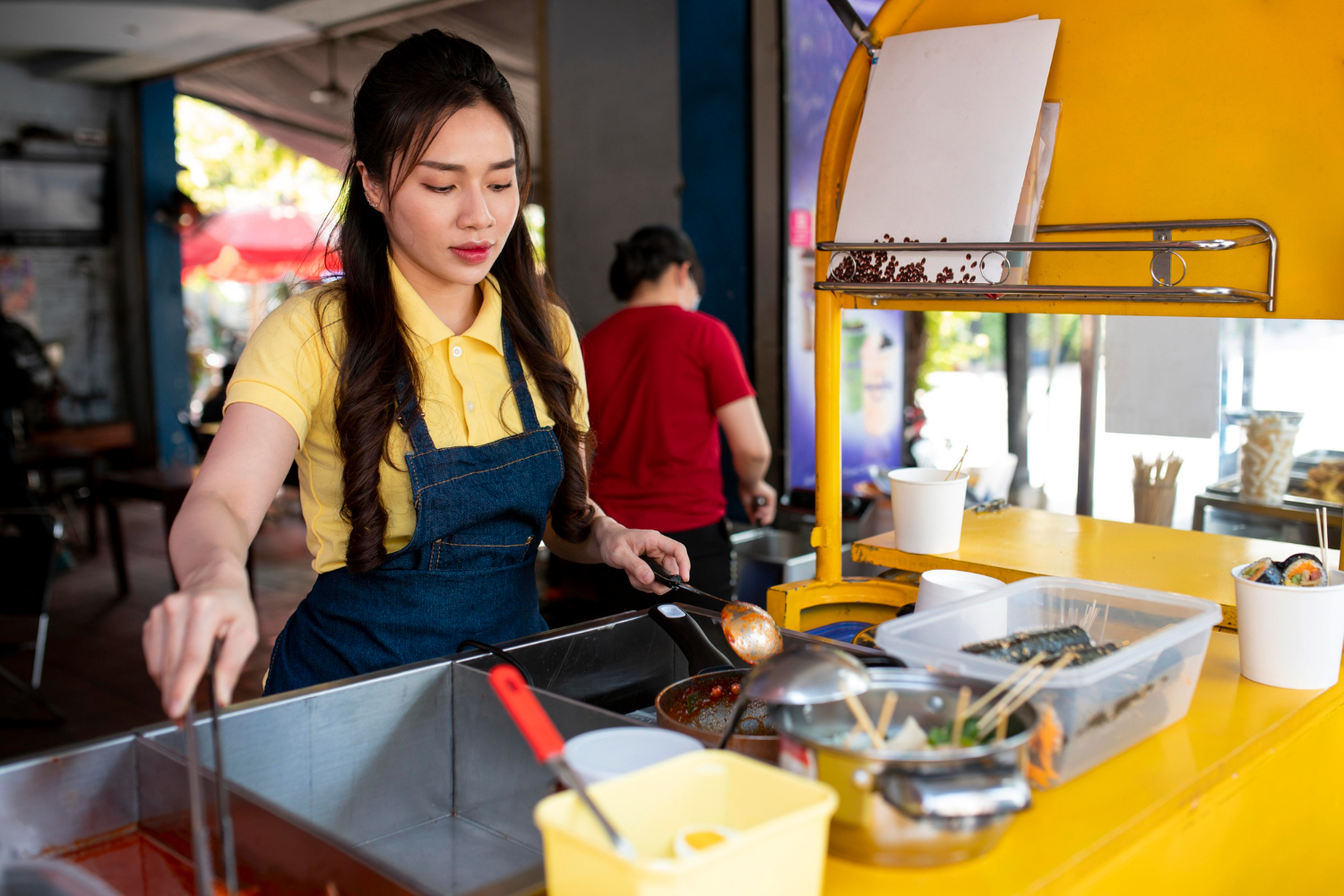
The cumulative substantial Singaporean queueing for famous hawker stalls represents specific cultural phenomenon. Various famous stalls routinely produce 60-120+ minute wait lines during peak dining periods. Tourists and locals substantially queue together without significant complaint. The cumulative behavior reflects substantial cultural commitment to food quality plus substantial cultural acceptance of cumulative queueing as fair distribution mechanism for cumulative limited cumulative high-quality food.
The cumulative queueing extends beyond just famous Michelin-recognized stalls. Various stalls with substantial reputations routinely produce substantial wait lines during peak periods. The cumulative culture substantially rewards specific quality cumulative stalls with cumulative customer loyalty across decades. Various stalls have operated continuously across multiple cumulative generations of cumulative same family operators. The cumulative continuity reflects substantial cumulative customer commitment to cumulative quality.
The Specific Etiquette Reality
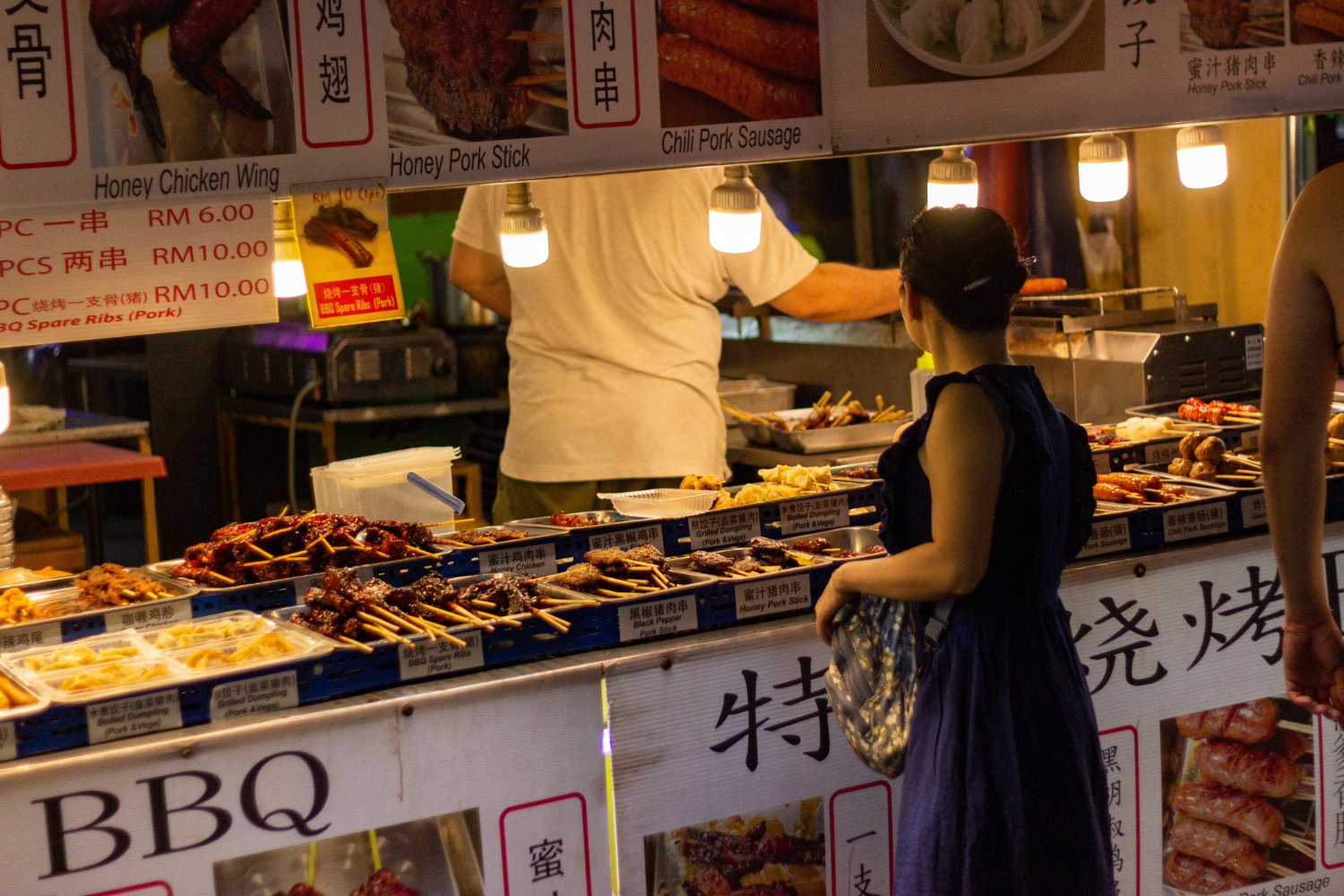
Hawker center etiquette involves substantial specific Singaporean cultural elements. “Chope” — substantial cultural practice of reserving cumulative seats with tissue packets, umbrellas, or various other personal items — represents cumulative substantially distinctive Singaporean tradition. The cumulative practice essentially substitutes physical objects for actual people during meal acquisition. Various Singaporeans substantially respect cumulative chope reservations despite cumulative no formal enforcement mechanism.
The cumulative chope tradition substantially functions through cumulative collective cultural agreement rather than formal rules. Various visitors find cumulative practice substantially surprising but should respect cumulative reserved seats. Various other hawker etiquette elements include: substantial cleanup responsibility after eating, specific payment procedures at various stalls, substantial appreciation for cumulative cultural diversity (various Chinese, Malay, Indian, and other ethnic food traditions coexist in cumulative same hawker centers), and various other specific elements.
The Multi-Ethnic Reality
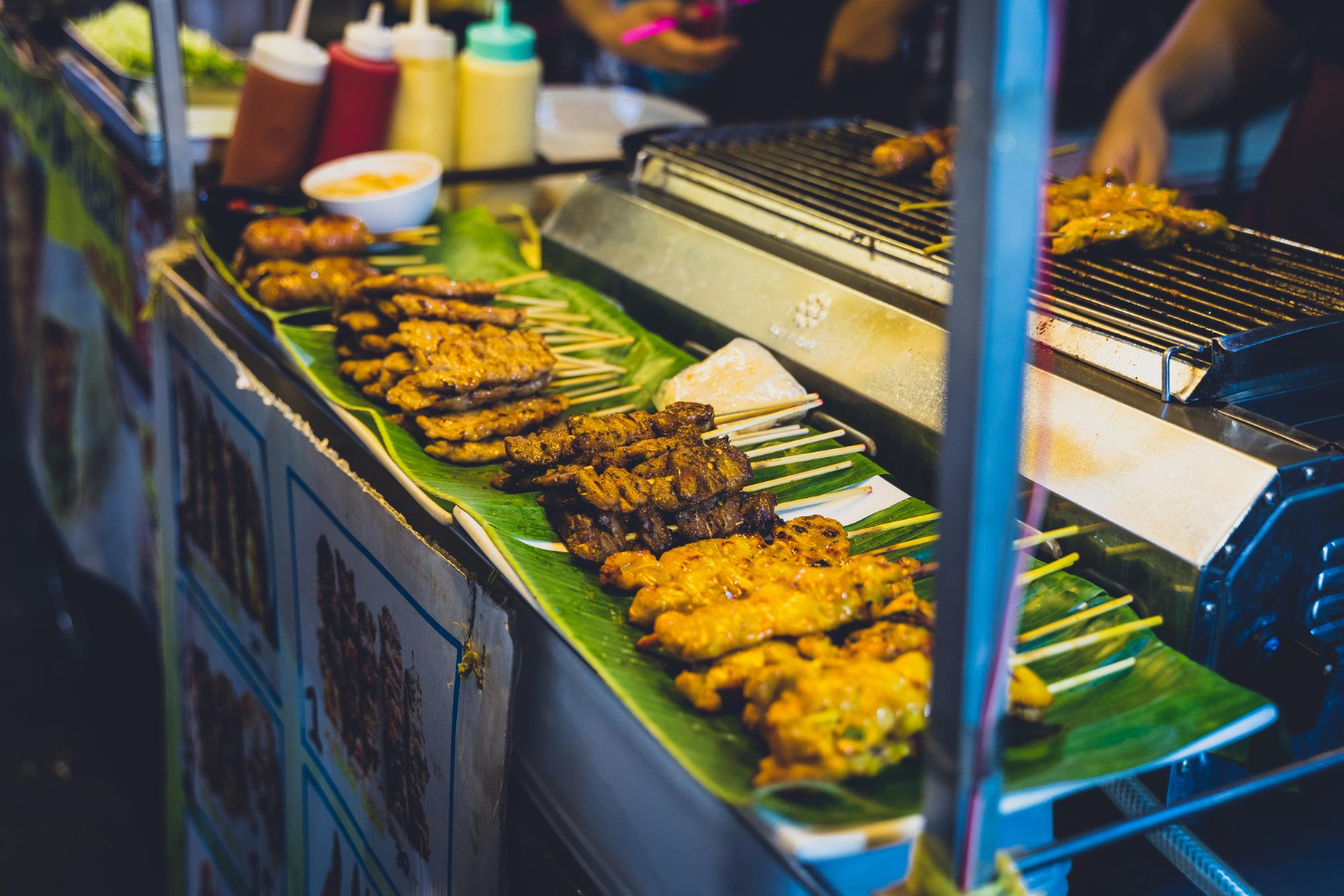
Singapore hawker culture substantially reflects cumulative multi-ethnic Singaporean society. Various Chinese stalls (substantial majority) serve various Chinese regional cuisines — Cantonese, Hokkien, Teochew, Hainanese, and various others. Malay stalls serve substantial Malay specialties including nasi lemak, satay, and various others. Indian stalls serve substantial Indian regional cuisines. Peranakan stalls serve substantial Peranakan (Chinese-Malay fusion) traditional dishes.
The cumulative multi-ethnic offering substantially exceeds what mainstream international food courts typically provide. Various visitors can experience substantial cultural diversity through cumulative single hawker center visit. The cumulative culture substantially demonstrates Singaporean multi-ethnic harmony that mainstream international tourism rarely emphasizes despite substantial cultural significance. The cumulative food serves substantial daily cultural integration across cumulative ethnic communities through shared eating spaces and cumulative culinary exchange.
The Specific Famous Dishes
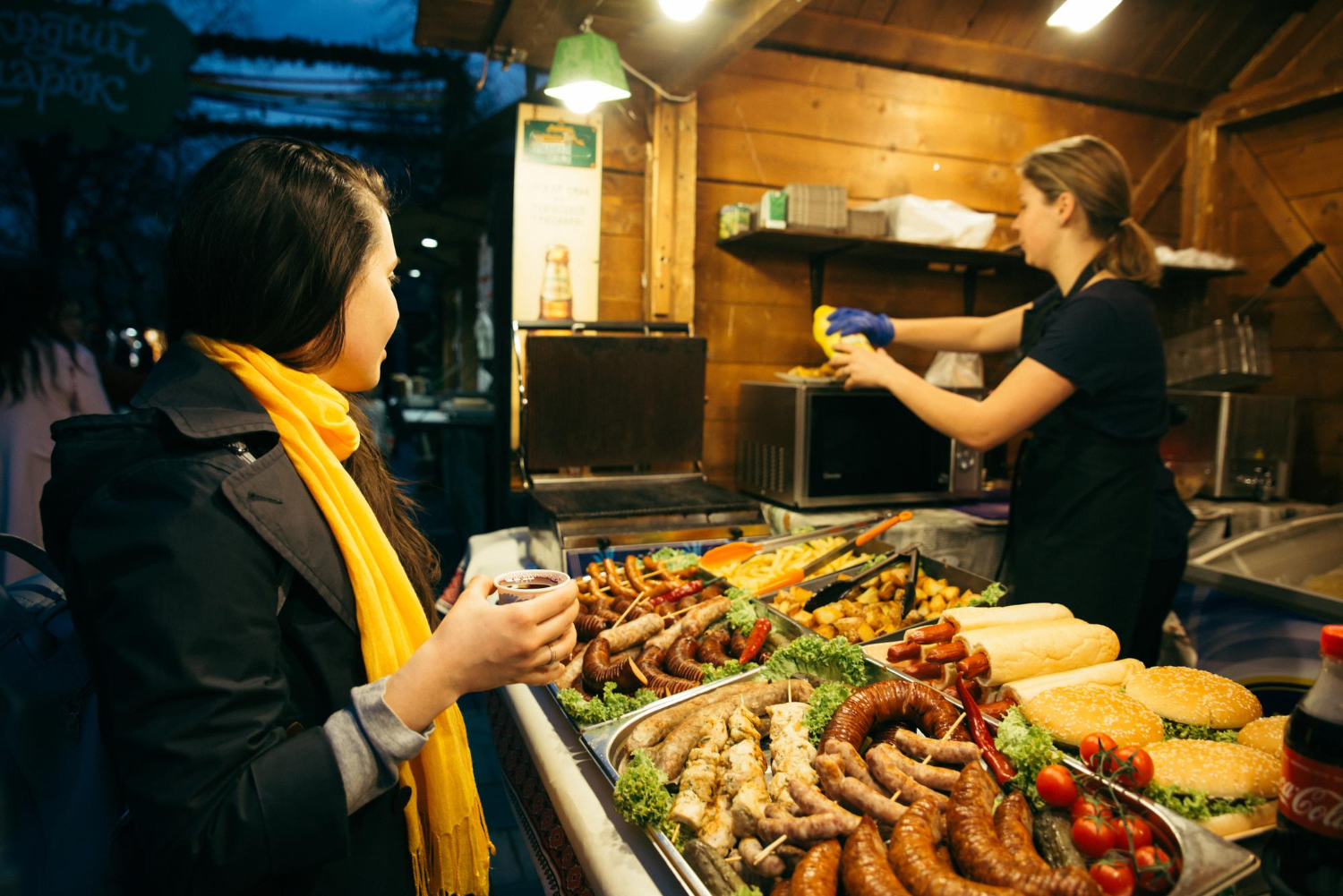
Various specific dishes have become substantial Singaporean cultural symbols beyond just food. Hainanese chicken rice (substantial national dish), Chili crab, Laksa (substantial coconut curry noodle soup), Char kway teow (substantial stir-fried flat noodles), Hokkien mee (substantial prawn noodles), Roti prata (substantial Indian-influenced flatbread), Bak kut teh (substantial pork rib soup), various others. The cumulative dishes substantially represent cumulative cultural heritage beyond just nutritional functions.
The cumulative famous dishes substantially attract international culinary tourism. Various visitors specifically plan Singapore trips for cumulative food experiences. The cumulative culinary tourism substantially supports cumulative hawker tradition continuation through cumulative visitor revenue. Most cumulative famous dishes can be experienced at multiple hawker centers, substantially expanding visitor options beyond cumulative famous individual stalls with substantial wait lines.
The Specific Pricing Reality
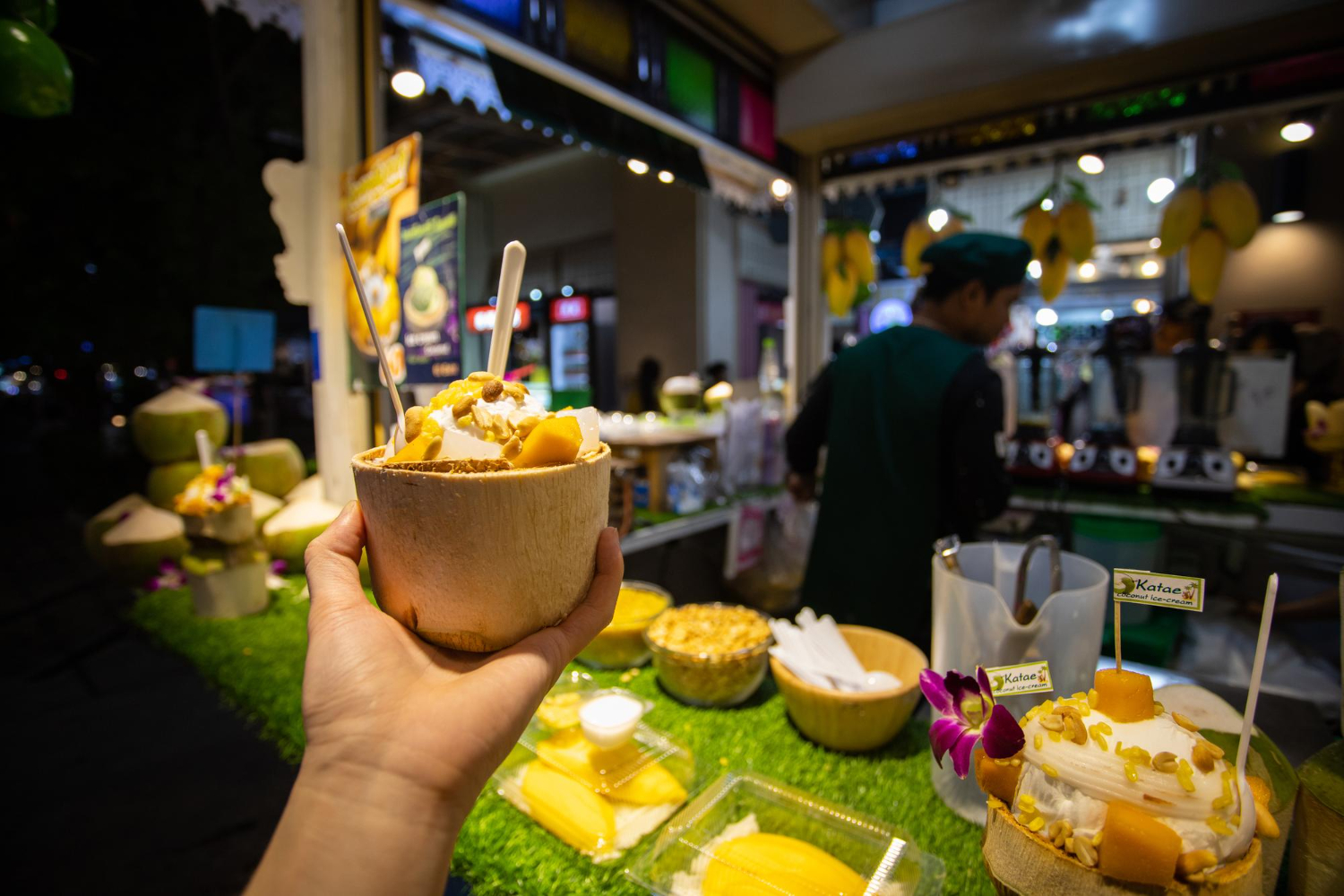
Hawker center meals substantially provide remarkable value despite substantial cumulative quality. Typical meal prices: $3-8 SGD (approximately $2-6 USD) for substantial meals. Various famous stalls charge similar prices despite substantial reputation — Michelin-recognized stalls operate at cumulative similar price levels rather than premium positioning. The cumulative pricing substantially democratizes substantial culinary quality across cumulative socioeconomic levels.
The cumulative low pricing reflects substantial Singaporean government commitment to cumulative hawker affordability. Various government programs substantially support cumulative hawker operations through subsidized facility rent, training programs, and various other elements. The cumulative pricing substantially makes hawker food essential daily eating option for most Singaporeans regardless of cumulative income levels. The cumulative democratization substantially differs from various other countries’ food cultures that substantially segregate cumulative quality dining by cumulative price levels.
How Visitors Should Approach Hawker Centers
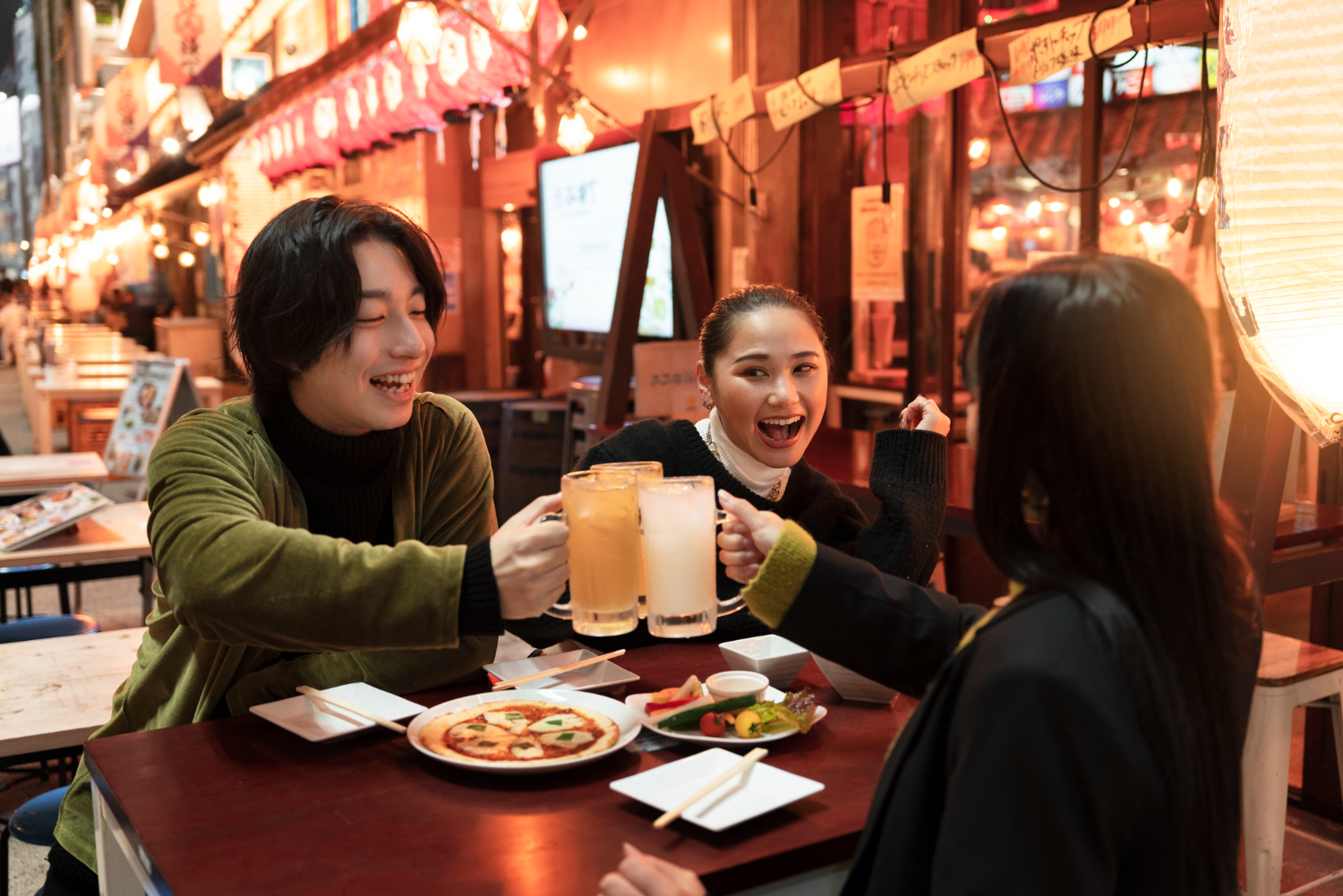
Practical guidance for international visitors to hawker centers. Choose timing strategically — peak lunch (12-1:30 PM) and dinner (6-8 PM) hours produce substantial cumulative wait times. Off-peak visits substantially reduce cumulative queueing. Try multiple stalls rather than waiting hours at single famous stall — cumulative similar quality often exists at various comparable stalls without substantial waits. Bring cash — various stalls don’t accept cards. Pay cumulative respect to cumulative chope tradition when reserving seats.
The cumulative effective hawker center visits substantially exceed quick tourist meal experiences. Various visitors substantially benefit from cumulative substantial time investments — extended visits allow substantial exploration of multiple cumulative stalls, substantial cultural observation, substantial conversation with cumulative locals, and various other elements. The cumulative experience substantially represents specific aspect of Singaporean culture that brief tourist meals essentially cannot capture despite cumulative similar food consumption.
What Singapore Hawker Culture Represents
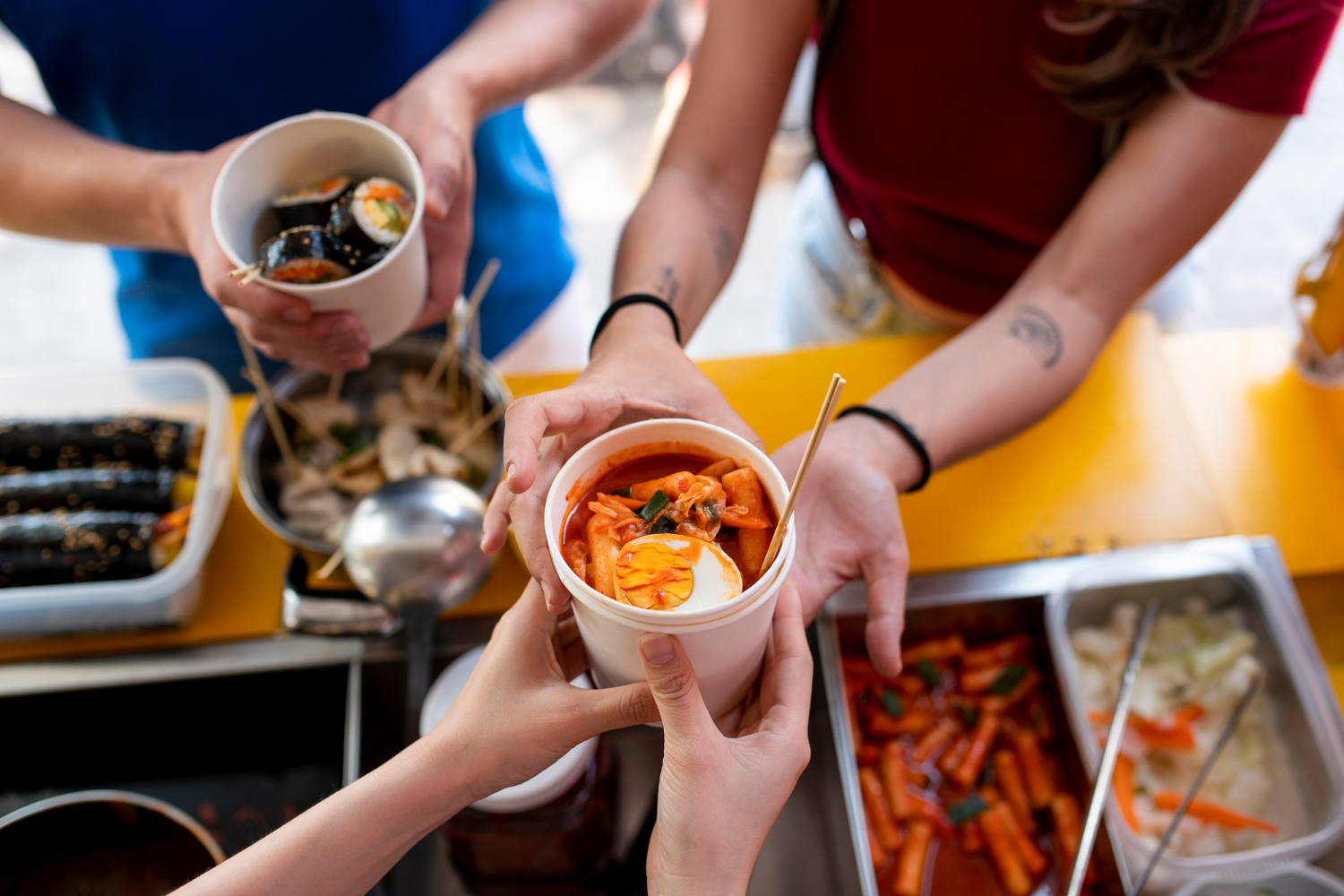
Singapore’s hawker culture represents specific example of how substantial cultural commitment combined with cumulative government support produces distinctive cultural heritage that mainstream international tourism rarely emphasizes despite substantial cultural significance. The cumulative tradition substantially demonstrates that multi-ethnic harmony can produce substantial cumulative culinary culture that benefits cumulative all participants. The cumulative future depends on various factors including substantial succession challenges with cumulative aging hawker operators, cumulative real estate pressures, cumulative generational cultural shifts, and various other elements. Various pressures may substantially affect cumulative patterns across coming decades but currently cumulative Singaporean hawker culture represents specific example of substantial successful cultural preservation despite cumulative substantial modernization pressures. For travelers visiting Singapore, cumulative hawker experience provides specific opportunity to experience substantial authentic cultural heritage that mainstream international tourism rarely emphasizes despite substantial available cultural depth. International visitors who specifically engage with cumulative hawker tradition substantially better understand Singaporean culture beyond cumulative typical tourist surface experiences.