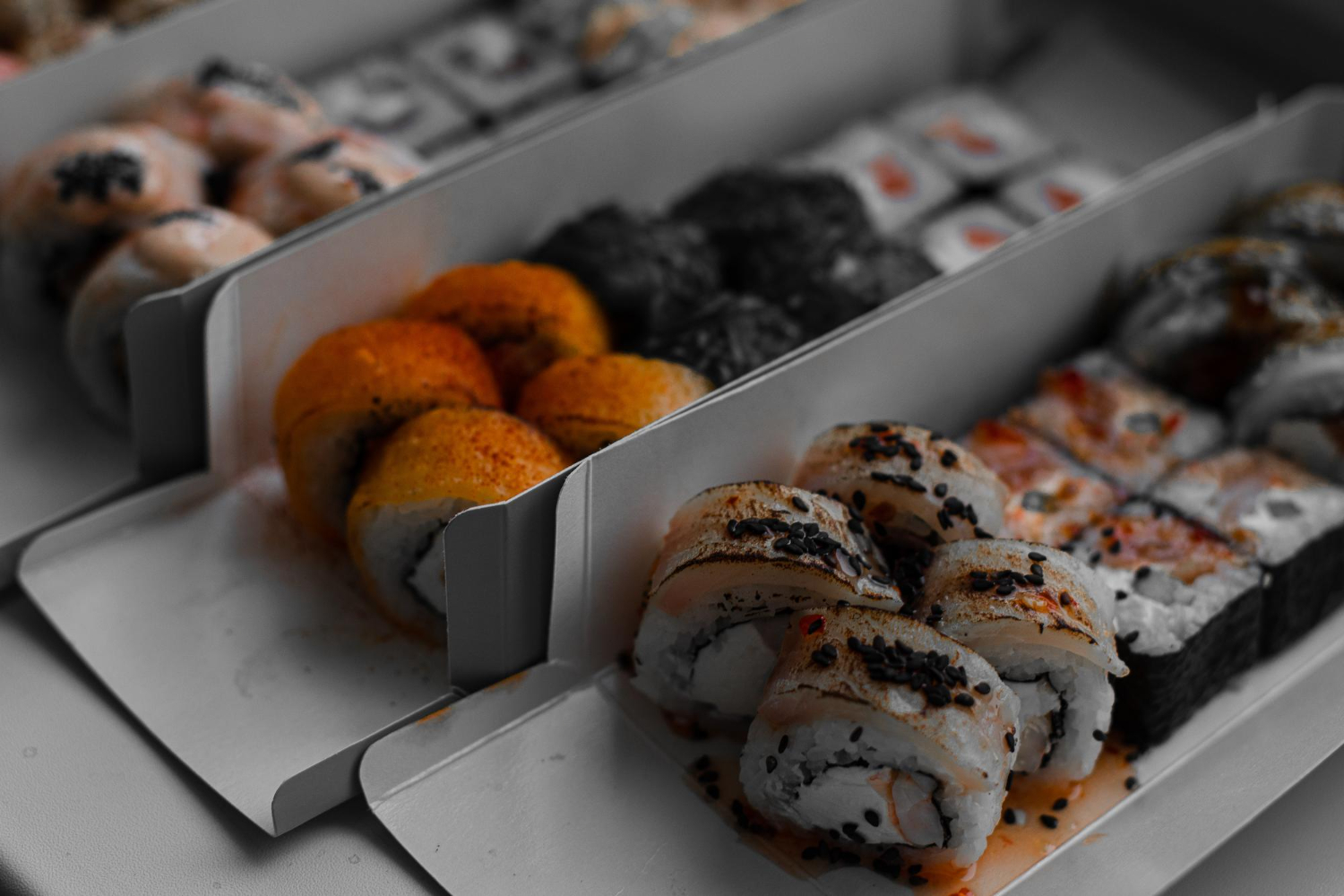
Convenience store sushi operates substantially differently across various global markets. Japanese convenience stores (7-Eleven, Lawson, FamilyMart) produce substantial fresh sushi with substantial quality that mainstream international convenience stores essentially cannot match. American convenience store sushi typically uses substantial preservatives, frozen fish products, and various other elements that produce substantial different product despite identical category labeling. Understanding what’s actually in convenience store sushi reveals substantial industry practices that mainstream marketing essentially doesn’t emphasize.
The convenience store sushi phenomenon represents specific intersection of food service operations, quality expectations, supply chain logistics, and substantial cumulative cultural differences across international markets. Various Japanese convenience stores produce substantial fresh sushi that rivals dedicated sushi restaurant offerings. American and various other international convenience stores typically operate substantially different sushi quality despite similar category labeling. Understanding cumulative actual differences reveals substantial industry depth.
The Japanese Convenience Store Reality

Japanese convenience stores (called “konbini” — short for convenience) operate substantially differently from mainstream international convenience store equivalents. The cumulative Japanese stores feature substantial fresh food sections that mainstream international stores essentially cannot match. Various convenience stores (7-Eleven Japan, Lawson, FamilyMart) substantially compete on fresh food quality alongside cumulative typical convenience store inventory.
Japanese convenience store sushi substantially uses fresh ingredients prepared daily through substantial commissary kitchens. The cumulative supply chain produces sushi typically within 12-24 hours of preparation. Various stores substantially restock multiple times daily during peak periods. The cumulative freshness substantially exceeds what mainstream international convenience stores achieve. The cumulative Japanese system has substantially set quality standards that mainstream international convenience stores essentially don’t replicate despite using cumulative identical brand names in some cases.
The Specific Fish Preparation

Japanese convenience store sushi typically uses substantial frozen fish products processed through specific techniques. The cumulative frozen tuna, salmon, and various other fish substantially undergo flash-freezing at substantial sub-zero temperatures (-60°C / -76°F) — substantially below standard freezer temperatures. The cumulative flash-freezing substantially preserves cumulative fish quality compared to standard freezing techniques.
The cumulative frozen fish preparation involves substantial regulatory compliance with cumulative Japanese food safety standards. Various flash-freezing requirements substantially eliminate parasites that affect cumulative raw fish consumption safety. The cumulative system substantially supports cumulative convenience store sushi safety despite substantial concerns about cumulative raw fish products. Various international convenience stores use cumulative substantially different frozen fish processes that produce cumulative substantially different results.
The Rice Reality
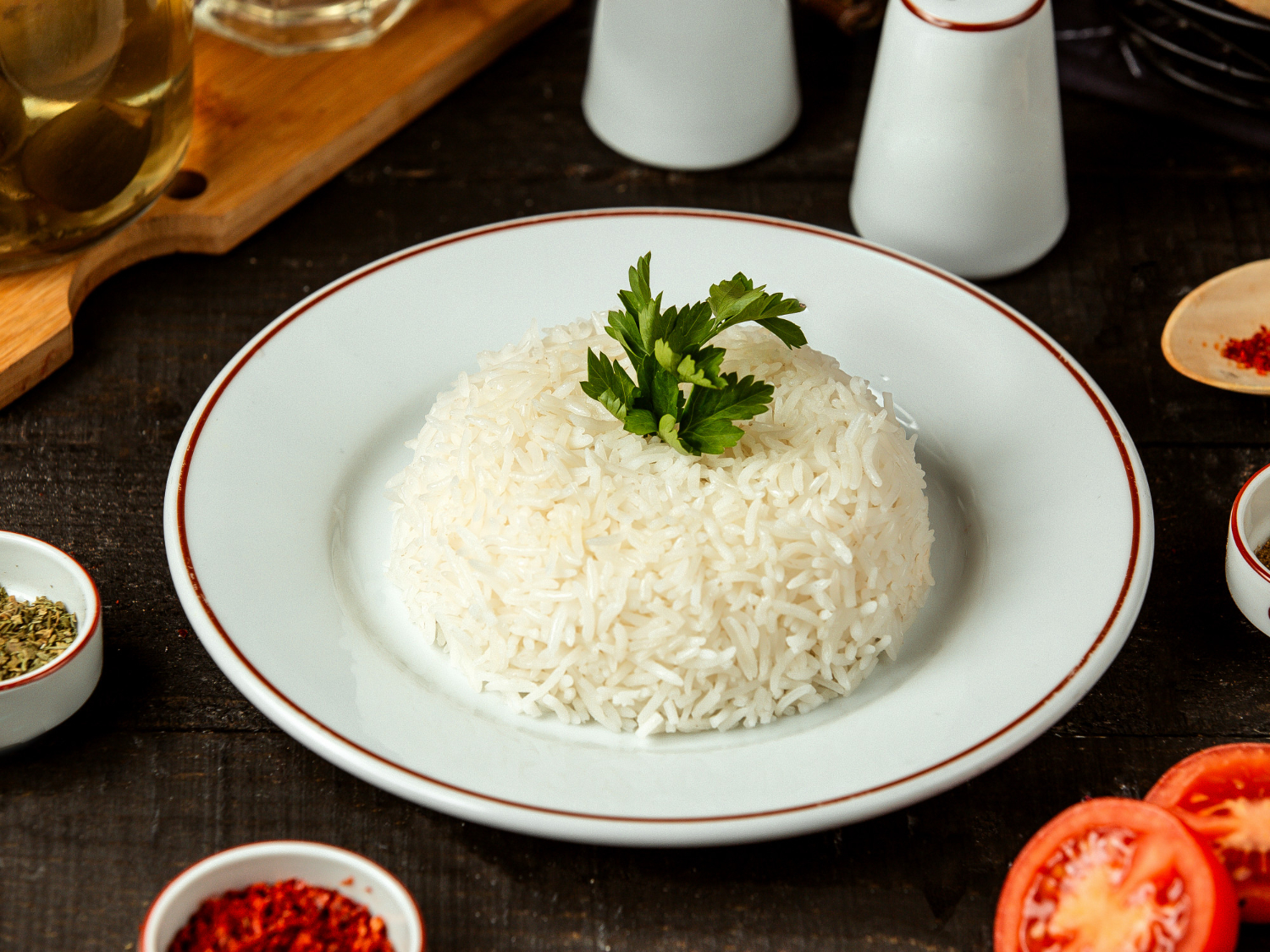
Japanese convenience store sushi rice substantially uses specific premium Japanese rice varieties prepared through cumulative specific techniques. The cumulative rice typically uses cumulative Koshihikari or substantially similar premium short-grain varieties. The cumulative preparation involves substantial rice vinegar seasoning, specific cooking techniques, substantial cooling procedures, and various other elements that substantially exceed cumulative mainstream international convenience store rice preparation.
The cumulative quality rice substantially affects cumulative sushi experience beyond just fish quality. Various international convenience store sushi substantially uses cumulative inferior rice that produces substantially different texture and taste regardless of cumulative fish quality. The cumulative rice quality substantially distinguishes cumulative Japanese convenience store sushi from cumulative international alternatives in ways that mainstream marketing essentially doesn’t emphasize despite substantial impact on cumulative final product quality.
The Preservative Reality
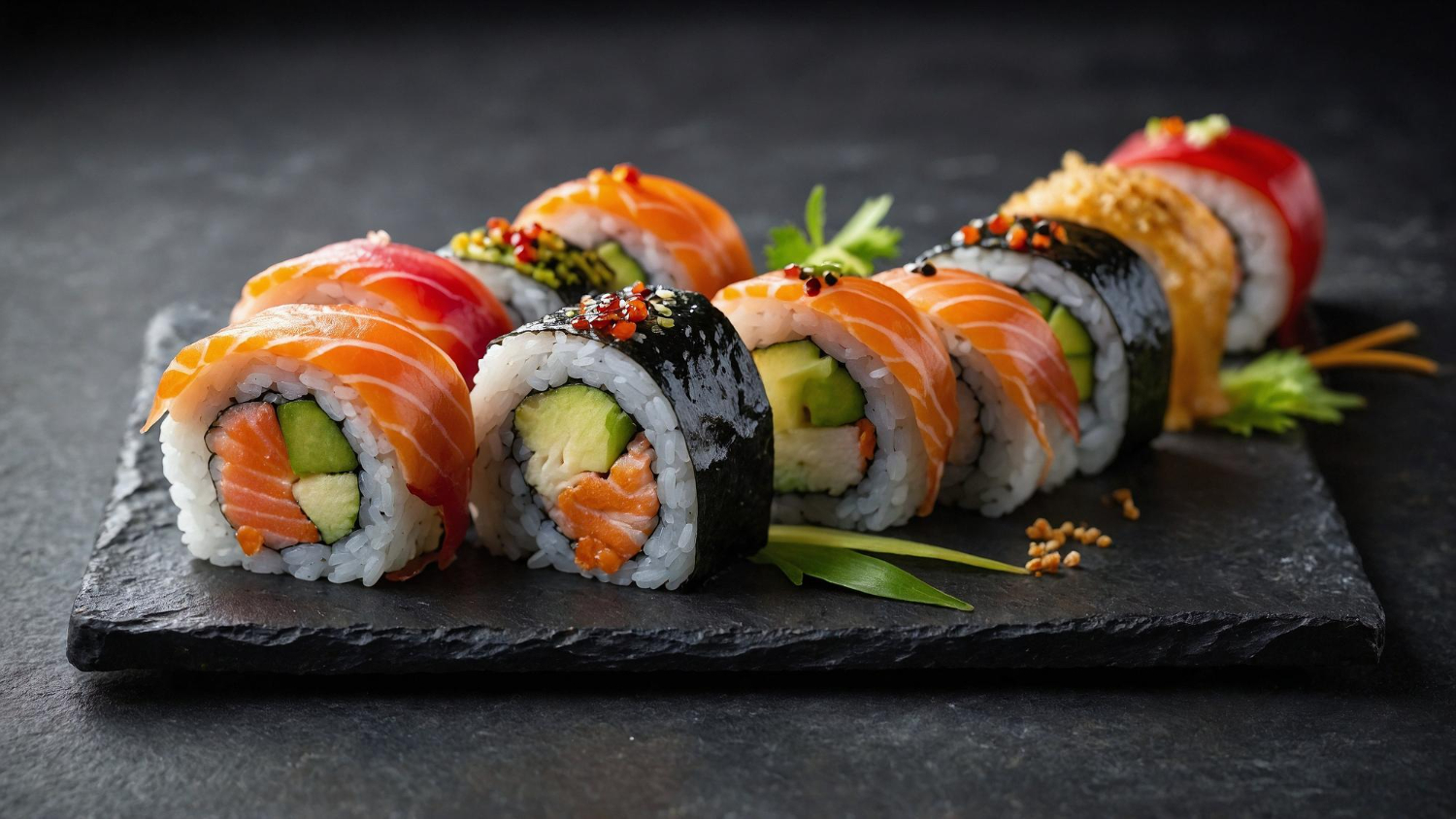
American convenience store sushi substantially uses cumulative preservatives that mainstream Japanese convenience store sushi substantially doesn’t include. The cumulative preservatives substantially extend cumulative shelf life from cumulative 12-24 hours (Japanese standard) to cumulative 3-7+ days (American standard). The cumulative shelf life extension substantially affects cumulative quality through cumulative chemical preservation alongside substantial fresh ingredient absence.
The cumulative American convenience store sushi typically substantially includes cumulative substantial sodium content, substantial sugar levels in cumulative rice preparation, various preservatives that mainstream consumers substantially don’t recognize from cumulative labels, and various other elements that substantially differ from cumulative Japanese alternatives. Various consumers substantially expect cumulative American convenience store sushi to provide cumulative authentic Japanese experience but cumulative substantially different supply chain produces cumulative substantially different actual product.
The Cost Reality
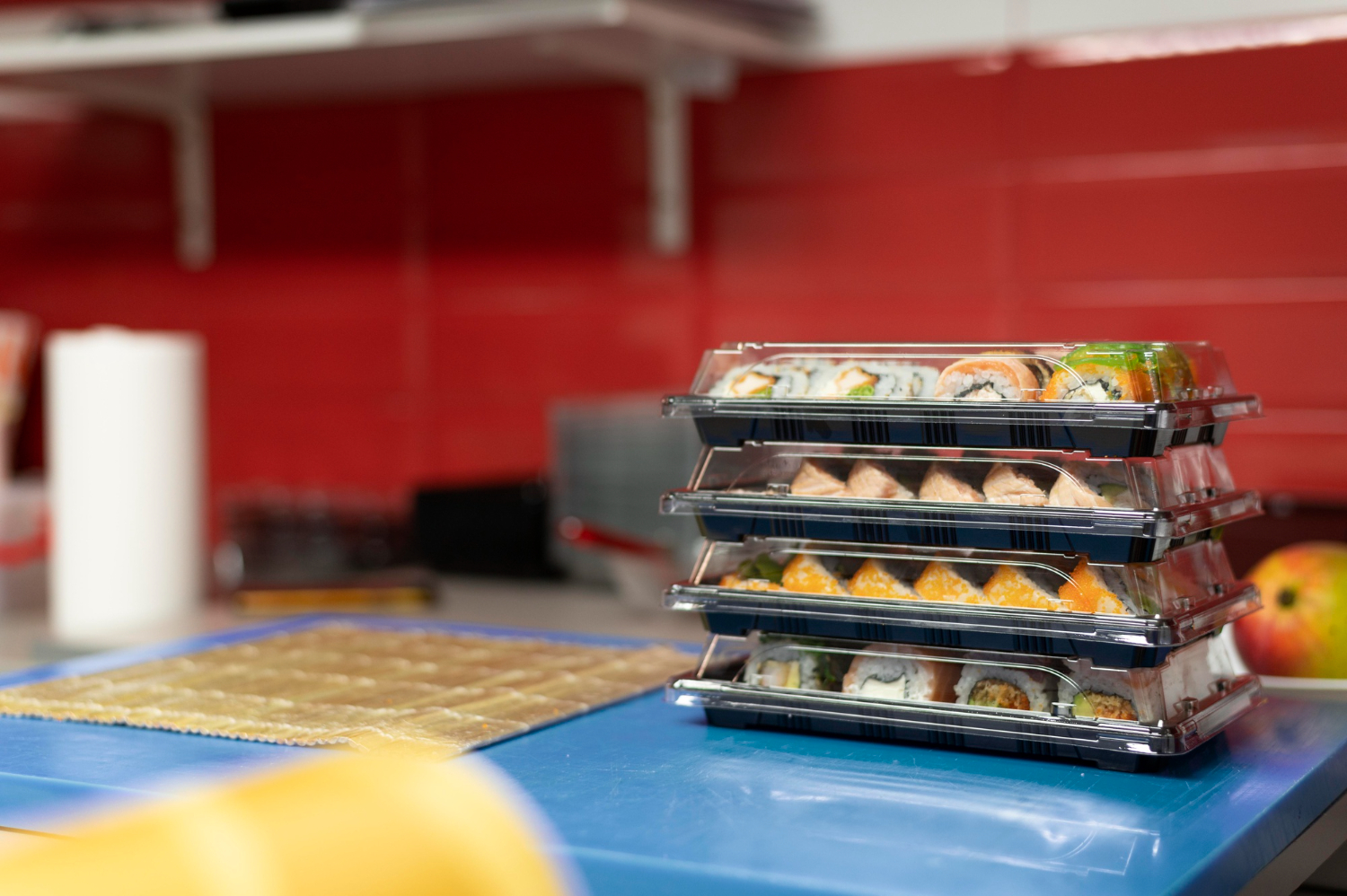
Japanese convenience store sushi pricing substantially differs from international equivalents despite cumulative substantially better quality. Typical cumulative Japanese convenience store sushi pricing: 400-800 JPY (~$3-6 USD) for substantial 8-10 piece sushi sets. Typical American convenience store sushi pricing: $6-15 for cumulative similar quantities. The cumulative pricing reverses cumulative typical international quality-to-price relationships.
The cumulative Japanese pricing reflects substantial economies of scale plus substantial competitive convenience store environment. Various Japanese convenience stores substantially compete on cumulative fresh food pricing and quality alongside cumulative typical convenience store inventory. The cumulative competition substantially benefits cumulative consumers through cumulative quality-price combinations that mainstream international markets essentially don’t replicate. Various international convenience stores substantially lack cumulative competitive pressure that produces cumulative Japanese results.
The Specific Surprise Elements
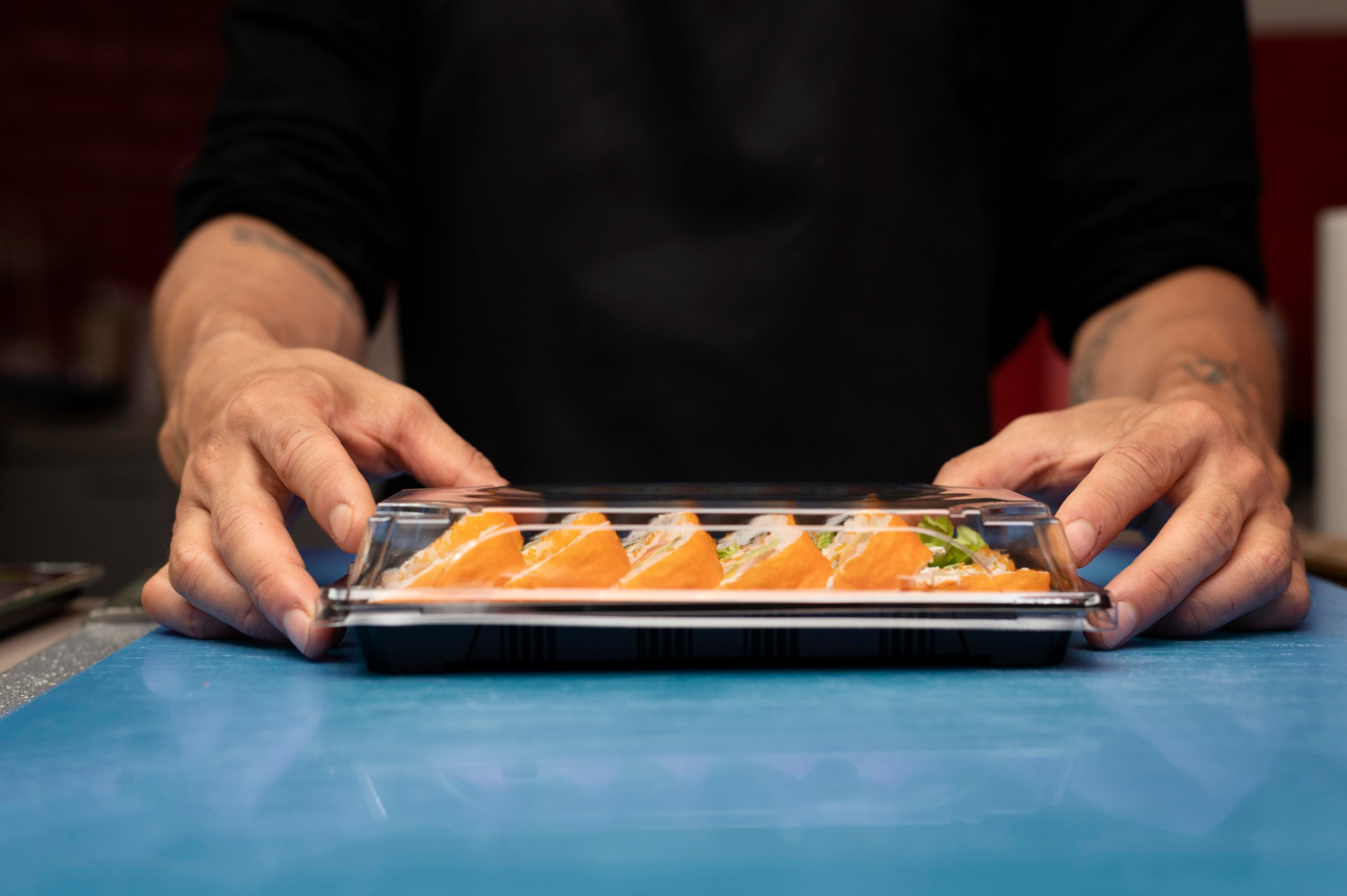
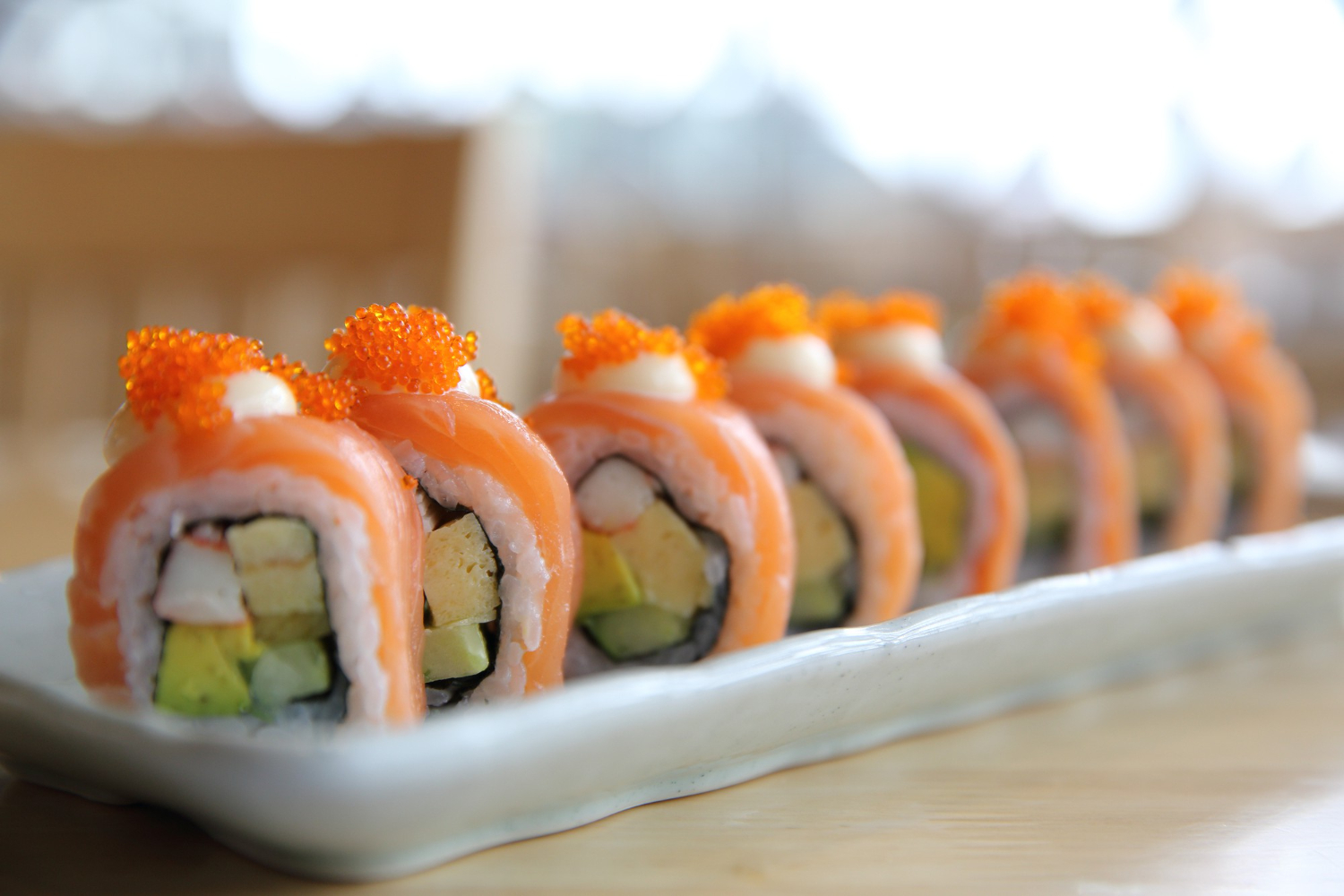
Various specific elements substantially surprise mainstream Western consumers about cumulative convenience store sushi globally. Substantial salmon roe (ikura) in various Japanese cumulative sushi varieties — substantial bright orange salmon eggs that mainstream Western consumers substantially don’t recognize. Substantial natto (fermented soybean) inclusions that produce cumulative substantially distinctive taste and texture. Substantial sea urchin (uni) varieties in cumulative premium offerings. Various other specific Japanese ingredients that mainstream Western sushi essentially excludes.
The cumulative Japanese inclusions substantially reflect cumulative authentic Japanese sushi tradition that mainstream Western Japanese restaurants substantially simplify for cumulative Western palate accommodation. Various Western consumers experience substantial surprise at cumulative authentic Japanese ingredients despite cumulative limited cumulative cultural understanding. The cumulative experience represents specific cultural exposure beyond just food consumption — substantial cultural learning through cumulative authentic ingredient experience.
The Vegetarian Reality
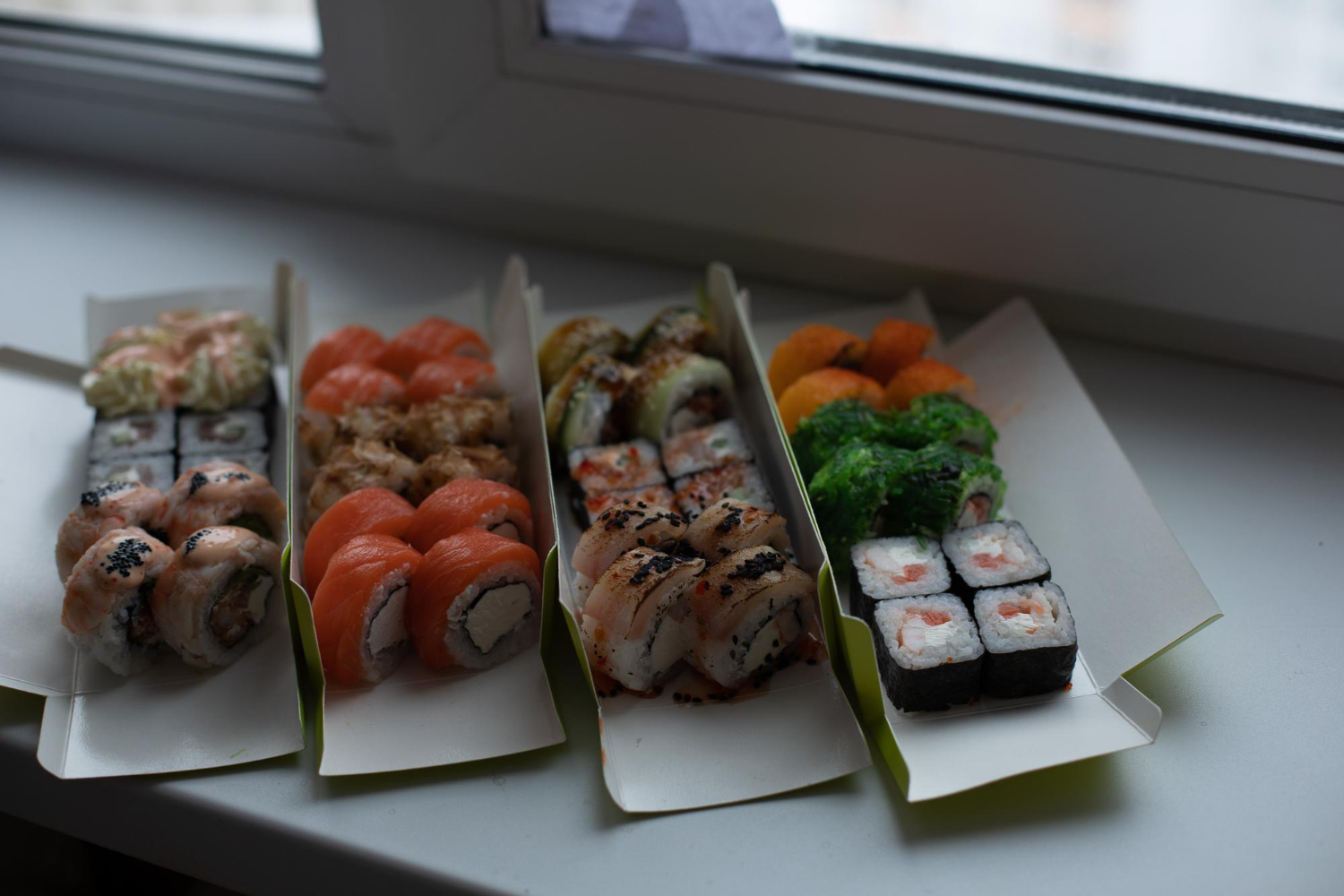
Convenience store sushi typically includes substantial vegetarian options that mainstream Western perceptions substantially overlook. Various cumulative vegetarian sushi types include: kappa maki (cucumber rolls), avocado rolls, tofu inari (sweet fried tofu pockets with rice), various pickled vegetable rolls, and various others. The cumulative vegetarian options substantially expand cumulative convenience store sushi accessibility beyond just cumulative raw fish consumers.
The cumulative vegetarian sushi essentially involves no substantial raw fish concerns and substantial substantially lower price points than cumulative fish-based alternatives. Various budget-conscious or vegetarian travelers substantially benefit from cumulative vegetarian sushi options. The cumulative vegetarian sushi substantially provides cumulative authentic Japanese food experience without cumulative substantial raw fish concerns that affect various international consumers. Various Japanese convenience stores substantially include cumulative vegetarian options as standard inventory.
The Practical Reality
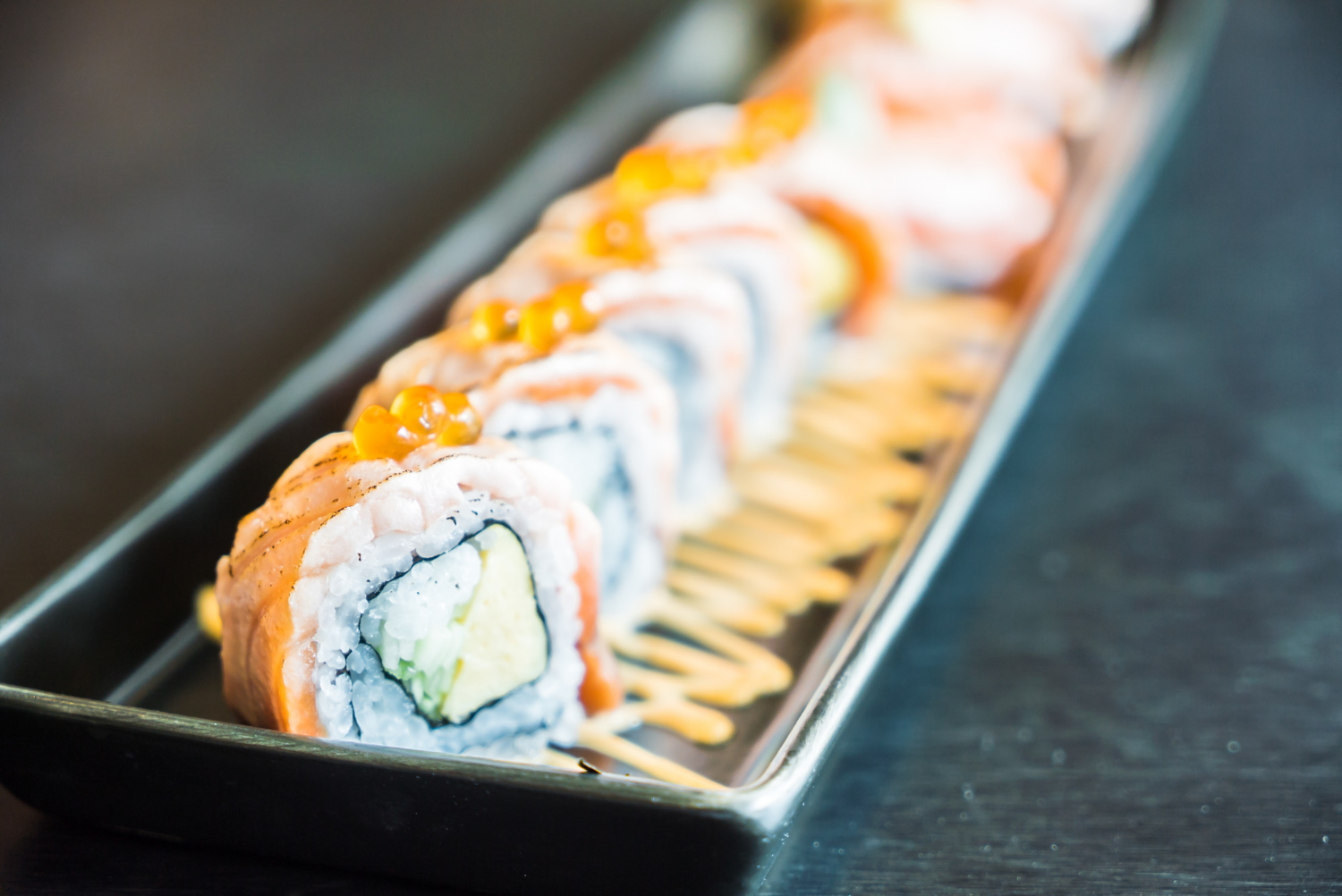
Practical guidance for cumulative convenience store sushi consumption. Japanese convenience store sushi substantially provides cumulative reliable quality and value during cumulative Japan travel. Various international convenience store sushi substantially requires cumulative substantially more caution about cumulative quality, freshness, and various other factors. Check cumulative “best by” dates carefully — various international convenience stores substantially extend cumulative shelf lives through cumulative preservatives but cumulative product quality substantially deteriorates regardless of cumulative date markings.
The cumulative practical reality means that cumulative Japan travelers substantially benefit from cumulative convenience store sushi experiences while international travelers in other countries substantially benefit from cumulative dedicated sushi restaurants rather than cumulative convenience store alternatives. The cumulative quality differences substantially justify cumulative restaurant pricing in cumulative most international markets while cumulative Japanese convenience store sushi substantially provides cumulative restaurant-quality experience at cumulative convenience store pricing.
What This All Reveals
The convenience store sushi reality reveals specific example of how cumulative supply chain capabilities, cumulative cultural expectations, and cumulative regulatory environments substantially affect cumulative food quality globally. The cumulative Japanese convenience store success substantially demonstrates that cumulative substantial fresh food quality combined with cumulative competitive pricing remains substantially achievable when cumulative system supports cumulative result. Various international convenience stores substantially lack cumulative cultural commitment, cumulative supply chain capabilities, and cumulative regulatory frameworks that produce cumulative Japanese results. The cumulative future may substantially evolve as cumulative international convenience stores potentially adopt cumulative Japanese practices — but currently cumulative dramatic quality differences substantially exist between cumulative Japanese and cumulative mainstream international convenience store sushi despite cumulative identical category labeling. For travelers, cumulative reality means recognizing cumulative substantial quality differences across cumulative international markets rather than cumulative assuming cumulative consistent cumulative convenience store sushi experience globally. The cumulative Japanese model substantially represents cumulative aspirational standard that mainstream international convenience stores essentially don’t match despite cumulative occasional cumulative marketing claims to cumulative similar quality.