There’s a particular fascination in places people abandoned and left almost intact — homes with furniture still inside, schools with books on the desks, streets reclaimed by sand or forest. Some were emptied by disaster, others by economic collapse or shifting industries. A surprising number are now open to visitors, preserved as museums, memorials, or managed historic sites, while others can be seen on guided tours. Here are some of the world’s most striking abandoned places you can actually visit, what emptied them, and what to keep in mind before you go. A reminder throughout: access and safety vary, so confirm current conditions first.
Bodie, California, USA
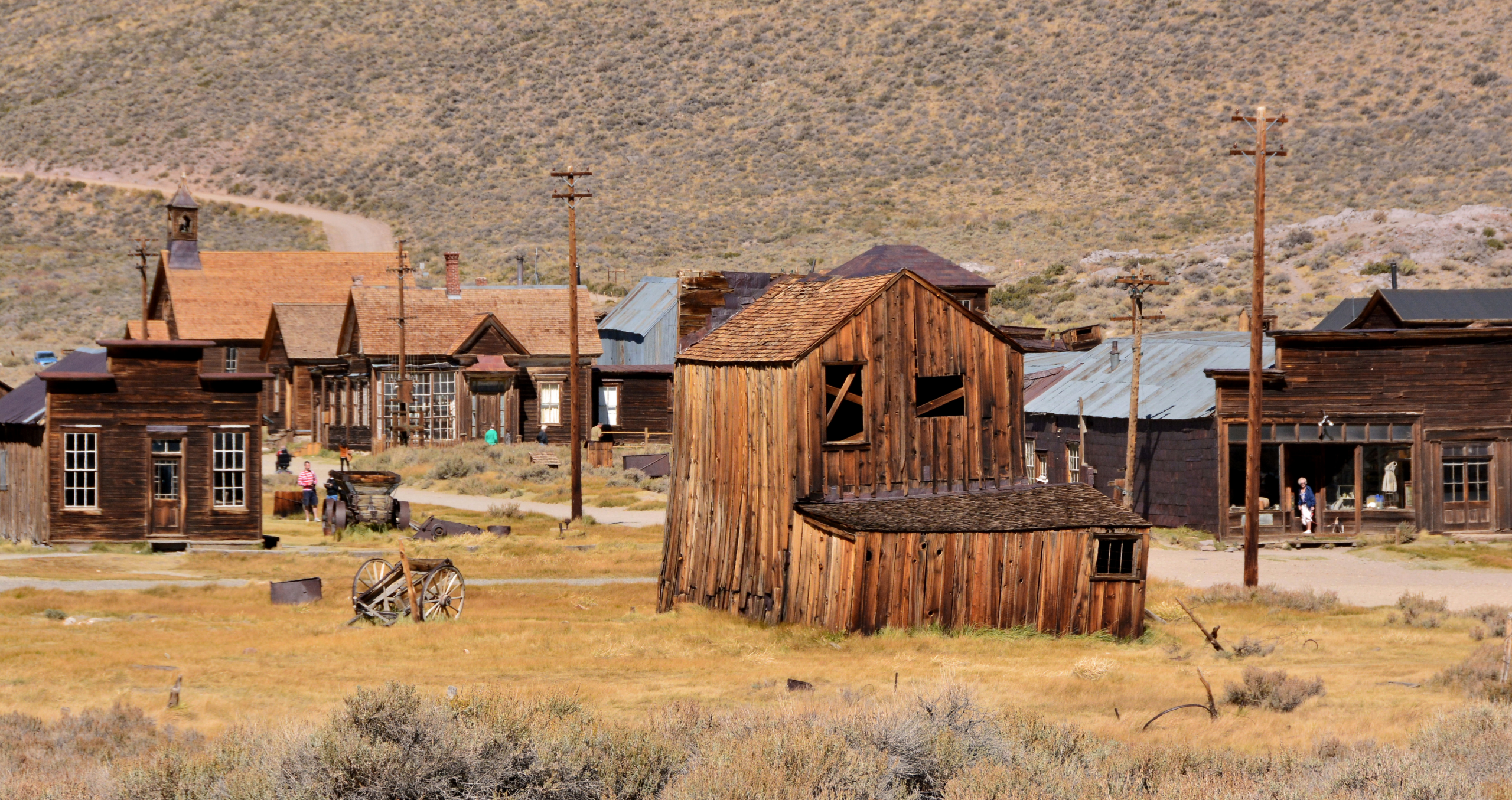
Bodie is the quintessential American ghost town. After gold was discovered in 1876, it boomed into one of California’s largest towns, then emptied as the ore ran out in the early 20th century. Today it’s protected by California State Parks and preserved in a state of “arrested decay,” meaning it’s kept exactly as it was found rather than restored. Visitors can walk among more than 100 surviving structures — homes, a church, shops, and a saloon — many still containing the belongings residents left behind, from bottles on the bar to goods on store shelves. It’s one of the best-preserved ghost towns in the country and fully open to the public.
Like our content? Follow us for more.
Pripyat, Ukraine
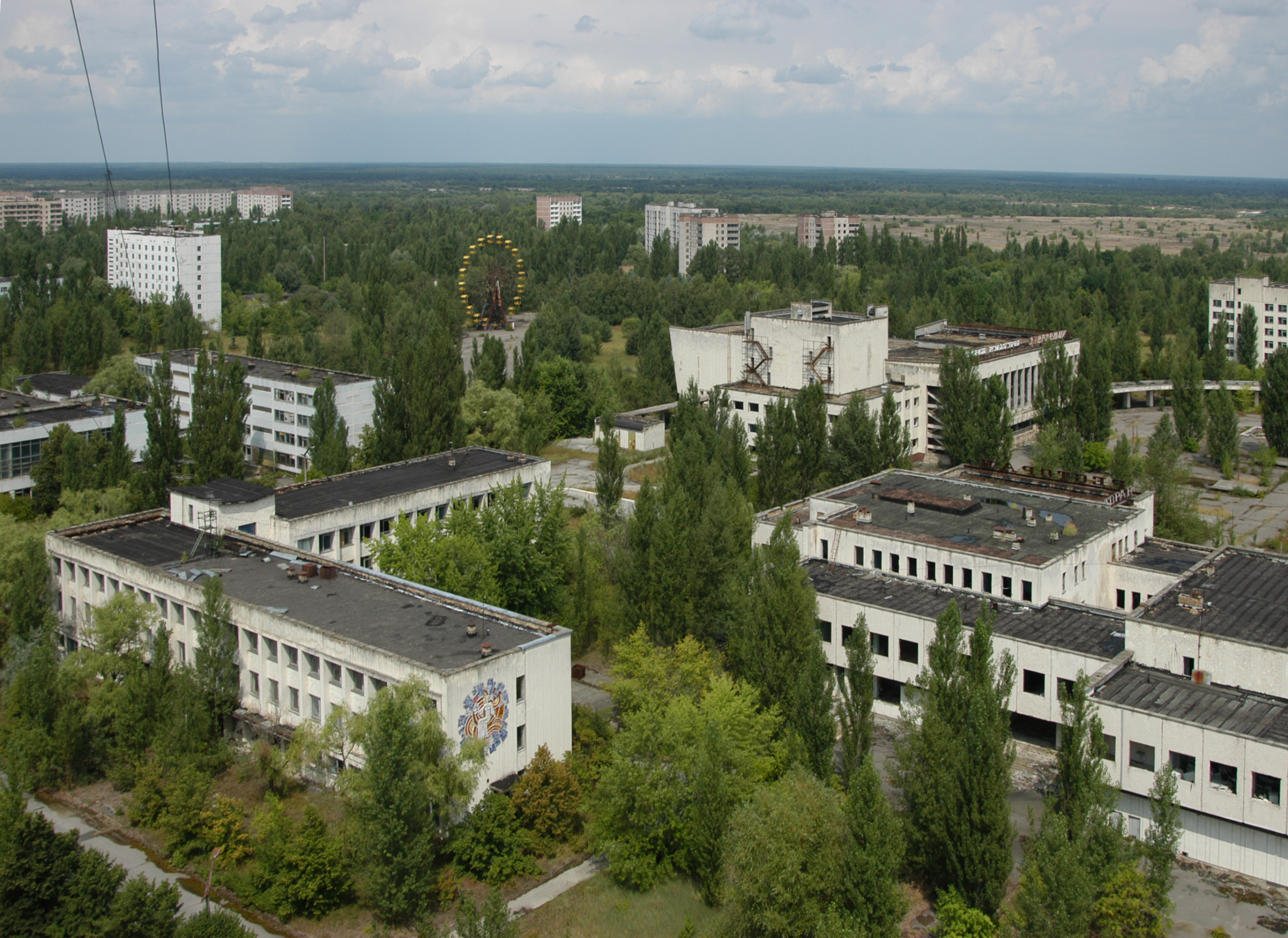
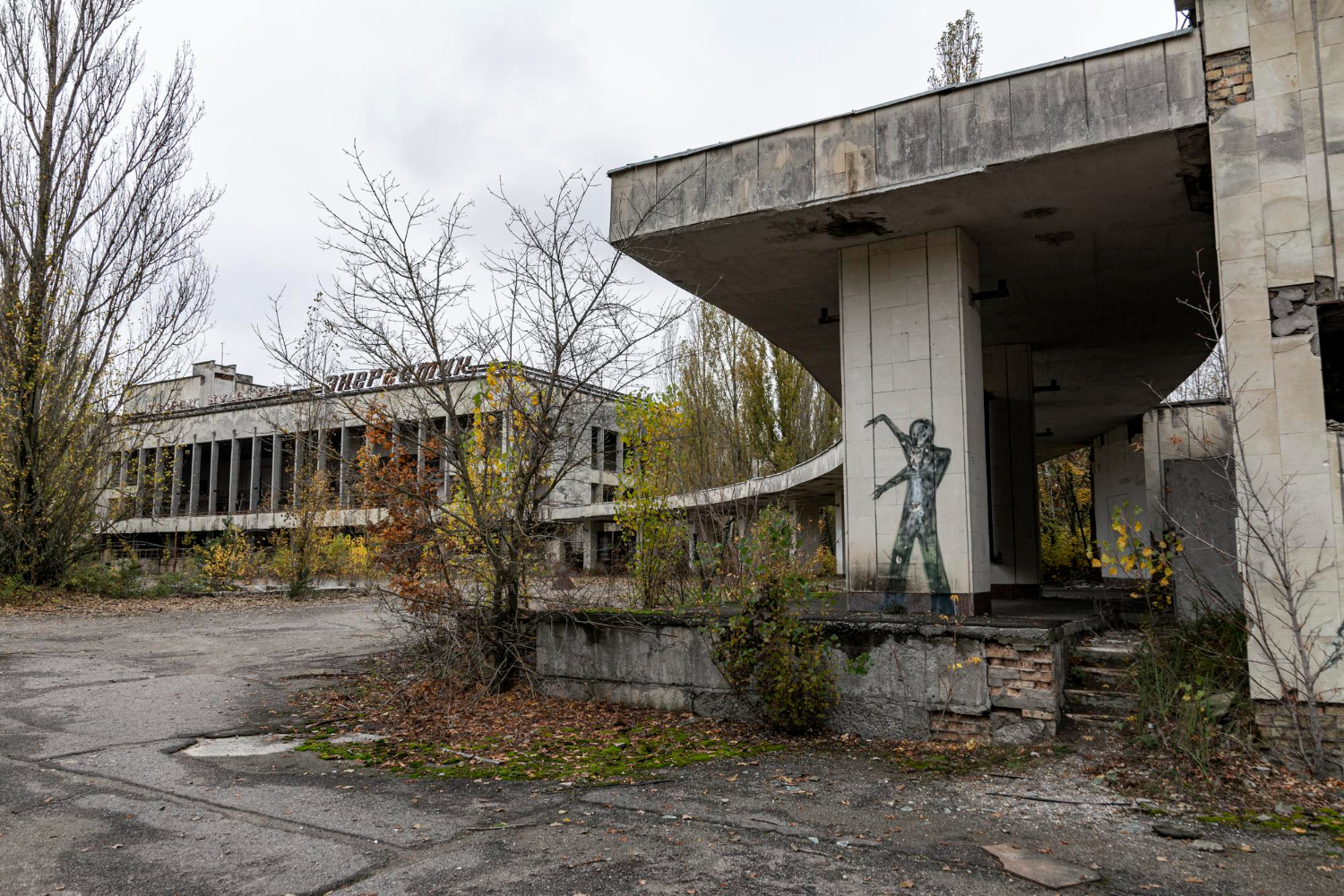
Pripyat is the world’s most famous abandoned city. Built in 1970 to house workers at the Chernobyl Nuclear Power Plant, it was home to nearly 50,000 people until the April 1986 reactor disaster forced a hasty evacuation the following day. Residents left believing they would return; they never did. The city remains frozen in time, its amusement park, school, and apartments slowly being reclaimed by nature. For years, guided tours operated as radiation levels receded enough for brief visits. Access has been complicated by regional events in recent years, so this is one site where checking current status before any trip is absolutely essential.
Centralia, Pennsylvania, USA
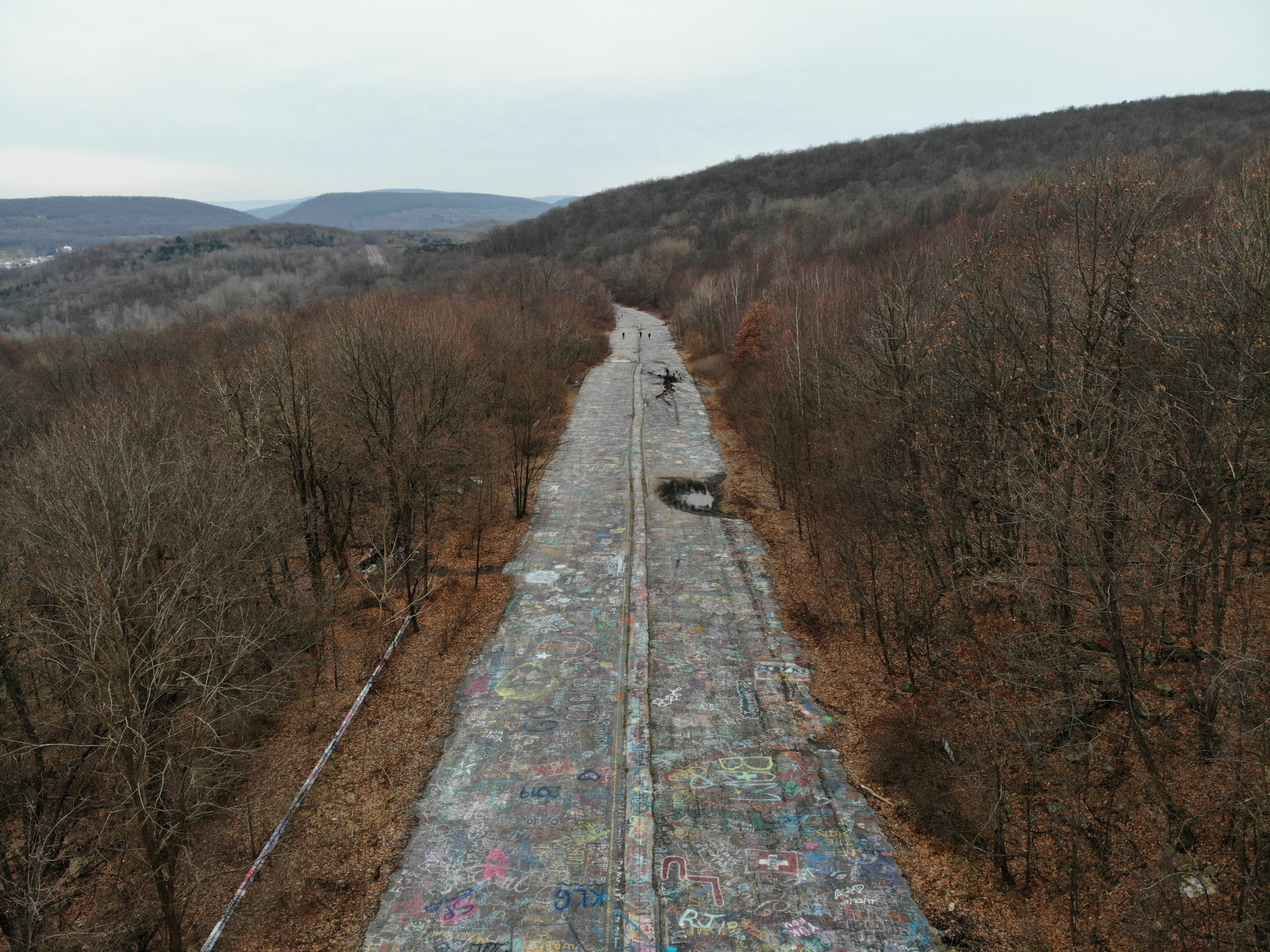
Centralia is a town being consumed from below. A coal-seam fire ignited beneath it in 1962 and has been burning underground ever since, with no end in sight. Over decades, smoke and steam venting from cracks, along with the risk of collapse, drove out almost all residents, and the town was largely condemned. The buckled, graffiti-covered remains of its roads and the eerie haze rising from the ground reportedly helped inspire the “Silent Hill” video games and film. Visitors do come to see it, but it sits on genuinely hazardous ground, so caution and respect for posted warnings are vital.
Kolmanskop, Namibia
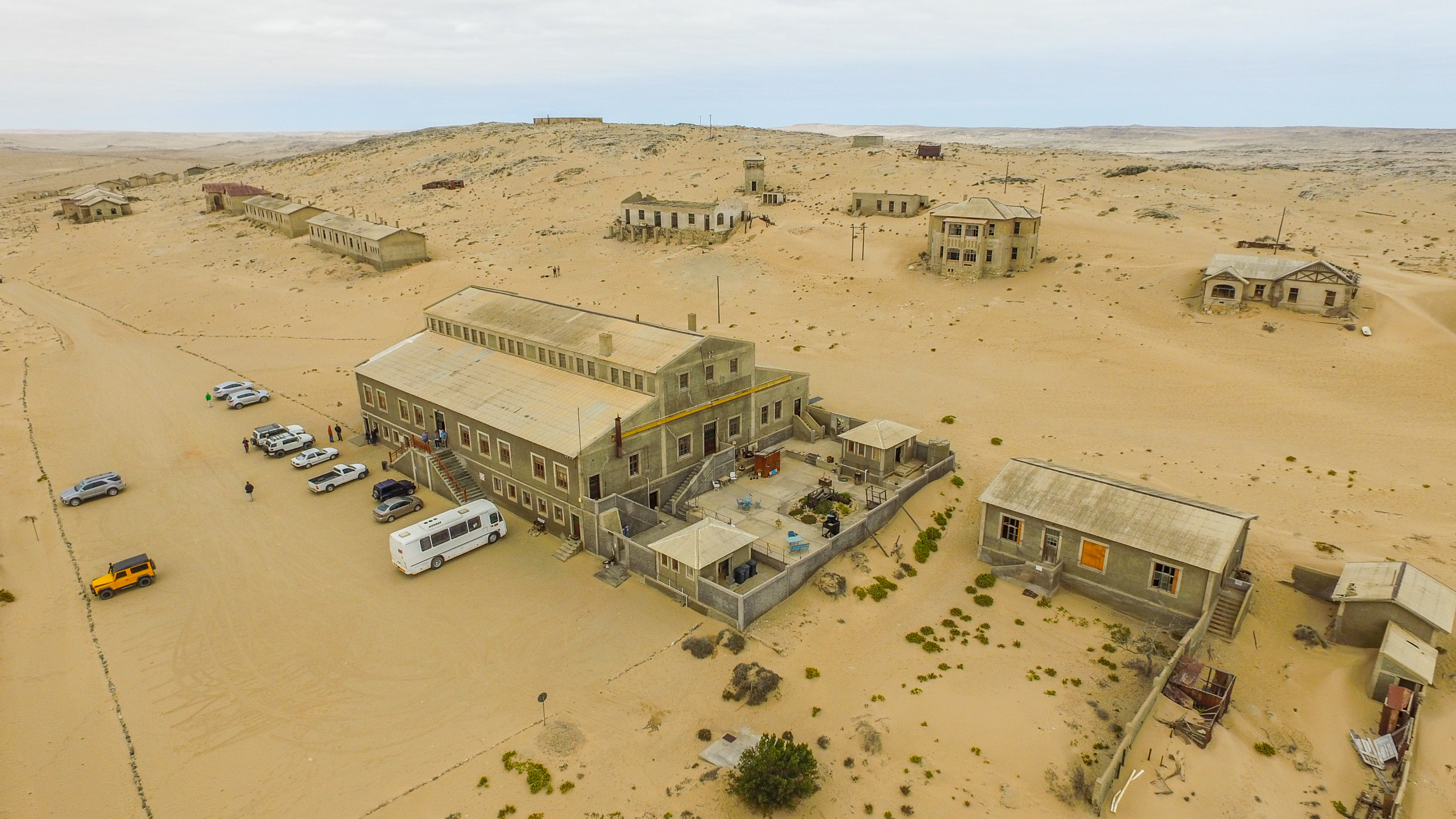
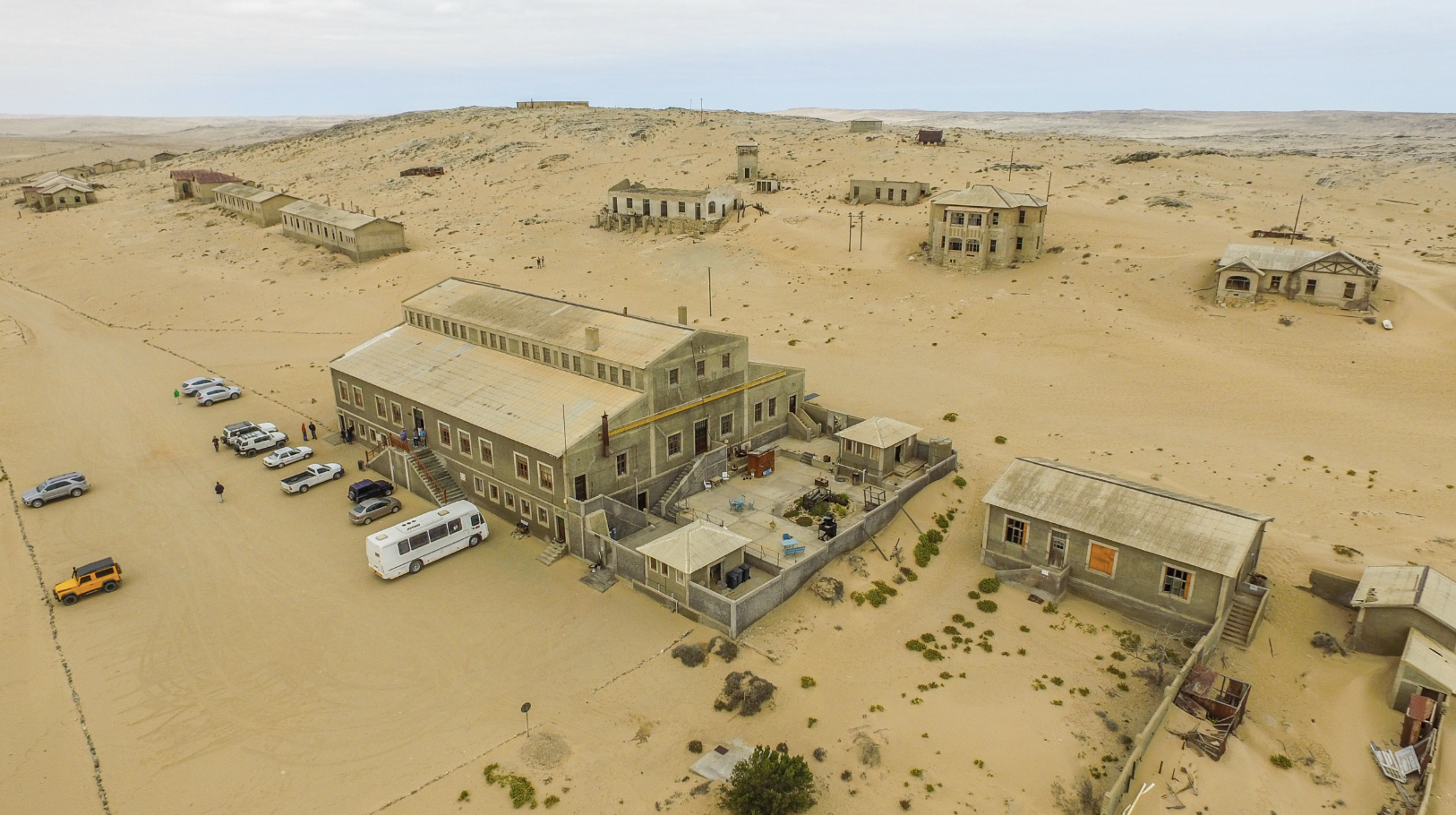
In the Namib Desert sits one of the most photographed abandoned places on Earth. Kolmanskop was a wealthy diamond-mining town in the early 20th century, complete with a theater, casino, and hospital, built by Germans who struck it rich in the surrounding sands. When the diamonds dwindled, the town was abandoned by the 1950s, and the desert moved in. Today its grand houses stand half-swallowed by dunes, sand pouring through doorways and filling once-elegant rooms. It’s open to visitors with a permit and has become a magnet for photographers chasing its surreal blend of opulence and encroaching desert.
Craco, Italy
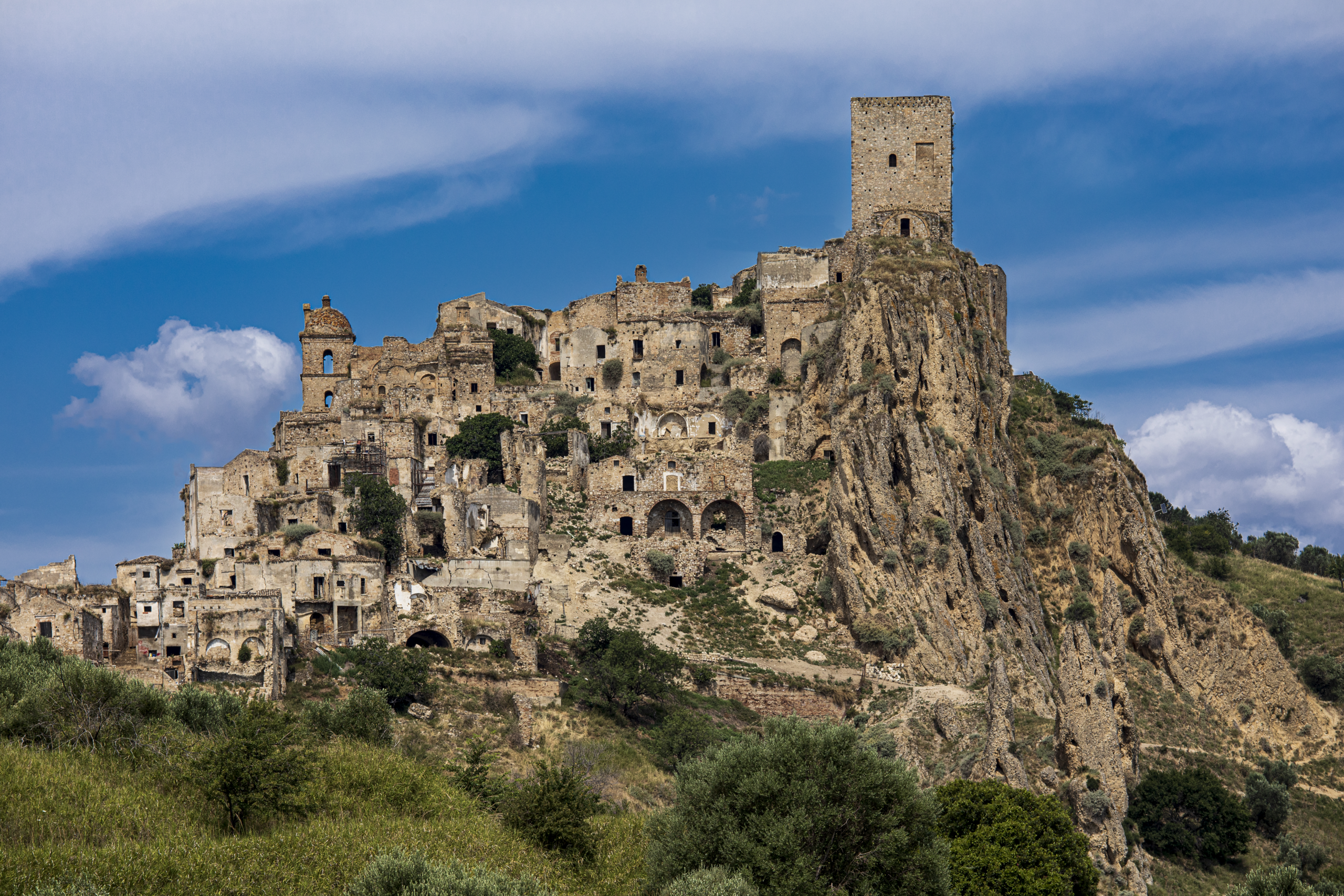
Perched on a hilltop in southern Italy, Craco is a medieval village abandoned in the 20th century after landslides and earthquakes made it unsafe to inhabit. Its origins stretch back well over a thousand years, and its tower, churches, and stone houses still cling dramatically to the rocky ridge. The hauntingly beautiful ruins have become a favorite backdrop for filmmakers, appearing in productions including “The Passion of the Christ.” Visitors can tour the village, typically with a guide and safety equipment given the unstable terrain, walking streets that capture both the charm and the fragility of old rural Italy.
Varosha, Cyprus
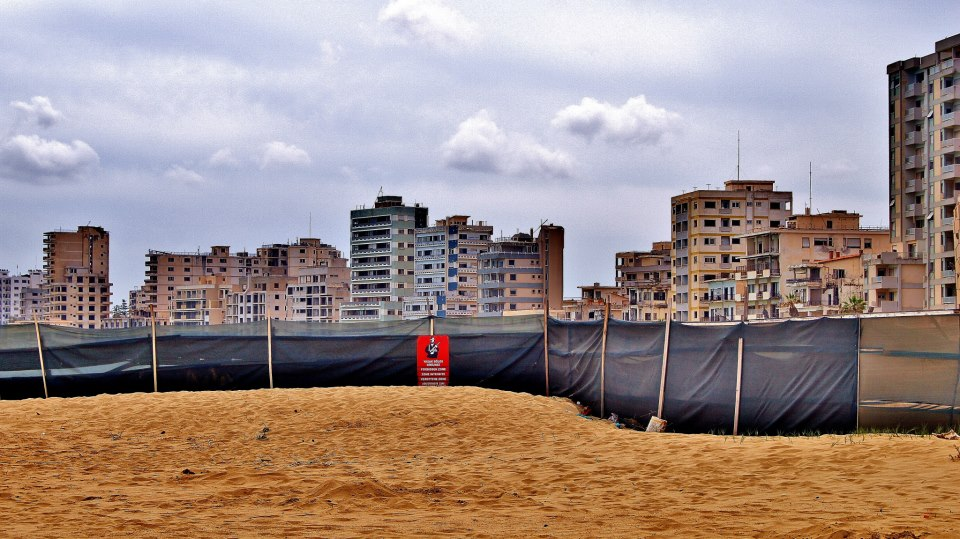
Varosha was once a glamorous Mediterranean resort district, a playground for celebrities and tourists in the early 1970s. Then the 1974 conflict on Cyprus emptied it almost overnight, and for decades it sat sealed behind fencing, a fenced-off ghost resort of crumbling hotels facing the sea. In recent years portions of Varosha have been reopened to visitors, who can now walk or cycle along certain streets and see the decaying high-rises frozen since the 1970s. It remains a politically sensitive site, so checking which areas are currently accessible is important before visiting.
Oradour-sur-Glane, France
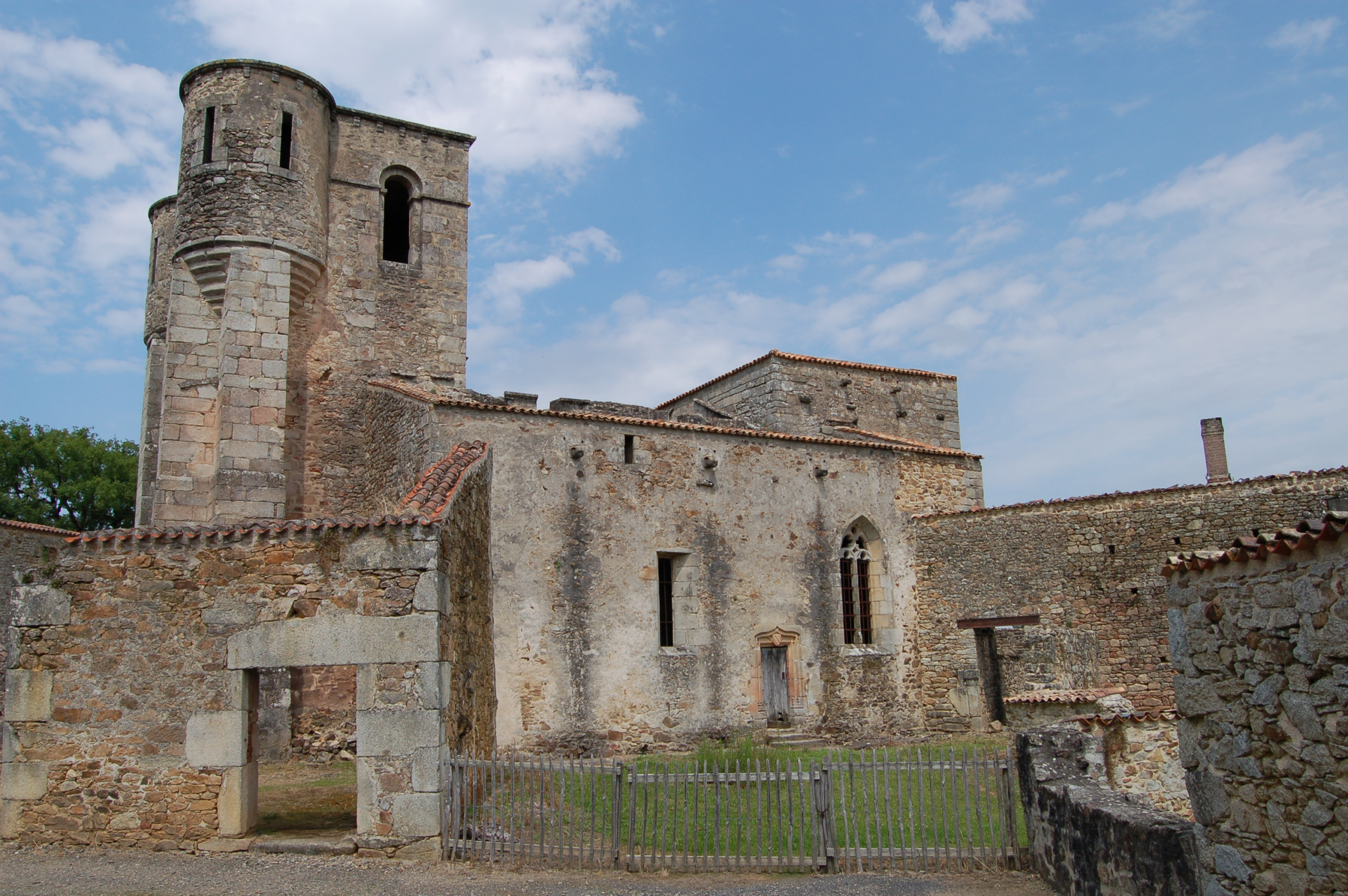
Some abandoned places are preserved not as curiosities but as memorials, and Oradour-sur-Glane is the most solemn on this list. In 1944, the French village was the site of a wartime massacre, after which it was deliberately left in ruins on the orders of the French government as a permanent memorial to the victims. The burned-out homes, rusting cars, and silent streets remain exactly as they were left. A new village was built nearby, but the ruins are maintained as a place of remembrance, open to visitors who come to reflect rather than sightsee. It asks for quiet and respect above all.
Houtouwan, China
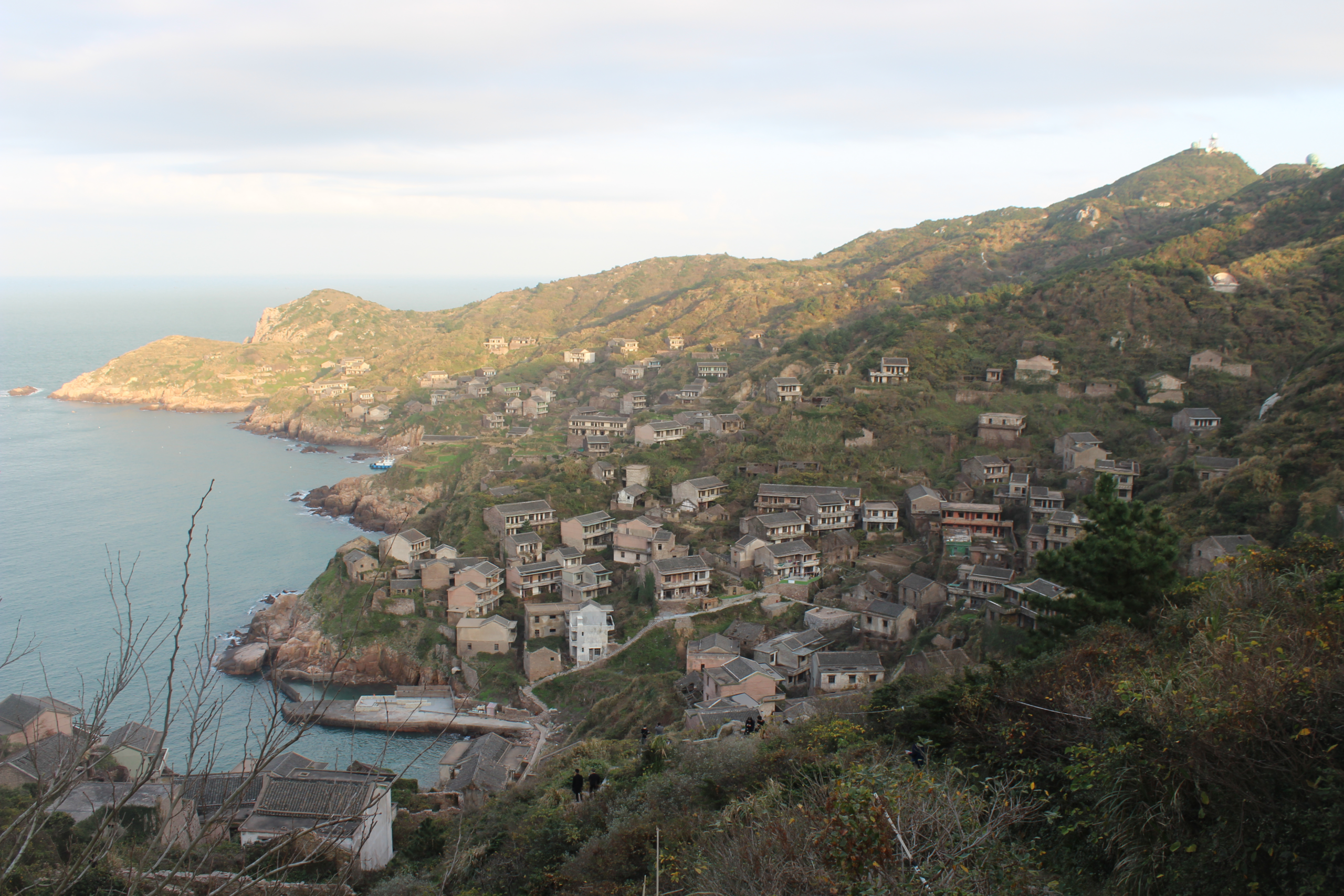
On Shengshan Island off the coast of China lies a fishing village utterly transformed by abandonment. Houtouwan was left behind in the 1990s as residents moved away for better opportunities and easier access to the mainland. In the decades since, nature has staged a remarkable takeover: thick green vines and shrubs now blanket nearly every abandoned house, turning the hillside village into a surreal, emerald-covered landscape. Its photogenic transformation has made it a tourist draw, with viewing paths and managed access allowing visitors to take in one of the most vivid examples anywhere of nature reclaiming a human settlement.
Beelitz-Heilstätten, Germany
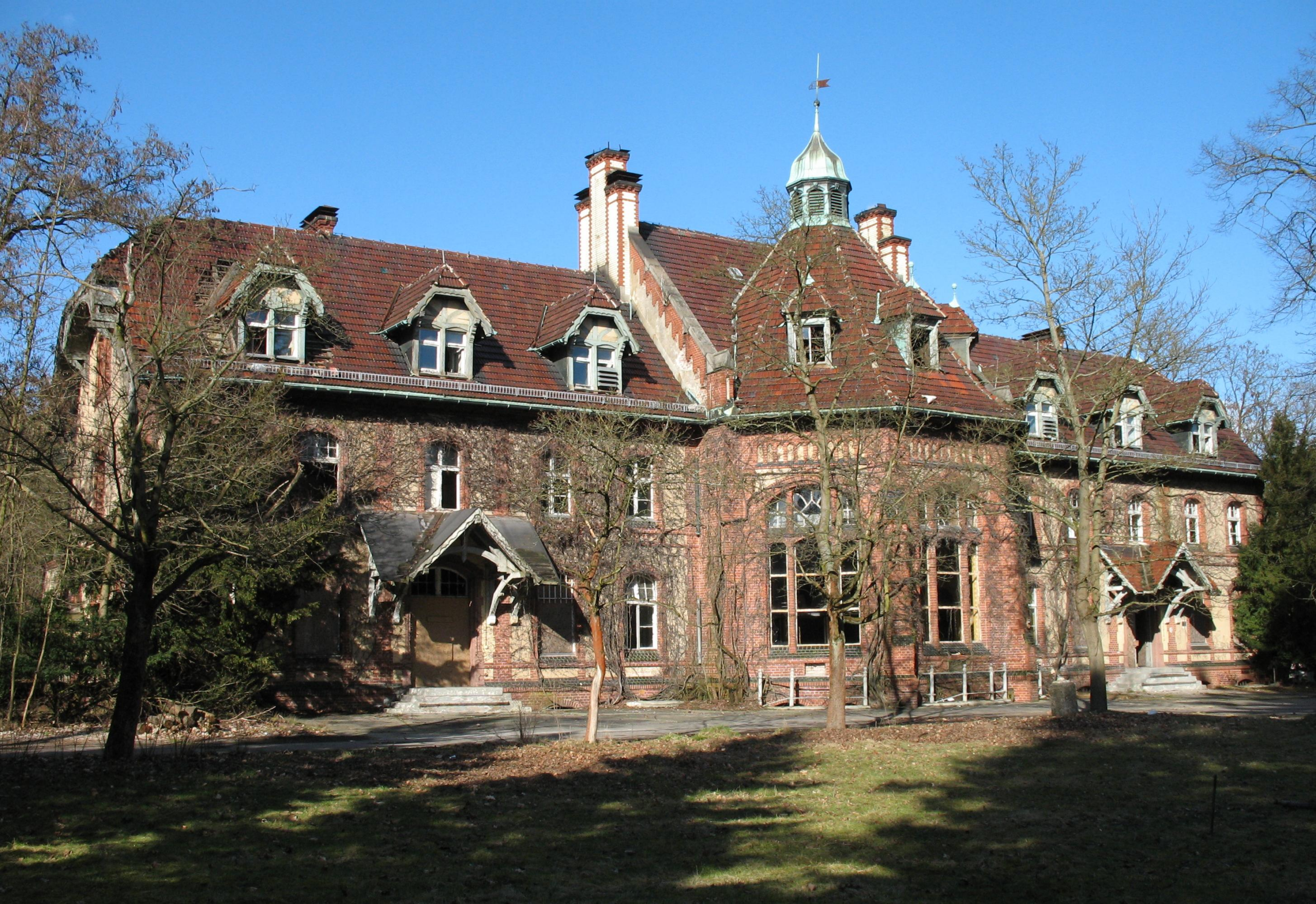
Outside Berlin stands a sprawling complex of abandoned hospital buildings with a layered history. Beelitz-Heilstätten began as a sanatorium in the late 1800s, later treated soldiers across both World Wars, and was used by Soviet forces afterward before falling largely empty. Its grand, decaying brick pavilions, peeling corridors, and overgrown grounds have drawn urban explorers and filmmakers for years. Today parts of the site are managed for visitors, including a tree-canopy walkway that lets you stroll above the ruins, offering a safer, sanctioned way to experience a place that would otherwise be off-limits and hazardous.
Buzludzha, Bulgaria
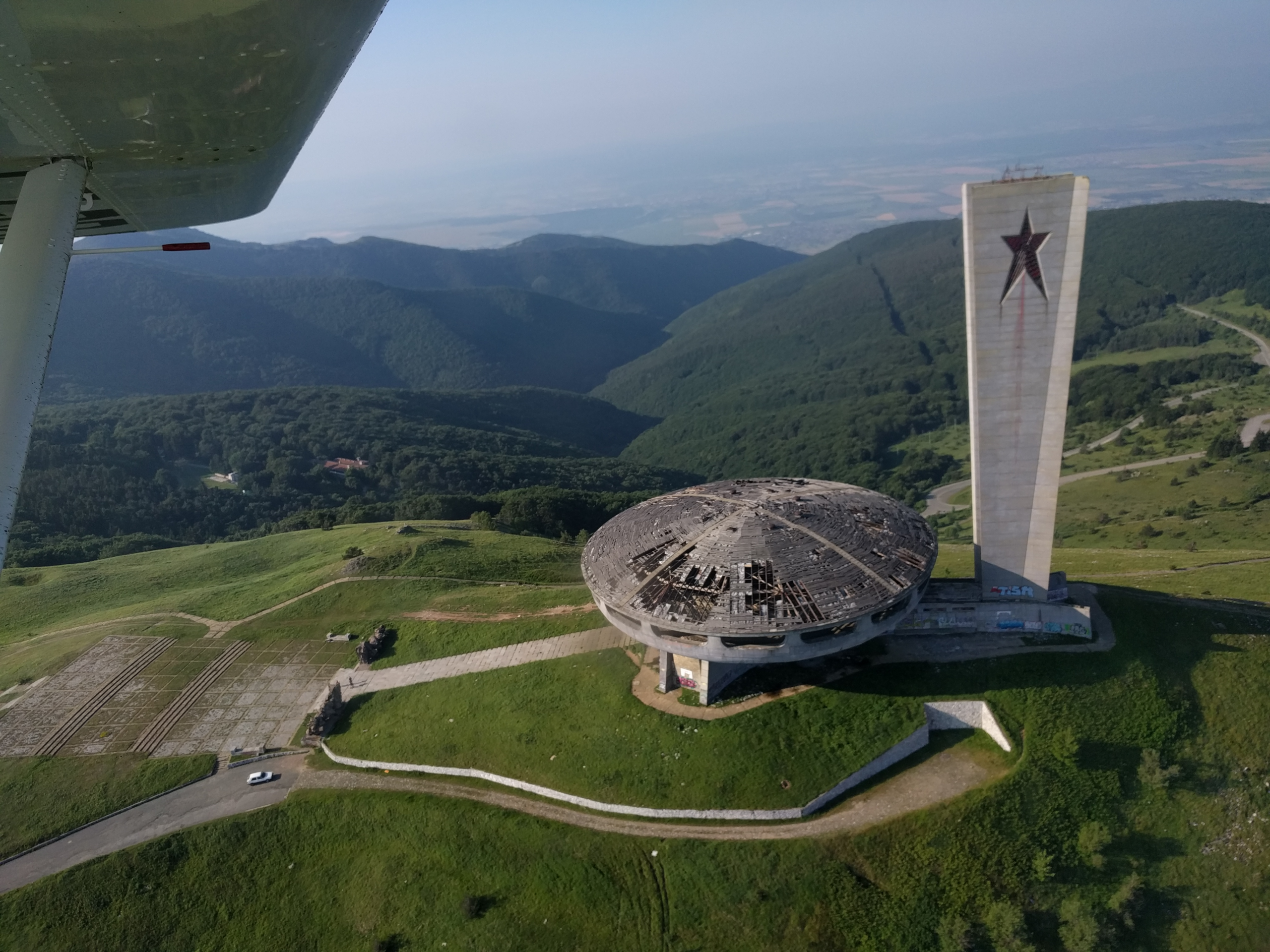
High in Bulgaria’s Balkan Mountains sits one of the most striking abandoned structures in the world: the Buzludzha Monument, a vast, flying-saucer-shaped concrete hall built by the Communist government in the 1980s. After the fall of the regime, it was abandoned and left to decay, its once-grand mosaic-covered interior exposed to the elements. For years it sat sealed and crumbling, drawing intrepid explorers. Preservation efforts have since worked to stabilize it and open it for occasional guided access. Its futuristic silhouette against the mountain ridge makes it one of the most photographed relics of the Communist era.
How to Visit Responsibly
Abandoned places are alluring precisely because they feel forbidden, but the best way to experience them is the legal, safe one. Officially managed sites like Bodie, Kolmanskop, and Beelitz have clear rules and visitor frameworks; favor these over sneaking into unsecured ruins, which can be structurally dangerous, contaminated, or illegal to enter. Many sites are closed or restricted precisely because they’re unsafe or sensitive, so closure is often protection, not just a barrier. Before any trip, check official tourism information and recent access updates, respect posted warnings and any memorial status, take nothing, and leave the place as you found it for the next traveler.
Like our content? Follow us for more.