Vanilla has an image problem. We use the word to mean plain, basic, ordinary, the default flavor, the opposite of exciting. Vanilla ice cream is the safe choice; a “vanilla” anything is the unremarkable version. Given all this, you might assume vanilla is cheap and easy to produce, a humble flavoring churned out in vast quantities. But the truth is startling: real vanilla is one of the most expensive foods on the planet. Among spices, it ranks second only to saffron in cost, and at times its price has soared to remarkable heights, with quality vanilla pods worth, ounce for ounce, more than silver.
How can this be? How can something so associated with the plain and ordinary be so precious and costly? The answer is a fascinating story that reaches from the ancient civilizations of Mexico to the plantations of tropical islands, and it involves a remarkably fussy plant, a centuries-long botanical puzzle, an ingenious solution devised by an enslaved boy, and an astonishingly labor-intensive process that has never been fully mechanized. Behind that bottle of vanilla in your kitchen lies one of the most demanding and labor-intensive journeys of any food we eat. Here is the surprising story of why vanilla is so expensive.
The Fruit of a Fussy Orchid
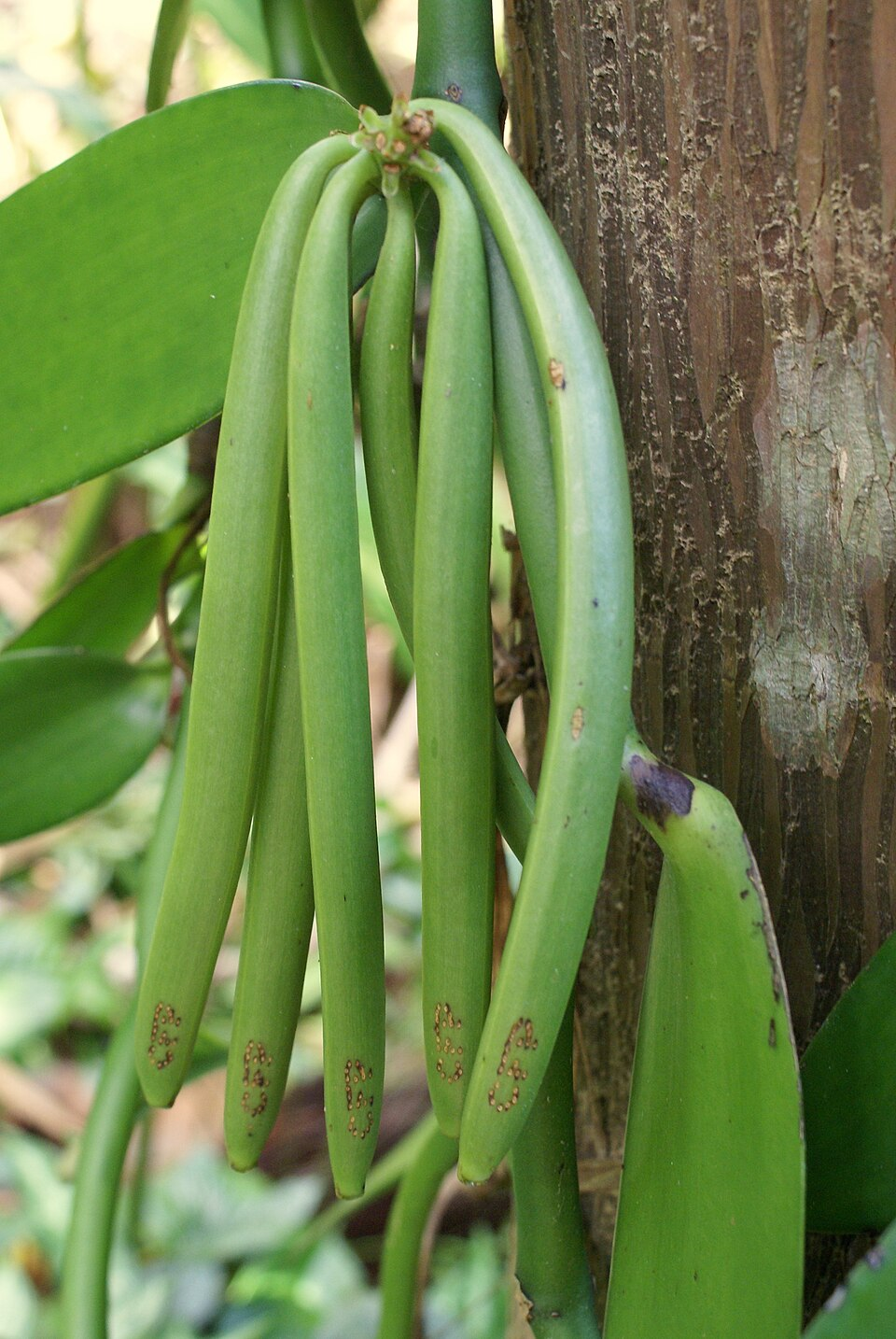
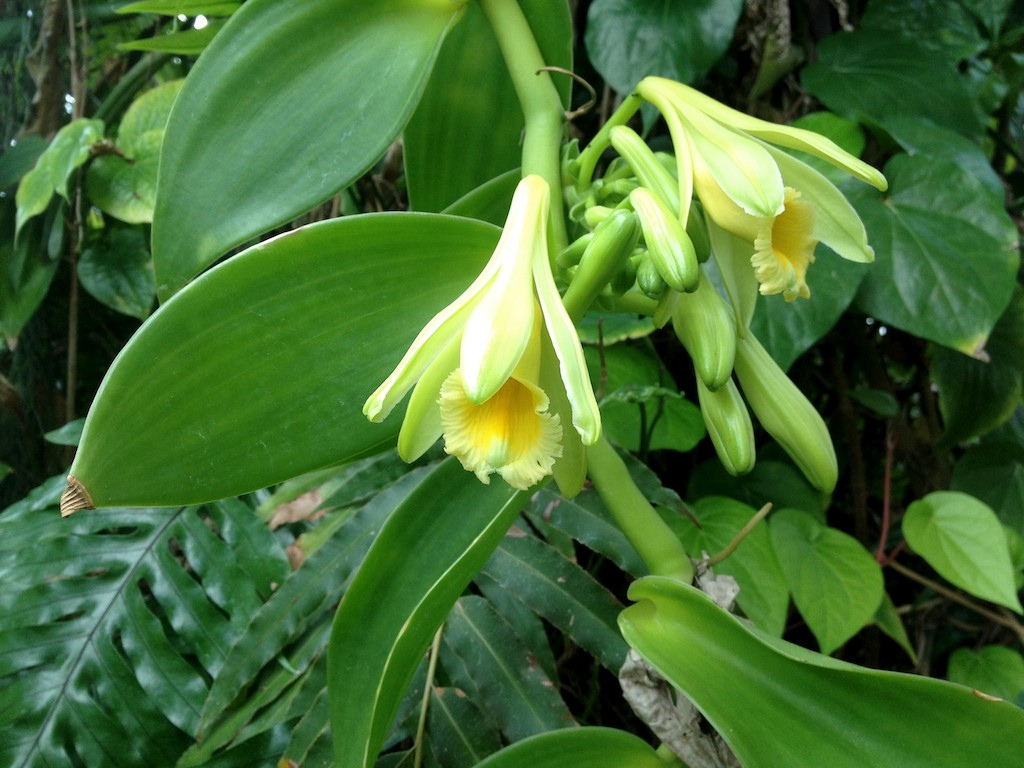
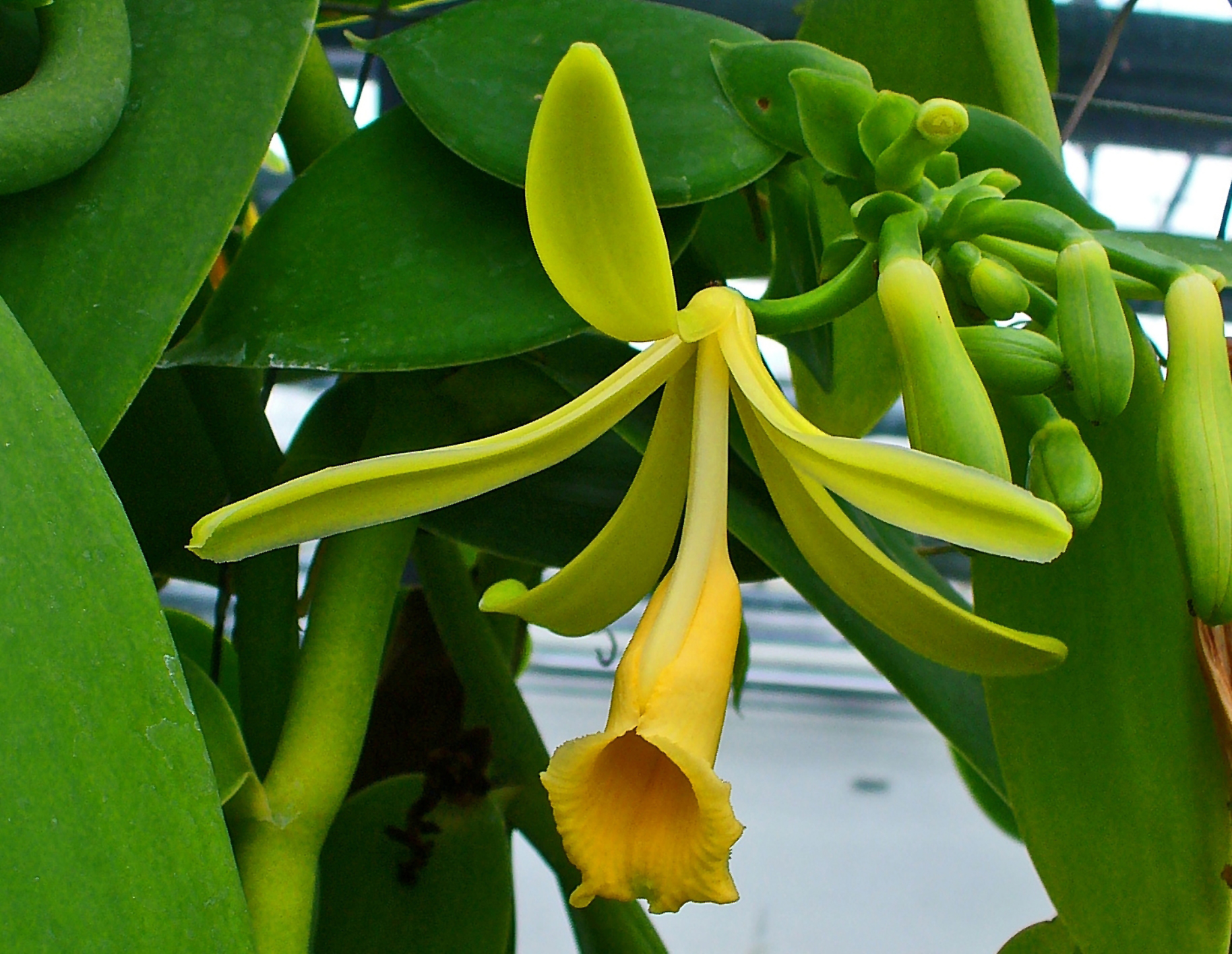
Vanilla comes from the fruit, or pod, of a particular type of orchid, a climbing vine native to Mexico. What we call a vanilla “bean” is not a bean at all but this long, slender pod, which, once cured, provides the rich, aromatic flavoring we prize. And right from the start, this orchid is a demanding plant to work with, one of the reasons vanilla is so costly to produce.
For one thing, the vanilla orchid takes a long time to mature. After it is planted, a vanilla vine typically needs several years, often around three to four, before it produces its first flowers and fruit. That’s a long wait compared to many crops, which can yield within a year, and all that time represents an investment with no return. But the real challenge comes with the flowers themselves. The vanilla orchid’s blossoms are extraordinarily fleeting: each flower opens for only about a single day, sometimes less, before it wilts. And within that tiny window, if the flower is to produce a vanilla pod, it must be pollinated. Miss that brief window, and the flower simply withers without bearing fruit. This combination of a long wait to maturity and a razor-thin window for pollination makes vanilla a uniquely finicky and demanding crop, and it’s only the beginning of what makes it so expensive.
Like our content? Follow us for more.
The Pollination Puzzle
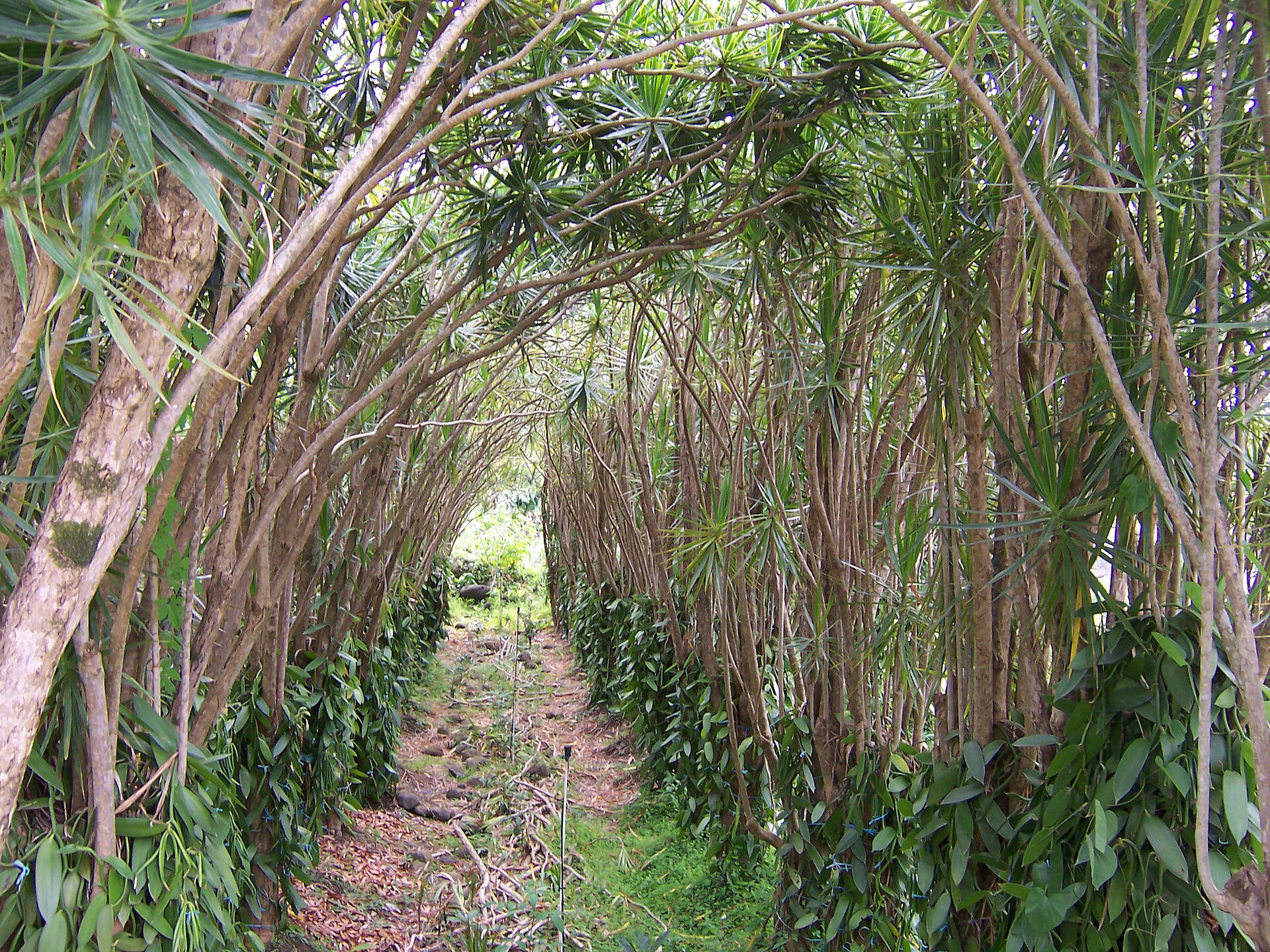
Here is where the story takes a fascinating turn. In its native Mexico, the vanilla orchid is pollinated naturally by certain local creatures, particular species of bees, and perhaps other pollinators, that are adapted to the flower and can fertilize it so that it produces its pods. For the ancient peoples of Mexico, who first cultivated and used vanilla, this natural pollination meant vanilla could be grown wherever the plant and its pollinators thrived.
The trouble began when vanilla was taken elsewhere. After Europeans encountered vanilla in Mexico and recognized its wonderful flavor, they brought the plant back and attempted to cultivate it in other parts of the world with suitable tropical climates. But they ran into a baffling problem: the vanilla vines would grow and even flower, but they stubbornly refused to produce any pods. For a long time, this was a mystery that frustrated would-be vanilla growers. The reason, it eventually emerged, was that the specific natural pollinators of the vanilla orchid did not exist outside its native region. Without those particular creatures to fertilize the flowers, the transplanted vanilla orchids simply could not bear fruit, no matter how well they grew. Vanilla, it seemed, could flower far from home, but it could not fruit, and so, for a long time, it remained a plant that could only be productively cultivated in its native Mexico. Growing vanilla elsewhere seemed impossible, until a surprisingly simple solution was discovered.
The Boy Who Cracked It
The breakthrough that unlocked vanilla cultivation around the world came in 1841, on a tropical island in the Indian Ocean, and it came from an unexpected source: a young enslaved boy named Edmond Albius, who was only around twelve years old at the time. Albius devised a simple, effective method for pollinating the vanilla orchid by hand, using a small implement and a deft technique to transfer the flower’s pollen and fertilize it, mimicking the work of the missing natural pollinators.
This hand-pollination method was a revelation. It meant that vanilla could now be successfully grown and fruited far beyond its native Mexico, anywhere the orchid could thrive, by having workers pollinate each flower by hand. The technique that Albius developed as a boy proved so effective that it is still used, essentially unchanged, in vanilla plantations all over the world today. It is no exaggeration to say that his innovation is the foundation of the entire global vanilla industry as we know it. Yet it is a sobering part of the story that Albius, an enslaved child, received little reward or recognition for his enormously valuable contribution during his lifetime, a fact worth remembering and acknowledging honestly. His ingenious method opened the door to vanilla production across the tropical world, but the credit and profits largely flowed to others. Today, his role is more widely recognized, and his method remains the beating heart of how vanilla is produced.
Pollinated by Hand, Flower by Flower
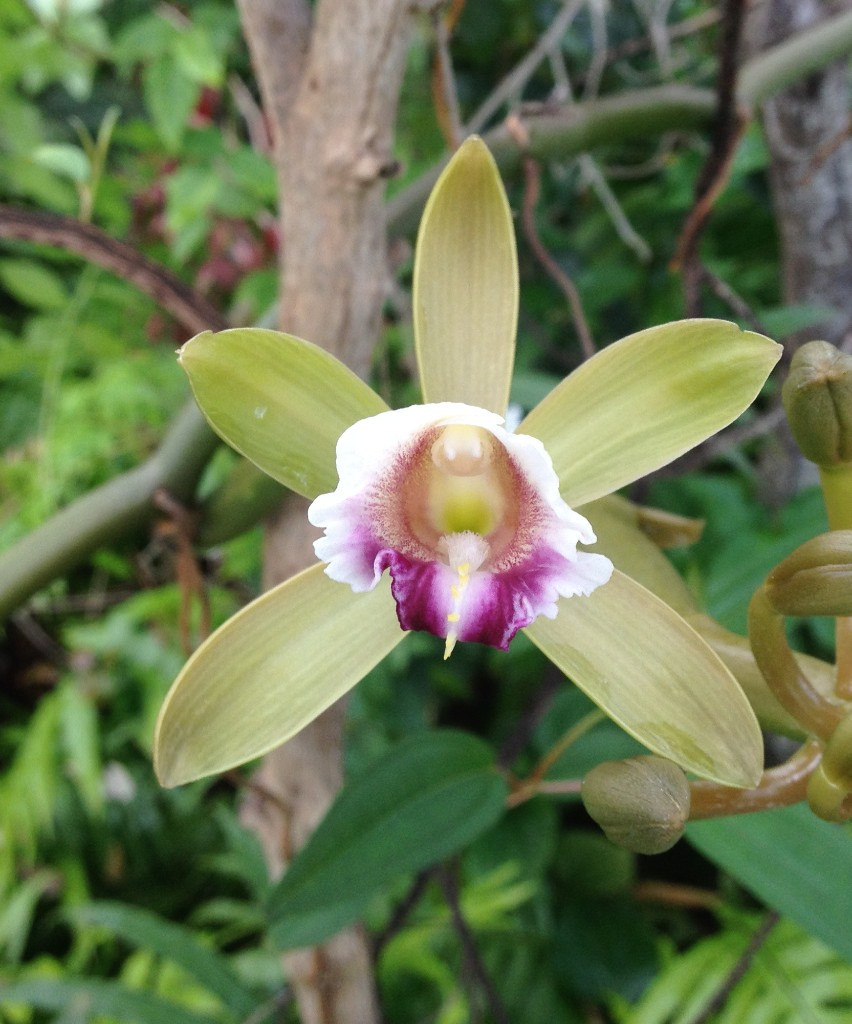
Albius’s method solved the problem of growing vanilla around the world, but it did so at the cost of enormous labor, and this is perhaps the single biggest reason vanilla is so expensive today. Because vanilla orchids grown outside their native region must be pollinated by hand, and because each flower blooms for only a day, vanilla production requires an extraordinary amount of careful, skilled manual work, performed within tight time constraints.
Consider what this means in practice. On a vanilla plantation, when the orchids bloom, workers must go through the vines and pollinate each and every flower individually, by hand, one at a time, during the brief window when each bloom is open. This is painstaking, delicate work that cannot be automated or rushed; it demands human hands and human attention, flower by flower, across the whole crop, day after day during the flowering season. The labor involved is immense, and it accounts for a large share of the cost of producing vanilla. And the work doesn’t end with pollination. After a flower is successfully pollinated, the resulting pod takes many months to grow and mature on the vine. Then, once harvested, the pods must undergo a lengthy and careful curing process, involving stages of treating, drying, and conditioning over a period of months, to develop the rich flavor and aroma we associate with vanilla. From planting to a finished, cured pod ready for use, the entire process can span years and involves a great deal of skilled labor at every stage. All of that human effort and time is baked into the price.
Precious, Volatile, and Often Imitated
On top of the intrinsic labor and time involved, several other factors add to vanilla’s cost and drive its price to sometimes dizzying heights. Vanilla is grown in a limited number of tropical regions, and a very large share of the world’s supply comes from just one country, which means the global vanilla market is heavily dependent on conditions in that place. This concentration makes the supply vulnerable: if bad weather, such as a powerful cyclone, strikes the main growing region, or if there are other disruptions, the world’s vanilla supply can be sharply reduced, sending prices soaring.
As a result, vanilla prices are notoriously volatile, capable of swinging dramatically from year to year, and at their peaks, vanilla can become extraordinarily expensive, at times commanding prices that, ounce for ounce, exceed those of some precious metals. This volatility and expense help explain a fact many people don’t realize: much of the “vanilla” flavor in the world’s food is not real vanilla at all, but a synthetic substitute. Because real vanilla is so costly, a large proportion of vanilla-flavored products are made with artificial vanilla flavoring, produced far more cheaply in factories, rather than with the real extract from cured vanilla pods. So while true vanilla remains a precious luxury, its flavor is so beloved and in-demand that inexpensive imitations fill much of the market. The real thing, meanwhile, stays expensive precisely because there is no shortcut around the fussy orchid, the day-long bloom, the hand pollination, the long maturation, and the careful curing that each real vanilla pod requires.
The Luxury Hiding in Plain Sight
There is a lovely irony in the fact that vanilla, the very word we use to mean plain and ordinary, is in reality one of the most labor-intensive and expensive foods on Earth. Far from being humble and simple, real vanilla is the product of an extraordinary and demanding process, a fussy orchid that blooms for a single day, a pollination puzzle that stumped the world until a young boy solved it, and an immense amount of patient, skilled human labor stretching over years. The next time you catch the warm, sweet scent of real vanilla, it’s worth remembering the remarkable journey behind it.
Vanilla’s story is a wonderful reminder that even the most familiar and seemingly ordinary things in our kitchens can conceal fascinating histories and surprising complexity. The plain flavor we take for granted is, in truth, a hard-won luxury, dependent on tropical orchids, delicate timing, human hands, and a technique handed down from a remarkable act of ingenuity nearly two centuries ago. So perhaps vanilla deserves a little more respect than its reputation suggests. Behind its unassuming image lies one of the most precious and painstakingly produced foods in the world, a real treasure hiding in plain sight in the most ordinary-seeming bottle on the shelf.
Like our content? Follow us for more.