History is full of foods that we now consider iconic but that were once met with suspicion, mockery, or outright disgust. New ingredients, strange-sounding dishes, and unfamiliar inventions have a way of being dismissed before they win people over, sometimes taking decades or even centuries to earn their place at the table. It’s a reminder that taste is shaped by familiarity, and that today’s punchline can become tomorrow’s classic. Here’s a fascinating look at iconic foods and culinary inventions that were ridiculed, feared, or scorned when they first appeared, and the stories of how they ultimately triumphed to become some of the most beloved foods in the world.
The Tomato
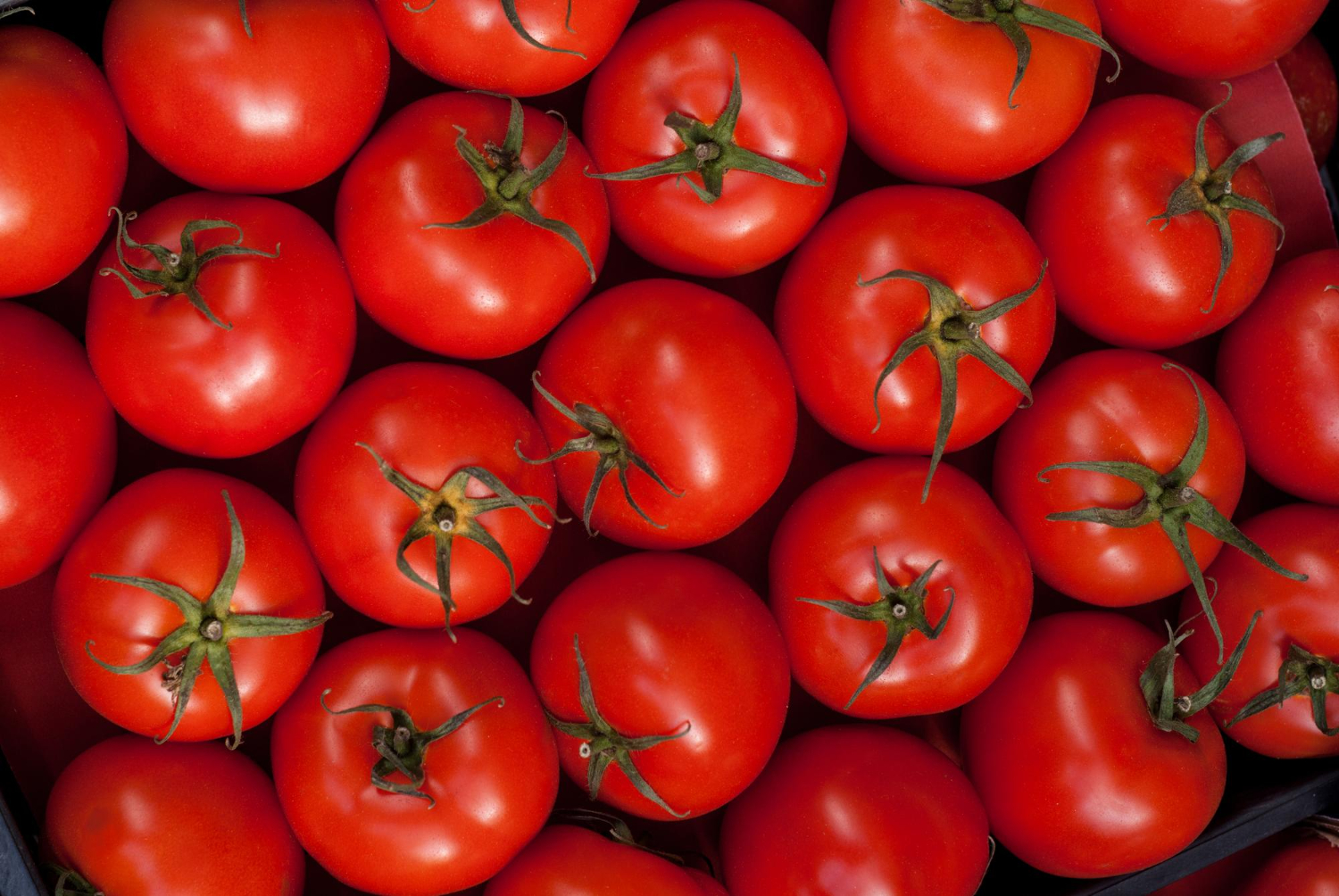
It’s hard to imagine Italian cuisine without it, but the tomato was once widely feared in Europe. When it arrived from the Americas, many Europeans regarded it with deep suspicion, and it gained a reputation as poisonous, partly because wealthy diners eating off lead-based pewter plates fell ill (the acidic fruit leached the lead). For years the tomato was grown mainly as an ornamental curiosity rather than food. Only gradually did people embrace it, eventually making it the foundation of countless beloved dishes worldwide. Today the once-dreaded “poison apple” is among the most essential ingredients on the planet, a remarkable turnaround for a fruit once thought deadly.
Like our content? Follow us for more.
Sushi in the West
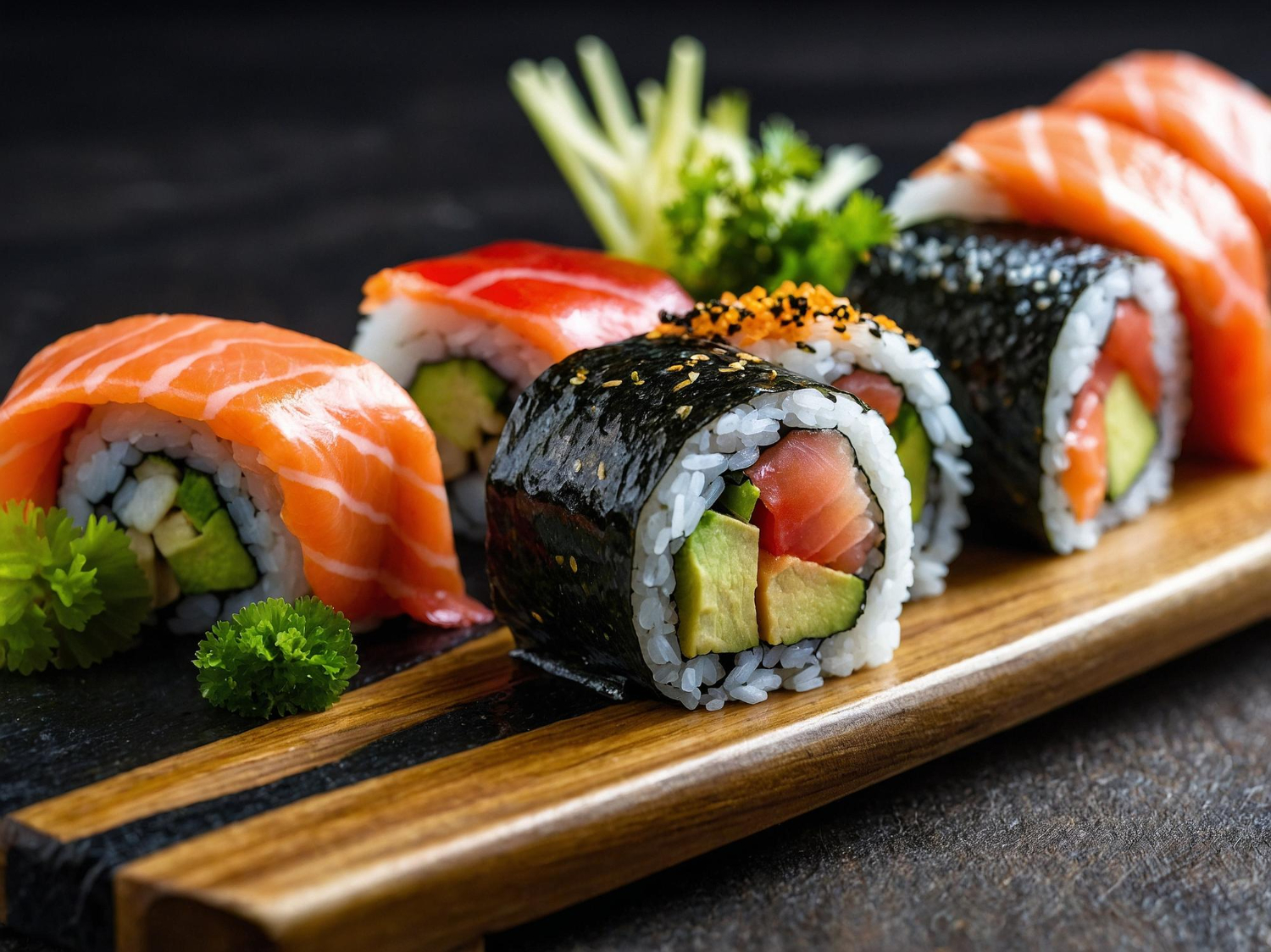
Now a global obsession, sushi was once met with bafflement and even disgust outside Japan. When it began appearing in Western countries, the idea of eating raw fish and seaweed-wrapped rice struck many diners as strange, unappetizing, or risky, and it was often the subject of squeamish jokes. Sushi remained a niche, exotic curiosity for years before a gradual shift in tastes, growing appreciation for Japanese cuisine, and clever adaptations helped it break through. Today sushi is wildly popular across the globe, found everywhere from high-end restaurants to grocery stores. Its journey from “you eat it raw?” to international favorite is one of the great food-acceptance stories of modern times.
Coffee
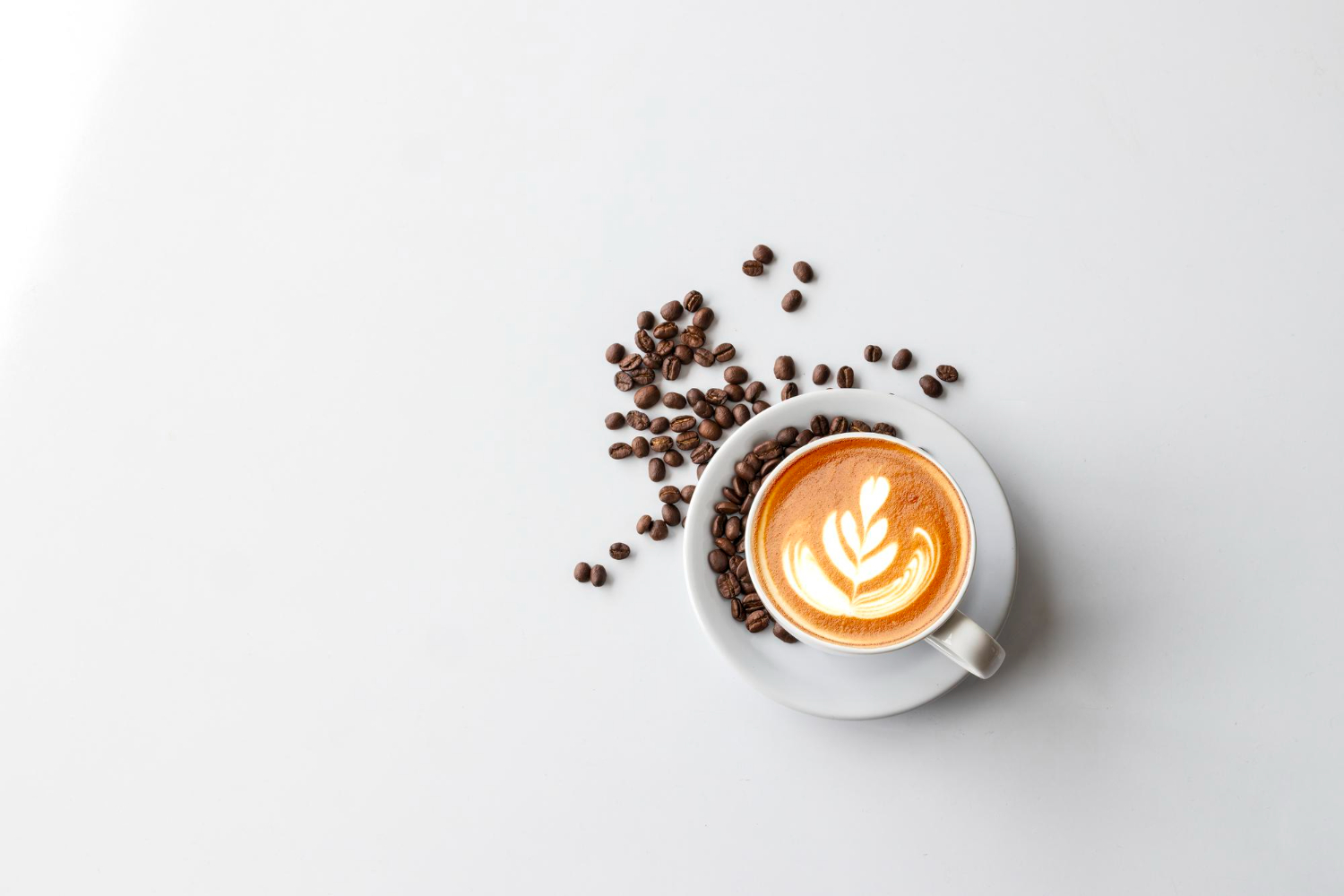
The world’s favorite morning ritual was once viewed with deep suspicion and even condemned. As coffee spread from its origins into new regions centuries ago, it faced resistance from authorities and critics who distrusted the strange, stimulating dark brew, with some calling for bans and branding it dangerous or corrupting. Coffeehouses were sometimes viewed as dens of trouble. Yet coffee’s energizing appeal proved unstoppable, and it gradually became woven into daily life and social culture around the world. From a feared and occasionally outlawed novelty, coffee grew into one of the most consumed beverages on Earth, fueling mornings, conversations, and entire economies. The once-suspect drink now seems utterly indispensable.
Lobster
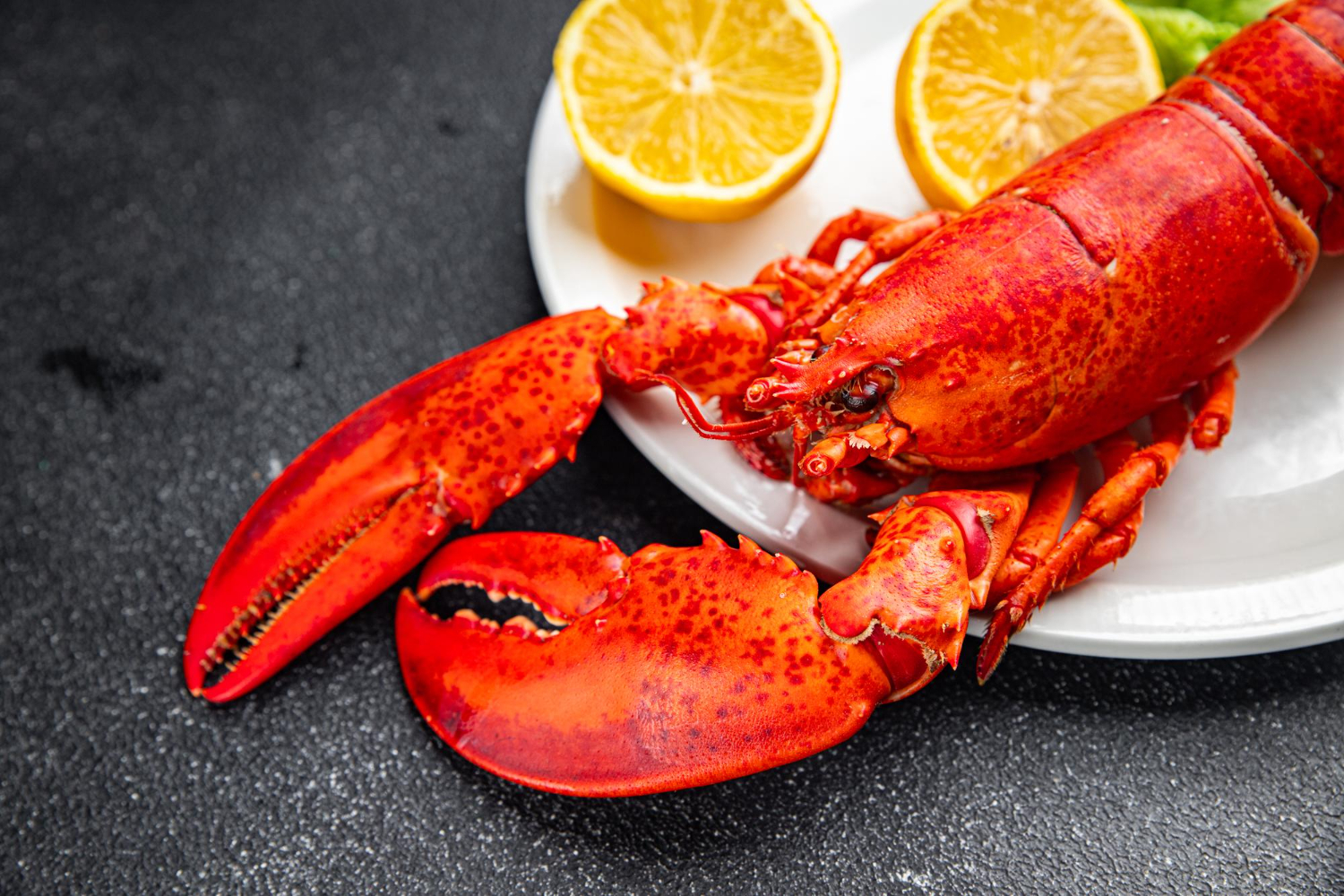
Today a symbol of fine dining and luxury, lobster was once considered lowly “poverty food.” In earlier centuries, lobsters were so abundant along some coasts that they were seen as cheap, undesirable fare, fed to prisoners, servants, and the poor, and sometimes used as fertilizer or bait. Being served too much lobster was even regarded as a hardship. Only later, as transportation, preparation methods, and tastes evolved, did lobster’s reputation transform completely, turning it into the prized delicacy it is today. The dramatic rise of this crustacean from scorned bottom-feeder to expensive treat is one of the most striking reversals in culinary history, proving that food status can change entirely.
Margarine
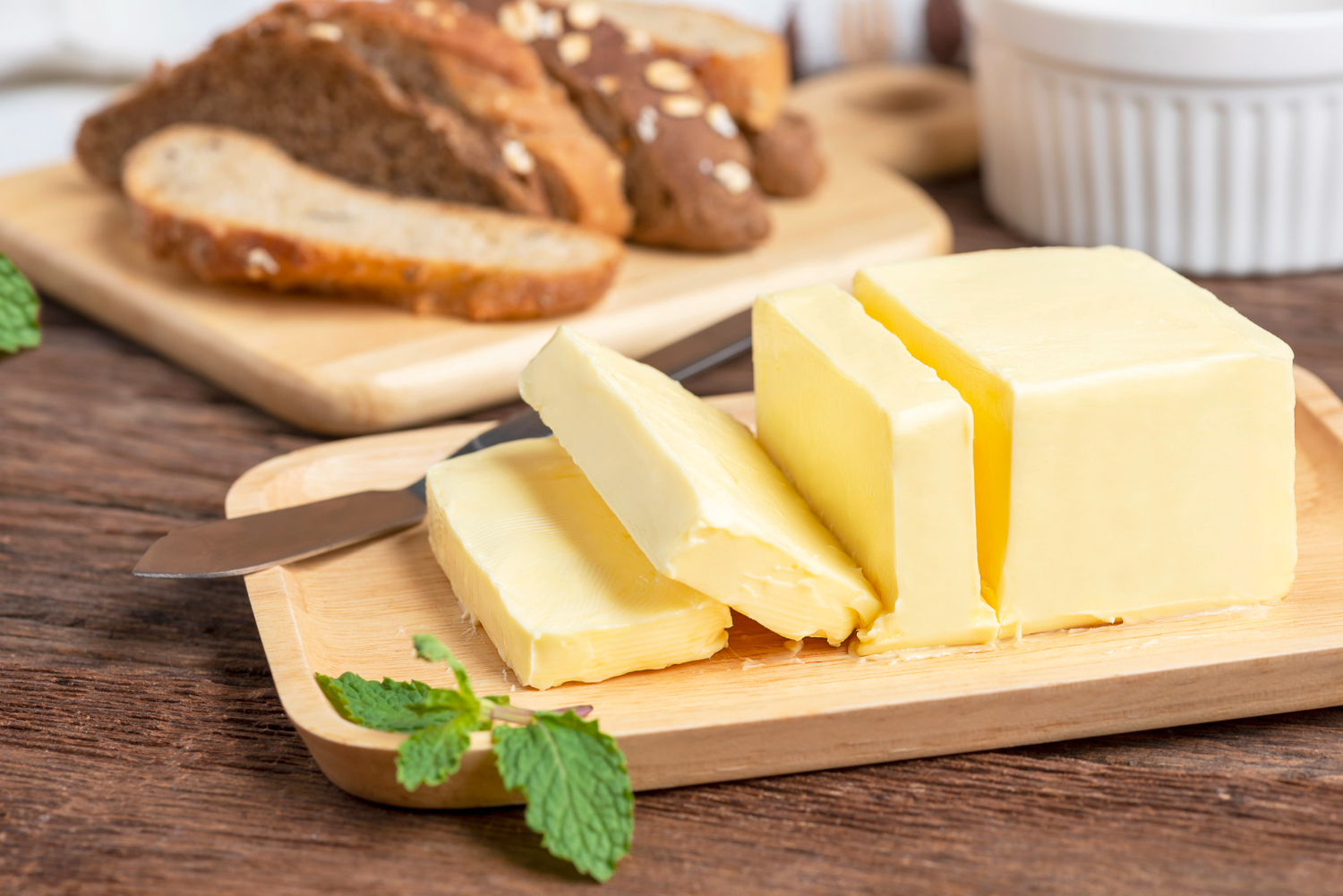
Invented as an inexpensive butter substitute, margarine was met with ridicule and fierce resistance, much of it from the butter industry. Critics mocked its artificial origins, and in some places laws were passed restricting it or even requiring it to be sold in unappetizing colors to make it less appealing than butter. Despite the scorn and regulatory hurdles, margarine found a market as an affordable alternative and became a pantry staple in many households for generations. While the butter-versus-margarine debate continues in various forms, margarine’s survival against organized opposition shows how a mocked, much-maligned invention can still carve out a lasting place in kitchens around the world.
Frozen and Canned Foods

When commercial frozen and canned foods first appeared, many people were skeptical or dismissive, doubting that preserved food could be safe, palatable, or “real” cooking. Early frozen meals and canned goods were sometimes viewed as inferior, suspicious, or a sign of laziness in the kitchen. Yet these preservation innovations revolutionized how the world eats, making a huge variety of foods available year-round, reducing waste, and saving enormous time. Today, frozen and canned foods are pantry and freezer essentials in homes everywhere, and modern versions can be high quality and nutritious. What was once dismissed as unnatural or second-rate became one of the most important developments in the history of food.
The Sandwich
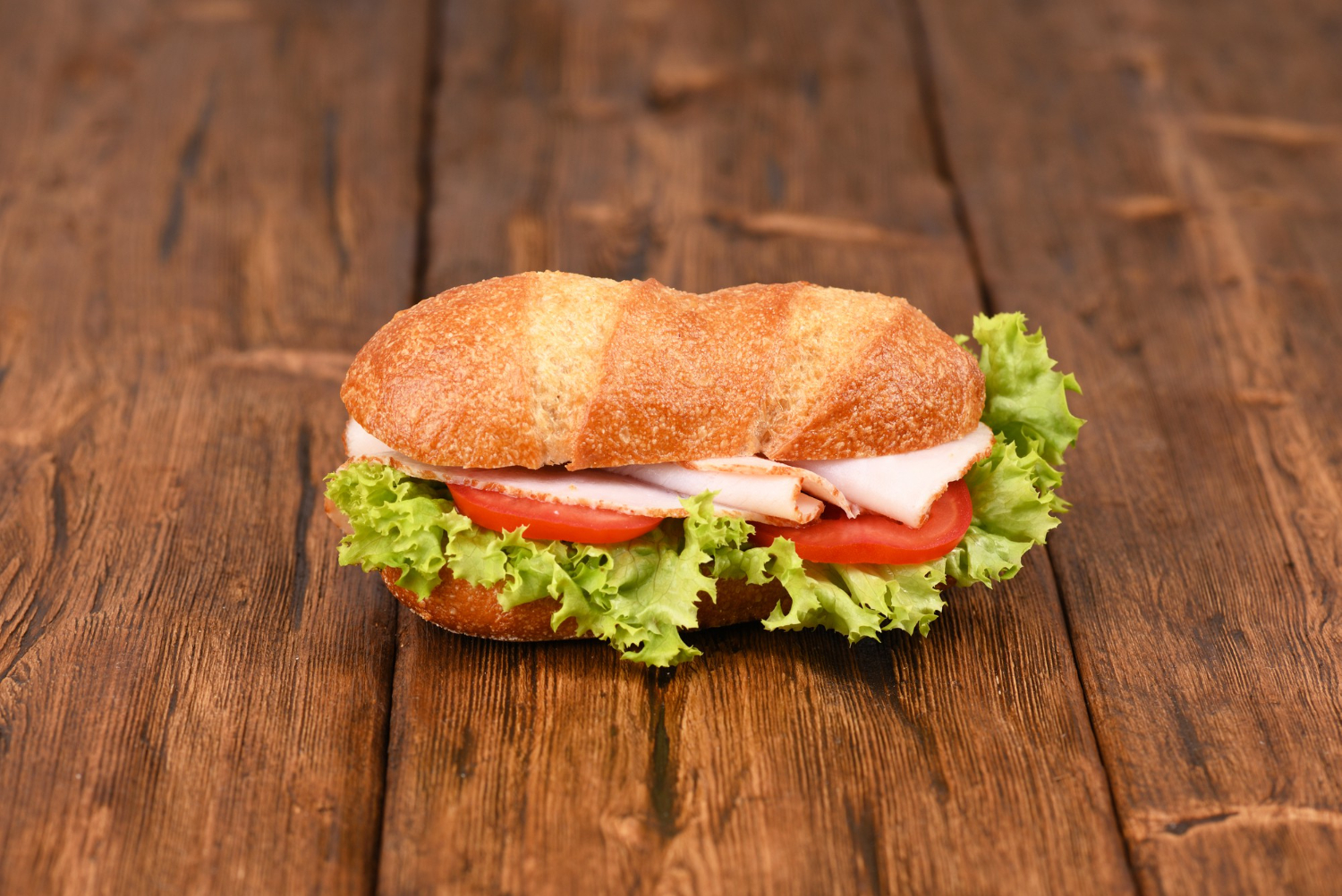
The humble sandwich has such a famous origin story that it was, in a sense, born from mockery. Popular legend credits it to an 18th-century English nobleman, the Earl of Sandwich, who reportedly asked for meat between bread so he could eat without leaving his activities, prompting amused observers to name the concoction after him. Whether or not every detail is accurate, the idea of eating this way was initially seen as a novelty or an oddity of the upper class. It quickly proved irresistibly practical, however, and the sandwich evolved into one of the most universal, endlessly varied foods on the planet, eaten by billions in countless forms.
Instant Noodles
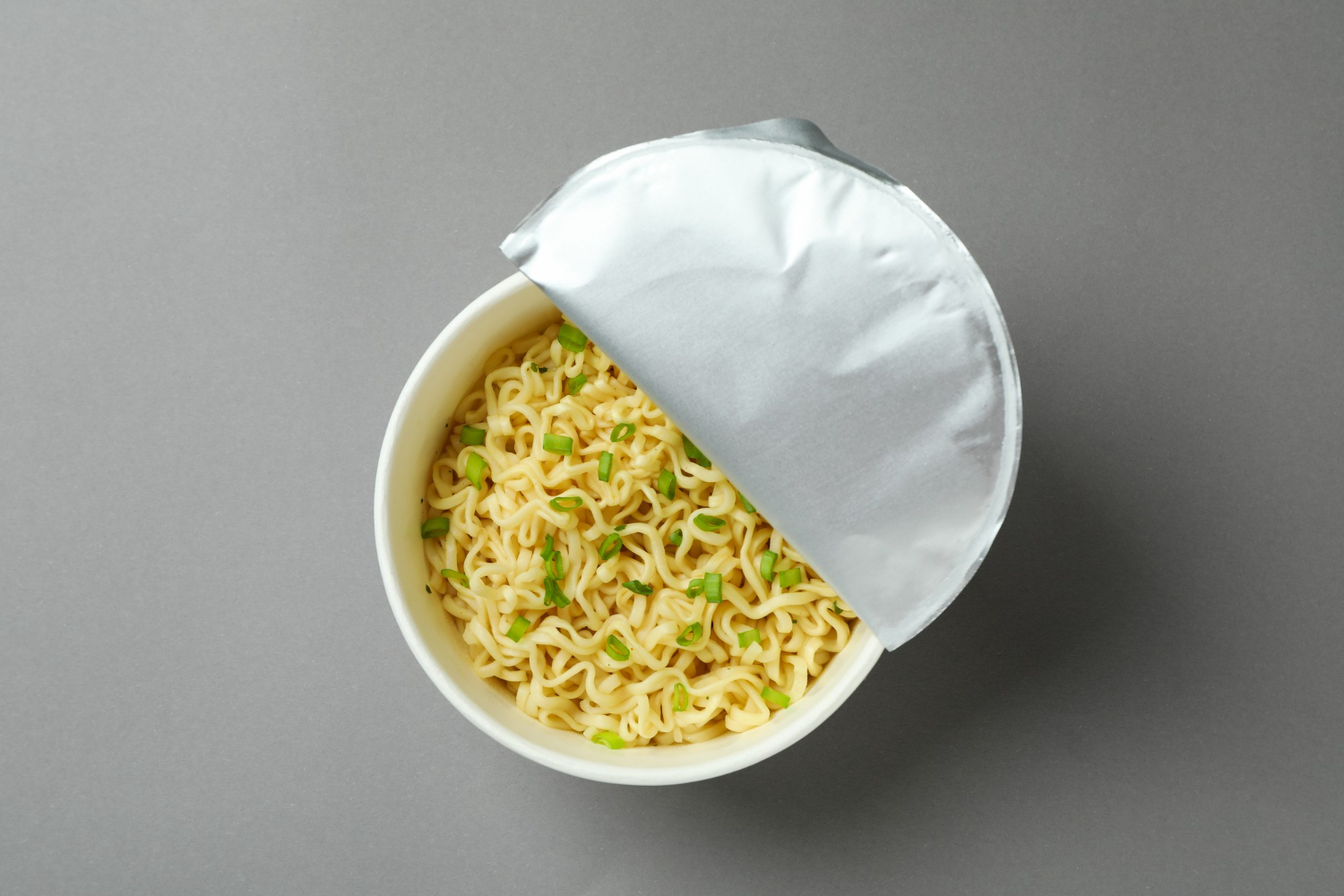
When instant noodles were invented in the mid-twentieth century, the notion of a dried noodle brick that turned into a meal with just hot water struck some as a gimmick or low-quality novelty food. Yet this affordable, convenient invention went on to become a global phenomenon, beloved by students, busy workers, and food lovers alike, and even celebrated as one of the most significant inventions of its era in its home country. Today, instant noodles are consumed by the billions worldwide and have inspired entire culinary subcultures and gourmet reinventions. The transformation of a once-doubted convenience product into a globally cherished staple is a tribute to clever, accessible food innovation.
Raw Kale and “Health” Foods
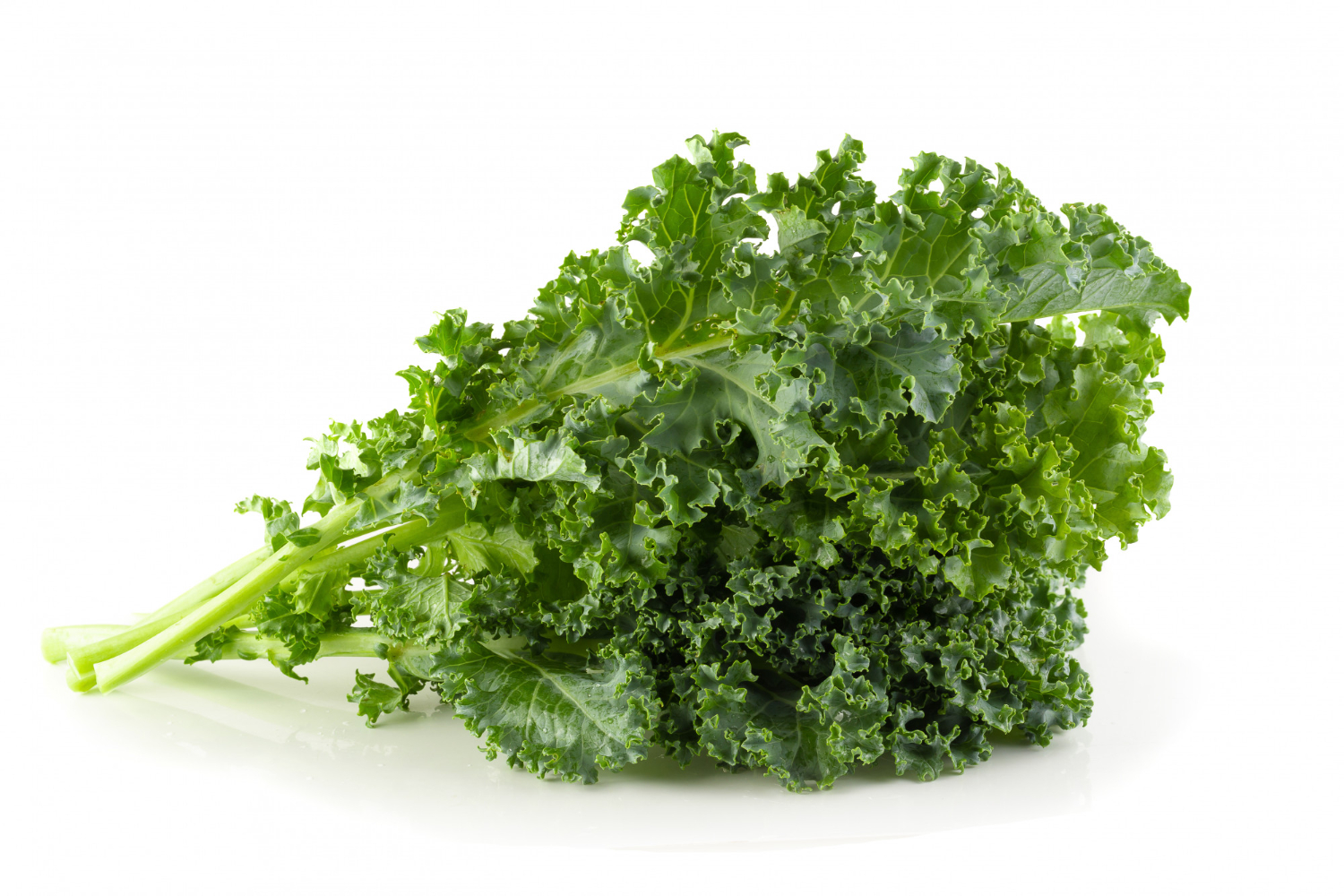
Some foods were not so much feared as dismissed or ridiculed as unappealing, only to surge into trendy popularity later. Kale, for instance, was long regarded as a tough, bitter garnish or animal feed, the sort of thing pushed to the side of the plate, before being rebranded and embraced as a fashionable ingredient in salads, smoothies, and chips. Other once-overlooked or mocked ingredients have followed similar paths, transformed by clever marketing, new preparation methods, and shifting tastes. These reversals show how quickly a food’s image can flip from undesirable to highly sought-after, often with little change to the food itself, just to how we see it.
What These Reversals Teach Us
Looking across these stories, a clear pattern emerges: our sense of what’s delicious, desirable, or even safe to eat is far more flexible and culturally shaped than we tend to think. Foods that were feared, scorned, or laughed at, the tomato, sushi, lobster, instant noodles, became cherished classics once familiarity, necessity, or clever reinvention won people over. It’s a humbling reminder to keep an open mind about unfamiliar foods, because today’s strange or mocked dish may well be a future favorite. The next time you encounter a food that seems odd, remember that some of the world’s most iconic flavors started out exactly the same way.