Military research has a habit of producing things nobody anticipated, which then outlive the purpose they were built for. These twelve are all in ordinary use now, and all began somewhere else.
1. Canned Food

Preserving food in sealed containers was developed in response to a French government prize offered for a way to keep armies fed on campaign.
Nicolas Appert worked out that food sealed in glass and heated would keep, and metal cans followed shortly after. The tin opener took decades longer to appear. Canned food is the everyday thing that began as a logistics problem for feeding troops.
Like our content? Follow us for more.
2. Duct Tape
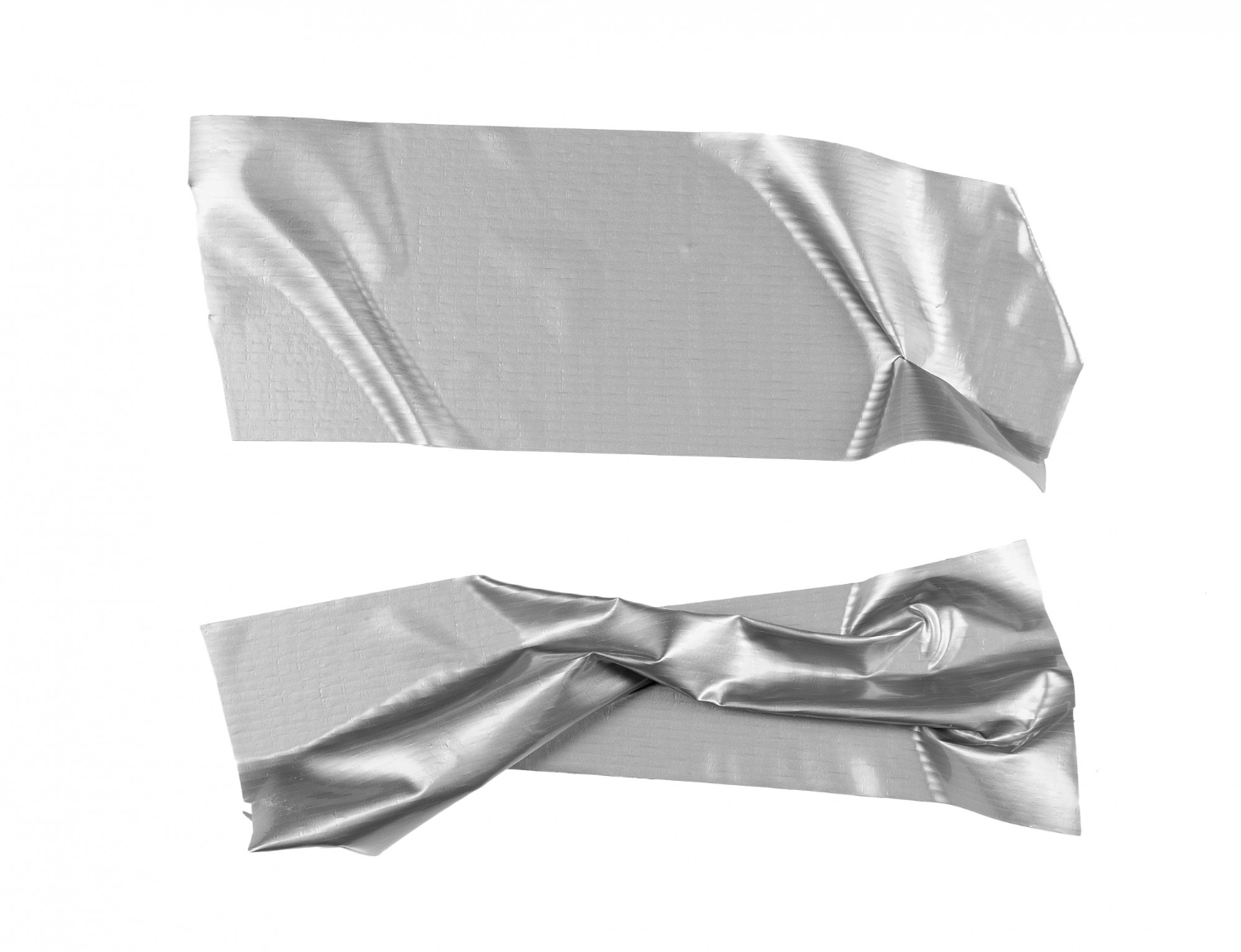
A cloth-backed, waterproof adhesive tape was developed during the Second World War for sealing ammunition cases against moisture while remaining easy to tear open.
It reached civilian hands afterwards and was rapidly adopted for purposes its designers never considered. Its reputation for fixing anything came later. Duct tape is the everyday item designed to keep water out of a crate.
3. Microwave Cooking
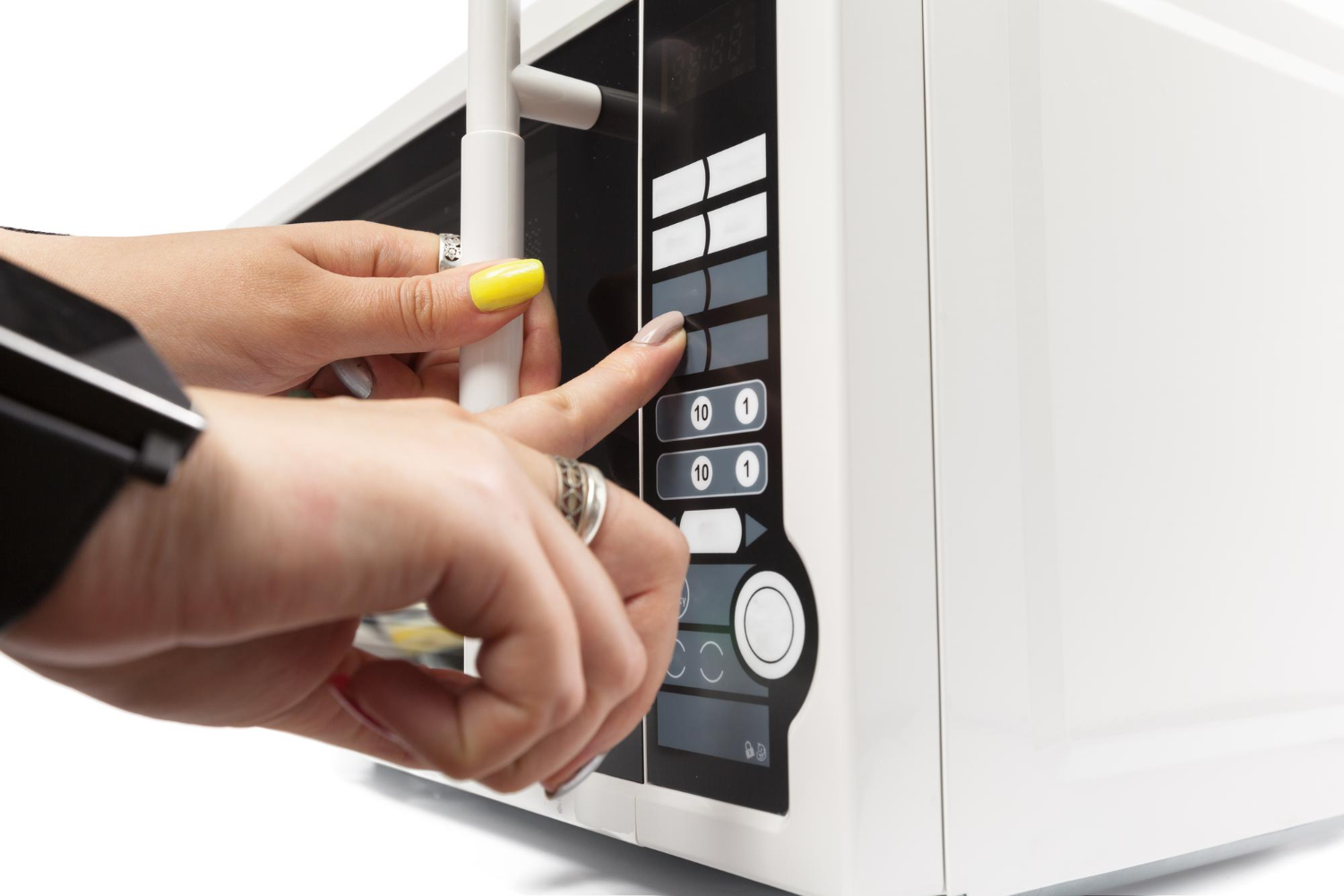
The effect was noticed during radar research, when an engineer working near an active magnetron found that it had melted a snack in his pocket.
The magnetron itself had been developed to improve radar, and the cooking application was a by-product nobody was looking for. Early ovens were enormous. Microwave cooking is the everyday convenience that emerged from a radar laboratory.
4. Superglue
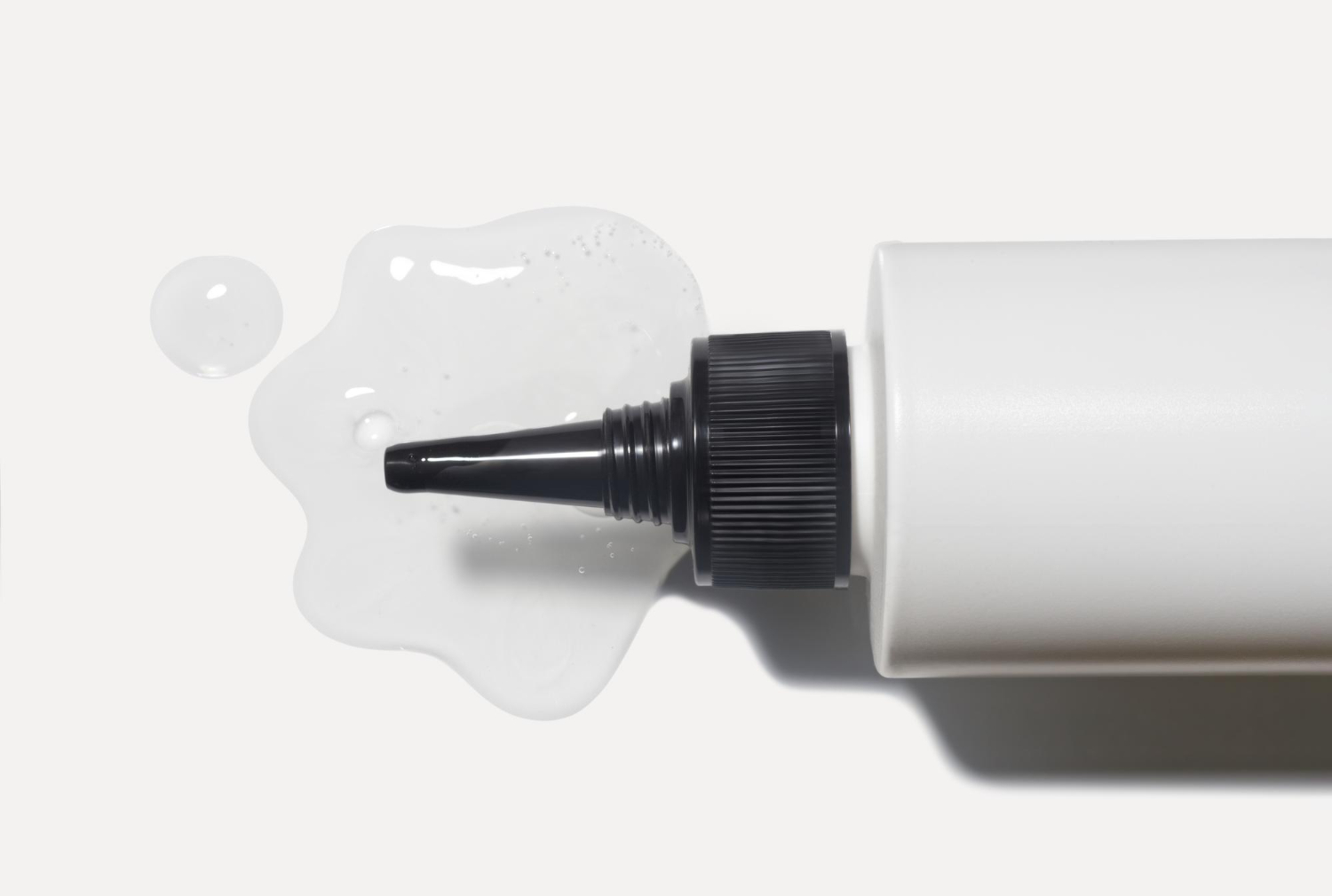
Cyanoacrylate was discovered during wartime research into materials for gun sights, and initially discarded because it stuck to everything.
It was rediscovered later, recognised for exactly the property that had made it useless, and commercialised. Its adhesive strength was the problem before it was the point. Superglue is the everyday product that was rejected twice for working too well.
5. Aviator-Style Sunglasses
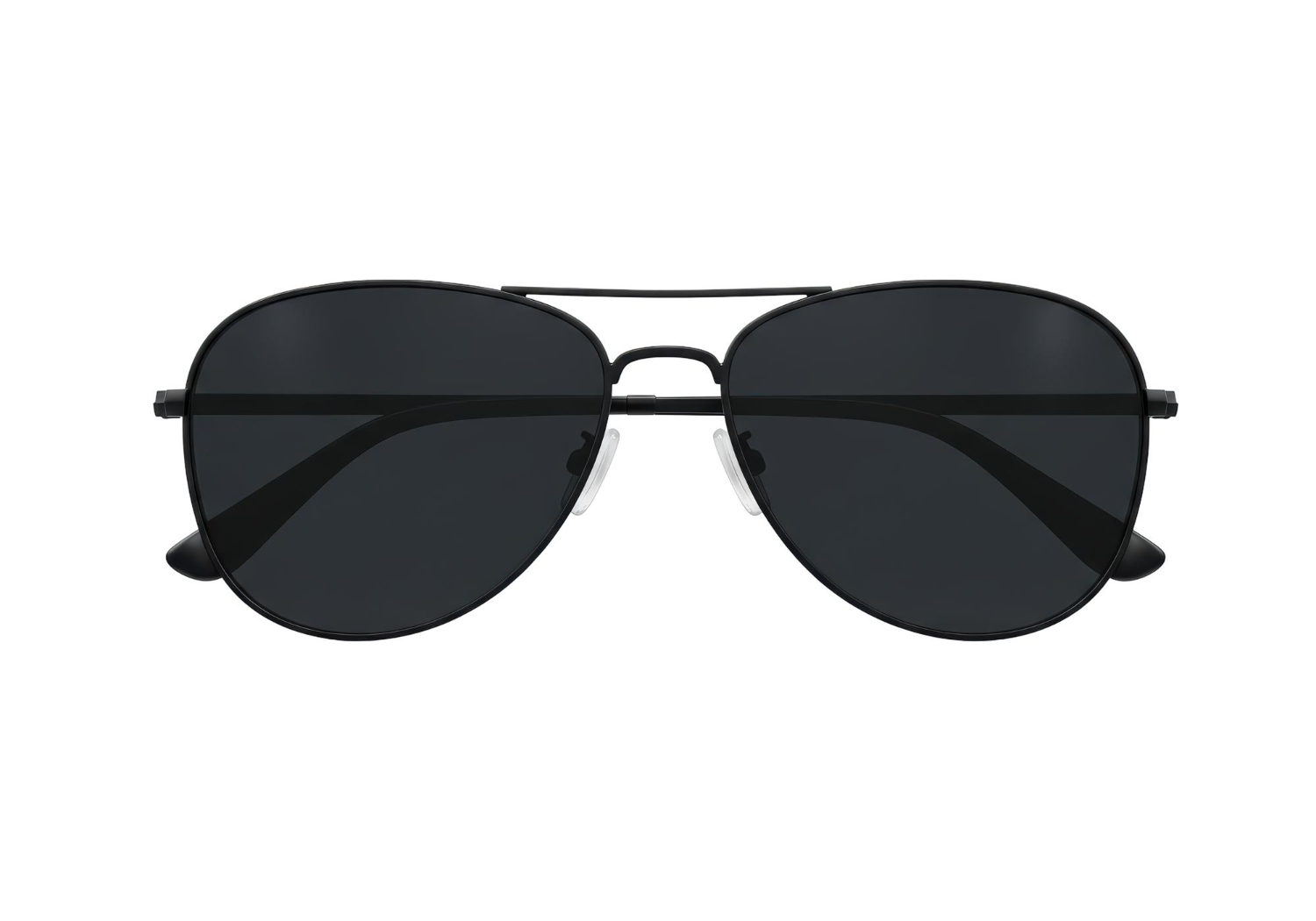
Dark glasses in the familiar teardrop shape were developed to protect pilots’ eyes at altitude, where glare is severe and unfiltered.
The design brief was function — coverage, weight, field of view — and the style became fashionable afterwards entirely by association. Form followed a cockpit. Aviator sunglasses are the everyday accessory shaped by the requirements of a cockpit.
6. The Wristwatch

Pocket watches are impractical when both hands are occupied, and strapping a watch to the wrist was adopted by military users well before it became normal for civilian men.
Synchronised timing mattered enormously for coordinated movement, and the wristwatch spread from there into general use. It was initially considered unmanly. The wristwatch is the everyday object that changed position because of a practical need.
7. Trench Coats

The waterproof gabardine coat with its distinctive shoulder straps, storm flap and belt was developed as officers’ outerwear for wet conditions.
Almost every design feature that now reads as stylish had a function, including the D-rings and the shoulder pieces. The name is not a coincidence. The trench coat is the everyday garment whose details are all leftover specifications.
8. Jerry Cans and Portable Fuel Containers

The stackable, pressed-steel fuel container with three handles and a recessed spout was engineered so that one person could carry two, or two people four.
The design proved so effective that it was copied wholesale and remains essentially unchanged. The three handles are the giveaway. The jerry can is the everyday object that has never needed redesigning.
9. GPS
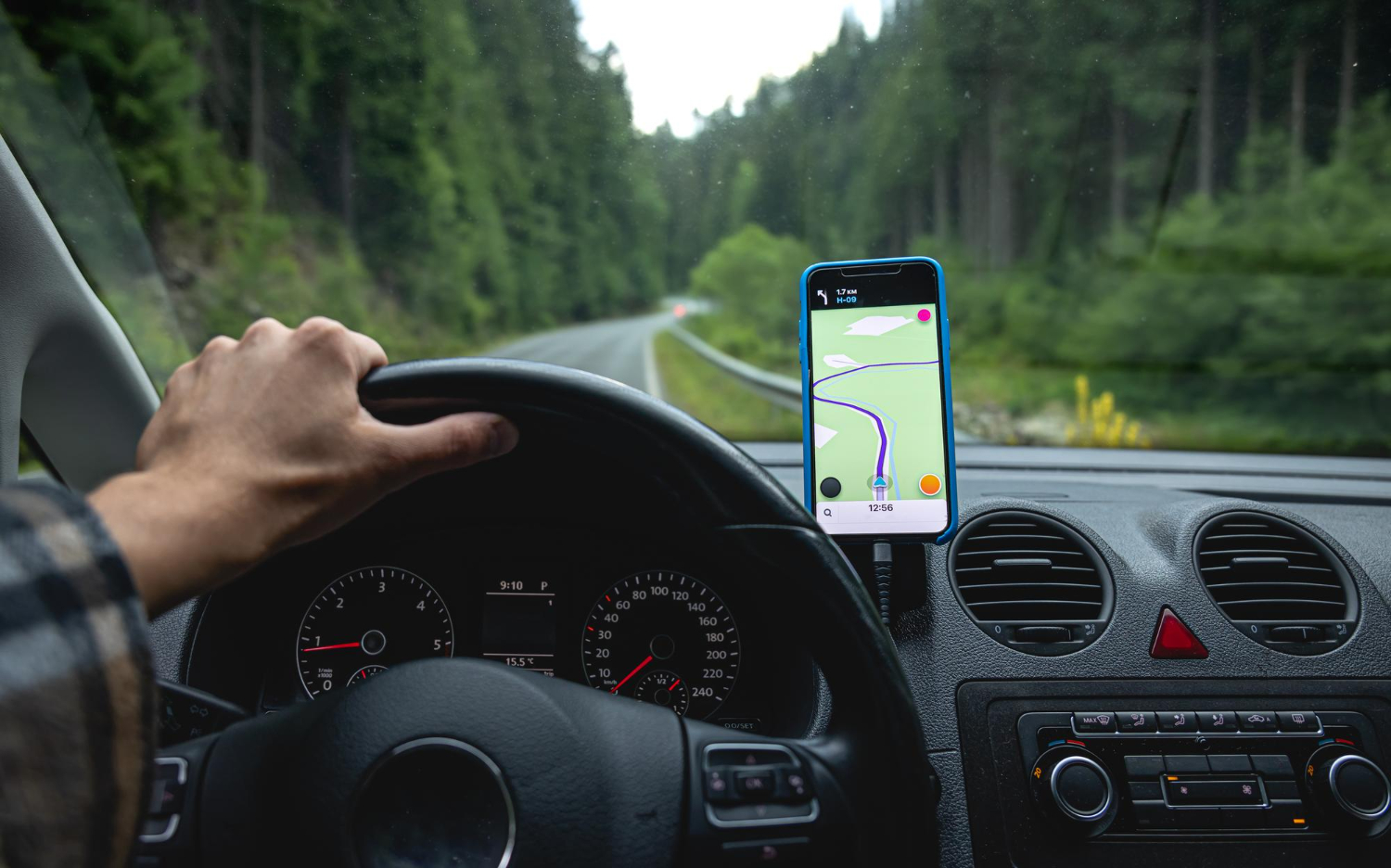
Satellite positioning was developed for defence navigation and only later opened for civilian use, initially at deliberately degraded accuracy.
Full precision was made available to civilian receivers in 2000, which transformed what the technology could do for ordinary users. Everything downstream followed. Satellite navigation is the everyday technology that arrived with a deliberate handicap that was later removed.
10. The Modern Ambulance and Triage
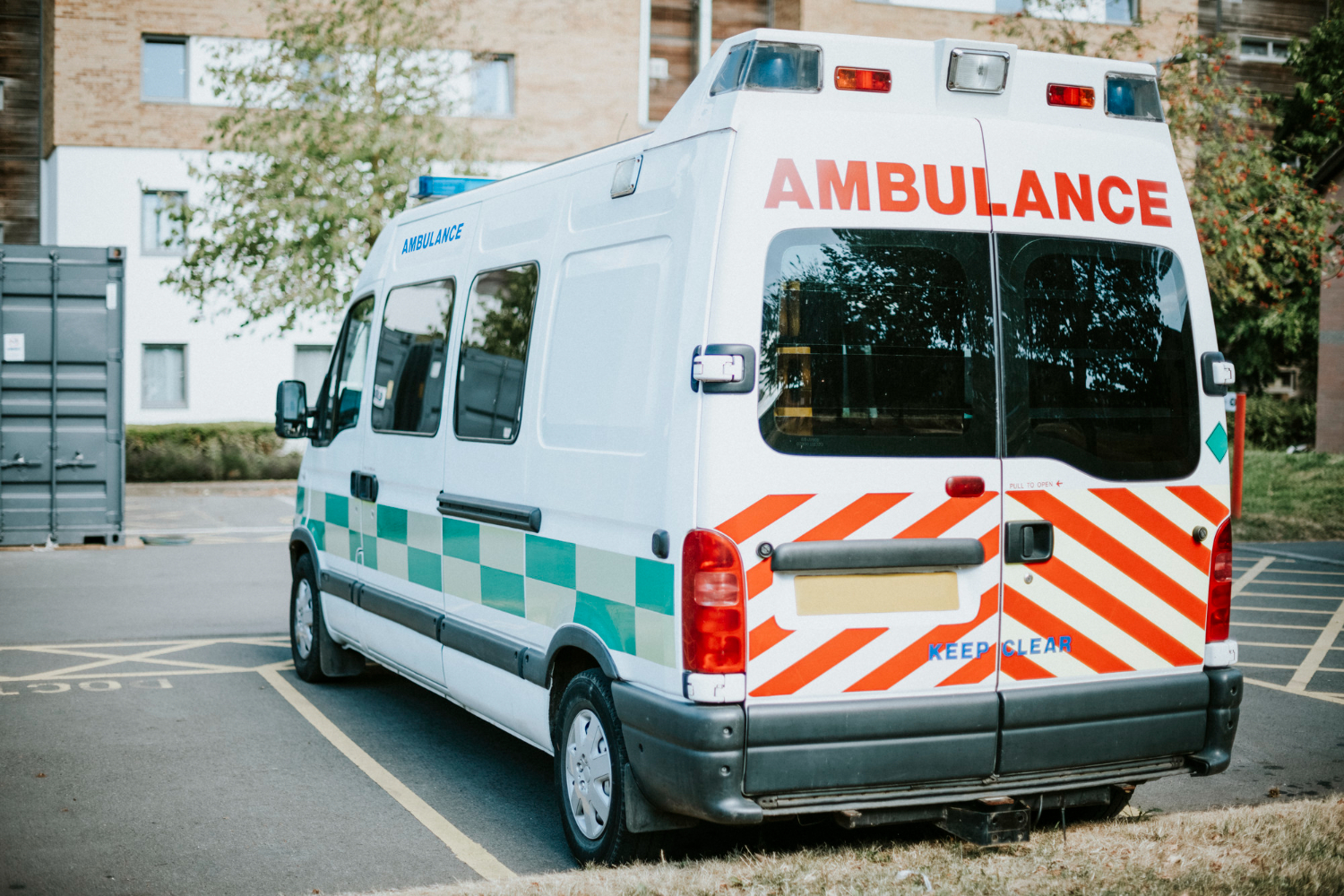
Systems for sorting casualties by urgency and moving them quickly to treatment were developed under battlefield conditions and then adopted by civilian medicine.
The core idea — treat by severity rather than order of arrival — is now standard in every emergency department. Rapid transport followed the same path. Triage is the everyday medical system that came from field medicine.
11. Freeze-Dried Coffee and Ration Technology

Methods for preserving food to be light, compact and stable without refrigeration were driven substantially by the need to feed people far from supply lines.
Freeze-drying, vacuum packing and shelf-stable pouches all developed in that context before reaching supermarkets and camping shops. Convenience came second. Freeze-drying is the everyday food technology built for supply lines rather than shelves.
12. The Internet’s Ancestor

The packet-switched network that led to the modern internet was funded by a defence research agency, designed to connect research institutions and to survive the loss of individual nodes.
It was a research network rather than a consumer product, and the transformation into what we use now took decades and many hands. The lineage is real but indirect. Packet switching is the everyday technology with the most consequential military ancestry of all.
Solved Under Pressure

The common thread is not that armies are inventive but that they generate very specific problems with very hard deadlines, and solutions built for those conditions often turn out to be useful elsewhere.
It is worth being careful with this kind of list, because the internet is full of versions containing claims that fall apart on inspection. What survives scrutiny is a real pattern: sustained funding, urgent requirements and tolerance for failure produce technologies that civilian markets would not have prioritised, and some of those end up in the kitchen drawer.
Like our content? Follow us for more.