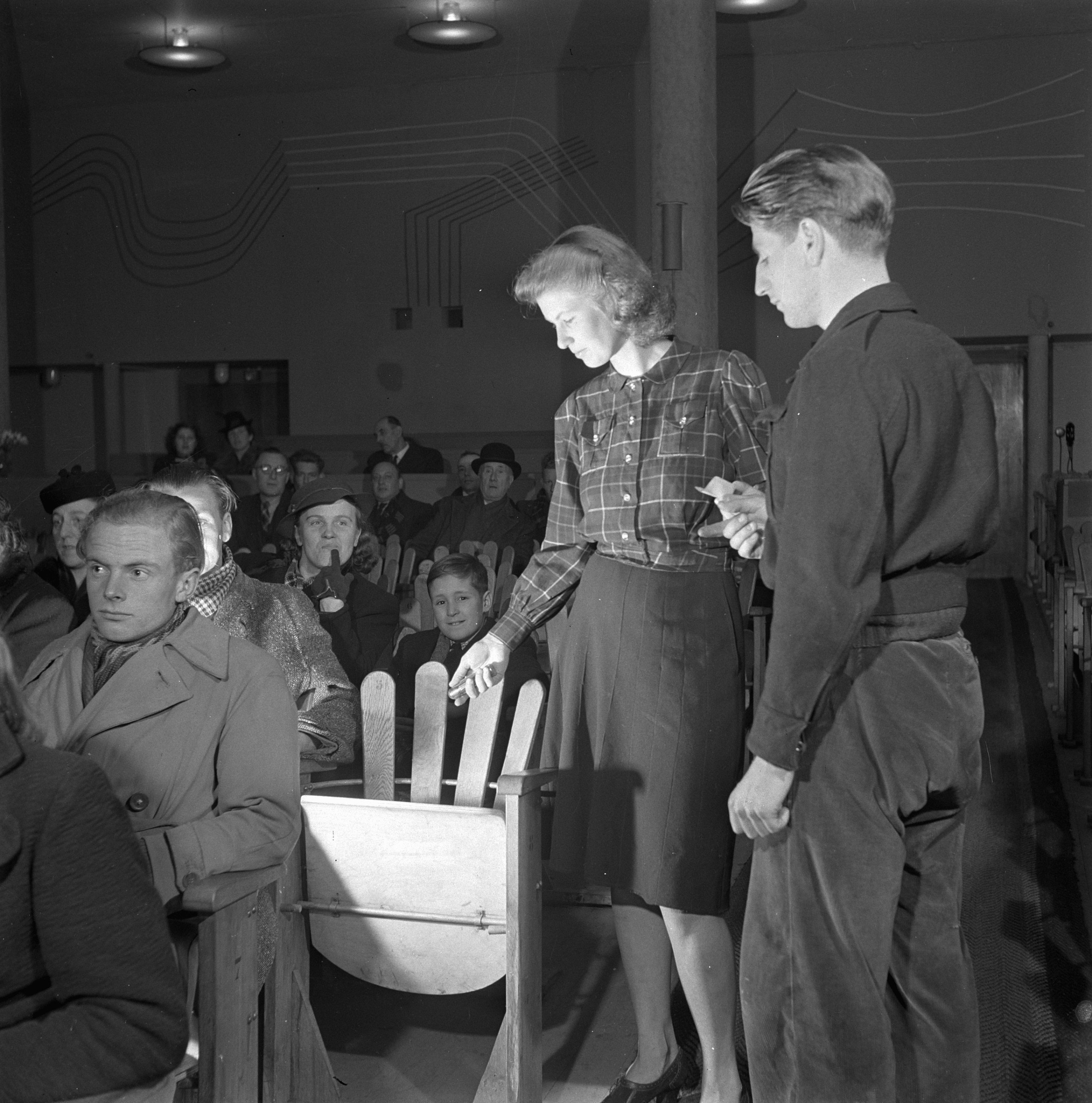
Almost everything about the usherette’s job in 1960 followed from one thing: the programme ran continuously, people arrived at any point in it, and somebody had to find them a seat in the dark while the film was running.
Around that sat a set of practices that no cinema could operate now — standing room in a full auditorium, a house counted by eye, smoking throughout, a fire plan that consisted of keeping the gangways clear, and a teenage employee handling confrontation on her own in a dark room. Here are sixteen things about it.
1. Walked people to their seats in the dark, during the film
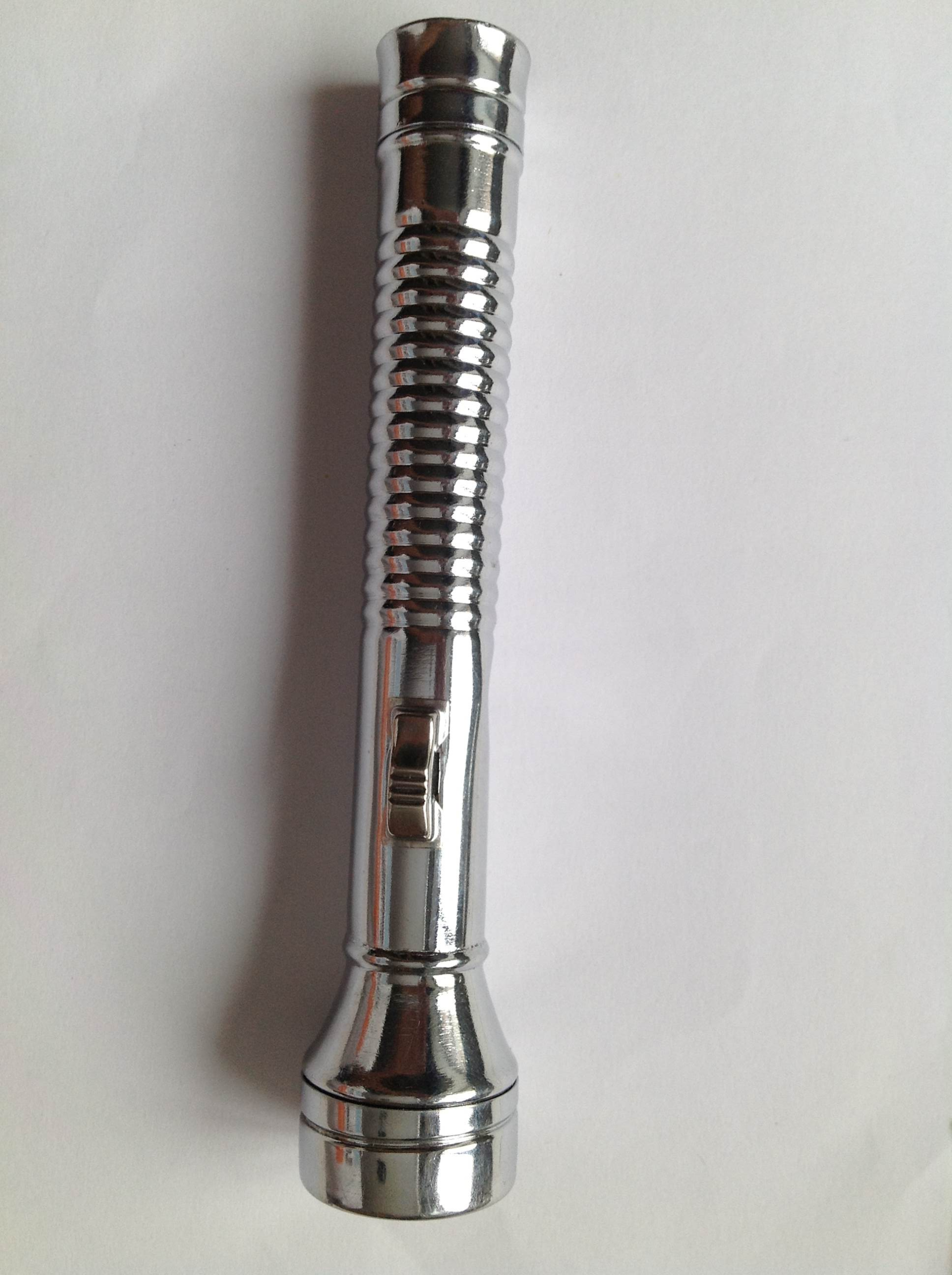
The usherette’s central task was to take a patron from the back of a darkened auditorium to a specific seat, with a torch held low, moving down a sloping gangway past people’s knees while the film was running.
This has disappeared completely. Modern seating is reserved and numbered, patrons find their own places with the house lights up before the programme, and staff are not routinely in the auditorium at all during a performance.
The reason it existed was continuous performance, which is the next item and is the single thing that explains most of this file.
Like our content? Follow us for more.
2. The programme ran continuously and you came in whenever you liked
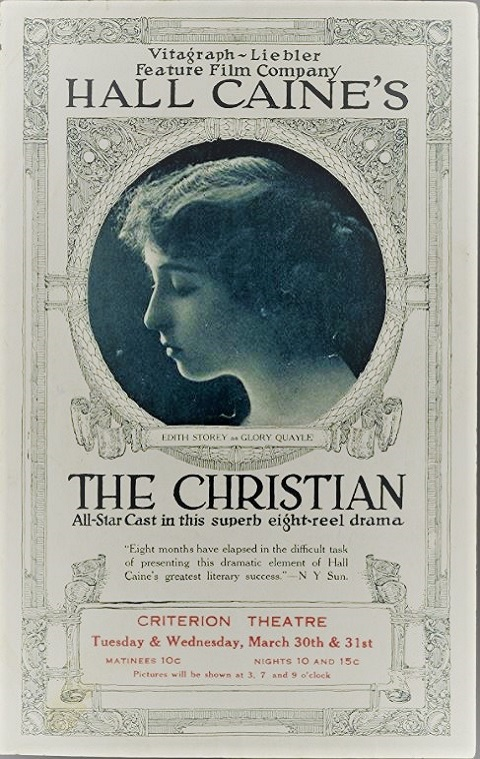
A cinema in 1960 ran a loop — feature, short, newsreel, trailers, feature again — and patrons arrived at any point, watched from wherever the loop had reached, sat through the join and left when they had seen the beginning.
Every cinema now runs fixed start times with an advertised programme and no admission after a certain point, which changed the architecture of the job as much as the experience. The staff no longer manage a constantly arriving audience in the dark.
The phrase everybody of that generation remembers — this is where we came in — is a literal description of how the building worked rather than a figure of speech.
3. The whole auditorium was a smoking section
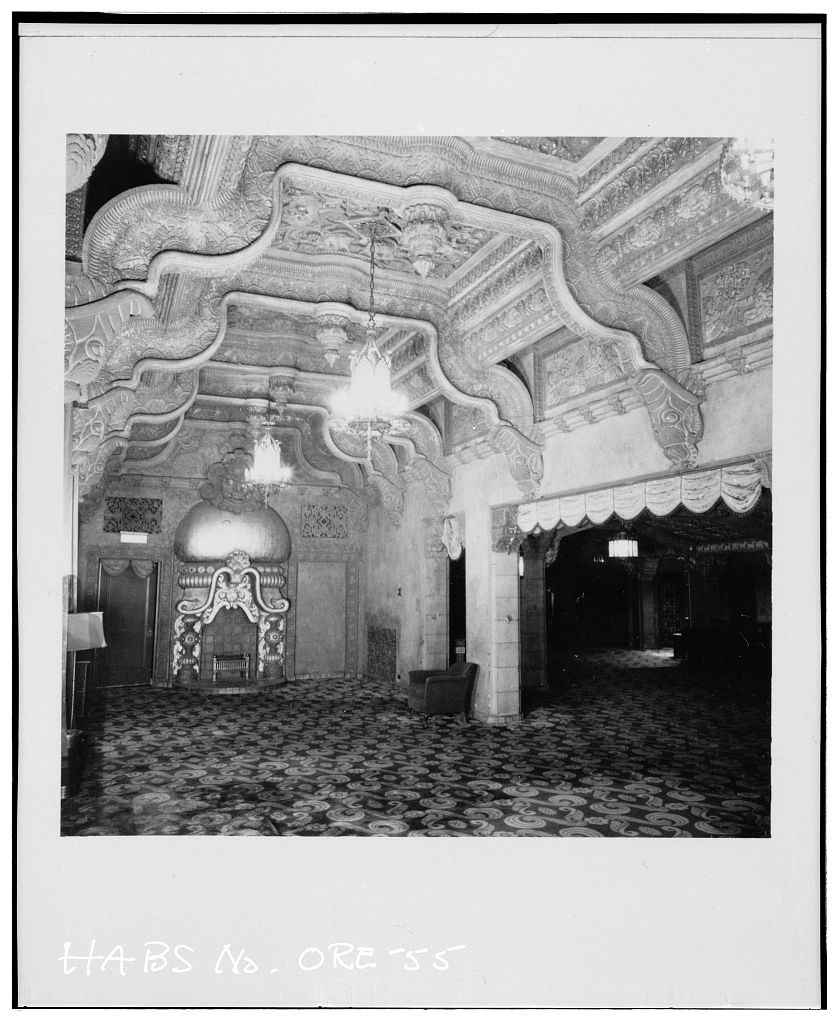
People smoked in their seats, throughout the film, and the beam from the projector was visible across the room because of it. Ashtrays were fitted to the seat backs and the carpet was burned.
Smoking is now prohibited in cinemas everywhere, on fire grounds as much as health grounds, and the ventilation standards that were designed to clear tobacco smoke from a full house are the reason many old auditoriums have the plant they do.
The fire risk was the serious part and it was not theoretical. A building full of upholstered seats, drapes, carpet and paper, with hundreds of lit cigarettes in it, is the specific combination that cinema fire regulations were written about.
4. Carried a tray of ice cream and stood at the front in the interval
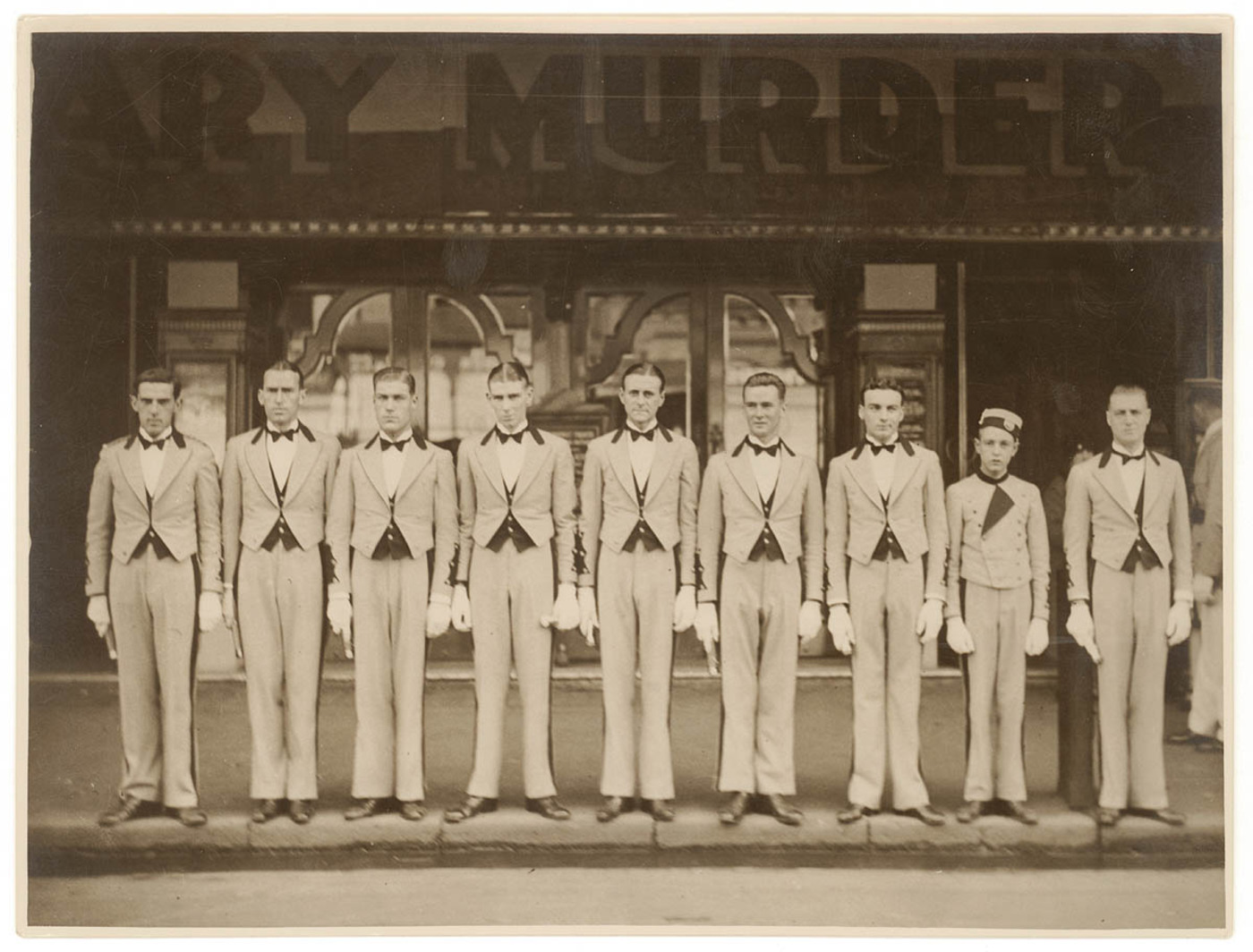
The interval sales were part of the job. The usherette stood at the front with a tray on a neck strap, lit from behind by the screen, and sold tubs, choc ices and drinks to a queue in the dark.
Sales are now at a counter in the foyer before the programme, which is better for everybody involved and removes a task that involved standing under a heavy tray handling money in poor light at the end of a shift.
It is also the single image everybody retains of the job, and it is worth saying that the staff were paid on the same wage whether they sold anything or not in most houses.
5. Sold standing room when the seats were full
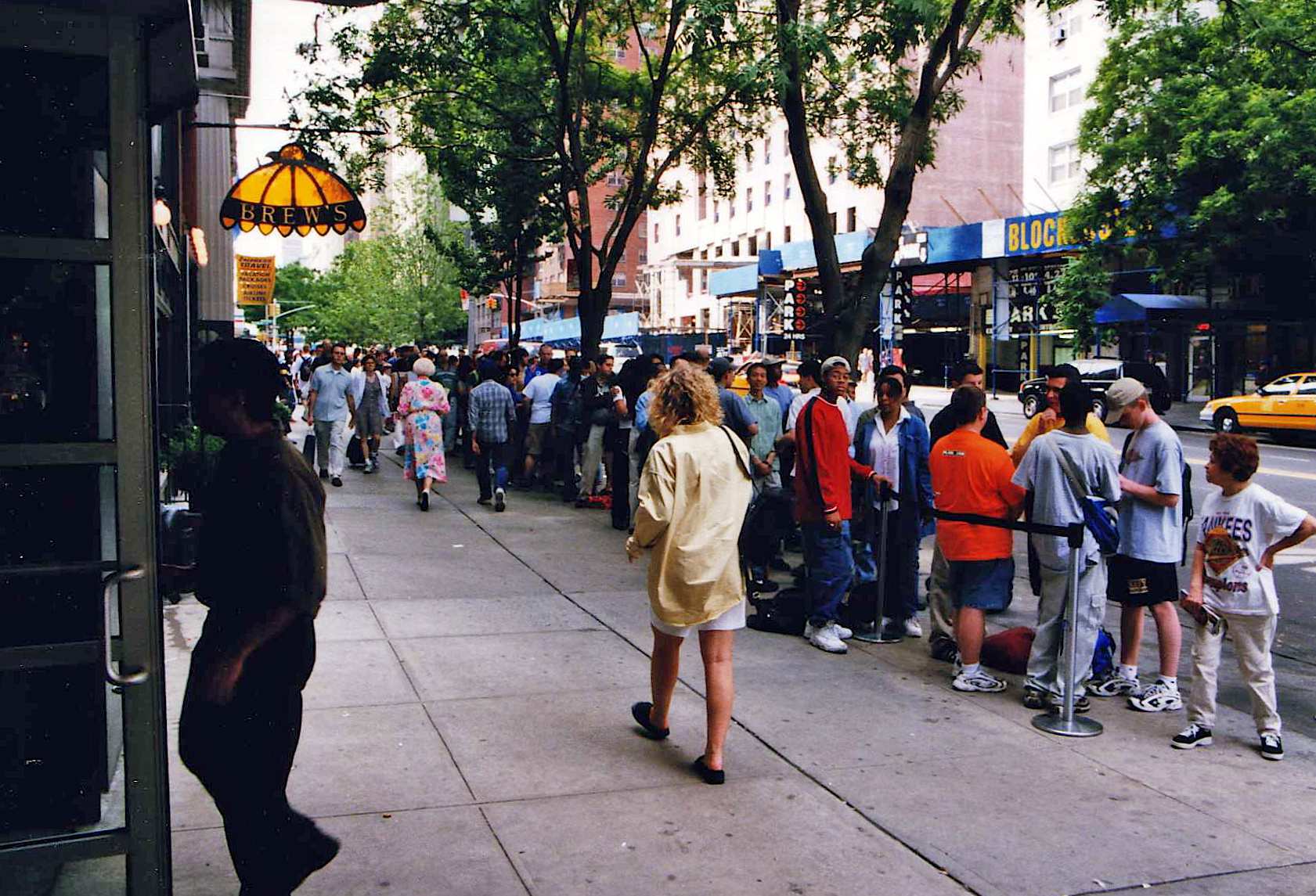
A full house did not mean the doors closed. Patrons were admitted to stand at the back and along the sides, and were moved into seats as they came free, which is what the usherette with the torch was doing all evening.
Capacity is now a fixed, licensed number enforced absolutely, with no standing permitted in an auditorium and seats sold to a count that cannot be exceeded. The licensed capacity is a legal limit rather than a guideline.
The change came from fire safety rather than comfort. Standing patrons in gangways and at the back of a crowded auditorium are an obstruction in exactly the place an evacuation has to happen.
6. Counted the house by eye
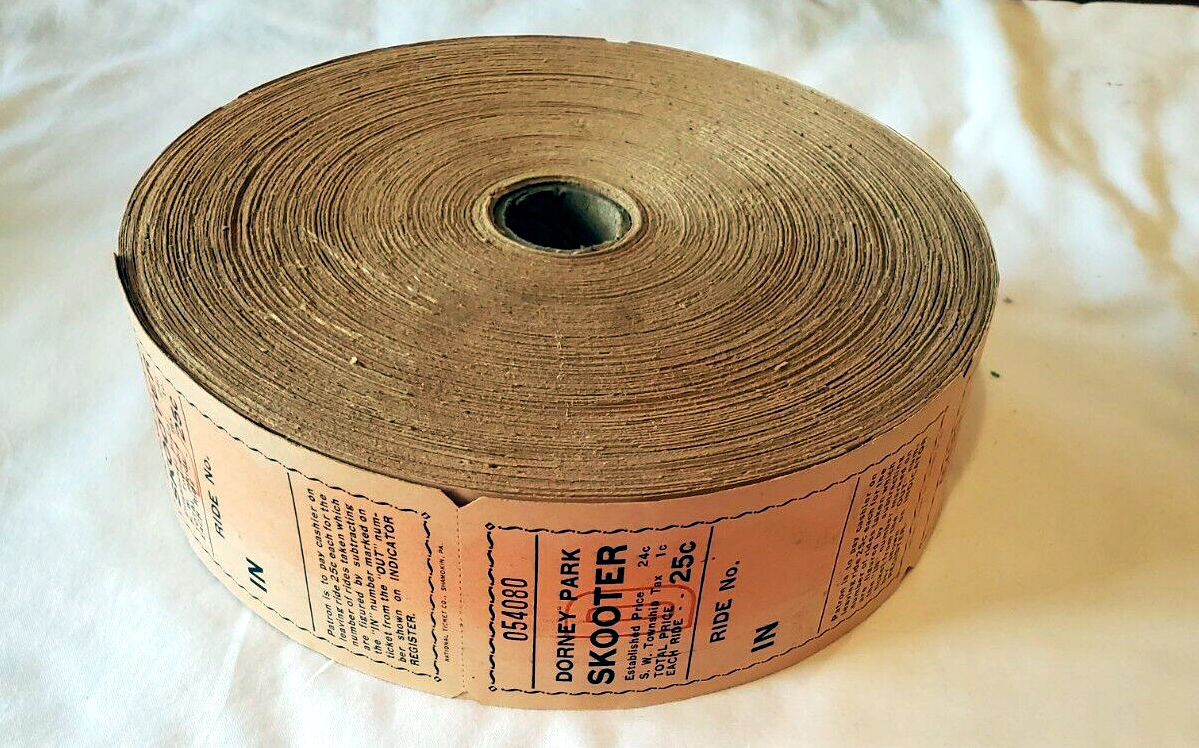
Admissions were taken on a ticket roll and the state of the house was a matter of a manager’s or an usherette’s judgement from the back of the auditorium. Nobody held a live count against a licensed figure.
Every cinema now knows exactly how many people are in each screen at any moment, because the tickets are sold against a seating plan by a system that cannot oversell. The count is also what the fire procedure depends on.
The modern arrangement exists for the same reason as the last one, and both of them are the direct legacy of cinema fires in the first half of the century.
7. Kept the gangways clear, which was the whole fire plan
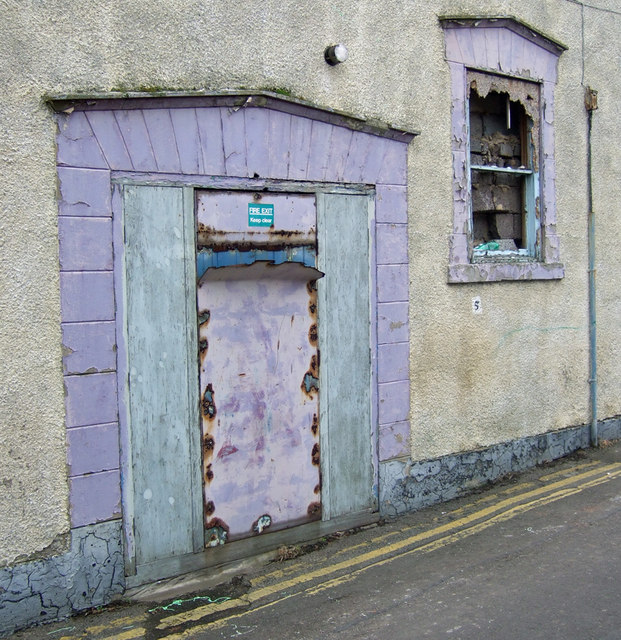
The practical fire precaution in a 1960 cinema was an instruction to staff to keep gangways and exits clear, enforced by whoever was on duty, against an audience that put coats, bags and children’s legs wherever it liked.
Fire safety in a modern cinema is a managed system: a licensed capacity, protected exit routes, emergency lighting, signage, detection and alarm, a documented evacuation procedure, trained staff and a recorded drill schedule. The usherette’s instinct has become a regime.
Several of the best-known cinema fires involved exits that were locked, blocked or had been built over, which is why the modern requirements concentrate so heavily on the route rather than on the alarm.
8. Judged children’s ages at the door
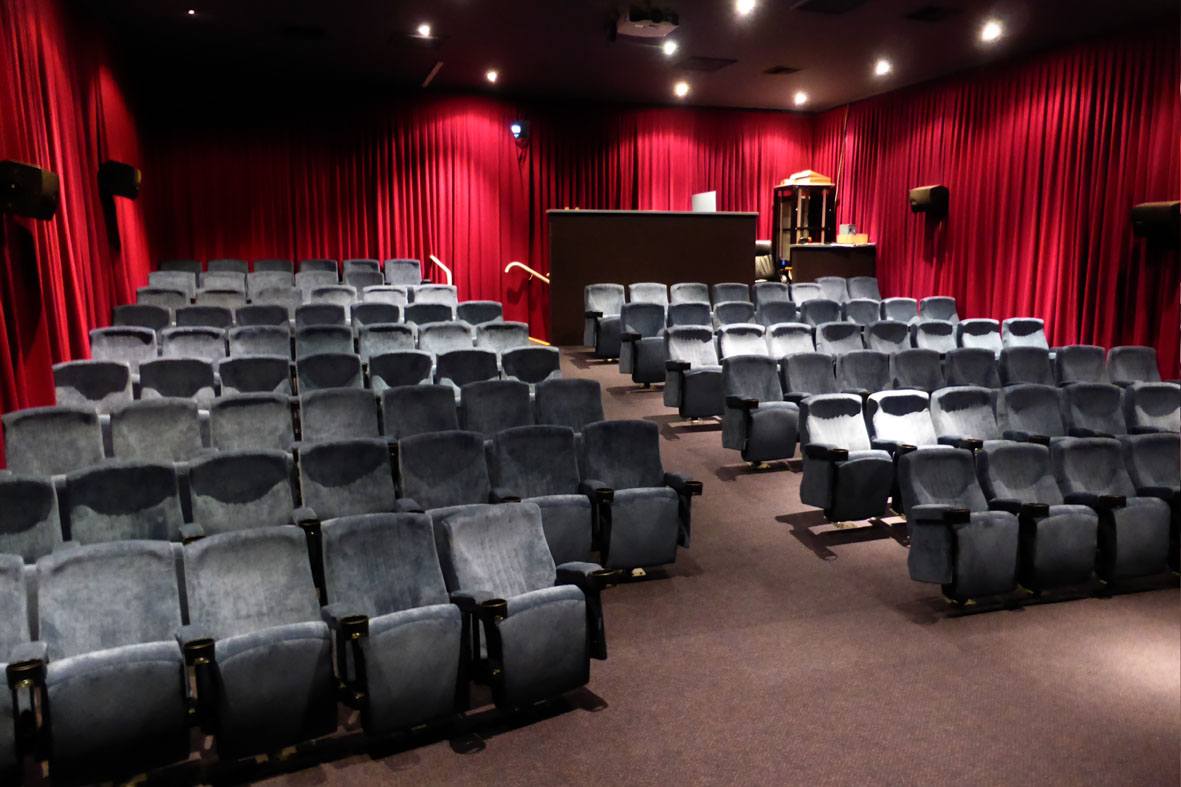
Admission to certificated films depended on an usherette or a cashier looking at a child and forming a view, with no documentation involved and a strong commercial incentive not to look too hard on a wet Saturday.
Age verification is now a documented process with staff training, a requirement to refuse where there is doubt, and consequences for the premises rather than for the individual member of staff. The judgement has been replaced by a procedure.
What is not described here is what children of the period consequently saw, which is a separate subject. The point about the job is that a teenage employee was given the decision and carried the consequence of it.
9. Asked people to leave, alone, with no support
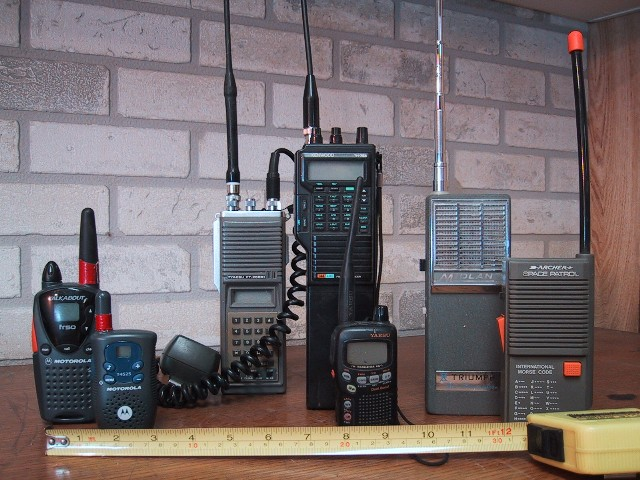
Dealing with patrons who were drunk, disruptive, smoking where they should not be, or refusing to move was the usherette’s job, done by herself in a dark room full of strangers, usually without being able to see who she was talking to.
Modern practice is a trained response with a defined procedure, more than one member of staff, radios, a manager available and in many venues the option of calling the police, together with a recognition that lone working in a public-facing role carries risks that have to be assessed.
Nothing about any incident is described here. The structural point is that a young employee was expected to handle confrontation unaccompanied and unprepared, and that lone working is now a specific thing an employer has to assess and control.
10. Wore a uniform she frequently paid for
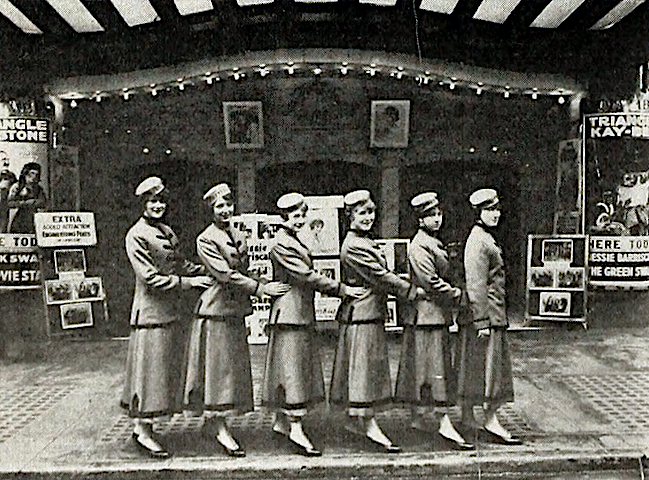
The uniform was a point of pride and a condition of employment — a fitted jacket, a cap or pillbox hat, a torch and an identifying trim — and in many houses the cost of it, or of its replacement, came out of wages.
Deductions from wages for uniform are now restricted or prohibited in most jurisdictions, and where a uniform is required it is generally provided. The underlying principle is that the cost of being employed does not fall on the employee.
Shoes are the detail the staff themselves mention. A full evening on a sloped floor, on stairs, standing under a tray, in shoes that had to look right rather than fit properly.
11. Worked split shifts around the programme
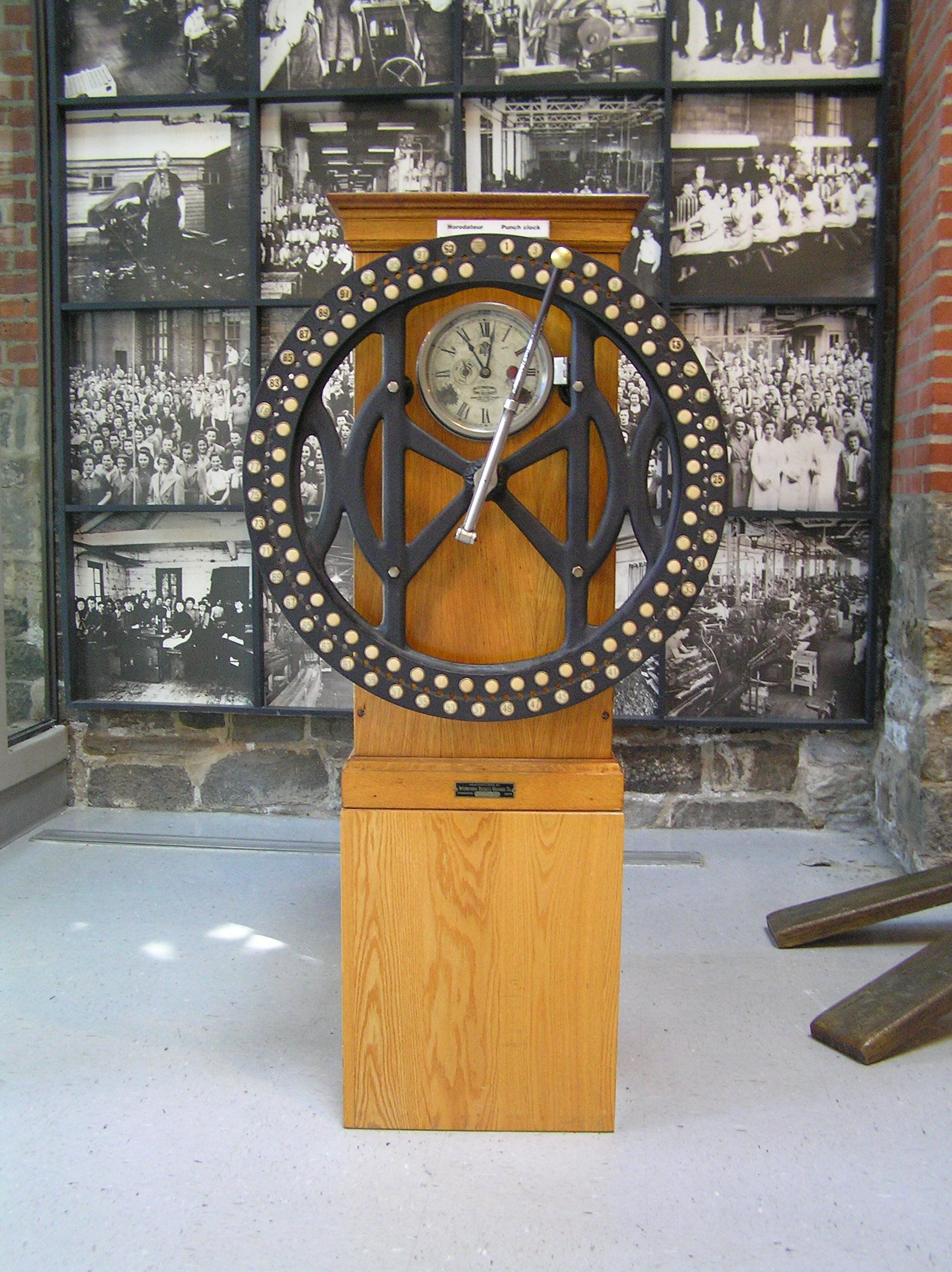
The hours followed the house: a matinee, a gap in the afternoon, then the evening performances to close, six days a week, with the gap unpaid and too short to go home in most towns.
Working time regulation, minimum rest periods, restrictions on unpaid waiting time and the general tightening of what counts as working time have ended the arrangement. A modern rota is continuous and the waiting is paid.
The split shift is the most consistently resented feature in every account of the job, more than the hours themselves, because it took the whole day without paying for it.
12. Cleared the auditorium and cleaned it between shows, by hand
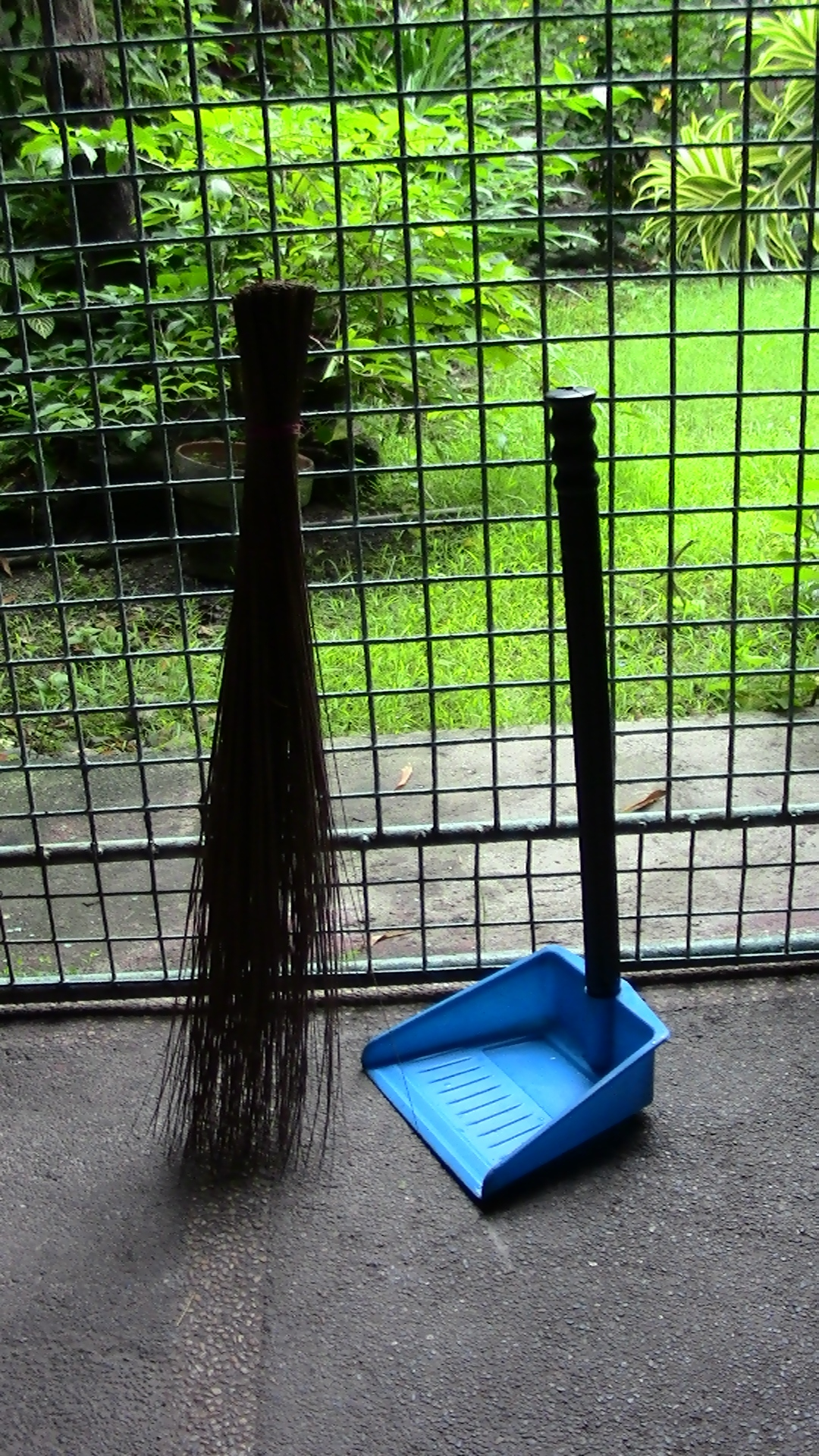
Between performances the staff went down the rows picking up cartons, tubs, bottles, cigarette ends and whatever else, by hand, with a brush and a bag and no gloves, in the time available before the next house came in.
Cleaning is now a defined task with protective equipment provided, procedures for sharp and contaminated items, and the expectation that nobody puts a hand into an unseen space. Seat design and the end of smoking removed most of the problem at source.
The no-gloves detail is the one modern cleaning staff find hardest to believe, and it was universal.
13. Never saw a film properly
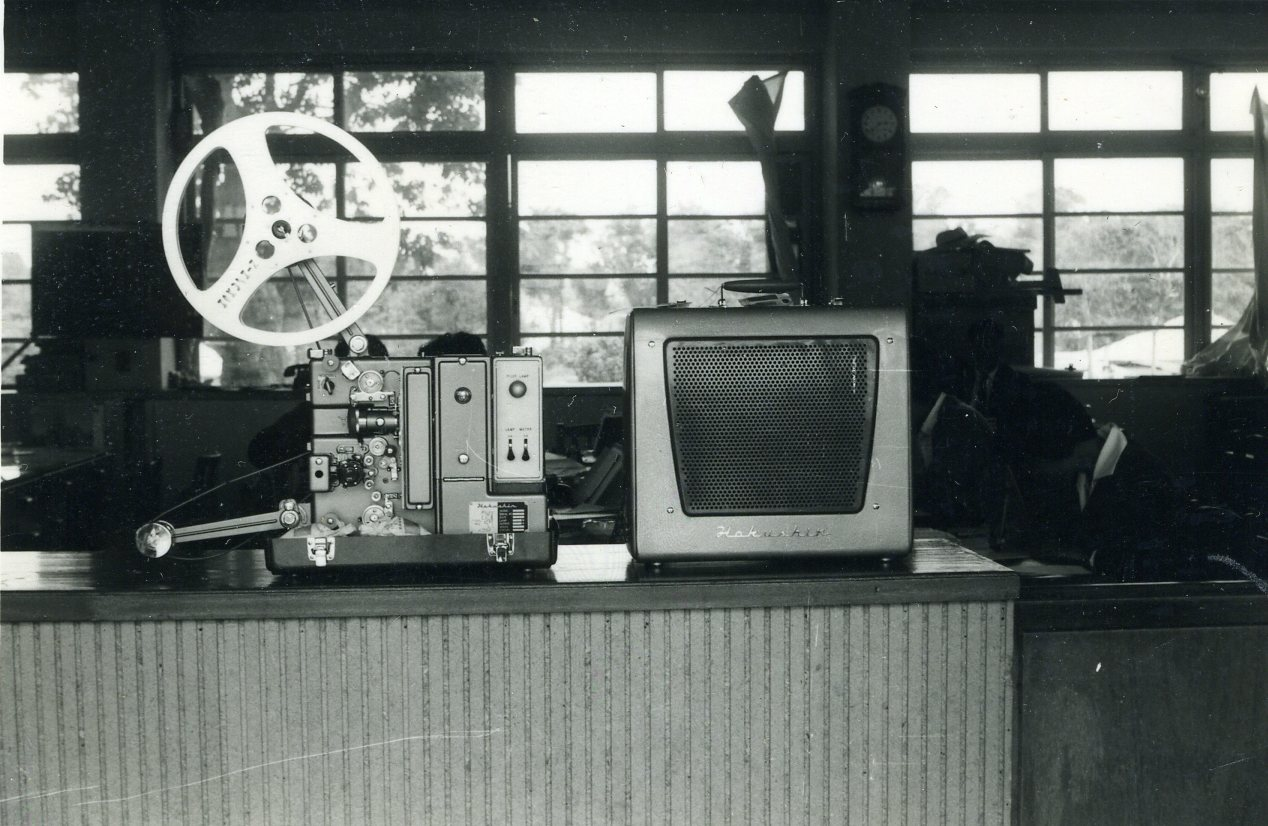
The staff watched the same feature in fragments, from the back, for weeks, interrupted every few minutes, and most accounts describe knowing every line of a film they had never once seen from beginning to end in order.
This has no modern equivalent because the task that caused it no longer exists. It is also the thing former usherettes talk about with the most affection, because the fragments added up and the films of that period stayed with them.
The projection box was a separate world they were not allowed into, run by a licensed operator, and in most houses an usherette never went up the stairs.
14. Took in whatever was left behind, which was everything
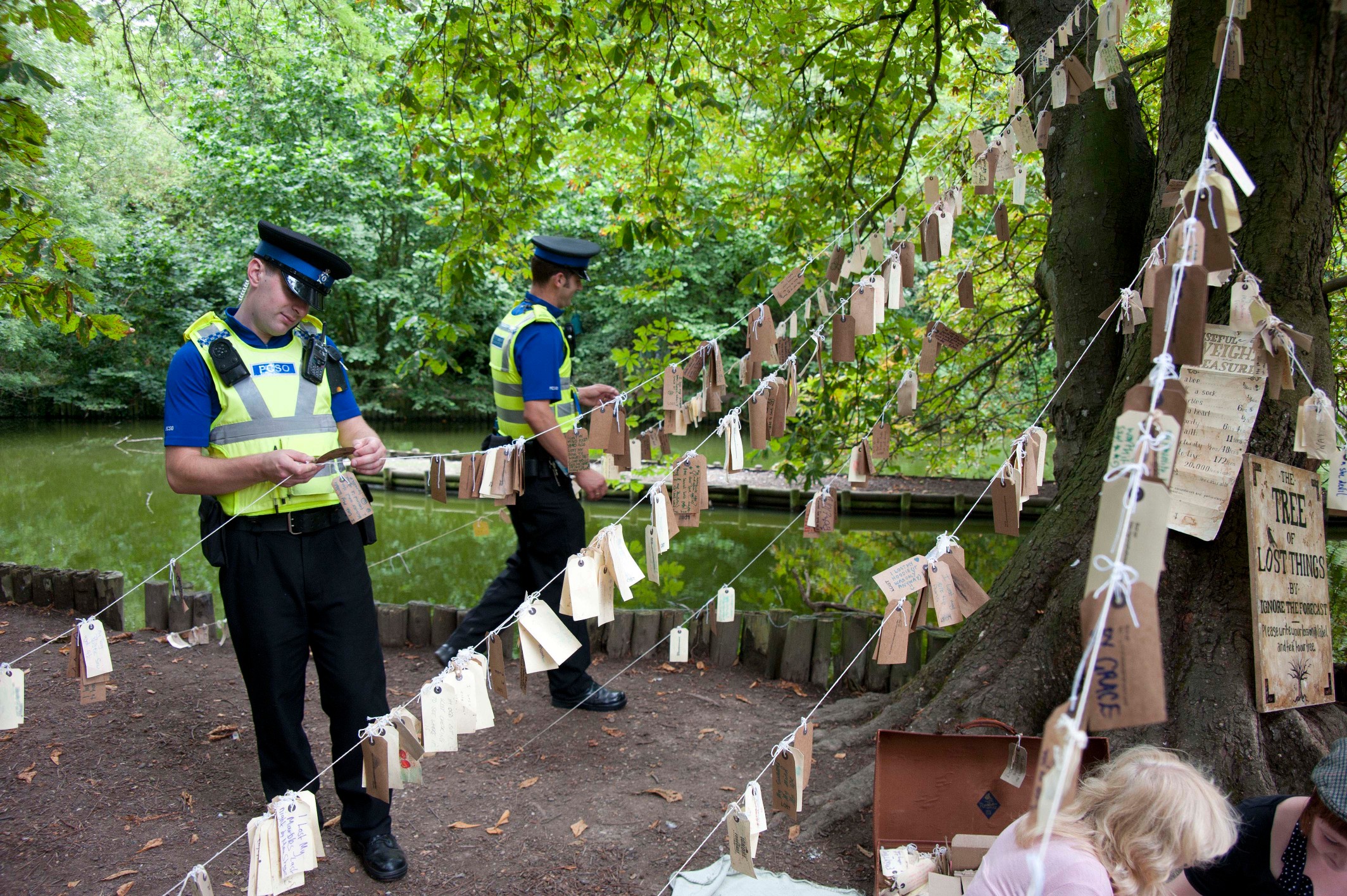
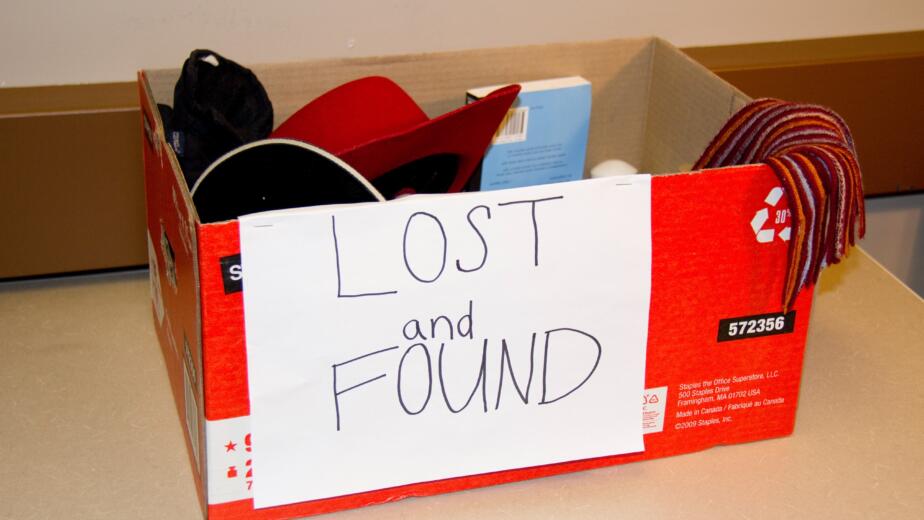
Lost property from a cinema in 1960 was gloves, scarves, umbrellas, spectacles, purses, false teeth, hats, shopping, and with striking regularity items nobody ever came back for.
Modern venues run a recorded lost property process with a retention period, a log and a disposal policy, partly for data protection reasons where an item contains personal information. The shoebox behind the counter has become a procedure.
The teeth are not an exaggeration and appear in account after account, which says something about the dentistry of the period as much as about the cinema.
15. Answered to a manager whose authority was effectively total
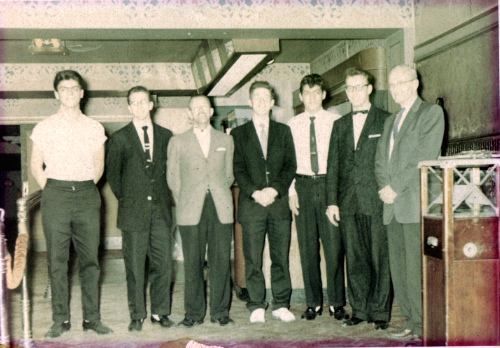
The manager hired, fired, set the rota, inspected the uniform, decided who worked the matinee and who worked the late house, and there was no process, no appeal and no written terms worth the name.
Employment law has replaced all of it: written particulars, notice, grievance and disciplinary procedures, protection against unfair dismissal in most jurisdictions, and limits on what a rota can be changed to at short notice.
The usherettes were overwhelmingly young women and the managers were overwhelmingly not, and the absence of any process is the context for everything else in this file.
16. And what the building did better than anything that replaced it
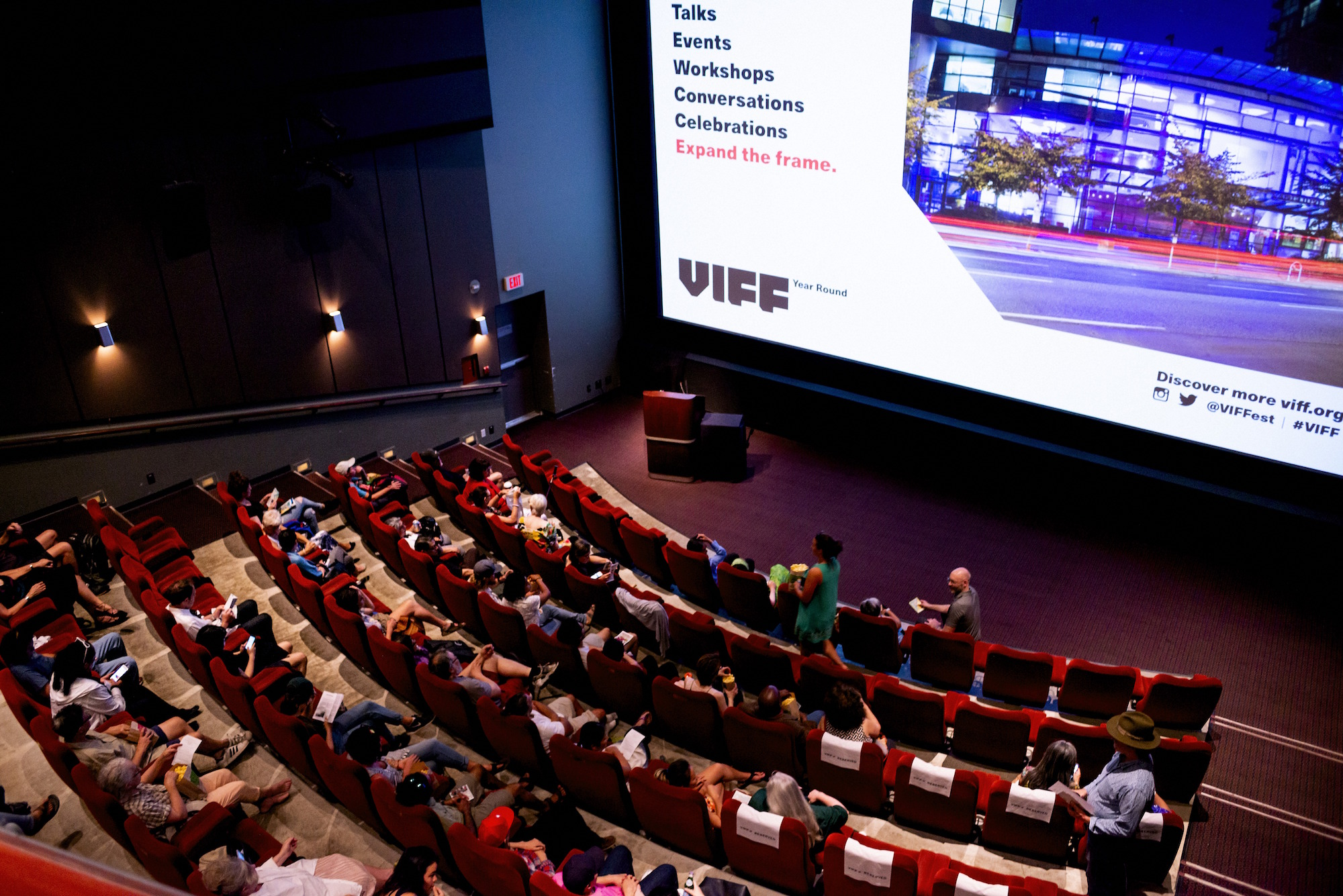
Hundreds of people from one town, in one room, in the dark, watching the same thing at the same time, several nights a week, for the price of a few hours’ work. The usherette knew the regulars, the regulars knew her, and the building was the place everybody went.
Multiplex and streaming between them delivered choice, comfort, picture quality, sound and safety that the 1960 cinema could not approach, and lost the single-room audience almost entirely. Nobody has worked out how to have both.
The honest summary: standing room in a crowded auditorium and a fire plan that consisted of telling staff to keep the gangways clear are the two practices that would close a building today, the split shift was the daily grievance, the lone handling of confrontation by a teenager is the part a modern employer would have to assess and control, and the shared room full of one town’s people is the thing that actually went missing.
What actually changed, and why
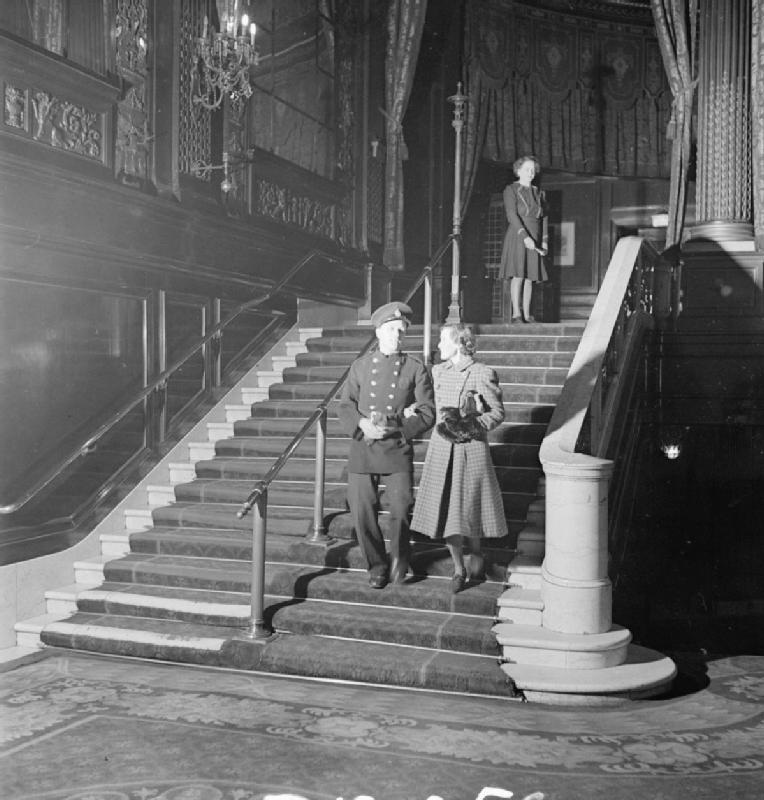
Group the items and two forces account for nearly all of it.
The first is continuous performance. The loop of feature, short, newsreel and trailers, entered at any point, is what created the torch, the seating in the dark, the standing room, the moving of patrons into seats as they came free, and the fact that the staff never saw a film in order. Fixed start times and reserved seating removed the whole cluster at once.
The second is fire safety, and it is the reason the serious changes happened. A building full of upholstered seats, drapes, carpet and paper, with hundreds of lit cigarettes in it, an audience partly standing in the gangways and a count kept by somebody’s judgement from the back of the room, is the specific combination that cinema fire regulation was written about — and several of the best-known cinema fires involved exits that were locked, blocked or had been built over. Hence a licensed capacity that is a legal limit, no standing, a live count the fire procedure depends on, protected exit routes, emergency lighting, detection, a documented evacuation plan and recorded drills.
The third group is employment rather than safety and is just as complete: deductions from wages for uniform now restricted or prohibited, split shifts ended by working time rules, lone working treated as a hazard to be assessed, and a manager’s total discretion replaced by written terms, notice and a grievance procedure.
Two things in this file are the ones that would close a building rather than earn a note. Standing patrons in the gangways of a crowded auditorium, and a fire plan that amounted to an instruction to staff to keep those gangways clear. Everything in a modern cinema’s licensing — the capacity figure, the live count, the protected routes — traces back to those two.
The employment items are the ones the women themselves raise first, and the split shift leads: a matinee, an unpaid afternoon gap too short to go home in, then the evening to close, six days a week.
And the thing worth mourning is not the job. It is the room: hundreds of people from one town watching the same thing at the same time, several nights a week, with somebody at the door who knew them all.
Like our content? Follow us for more.