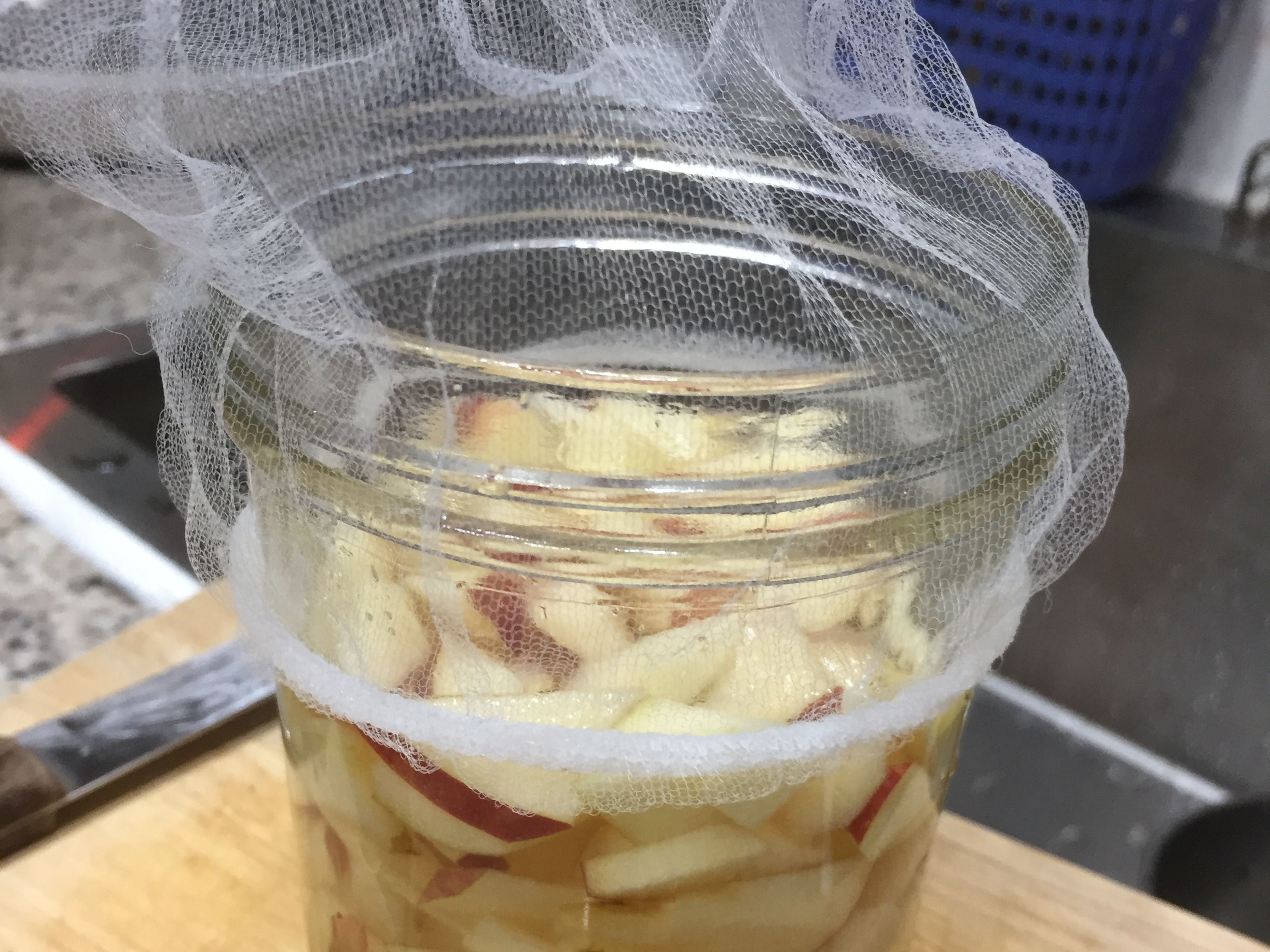
A vinegar barrel was a standing fixture in a great many American houses, and what it did was genuinely clever. Cider, wine or the dregs of both went in, a cloth went over the opening, and a community of bacteria converted the alcohol into acetic acid over a period of weeks. The household drew off vinegar and topped the barrel up, and the same barrel ran for years.
The product was better than anything in a shop and it had one fatal flaw for the purpose most households used it for, which is that nobody could say how strong it was. That single gap is why every modern preserving instruction specifically rules it out.
What is actually happening in the barrel
Vinegar is made in two stages and the household only managed the second. Yeast first converts sugar to alcohol, which is what cider and wine already are. Then acetic acid bacteria, which need oxygen, convert that alcohol to acetic acid, which is why a vinegar vessel is covered with cloth rather than sealed: seal it and the process stops.
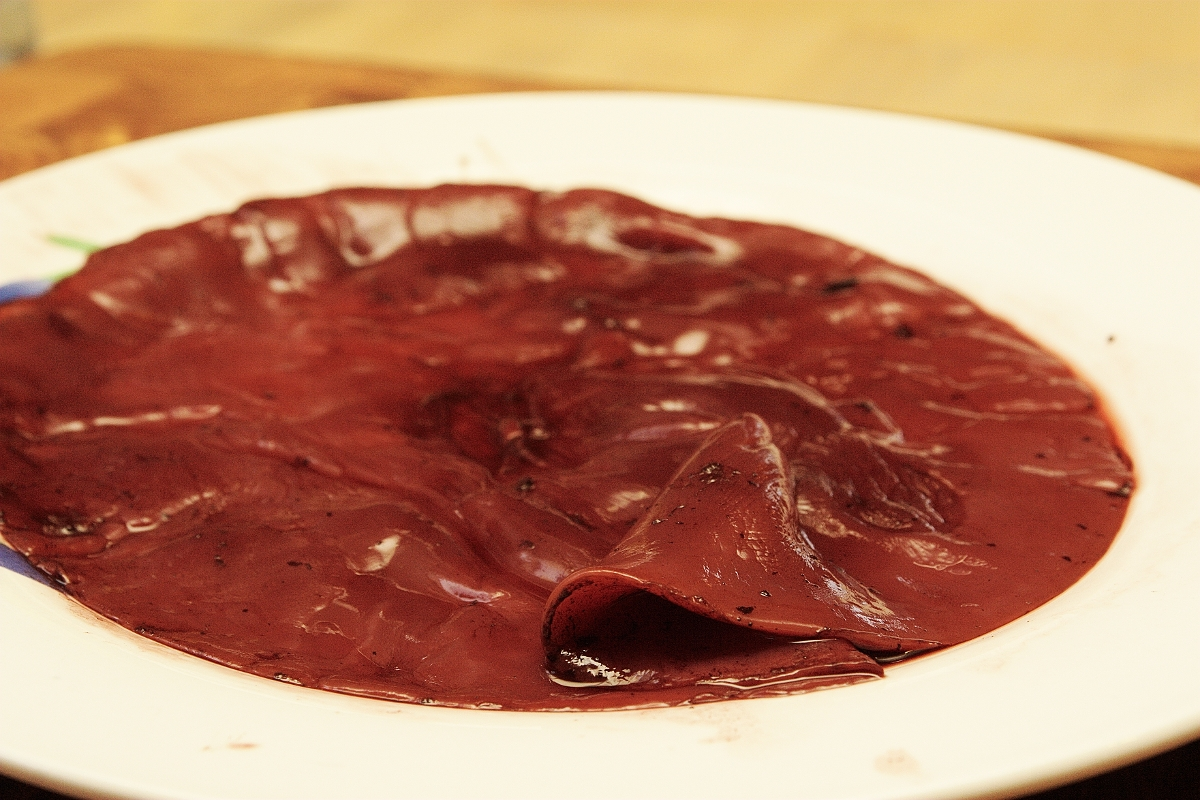
The gelatinous layer that forms on the surface is the bacterial culture, called the mother, and it is the working part of the system rather than a sign of spoilage. Households that threw it away were throwing away the vinegar works, and households that passed a piece of it to a neighbour were doing the same thing as passing on a sourdough starter.
The process is self-limiting in a useful way. Acetic acid bacteria stop when the alcohol runs out, and the resulting acidity is whatever the starting alcohol content allowed, which varies with the fruit, the season, the yeast and how long the barrel ran. A barrel topped up continuously from several sources is a blend of everything that has ever gone into it, which is what gives a house vinegar its character and also what makes it impossible to characterise.
Like our content? Follow us for more.
Why the strength is the whole problem
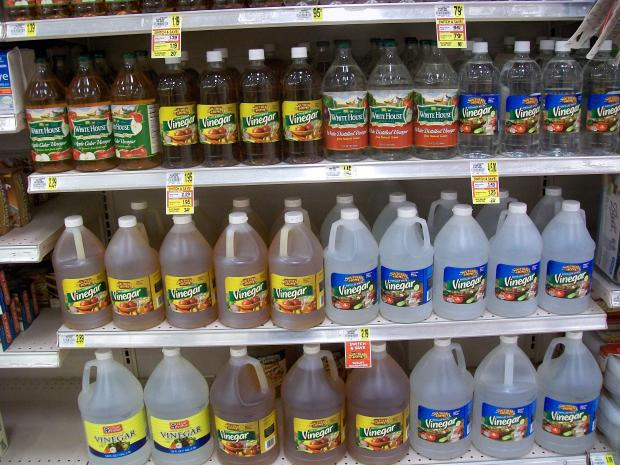
Commercial vinegar is standardised, and American preserving guidance is written around a stated minimum acidity, with the instruction that it must not be diluted beyond what a tested recipe allows. The acidity is not a flavour note in a pickle; it is the preservation.
Homemade vinegar’s acidity is unknown and variable, and it cannot be established at home by taste or by any method a kitchen has. A batch that tastes sharp may be well below the figure a recipe assumes, and the consequence is a jar of low-acid food that has been treated as though it were high-acid.
So the guidance is unambiguous: homemade vinegar and vinegar of unknown strength are not used for preserving. They are excellent for dressings, for sauces, for deglazing and for drinking in shrubs and switchels, which is most of what vinegar is for, and they are ruled out of the one application where being wrong matters.
It is worth being precise about what the risk actually is, because the usual framing is vague. The hazard in under-acidified preserves is not spoilage, which announces itself, but the organisms that do not. A pickle that has gone obviously wrong is a nuisance; one that is below the acidity a recipe assumed and looks entirely normal is the reason the rule exists.
The crock, and the thing in the glaze
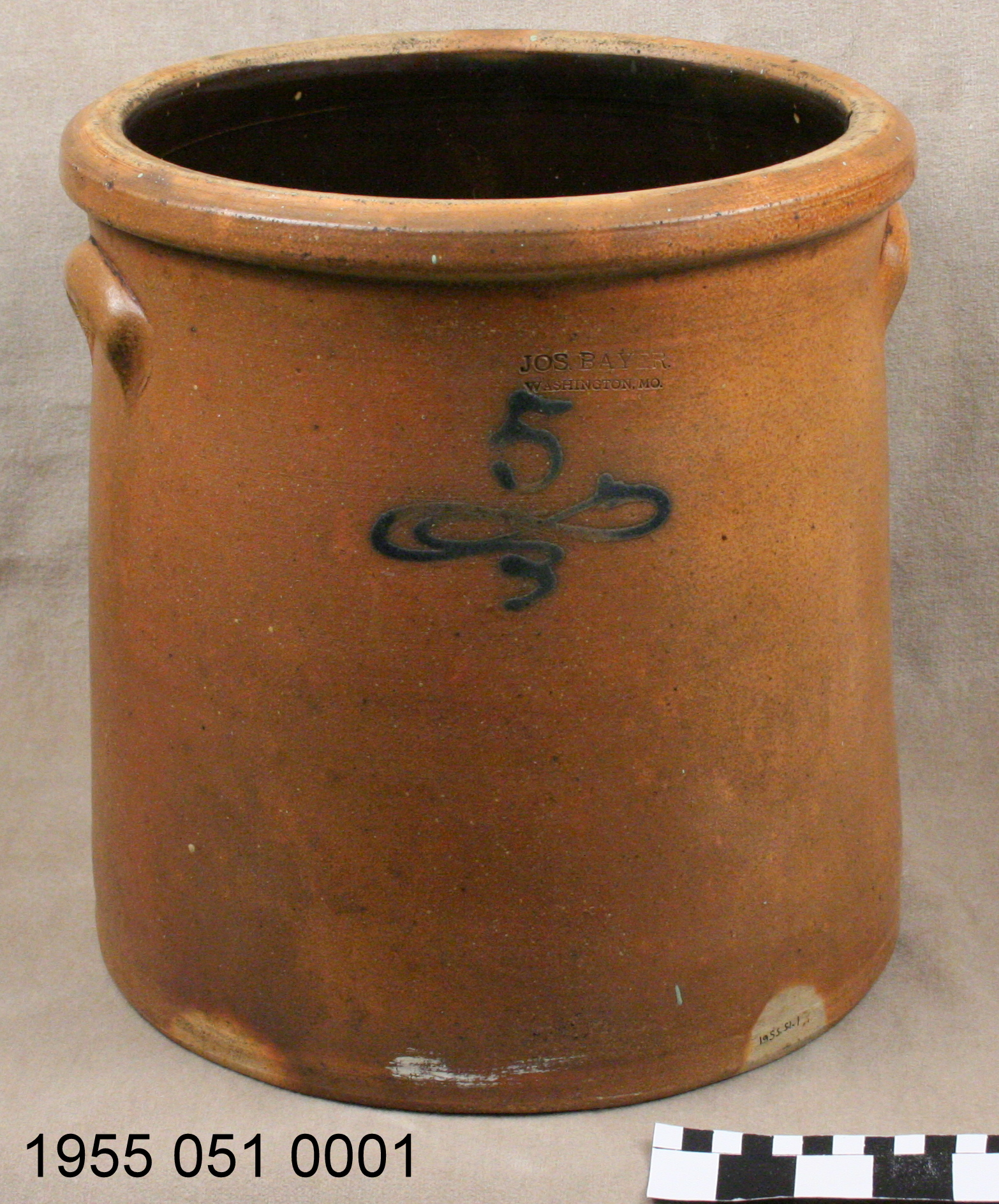
A good many households made vinegar in a glazed earthenware crock rather than a barrel, and that introduces a second problem which has nothing to do with acidity. Acid dissolves lead out of a lead-bearing glaze, and vinegar held against a glaze for weeks is close to a worst case.
American-market stoneware intended for food use is generally not the concern. The concern is decorative glazed pottery, imported earthenware, bean pots, handmade pieces of unknown origin and anything with a bright coloured glaze, which in some cases were made with lead compounds.
The guidance requires no test. Unknown glazed pottery is treated as a display item rather than as a vessel for anything acidic, and a glass, oak or food-grade ceramic container costs very little. If you do not know what the glaze is, do not make vinegar in it.
The same reasoning applies to storage. A finished vinegar kept in a decorative glazed jug on a dresser for months is in the same position as one fermented in it, and the inherited jug is the likeliest place for this to be happening in a modern kitchen.
Vinegar as a disinfectant, which it is not
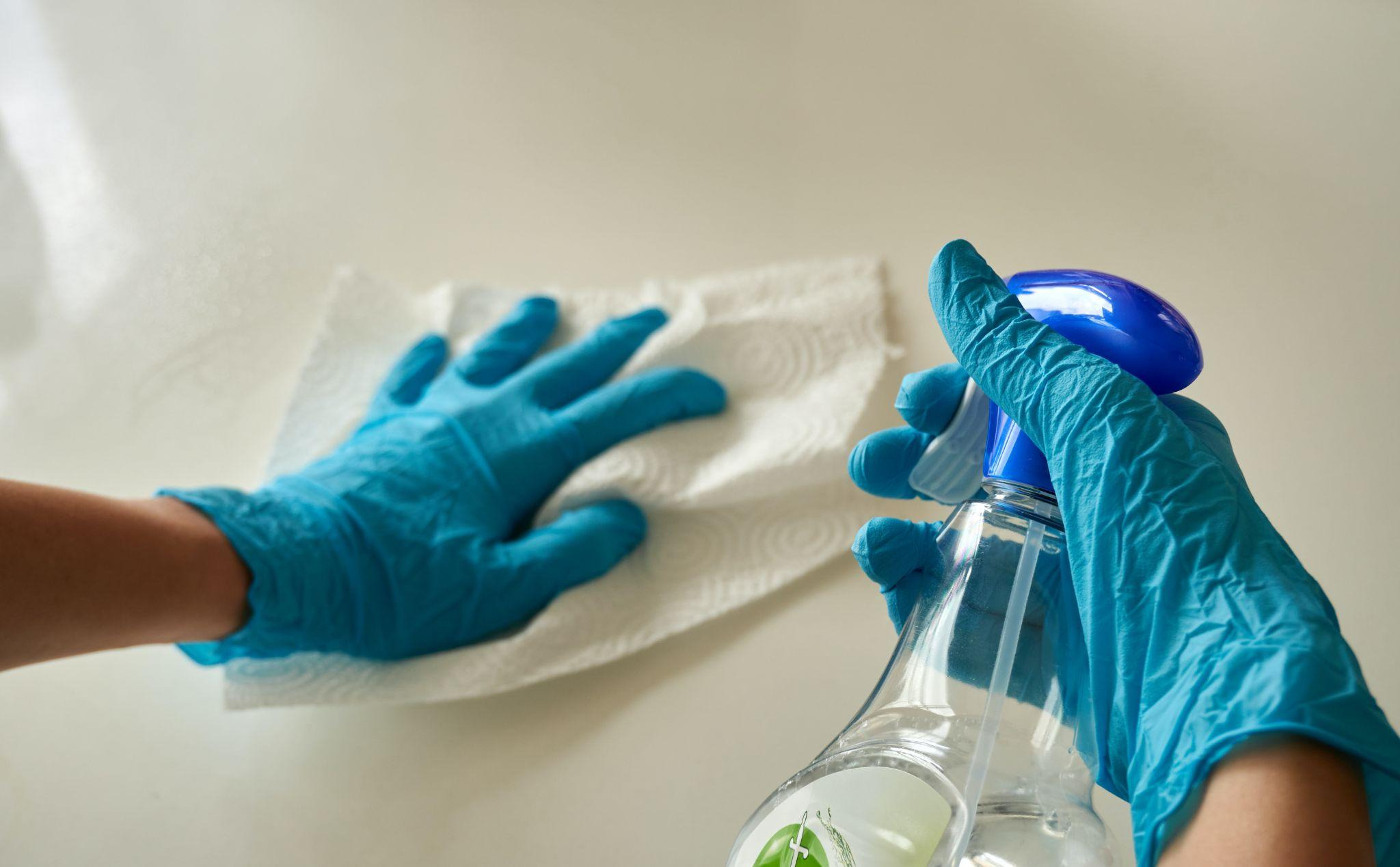
The household belief that vinegar kills germs was general in 1962 and it has survived into the present with considerable force, particularly in cleaning advice passed around online.
Acetic acid does have some antimicrobial effect and it is not a disinfectant in the regulatory sense. In the United States a product sold as a disinfectant has to be registered and has to demonstrate effectiveness against specified organisms under specified conditions, and household vinegar does not meet that standard for the organisms that matter. Where disinfection is genuinely required — after raw food preparation, around illness in the house, on anything in contact with a wound — a registered product used as labelled is the answer.
Where vinegar is genuinely useful is as a cleaner rather than a disinfectant: it dissolves limescale and soap scum and cuts grease, which is a real and worthwhile job. It should never be mixed with chlorine bleach, because acid and hypochlorite together release chlorine gas.
The health claims, then and now
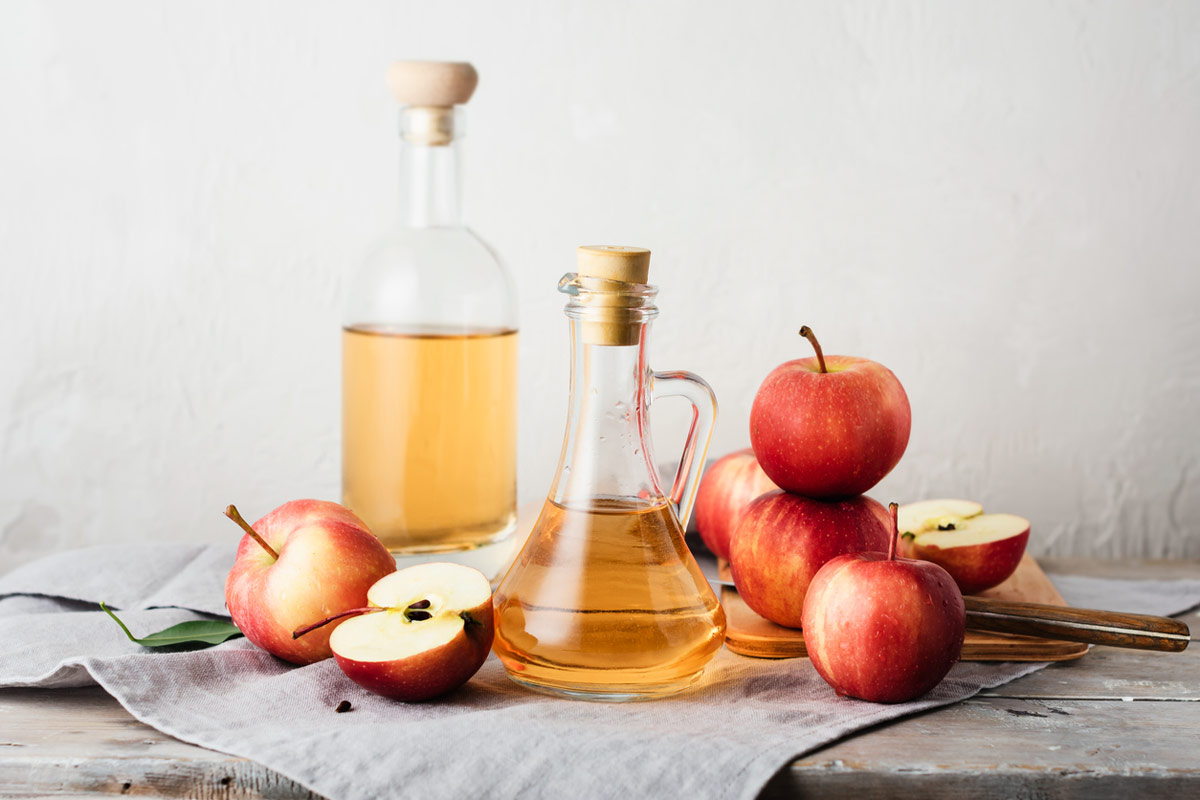
Cider vinegar carried a set of household health claims in 1962 and carries a much larger set now, which is unusual: most of the folk remedies in this series have faded and this one has grown.
The honest position on the evidence is that there is some research on vinegar and post-meal blood glucose response and on modest effects in a few other areas, that the studies are generally small and short, and that the claims made for it in popular sources run far ahead of any of that. It is not a treatment for anything and nobody should be managing a condition with it.
There is also a practical caution that does belong here. Undiluted vinegar is acidic enough to damage tooth enamel and to irritate the throat and stomach lining, which is why the preparations sold for drinking are dilute and why taking it neat is specifically advised against. Anything beyond that is a question for a doctor rather than for an article about 1962.
The 1962 version of these claims was narrower and more sensible than the modern one. Cider vinegar was taken for indigestion and used on the skin, and nobody suggested it did anything about weight, blood sugar or the immune system, which are claims that arrived later and are the ones running furthest ahead of the research.
Infusing herbs and garlic, which is where the real hazard is
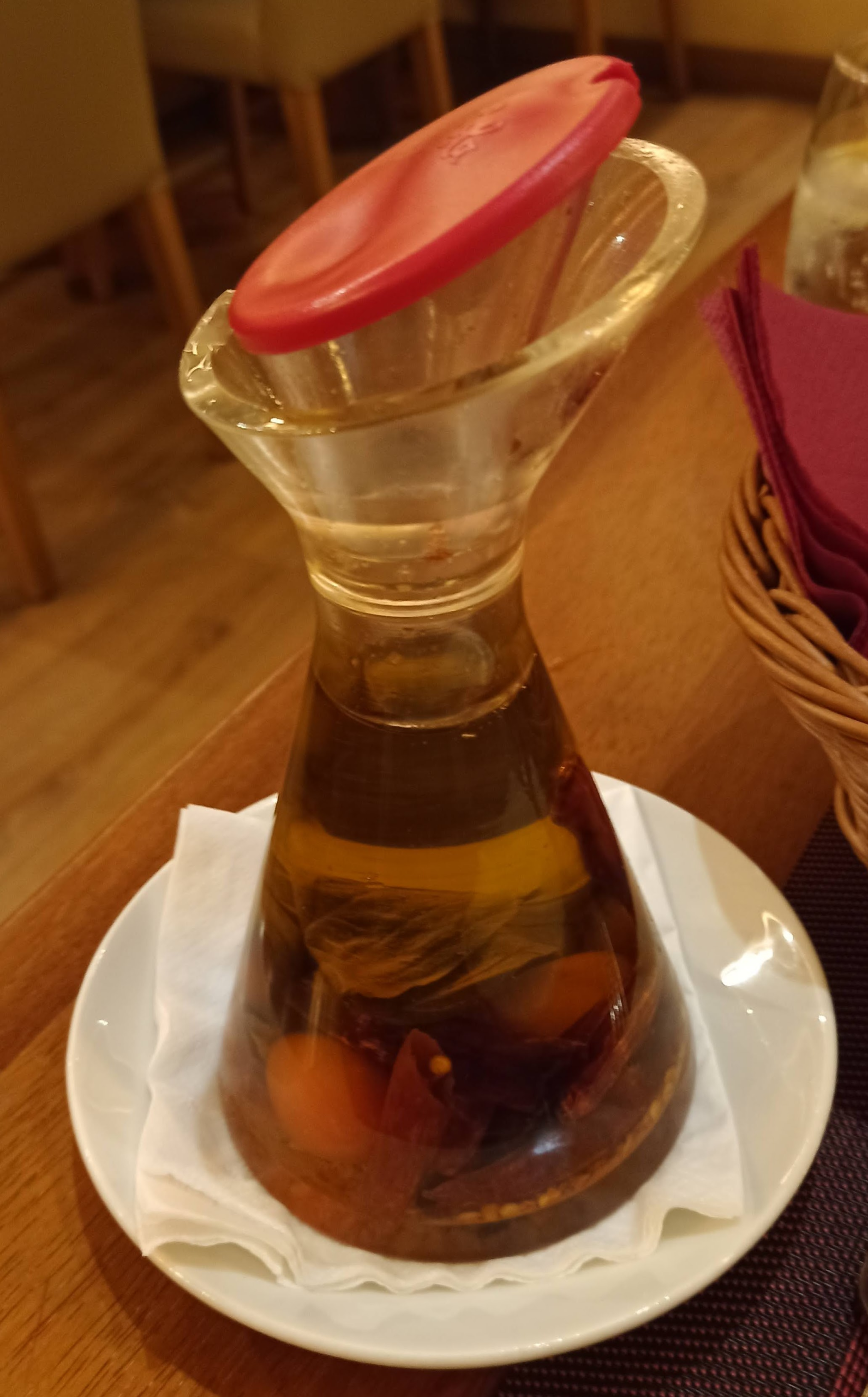
The one genuinely dangerous thing a 1962 kitchen did with vinegar’s near neighbour was to put herbs and garlic into oil and leave the jar on a shelf, and the same practice persists today. Oil is not acidic, it excludes air, and a low-acid ingredient suspended in it at room temperature is the specific combination that modern guidance warns about.
Vinegar infusions are a different matter and are generally fine, because the acid is doing the protective work. Oil infusions containing fresh garlic, fresh herbs, chilli or any other low-acid ingredient are the ones that require refrigeration and a short use-by period, or acidification by a tested method, and the commercially produced versions are made to a specification for exactly that reason.
If one practice from this file is worth changing in a modern kitchen, it is this one. The bottle of oil with a sprig of rosemary and a garlic clove in it, standing on a windowsill, is the item to deal with.
What the barrel was worth
A household vinegar barrel turned waste into a useful ingredient at no cost. The dregs of cider, bruised apples, the end of a bottle of wine, fruit too far gone to eat: all of it went in and came out as something a cook wanted. In a period when nothing was thrown away that could be used, it was one of the more elegant pieces of domestic recycling anybody has managed.
The practice has come back among people who make their own cider and among cooks who want a vinegar with some character, and the equipment is better: a glass vessel, a cloth cover, a known starting alcohol content and, if anybody wants to know the strength, a titration kit of the kind home winemakers use.
That last point is the only genuine change required. Everything 1962 did with a vinegar barrel was sound except the assumption that the result could be used for preserving, and the reason it could not is a number nobody in the kitchen had. This is an account of how the guidance changed rather than a method; anybody preserving should be working from a current tested recipe from a state extension service or a reputable modern manual.
Like our content? Follow us for more.