

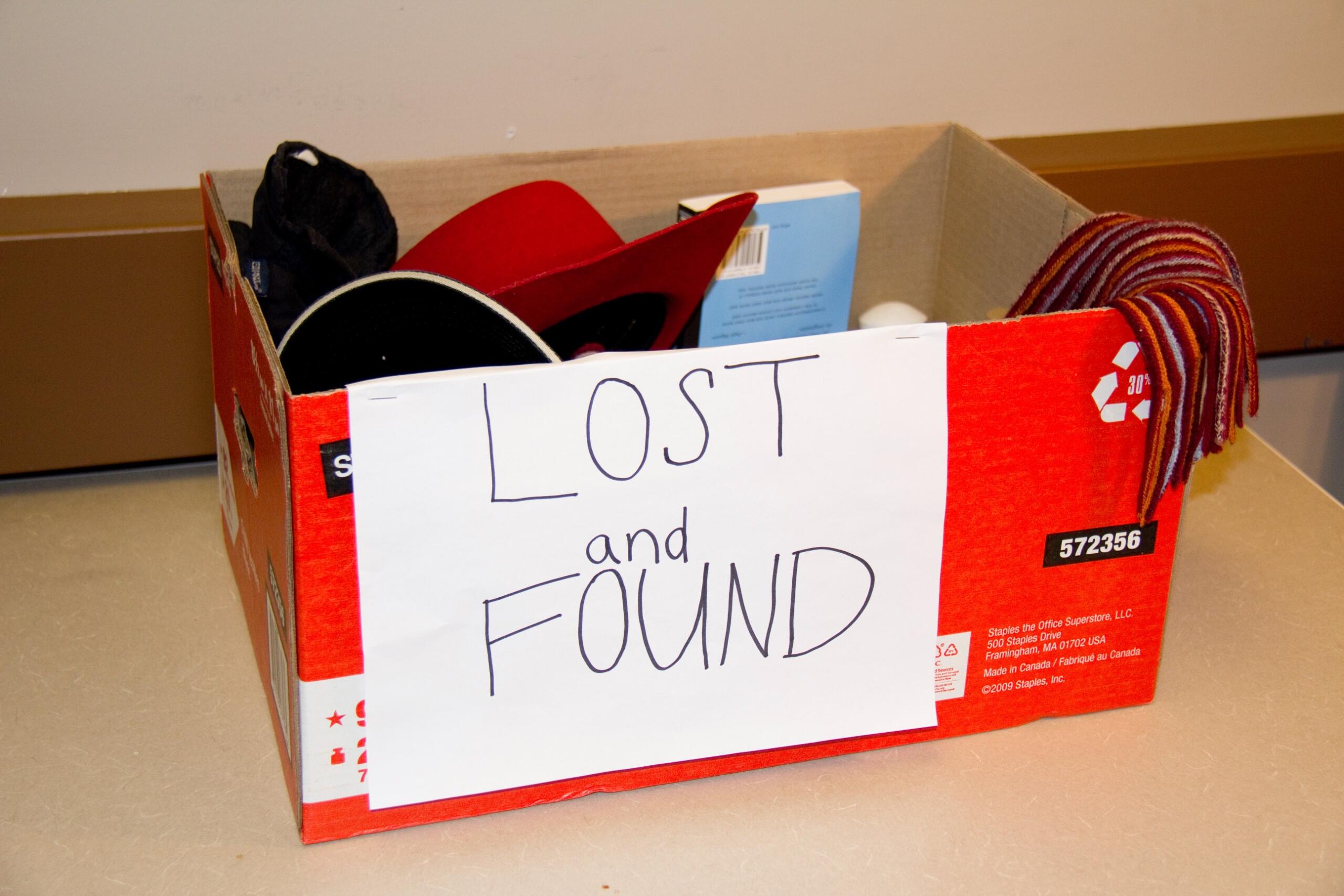
In 1974 every American school had a cardboard box in the office containing a community’s unclaimed property, and it was never organised, because nobody’s job included organising it.
It was mostly single gloves, because a pair has two chances to be lost and one to be reunited. There was a heap of identical black rubber overshoes nobody could identify. There were winter coats with no names in them, lunch boxes with glass-lined vacuum bottles, somebody’s prescription glasses, and a retainer wrapped in a napkin that had gone into a bin.
Here are fifteen things every school kept in the lost and found box in 1974, and what happened to each of them.
1. It Was a Cardboard Box and It Lived in the Office
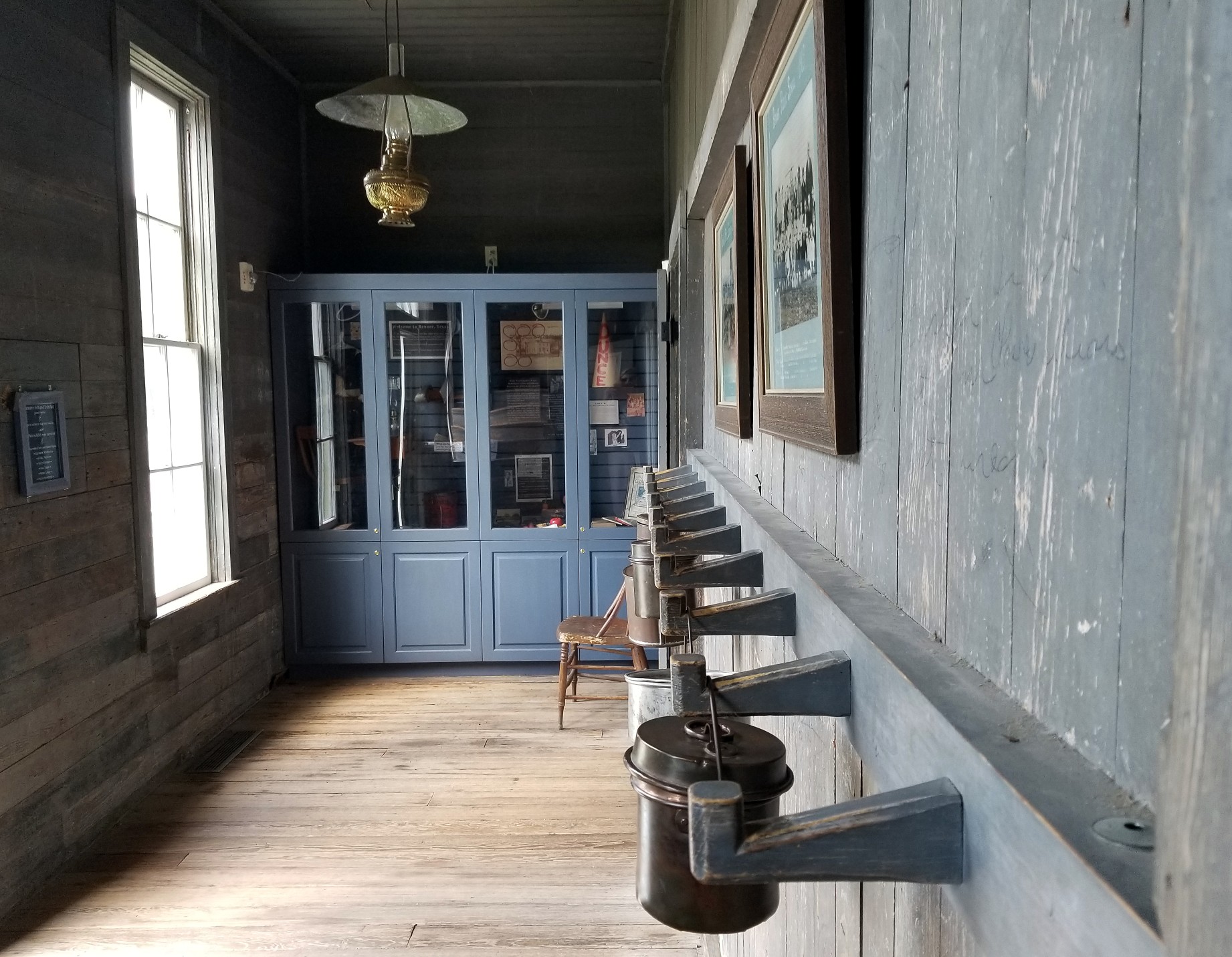
The lost and found was a physical container – a carton, a wooden crate, a drawer in a filing cabinet or a bin under a counter – kept in the school office, the nurse’s room or a corridor alcove, and it was never organised.
Digital reporting through a school portal or an email to the office, with items photographed and listed – alongside a box, in a great many schools, because the box still works.
The disorder was structural rather than negligent. A container into which anybody may put anything, from which anybody may retrieve anything, with no record of either, has no mechanism for staying sorted – and nobody’s job description included sorting it.
Like our content? Follow us for more.
2. It Was Mostly Single Gloves and Single Mittens
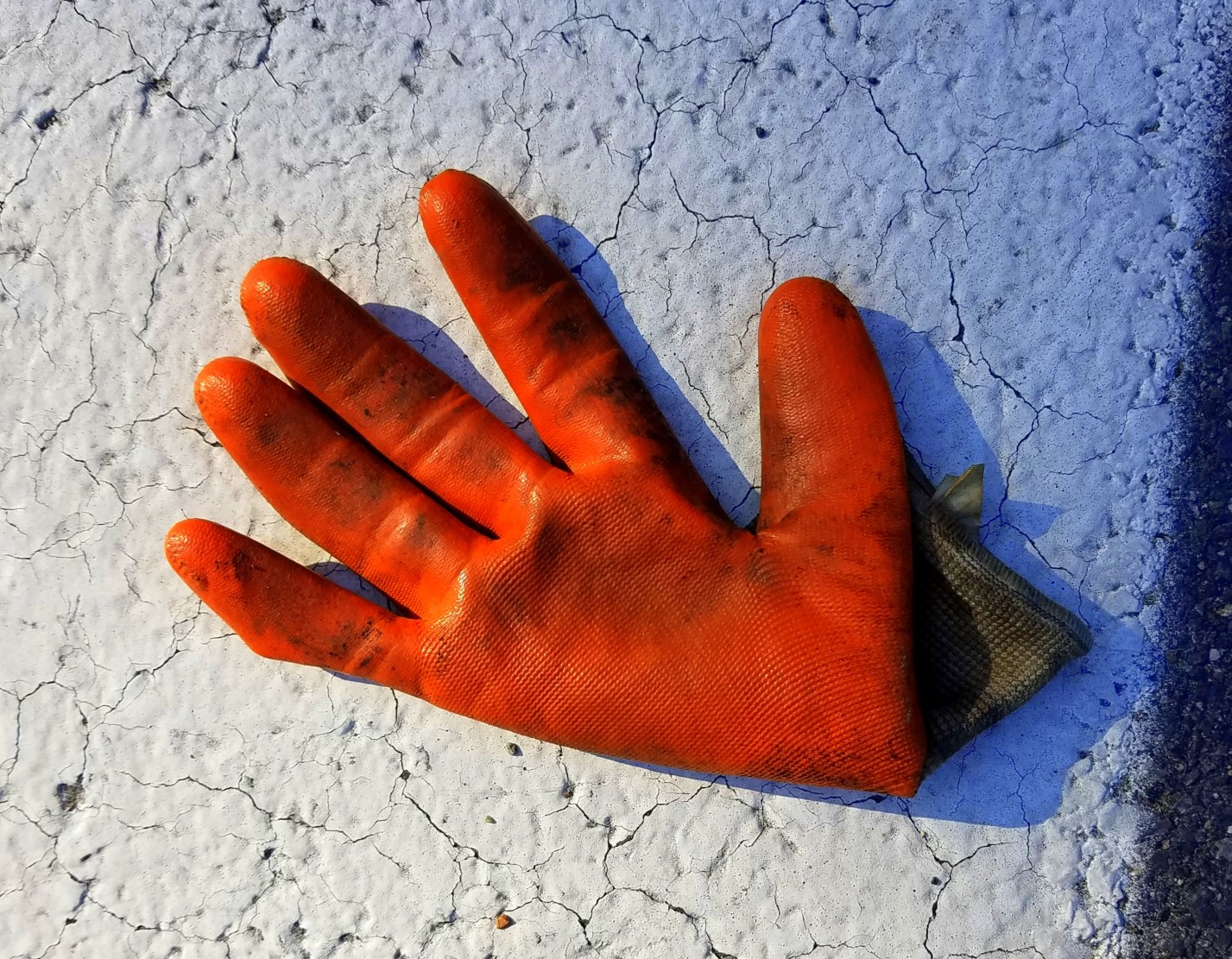
The largest category by item count was always one half of a pair – a glove, a mitten, a single boot – because children lose things one at a time and nobody brings in the other one.
Essentially unchanged. The single glove remains the defining object of every lost property collection anywhere, and the reason is arithmetical rather than cultural.
A pair has two chances to be lost and one to be reunited, which means singles accumulate automatically in any system with imperfect recovery. A box left for a term fills with orphans whatever anybody does, which is why mittens were sewn to a length of yarn through a coat and why that practice persisted long after children objected to it.
3. There Was Always a Pile of Rubber Overshoes
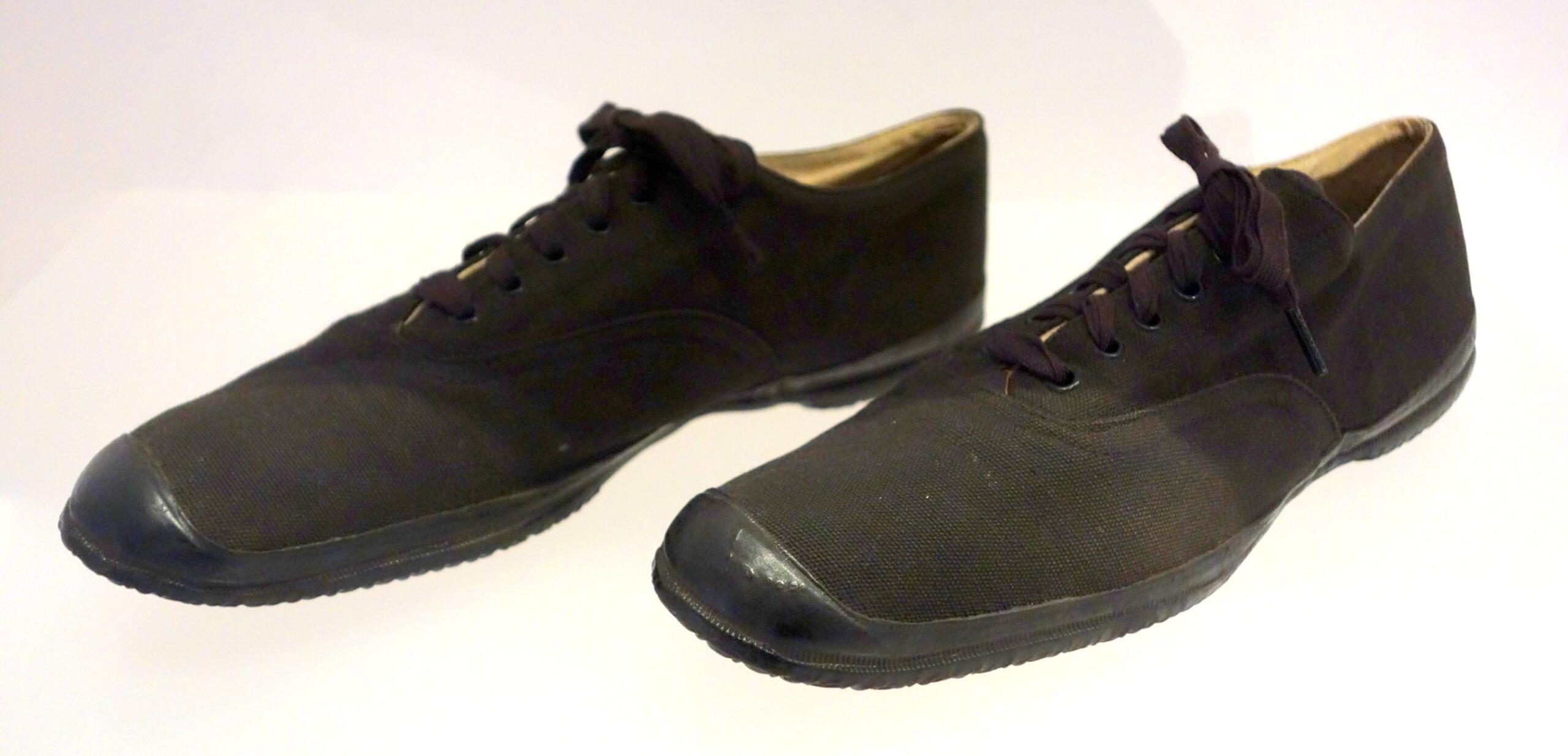
Overshoes came off at the door, in a heap, in identical black rubber with no names on them, and the end-of-day sorting meant a substantial residue went into the box.
No equivalent, since footwear is now a single waterproof item worn in and out and not removed at a doorway – so the whole category has vanished from lost property.
The scale of it is the part that surprises people. By March a northern school might have a carton of unmatched rubbers nobody could identify, which were eventually thrown out or sent to a charity – and every household in the district had one that fitted nobody.
4. Coats With Nobody’s Name In Them
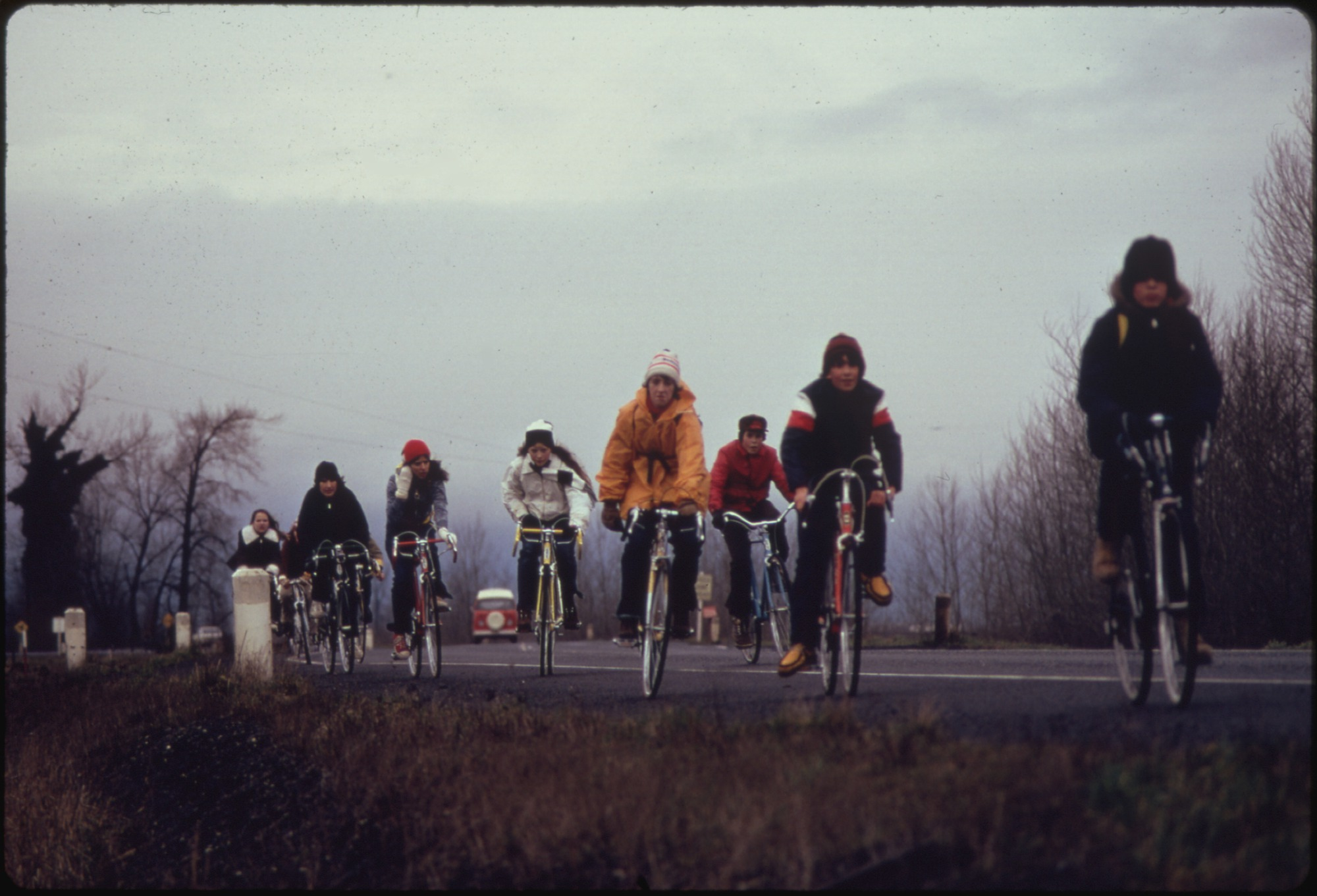
Winter coats were in the box constantly, which is remarkable given what they cost – a child’s coat was a serious purchase, and it went into a carton because there was no name in it.
Coats are considerably cheaper relative to income and are usually labelled, and a parent can message the office immediately – so a coat is now recovered rather than lost.
The absence of names is the recurring failure and it was well understood. Schools asked, repeatedly, in notes home, that everything be labelled. A minority of households did it. The rest did not, and then came to the office in January looking for a coat among forty.
5. Lunch Boxes and Vacuum Bottles, Which Were Expensive
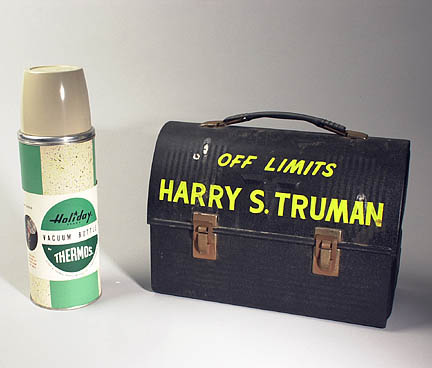
Metal lunch boxes and their matching vacuum bottles were lost in quantity, and both were real purchases – a decorated box and a glass-lined flask were not trivial items in a household budget.
Soft insulated bags and plastic bottles, cheap enough to replace without much thought, and frequently labelled.
The glass liner is what made the bottle valuable and fragile at the same time. A dropped vacuum bottle was finished, which everybody knew – so a bottle in a lost property box was worth coming back for, and the ones that stayed there had generally already been broken.
6. Eyeglasses, Which Somebody Could Not See Without
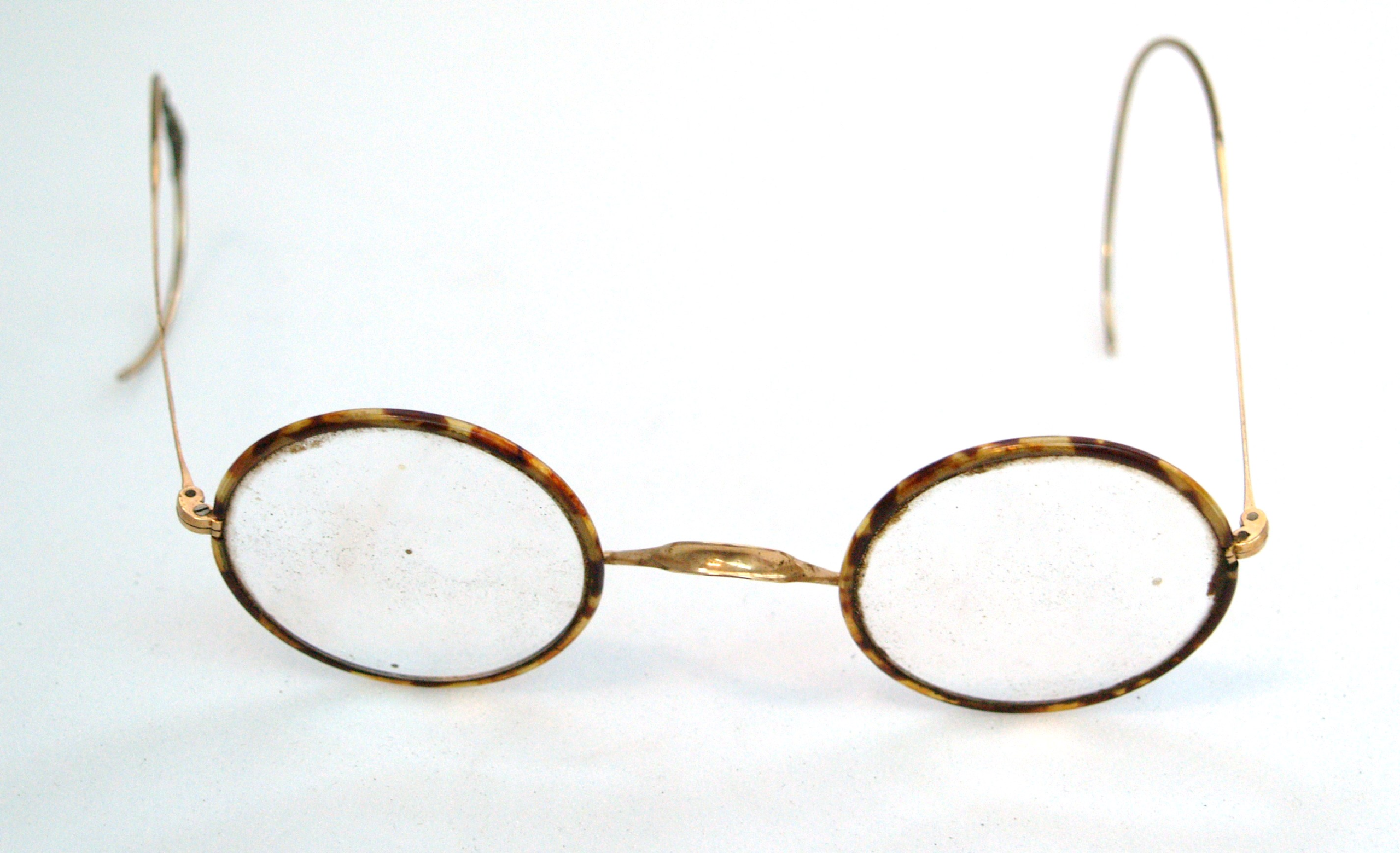
Spectacles turned up in the box regularly, which is a specific kind of problem: a child who has lost their glasses cannot read the board, and a replacement pair was a significant expense and a wait.
The same object, now generally with a case, a strap for younger children, far cheaper replacement, and a parent reachable immediately.
It is the item that shows the box’s real stakes. A single glove is an annoyance. A pair of prescription glasses missing for a week is a child falling behind in class and a household facing a bill – and the office knew which children’s families could absorb that and which could not.
7. Orthodontic Retainers, Wrapped in a Paper Napkin
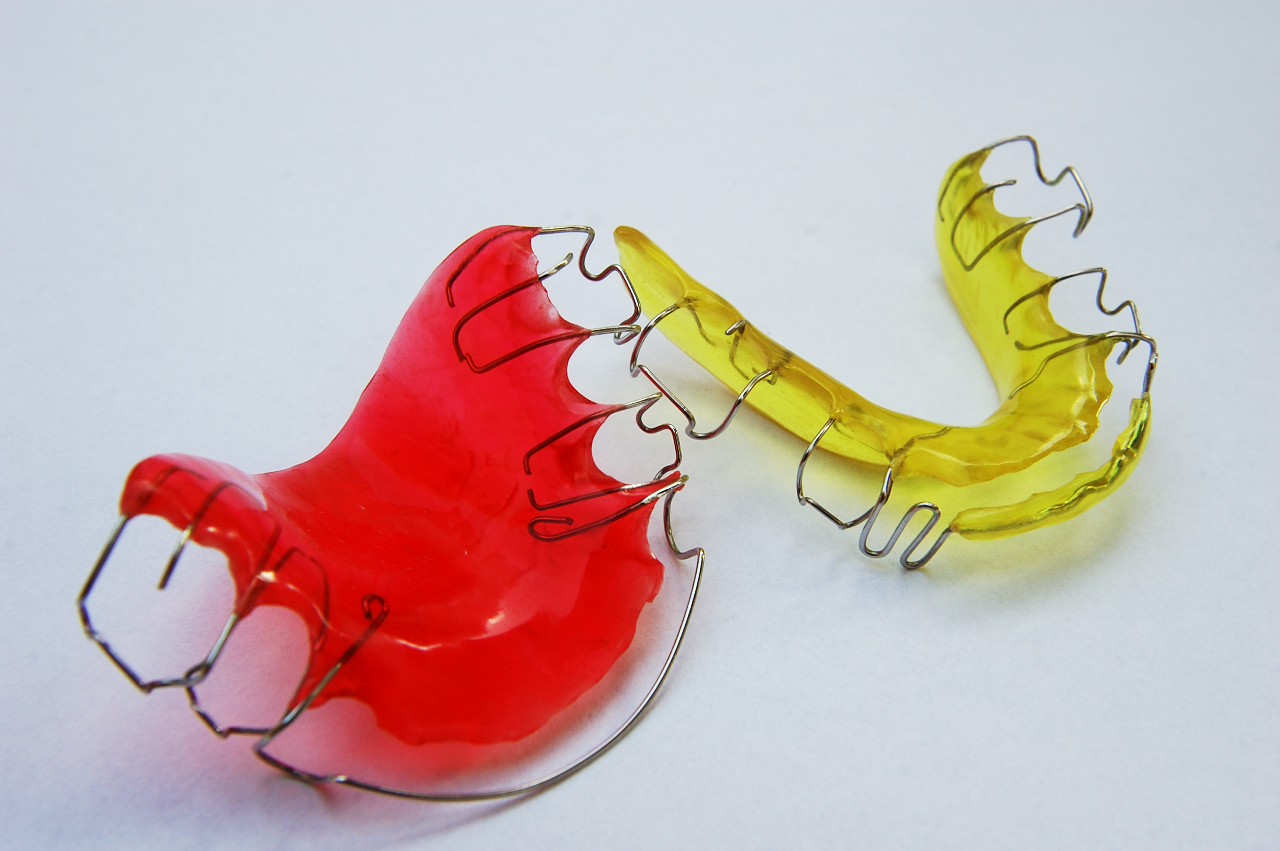
The classic and universally dreaded loss: a retainer removed at lunch, wrapped in a napkin, set on a tray, and emptied into a bin with the tray – which is how an expensive custom appliance left the building in the rubbish.
Identical, and still the single most common way retainers are lost – which is why orthodontists now issue hard cases, print warnings and tell children explicitly never to use a napkin.
The failure mode is so consistent that it has shaped professional practice. A tissue-wrapped appliance on a cafeteria tray is indistinguishable from rubbish to anybody clearing the table, including the child who put it there – and the standard advice exists specifically because of a half-century of identical incidents.
8. House Keys on a Shoelace
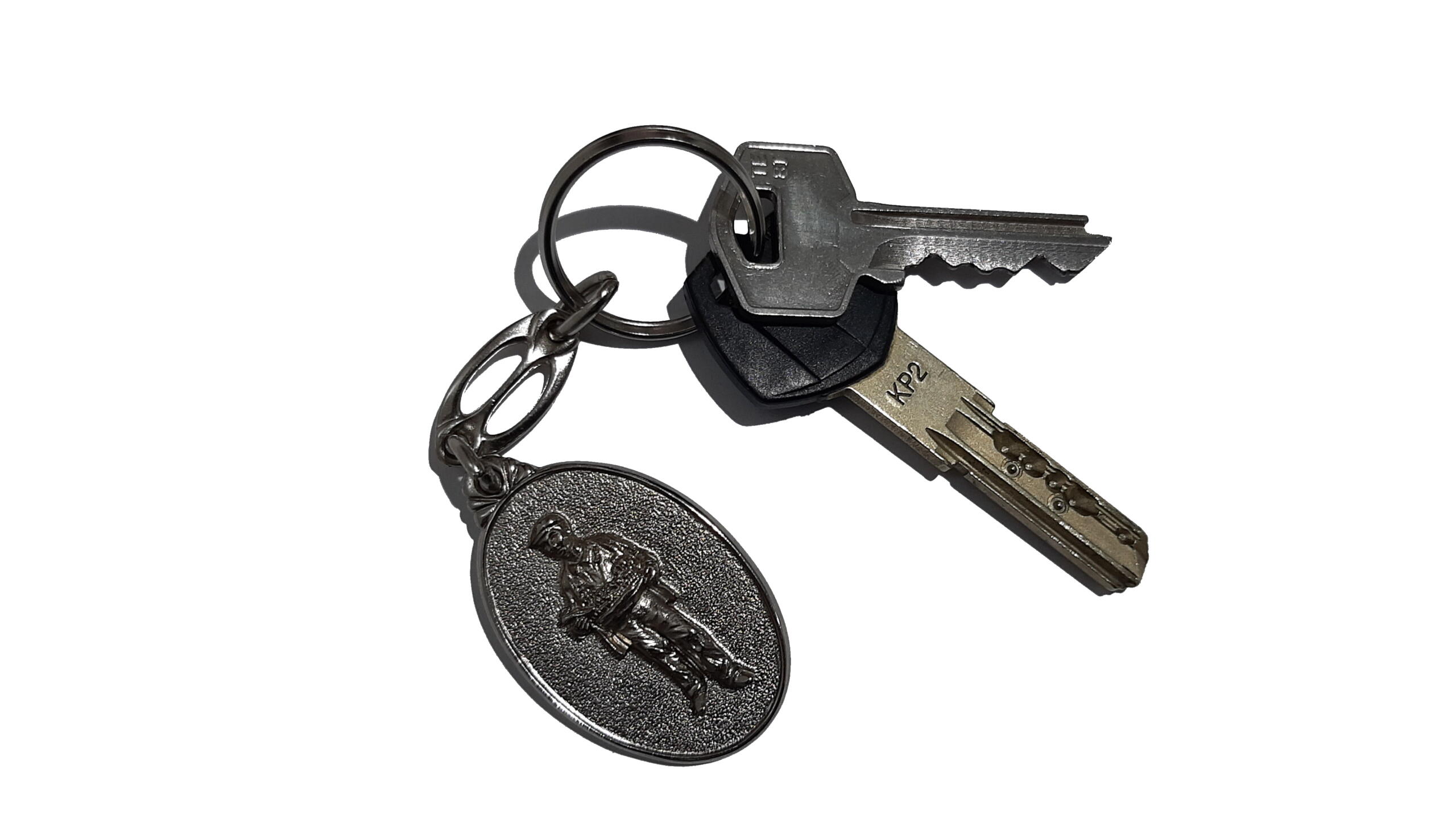
Children carried door keys, frequently on a cord or shoelace around the neck, because they let themselves in after school – and those keys came off and went into the box.
Keypad entry, a parent at home, after-school programmes and phones to coordinate with – so a child carrying a house key is now far less common and a lost one is a different kind of problem.
The lost key was also a household security event that nobody treated as one. A single key, unlabelled, lost somewhere in a town, with no way of knowing where – and the standard response was to look in the box for a few days and then stop thinking about it.
9. Library Books, With Fines Accumulating
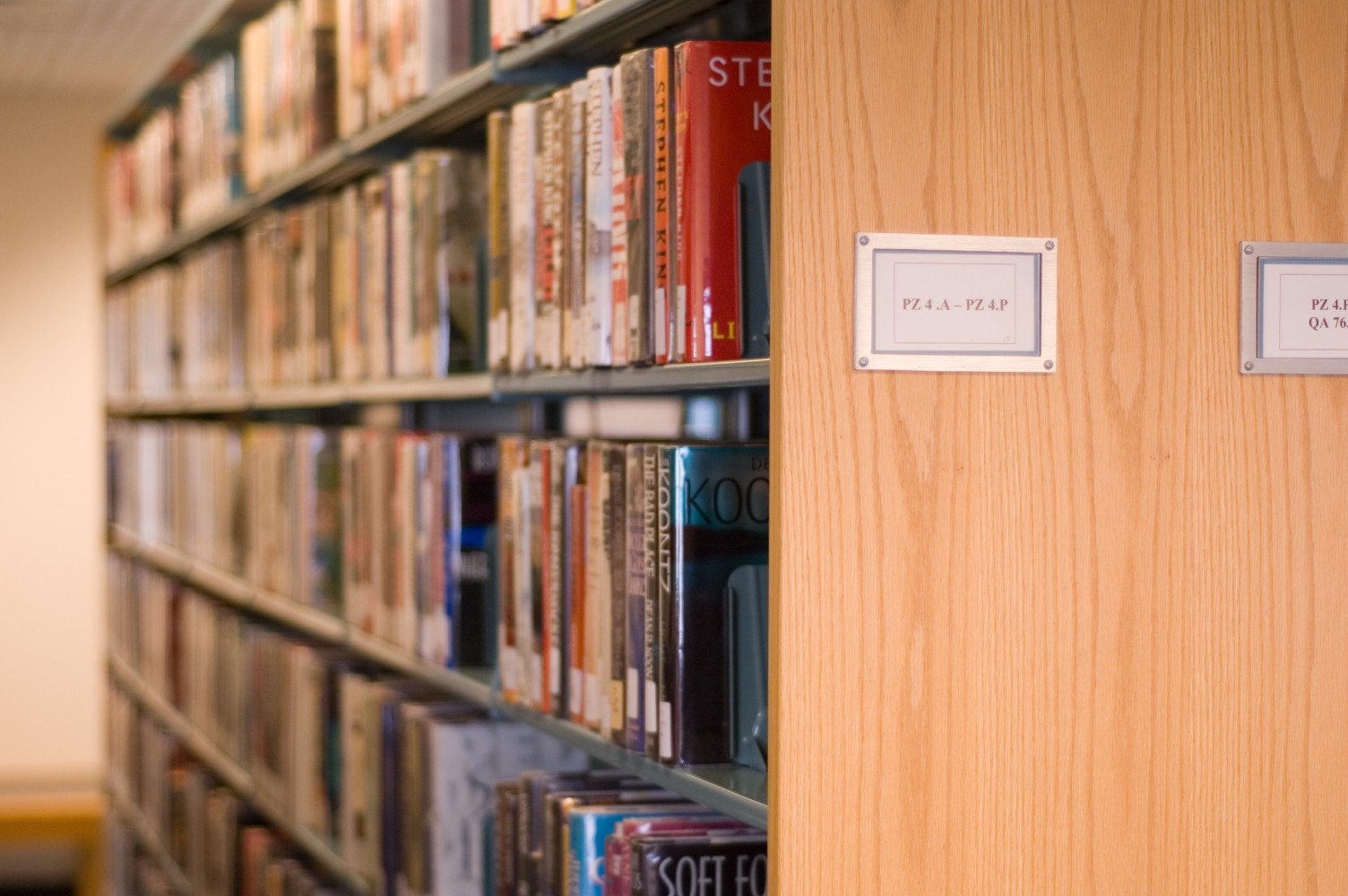
School and public library books ended up in the box rather than being returned, with the loan running and a fine growing against a child who did not know where the book was.
Automated systems, renewal reminders, and in many libraries the abolition of fines on children’s accounts – which removed the punitive edge entirely.
The fine was the part that made this stressful out of proportion. A child who could not find a book and could not pay a mounting fine had a problem they were frequently too embarrassed to raise – which is one of the documented reasons children’s fines were eventually abandoned.
10. Gym Clothes, Permanently
A bag of gym kit left in a changing room, on a bus or under a bench was a standing fixture of every school’s collection, and it was frequently never reclaimed.
The same thing, in a school with a locker system, an email to a parent and cheaper replacement kit.
Nobody came for it, and the reason is social rather than practical. Reclaiming a bag of gym clothes from a box in the office requires going to the office and describing it, out loud, to an adult, in front of whoever is standing there – which a self-conscious thirteen-year-old will not do.
11. Watches, Rings and Things That Had Been Given to Somebody
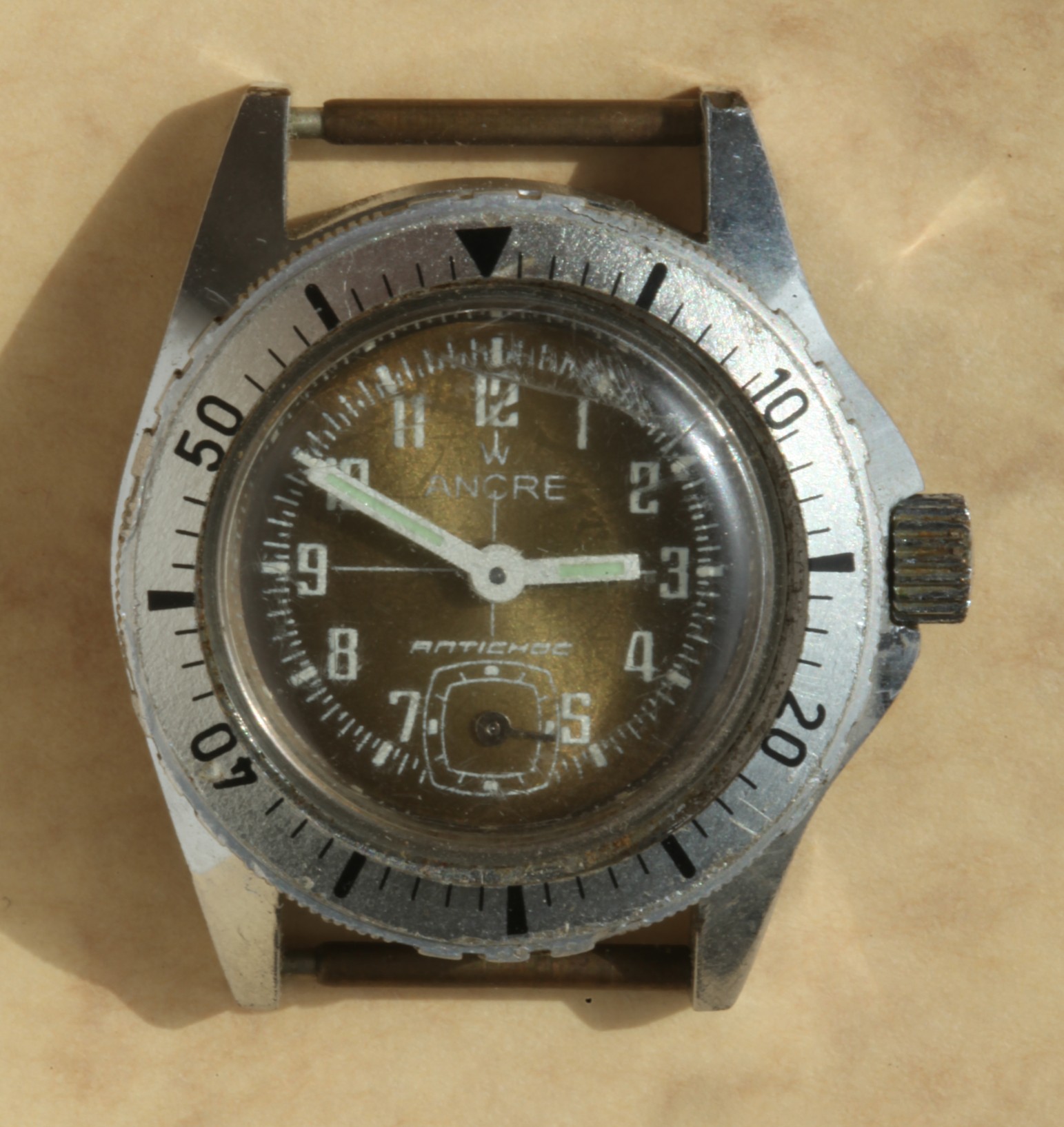
Jewellery appeared – a watch taken off for gym, a ring, a bracelet, a chain, a confirmation or birthday gift – and these were the items the office took seriously enough to put in a drawer rather than the box.
The same protective handling, with a phone call to a parent and far better record-keeping. The separation of valuables from the general box was universal and informal.
The secretary’s drawer was the real lost and found and it operated on judgement. Anything that looked like it mattered to somebody went in there, was described to nobody, and was handed over only to a child who could say what it was – which is an identification procedure invented on the spot by somebody who had no training in it.
12. Single Shoes, Which Nobody Can Explain
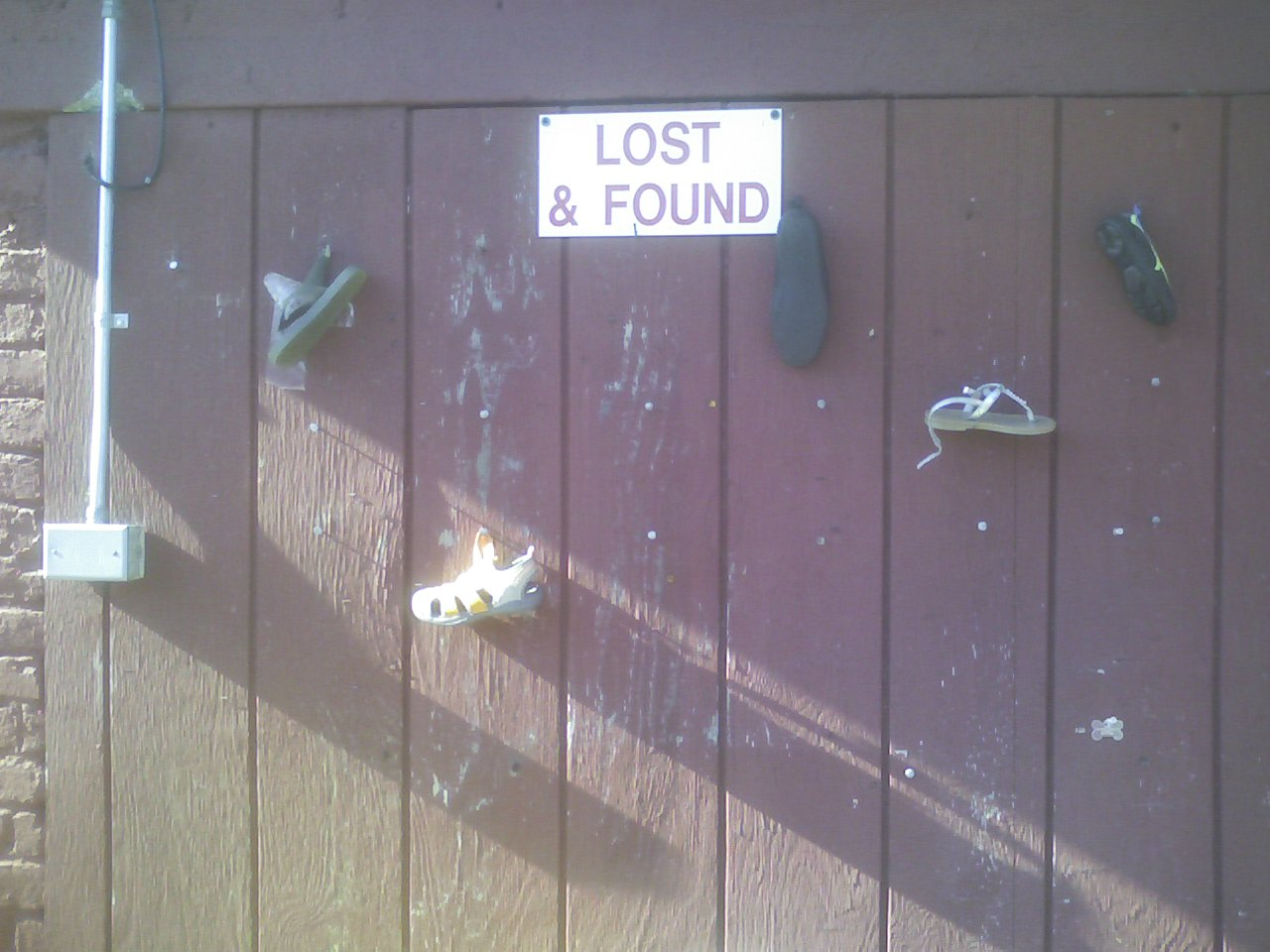
Every collection contained individual shoes, and there is no satisfactory account of how a child goes home with one shoe without anybody noticing.
Still happens, still unexplained, and still a recurring feature of every lost property collection in every school in the world.
The honest answer is probably mundane and involves a gym bag, a change of footwear, a long day and a bus – but the object itself remains genuinely absurd. A single child’s shoe in a box is the one item that makes anybody looking into it laugh.
13. Everything Was Laid Out on a Table Once a Year
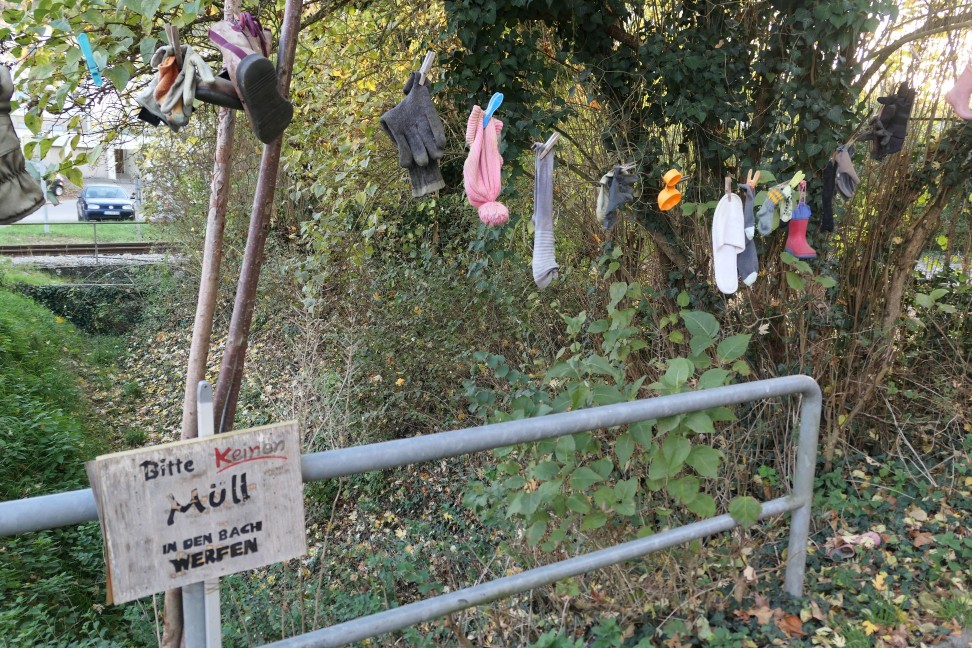
Before disposal – at the end of a term, at a parents’ evening, before Christmas – the contents were spread on tables in a corridor or a hall so that families could walk along and look.
Photographs posted to a school platform, which is more efficient and reaches more people, with a display still used in many schools.
The display was a strange and slightly sad exhibition, and everybody who has seen one says the same thing. Four long tables of a community’s unclaimed property – forty coats, a hundred singles, a dozen lunch boxes and somebody’s glasses – is a surprisingly affecting object, and it always included something expensive that nobody came for.
14. What Nobody Claimed Went to a Charity
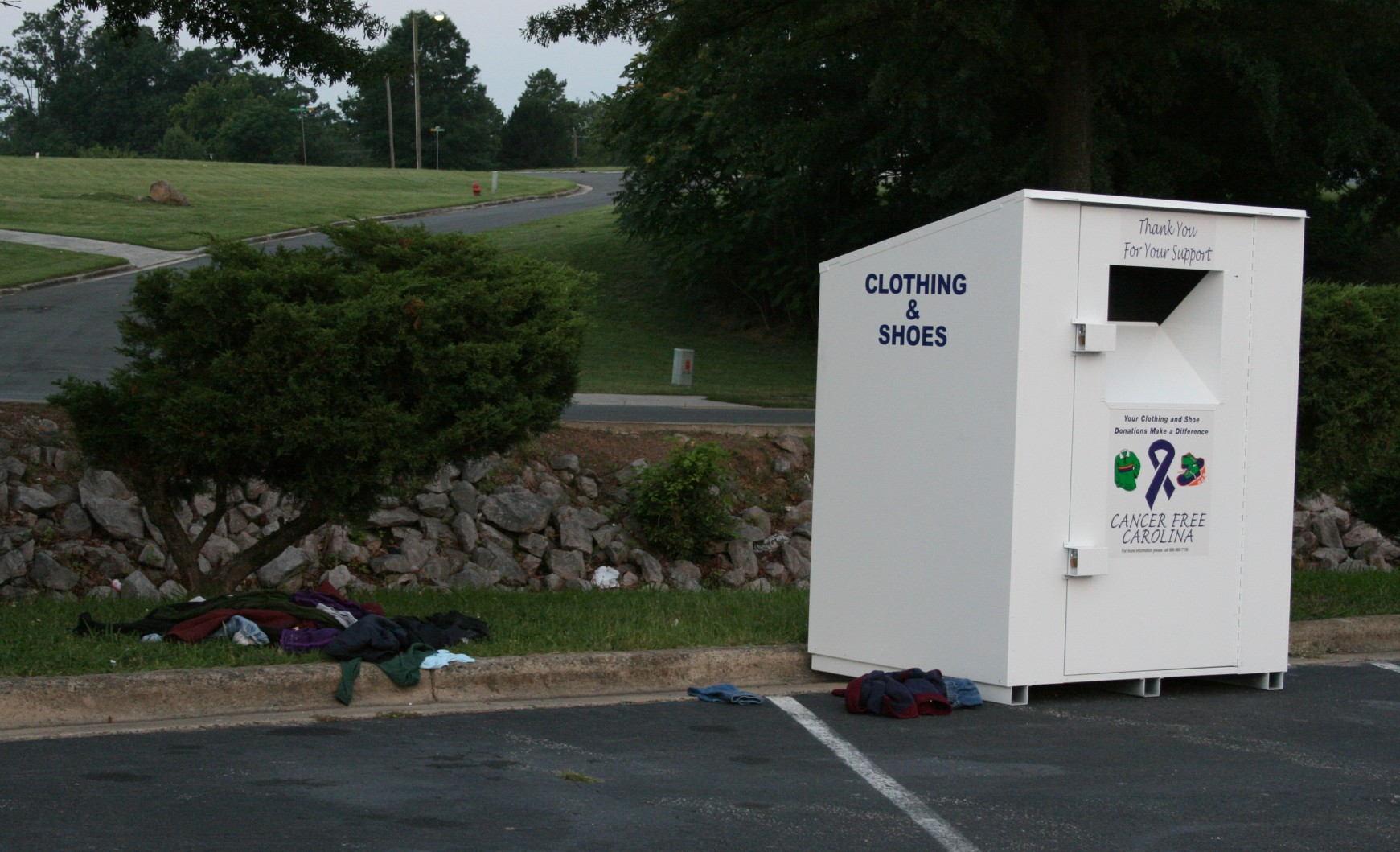
Unclaimed items were boxed at the end of the year and given away – to a church, a thrift shop, a clothing drive or a family the school knew needed them.
Donation to a charity partner, which is formalised with records and in some districts a policy about what may and may not be given away.
The quiet redistribution is the part worth recording. A school office that knew which families were struggling, holding forty unclaimed winter coats in June, did not always send them all to a charity – and that was done without paperwork, without announcement and without anybody being made to ask.
15. Then Children Stopped Carrying Things
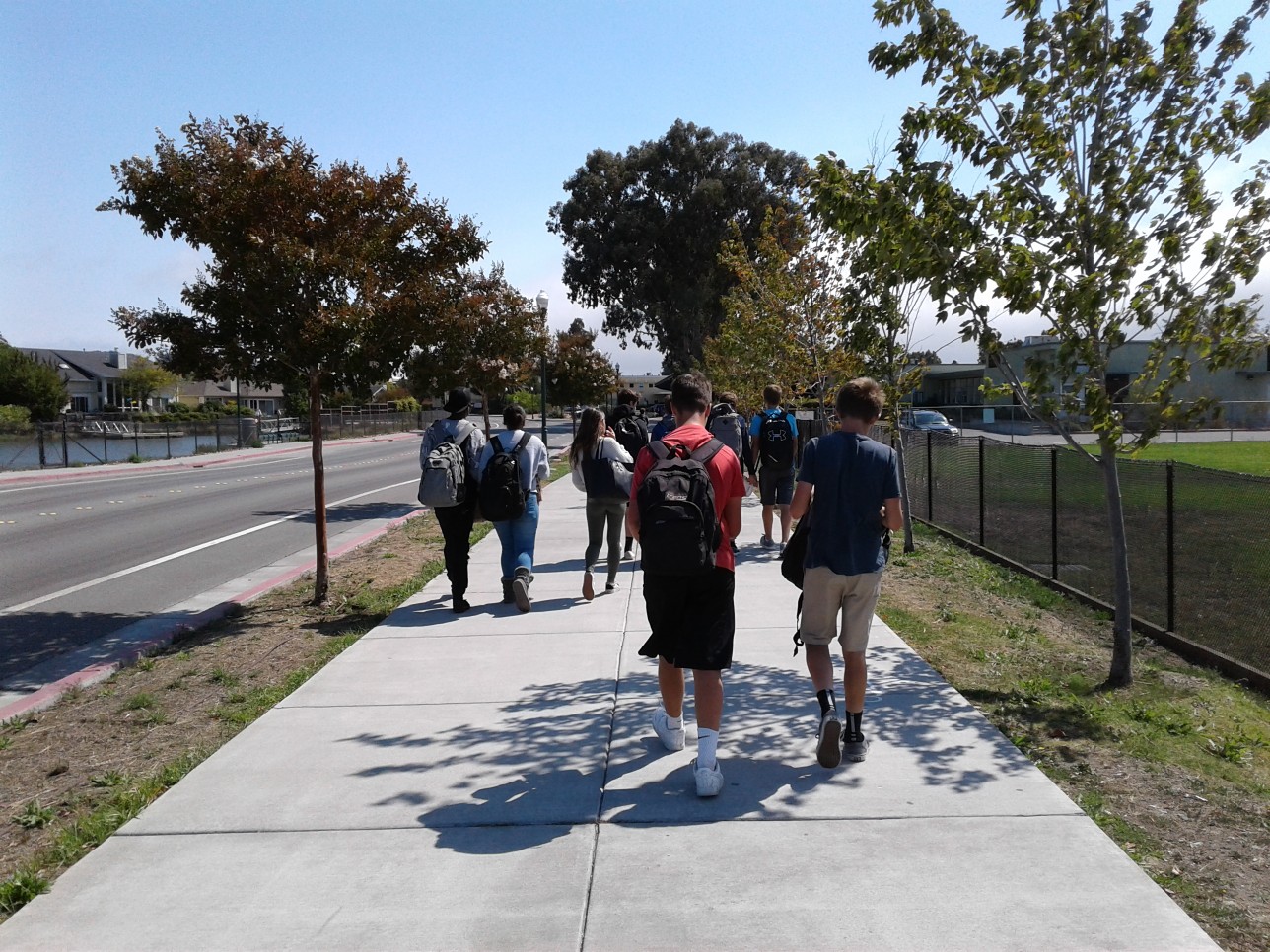
The whole phenomenon rested on children transporting a great deal of individually valuable, entirely unmarked property, on foot, every day – coats, boots, overshoes, gloves, hats, lunch boxes, vacuum bottles, glasses, keys, books, instruments and gym kit.
Far less to carry, in a school with lockers and a shorter walk, where lunch is bought rather than brought, the coat is cheap, the kit stays in a locker, the key is a keypad – and the single most valuable item a child owns is a phone that can be located, is locked, and is never voluntarily put down anywhere.
Which makes the shrinking lost property box a reasonable measure of how children’s property changed. In 1974 a nine-year-old carried five or six things that mattered, none of which could be identified or traced, and lost them regularly. A nine-year-old now carries fewer things, most of them replaceable without much thought, and one thing so valuable it never leaves their hand. The box did not stop working. It ran out of the particular kind of object it was built for: expensive, anonymous and portable, all at the same time.
It Ran Out of One Specific Kind of Object
The lost and found box has not been abolished, improved or digitised away. Most schools still have one. It is simply much emptier, and the reason is a change in what children carry rather than a change in how carefully they carry it.
Think about what was in that box and what those things had in common.
A winter coat. Rubber overshoes. Leather gloves. A decorated metal lunch box with a glass-lined vacuum bottle. Prescription spectacles. An orthodontic retainer. A house key. A library book. A watch that had been a confirmation present.
Every one of those is expensive relative to a 1974 household income. Every one of those is completely anonymous – no name, no serial number, no way to establish ownership except by somebody describing it. And every one of those was carried, daily, on foot, by a child.
Expensive, anonymous and portable, all three at once. That is the exact combination that fills a box, and a nine-year-old in 1974 was carrying five or six such things every day.
Now take them away one at a time.
The coat is cheap. The overshoes do not exist, because footwear is a single waterproof item that goes on at home and stays on. The lunch box is a soft bag, or there is no lunch box because lunch is bought. The vacuum bottle is plastic and costs nothing. The glasses have a case and a strap and cost a fraction to replace. The key is a keypad. The library loan renews itself and the fine has been abolished. The gym kit lives in a locker. And a parent can be messaged the moment anything goes missing.
Which leaves the one genuinely valuable object a modern child carries – a phone – and it is the exact opposite of everything in that box. It can be located on a map. It is locked to its owner. It has a name inside it. And it is never voluntarily set down anywhere at all.
So the box did not fail and children did not become more careful. The particular category of object that fills a lost property box – costly, unidentifiable and in a child’s hands – has very nearly ceased to exist.
The single gloves are still there, though. That part is arithmetic, and arithmetic does not change.
If you went to one of these schools, you were sent to look in that box at least once, and you did not find it.
And there was something in there worth real money that nobody ever came for.
Like our content? Follow us for more.

