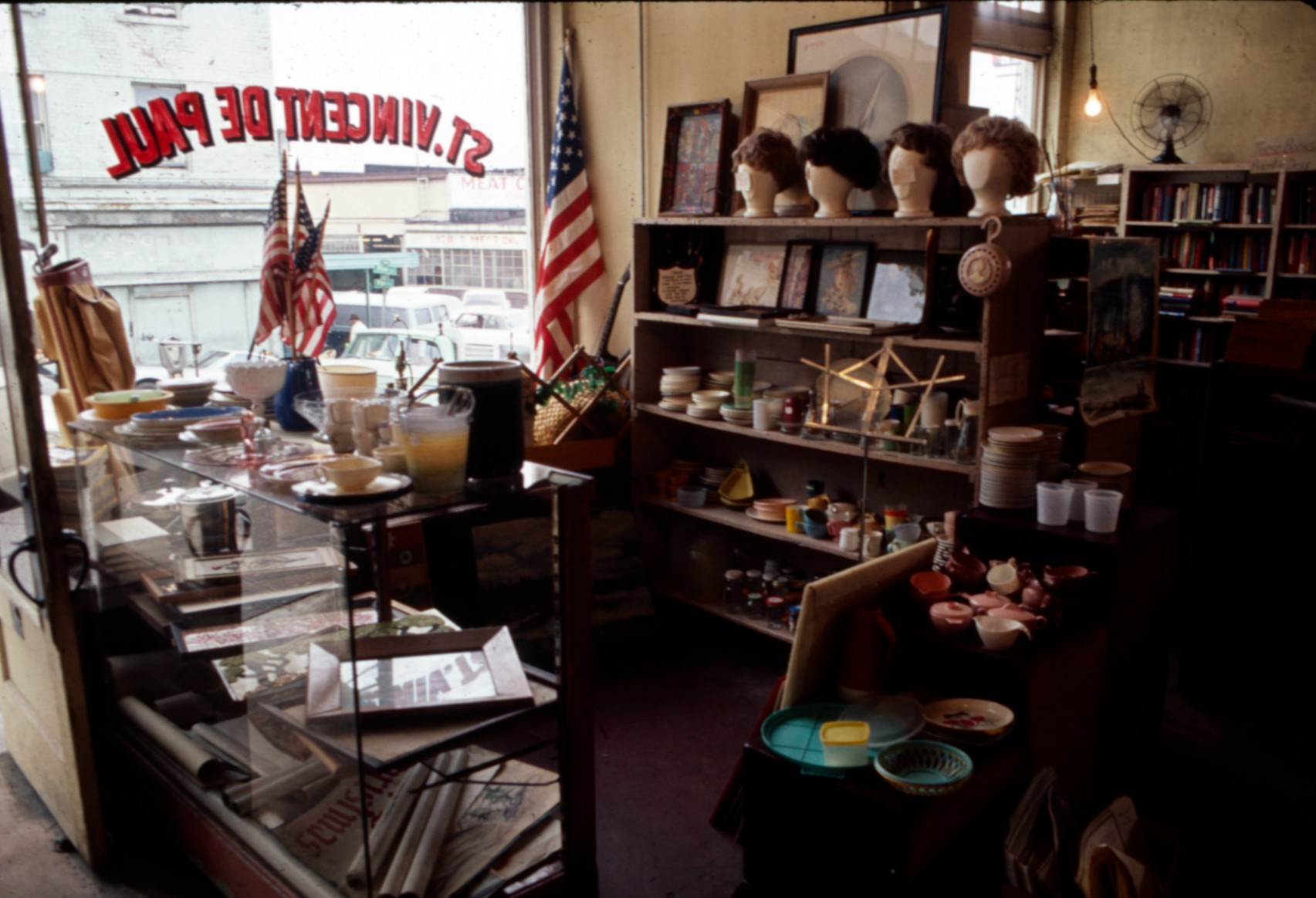
In 1974 an American charity thrift shop was a volunteer-staffed room with rails of unsorted clothing, a shelf of household objects at a few cents each, a curtain for a fitting room and no returns of any kind.
Donations arrived at a back door in paper sacks, unfiltered, and the volunteers’ first job was separating stock from rubbish. Anything too poor to sell was baled and sold to a rag merchant by the pound. Prices were written on by hand by whoever happened to be there. And the money went to a named cause in the same town.
Here are sixteen things every charity thrift shop had in 1974, and what happened to each of them.
1. It Was Run by a Charity and Staffed by Volunteers
The shop belonged to a charitable organisation, was staffed by unpaid volunteers on rotas, and existed to turn donated goods into money for a stated purpose.
A substantial professionalised sector with paid managers, trained staff, point-of-sale systems, logistics and in some cases national buying and pricing policy – alongside volunteers.
The volunteer rota was the operating model and it had consequences in both directions. Labour cost nothing, which is why a shop could survive on tiny margins. It also meant opening hours depended on who could come in, pricing depended on who was on, and the shop’s character changed completely from Tuesday to Thursday.
Like our content? Follow us for more.
2. Donations Came to the Back Door in Paper Bags
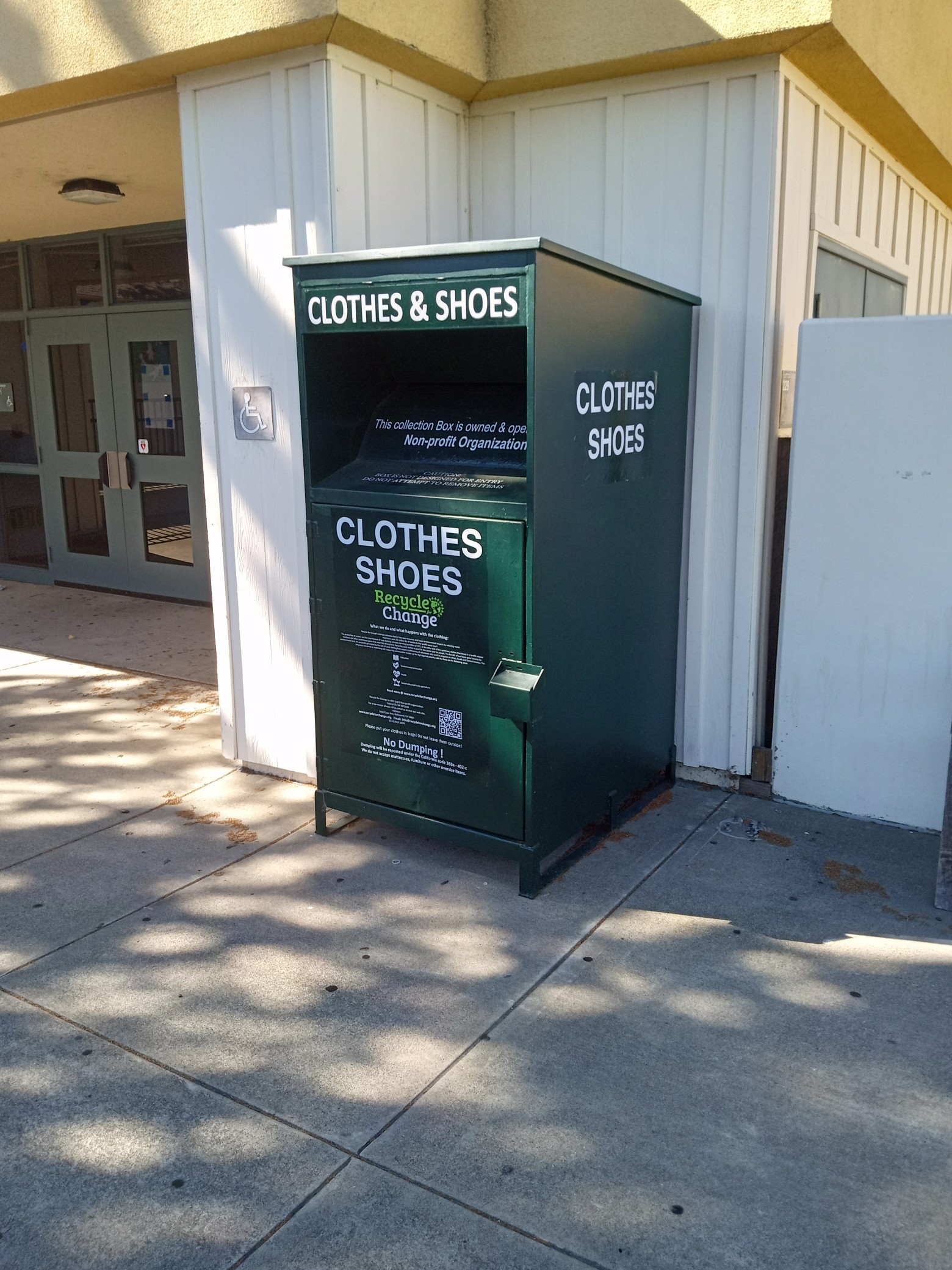
Goods arrived as households cleared out – carried in by hand, left at a back entrance, in paper grocery sacks and cardboard cartons – frequently without anybody being asked whether the shop wanted them.
Scheduled collection, donation centres, bins, scanning of incoming items in some operations, and published lists of what will and will not be accepted.
The absence of a filter was the standing problem. A shop that cannot refuse anything receives everything, including a great deal that cannot be sold at any price – and the volunteers’ first job was always sorting out what was rubbish from what was stock.
3. The Sorting Room Was the Actual Business
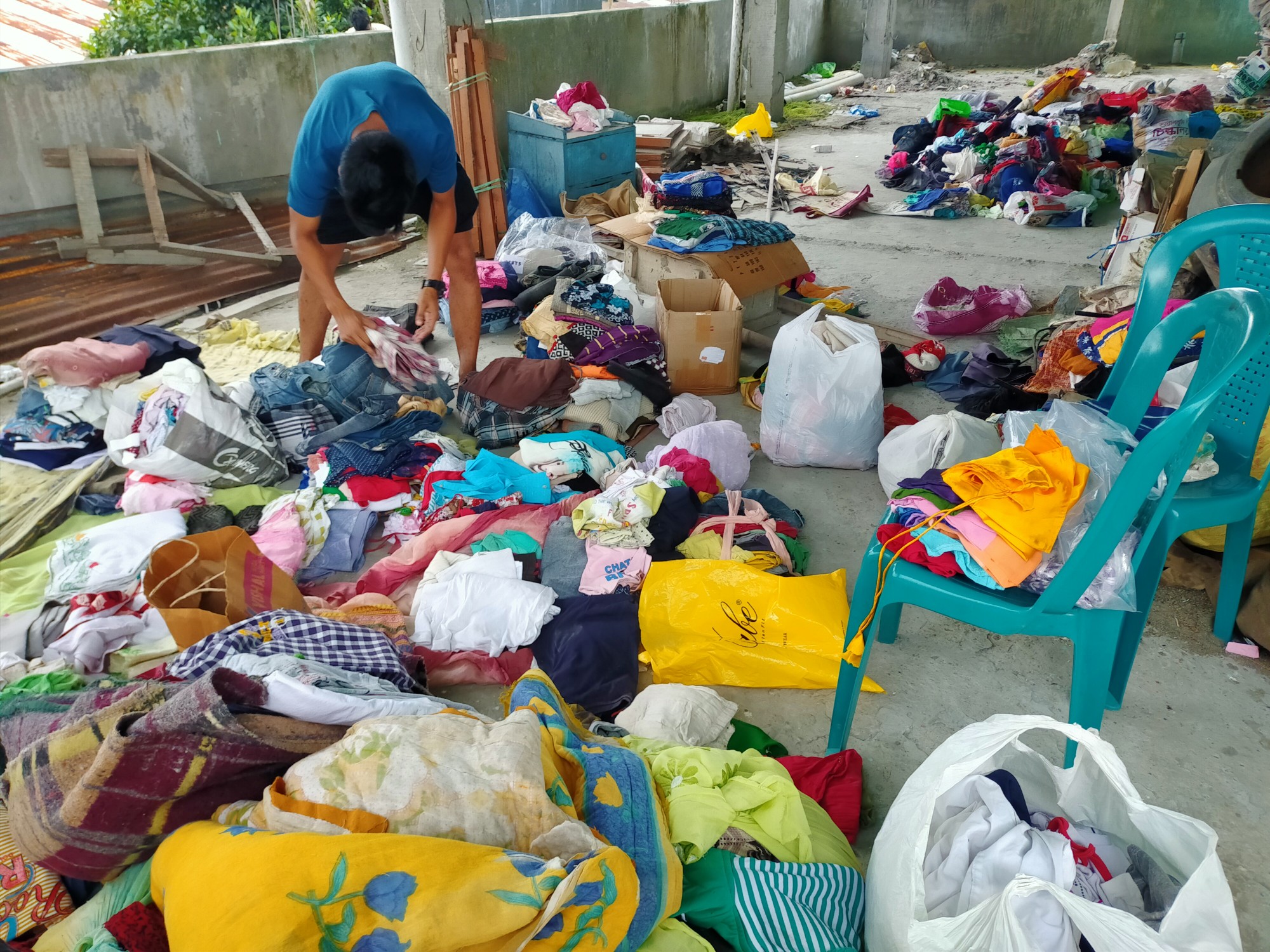
Behind the shop was a room where every donation was opened, assessed, cleaned if it could be, priced, and routed – to the floor, to a different branch, to a rag merchant or to the bin.
The same function, industrialised, with graded streams, bale handling and in large operations a dedicated processing site serving many shops.
And it was always far larger than the shop. A retail floor of a few hundred square feet needed a sorting operation of similar size behind it, because the ratio of incoming volume to sellable stock was poor – which is a fact about charity retail that customers never see and that determines whether a shop works.
4. Clothes Too Poor to Sell Were Sold by Weight as Rags
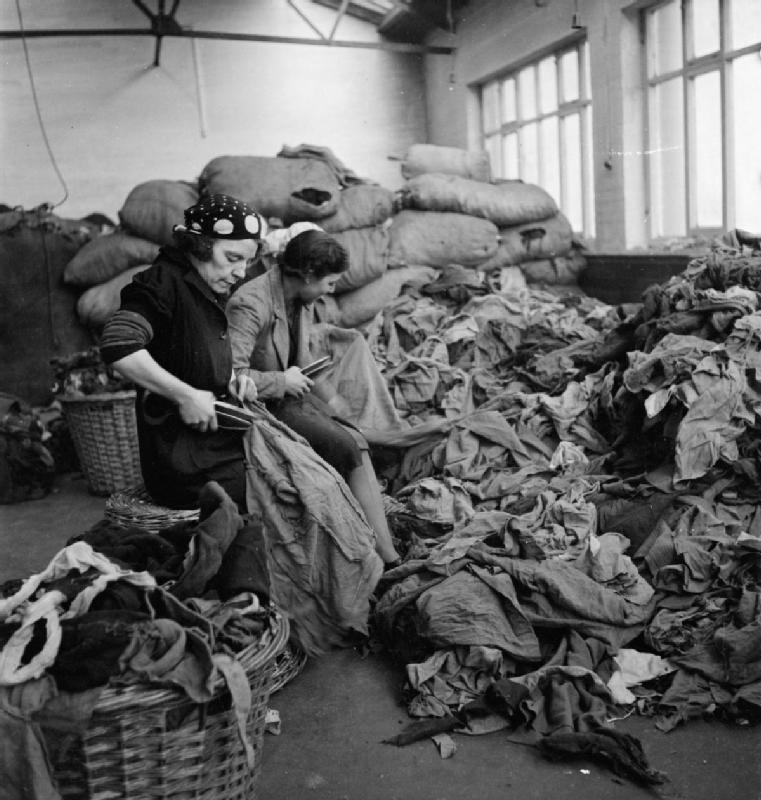
Textiles that could not be put on a rail went into a bale and were sold to a rag merchant by the pound, for industrial wiping cloths, for fibre recovery and for export.
An enormous and globalised secondhand textile trade in which graded bales move internationally, plus fibre recovery – and it is now a major part of charity retail revenue rather than a sideline.
The rag price was the shop’s floor and it is why nothing was ever thrown away. A garment with no retail value still had a weight and a buyer, which means the question was never whether an item was worth anything but which stream it belonged in.
5. Prices Were Written on by Hand and Decided by Whoever Was There
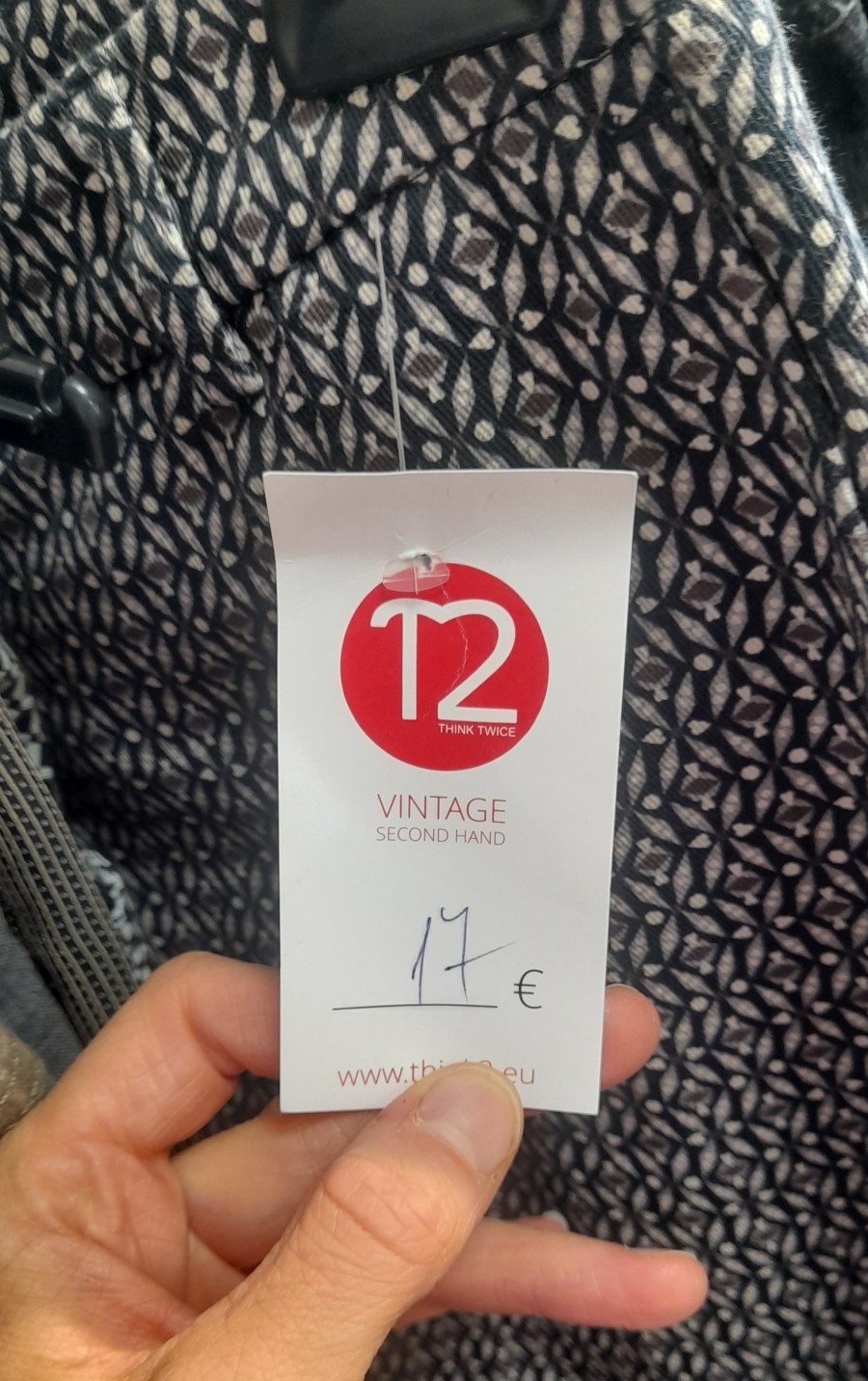
Items were marked with a grease pencil, a sticker written in biro or a pinned paper tag, at a price arrived at by the volunteer pricing them, with no list and no reference.
Pricing policies, category pricing, barcode systems and in some chains algorithmic pricing informed by sales data. The hand-marked price was a judgement made once by one person.
Which produced enormous inconsistency and a particular kind of shopper. Regulars came in frequently because the pricing was variable and the stock turned over constantly, and anybody who knew what things were worth could do extremely well on a day when the person pricing did not.
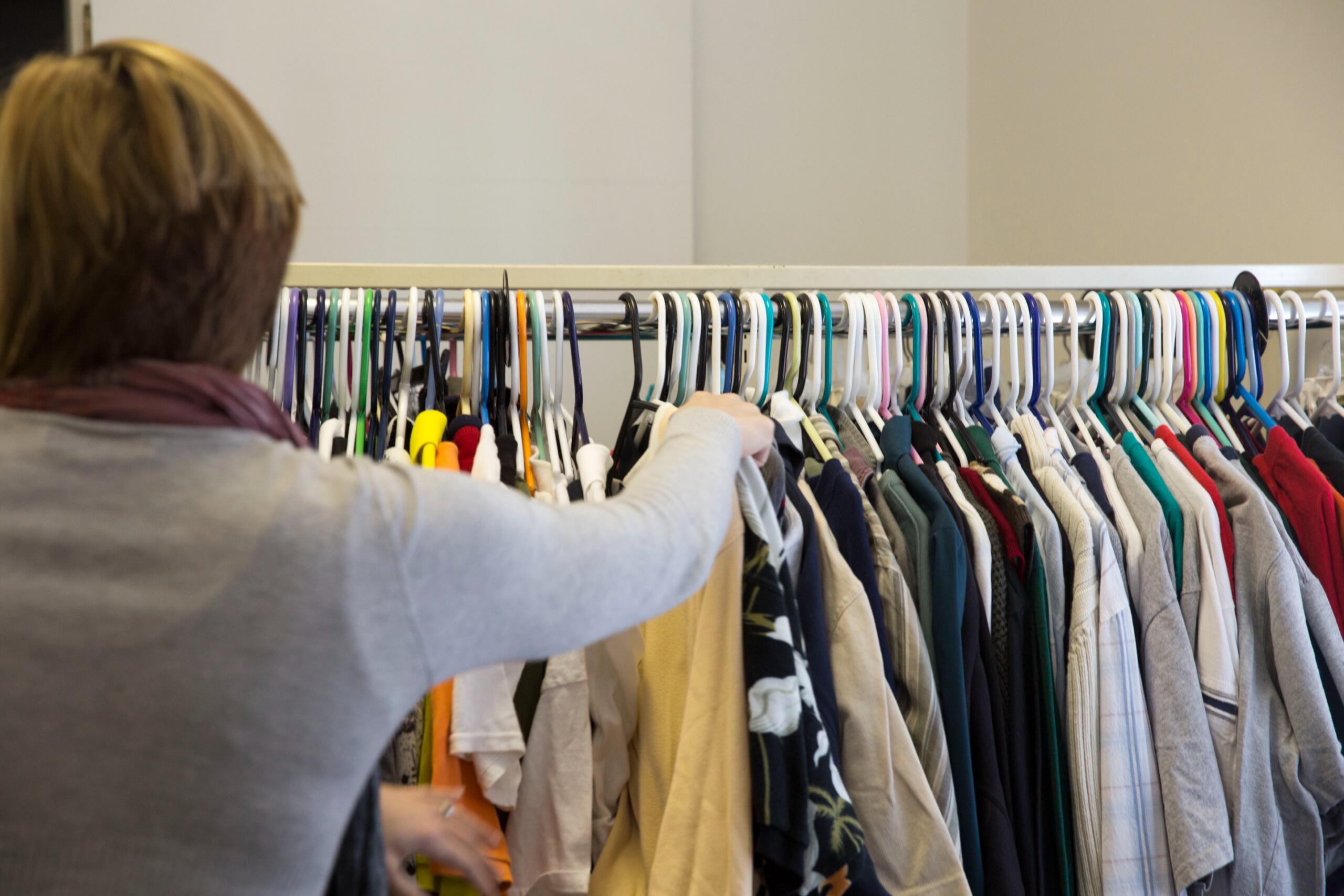
6. The Clothing Was on Rails, Roughly by Size, and That Was the Only Organisation
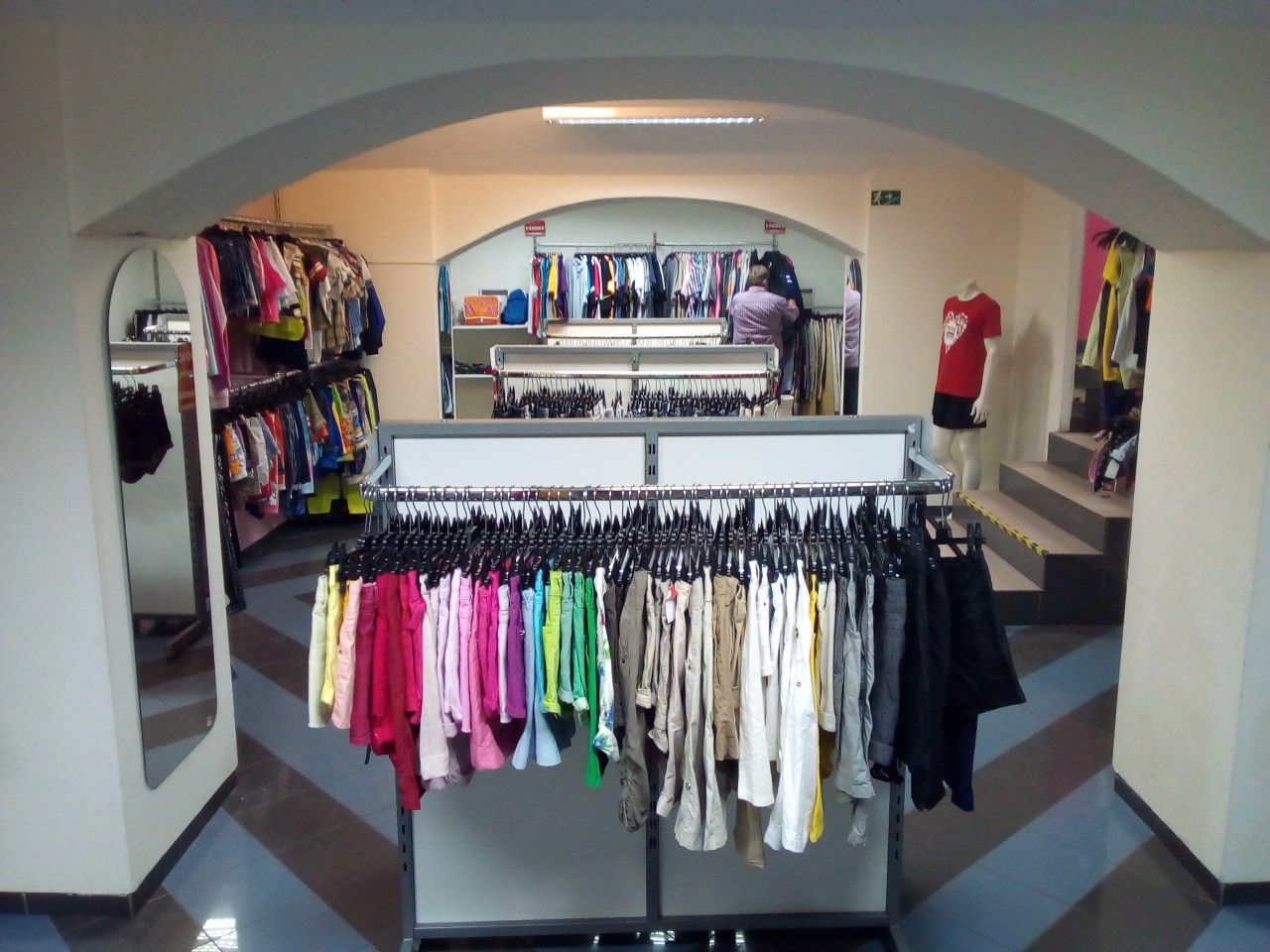
Garments hung on metal rails sorted by rough type and approximate size, unlabelled by brand, unsorted by colour, with no sense of season – so finding anything required looking at everything.
Sorting by type, size, colour and sometimes price band, with seasonal rotation and brand-sorted premium rails – and online listing of anything individually valuable.
The disorder was the appeal for the people who liked it and the barrier for everybody else. A rail of two hundred unsorted garments rewards time and patience and punishes anybody with twenty minutes – which is why the shops were used so differently by different customers.
7. The Fitting Room Was a Curtain and There Were No Returns
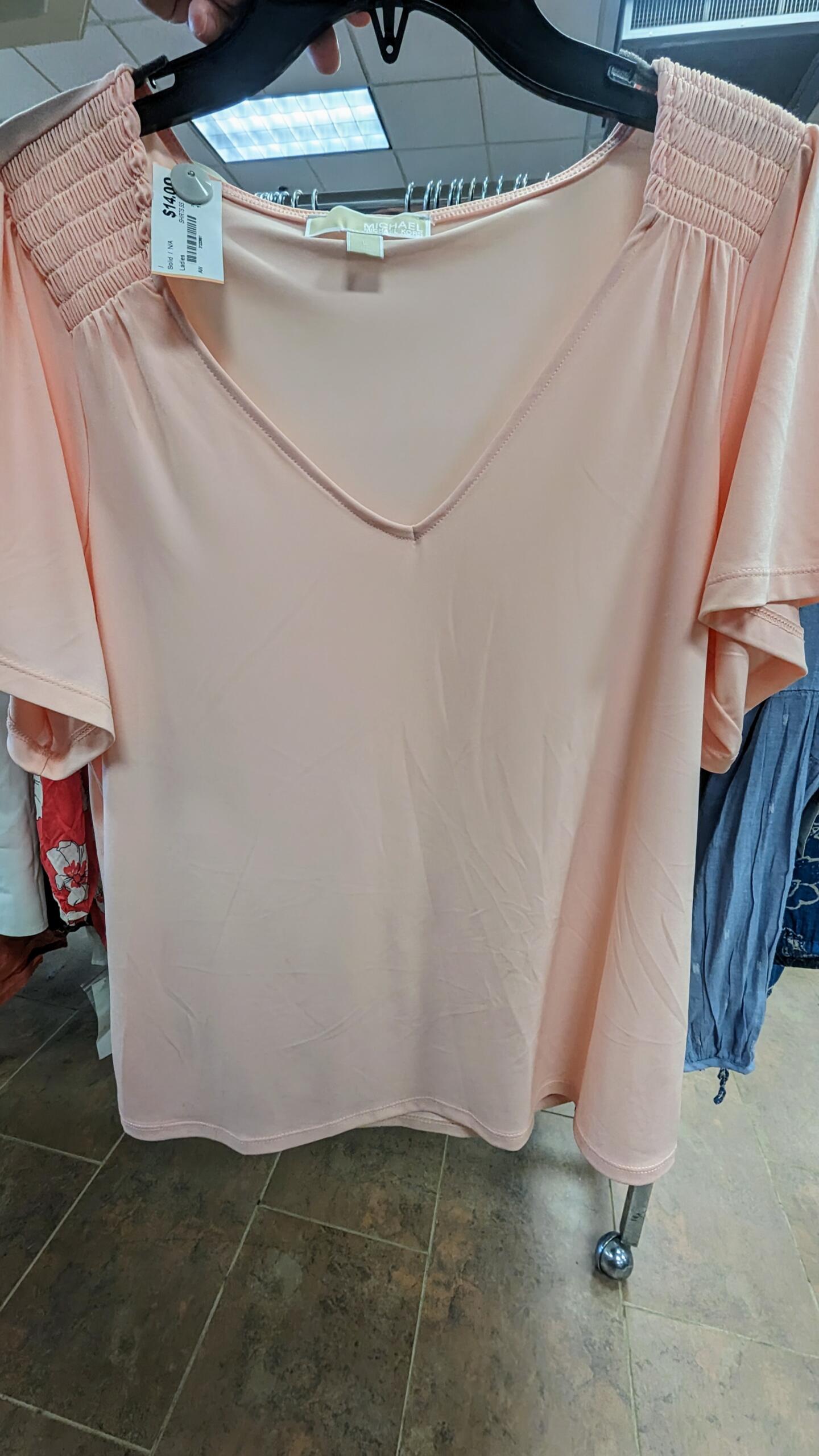
Trying on happened behind a curtain in a corner, or in a stockroom, or not at all – and everything was sold as seen, final, with no exchange and no refund.
Proper fitting rooms in most shops, and returns policies in many chains – alongside online sales where the garment is photographed, measured and described because it cannot be tried.
No returns is the condition that shaped how people bought. You examined a garment extremely closely – seams, hems, underarms, zips, the inside of a cuff – because a fault found at home was your fault, and the habit of inspecting secondhand clothing properly is one that thrift shoppers of that era still have.
8. There Was a Furniture Section and It Smelled
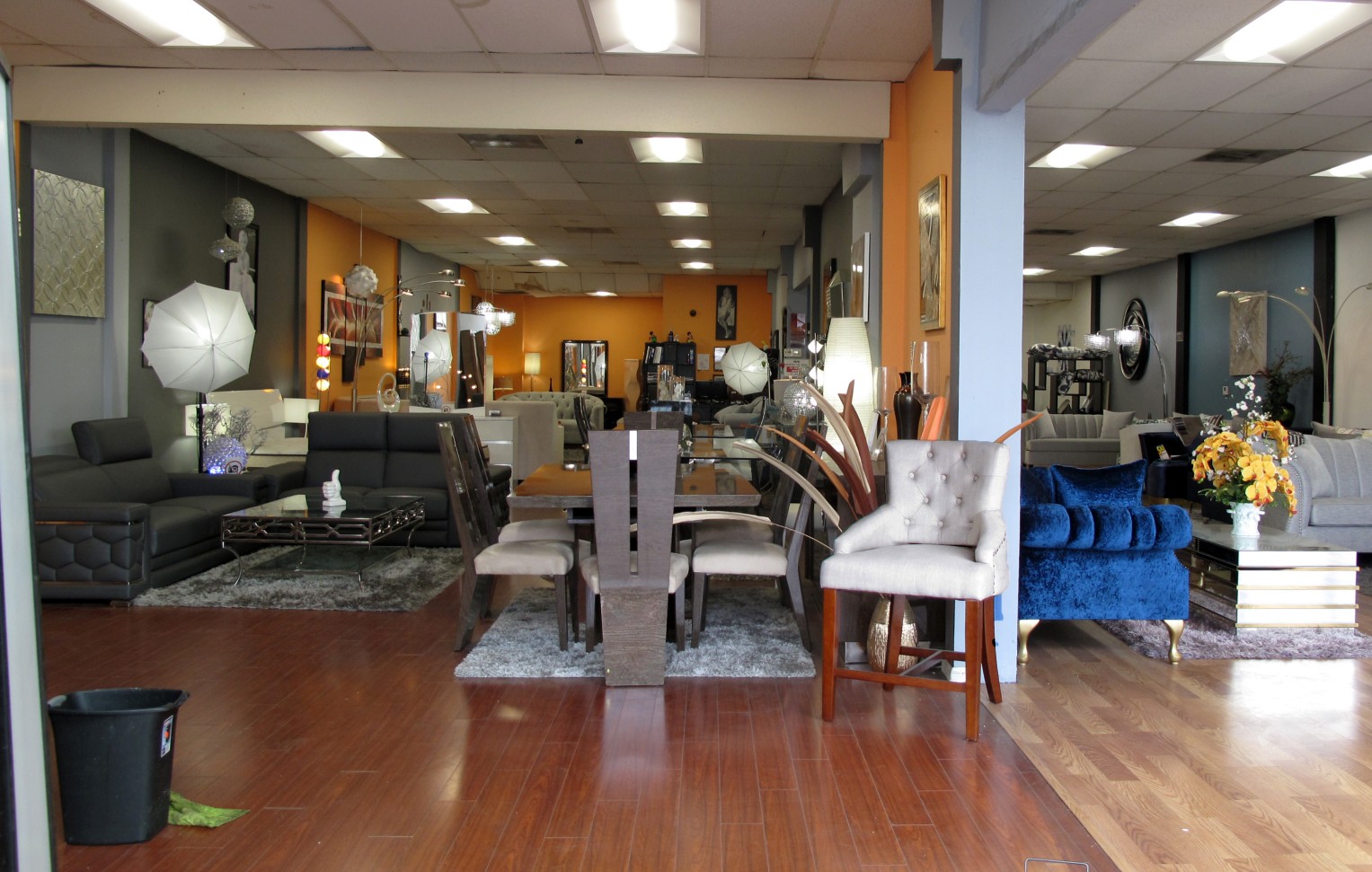
Larger shops took furniture – armchairs, dining chairs, chests, tables, bed frames, a piano occasionally – which sat in a back section or a yard and was sold cheap and collected by the buyer.
Furniture handled selectively, with condition and safety requirements, upholstery regulations in many jurisdictions and in some shops a refusal to take soft furnishings at all.
The upholstered furniture is what the regulations addressed and it was a real problem. Secondhand soft furnishings of unknown history, stored in a damp back room, are a fire risk and a pest risk – and the rules that now restrict them exist because of documented incidents rather than caution.
9. The Bric-a-Brac Shelf Was Where the Finds Were
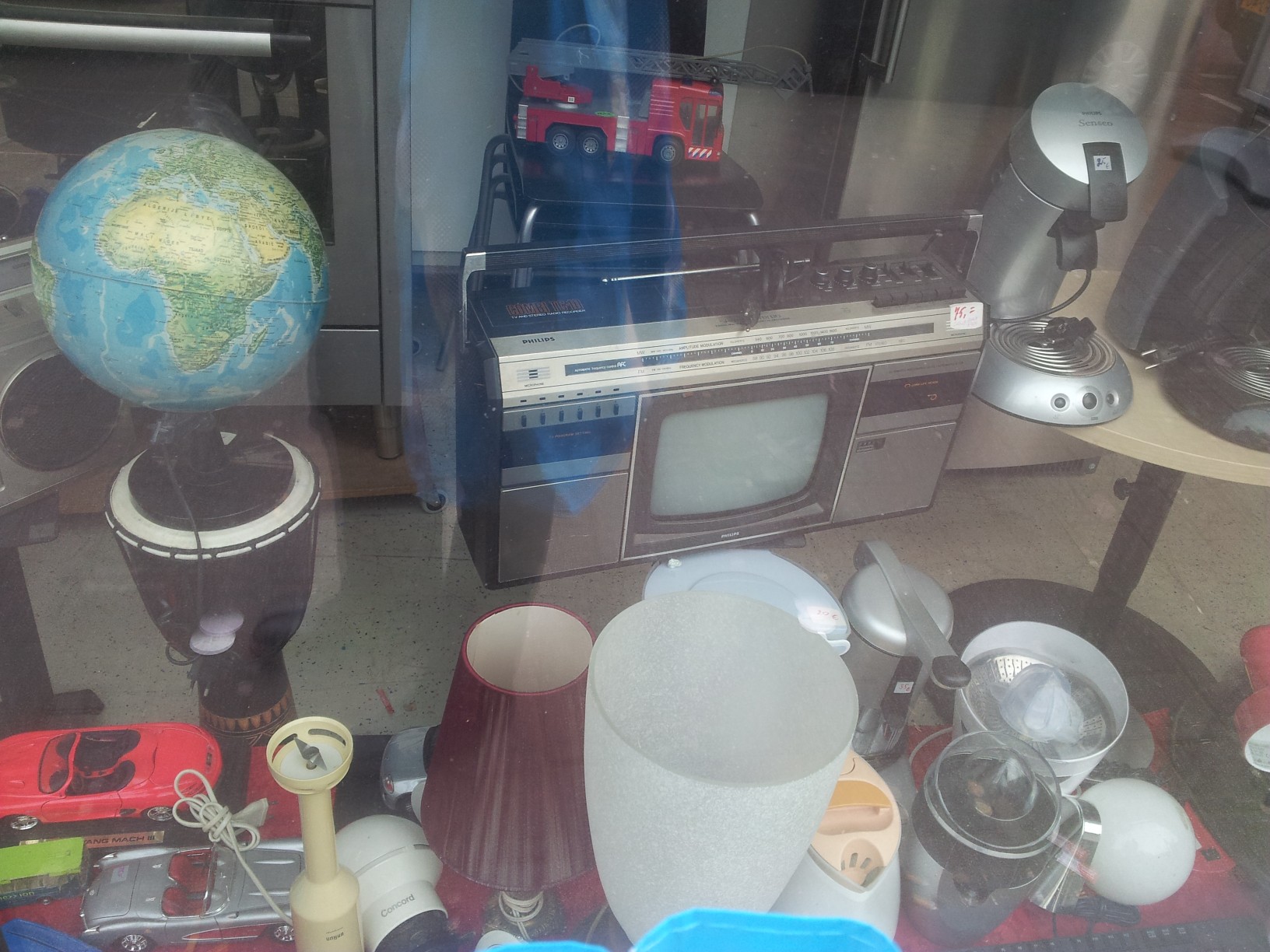
A wall of shelves held household objects at a few cents each – crockery, glass, ornaments, tools, frames, kitchenware, vases, toys – priced by the volunteer who had unpacked them.
The same shelves, with anything recognisably collectable removed for online listing, which is where the value now goes – and which has emptied the shelf of exactly the items that used to make it interesting.
This is the single biggest change in the experience and it is not anybody’s fault. A shop that can identify a valuable piece of glass and sell it online for fifty times the shelf price has an obligation to its cause to do exactly that – so the discovery that used to happen on the shelf now happens in the sorting room.
10. Books Were Sold Almost by the Yard

Donated books filled shelves or boxes at a few cents each, unsorted beyond rough category, in enormous quantity – because books were donated faster than they could ever be sold.
Scanning of incoming books against online price data, with anything of value listed and the remainder sold cheaply or sent for pulping – and in many shops a much smaller book section.
Scanners changed the economics of donated books completely and quickly. A shop that can check a barcode against a market price in two seconds will never again sell a valuable book for a quarter, which is good for the charity and has removed one of the great pleasures of the old shops.
11. The Customers Were Two Entirely Different Groups
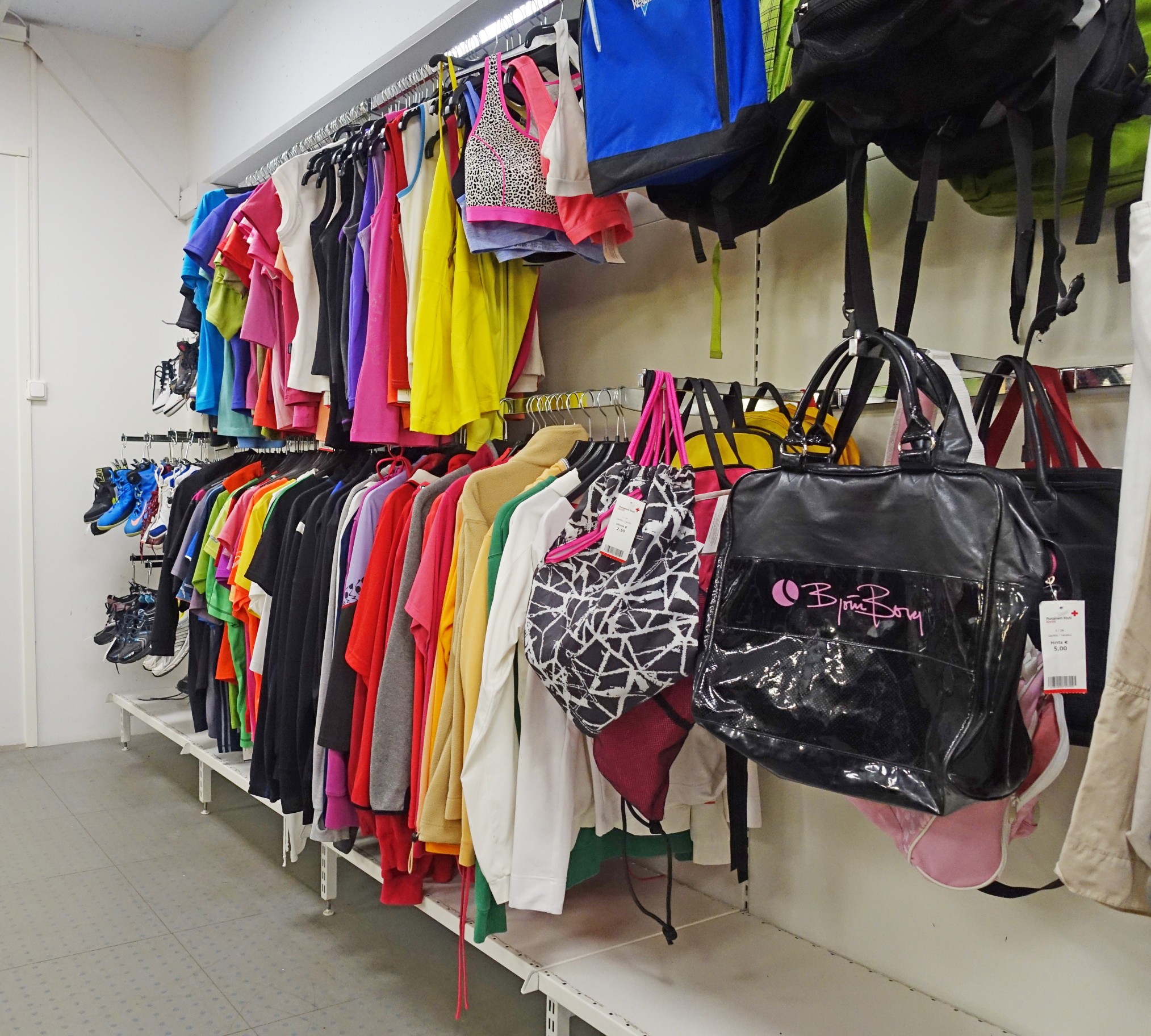
The shop served people buying because it was what they could afford, and people buying because they enjoyed it – at the same rails, at the same time, with no distinction made by anybody.
Substantially the same, with the addition of resellers buying to list online, and with secondhand shopping having acquired a social cachet it did not have in 1974.
The mixing was the shop’s real social achievement and it was entirely unplanned. Nobody at the counter knew or asked which category a customer was in, nothing about the transaction marked the difference, and a shop where those two groups stand at the same rail is doing something that very few retail environments manage.
12. The Shop Was Frequently a Workplace for People Who Could Not Get Hired Elsewhere
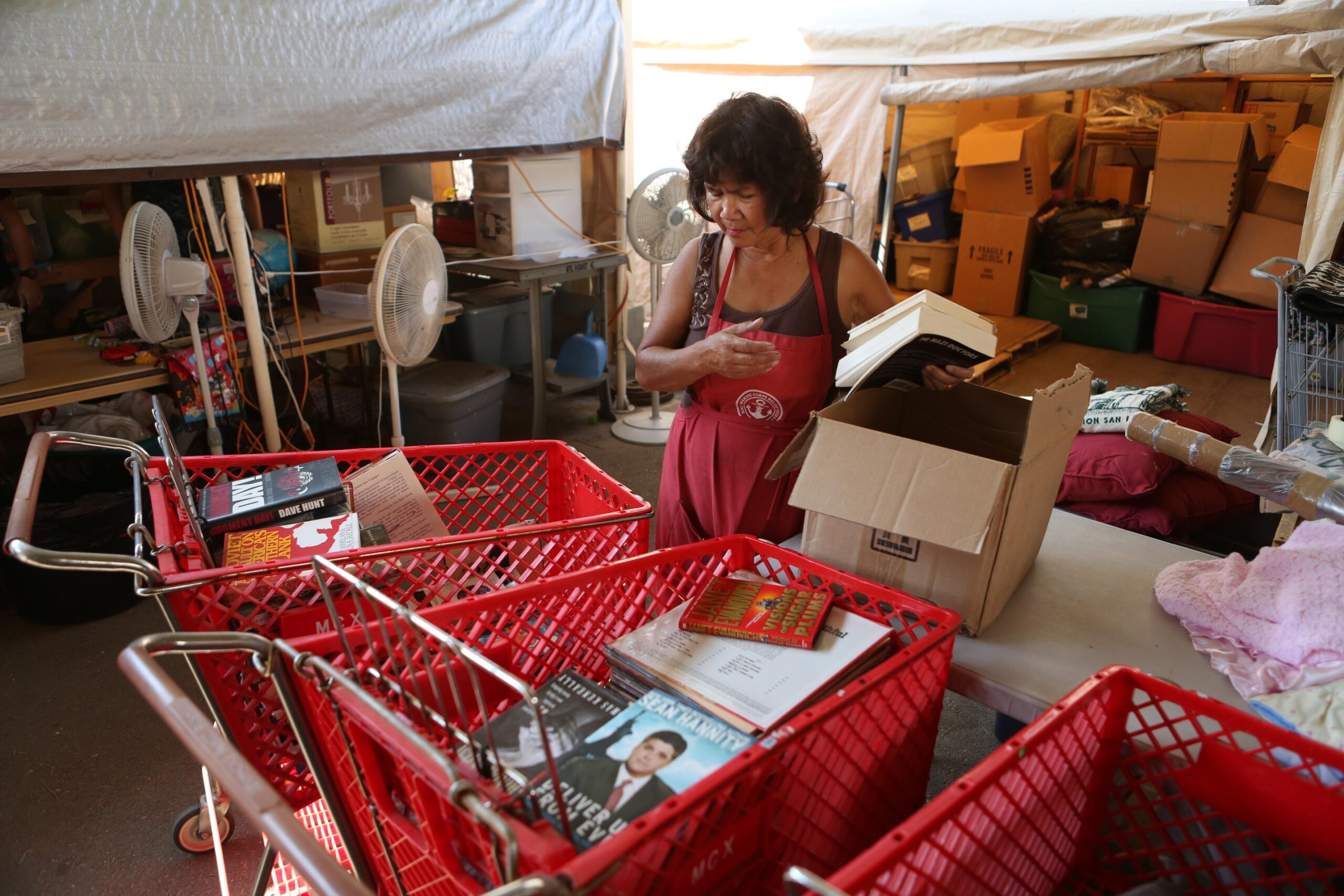
Many charity shops of this kind operated explicitly as employment and training placements – for people with disabilities, people recovering from illness, people coming out of institutions or long unemployment.
The same function, far more formally structured, with supported employment programmes, documented training outcomes and in many organisations this as a stated primary purpose rather than a secondary one.
Which means the retail operation was frequently not the point. A shop whose purpose is to provide structured work in a real workplace is measured by who it employs rather than by its margin – and a visitor seeing an inefficient shop was in some cases looking at the programme working exactly as intended.
13. The Money Went to Something Local and Named
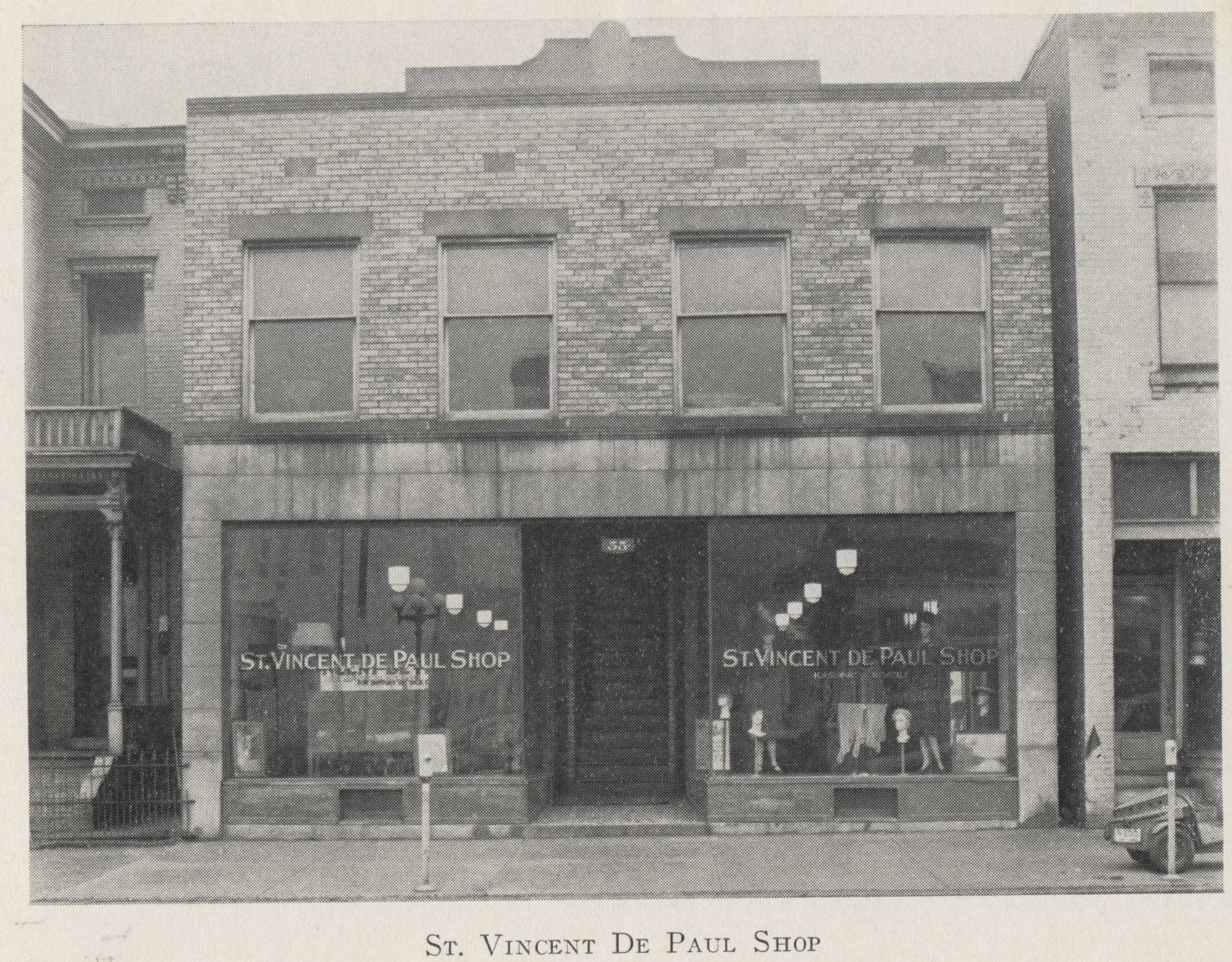
Proceeds supported a specific stated cause – a hospital, a mission, a children’s home, a local relief fund – frequently in the same town, and the connection was displayed in the shop.
National charities with national programmes, where the shop funds an organisation rather than a visible local institution, alongside genuinely local shops that still work the old way.
The visibility of the destination was what made the volunteering sustainable. A woman giving two mornings a week to a shop whose takings paid for a thing she could see in her own town had a reason that a general fund cannot supply, however well that fund is spent.
14. Electrical Goods Were Sold Until Suddenly They Were Not
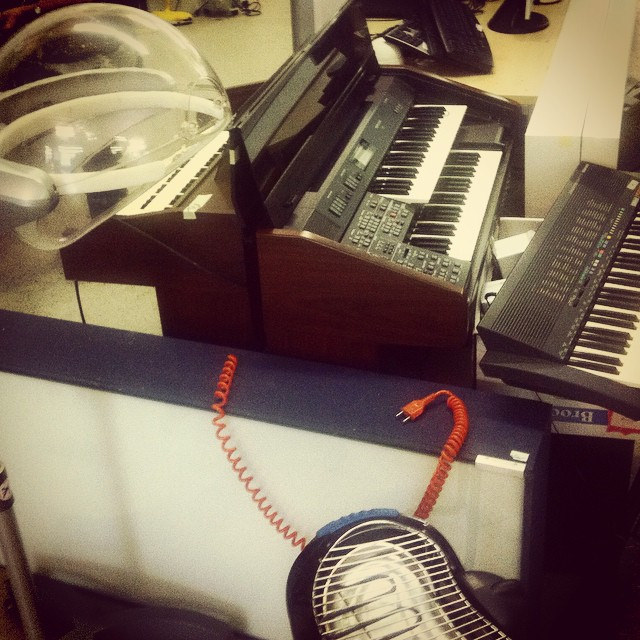
Lamps, radios, toasters, irons, heaters and small appliances were sold freely, untested, with frayed cords and no earthing, on the understanding that the buyer took their chances.
Electrical safety testing requirements in many jurisdictions, with items either tested and certified by a qualified person or refused – which is why a great many shops now take no electrical goods at all.
The change came from documented harm rather than from an excess of caution. Untested secondhand appliances of unknown age and wiring, sold to people specifically because they could not afford new ones, caused fires and injuries – and the testing requirement is the correct response, even though it removed a category that mattered to exactly the customers the shop existed for.
15. Nothing About It Was Fashionable
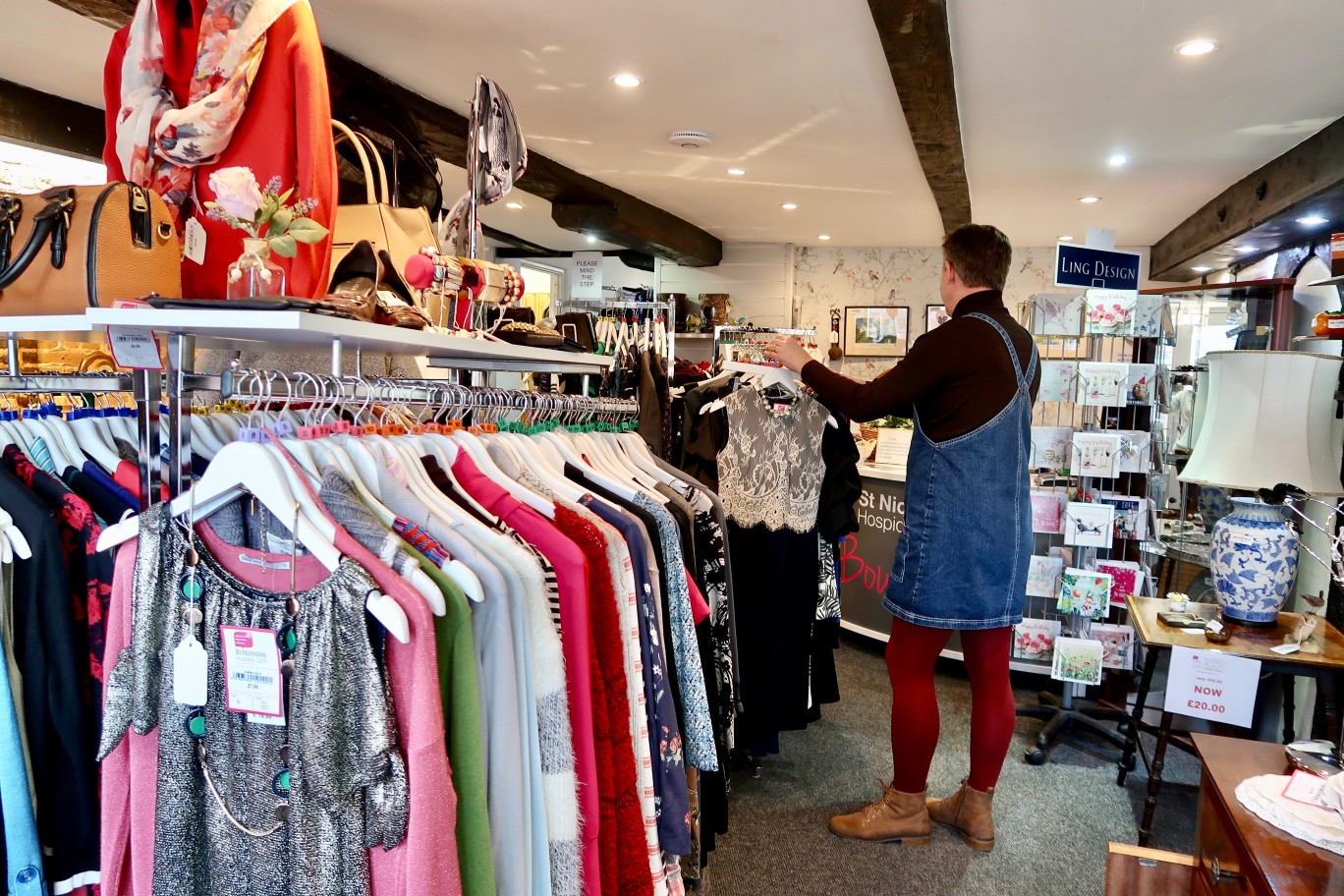
Shopping secondhand carried a clear social meaning in 1974, and it was not a positive one. Children knew whether their clothes had come from one, and said so.
A substantial cultural reversal in which vintage and secondhand carry status, are sought deliberately, and are documented and shared – which has changed who shops and what they are willing to pay.
The reversal is genuinely good and it has a cost that is worth naming. Rising demand and rising prices in secondhand retail are excellent for the charities and harder for the households that shopped there out of necessity – which is the same tension that runs through every item on this list.
16. Then the Donations Became Enormous and Worth Almost Nothing
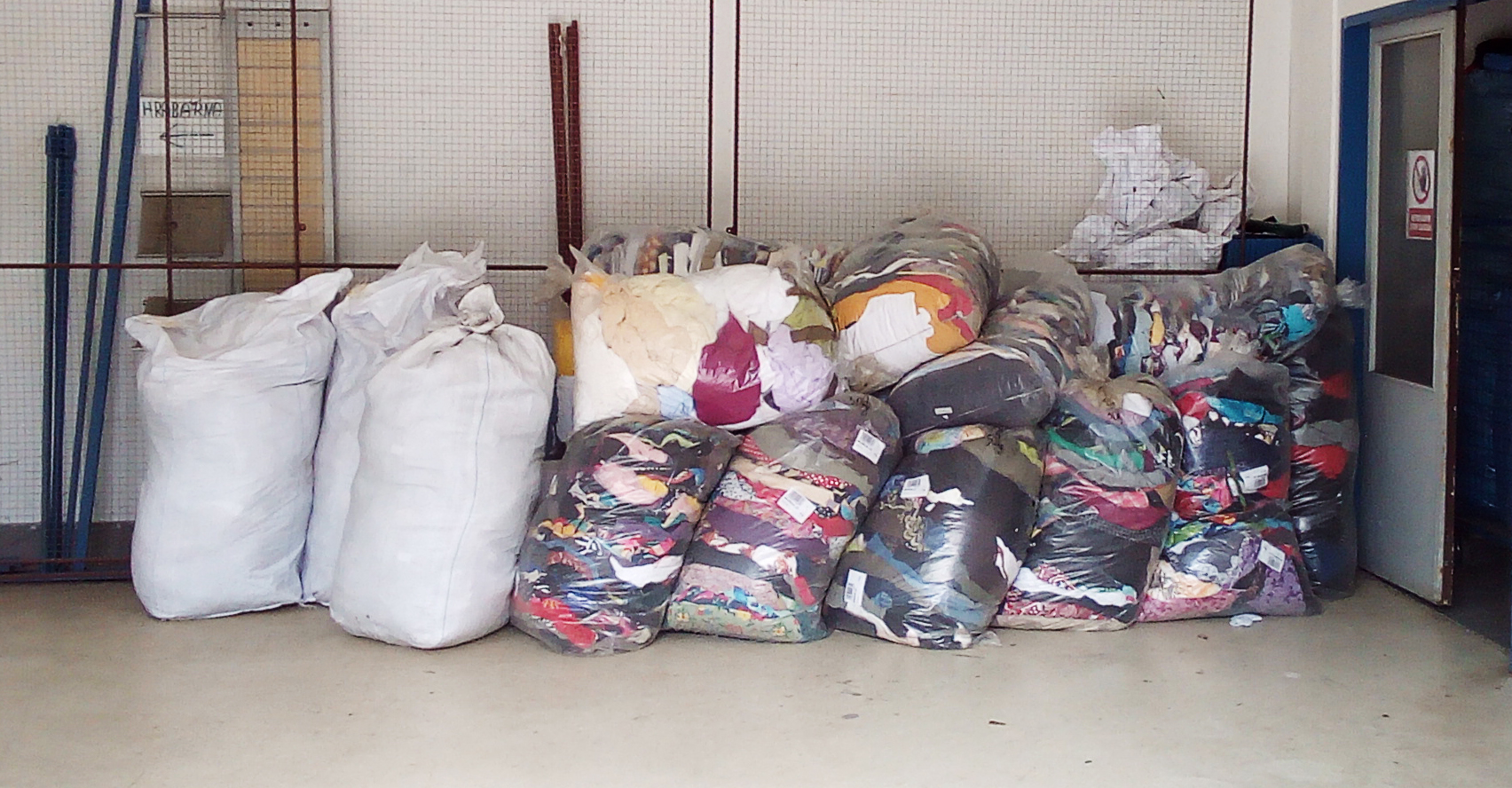
The whole operation rested on a steady flow of durable, well-made, repairable goods from households that had owned them for years, sorted by volunteers and sold to a local community at low prices.
An overwhelming inbound volume of cheap fast-fashion clothing with very low individual resale value, processed through industrial sorting into graded bales for a global textile market – so that the sorting and the international trade, rather than the shop floor, became the economic centre.
Which inverts the original arithmetic completely. In 1974 donations were scarce enough and good enough that the shop’s job was to find a buyer for each item. Now donations arrive faster than any shop can process them, most individual garments are worth less than the labour of handling them, and the money is in weight, grade and export rather than in retail. The shop at the front is still the public face and it is no longer the business – which is why the sorting room, which customers never saw and never thought about, turned out to be the thing that mattered all along.
The Room Nobody Saw Turned Out to Be the Business
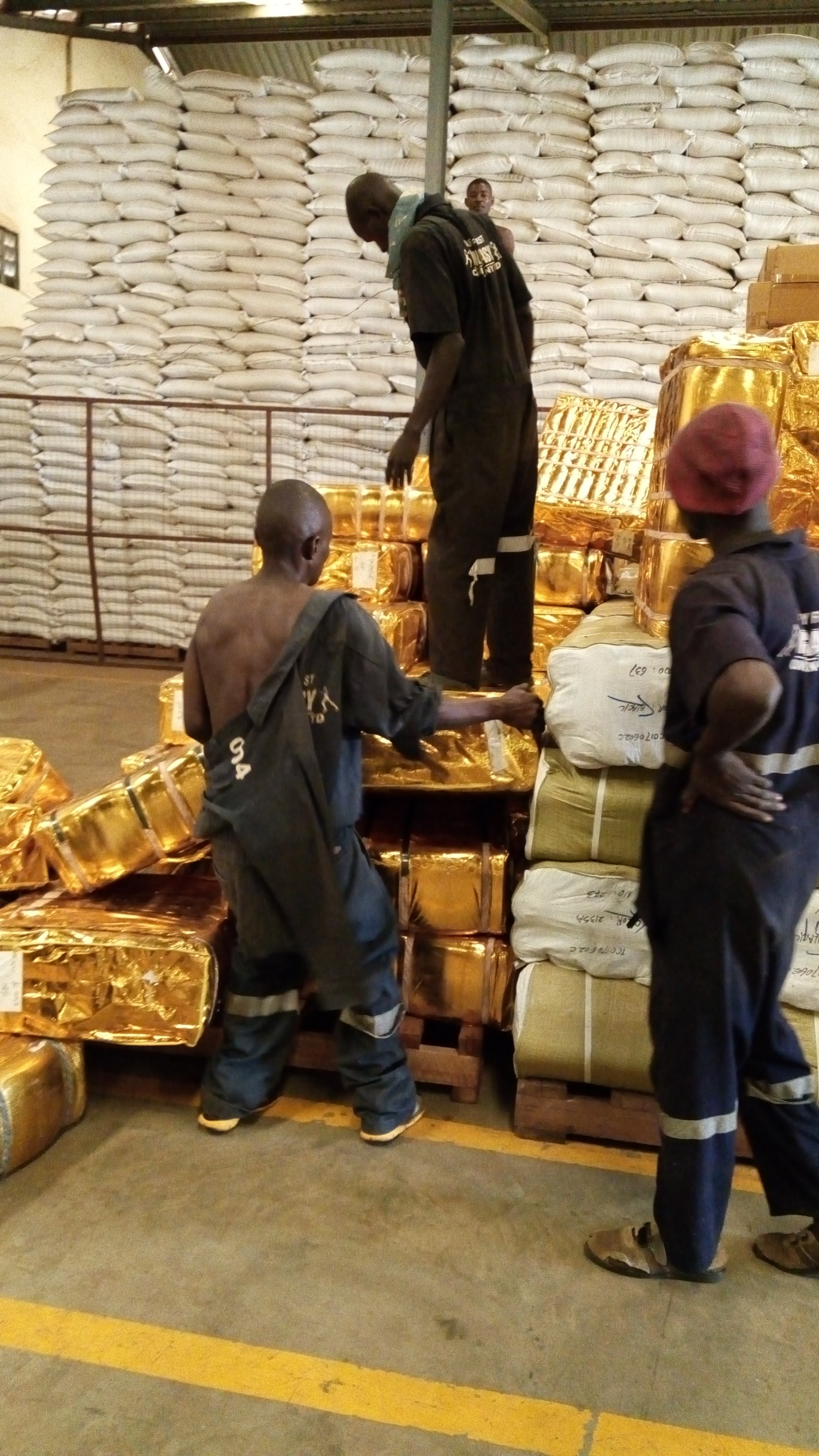
A customer in 1974 saw a shop: rails, a shelf, a counter, a curtain. Behind it was a sorting room, and nobody gave it a thought.
The sorting room was the business, and it took fifty years for that to become obvious.
In 1974 the arithmetic ran one way. Donations were comparatively scarce and comparatively good – households gave up garments and objects that had been made to last, owned for years, and were worth putting on a rail. The shop’s job was to find a buyer for each item, one at a time, at a price a volunteer guessed at. And anything that failed that test still had a floor price, because it could be baled and sold to a rag merchant by the pound.
Now the arithmetic runs the other way, and it has inverted completely.
Donations arrive in volumes no shop can process, overwhelmingly cheap clothing produced to be worn a few times. The individual resale value of a great deal of it is lower than the cost of the labour required to handle it, hang it, price it and put it on a floor. Which means selling it one garment at a time is not a viable operation for most of what comes in.
So the money moved to weight, grade and export. Incoming textiles are sorted industrially into graded streams, baled, and sold into a global secondhand trade that moves them internationally for resale, for industrial wiping cloth and for fibre recovery. For many charity retail operations that is now a major revenue line rather than the sideline it was when it was called rags.
The shop at the front is still the public face. It is no longer the centre of the economics.
And the same logic has hollowed out the two best things about the old shops. Anything recognisably valuable – a piece of glass, a collectable, a good book – is now identified in the sorting room and sold online for many times the shelf price, which the charity is obliged to do. A barcode scanner settles the value of a donated book in two seconds. So the discovery that used to happen on a shelf for a quarter now happens in a back room, correctly, for the cause.
Which leaves one genuine tension running through all of it, and it is worth stating plainly. Secondhand shopping has acquired cachet, demand has risen and prices have risen with it. That is excellent for the charities and harder for the households who shopped there because it was what they could afford.
The shop was always two businesses in one room. It just turns out the one at the back was the real one.
If you shopped in these, you checked every seam and every hem, because there were no returns.
And somewhere on that shelf was something worth real money, priced at a quarter by a woman who had no idea.
Like our content? Follow us for more.