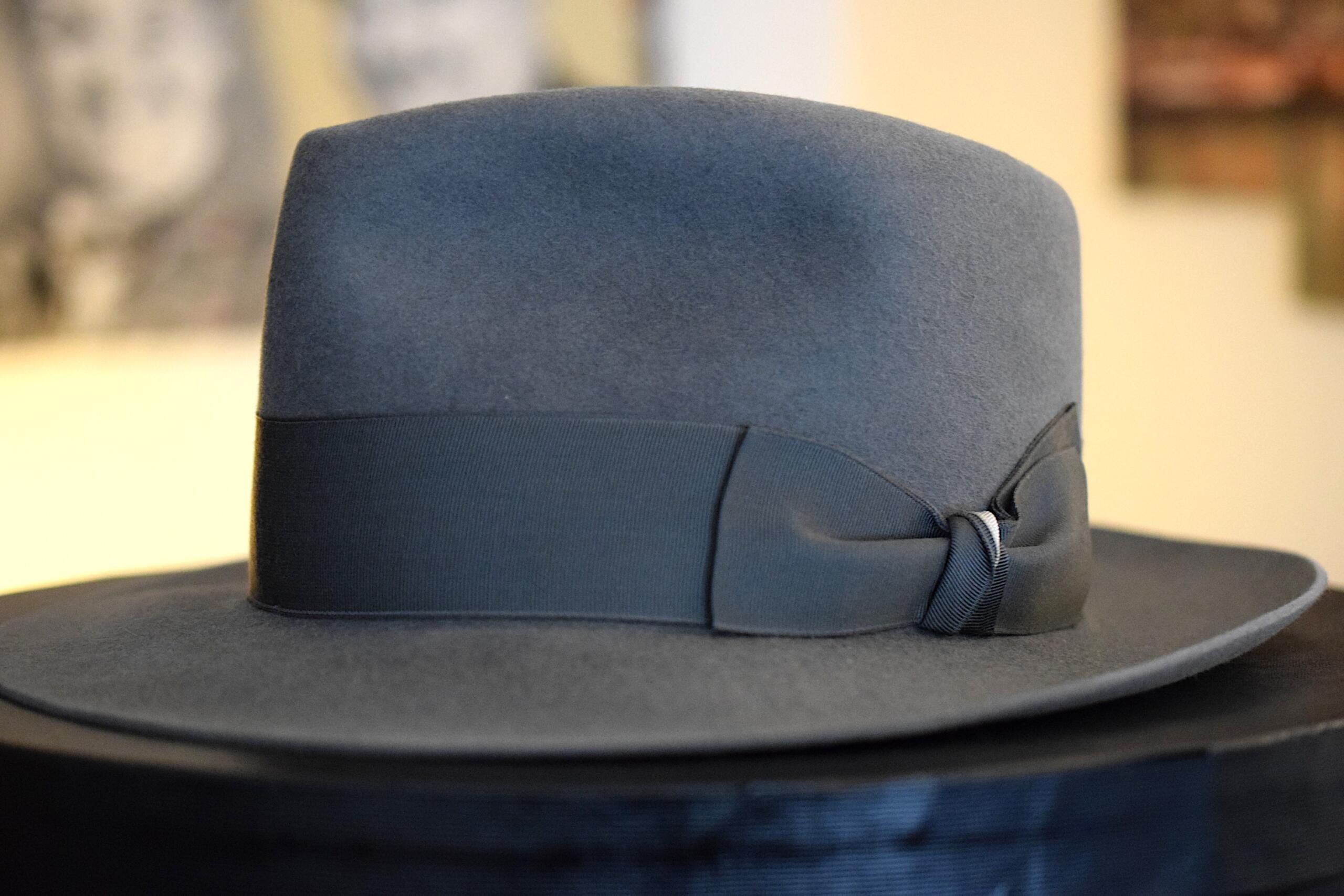
In 1964 an American man owned a hat, knew its size in eighths of an inch, set the brim himself every morning, took it off the moment he went indoors, and had it cleaned and reblocked rather than replaced.
He also knew, without ever having been taught formally, the difference between raising it, tipping it and touching the brim – three distinct gestures meaning three distinct things, understood by everybody who saw them.
Then the hat went, within about a decade, and the gestures went with it. Here are sixteen things every American man knew about his hat, and what is left of each.
1. It Came Off Indoors, and Nobody Had to Think About It
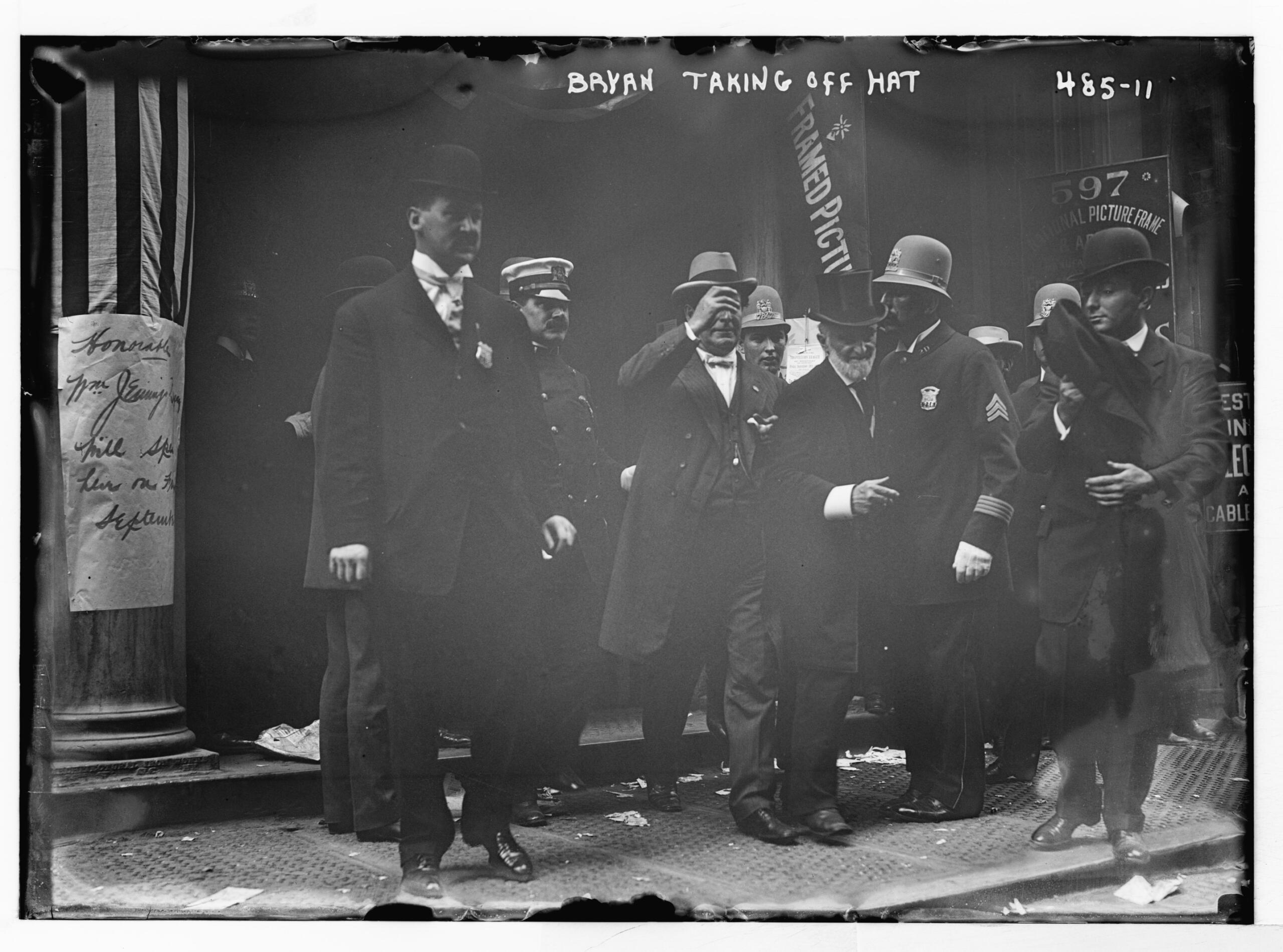
The hat came off on entering a building, a house, a church, an elevator with a woman in it, a restaurant, and anywhere food was served – and it went back on at the door.
Nothing, because there is nothing to remove. The only survivor is the baseball cap, where the question of whether to remove it indoors is now contested rather than settled.
The point about the old rule is that it required no judgement at all. A man did not decide whether this particular room called for it, because the rule was absolute and he had been doing it since he was six. The thinking had been done for him long before, which is the entire advantage of a rule that admits no exceptions.
Like our content? Follow us for more.
2. The Bow on the Band Went on the Left
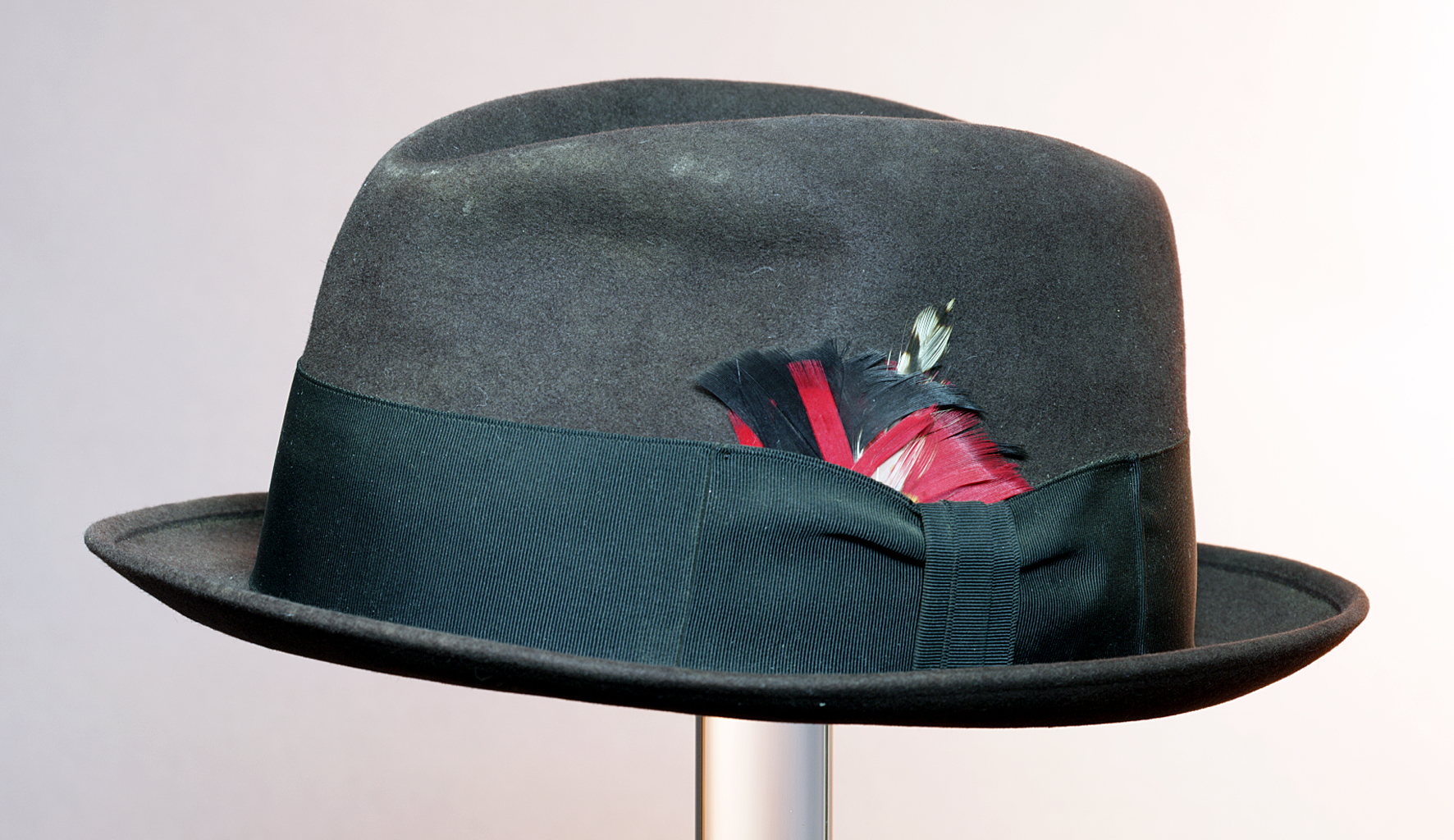
The grosgrain ribbon around the base of the crown had a small flat bow, and the bow belonged on the left side of the head – which is also how you knew which way round to put the hat on.
Nothing, though the detail survives on the hats still made, usually unnoticed by the people buying them.
It was useful rather than decorative, because a soft felt hat is close to symmetrical and genuinely can go on backwards. The bow gave you an instant orientation mark you could find by touch in the dark, which matters when you are putting a hat on in a hallway at five in the morning.
3. You Picked It Up by the Brim and Never by the Crown
Lifting a felt hat by pinching the front of the crown was the mark of somebody who did not own good hats, because repeated pinching in the same place wears the felt thin and eventually breaks it.
Nothing, and the one place the gesture survives is the movies, where actors pinch the crown constantly because it photographs better than the correct grip.
The correct handling was front brim and back brim, two hands, lifted level. It was taught the way any handling instruction is taught – by somebody older saying it once, sharply – and a man who had been told would notice for the rest of his life when somebody else had not.
4. You Knew Your Size in Eighths of an Inch
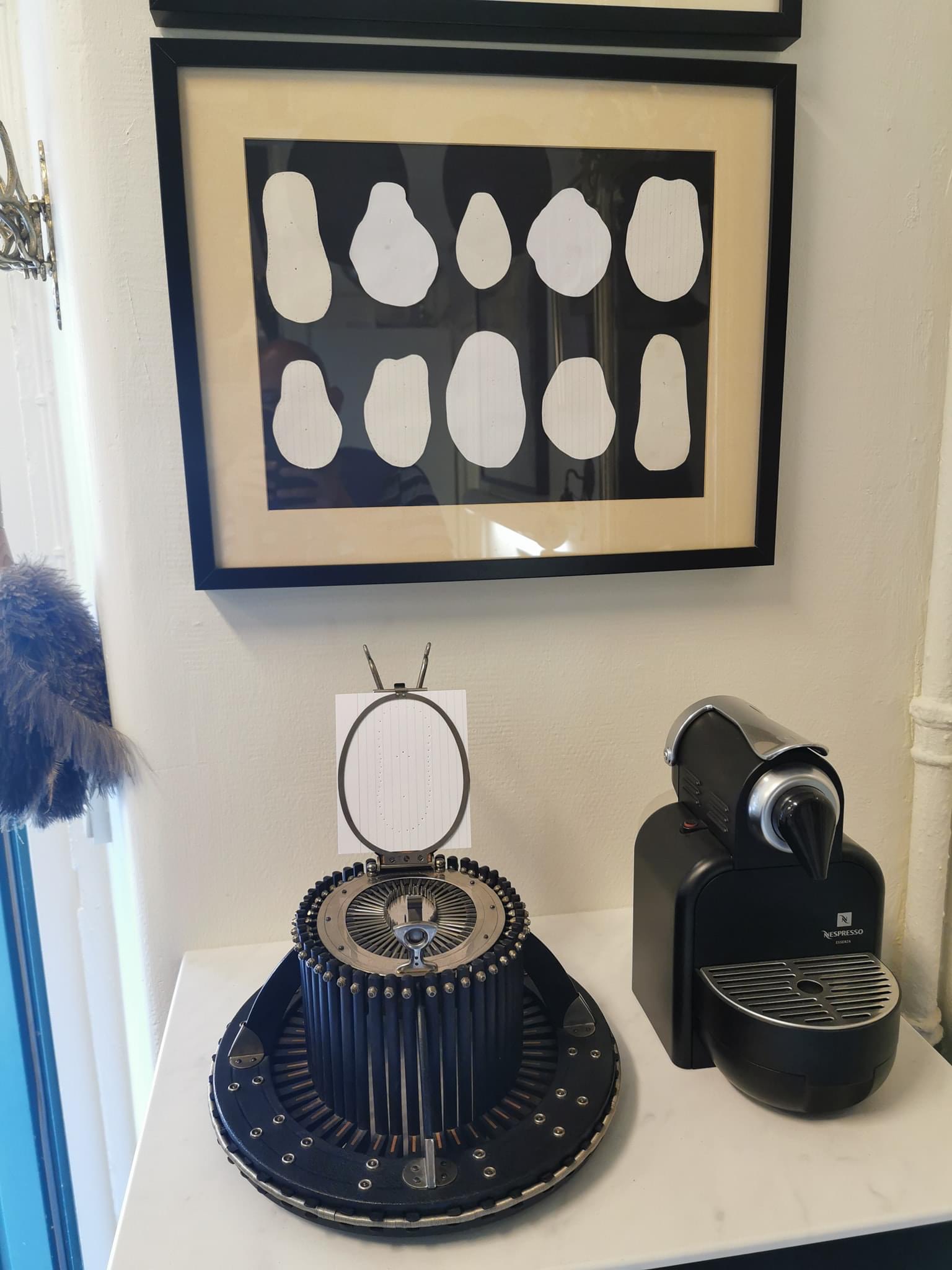
Hats came in sizes – seven, seven and an eighth, seven and a quarter, and so on up – and a man knew his the way he knew his shoe size, because an ill-fitting hat is unwearable.
Small, medium and large, with an adjustable strap at the back doing the work that sizing used to do – which is why nobody now has any idea what their head measures.
The sizing was in eighths because a head will not tolerate much error. A hat slightly too large lifts off in wind and settles on the ears; slightly too small, it leaves a line on the forehead and aches by the afternoon. Eighths is roughly the resolution at which the difference stops being noticeable.
5. The Sweatband Was the Part That Died First
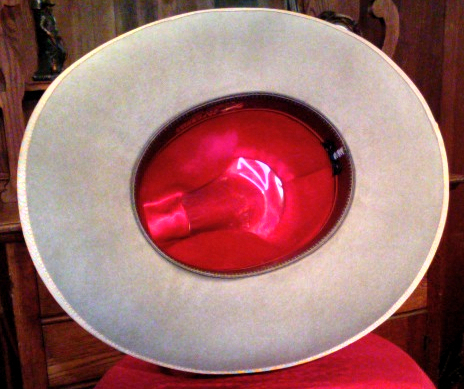
Inside the crown was a leather band against the forehead, and it absorbed everything – which meant it darkened, stiffened, cracked and eventually smelled, long before the felt showed any wear at all.
Nothing, since the garment it belonged to is gone. The underlying problem reappears in every piece of headwear since and is generally solved by replacement rather than repair.
And it was replaceable, which is the part worth noticing. A worn sweatband was a repair job, not a reason to buy a hat, and the trade that did it did so routinely. The object was built on the assumption that its most heavily used component would fail and be renewed several times.
6. You Set the Brim Yourself and It Said Something
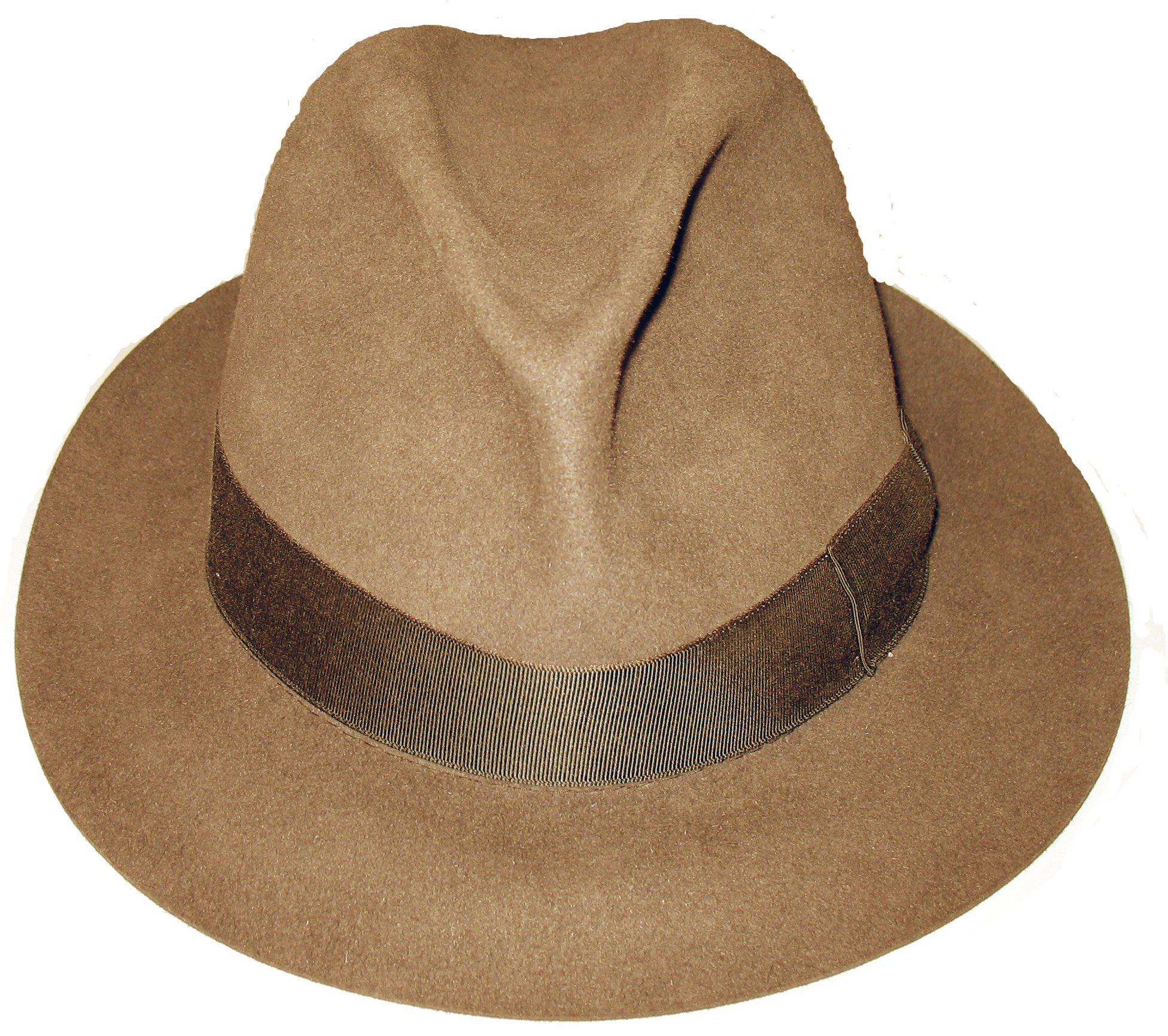
A snap brim could be worn down all round, up all round, or – most commonly – down at the front and up at the back, and the man wearing it set it with his hands each morning.
Nothing. A cap has one shape, arrives with it, and offers the wearer no adjustment beyond which way the peak points.
This was the one genuinely expressive thing about an otherwise standardised object. Two men in identical hats from the same shop looked different because of how each had set the brim, and the setting read as something – careful, rakish, careless, serious – to everybody who saw it, without a word being said about it.
7. Raising It, Tipping It and Touching It Were Three Different Things
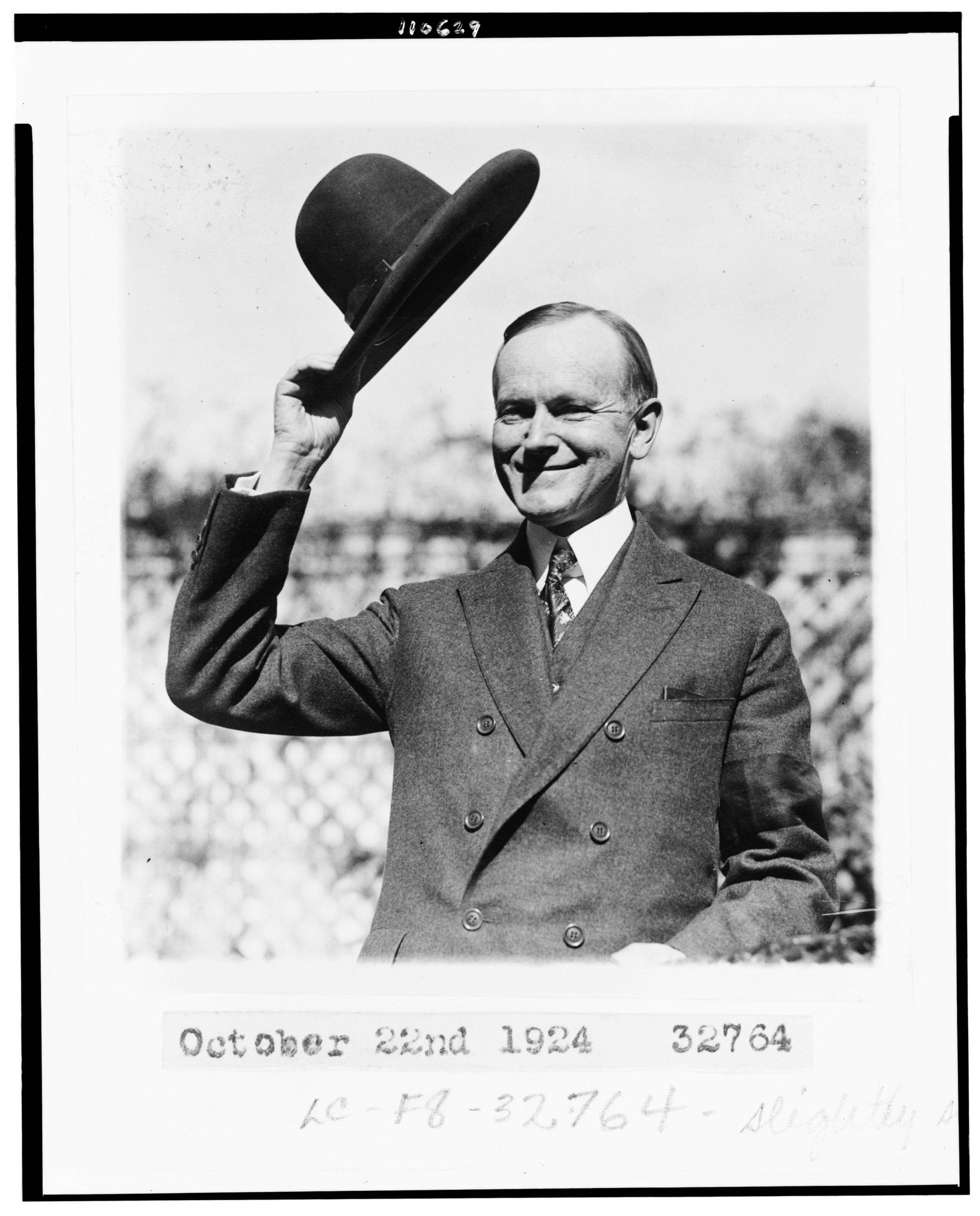
There was a whole graded vocabulary. A full lift off the head and a slight bow was one thing, a tip of the brim between finger and thumb was another, and a touch of the brim without moving it was a third – and the three were not interchangeable.
Nothing, and this is the single largest loss on the list. There is now no physical gesture available to an American man that performs graded acknowledgement without speech.
The grading was the point. You could greet somebody you knew well, acknowledge somebody you barely knew, thank a driver who had let you cross, apologise for brushing past, and mark respect at a funeral, all with the same hand and no words, at five distinguishable levels of formality. That is a remarkably efficient system and it was in universal use.
8. The Crease in the Crown Told People What Kind of Hat It Was
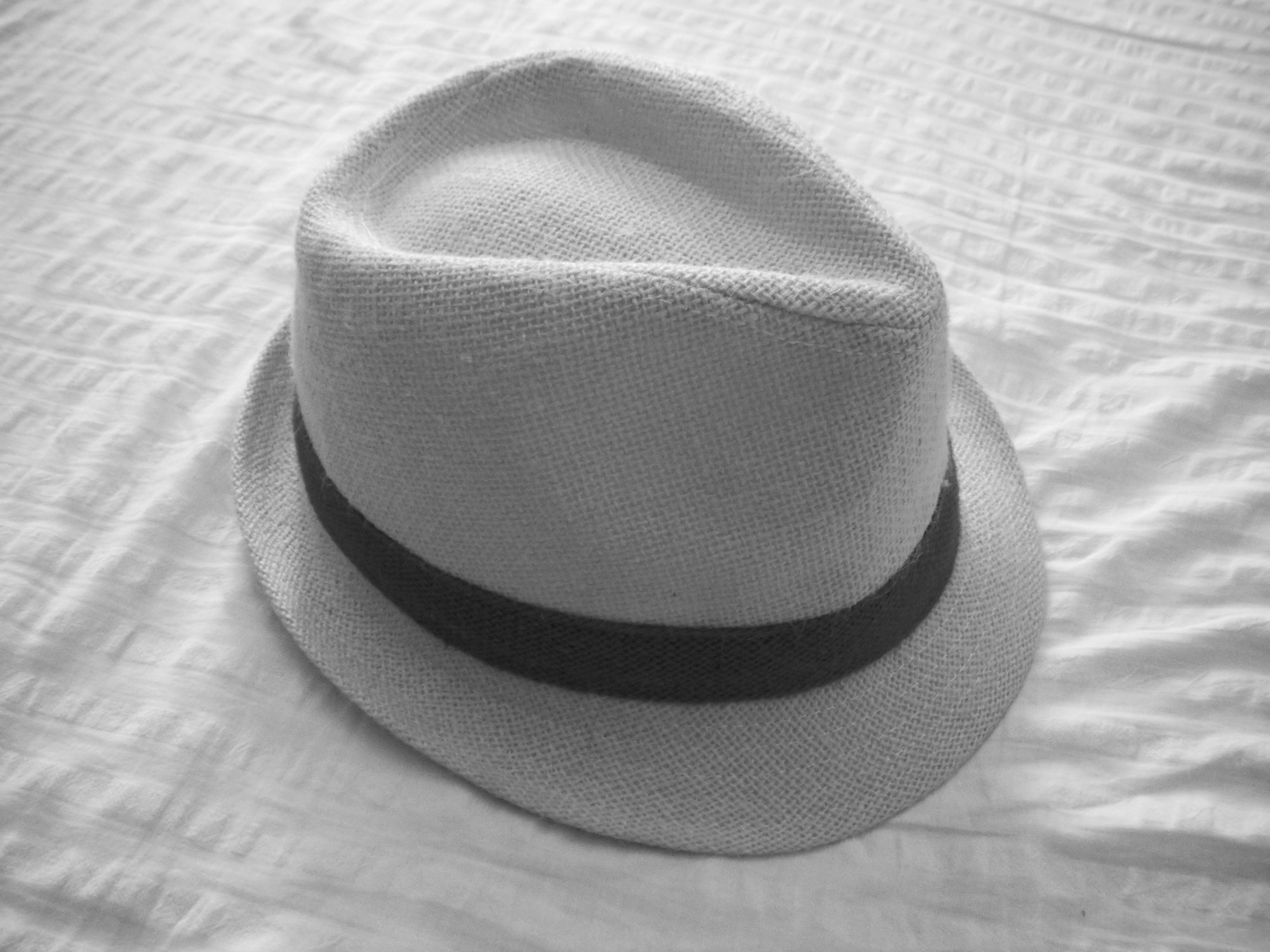
The crown was not a smooth dome. It carried a long dent down the centre with a pinch at each side, or a teardrop-shaped hollow, or a flat top with a sharp edge – and each was a recognised and named style.
Nothing, though the shapes are still produced and are now largely understood as costume references rather than as the ordinary available choices they were.
Men read these at a glance in a way that is hard to convey now. The shape indicated roughly the decade a man had formed his taste in, how formal he thought the occasion was, and frequently what part of the country he was from – and all of it registered before anybody got close enough to speak.
9. Summer Was Straw, and There Was a Date
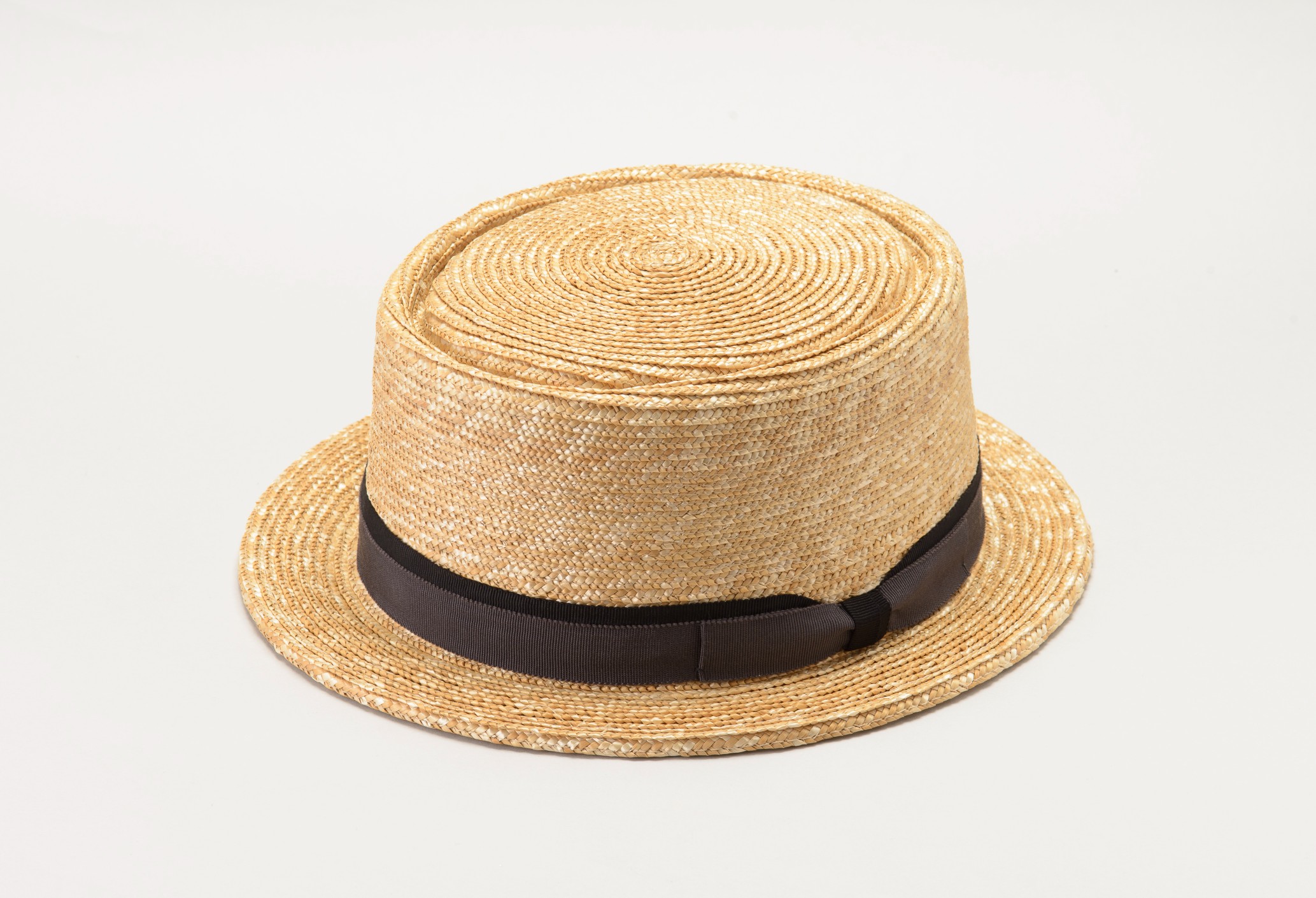
Felt was autumn and winter. Straw was spring and summer, and the changeover was not a matter of personal comfort but a date in the calendar, observed collectively, after which the wrong hat was conspicuous.
Nothing, except in a handful of seasonal dress conventions that survive at particular events and are now treated as charming rather than as ordinary rules.
The collective timing is the part that is hard to imagine. A whole city of men changed headwear within a few days of each other, not because anybody enforced it but because being the only man in felt in May was a thing people noticed – and that shared calendar supported an entire additional category of manufacturing.
10. It Had a Place to Live, and the Bed Was Not It
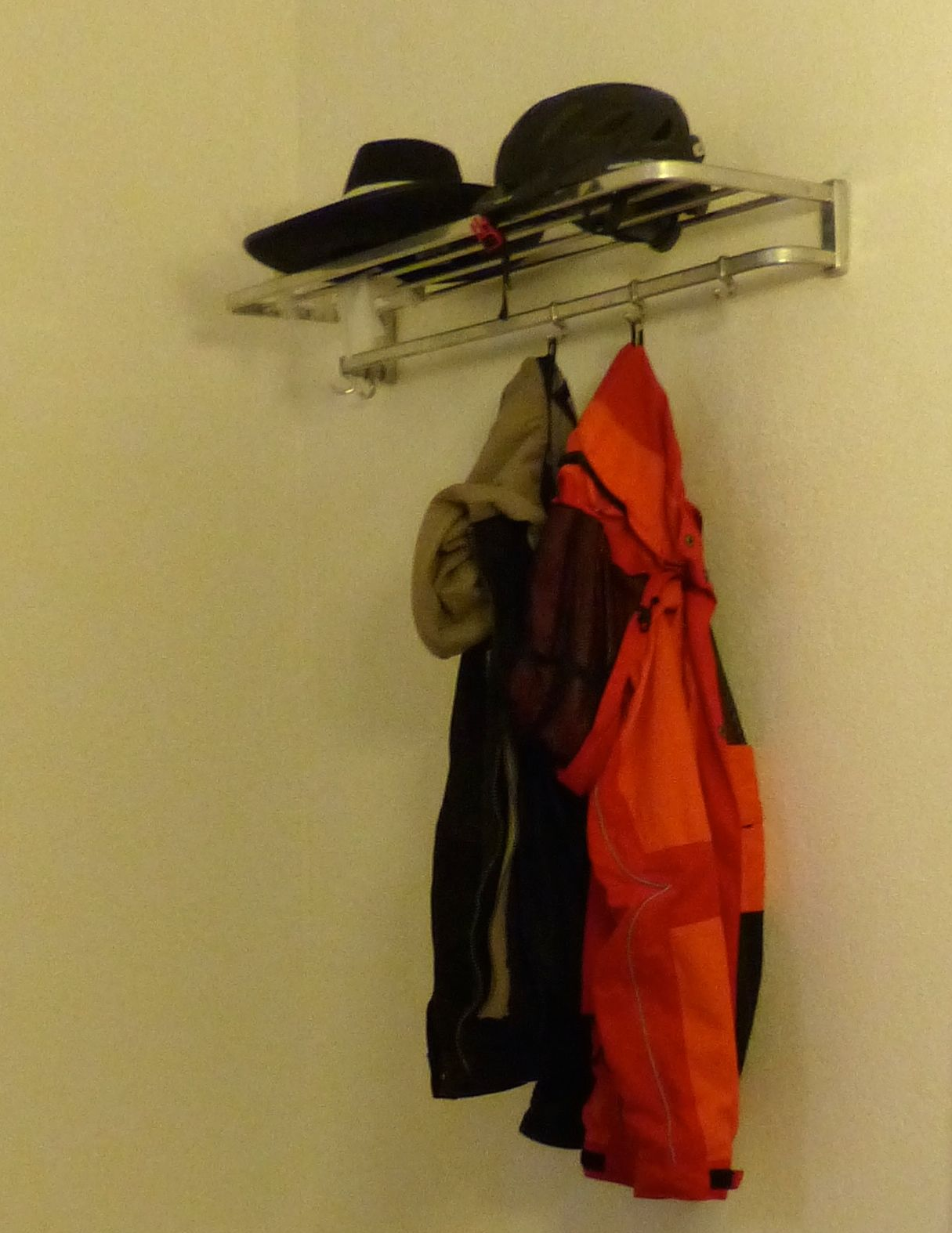
A hat went on a shelf, a hook or a stand, crown up and brim level, and never flat on its crown on a bed – a prohibition every household repeated, part practical and part superstition.
Nothing, because nothing in the house now needs a dedicated resting place of its own. The shelf above the closet rail survives in millions of houses, built for a thing nobody puts there.
The practical half was real: resting a felt hat on its crown flattens the crease and splays the brim out of shape. The superstitious half – that a hat on a bed brought bad luck or worse – was held with genuine conviction in a great many families, and it is the half people remember.
11. Restaurants and Theatres Had Somebody to Take It
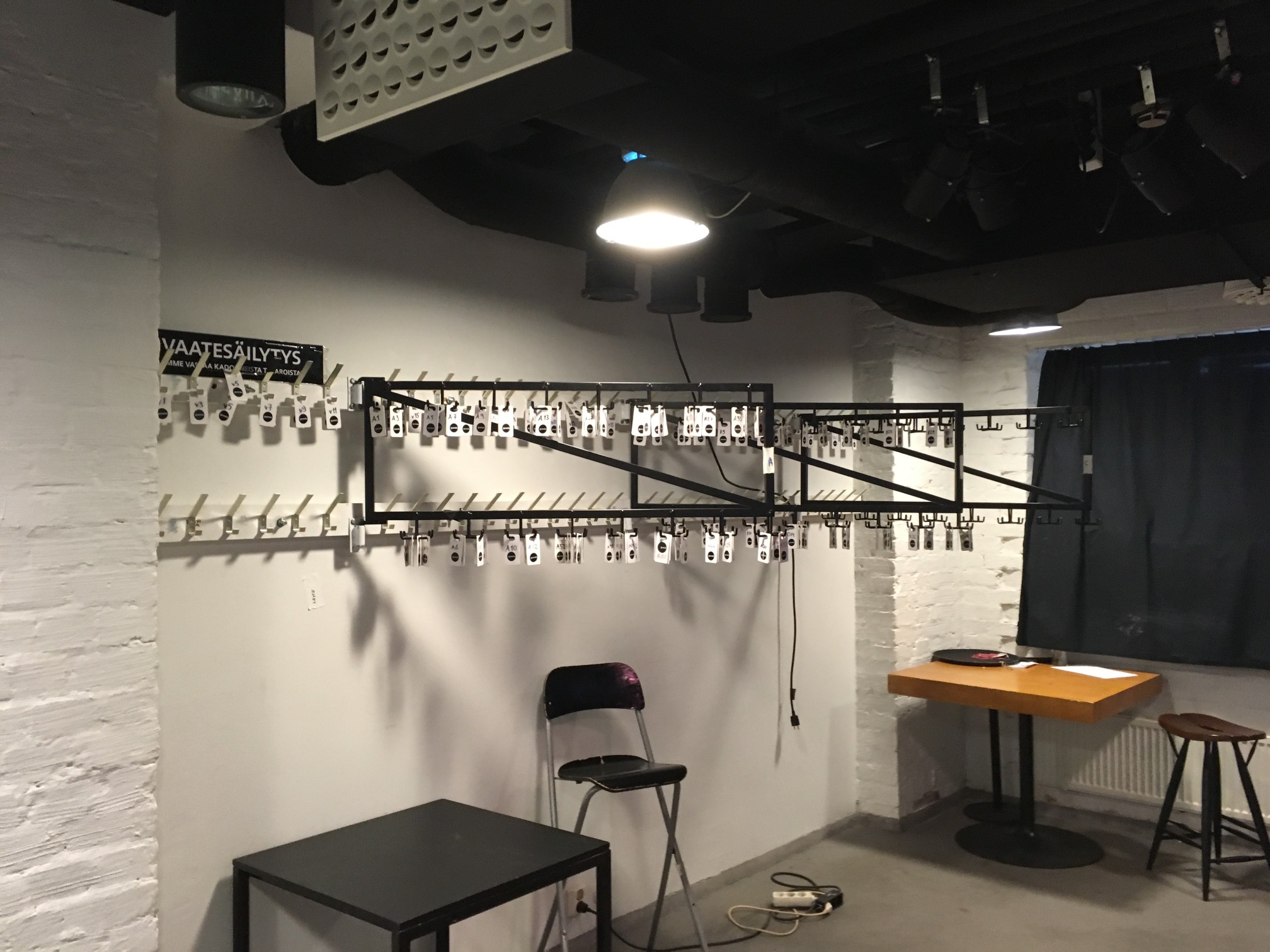
Public buildings had a counter or a window near the entrance where a hat and coat were handed over, numbered, hung on a rail, and exchanged for a paper or brass claim token.
Mostly nothing, with the function surviving in a small number of formal venues. Elsewhere the coat goes over the back of the chair, which is what people do when there is nowhere to put it.
The whole arrangement existed because the rule in the first item made it necessary. If every man must remove his hat indoors, then every indoor place that men enter needs somewhere for several hundred hats to go – so an entire minor occupation existed as a direct consequence of a point of manners.
12. You Had It Cleaned and Reshaped Rather Than Replaced
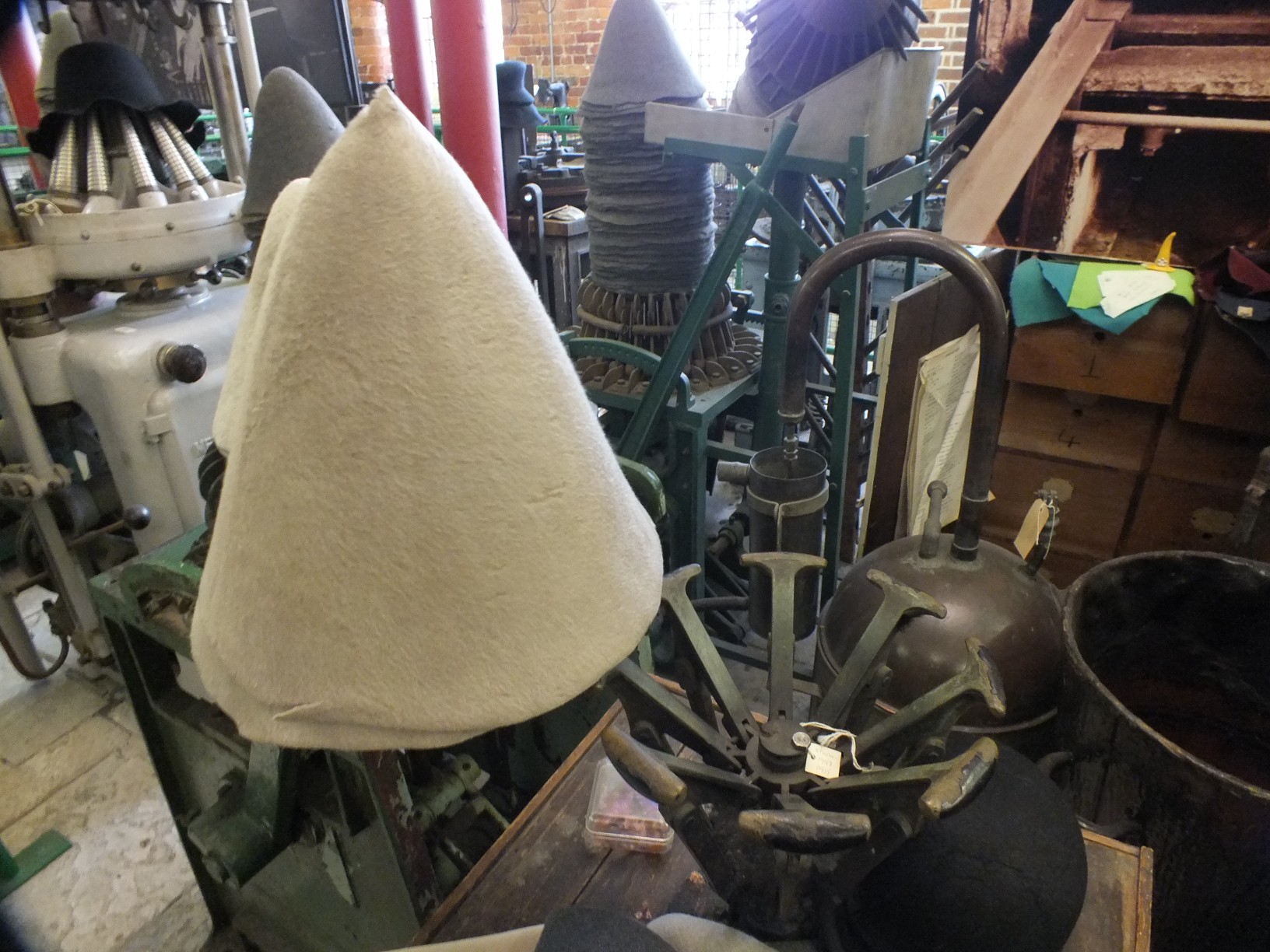
A hat that had lost its shape, been rained on badly or got dirty went to a shop that cleaned it, steamed it back onto a form and returned it looking close to new, for a fraction of the cost of another hat.
Essentially nothing for ordinary headwear. A specialist trade persists for people who wear serious hats by choice, which is a far smaller number of people than once had one cleaned as a matter of routine.
The economics explain the behaviour. A good hat cost a meaningful fraction of a week’s wages and was expected to last years, which made a cheap restoration obviously worthwhile. The repair trade did not vanish because the skill was lost – it vanished because the thing it repaired stopped being worth repairing.
13. The Hat Announced Your Work and Roughly Your Income
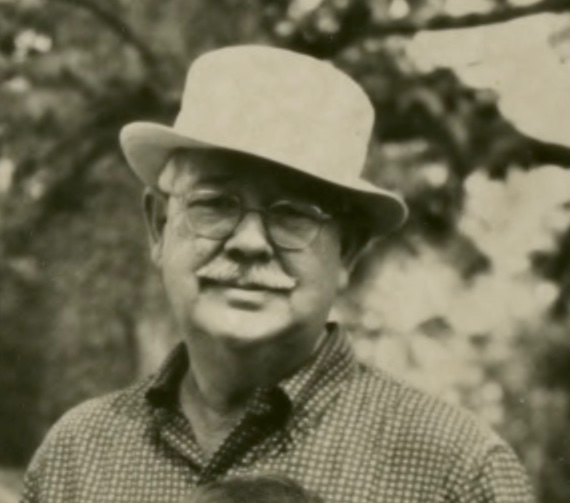
The quality of the felt, the depth of the crown, the width of the brim and the condition of the whole thing placed a man socially and occupationally within a second of being seen, at a distance, from behind.
A far less legible system. Clothing still signals, extensively, but it no longer does so through one standardised object that nearly every adult man owned in a version priced to his means.
Which cut in both directions, and it is worth being honest about that. A legible system is efficient and it is also a system in which a man cannot be anonymous, cannot be between categories, and cannot leave the house without declaring his position to everybody on the street.
14. A Card, a Feather or a Ticket Went in the Band
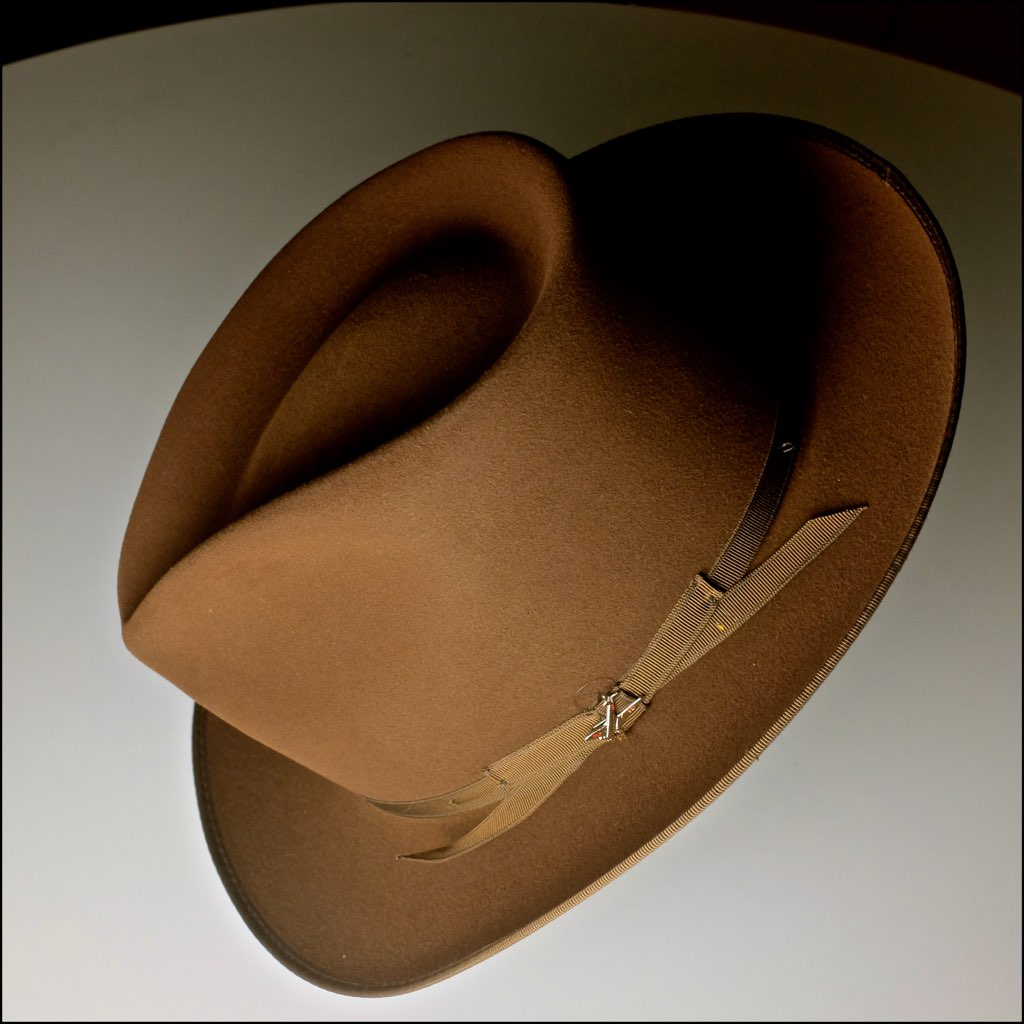
The ribbon’s gap was a convenient slot, and men used it – a small feather, a fishing licence, a race ticket, a press card, a fly, a toothpick, a folded note – which turned a standard object into a personal one.
Nothing, though the equivalent impulse continues in whatever people now attach to the things they carry daily.
The feather was the commonest and the most interesting, because many hats were sold with one and the wearer kept it, replaced it or removed it as a small decision about himself. A hatband accumulated a man’s particular life in a way no mass-produced object is designed to allow.
15. The Car Was Where It All Started to Go Wrong
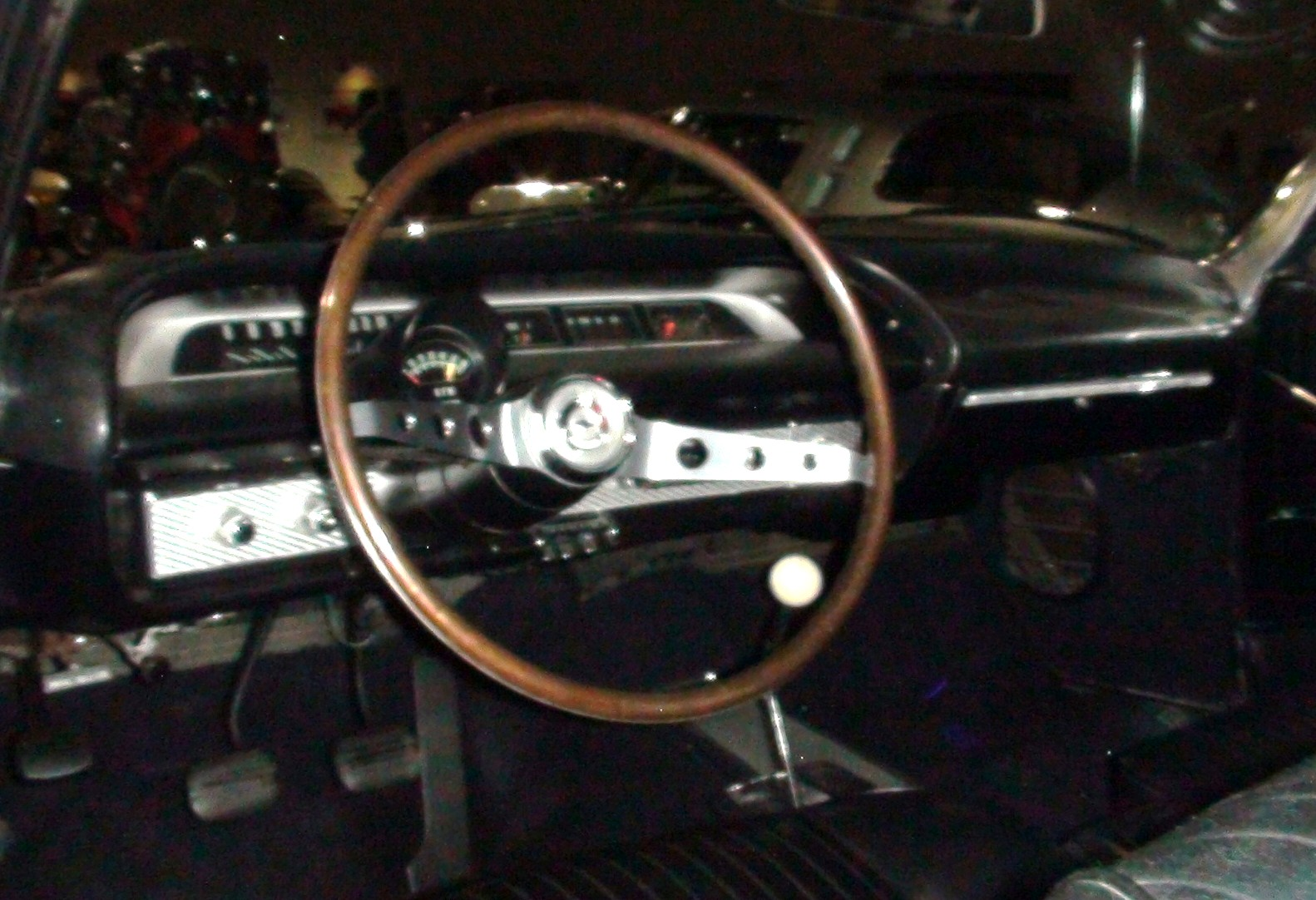
As American cars got longer and lower through the 1950s, headroom shrank, and a man in a full-crowned hat found he could not sit upright in the driver’s seat without the crown against the roof lining.
Nothing to accommodate, because the hat lost. Interior height was never restored and the hat was simply left off, which is a clear case of a vehicle reshaping a point of dress.
And the consequence compounded. A man who drives to work removes his hat getting in, has nowhere good to put it, and arrives without having worn it – so the hat that used to accompany every outdoor journey now accompanies none of them. Walking to the streetcar had kept it on his head for twenty minutes twice a day; driving removed the occasion entirely.
16. Then the Hat Went and Took the Gestures With It
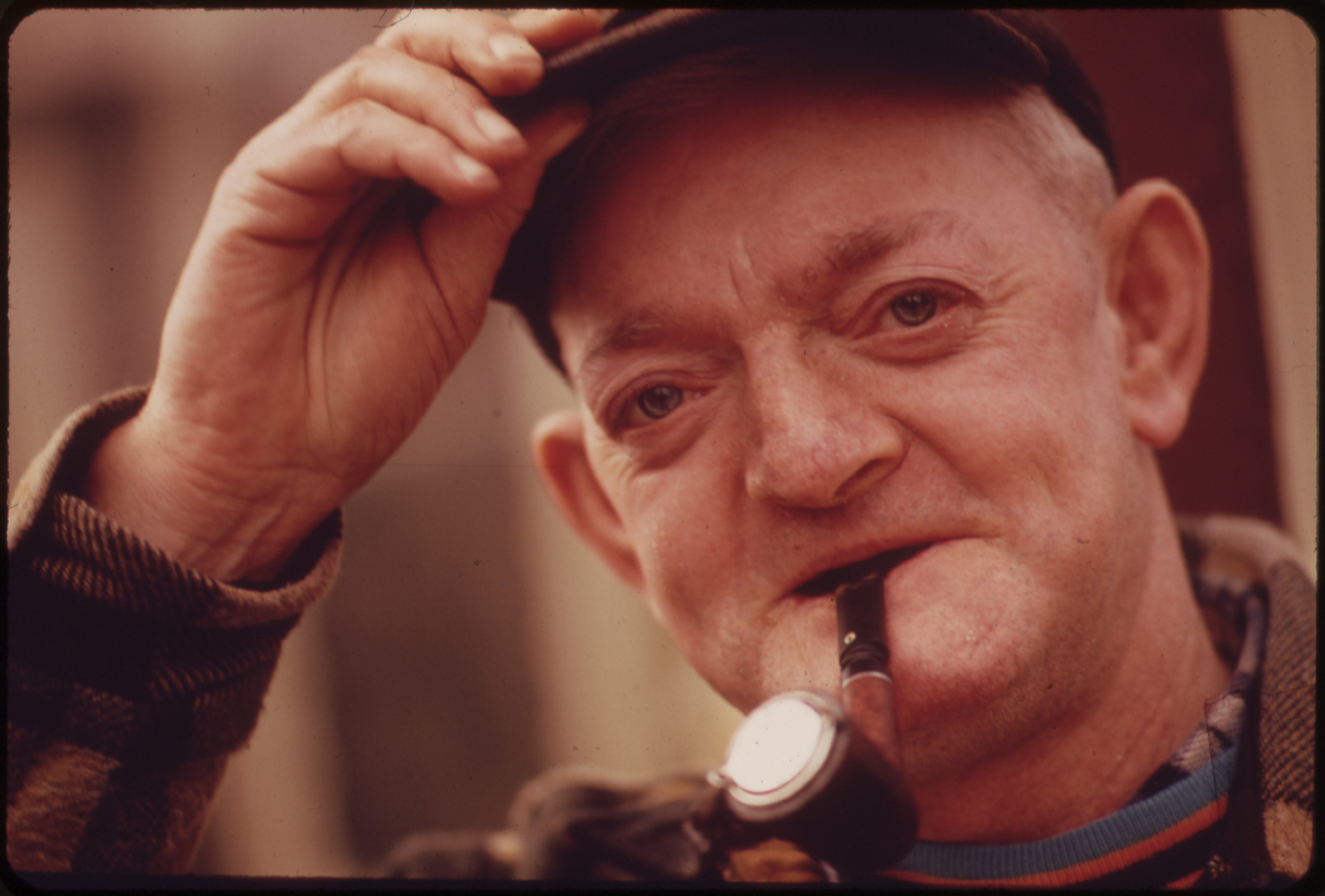
The hat was an object: felt, a band, a sweatband, a size, a shape, a place on a shelf, a shop that cleaned it, and a price that justified keeping it for years.
Nothing of the object survives in ordinary use, and – this is the part nobody planned – nothing replaced what the object was being used for. The gestures went with it.
Because the hat was never really the point. It was the instrument of a complete non-verbal grammar: a lift, a tip, a touch, a removal, each scaled to the occasion, available instantly, requiring no words and working at a distance and across any difference in rank. When the object left, the vocabulary left with it, and nothing came along that does the same work. An American man who wants to acknowledge a stranger respectfully across a street now has a nod and nothing else – one gesture where there used to be five, all of which everybody understood.
What Actually Disappeared Was a Language
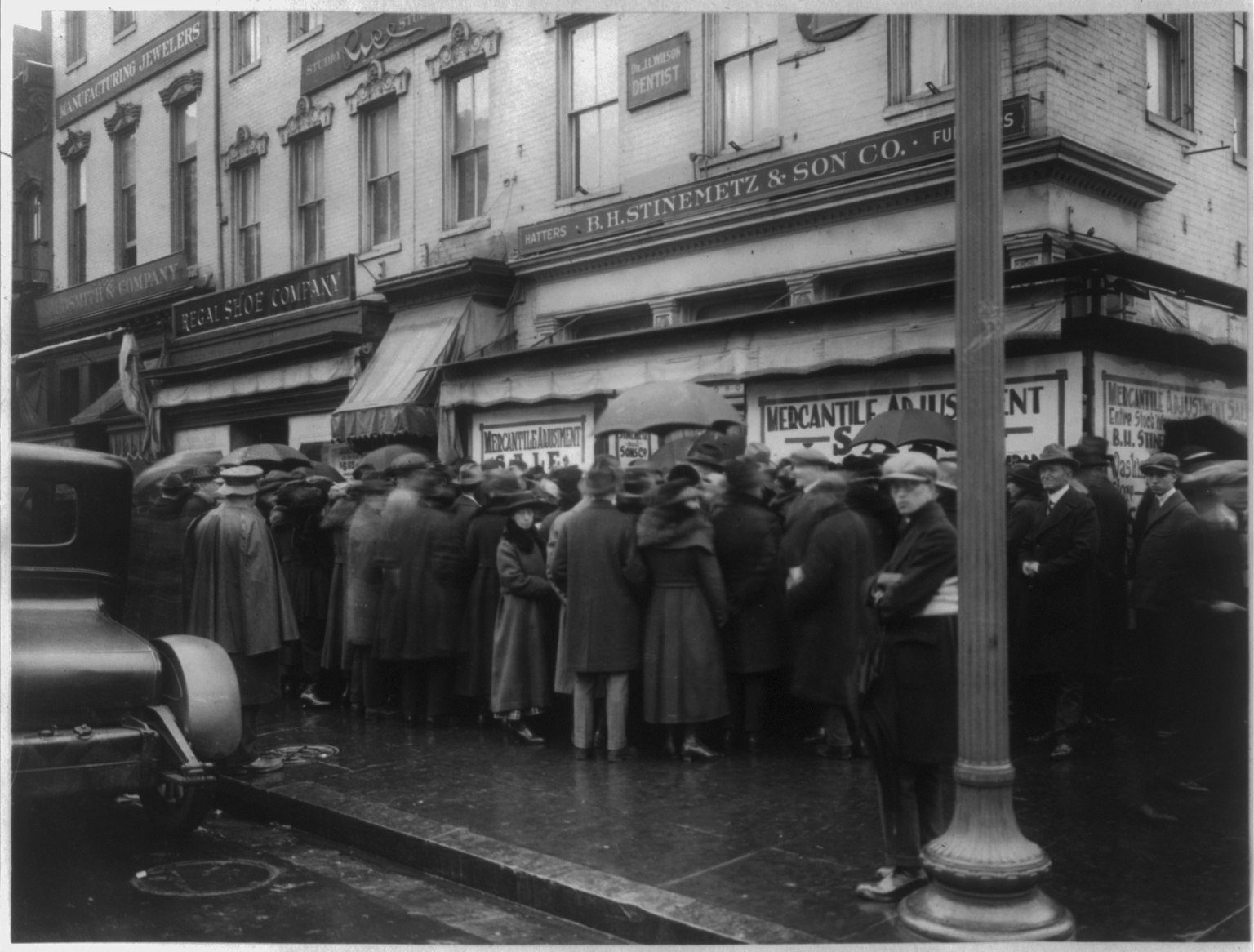
It is tempting to file this under fashion. Hats went out, the way wide lapels went out, and that is the end of it.
That is not what happened, and the list above shows why.
Look at what the object carried. It had a size measured in eighths because a head will not tolerate error. It had a bow on the left so you could orient it in the dark. It had a replaceable sweatband because the maker assumed the hardest-worked part would fail several times during the hat’s life. It had a brim the owner set himself each morning, which meant two men in identical hats did not look identical. It had a crown shape that told anybody looking roughly when a man had formed his taste. And it had a shop that would steam it back into shape for a fraction of what another one cost.
That is a well-designed object with a repair economy around it, and none of it is what mattered most.
What mattered most was that a hat is something you can take off.
An American man in 1964 had five distinguishable gestures available to him, all performed with one hand, all requiring no speech, all working at a distance and across any gap in age or rank. Full removal with a slight bow. A lift. A tip between finger and thumb. A touch of the brim without moving it. And putting it back on, which closed the exchange. He could greet a friend, acknowledge a stranger, thank a driver, apologise for a collision and mark a death, correctly, in each case, without a word.
That was a language. It was learned by watching, held in common across the whole country, and precise enough that getting it slightly wrong was noticeable.
And it was entirely dependent on there being an object on his head.
So when the car got lower and the drive replaced the walk, when the hat came off in the driver’s seat and never went back on, the vocabulary did not migrate anywhere. It was not transferred to another gesture. It simply stopped being available.
What is left is the nod. One gesture where there were five, and no way to grade it.
The shelf is still above the closet rail in millions of American houses, built to hold a hat, holding a box.
If you had one, you know you handled it by both brims and not by the crown, because somebody told you once.
And you can probably still find your size, in eighths, without looking it up.
Like our content? Follow us for more.