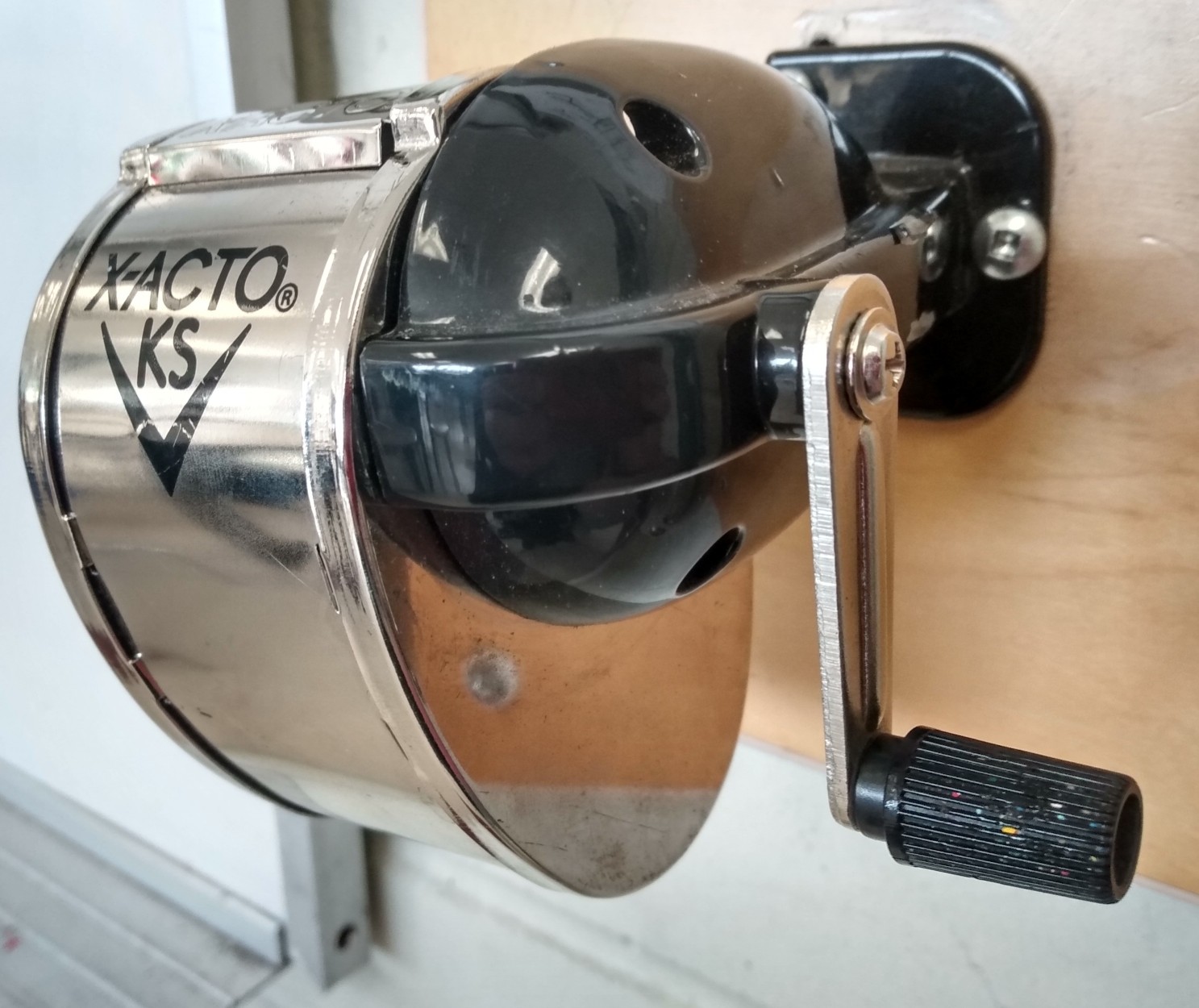
It was bolted to the wall by the window or beside the door, cast iron, painted the same colour as everything else, with a crank on the side and a little drawer underneath.
You raised your hand. You were told to go. And you walked the length of the room, in front of everybody, to turn a handle.
It Was a Serious Machine and It Was Built to Last Forty Years
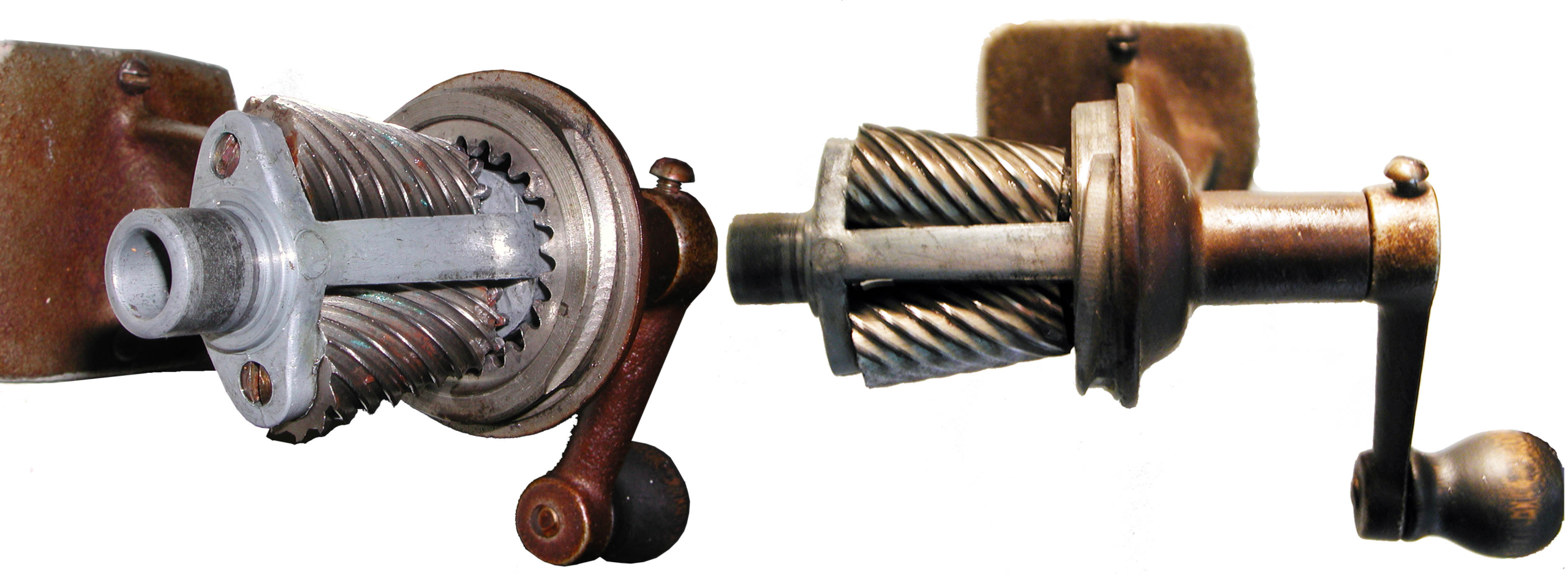
The wall sharpener is a better-engineered object than anything on a desk today, and it is worth looking at how it worked.
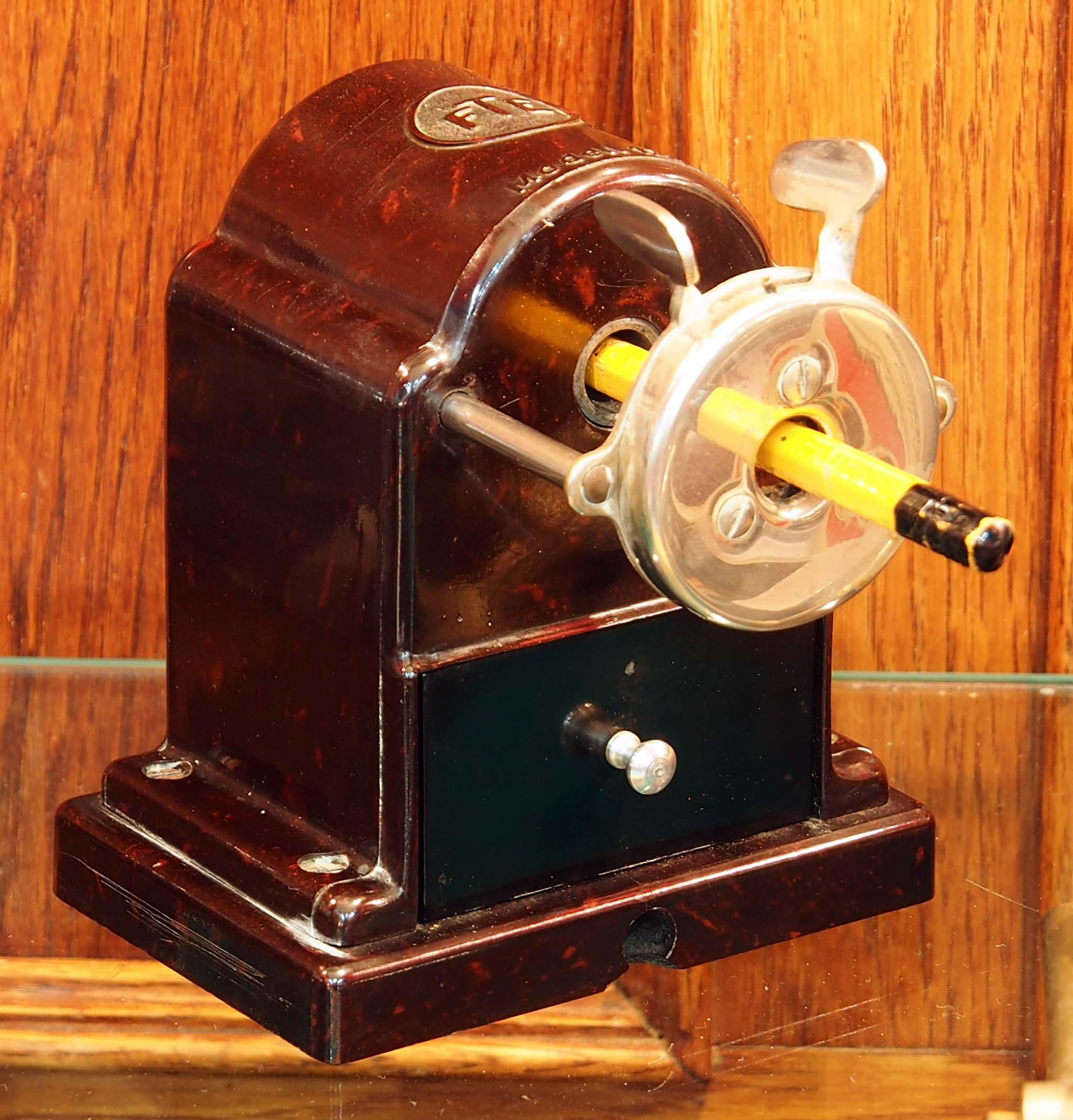
Inside were two helical cutters – spiral steel blades on parallel shafts, geared to the crank, turning towards each other. The pencil was held between them by a spring-loaded clamp, and because the cutters are helical, they shaved the wood progressively along their length rather than scraping at one point. That is why the result was a long, even, concentric point rather than the stubby cone a blade sharpener produces.
The front plate had a rotating dial with holes of different diameters, because pencils were not standardised. You turned the dial to the size that matched, pushed the pencil in, and the clamp gripped it square.
Cast body, steel cutters, a brass bushing or two. Schools bought them once. A great many of the ones installed in the 1950s were still working in the 1990s, and plenty are still working now, which is not a sentence anybody will write about a classroom object bought this year.
Like our content? Follow us for more.
The Drawer Was Somebody’s Job
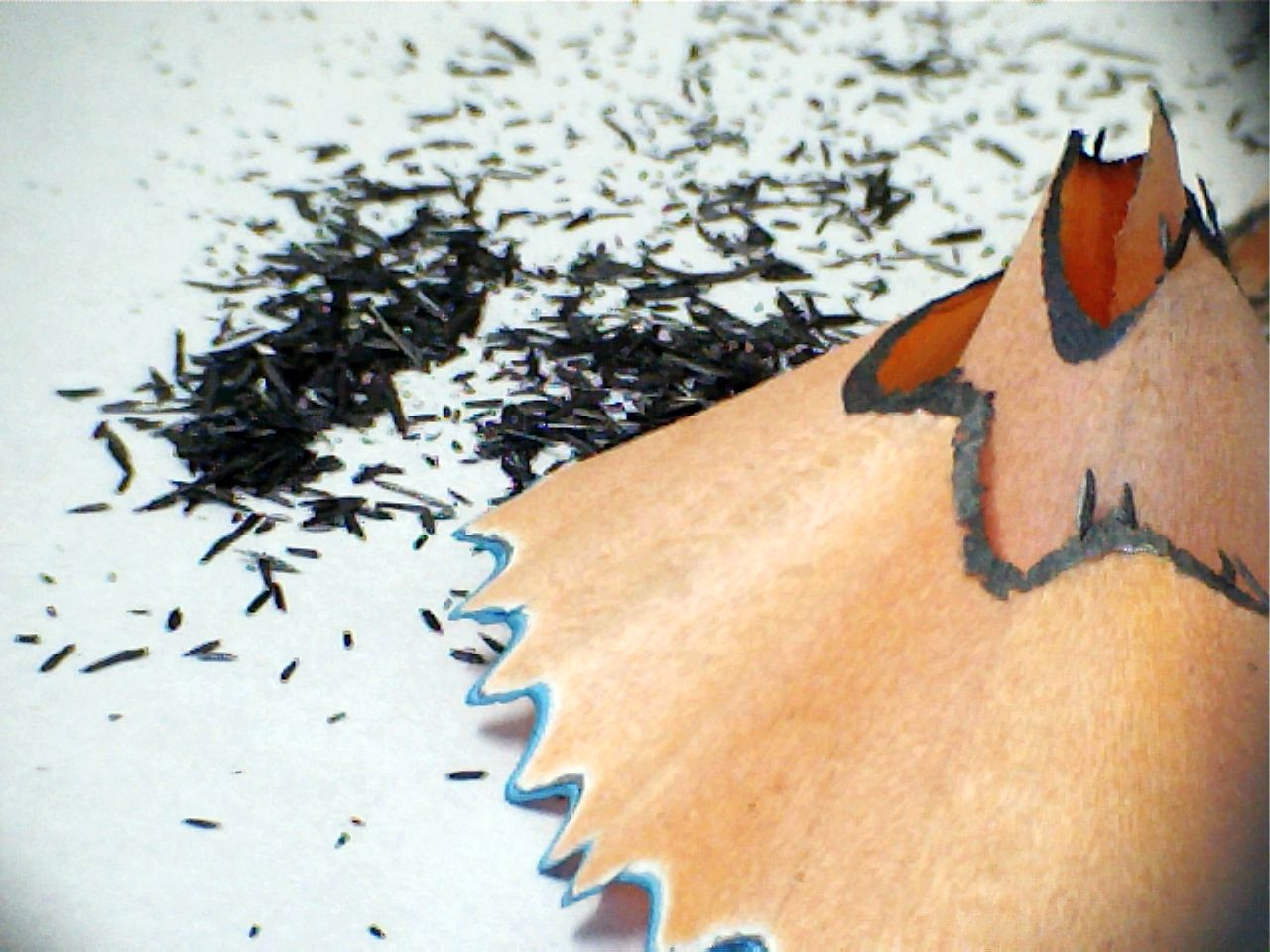
Underneath was a removable receptacle that filled with shavings, and emptying it was a chore assigned to a child.
It needed doing more often than anybody expected, because a classroom of thirty children sharpening pencils produces a surprising volume of wood, and an overfull drawer jammed the mechanism. So the job rotated, or it belonged to one child for a term, and the smell of the drawer – cedar and graphite and a little machine oil – is one of the specific sensory memories of the period.
The shavings themselves had uses. They went into the bin, and in some classrooms into the class hamster’s cage, and at least one generation of children learned that cedar shavings smell good by being handed a drawer full of them.
The Noise Was the Point of Contention
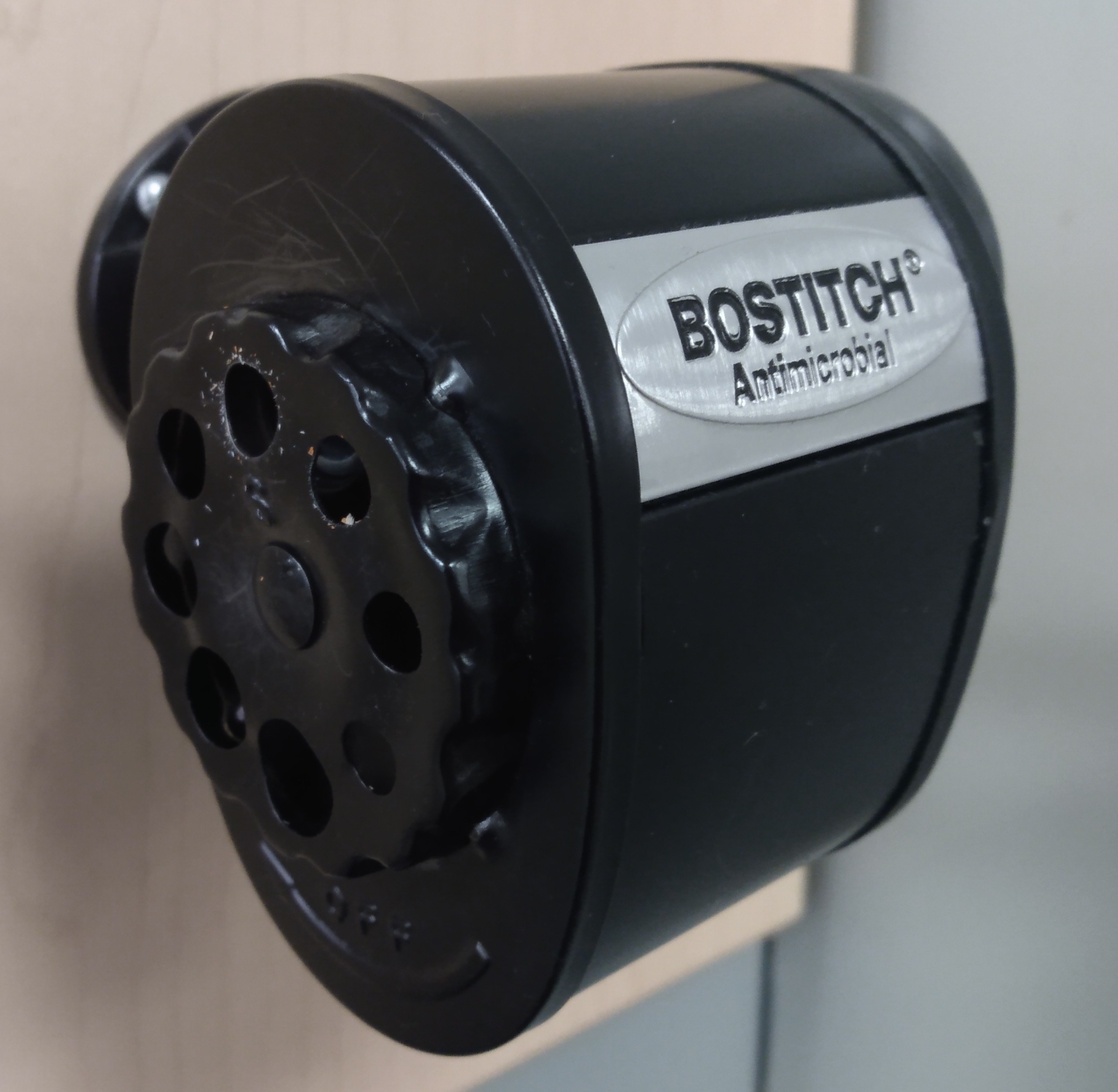
A wall sharpener grinding through a pencil is loud. It is a sustained mechanical crunching that carries across a room and stops a lesson.
That created a standing conflict that every teacher managed differently. Some permitted sharpening only at set times. Some kept a jar of pre-sharpened pencils and a jar for blunt ones so that no child ever approached the machine during a lesson. Some simply tolerated it. And some children discovered, early, that a pencil could be made to need sharpening whenever the situation called for it.
The grinding sound is what people remember most clearly, and it is also what finished the object in a lot of classrooms before anything else did.
What It Was Actually For

Here is the thing that makes the sharpener interesting rather than merely nostalgic.
A child in a 1974 classroom sat in an assigned seat, in rows, for most of the day, and was not permitted to get up. The rules on this were strict and the enforcement was constant. Movement was a problem to be suppressed.
Except that the pencil sharpener was on the wall, and using it was legitimate. It required standing up, walking across the room, standing there for twenty seconds doing something with your hands, and walking back. Nobody could object, because the pencil genuinely was blunt, or could be made so.
So the sharpener was a sanctioned movement break, issued several times a day, disguised as a maintenance task. Children used it that way deliberately and teachers knew they did, and the whole arrangement worked because neither side had to admit what was happening.
It was also, for the same reason, a social device. The walk went past other people’s desks. Two children could arrive at the sharpener at once and have a conversation nobody could prevent. The queue at the sharpener was one of the few places in a classroom where unsupervised talking was structurally possible.
The Pencil Itself Was a Different Object Than It Is Now
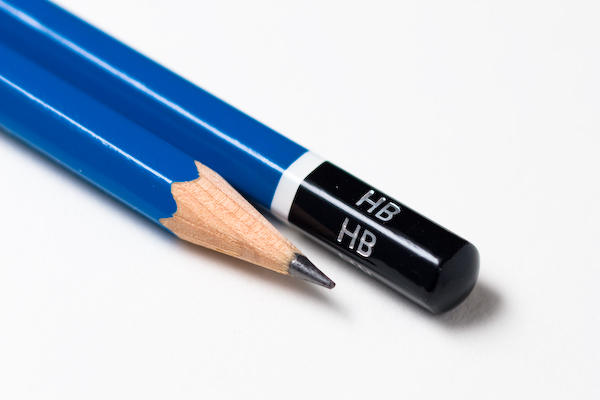
It is worth saying something about what was going into the machine, because the pencil of 1974 was a standardised industrial product in a way it no longer quite is.
It was cedar, or a close substitute, which matters because cedar is soft, straight-grained and splits cleanly – which is exactly what a helical cutter needs. A harder or more fibrous wood tears instead of shaving, and children knew immediately which pencils sharpened well and which ones chewed up in the machine and broke their points on the first stroke.
The leads were graded, and the grade was printed on the shaft. A classroom pencil was a medium grade chosen as a compromise: hard enough not to smudge across a page written by a child resting a hand on it, soft enough to make a dark mark without pressure. Harder grades were for drawing and technical work and were almost unknown in an ordinary classroom.
The pencil was also, in a modest way, property. Children owned their pencils, kept them in a case or a desk, lost them constantly, and borrowed each other’s with a running ledger of who owed whom. A good long pencil had value. A stub too short to hold had none, and the question of how short was too short was argued about, because a sharpener takes a fixed amount off every time and a short pencil goes into it one last time at considerable risk.
Schools issued them in some places and not in others, and where they were issued they came out of a box in a cupboard, unsharpened, in bundles – which meant the start of a school year involved thirty children queuing at one machine, and the drawer being emptied twice in a morning.
Three Things Took It Off the Wall
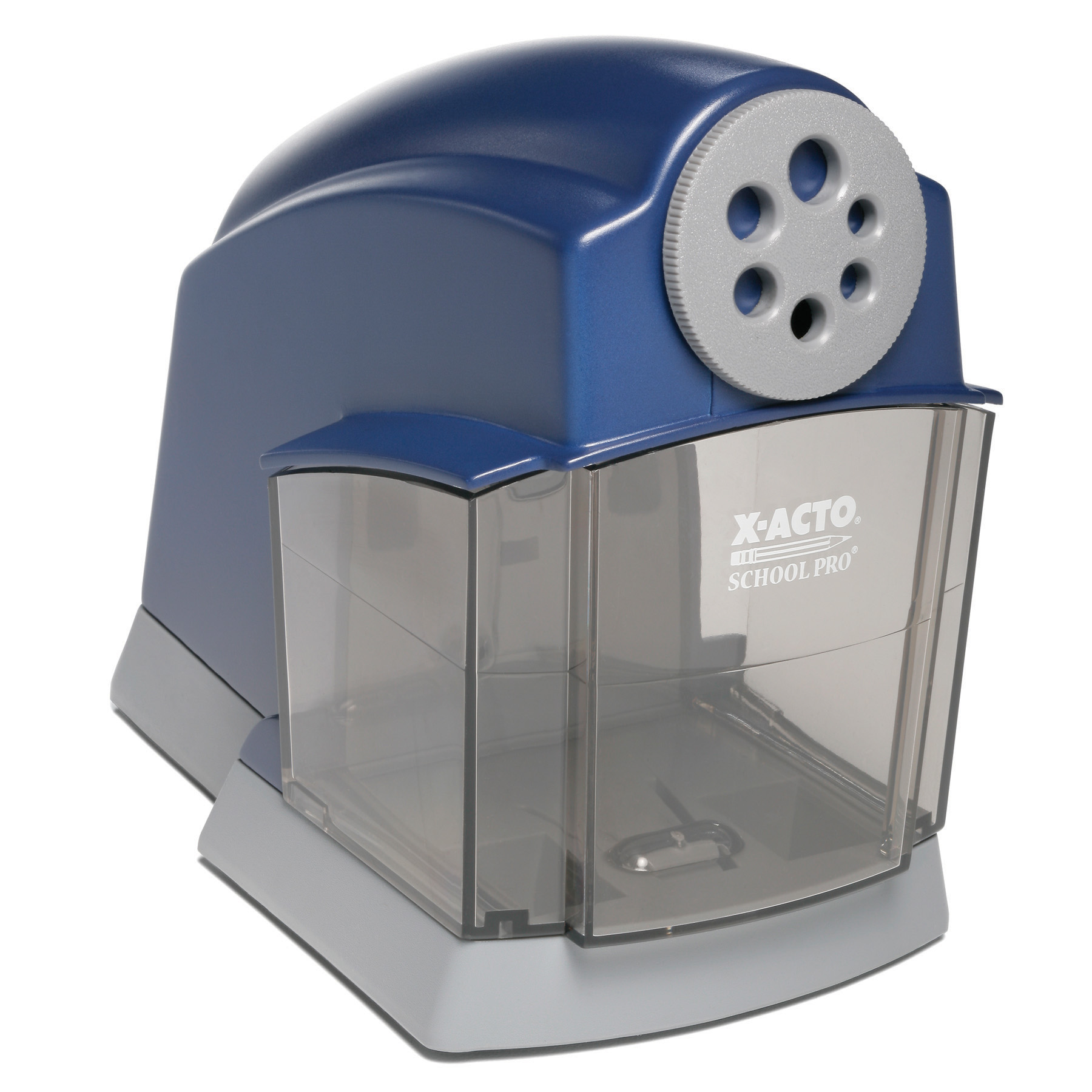
The first is the pencil itself. Mechanical pencils became cheap and reliable, children moved to pens earlier, and by the time a student is working mostly on a device there is nothing to sharpen. The machine lost its reason to exist before anybody decided to remove it.
The second is noise and disruption, which is the reason most often given. Small battery and electric sharpeners moved the operation to a desk or a corner, quieter and faster, with no walk attached – and the walk was precisely the part teachers were trying to eliminate.
The third is that the fixture itself became awkward. A heavy iron object bolted through plaster into a stud is a problem when rooms are reconfigured, and classrooms were reconfigured constantly as furniture moved from rows to groups to flexible arrangements. The sharpener was attached to a wall in a room that no longer had a fixed front.
There Was Always One That Did Not Work
Almost every account of these includes a second sharpener somewhere in the building that everybody avoided.
The failure modes were specific. Cutters go dull, and a dull helical cutter stops shaving and starts crushing, so the pencil goes in and comes out with a splintered end and no point. The spring in the clamp weakens, so the pencil is held loosely and sharpens off-centre, producing a lopsided point with lead exposed on one side only. And the drawer catch breaks, after which the receptacle falls out of the bottom whenever anybody turns the handle hard.
None of those got fixed quickly, because a wall sharpener is not an obvious thing to budget for. It had been there since before the current principal arrived, it had cost almost nothing, and there was no maintenance schedule for an object that was expected to last indefinitely and mostly did.
So schools ran a hierarchy. The good sharpener was in one room and children from other rooms were sent to it, or sneaked to it, and knowing which machine in the building actually worked was a piece of practical knowledge passed between year groups.
The Twist: Schools Spent Thirty Years Putting the Walk Back
The part worth sitting with is what happened next.
Through the following decades, research on attention, concentration and learning converged on a conclusion that would have astonished a teacher in 1974: that children sitting still for long periods learn less, that short physical breaks improve what follows, and that movement is not the opposite of concentration but a precondition for it.
Schools responded with an entire apparatus built to supply exactly that. Movement breaks. Brain breaks. Flexible seating. Standing desks and wobble stools. Permission to work on the floor. Scheduled stretching between subjects. Whole programmes designed, trained and timetabled to get children out of their chairs for a minute at a time, several times a day.
Which is, functionally, what the pencil sharpener had been doing for free.
It is not a perfect equivalence and it would be silly to pretend otherwise. A sharpener break is thirty seconds, it is not available to everybody at once, and it was never designed with anybody’s attention span in mind. The modern version is deliberate, equitable and informed by actual evidence, and that is a real improvement over an accident.
But the accident was doing the job. A classroom with a crank sharpener on the far wall had a built-in, self-administered, socially invisible mechanism for standing up and moving – one that children regulated themselves, according to their own need, without having to ask for anything more than permission to sharpen a pencil.
Then the pencils went away, the walk went with them, and it took a generation of research to work out that the walk had been worth something.
The sharpeners are mostly still on the walls, in older buildings, painted over. Turn the crank and they still work.
Like our content? Follow us for more.