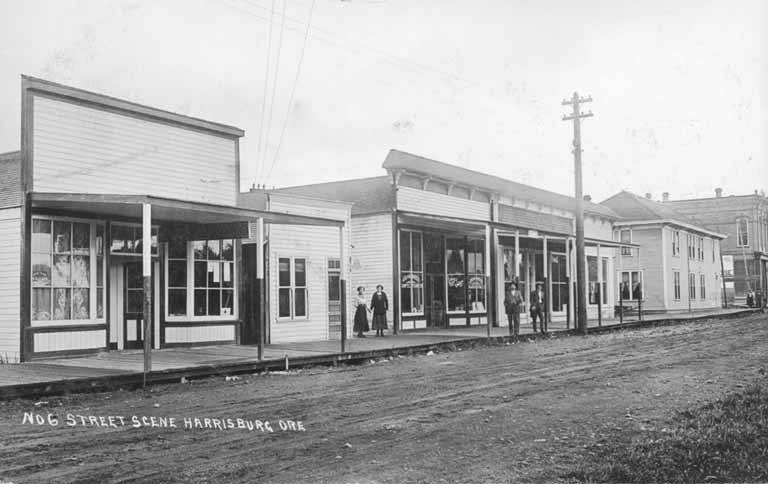
The sidewalk used to be made of boards, raised several inches above the ground on timber stringers, running along the front of the buildings.
That elevation is the entire point. A plank walk does not improve the ground – it lifts the pedestrian out of it, which is a different approach from paving altogether. You were not fixing the street. You were building a bridge over it.
And the street needed one. Unpaved, worked continuously by hooves and iron wheels, it became a churned soup deep enough to lose a boot in and in places deep enough to bog a wagon to the axles – mixed with everything the town’s horses had left on it. The walks ran along each side and stopped at the corners, so crossing meant stepping stones, a plank, or wading. Here are sixteen things every town knew.
1. The Sidewalk Was Made of Boards
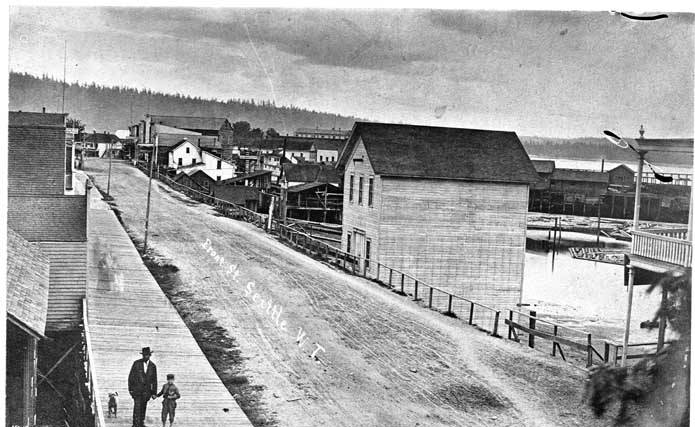
Before concrete, town footways were planks laid on timber stringers, raised several inches above the ground, running along the front of the buildings on each main street.
Poured concrete, with wooden footways surviving only in boardwalks built for other reasons.
The elevation is the whole point and it is why it was built at all. A board walk raises a pedestrian out of the mud rather than improving the ground, which is a fundamentally different approach from paving – you are not fixing the street, you are building a bridge over it.
Like our content? Follow us for more.
2. The Street Itself Was Dirt
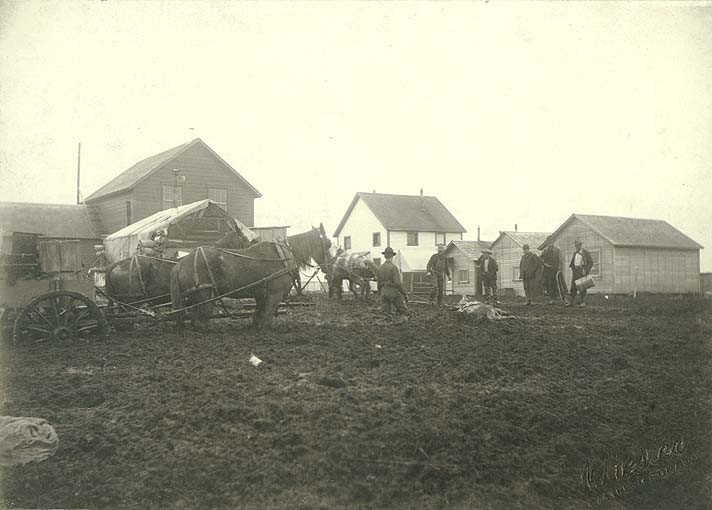
Alongside that walk was an unpaved road surface which in wet weather became deep soft mud and in dry weather became deep soft dust.
Paved streets, graded, drained and surfaced.
Understanding the mud properly is necessary to understand everything else. This was not a damp track – it was a churned soup, worked continuously by hooves and iron wheels, deep enough to lose a boot in and in places deep enough to bog a wagon to its axles.
3. Crossing the Street Was a Separate Problem
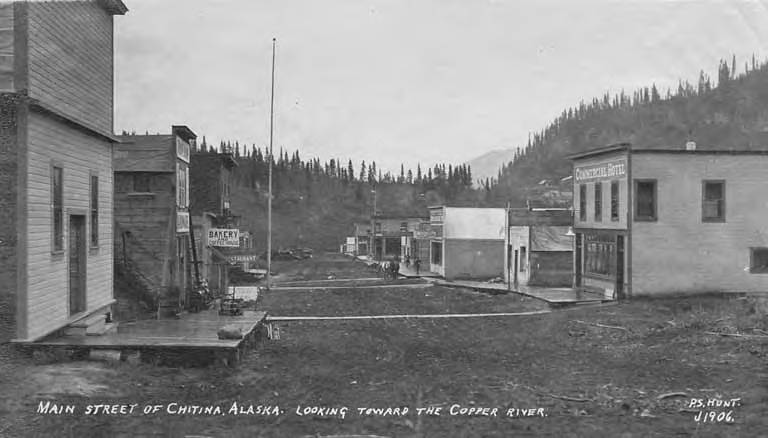
The walks ran along each side and stopped at the corners, so getting across required stepping stones, a plank crossing, or simply wading.
Not applicable. A street is crossed by walking on it.
The crossing is the gap in the system and everybody who lived with it remembers it. A raised walk solves the problem of walking along a street and does nothing whatever about walking across one, which means the corner was where the mud was unavoidable.
4. Skirts Made It Much Worse
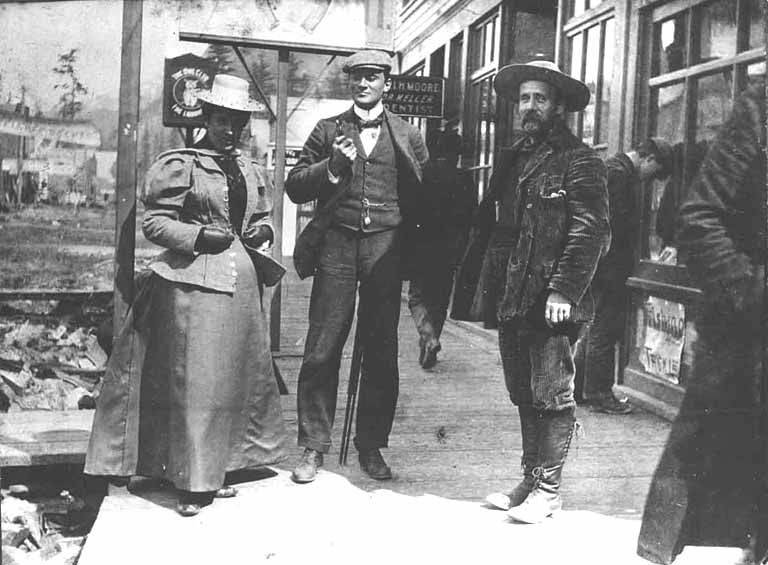
Long skirts in general wear meant a woman crossing a muddy street soiled her hem immediately, and the practical consequences of that were considerable.
Not applicable.
This is the point at which the mud stops being picturesque. A floor-length garment in a muddy street is ruined in one crossing, which has to be cleaned, which is a day’s work – so the condition of a street determined whether a woman could go out at all, and that is a real constraint on half the population.
5. Boots and Scrapers Were Necessary Equipment
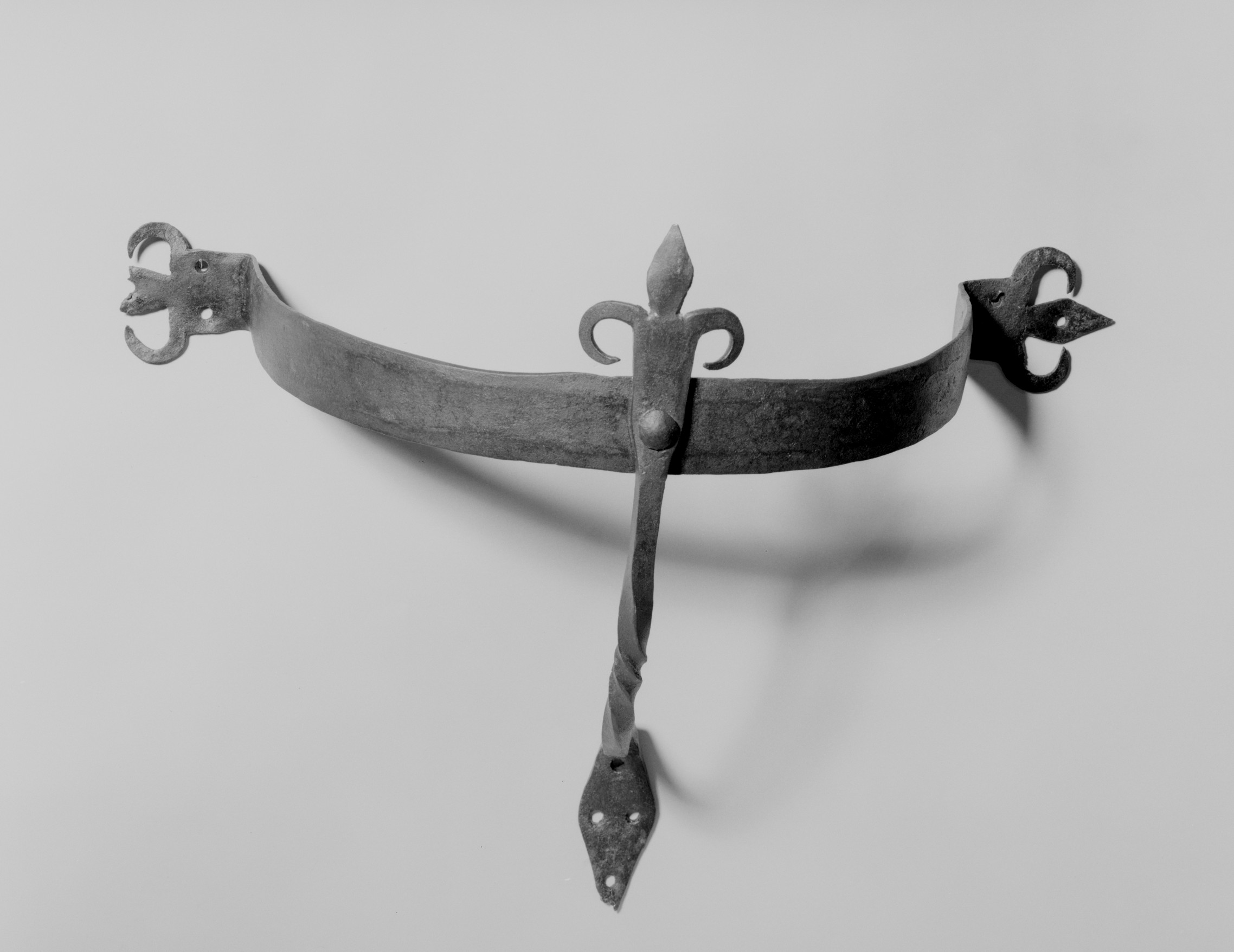
Heavy boots, overshoes, rubbers and pattens were worn against the mud, and every doorway had a scraper outside it and a mat inside.
Not applicable in most places.
The threshold equipment is the giveaway. A boot scraper set in a step is not a decorative detail – it is a necessary fixture in a place where everybody arriving has mud on their feet, and its presence on old buildings tells you what the street outside was like.
6. The Boards Rotted and Were Dangerous
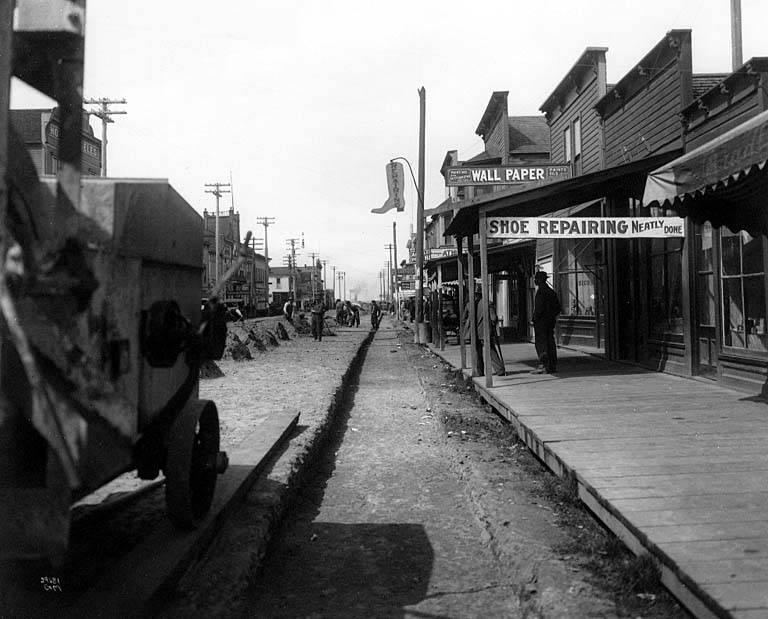
Timber laid on the ground, wet most of the year, rots from underneath, and a plank walk developed soft boards, broken boards, missing boards and protruding nails.
Not applicable.
The maintenance burden was continuous and the hazards were real. A rotten board that gives way under somebody’s weight is an injury and a liability, and municipal records of the period are full of the resulting claims – which is part of why towns eventually wanted something permanent.
7. Each Owner Built His Own Stretch
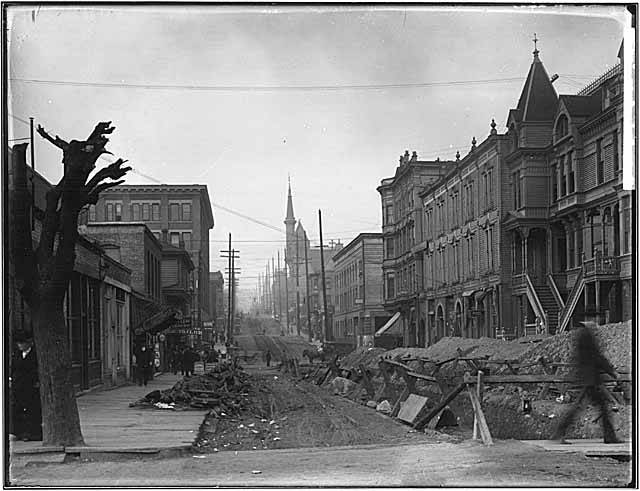
Walks were frequently the responsibility of the adjoining property owner, which meant each length was built when that owner got round to it, at whatever height and quality he chose.
Municipal construction to a uniform specification.
Divided responsibility produced exactly what you would expect. A main street walk made of individually built sections is a series of steps up and down, different widths, different board directions and different states of repair – and the joins between properties were where people tripped.
8. It Was Noisy and Everybody Could Hear You
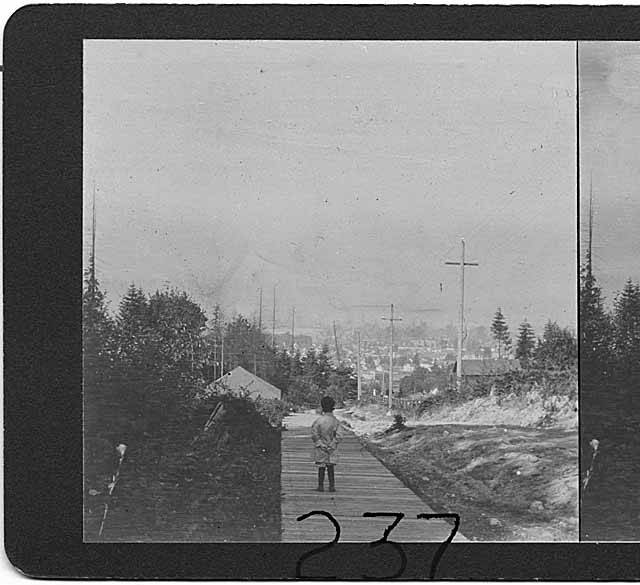
Boards on stringers drum under footsteps, so the walk announced every person passing, and the sound differed with the weight and the pace of the walker.
Not applicable. Concrete is silent.
The acoustic detail is one people remember with unexpected fondness, and it had a function. A shopkeeper inside knew somebody was coming before they arrived, a household knew who was on the walk at night, and the sound of a town’s main street was partly made of its own pedestrians.
9. Animals Made the Street Filthy as Well as Muddy
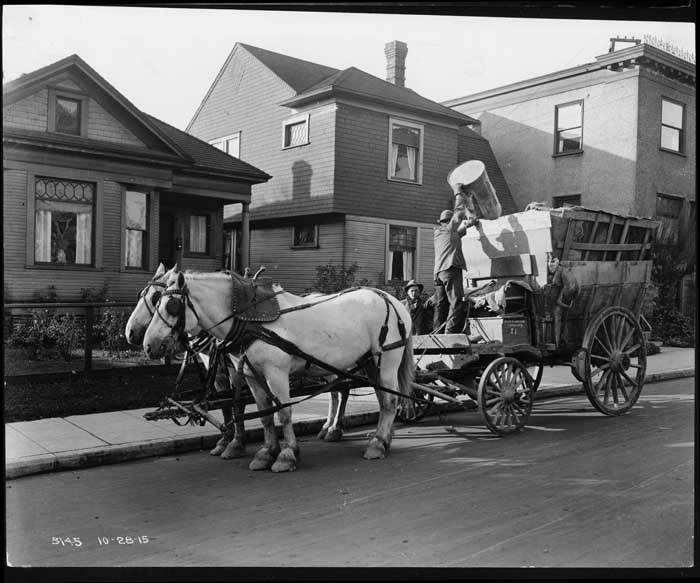
Every vehicle was animal-drawn, which meant the street surface carried a continuous deposit mixed into the mud.
Not applicable.
This has to be stated plainly rather than left out, because it is the real reason the raised walk mattered so much. The problem was not simply wet ground – it was wet ground mixed with everything the town’s horses had left on it, which is a sanitary matter rather than an inconvenience.
10. Wet Weather Could Effectively Close a Town
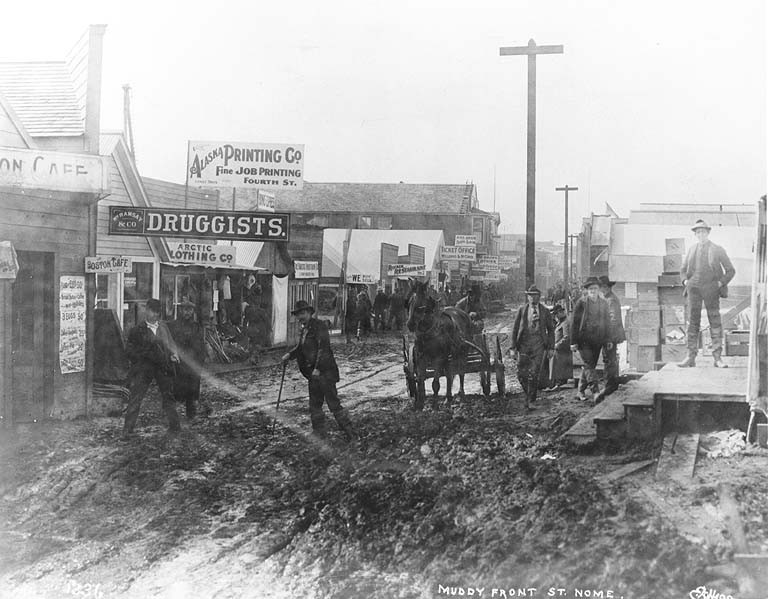
Heavy rain or a spring thaw made streets impassable for loaded wagons, which meant deliveries stopped, farm families could not get in, and business simply paused.
Not applicable.
Impassability on a known schedule is a thing modern readers do not expect. A town whose streets become unusable every spring has a commercial calendar shaped by mud, and merchants planned their stock and their credit around weeks when nobody could reach them.
11. Plank Roads Were Tried for the Streets Too
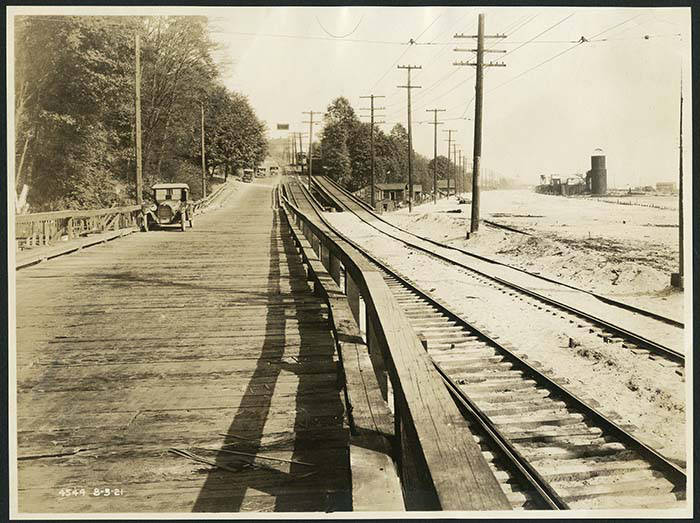
Some places laid timber across the roadway itself, which worked initially and then warped, rotted, broke and became worse than the mud it replaced.
Not applicable.
The failure of plank roads is instructive about why wood lost. Timber in contact with wet ground and under the weight of iron-tyred wheels has a short life, and a plank surface that has begun to fail is a genuinely dangerous place for a horse to put a foot.
12. Then Concrete and Brick Replaced the Boards
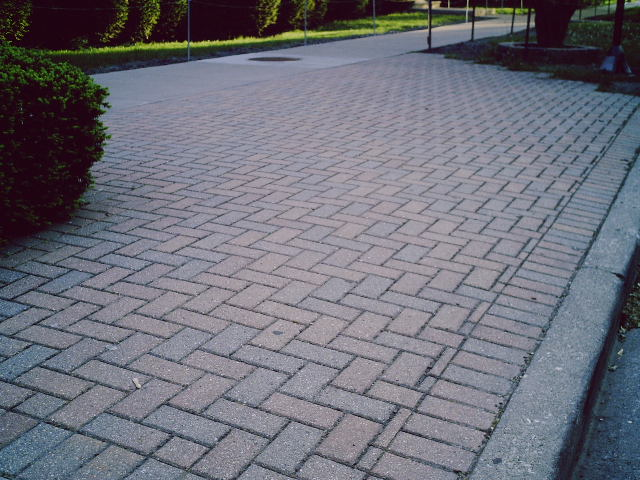
Towns began building footways in brick, stone flags and then poured concrete, which is permanent, uniform, quiet, maintenance-free by comparison and does not rot.
Universal.
Concrete wins on everything that mattered and there is no case to be made for the boards against it. It lasts decades, it is level, it carries no protruding nails, it does not give way under anybody, and it is laid by the municipality to one standard across a whole street.
13. Then the Streets Themselves Were Paved
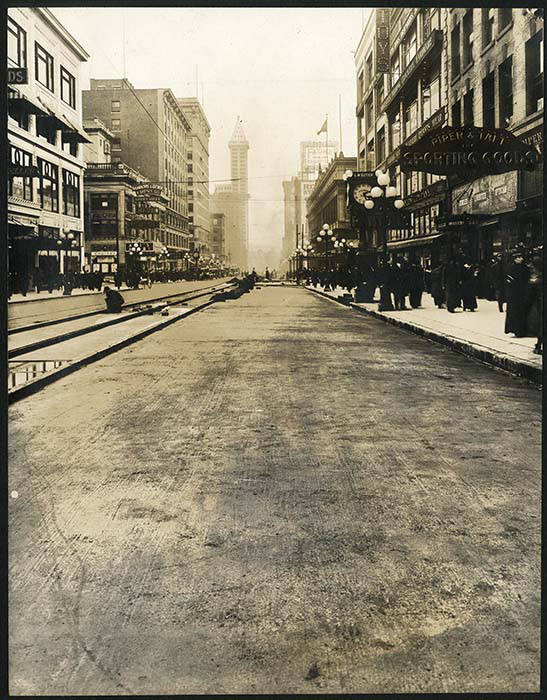
Street paving – macadam, brick, asphalt and concrete – removed the mud entirely, which removed the reason for an elevated walk in the first place.
Universal.
This is the decisive change and it is the one that gets overlooked because it is about the road rather than the walk. A raised footway exists because the ground beside it is unusable, and paving the road abolishes the problem the walk was a workaround for.
14. Then the Horses Left and the Filth Went With Them
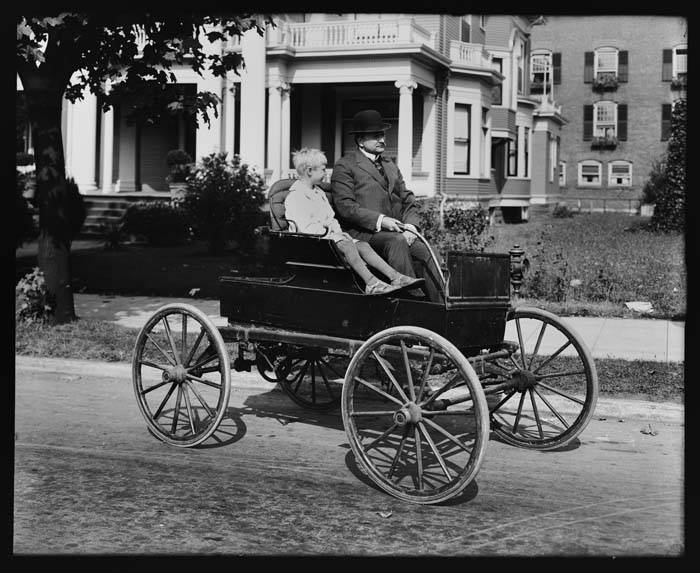
The automobile removed the continuous animal deposit from the street surface, which changed what the mud had been made of even before it was paved over.
Universal.
The sanitary improvement from motor vehicles in town centres is substantial and almost never mentioned, because exhaust is the thing people associate with cars. For the condition of a street underfoot, the change was enormous and entirely in one direction.
15. Then Nobody Walked Down the Middle of Town Anyway
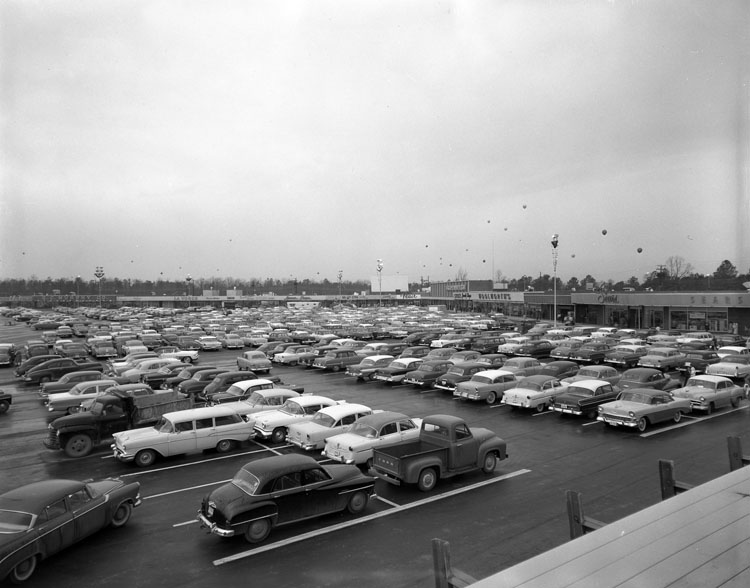
As shopping moved to places reached by car and parked beside, the continuous pedestrian footway along a row of storefronts stopped being the main way people moved through a commercial district.
Standard. Pedestrian provision is designed around parking rather than along a street.
Which is the quieter loss, and it is not about materials. A board walk was built because a town’s entire commercial life happened along a continuous line of doorways that everybody walked past – and when people started arriving by car at individual destinations, the line stopped being the organising principle.
16. Then the Boards Became Decoration
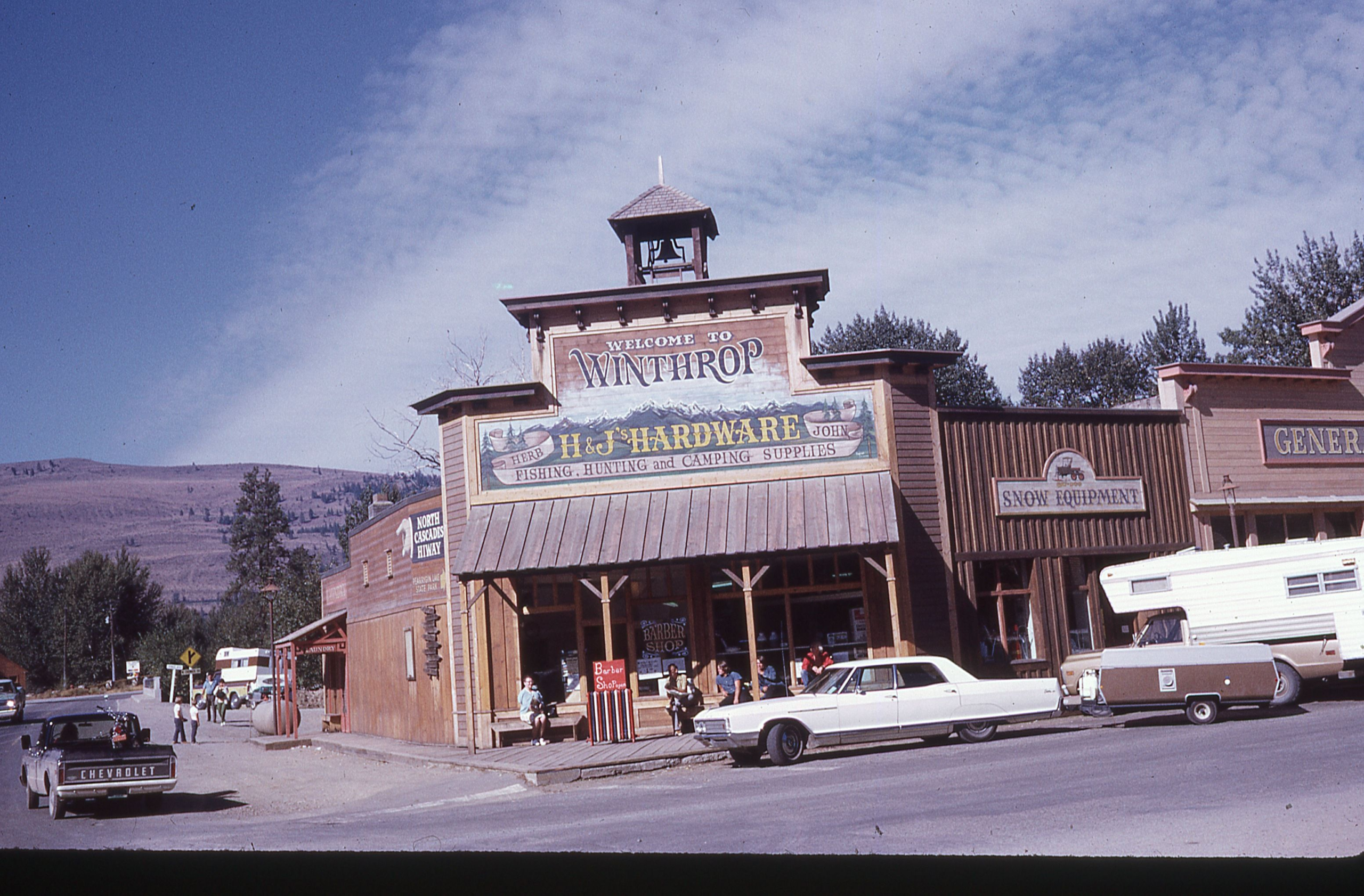
In 1964 wooden sidewalks were long gone from American main streets, surviving only where they had been rebuilt deliberately for tourists or for period appearance.
Rebuilt as an attraction, with concrete underneath in most cases.
And the thing worth taking from it is that the whole arrangement was a workaround rather than a solution. Nobody in a town of the period thought a plank footway was good. It was what you built because the street was unusable and fixing the street was beyond the town’s means – a timber bridge over a problem, built in sections by individual owners to no common standard, rotting from underneath, drumming under every footstep, ending abruptly at each corner where the mud was unavoidable anyway. What replaced it was not a better sidewalk. It was the removal of the mud, by paving the street and then by taking the horses out of it, after which a raised wooden walkway had nothing to raise anybody above. The boards that get rebuilt now in front of restored storefronts are there to suggest a picturesque past, which is the opposite of what they meant at the time. They meant that the street was not fit to walk on.
It Was a Workaround, and Paving the Street Removed the Problem
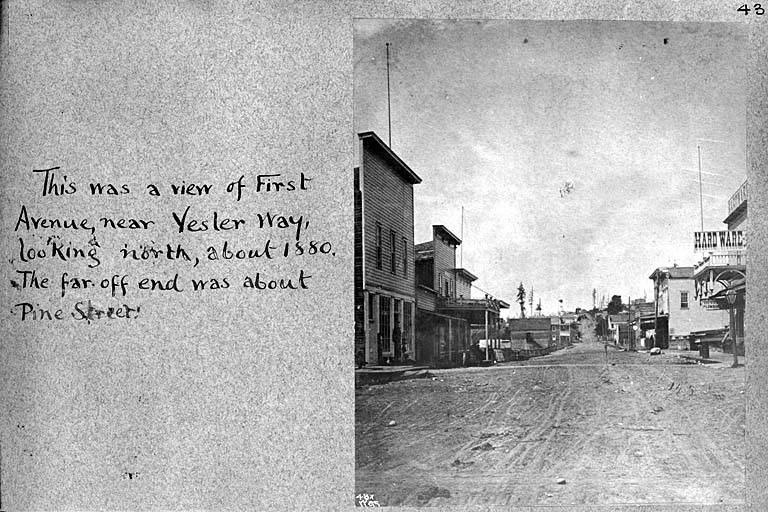
The thing to understand about a wooden sidewalk is that nobody at the time thought it was good.
It was what a town built because the street was unusable and fixing the street was beyond its means. A timber bridge over a problem – and like most workarounds, it had every defect you would predict.
It was built in sections by individual property owners, each at whatever height and quality he chose and whenever he got round to it, which produces a main street walk that is a series of steps up and down with different widths, different board directions and different states of repair. The joins between properties were where people tripped.
It rotted from underneath, because timber laid on wet ground does. So walks developed soft boards, broken boards, missing boards and protruding nails – and a rotten board that gives way under somebody is an injury and a liability, which is why municipal records of the period are full of claims and why towns eventually wanted something permanent.
And it stopped at the corners. A raised walk solves walking along a street and does nothing about walking across one, so the crossing was where the mud was unavoidable – handled with stepping stones, a laid plank, or wading.
That mud deserves being taken seriously rather than treated as picturesque, for two reasons.
The first is sanitary. Every vehicle was animal-drawn, so the street surface carried a continuous deposit mixed into the wet ground. The problem was not simply mud but what the mud was made of.
The second is that it placed a real constraint on who could go out. Long skirts were general wear, and a floor-length garment crossing a muddy street is ruined in one crossing – which then has to be cleaned, which is a day’s work. So the condition of a street determined whether a woman could leave the house, and that is a serious limitation on half the population. The boot scrapers set into old doorsteps are the physical evidence of all of it.
Wet weather could close a town outright. Heavy rain or a spring thaw made streets impassable for loaded wagons, so deliveries stopped, farm families could not get in, and business paused – which means merchants planned their stock and their credit around weeks when nobody could reach them.
Timber was tried on the roadway too, and plank roads failed instructively: wood under iron-tyred wheels on wet ground has a short life, and a plank surface beginning to break up is a dangerous place for a horse to put a foot.
What replaced the boards was not a better sidewalk.
Concrete and brick footways were certainly better – permanent, level, quiet, free of nails, laid by the municipality to one standard. But the decisive change was paving the street, because a raised walk exists only because the ground beside it is unusable, and paving abolishes the problem the walk was a workaround for.
Then the automobile removed the animal deposit, which improved the condition of a town centre underfoot enormously – a sanitary gain from motor vehicles that is almost never mentioned, because exhaust is what people associate with cars.
And the quieter loss had nothing to do with materials. A board walk was built because a town’s commercial life happened along a continuous line of doorways everybody walked past. Once people arrived by car at individual destinations, that line stopped being the organising principle of a commercial district.
The boards that get rebuilt now in front of restored storefronts are there to suggest a charming past. At the time they meant the opposite: that the street was not fit to walk on.
If your town has old buildings, look at the doorsteps for a scraper.
That is what the street outside used to be like.
Like our content? Follow us for more.