


The average American adult of 1975 possessed a set of practical, everyday skills that were simply required to function — reading a paper map, writing in cursive, balancing a checkbook, using a rotary phone, operating without GPS or the internet or a calculator in their pocket. These weren’t specialized talents. They were the baseline competencies of ordinary daily life, learned in school and practiced constantly. Over the following half-century, technology quietly made each one optional, and the skills atrophied or were never learned by younger generations at all. The disappearance isn’t necessarily a loss — many of these skills were made obsolete by genuinely better tools. But the speed and completeness of the transition is striking, and it represents one of the largest shifts in everyday human competency in a single half-century. Here are the everyday skills nearly every American had in 1975 that most people under 40 have never needed to learn.
The skills share a common trajectory: each was a genuine necessity in 1975, each was made optional by a specific technology, and each has now largely disappeared from the competency of younger Americans. The pattern reveals how thoroughly technology has reshaped not just what we do but what we know how to do.
Reading a Paper Map and Navigating Without GPS

The 1975 American driver navigated using paper road maps — the folding state and city maps from gas stations, the Rand McNally road atlas in the glove compartment. Navigation required reading the map, planning a route, tracking progress against landmarks, and the genuine skill of refolding the map afterward. GPS navigation, introduced to consumers in the 1990s and universal via smartphones by the 2010s, made the skill obsolete. Most Americans under 40 have never planned a road trip with a paper map and would struggle to navigate an unfamiliar city without turn-by-turn directions. The skill of holding a spatial map of your route in your head has measurably declined.
Writing and Reading Cursive
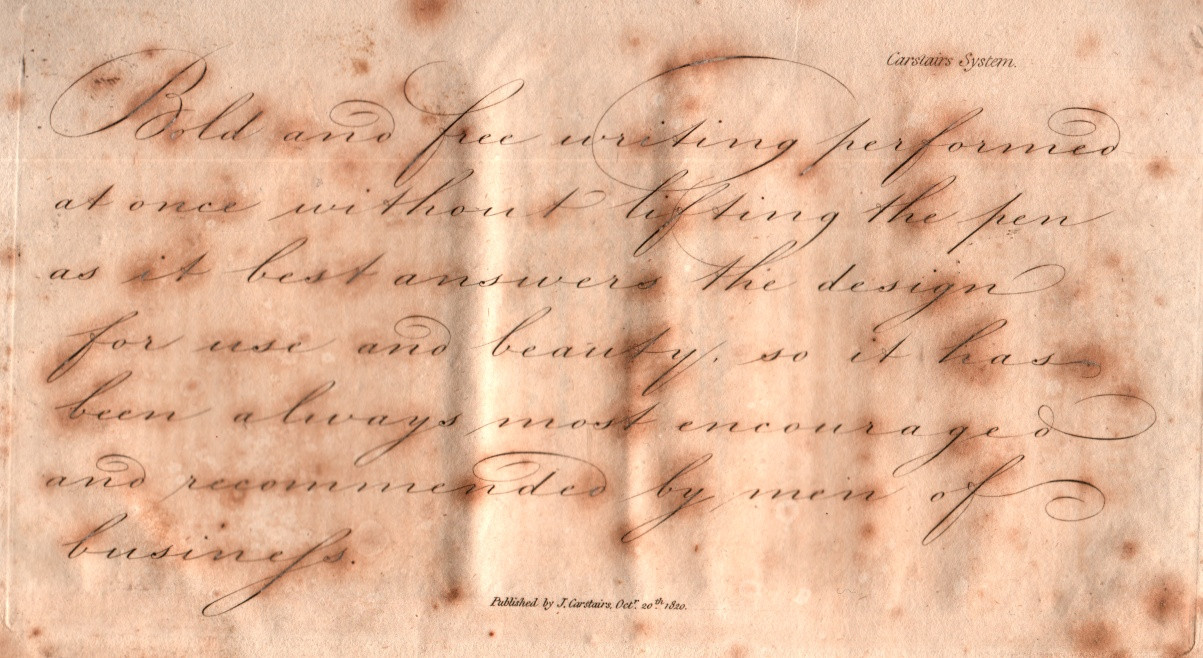
The 1975 American learned cursive handwriting as a fundamental school subject and used it for all handwritten communication. Cursive instruction was dropped from many American school curricula following the 2010 Common Core standards, which did not require it. The result is that many Americans under 25 cannot fluently write or even read cursive — a genuine generational divide, with younger people unable to read historical documents, family letters, or even a grandparent’s handwritten note. The skill that defined handwritten communication for centuries has become, for many young Americans, an indecipherable code.
Balancing a Checkbook

The 1975 American adult balanced a checkbook — recording each check and deposit in the register, tracking the running balance, and reconciling it against the monthly bank statement. The skill was essential to avoid overdrafts in an era before instant electronic balance checking. Online and mobile banking, real-time balance notifications, and the decline of paper checks have made the skill largely obsolete. Most Americans under 40 have never balanced a checkbook and many have never written a check at all. The arithmetic discipline the practice required has simply moved into automatic systems.
Using a Rotary Phone and Memorizing Numbers
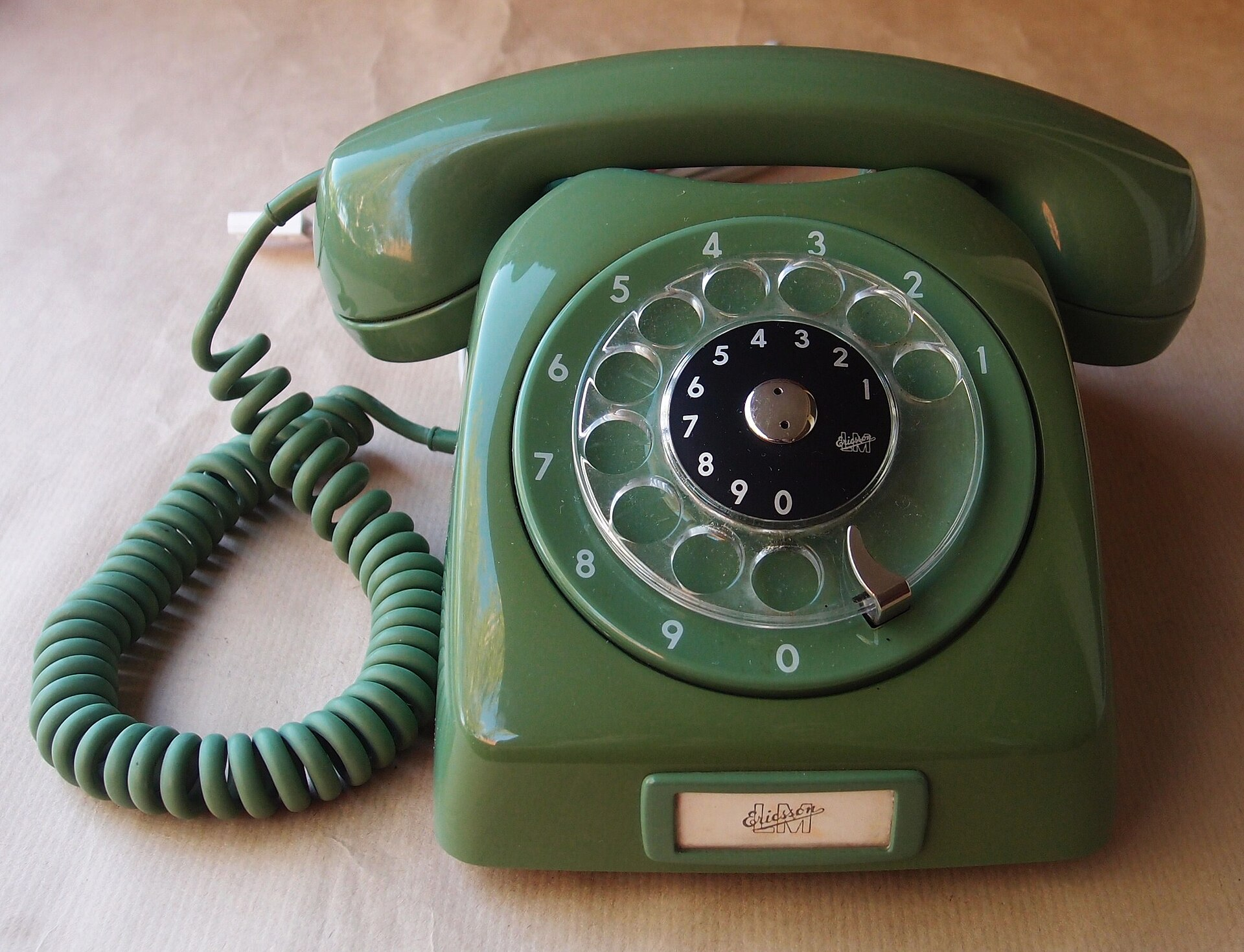
The 1975 American used a rotary telephone and memorized dozens of phone numbers — home, work, family, friends, emergency contacts. Dialing required the physical skill of the rotary dial, and the absence of stored contacts meant memorizing numbers was essential. Mobile phones eliminated both — younger Americans have never used a rotary dial (videos of young people struggling with them are a genre unto themselves) and most cannot recite more than a few phone numbers from memory, since their phones store everything. The mental discipline of memorizing numbers has largely vanished.
Doing Arithmetic by Hand

The 1975 American did everyday mental and paper arithmetic constantly — calculating change, totaling a grocery bill, figuring a tip, doing long division on paper. Pocket calculators were still relatively new and expensive in 1975, and the smartphone calculator was decades away. The constant practice kept basic arithmetic skills sharp. The universal availability of calculators has allowed these skills to atrophy. Many Americans now reach for a phone to calculate a restaurant tip or simple percentages that a 1975 adult would have done in their head.
Looking Things Up Without the Internet
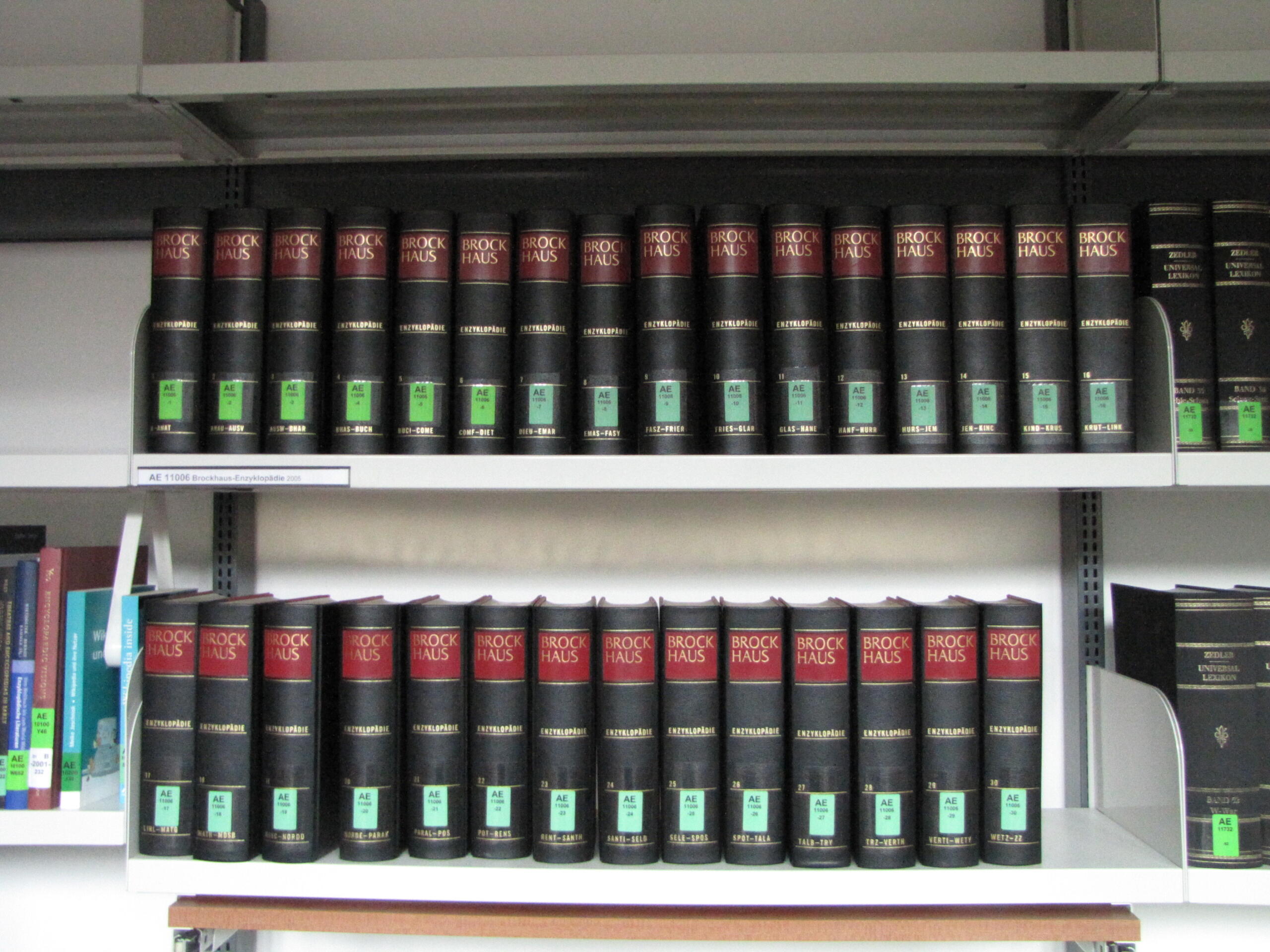
The 1975 American researched and found information using physical reference tools — the encyclopedia, the dictionary, the library card catalog, the phone book, the almanac. Finding a fact required knowing which reference to consult and how to use it, often involving a trip to the library and the skill of navigating the Dewey Decimal System. The internet made instant information universal and the research skills largely obsolete. Younger Americans have never used a card catalog or a printed encyclopedia and find a fact in seconds that might have taken a 1975 student a library trip and an hour.
Driving a Manual Transmission
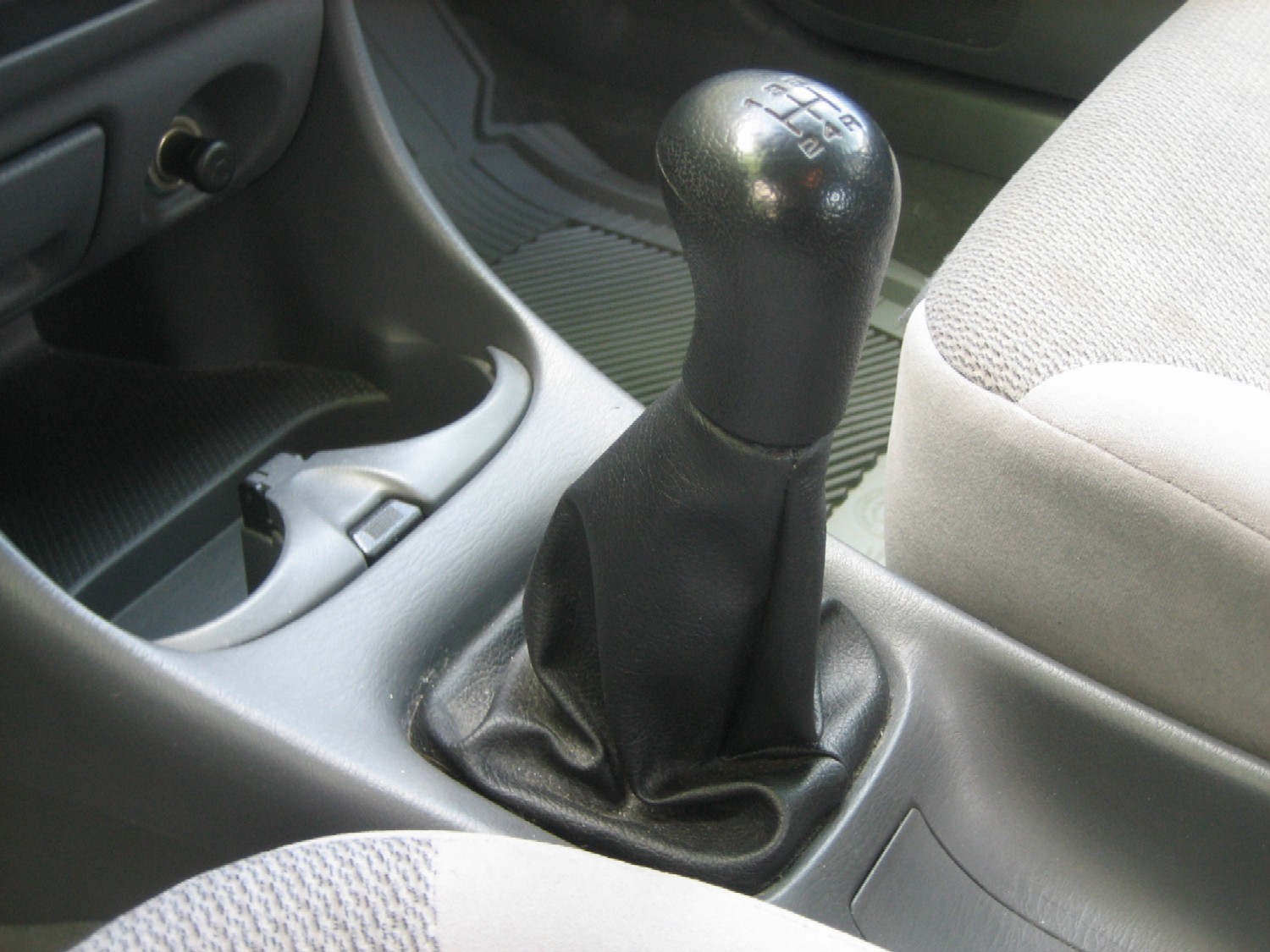
The 1975 American driver was far more likely to know how to operate a manual transmission — the clutch-and-stick-shift coordination that a large share of cars required. As automatic transmissions became standard, manual-transmission skills declined sharply. Today, only a small percentage of American vehicles are manual, and most Americans under 40 have never learned to drive one. The skill that was once a basic requirement of driving has become a niche specialty, to the point that a manual transmission now functions as an informal anti-theft device.
Fixing and Maintaining Things Yourself

The 1975 American was more likely to perform basic repairs and maintenance — changing the car’s oil, fixing a leaky faucet, mending clothes, repairing small appliances. Products were more repairable, repair information was passed down or found in manuals, and the cost of professional repair relative to income encouraged self-reliance. The shift toward disposable products, sealed and unrepairable devices, and a service economy has reduced everyday repair skills. While online tutorials have made some repairs more accessible to the motivated, the baseline expectation that an ordinary adult could fix ordinary things has declined.
Writing a Proper Letter and Addressing an Envelope
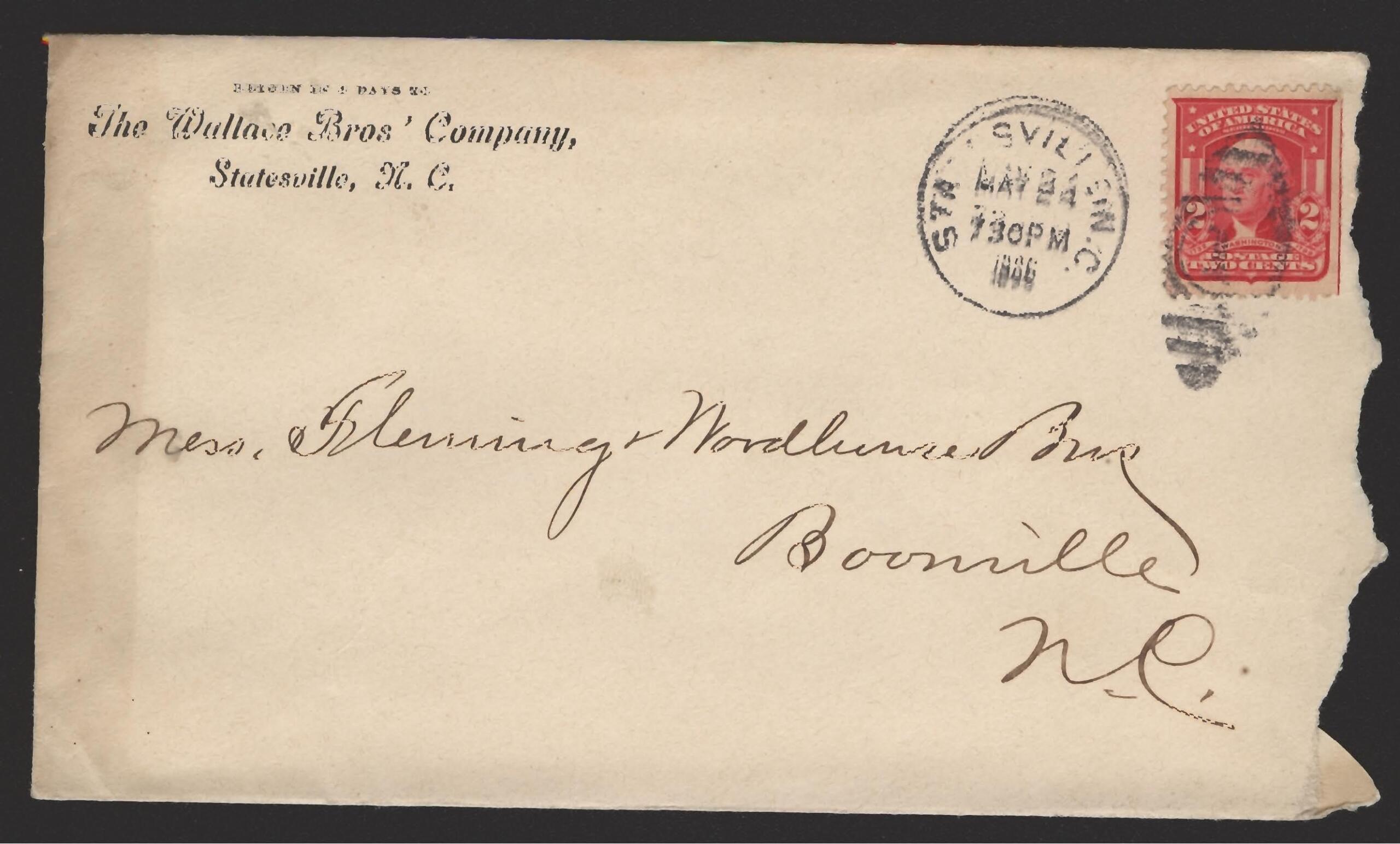
The 1975 American knew how to write a proper letter — the conventions of greeting, body, and closing — and how to correctly address an envelope, apply postage, and send it. Letter-writing was a routine form of personal and business communication, taught in school and practiced regularly. Email, texting, and digital communication have made the handwritten or formally-composed letter rare, and the specific conventions have faded. Many younger Americans are genuinely uncertain how to address an envelope, where the stamp goes, or how to structure a formal letter — skills that were universal in 1975 and are now niche knowledge, occasionally producing genuine confusion when a physical letter actually needs to be sent.
What the Disappearance Actually Means

The honest interpretation of these vanished skills is mixed, and worth thinking through rather than treating as simple decline. Many of these skills were made obsolete by genuinely superior tools — GPS navigation is more accurate than paper maps, digital banking prevents more errors than manual checkbook balancing, and instant information access is an enormous gain over a library trip. The disappearance of these skills freed up mental and practical capacity that has been redirected toward other competencies that the 1975 American lacked entirely — navigating digital systems, processing vast information flows, and operating technologies that would have been incomprehensible in 1975. The young American who can’t read a paper map can do things with a smartphone that no 1975 adult could imagine.
But there are genuine questions about resilience and capability embedded in the transition. The skills that disappeared were robust — they worked without electricity, without batteries, without a network connection. The 1975 American could navigate, calculate, and find information when the systems were down, because the skills lived in their own head and hands. The modern dependence on devices for these functions creates a fragility that the 1975 self-reliance did not have. When the GPS fails, the phone dies, or the network goes down, the gap between the 1975 competency and the modern dependence becomes suddenly visible. The disappearance of these everyday skills is neither simple progress nor simple loss — it’s a genuine trade of robust, independent, low-tech competencies for powerful but dependent high-tech ones, and the full consequences of that trade are still being worked out.

