

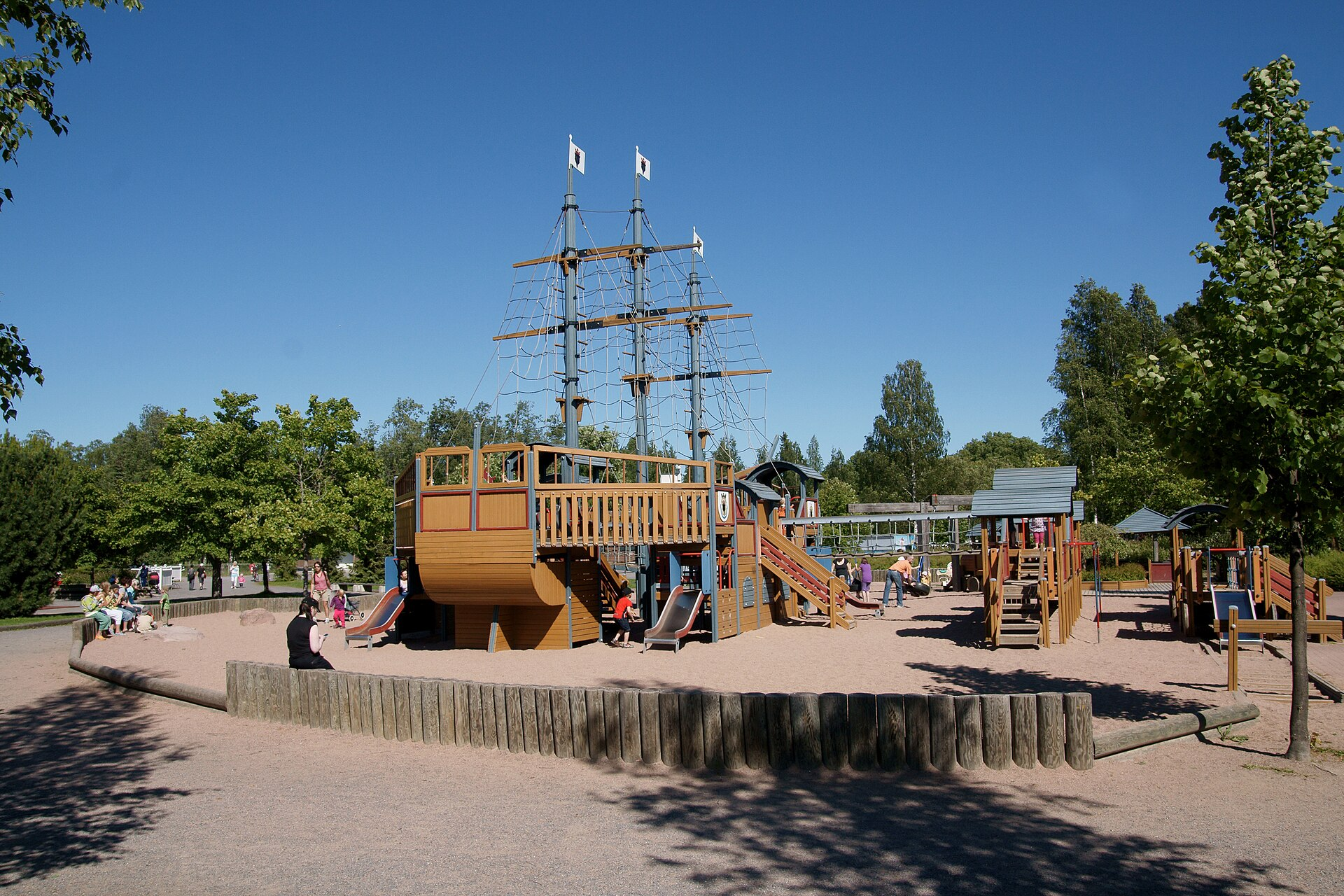
For kids who grew up in the 1970s, the local playground was a glorious, slightly perilous proving ground. It was built of steel and set over surfaces that offered no forgiveness, and it demanded a certain toughness from the children who conquered it. Skinned knees, blistered hands, and the occasional dramatic fall were simply part of the deal. Today, almost none of that equipment survives, swept away by decades of safety research and new standards that prioritized soft landings over sheer thrills. Here is a nostalgic tour of the American playground circa 1975, and the reasons every piece of it eventually disappeared.
The Towering Metal Slide
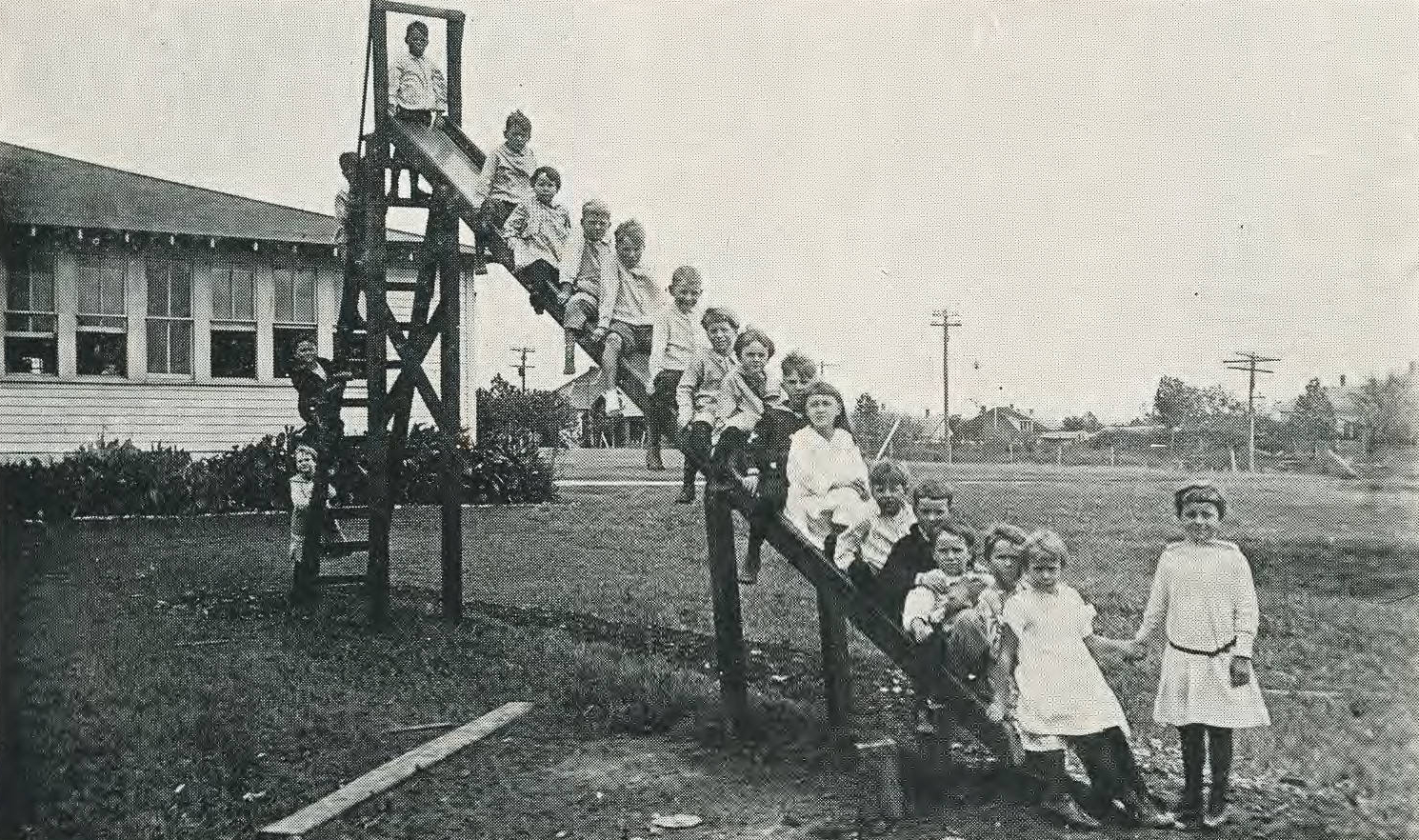
The centerpiece of many a 1970s playground was a slide that seemed impossibly tall, a steep sheet of bare metal that climbed high into the air. Conquering it was a rite of passage, and the ride down was genuinely fast.
There were two problems, both notorious. The height meant a serious fall risk from the ladder and the top, and the bare metal turned scorching hot in the summer sun, branding the backs of countless small legs. Modern slides are lower, often shaded or plastic, and set over cushioned surfaces. The sky-high metal slide that defined a generation’s playgrounds has almost entirely vanished.
The Spinning Merry-Go-Round
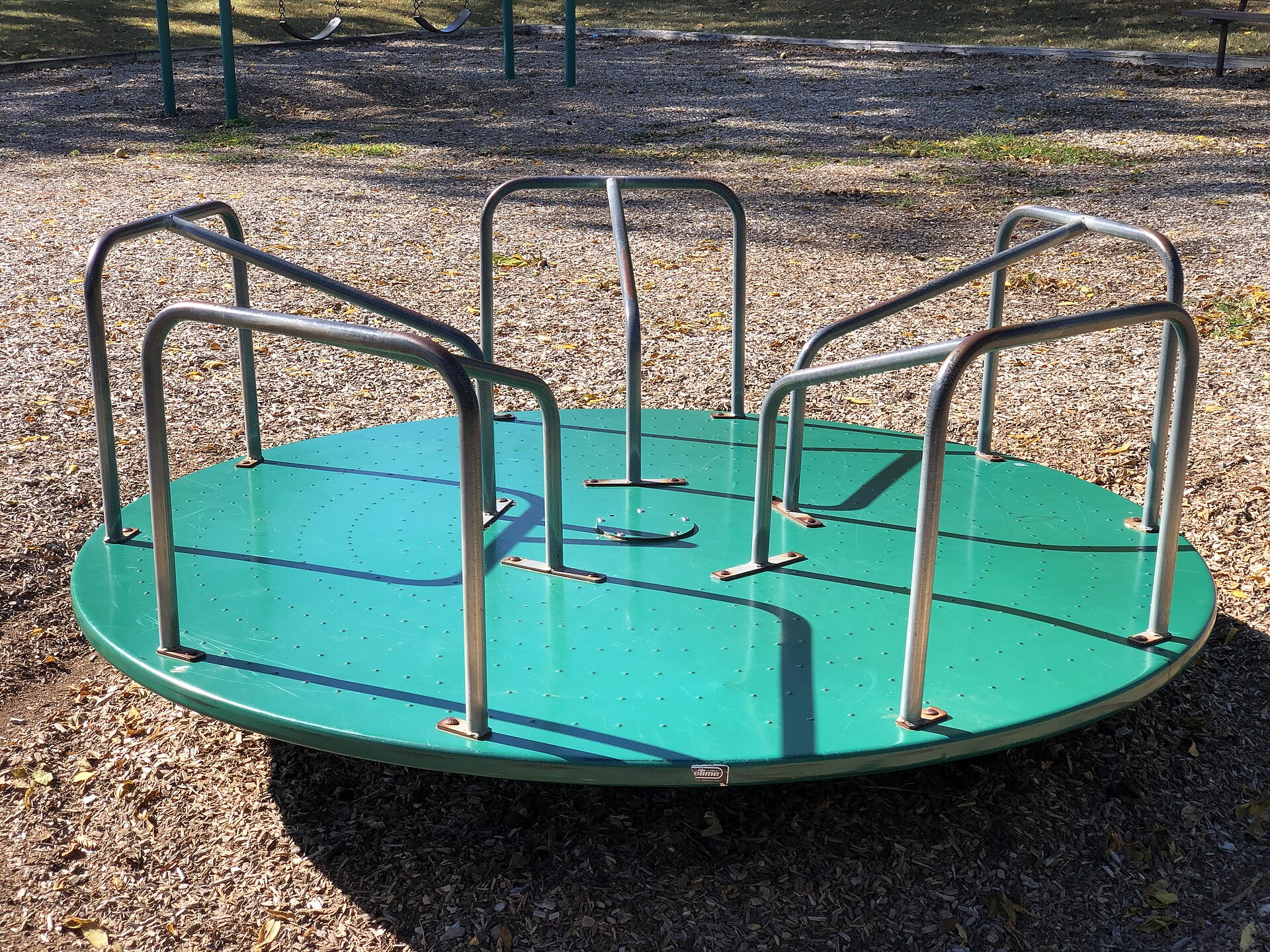
The playground merry-go-round, a flat metal disc that kids spun by hand and then leapt aboard, was equal parts exhilarating and dangerous. The goal was to spin it as fast as humanly possible, holding on for dear life as the world blurred.
Riders were regularly flung off at speed, and fingers and limbs could be caught underneath. The combination of high speed and hard ground made injuries common, and the classic hand-spun merry-go-round was gradually removed from public playgrounds across the country. Where versions survive, they are typically slower and far more controlled than the centrifugal terrors of the ’70s.
The Sky-High Swing Set
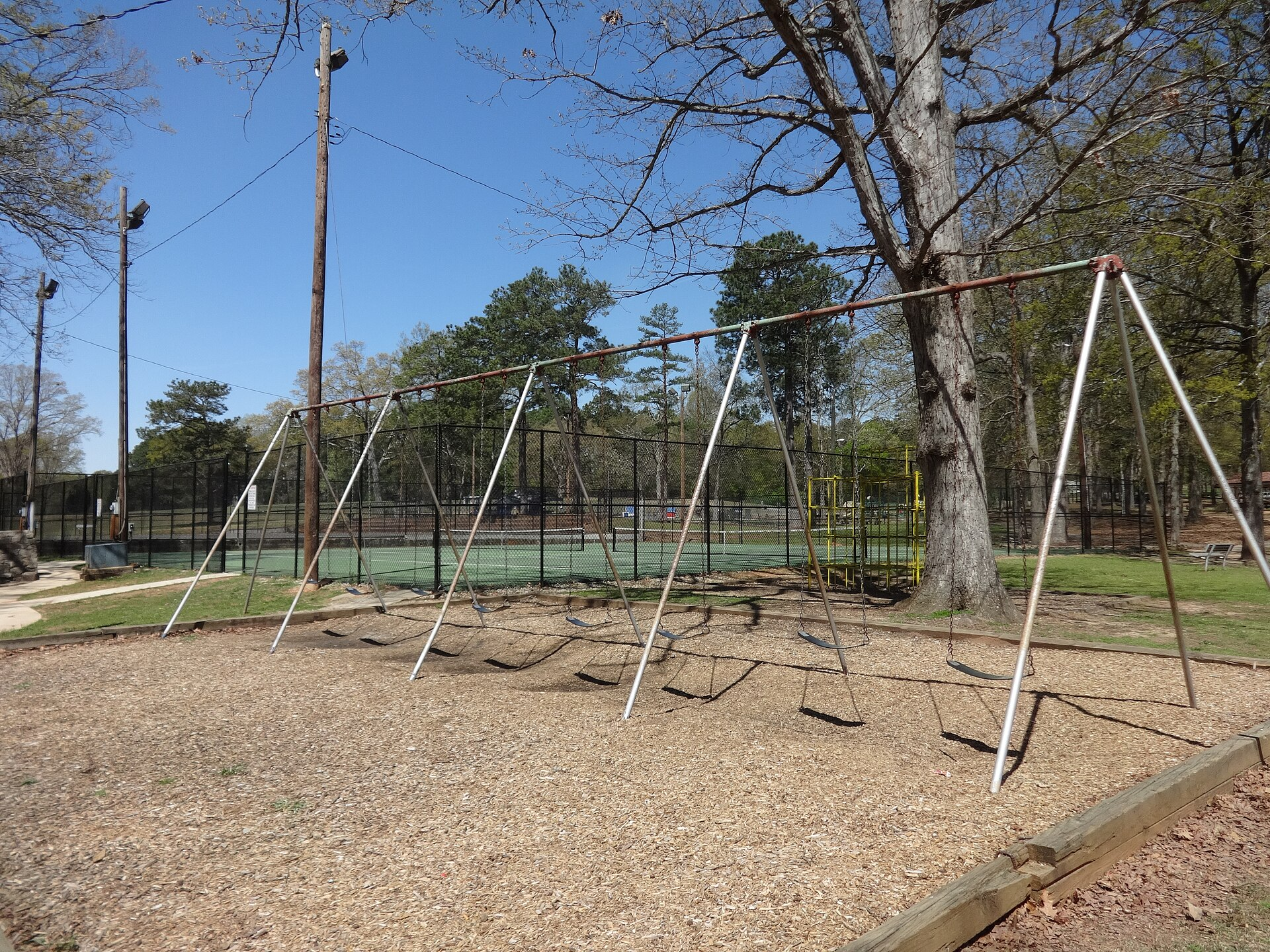
Swings have always been a playground staple, but the swing sets of 1975 were often built tall, on heavy metal A-frames, with the goal of swinging as high as possible before, inevitably, jumping off at the peak. Bailing out mid-air was considered the whole point.
The hard surfaces below turned every leap into a gamble, and the heavy metal seats could deliver a nasty blow to anyone who walked behind a swing in use. Swings remain a playground fixture, but today’s versions are lower, with softer seats and cushioned ground beneath. The daredevil flight from a sky-high swing is a memory.
Hard Surfaces: Asphalt, Concrete, and Gravel
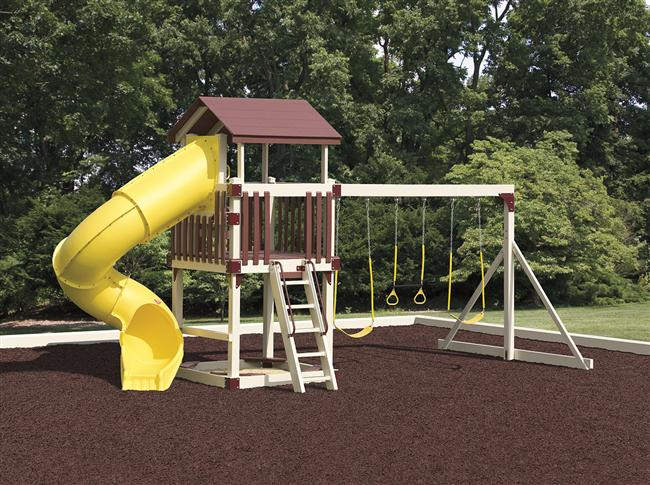
Perhaps the single biggest difference between then and now lies underfoot. The playgrounds of 1975 were routinely built over asphalt, concrete, packed dirt, or gravel, surfaces that turned every fall from the tall equipment into a real hazard.
The understanding that the landing surface mattered as much as the equipment was a major turning point in playground safety. Modern play areas sit over rubber matting, poured cushioning, wood chips, or sand designed to absorb impact. The unforgiving pavement that backstopped a ’70s childhood is now considered one of the era’s most dangerous features.
The Towering Geodesic Climbing Dome
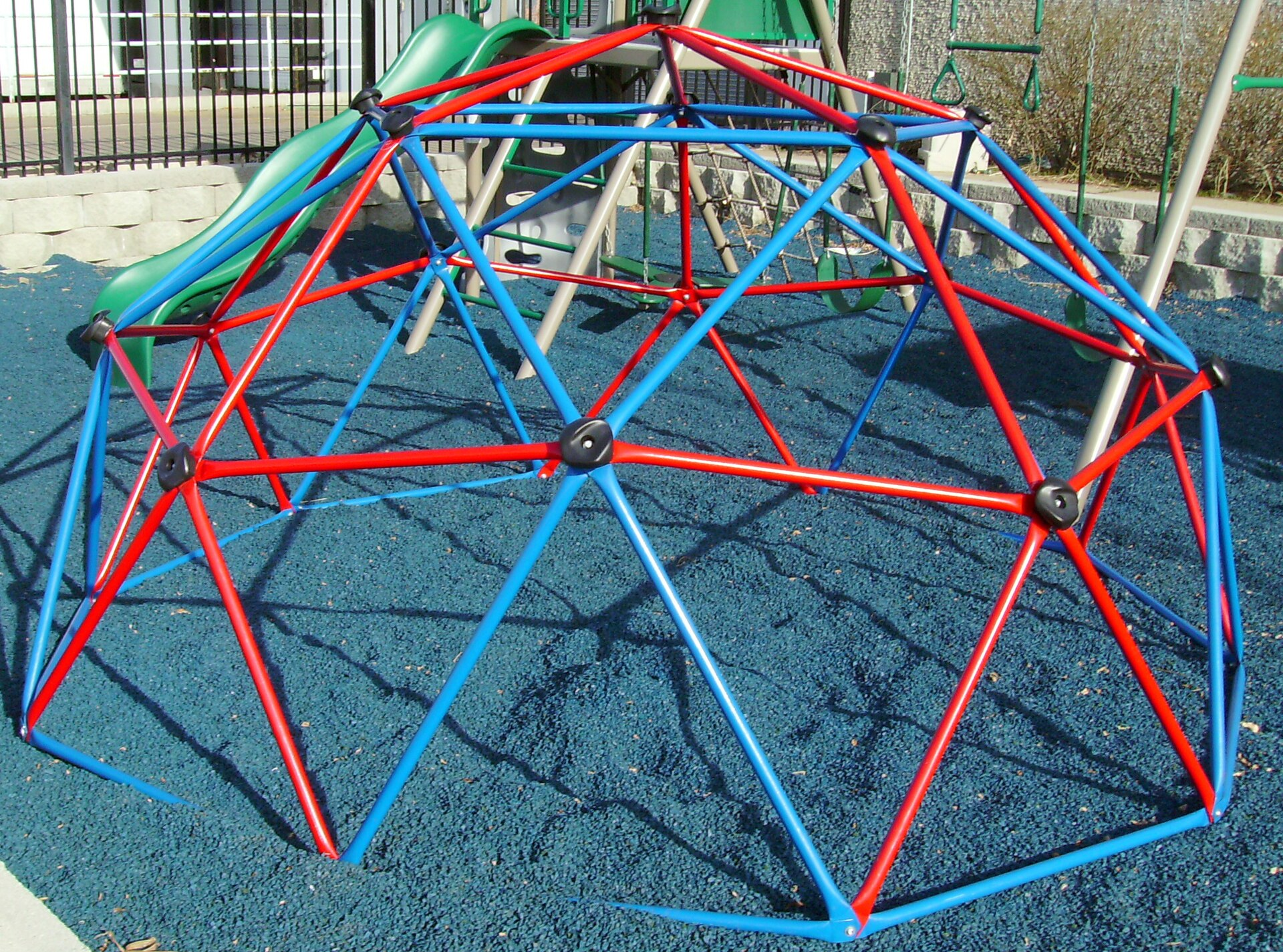
The metal climbing dome, a spherical jungle gym of welded bars sometimes two stories tall, was a favorite test of nerve. Kids scrambled to the top to survey their domain, with nothing but air and hard ground between them and a fall.
The height and the unforgiving surface below made these a frequent source of broken bones. Like so much ’70s equipment, the climbing dome was a genuine test of bravery and a genuine hazard at once. Today’s climbing structures are lower, more enclosed, and set over cushioning, having traded altitude for safety.
The See-Saw (Teeter-Totter)
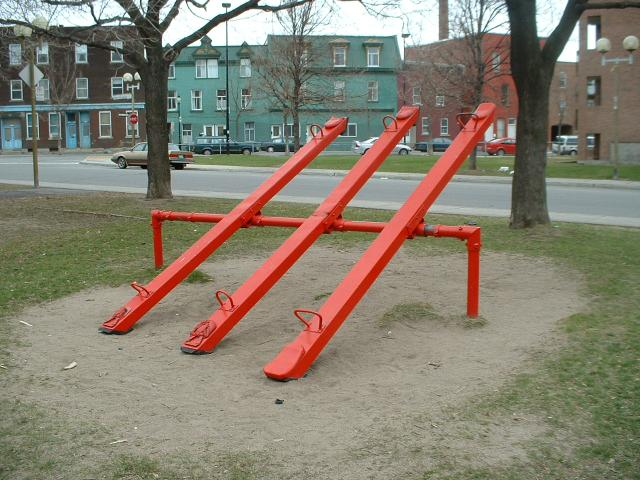
The classic see-saw, a long plank balanced on a central pivot, was a two-person ride built on trust, trust that your partner would not suddenly leap off and send you crashing down. That betrayal, of course, was a playground tradition in itself.
The sudden drops, pinched fingers, and the jarring impact of hitting the ground hard made the traditional see-saw another casualty of modern safety standards. Where see-saws survive, they often have springs, padding, or controlled motion to prevent the sudden slams. The simple, slightly treacherous plank of the ’70s has mostly disappeared.
The Equipment That Steadily Stuck Around
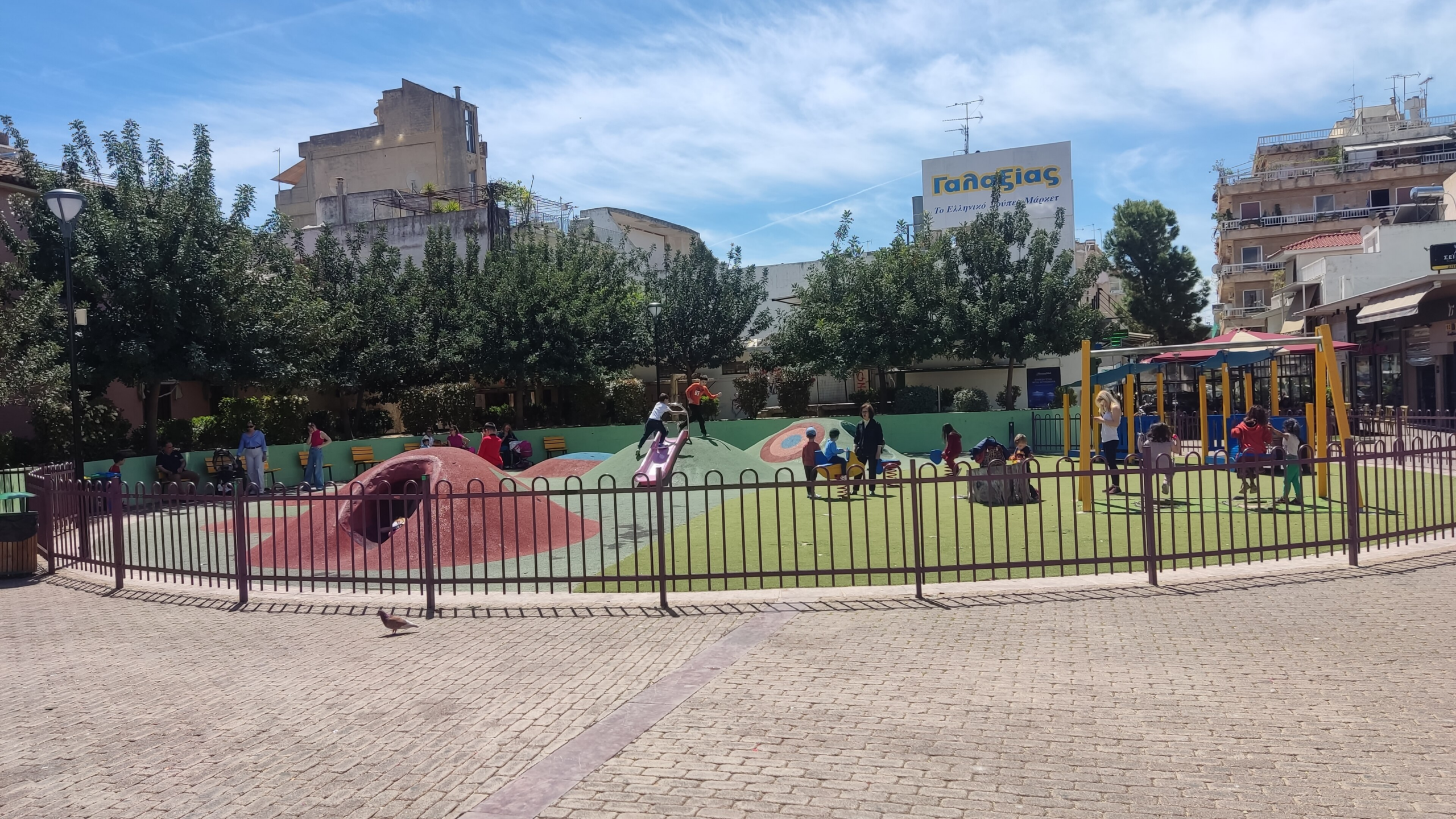
Not everything was torn out. Sandboxes, basic swings in modernized form, and simple climbing and sliding structures endured, just rebuilt with safer materials and gentler proportions. The fundamental joys of the playground, swinging, sliding, climbing, spinning, survived even as the dangerous hardware was retired.
What changed was the philosophy. The play experiences remained, but the height shrank, the metal gave way to plastic, and the pavement became cushioning. The result is a playground that delivers the same basic fun with a tiny fraction of the risk. The bones of the ’70s playground live on, softened and lowered almost beyond recognition.
The Great Debate Over Risk and Play
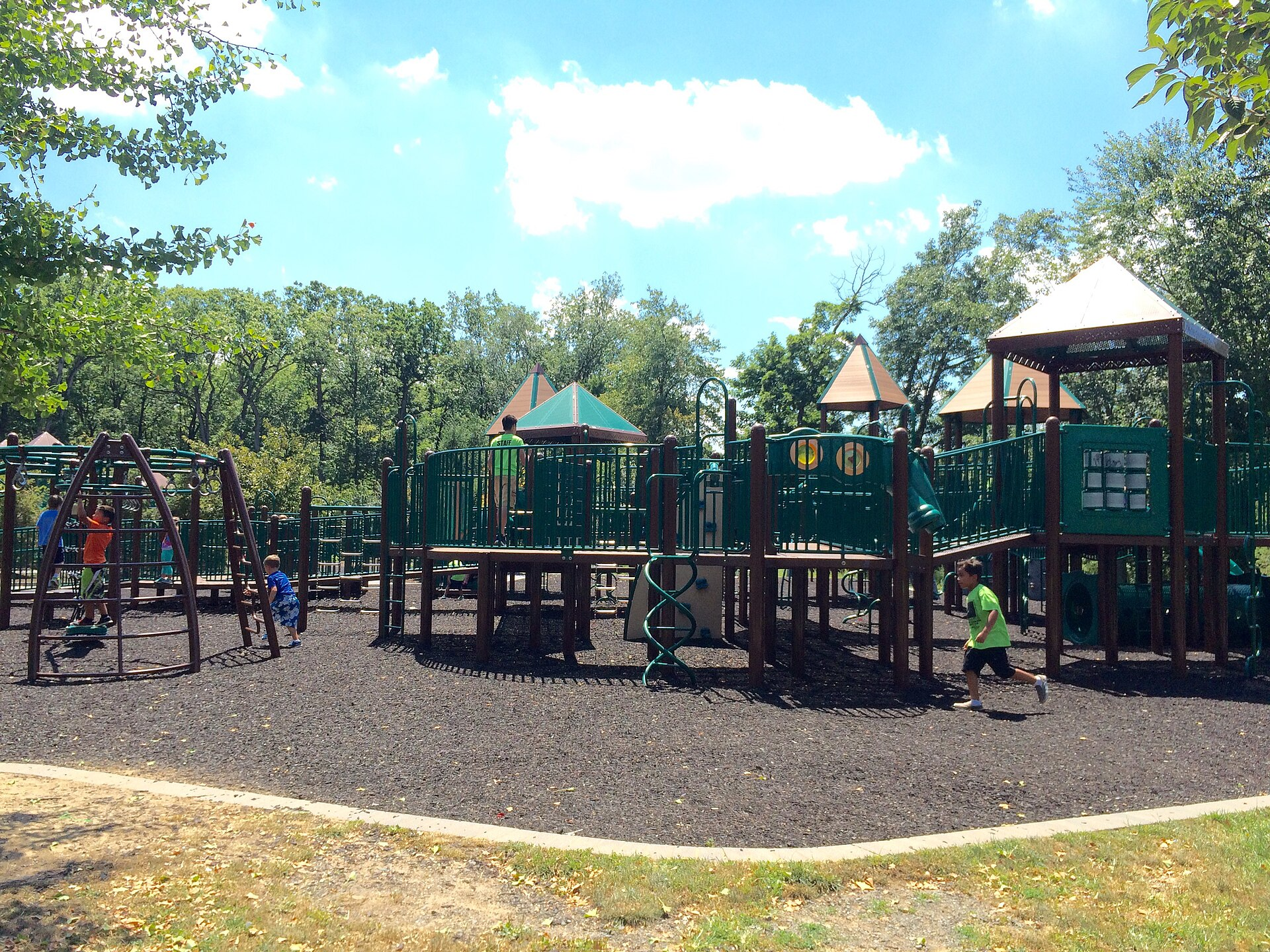
The transformation of the playground sparked a debate that continues today: have we made play too safe? Some childhood-development experts argue that a degree of risk in play is actually valuable, teaching children to assess danger, build confidence, and develop resilience. The towering slides and spinning merry-go-rounds of 1975, for all their hazards, demanded a kind of courage and judgment.
This has led, in some places, to a movement toward “adventure playgrounds” and designs that reintroduce manageable challenge and risk, balanced against genuine safety. The goal is not to bring back the broken bones of the past but to find a middle ground between recklessness and overprotection. The conversation reflects a deeper question about childhood itself, and how much freedom and risk children need to thrive. The playground, it turns out, is not just about equipment but about competing philosophies of how kids should grow, a debate the great safety overhaul of recent decades reopened rather than settled.
Why the Great Playground Overhaul Happened
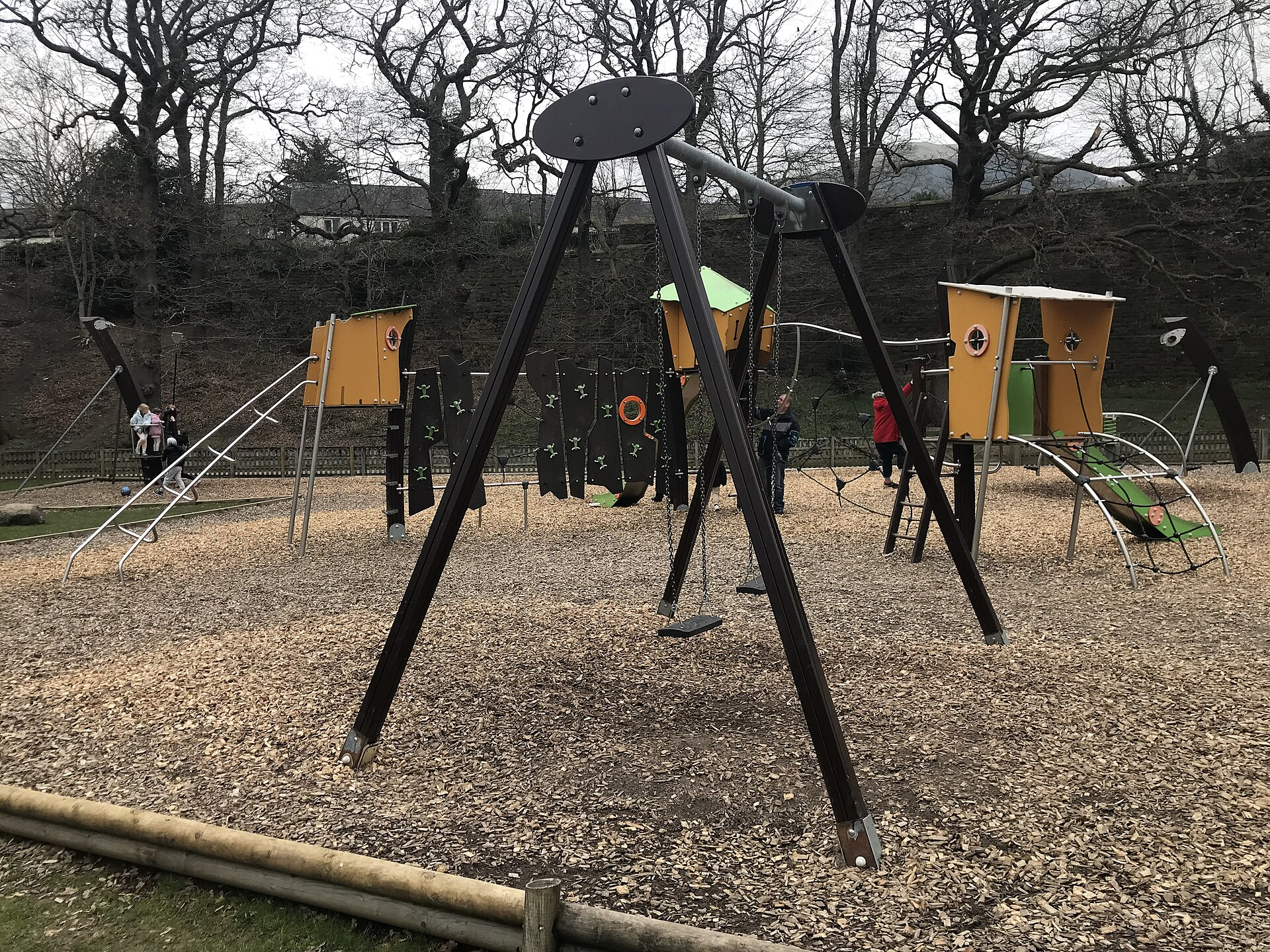
The transformation of the American playground was driven by mounting injury data and the development of formal safety guidelines, which led communities and schools to systematically replace dangerous equipment. As research clarified just how many injuries the old designs caused, the case for change became overwhelming.
For those who grew up climbing scorching metal slides and flying off spinning merry-go-rounds, the nostalgia is bittersweet. There is real affection for the freedom and thrill of the old playgrounds, mixed with the clear-eyed recognition that they sent a lot of kids to the emergency room. The modern playground may look tame by comparison, but it reflects hard-won knowledge about keeping children safe. The towering metal monuments of 1975 are gone, and a generation remembers them with a mix of pride at having survived and quiet relief that their own kids will not have to. The scorching metal slide and the spinning merry-go-round live on now mostly in memory and old photographs, summoned whenever someone of a certain age sees a modern, padded play structure and thinks back to the steel-and-pavement gauntlets they once conquered. Those memories, equal parts thrilling and harrowing, are a small badge of a generation that grew up on playgrounds built for daredevils.

