The metric system is the most successful standardisation project in history. It is used by almost every country on Earth, it underpins science globally, and its units have been redefined over time against physical constants so that they no longer depend on any object or place.
It emerged from revolutionary France in the 1790s, out of a real and reasonable frustration. Pre-revolutionary France had an enormous number of local measures — units that varied by town, by trade and by what was being measured — which made commerce difficult and cheating easy.
The reformers’ solution was radical and elegant: base everything on nature rather than on custom, and make all subdivisions decimal. It worked.
What is far less well known is that the same reformers applied exactly the same logic to time, and produced one of the most comprehensively rejected reforms in modern history. Here is what they tried.
Decimal Everything
The organising principle was consistency. If length, mass and volume were to be decimal, why should time and angle be left in the tangle of twelves and sixties inherited from Babylon?
So the decree went further than measurement.
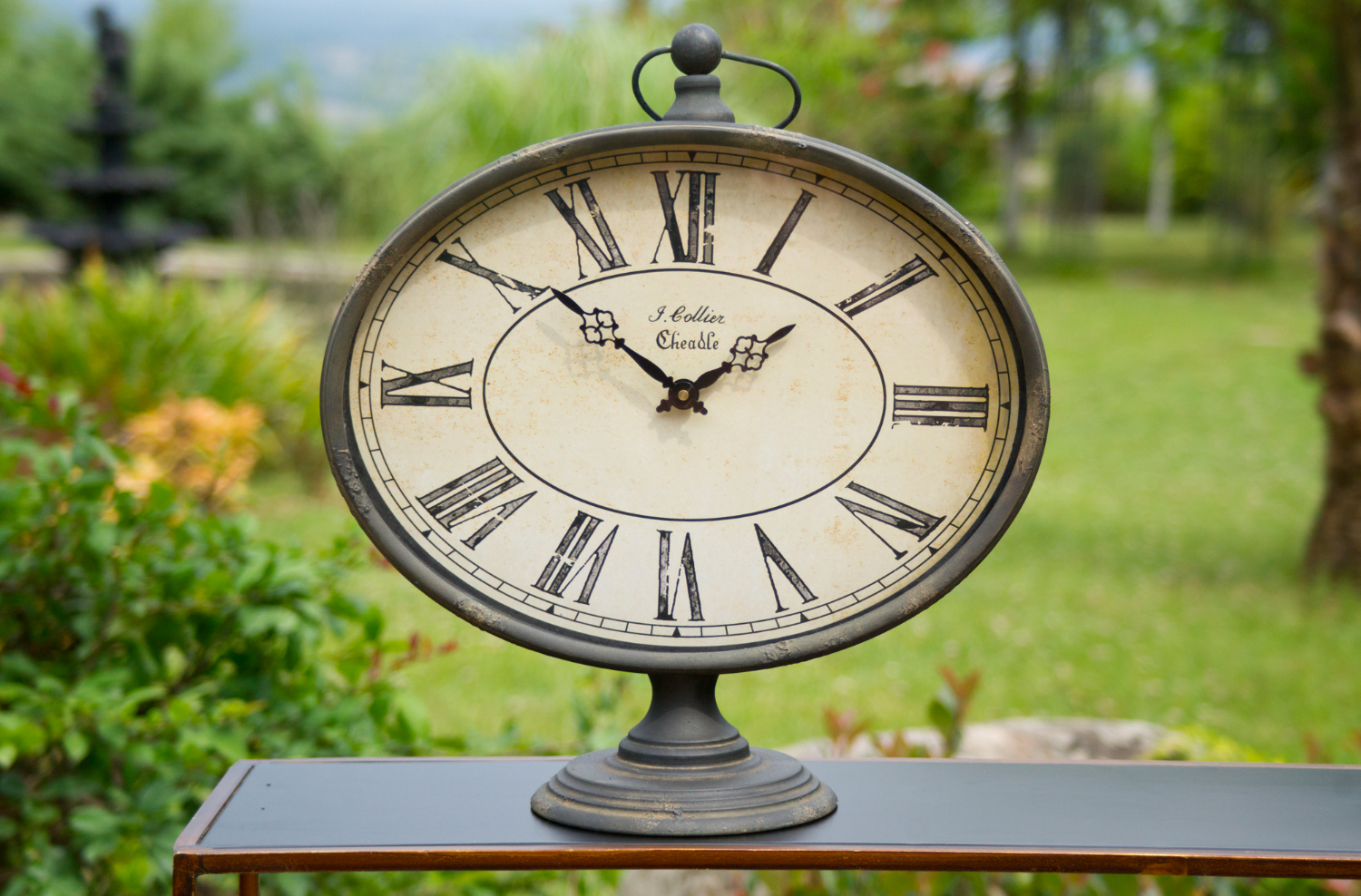
The day was divided into ten hours. Each of those hours was divided into a hundred minutes, and each minute into a hundred seconds. That produces a decimal second that is slightly shorter than the conventional one, and a decimal hour of nearly two and a half conventional hours.
The calendar was reorganised on the same basis. The year was divided into twelve months of thirty days each, and each month into three ten-day weeks called décades. The days within each décade were named simply by number — first day, second day, and so on up to the tenth.
Because twelve months of thirty days gives 360, five or six additional days were appended at the end of the year as festival days outside any month.
The months themselves were renamed after natural phenomena appropriate to the season, in a scheme by a poet, giving names that referred to harvest, mist, frost, snow, rain, wind, budding, flowering, meadows, heat and fruit.
It was internally coherent. That was the problem.
Like our content? Follow us for more.
What It Cost People
The reform was not merely inconvenient in the abstract. It removed things people used.
The most immediate effect was on rest. A seven-day week gives one day off in seven. A ten-day décade gave one in ten. Workers found themselves labouring nine days between rest days rather than six, which was not presented as the point of the reform but was certainly the effect.
The calendar also deliberately displaced the religious week, which for a substantial part of the population was not a scheduling convention but the structure of their year.
And it isolated France. Every neighbouring country, every trading partner and every foreign correspondent continued using conventional dates and times, so any communication crossing a border required translation between systems.
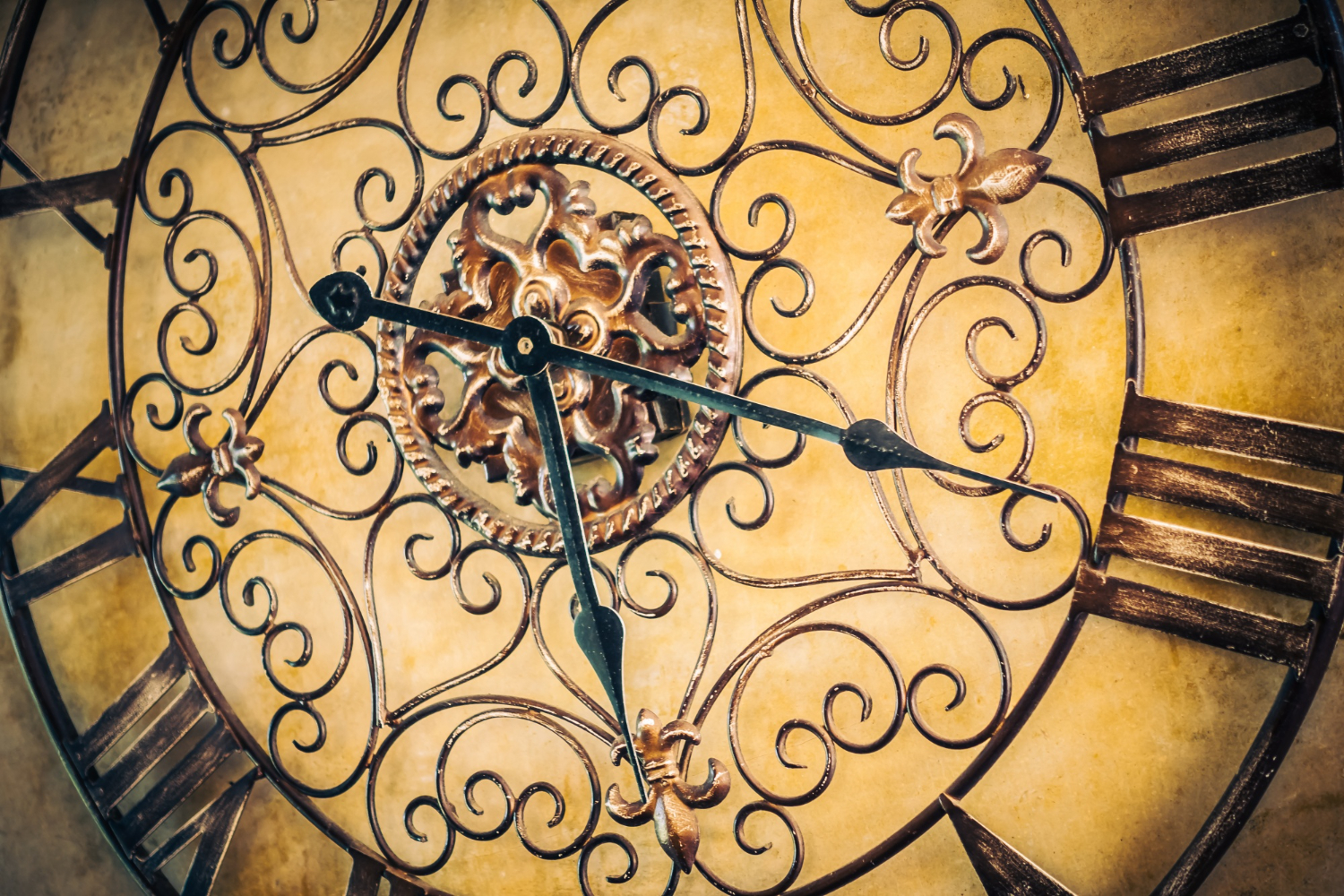
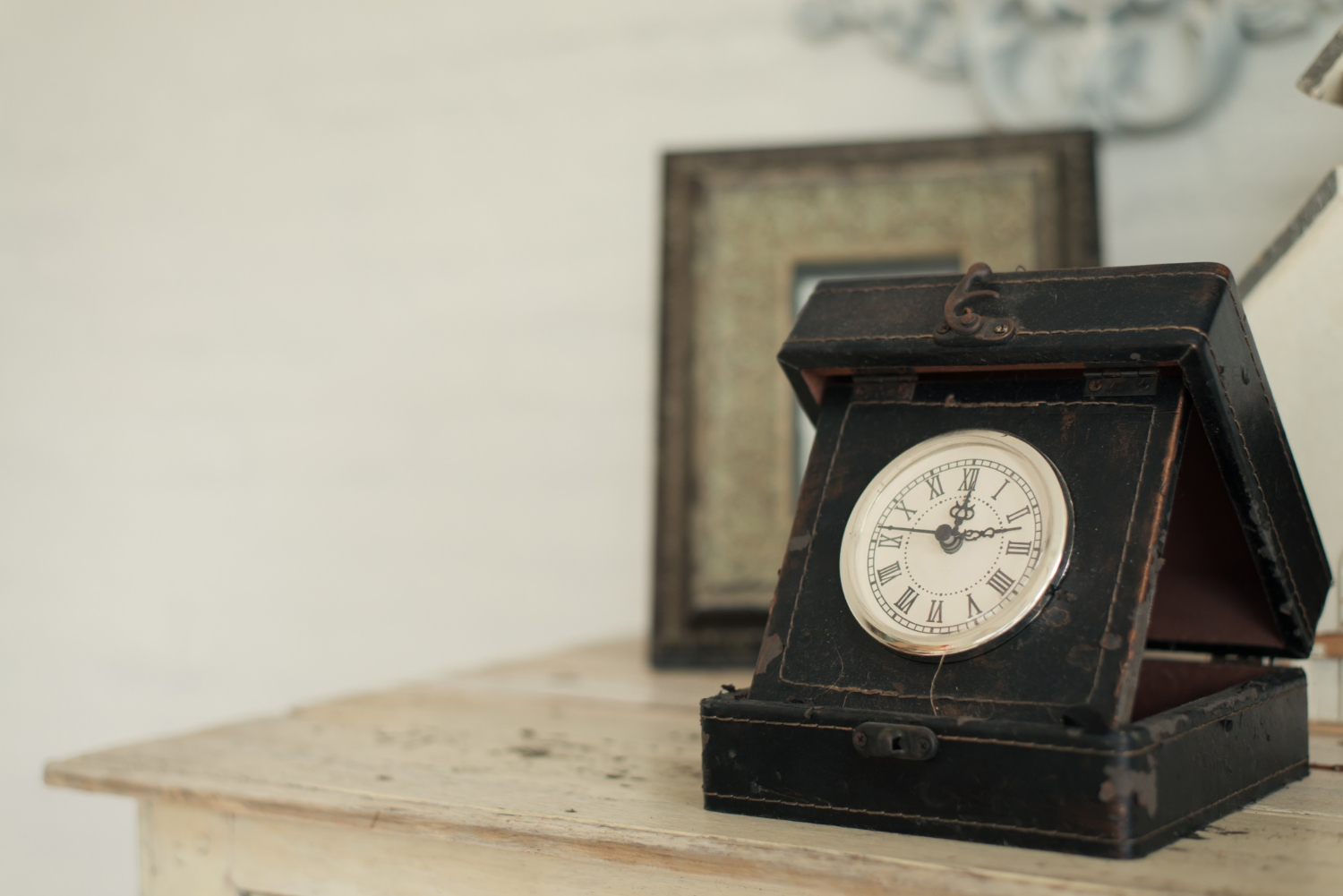
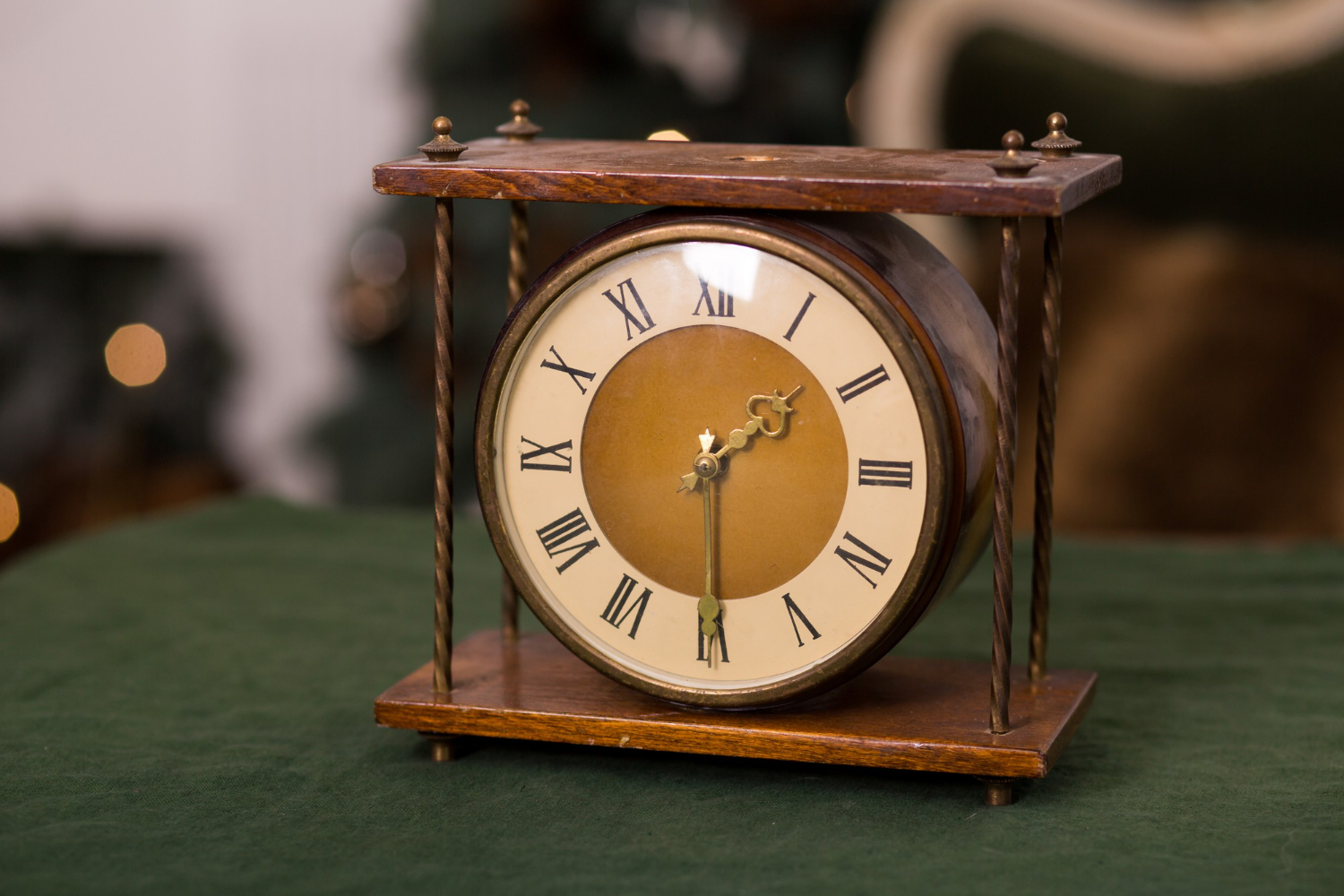
Clockmakers responded pragmatically by producing dials showing both — a decimal ring and a conventional ring on the same face — which is a good indication of how confident anyone was that the new system would take.
The Collapse

Decimal time was made official in 1794 and suspended in 1795, having been mandatory for roughly seventeen months. It was never seriously revived, though a brief attempt was made in the following century.
The republican calendar lasted longer, running for about twelve years before Napoleon abolished it and France returned to the conventional calendar at the beginning of 1806. It was briefly reinstated for a matter of weeks during a political episode later in the century.
The metric measures, meanwhile, survived every one of those reversals and went on to be adopted almost universally.
The contrast is the interesting part, and it is worth asking why one half of the same reform succeeded so completely while the other half failed so quickly.
What Replaced the Old Units
It is worth being specific about what the reform swept away, because the scale of the confusion explains why measurement reform succeeded where time reform failed.
Pre-revolutionary France did not have a national system. Units varied by region, by town, and frequently by trade within the same town. A unit of length used by a carpenter might differ from the same-named unit used by a draper. Land measures varied with soil quality, so an area unit could mean different amounts of ground depending on what grew on it.
Estimates of the number of distinct units in use before the reform run into the hundreds, and in some accounts far higher once local variants are counted.
The practical consequence was that trade between regions required constant conversion, and that the party who understood the local unit had an advantage over the party who did not. Complaints about short measure were a persistent grievance.
Against that, a single national system with decimal subdivisions was an enormous improvement, and it addressed a problem people encountered whenever they bought or sold anything.
That is the contrast with the clock. Nobody was being cheated by the seven-day week.
Why One Half Worked
Several differences explain it.
The first is that measurement was truly broken and time was not. French length and weight units varied confusingly from town to town, so replacing them solved a real and daily problem. The clock and calendar, by contrast, already worked, were already shared internationally, and nobody was being defrauded by them.
The second is the cost of switching. Adopting a new metre requires new rulers and some retraining. Adopting a new week requires reorganising religious observance, employment, markets, festivals, agricultural practice and every dated document, while every other country carries on as before.
The third is that time is coordinated with people outside your borders in a way that local weights and measures are not. A country can change its units unilaterally. A country changing its calendar has to translate every interaction with everyone else.
The fourth is habit at a level that measurement does not reach. People do not have an intuition about what 480 grams feels like, so replacing an old unit costs them little. They do have deep intuitions about what a week is, what a morning is and when Sunday falls.
And underlying all of it: the existing system, whatever its mathematical untidiness, is tied to things that are not decimal. The Earth’s rotation, its orbit and the lunar month do not divide neatly by ten, and a base-twelve or base-sixty scheme handles thirds and quarters far better than base ten does. Sixty divides evenly by two, three, four, five, six, ten, twelve, fifteen, twenty and thirty. Ten divides by two and five.
The revolutionaries were mathematically right and practically wrong, which is a specific and instructive way to fail.
The Metre Itself
The measurement half of the reform deserves a closer look, because its definition was as radical as the calendar and it worked.
The reformers wanted a unit derived from nature rather than from any king’s body or any town’s custom. The definition they chose was one ten-millionth of the distance from the North Pole to the equator, measured along a meridian passing through Paris.
That required actually measuring it. Two astronomers were dispatched to survey the meridian arc between Dunkirk and Barcelona by triangulation, a task that took around seven years and was conducted through a period of considerable political upheaval, with both men detained at various points by people who did not believe their explanations.
The result was slightly off, because the calculation depended on an assumption about the Earth’s flattening that was not quite right. The metre as defined was fractionally shorter than the intended definition would have produced.
The response to that discrepancy is the interesting part. Rather than correcting the metre, the standard was kept and the definition eventually abandoned. The unit was later defined by a physical bar, then by a wavelength of light, and finally by fixing the speed of light and deriving length from it.
So the metre is no longer one ten-millionth of anything. It is a length that was arrived at by a seven-year survey, retained for its usefulness, and subsequently anchored to a physical constant — which is a fair description of how standards actually work.
What Survived Anyway
Not all of the decimal time project vanished. Decimalisation of angles produced the grad, dividing a right angle into a hundred units rather than ninety degrees, and it survives in some surveying contexts.
Decimal fractions of time are also used routinely without anyone calling it decimal time. Scientific and industrial timekeeping frequently expresses durations as decimal hours, and payroll systems commonly do the same. Nobody experiences that as a calendar reform because it operates underneath the clock rather than replacing it.
And the broader lesson was learned. When the metric system was later extended and refined internationally, no one proposed touching the clock again.
There is something worth taking from the whole episode. The reformers had the correct diagnosis about measurement and applied the same medicine to time on the assumption that consistency was the goal. But a system of units exists to serve people who have to use it, and the test of a standard is not whether it is elegant but whether anyone can live inside it.
France proved the point twice in the same decade, in opposite directions, and both results are still with us: a measurement system used by essentially the entire planet, and a ten-hour clock that almost nobody has heard of.
Like our content? Follow us for more.