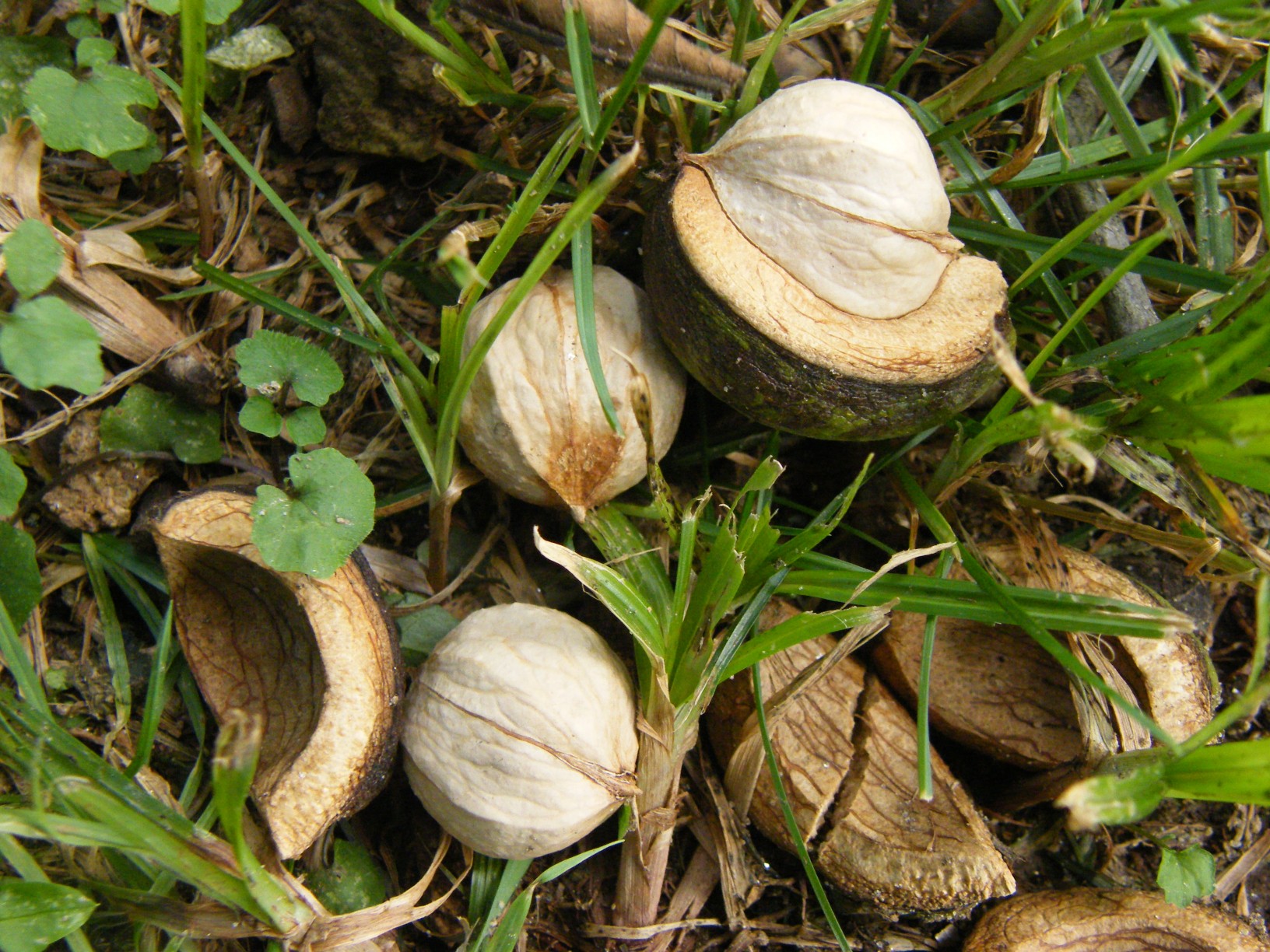
It Started After the First Hard Frost
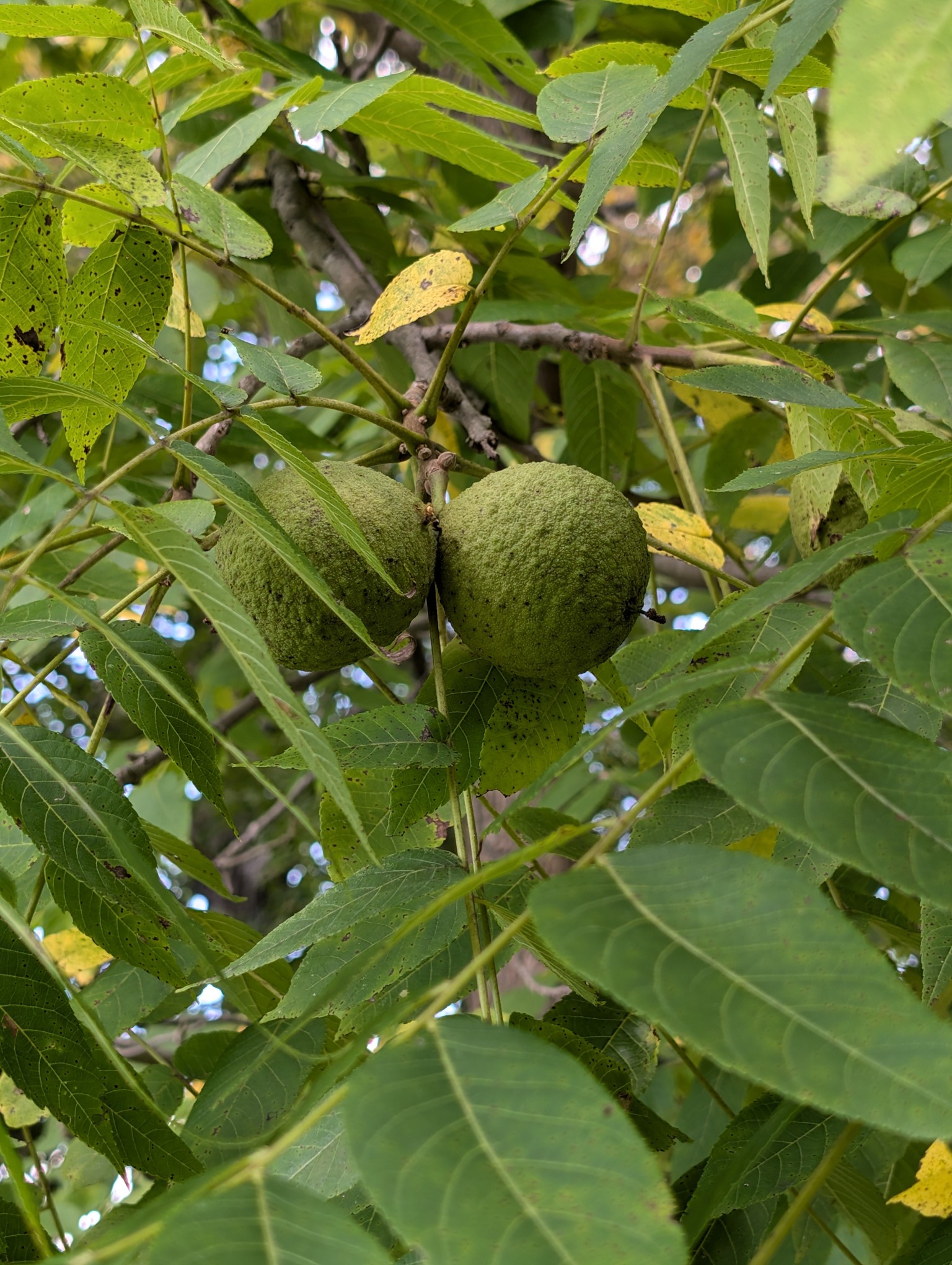
Nutting had a season and it was short. The nuts ripen on the tree, and then a hard frost and a wind bring them down – so the whole business began in October, within a few days of the weather turning, and ran until the ground was picked over.
Families went out to it. Not as an expedition exactly, but as a known autumn job that happened on a Saturday or after school, with sacks and buckets, to particular trees everybody knew the location of.
The trees were not planted and in most cases not owned by anybody in particular. They were in fencerows, along creeks, at the edges of woodlots and in the corners of pastures, and the right to gather under them was a matter of local understanding rather than law.
Like our content? Follow us for more.
There Were Four Nuts and They Were Not Equal
The American nutting tradition rested on four trees, and they differed enormously in how much work they returned.
The hickory was the prize. Several species, thin-shelled in the best of them, with a sweet rich kernel that cracks out in good-sized pieces – and the one that experienced gatherers walked past other trees to reach.
The black walnut was the workhorse and the problem, for reasons that get a section of their own below.
The butternut, a relative of the walnut, had a long thin shell and a sweeter oilier kernel, and was widely gathered where it grew.
And the chestnut was, until it was not, the best of all of them – which is the story this piece ends on.
The Black Walnut’s Hull Was the First Obstacle
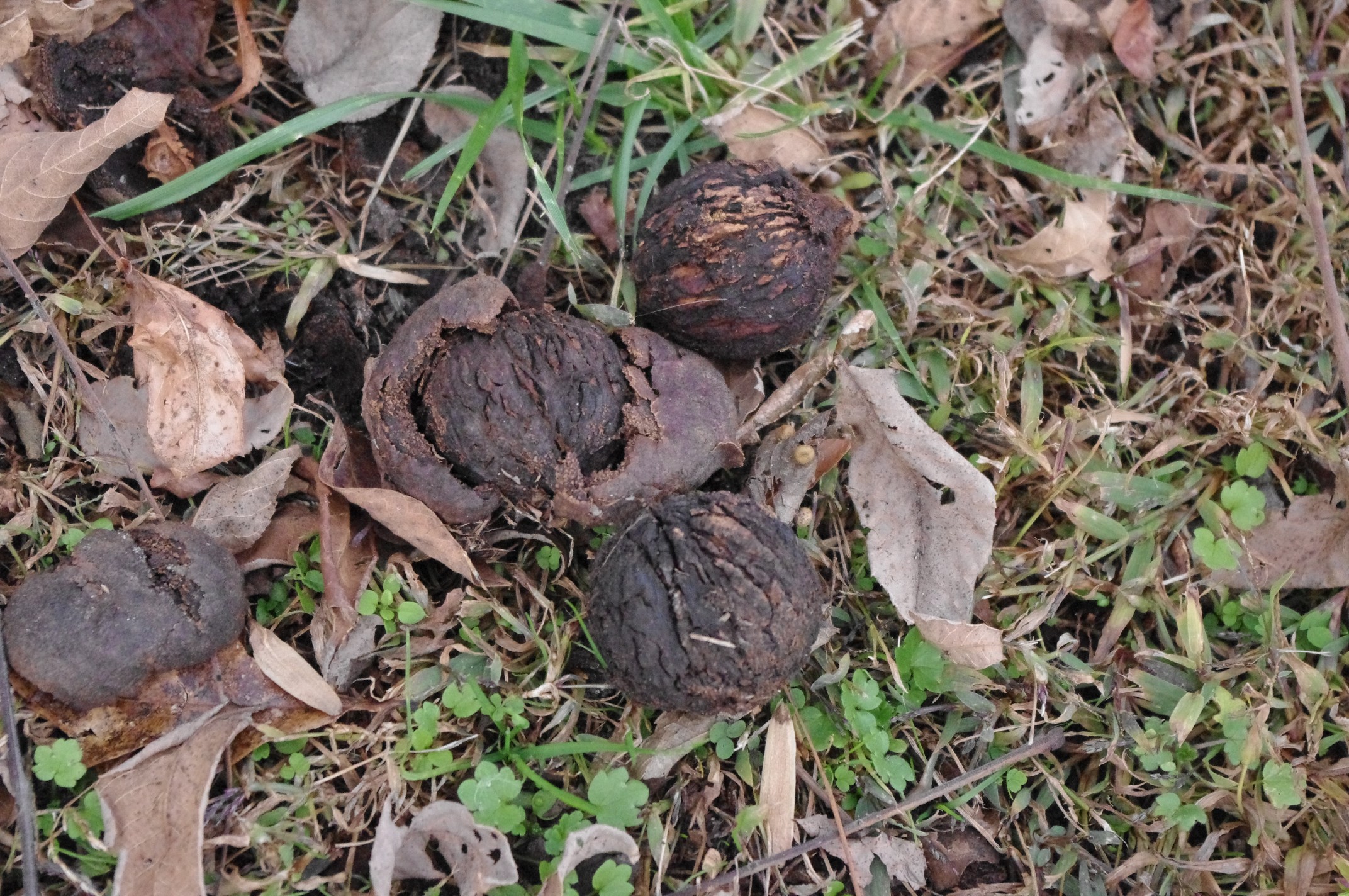
A black walnut does not fall as a nut. It falls as a green ball the size of a small apple, with the nut inside a thick fleshy husk, and that husk has to come off before anything else can happen.
It does not come off easily. It is tough, it turns black as it rots, and it contains a pigment that stains absolutely everything it touches – hands, clothes, concrete, wood – a deep brown that does not wash out and wears off skin over a week or two rather than coming off.
That stain was itself a product. It was used as a dye and a wood stain for a very long time, deliberately, because it is permanent and free.
Households dealt with the hulls by whatever method came to hand. Spreading them on a driveway and driving over them repeatedly. Stamping on them in boots. Running them through a corn sheller. Soaking them and rubbing them on a screen. All of it outdoors, all of it filthy, and all of it done in gloves by anybody who had been through it before.
Then They Had to Cure for Weeks
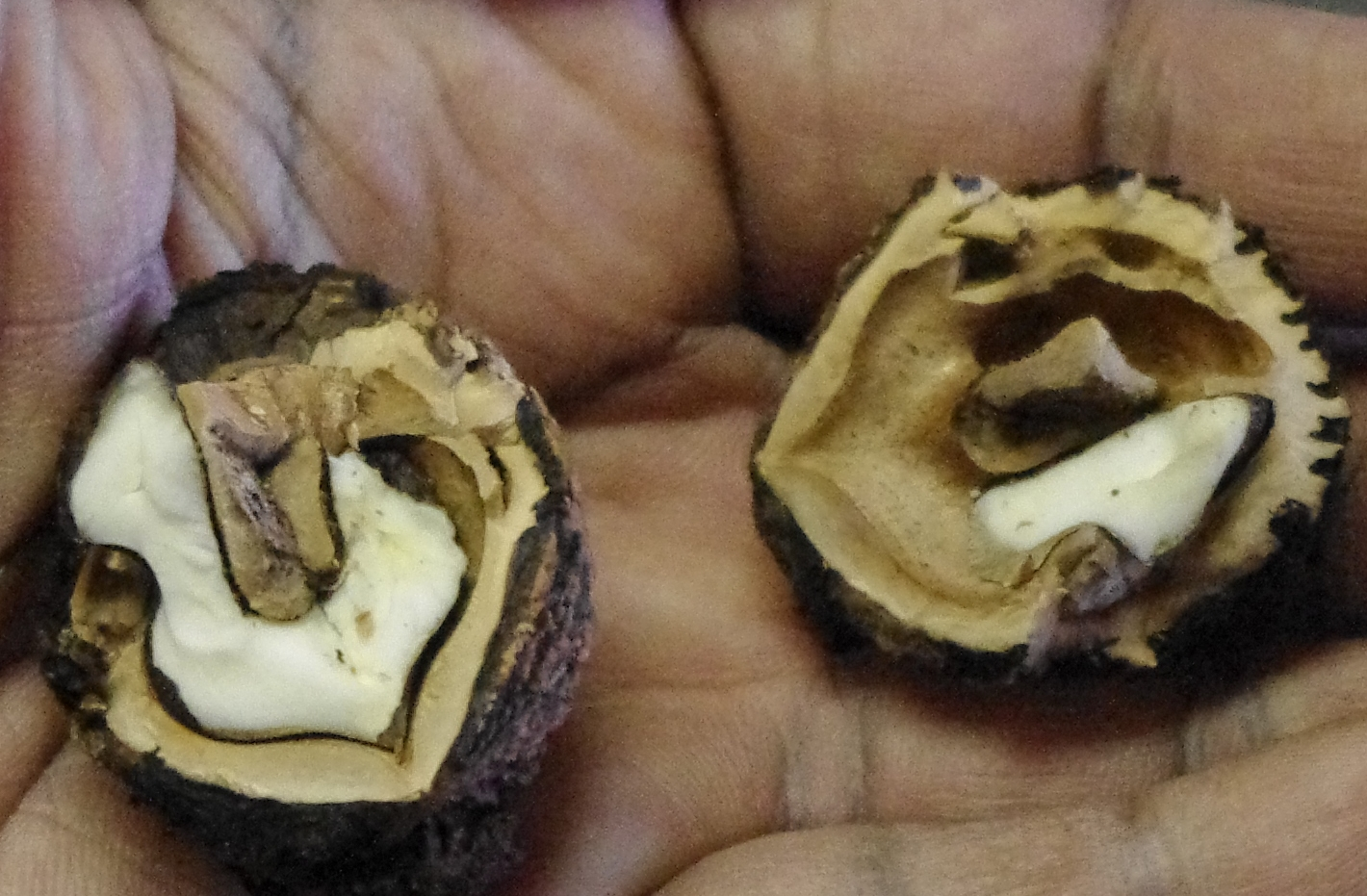
Hulled nuts were not ready. They were spread out one layer deep in a dry airy place – an attic floor, a shed, a porch, a loft, a screen off the ground – and left for several weeks.
The purpose is moisture. A freshly hulled nut is damp, and a damp nut will mould and will not keep. Curing dries the shell and the kernel down to where the nut is stable, and it also improves the flavour, which develops as the kernel dries.
Which meant the nutting season had a long tail. The gathering took a weekend; the curing took a month; the cracking happened all winter. A household that gathered in October was eating those nuts in February, and the bags in the attic were part of the furniture until spring.
Cracking a Black Walnut Is Genuinely Difficult
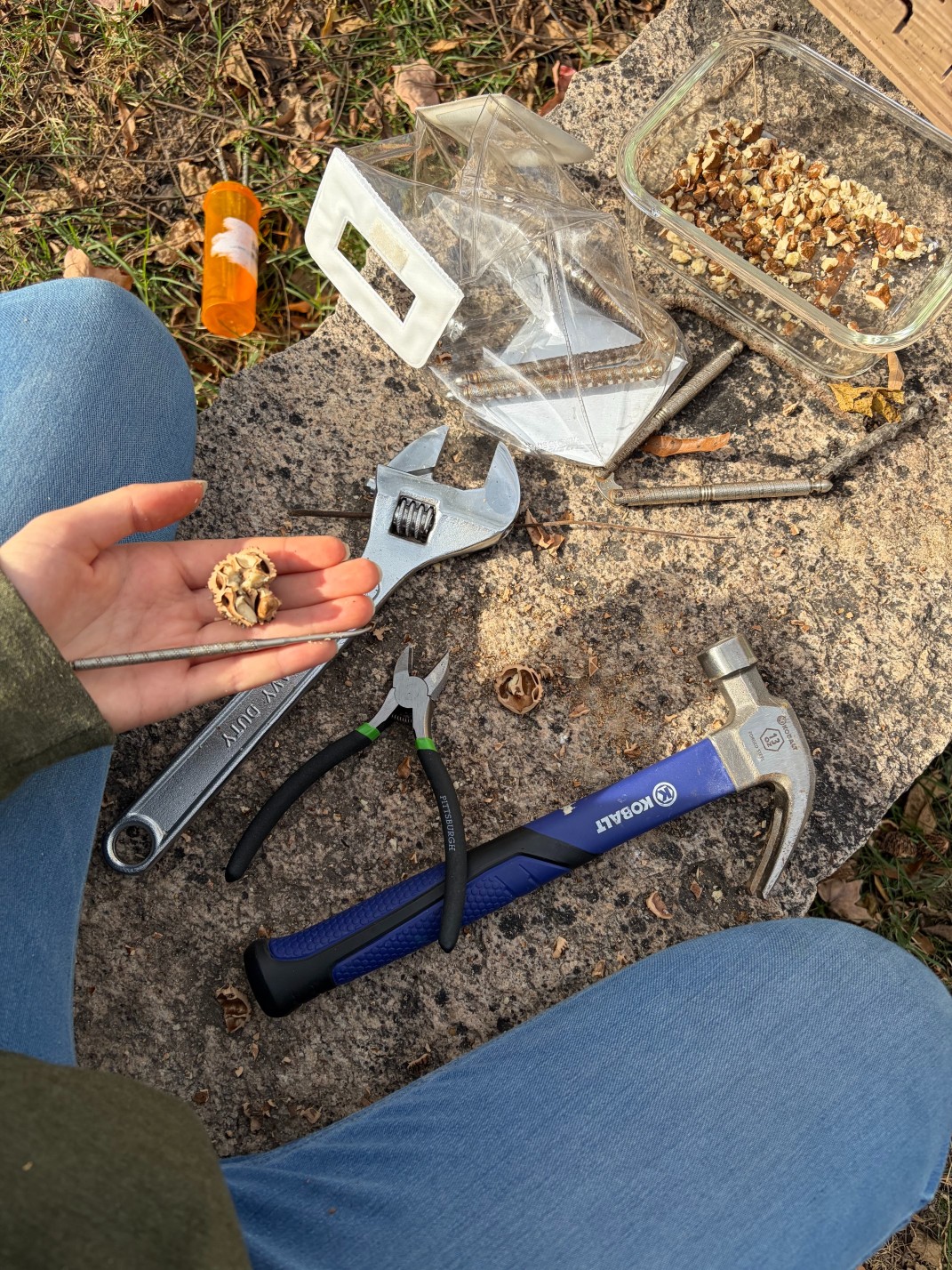
The shell is the hardest of any nut in common use, and it is not close.
It does not yield to a kitchen nutcracker, which will break before the nut does. The methods were accordingly industrial. A hammer and a flat iron, or a hammer and an anvil, or a hammer and a hole bored in a block of wood to hold the nut still. A bench vise. A length of pipe. A purpose-made cast-iron cracker with a lever. And in some households a car, driven over them on a hard surface, which works and produces a great deal of shell.
The shell also does not break cleanly. It shatters into a mass of hard fragments mixed through the kernel, which creates the second problem – and it is the one that actually determined whether a family bothered.
Picking Out the Meat Was the Whole Labour
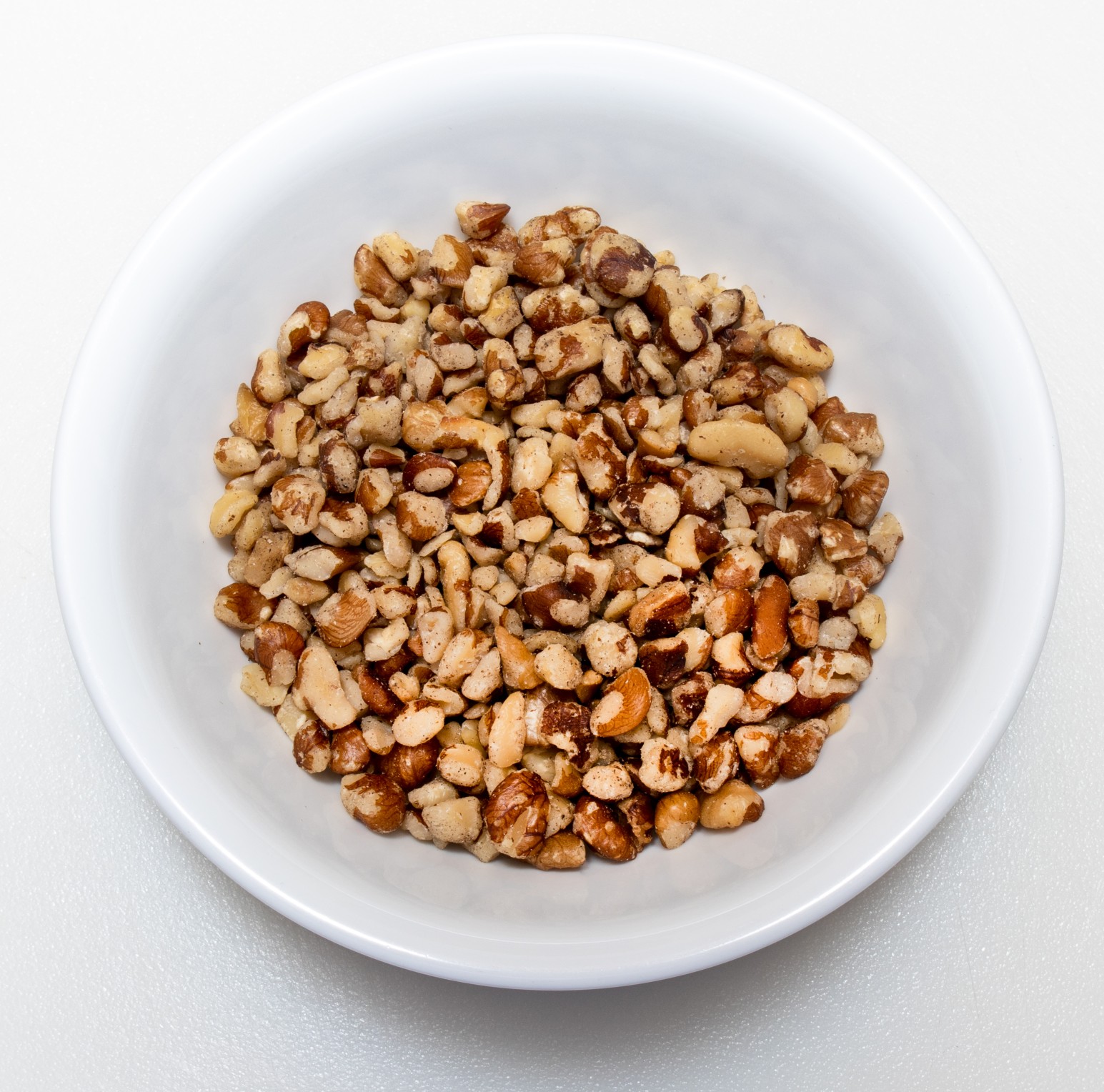
After cracking came the picking, and this is where the hours went.
A black walnut kernel sits in a convoluted shell with internal partitions, so the meat comes out in small irregular pieces that have to be prised from the fragments one at a time with a nut pick or a bent nail.
The ratio is brutal. A large sack of hulled nuts yields a surprisingly small bowl of meats, and getting that bowl takes an evening or several – which is why picking nuts was done sitting down, in company, in front of a fire or a radio or later a television, by several people at once, over weeks.
It was in other words exactly the kind of task that households used to absorb into the winter evenings: tedious, undemanding, endless, and perfectly compatible with conversation. The same social slot that held mending, shelling beans and braiding rag strips.
What They Were For Was Baking, and Christmas in Particular
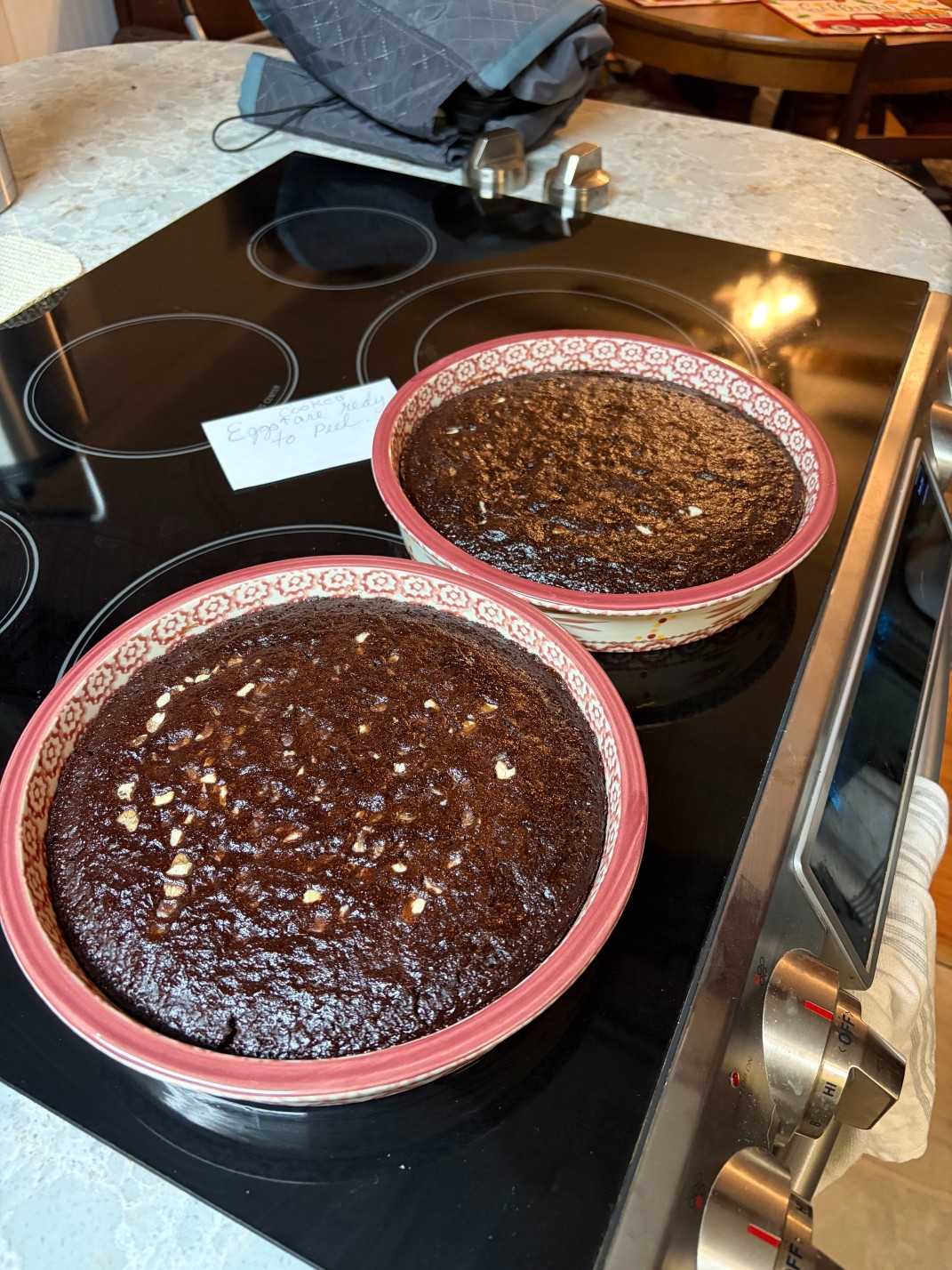
The yield went almost entirely into baking, and black walnut in particular has a strong distinctive flavour that is nothing like the mild commercial walnut.
Cakes were the main destination, and in a great many American families a specific cake made with gathered nuts was the fixed centre of Christmas – made every year, with nuts picked out by the household in November, by one person who was known for it.
They also went into cookies, candy, fudge, breads, pies and ice cream, and were given away in jars as presents – which is a gift with a labour cost that the recipient fully understood.
Hickory nuts were sweeter and milder and went into the same things, and anybody who had both treated the hickory as the better eating nut and the black walnut as the one with the flavour you wanted in a cake.
You Could Sell Them, and Families Did
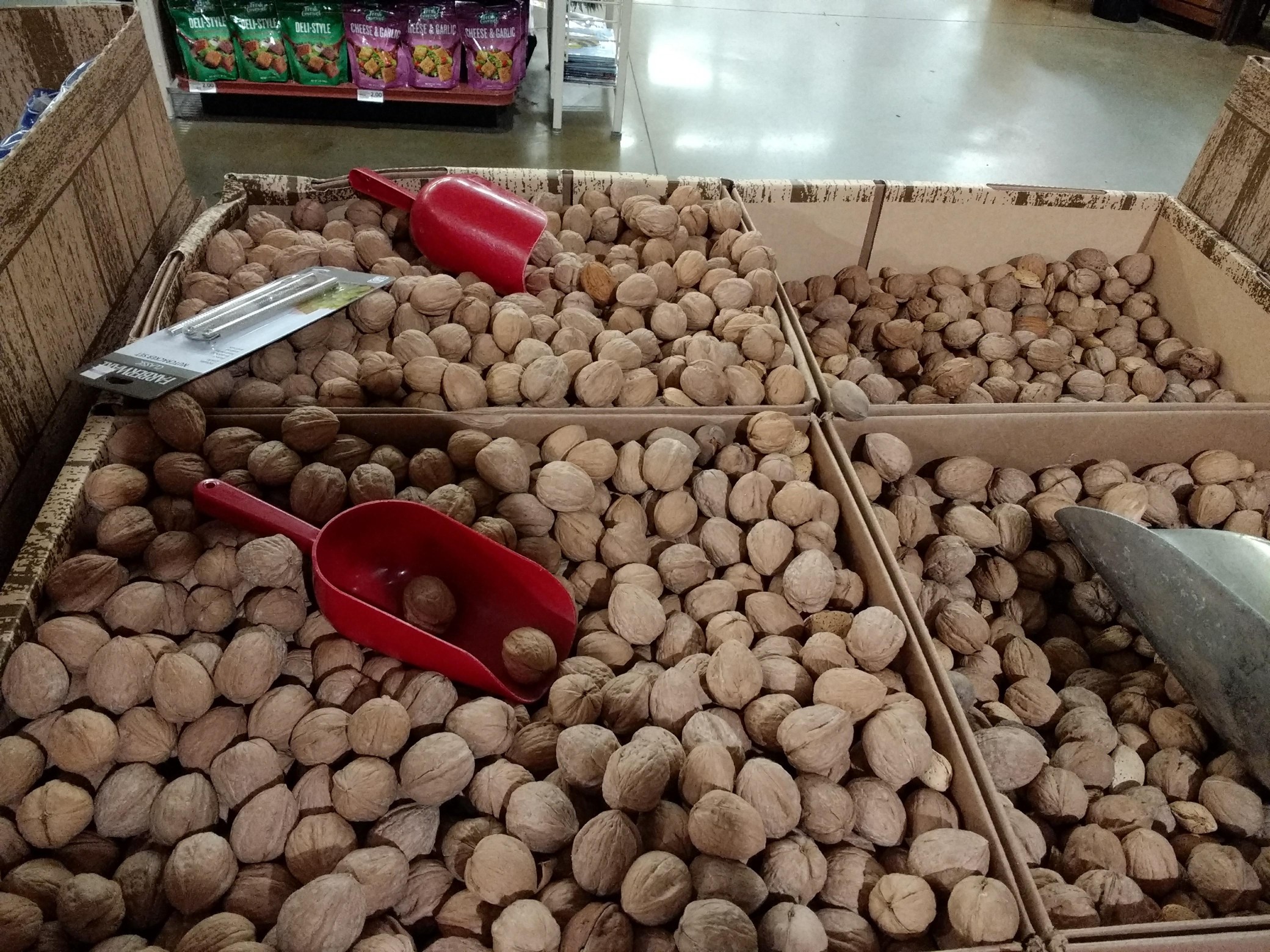
Gathered nuts were a genuine small cash crop. Buyers took hulled black walnuts by weight at collection points in the autumn – at a feed store, a produce house, a mill or a dedicated station – and paid cash on the spot.
The price per hundredweight was modest and the volume required was substantial, which means it was the kind of money a family earned by sending several children out for several Saturdays. It bought shoes, or Christmas, or a specific thing somebody wanted.
That trade still exists, at scale, and is the main reason black walnuts are still gathered in America at all – by far the larger part of it now done by people selling to buying stations rather than by families picking out meats at a kitchen table.
The Twist: The Best One Simply Stopped Existing
Nutting declined for the ordinary reasons. Commercial nuts became cheap and arrived shelled. Households moved to town. The trees were in places that got built on. The labour stopped being free once everybody’s evening had an alternative. And a bowl of nutmeats representing six hours of picking is a hard thing to justify when a bag of them costs a few dollars.
All of that is true and none of it is the real story, because something else happened that no household decision caused and nothing has reversed.
The American chestnut is gone.
It is difficult to convey how large a presence that tree was. Across a vast stretch of the eastern United States it was one of the dominant forest trees – in some areas a quarter or more of the standing timber – and it was close to an ideal tree for human purposes. It bore heavily and reliably every single year rather than in alternating good and poor seasons. The nuts were sweet, abundant, and edible raw with no processing at all – no hulling, no curing, no fighting with a hammer. They fell by the bushel and they could be gathered by the sackful by a child in an afternoon. They fed households, fed hogs turned loose in the woods to fatten on them, and were hauled to cities by the wagonload and sold on street corners. The timber was straight, light, strong and extraordinarily rot-resistant.
Then a fungal blight, introduced from imported nursery stock around the beginning of the twentieth century, spread through the eastern forest. It girdles a tree at the bark and kills everything above the infection. Within roughly forty years it had killed an estimated several billion mature American chestnuts across the species’ entire range.
The species is not formally extinct. The roots survive and send up shoots, which grow for a few years, reach a certain size, become infected and die back – over and over, indefinitely, so that the tree persists as an understorey shrub that never fruits. Breeding and biotechnology programmes to restore it have been running for decades and are genuinely promising, and have not yet put a self-sustaining forest tree back.
So the nutting season as it actually existed lost its best component to an accident of plant pathology, and what remains of the tradition rests on the hickory, which is excellent and uncommon, and the black walnut, which is abundant and is the hardest and least rewarding nut on the continent.
Which puts the decline in a different light. People did not stop gathering nuts because they got lazy. The easy nut – the one that fell by the bushel, needed no hulling, no curing and no hammer, and could be eaten off the ground – disappeared within one lifetime, and the only one left in quantity is the one that stains your hands for a fortnight and takes an evening to yield a cupful.
There are people alive whose parents remembered chestnuts on the ground in the eastern woods. That is the last generation, and nobody since has had any idea what the season used to be.
Like our content? Follow us for more.