

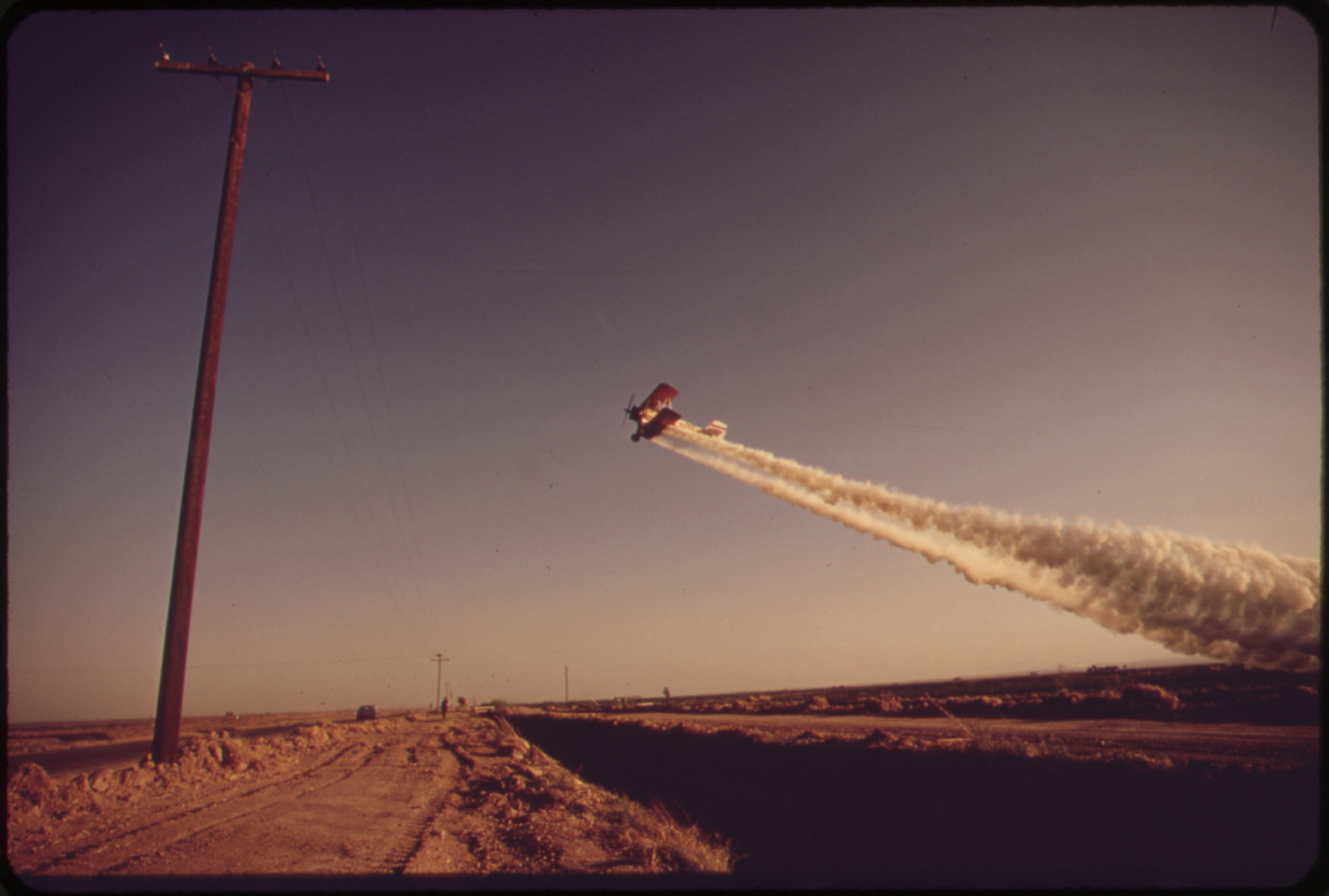
In 1974 the crop duster was the most dramatic thing in American agriculture. An aircraft working a few feet above a crop, turning at the end of every pass and coming back the other way, over a field people knew, flown by somebody they could name.
A great deal of it was still being done in converted military training biplanes bought cheaply after the war, by pilots who had learned to fly in wartime service and had no other civilian outlet for low-level skills. The strip was grass. The navigation was a boy standing at the end of the field with a flag, moving across a measured number of paces after each run.
And people stopped work to watch. Here are sixteen things every farm town knew.
1. The Aeroplane Came to the Field and Everybody Watched
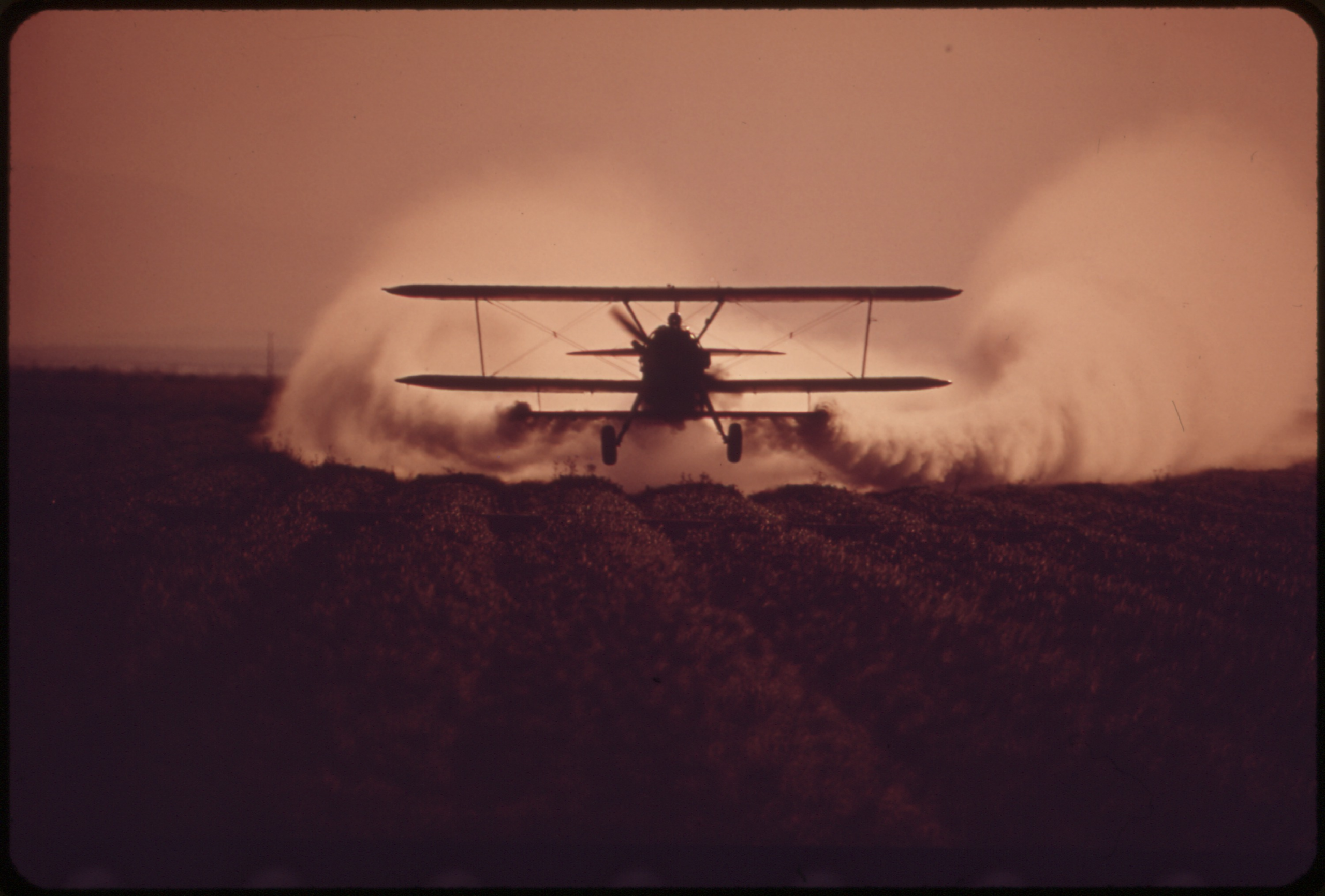
A working aircraft arriving over a farm at treetop height, turning at the end of each pass and coming back the other way, was the most dramatic thing that happened in an agricultural neighbourhood all year – and people stopped work to watch it.
Agricultural aviation is a large and busy American industry that most people never see, flying over fields with nobody standing at the fence.
The spectacle was real and so was the audience. An aircraft operating a few feet above a crop, in a field people knew, flown by somebody who might be local, is a genuinely remarkable sight – and in 1974 it was still novel enough that children were taken to see it.
Like our content? Follow us for more.
2. The Turn at the End of the Row Was the Whole Skill
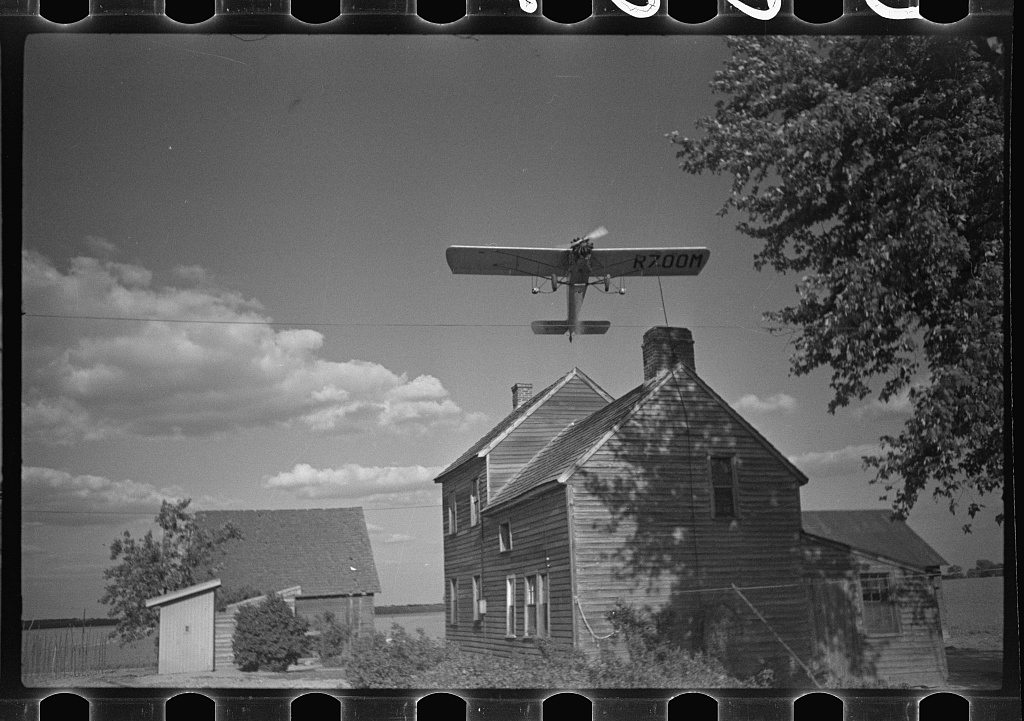
Flying level a few feet above a crop is relatively straightforward. What distinguishes agricultural flying is the turn: at the end of each pass the pilot must climb, reverse direction and descend back onto the next swath, repeatedly, low, in a heavily loaded aircraft.
Exactly the same manoeuvre, flown in purpose-built aircraft with far more power and far better handling, and taught as a formal discipline.
Everybody in aviation understands that this is the demanding part. A low-level reversal in a loaded aeroplane near obstacles, performed hundreds of times a day, is a manoeuvre with very little margin in it – and the quality of a pilot was judged almost entirely on how they flew the turnaround.
3. It Was the Most Dangerous Civil Flying in America
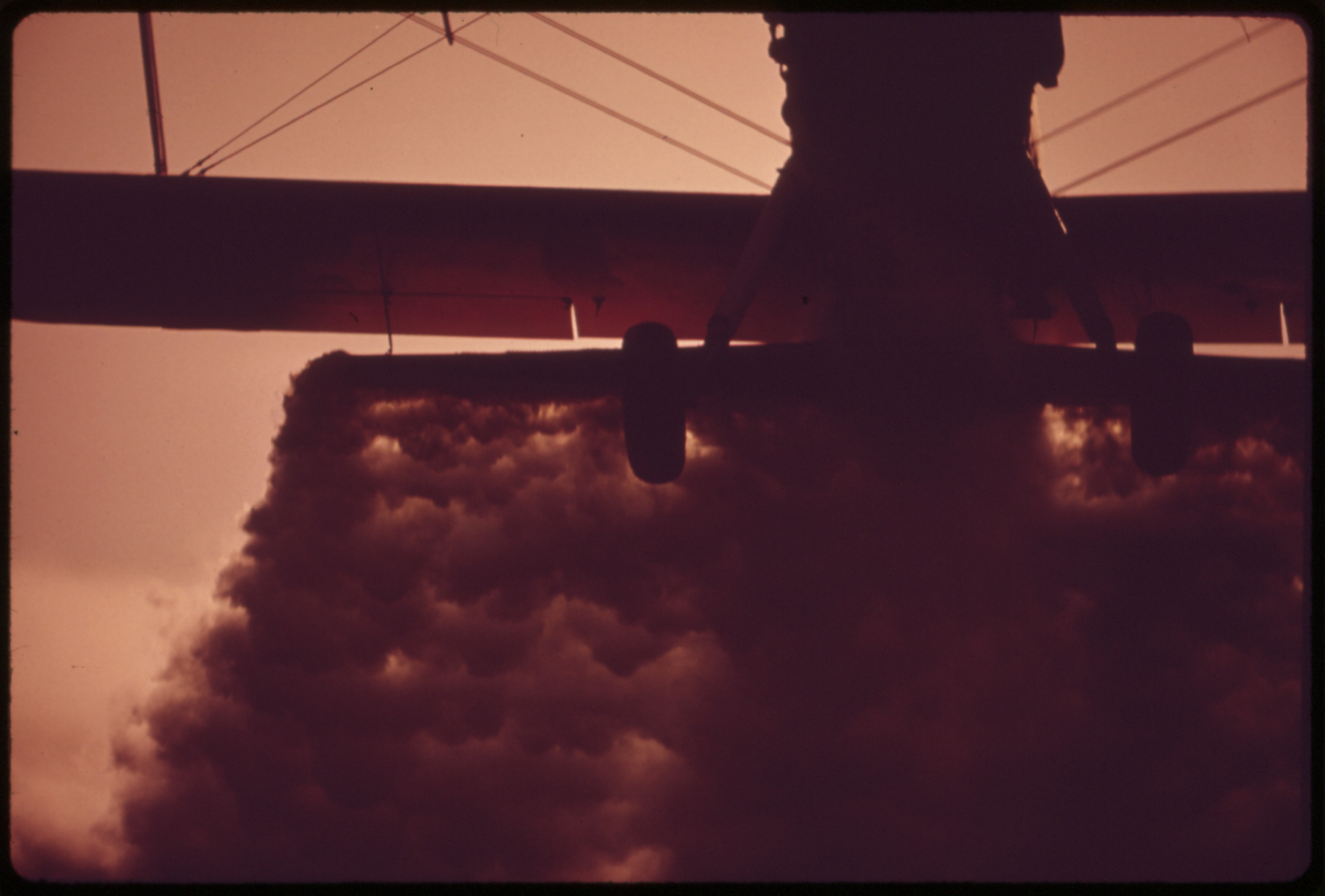
Agricultural aviation had, and has, an accident rate far above other civil flying, for structural reasons that have nothing to do with carelessness: the work is conducted deliberately at very low altitude, near wires, poles, trees and terrain, in heavily loaded aircraft, with repeated manoeuvring and very little time to recover from anything.
The same structural exposure, with substantially improved outcomes through purpose-built airframes, better engines, formal training, cockpit design intended for survivability and systematic hazard surveying.
This piece states the hazard and gives nothing further – no technique, no altitude, no procedure and no advice – because it is a professional discipline with specific current training, certification and operational requirements, and those are the only appropriate source.
4. The Early Aircraft Were Military Surplus
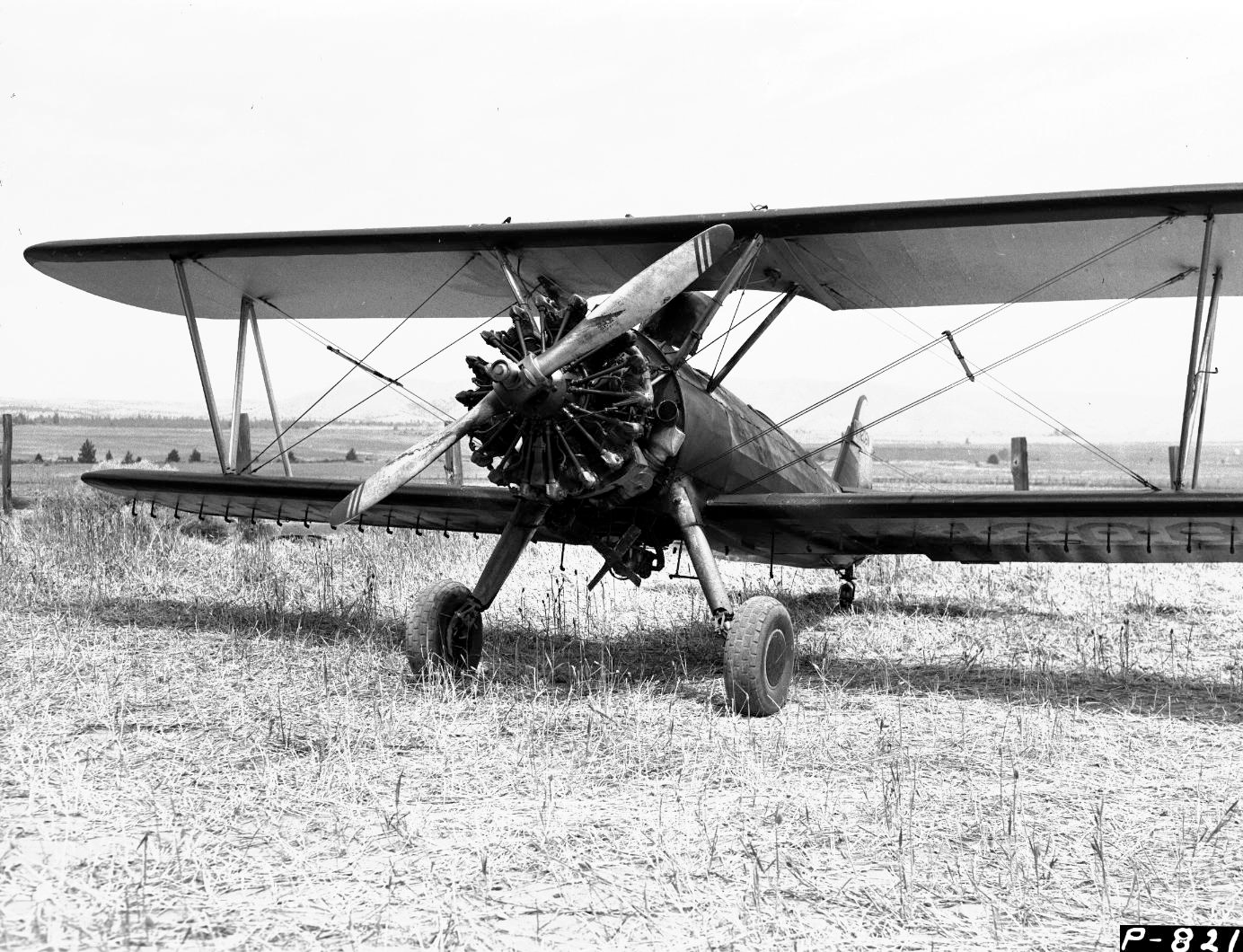
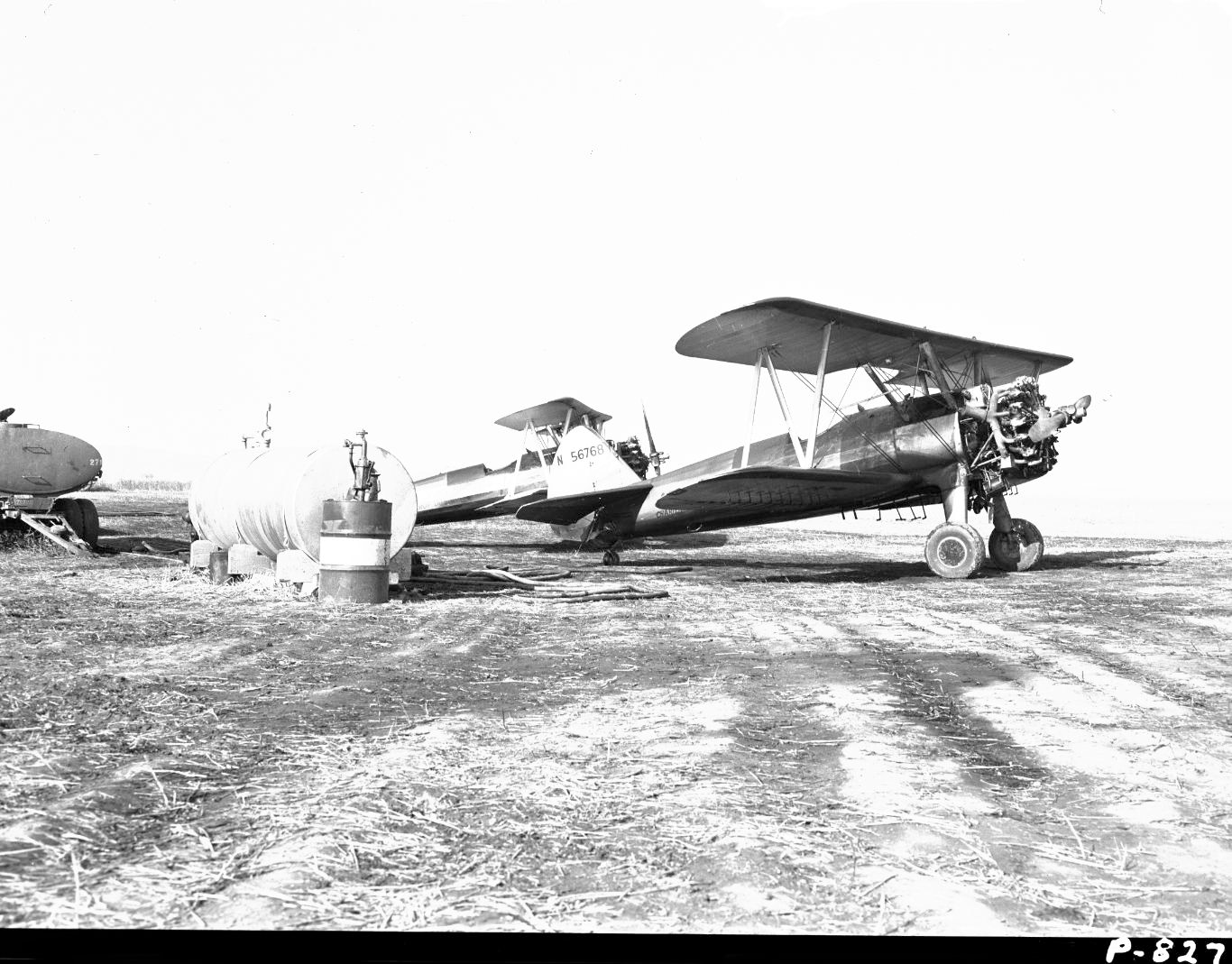
A great deal of American agricultural flying was conducted in converted military training biplanes bought cheaply after the Second World War – rugged, simple, forgiving in some respects, and never designed for the job.
Purpose-built agricultural aircraft, overwhelmingly turbine-powered, designed from the beginning around load, visibility, crash survivability and the specific demands of low-level work.
The surplus era is the romantic part of the story and it was also the worst part. An aeroplane designed to teach somebody to fly is not an aeroplane designed to carry a heavy load at low level all day, and the industry’s early record reflects exactly that mismatch.
5. The Pilots Came Out of the Military Too
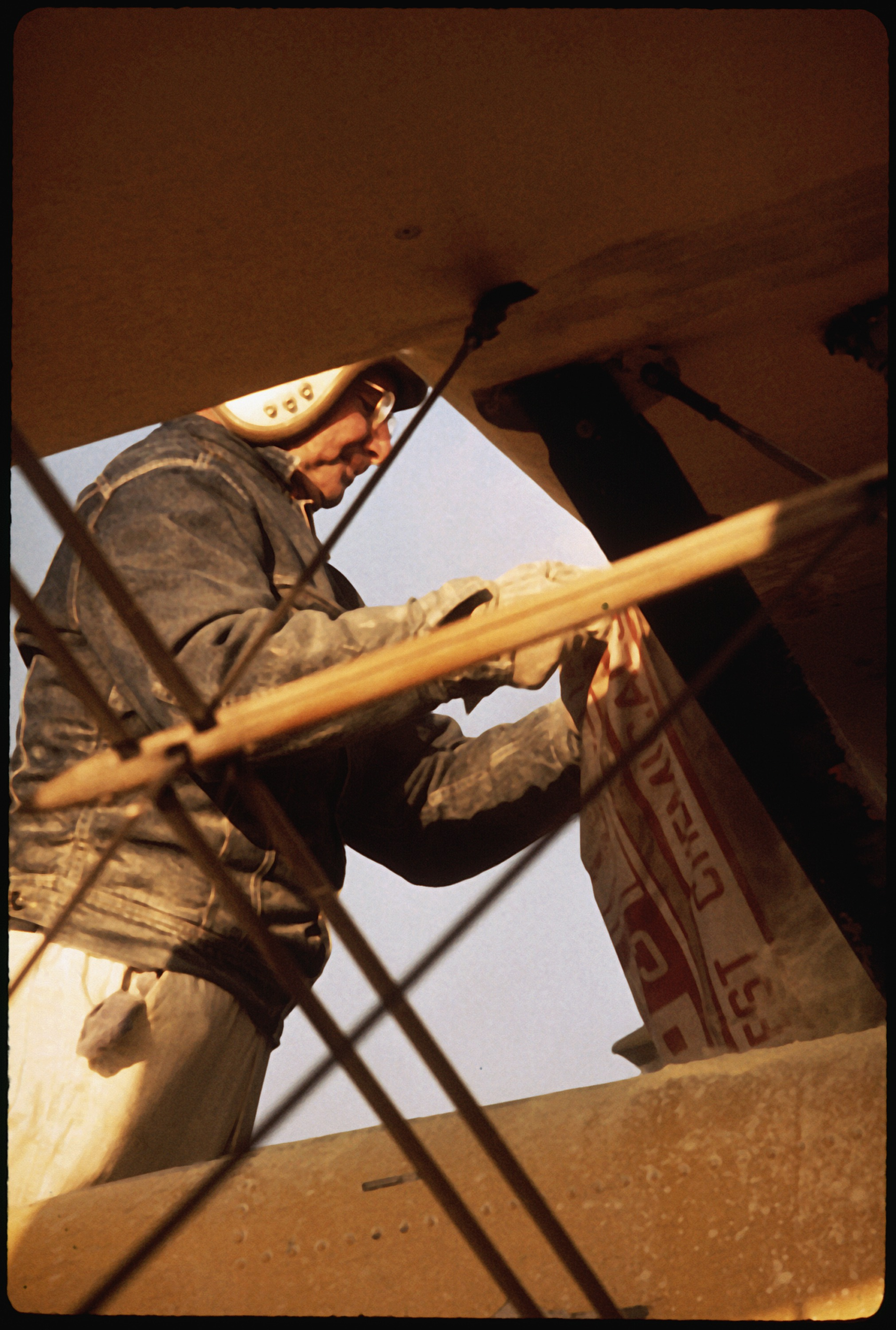
The first generation of American agricultural pilots were very largely men who had learned to fly in wartime service and came home with skills, hours and a tolerance for low-level flying that had no other civilian outlet.
A professional pilot population trained through civilian routes, with formal agricultural-specific instruction, mentoring programmes and recognised progression.
That origin shaped the trade’s character for decades and it explains the shortage that followed. A supply of experienced low-level pilots that arrives all at once as a consequence of a war is not renewable, and the industry had to build a training structure from nothing once that generation aged out.
6. Operators Worked From Small Strips
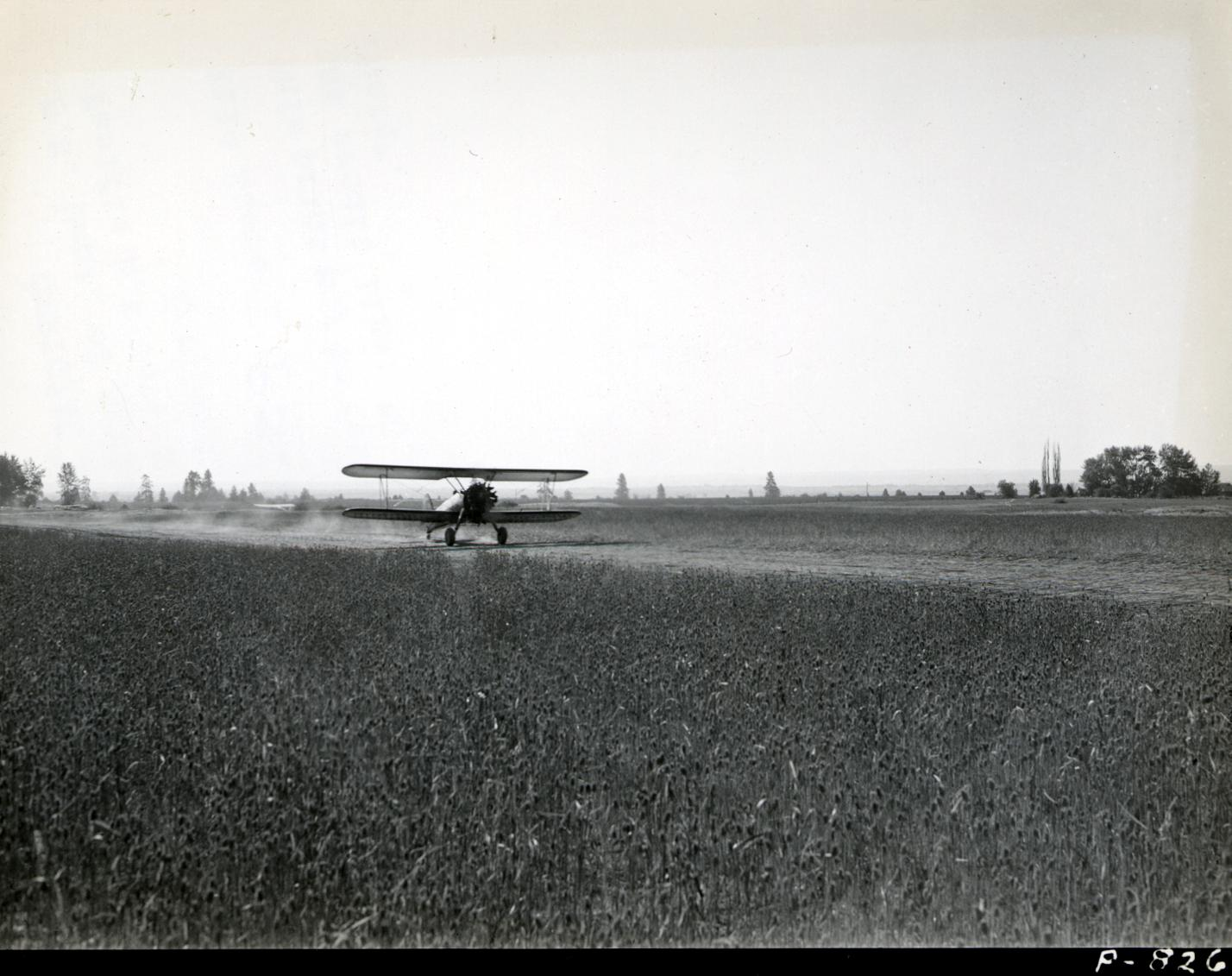
Agricultural flying ran from grass strips, farm airfields and converted pasture – a windsock, a loading area, a fuel supply, a shed and a telephone, frequently on land owned by the operator.
The same model, with substantially more infrastructure, better surfaces, environmental containment at loading areas and much more regulation.
The local strip is what made the service possible economically. An aircraft cannot spend its day flying to and from a distant airport during a season when timing is measured in hours, so the operation had to be based among the fields it served.
7. The Season Was Short and Everything Happened at Once
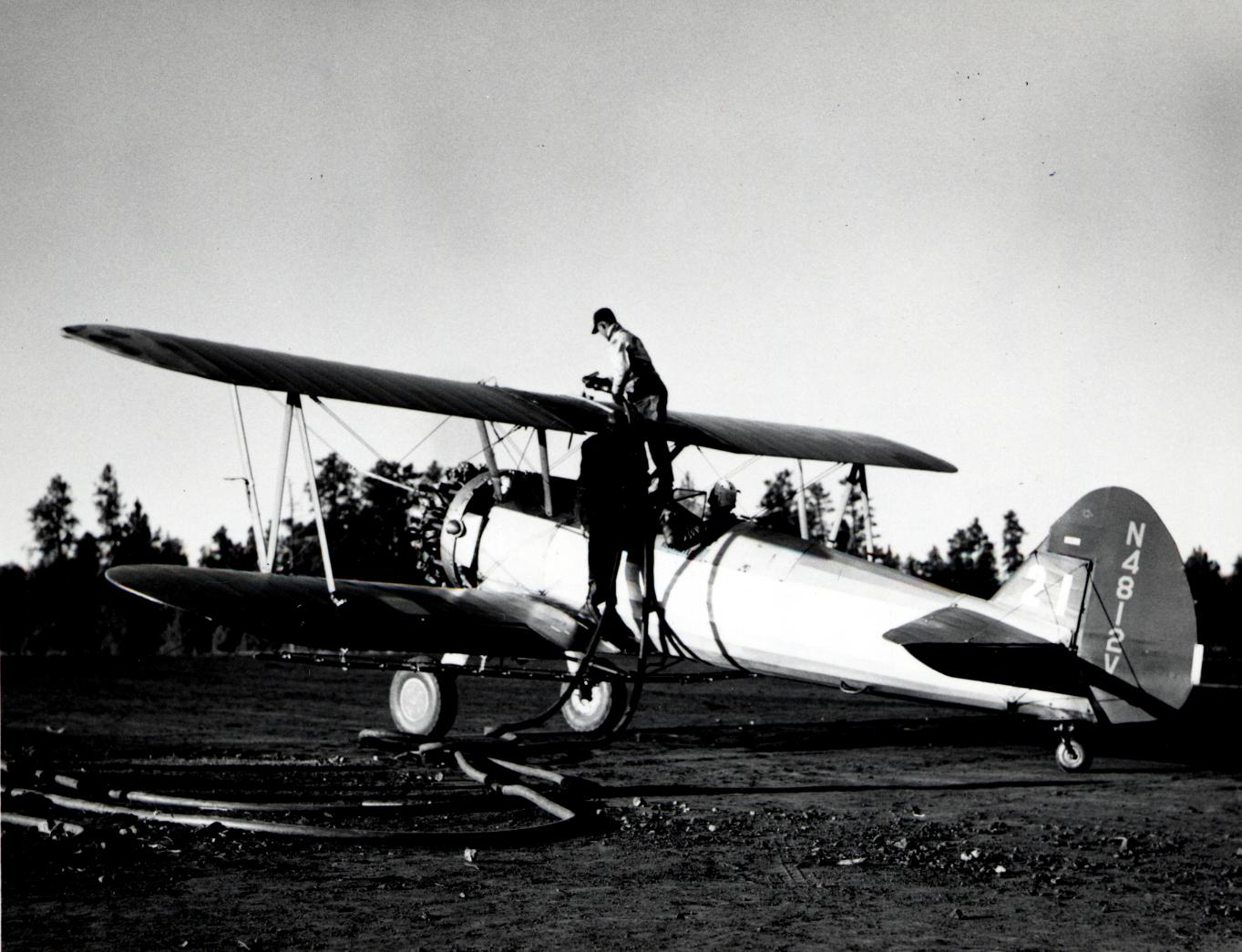
Agricultural aviation work is compressed into narrow windows determined by the crop and the weather, which means an operator’s entire year is earned in a handful of intense weeks with aircraft flying from first light.
Identical, and arguably more compressed, with the same seasonal concentration and the same consequence that capacity is the binding constraint.
That compression explains every other feature of the business. Equipment that sits idle most of the year has to earn its keep in weeks, which drives long days, early starts, pressure to fly in marginal conditions and a workforce that must be available precisely when needed.
8. Flagmen Stood in the Field
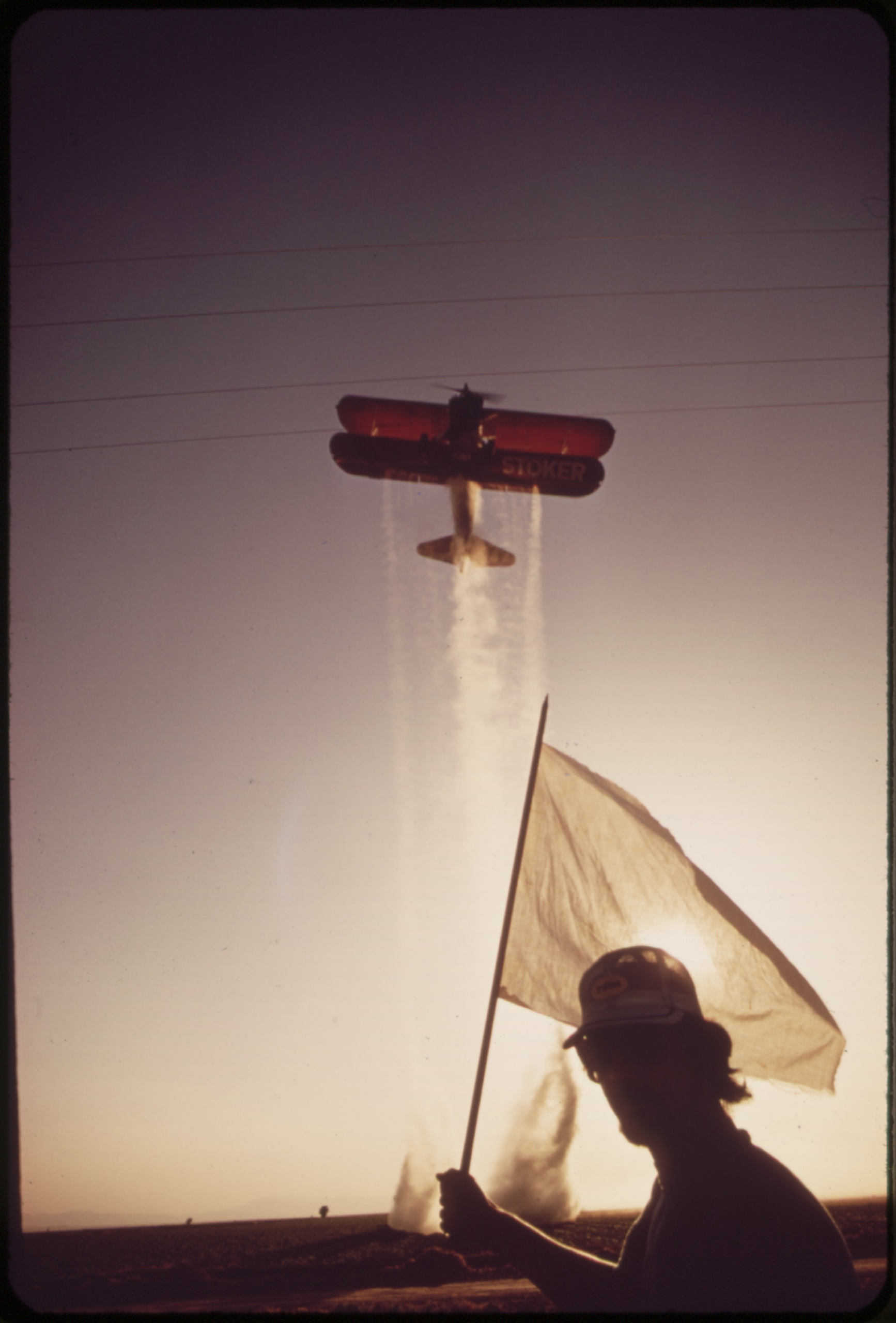
Before modern navigation, somebody stood at the end of the field holding a flag to mark where the next pass should begin, moving across by a measured number of steps after each run.
Eliminated entirely by satellite guidance, which places each pass precisely and records the whole operation.
The flagman’s job is the one that has disappeared most completely and it was a real occupation held by a great many young people. It was also, by any modern standard, an extremely poor place to be standing – which is a substantial part of why nobody is sorry it is gone.
9. Wires Were the Thing Everybody Thought About
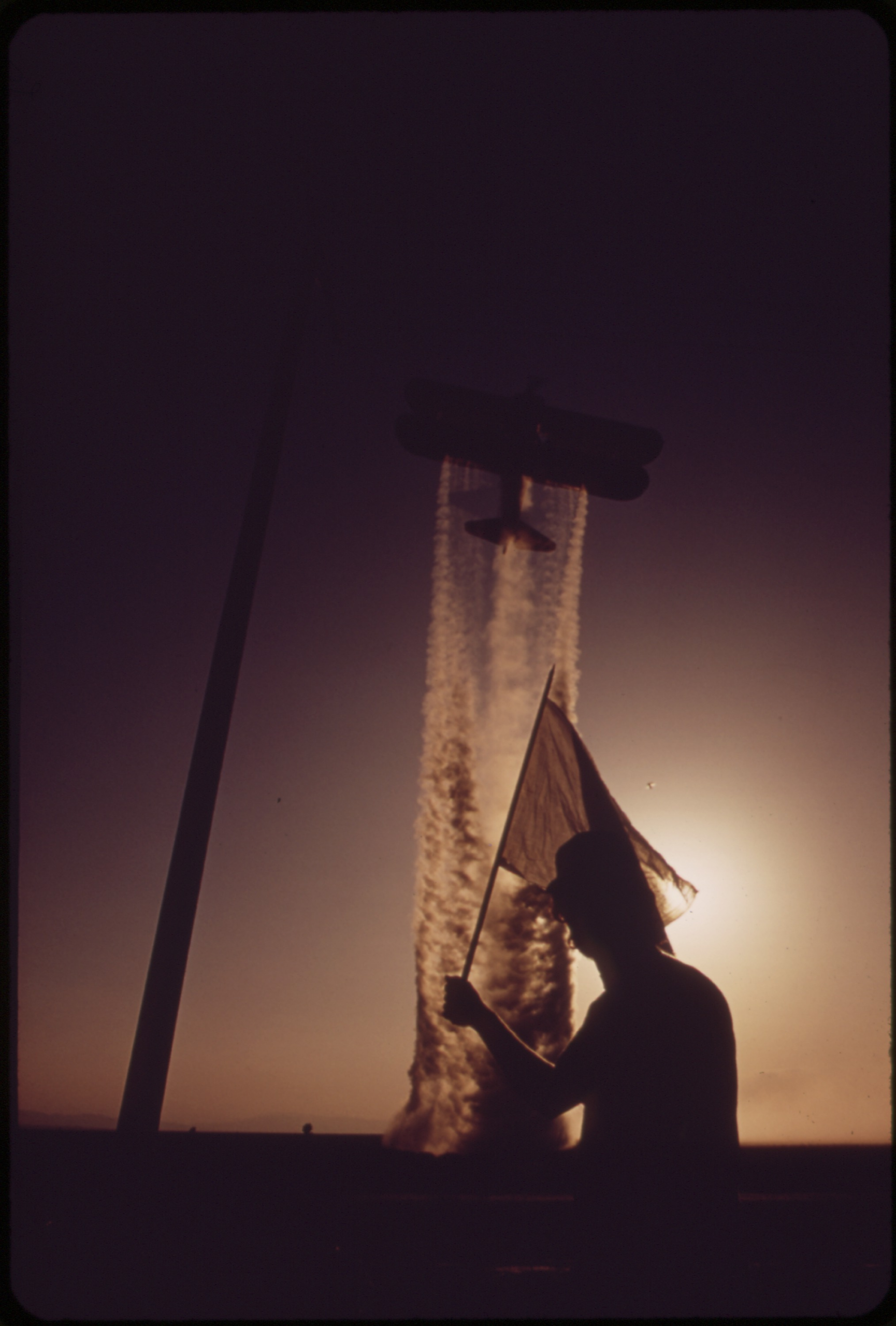
Power and telephone lines crossing fields were the principal hazard of the work, and operators surveyed their fields beforehand specifically to know where every wire, pole, tower and guy was.
The same hazard, addressed by systematic hazard mapping, marking programmes, satellite-recorded obstacle databases and formal pre-survey requirements.
Wire awareness is the defining professional knowledge of the trade and it is almost entirely invisible from outside. A pilot’s working picture of a field is a map of its obstructions, built before flying it, and that preparation is the actual job.
10. The Load Determined Everything About the Flight
An agricultural aircraft takes off heavy and gets lighter continuously as it works, which means its handling, its climb and its turning performance change throughout every single pass.
The same physics, in aircraft with far more power margin and with systems that manage the rate precisely.
That continuous change is a genuinely unusual flying problem. Most aircraft are heavy at the start of a flight and light at the end; an agricultural aircraft does that several times a day, at low level, while manoeuvring – which is why power margin is the single most valuable thing a purpose-built design gave the industry.
11. The Turbine Engine Changed the Industry Completely
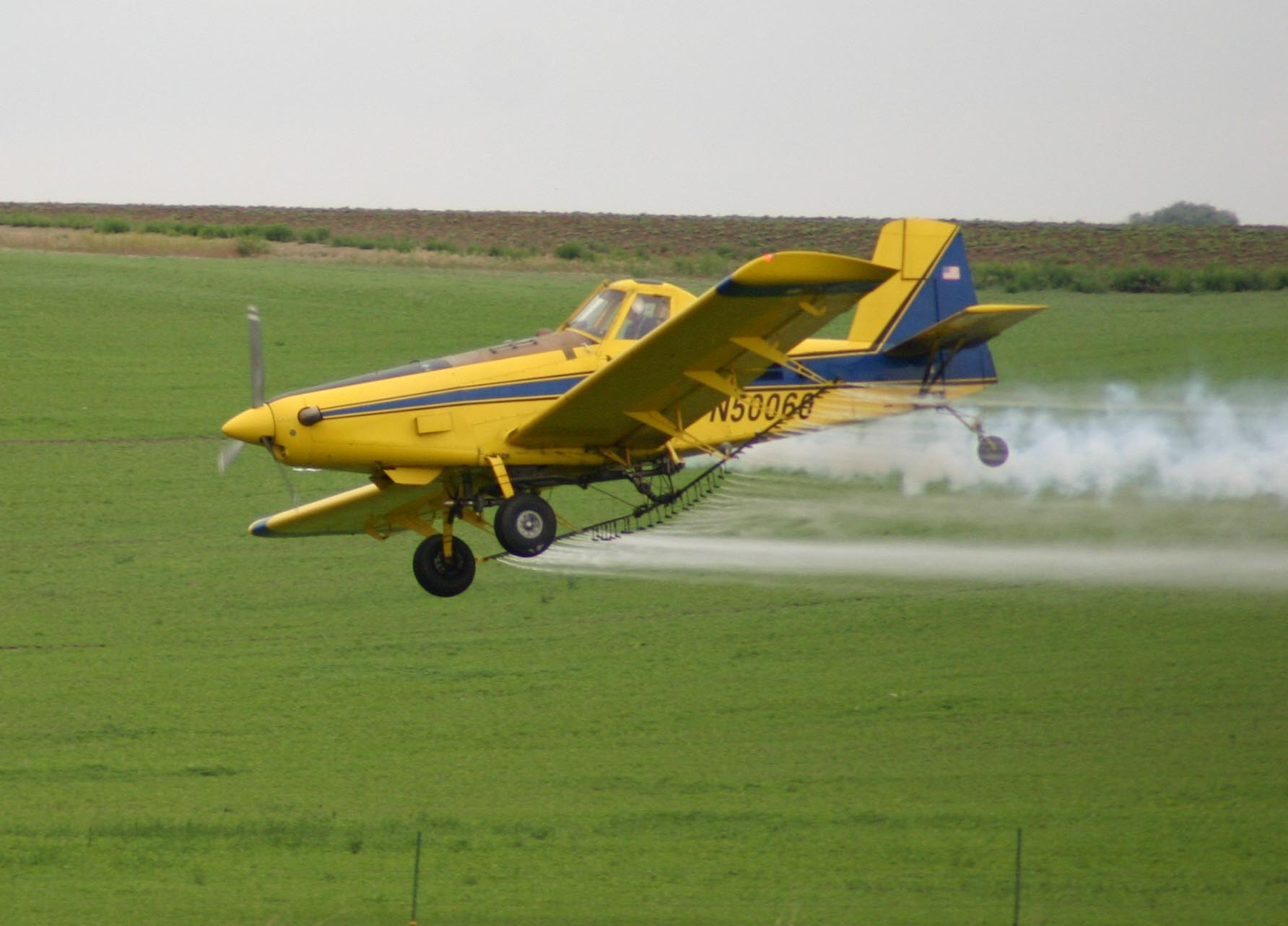
The move from piston engines to turbines transformed agricultural aviation – more power, far better reliability, much higher load capacity and a dramatic improvement in the margin available during the critical low-level turn.
Dominant. The overwhelming majority of American agricultural flying is turbine-powered.
Reliability is the part that matters most and it is easy to overlook next to the power. An engine failure during a low-level turnaround leaves almost no options, so an engine that fails far less frequently is not merely a convenience – it addresses the single most serious exposure in the work.
12. It Was a Local Business With a Known Name
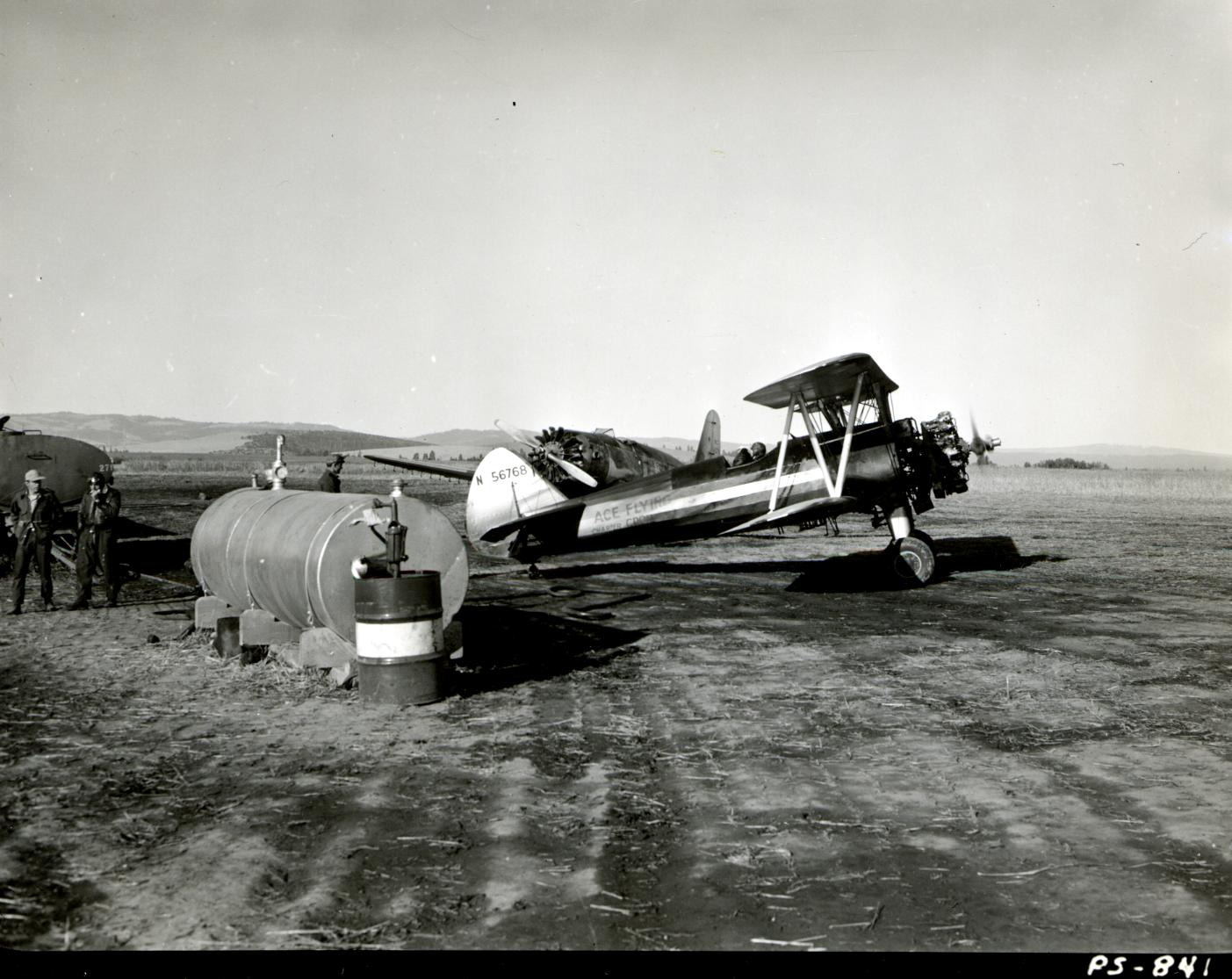
Operators were small businesses, frequently one or two aircraft, owned and flown by somebody the farmers knew personally and hired by telephone on a handshake.
Consolidation into larger operations alongside a substantial surviving population of small owner-flown businesses, with contracts, scheduling systems and formal records.
The personal relationship was the basis of the trade and still substantially is. A farmer hiring an aircraft is trusting somebody with a crop and with the ground around it, and that kind of trust was and is extended to a person rather than to a company.
13. The Pilots Were Local Celebrities and Knew It
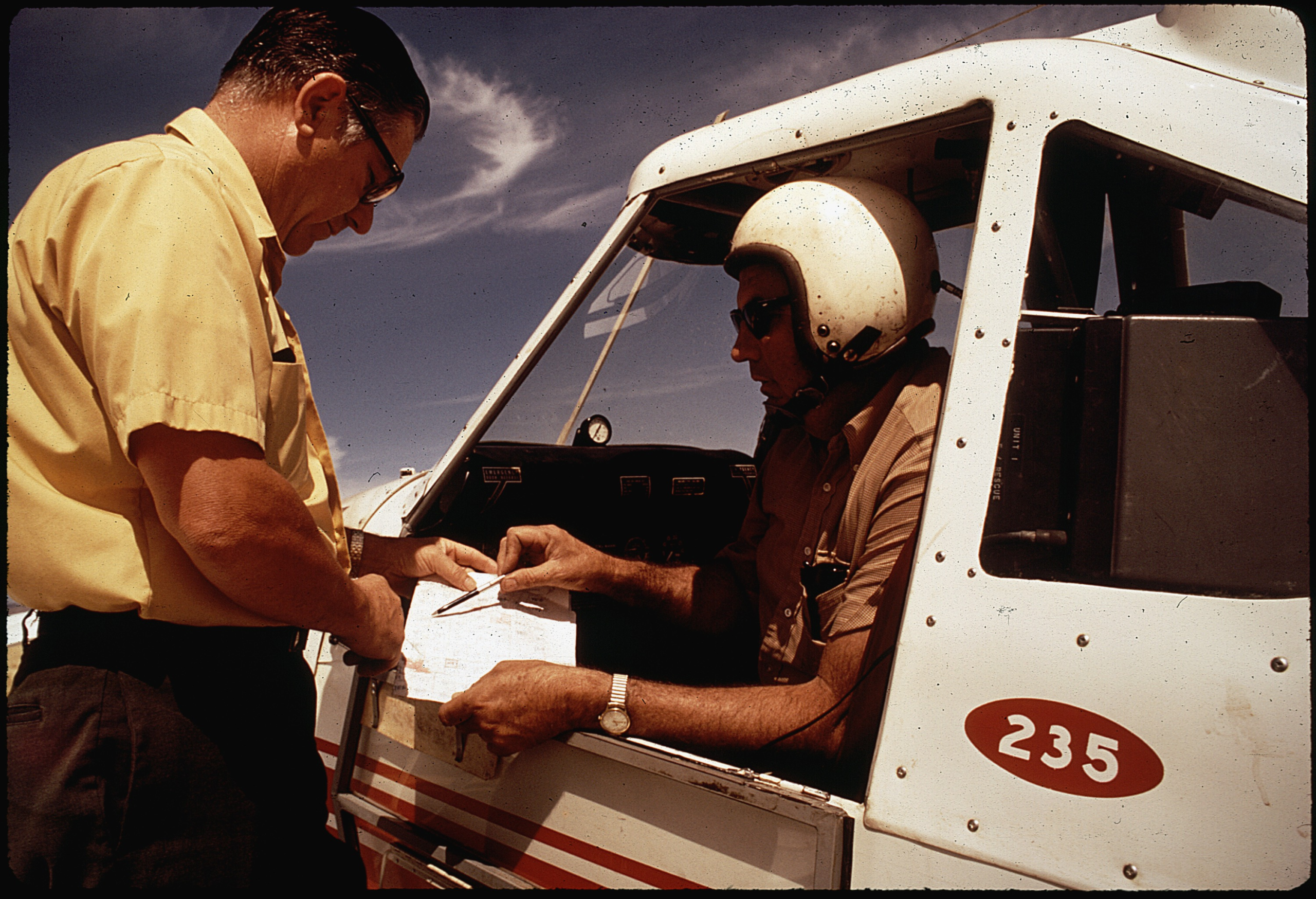
An agricultural pilot in a farming community in 1974 occupied an unusual social position – visible, admired, obviously skilled, doing something nobody else could do, in a job everybody could watch.
Much less visible, with the work unseen by most people and the profession known mainly to the agricultural community it serves.
The visibility was part of the appeal of the job and a part of its culture. Flying in front of an audience every day, in a community where everybody knows who you are, produces a particular professional identity – and the accounts from that era reflect it plainly.
14. Satellite Guidance Ended the Guesswork
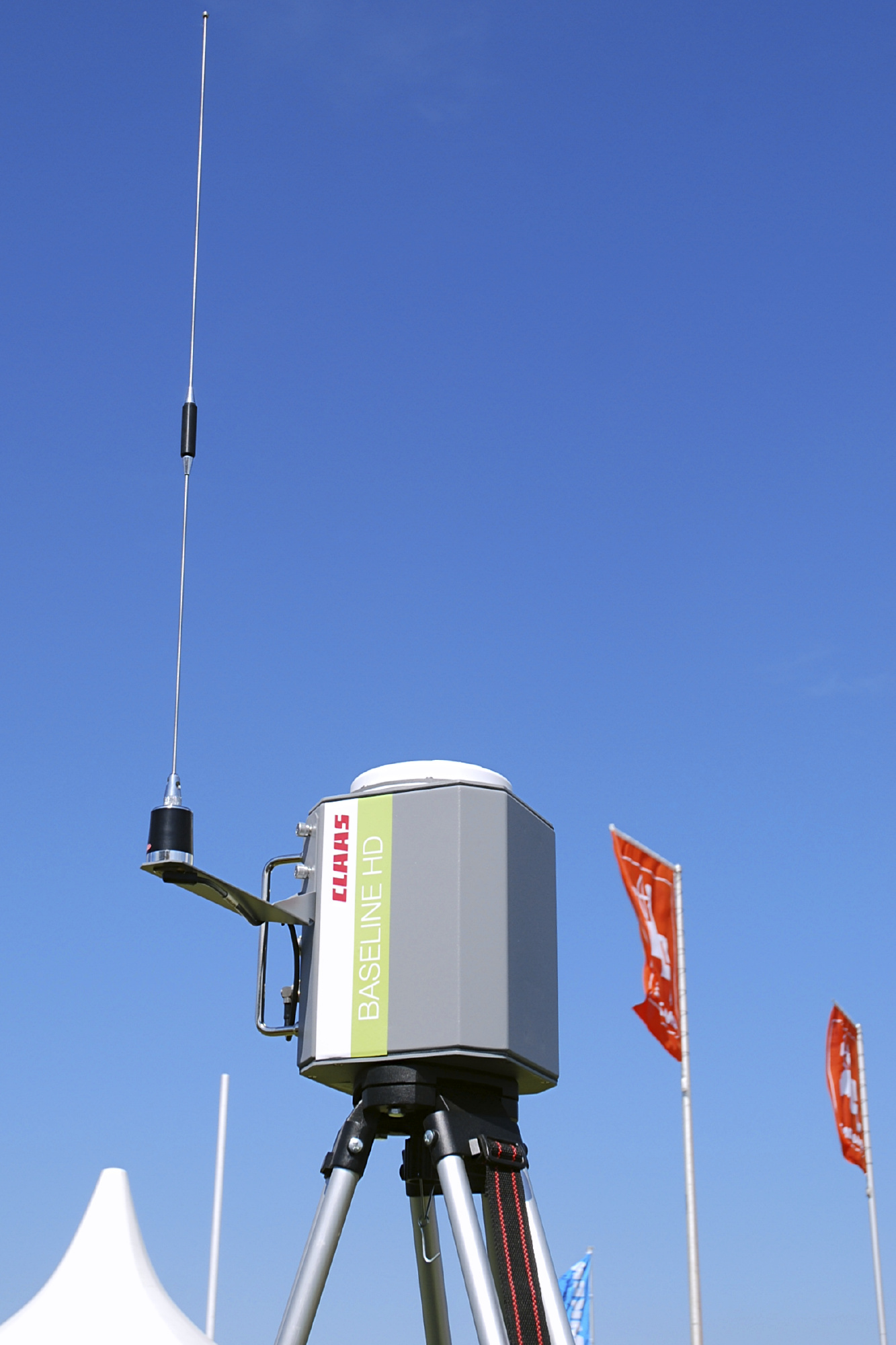
Precise positioning transformed the accuracy of the work – eliminating the flagman, removing overlap and gaps between passes, allowing exact records of what was applied where, and permitting operations in conditions that previously made visual reference impossible.
Universal, and the single largest technical change in the industry since the turbine.
Accuracy is the quiet revolution here and its consequences run well beyond convenience. An operation that can place every pass precisely and record it afterwards is verifiable in a way that a visually flown job never was – which matters to the grower, to the operator and to everybody who regulates the activity.
15. Drones Are Now Doing Part of the Work
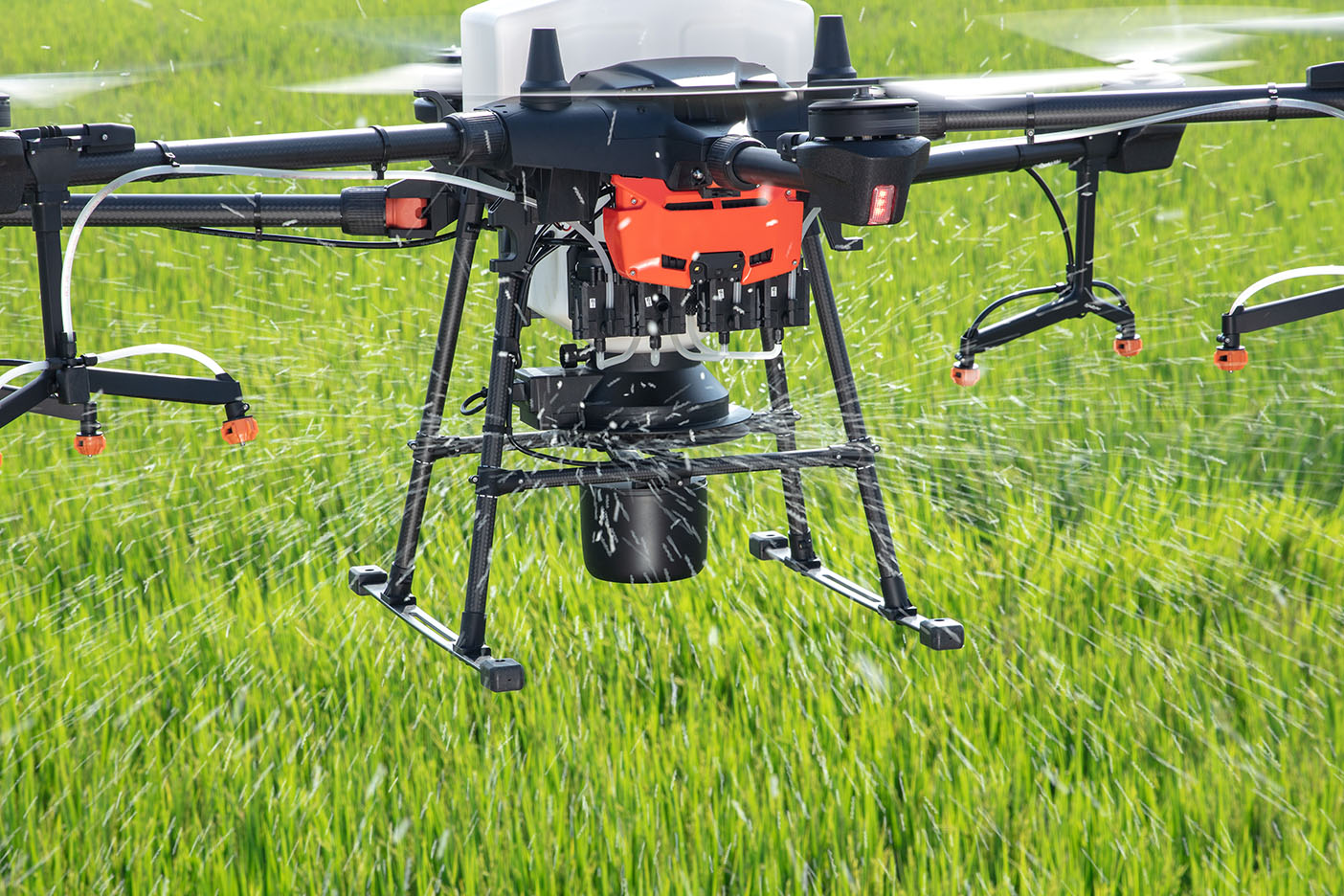
Unmanned aircraft have entered agricultural application, handling small fields, awkward shapes, spot treatment and terrain that is uneconomic or unsafe for a crewed aircraft.
An active and rapidly developing part of the industry, operating alongside crewed aircraft rather than replacing them, with capacity and regulation both still developing.
The division is settling along a predictable line. A crewed aircraft covers very large areas very fast, which is what most American field work requires; an unmanned one handles the small, the awkward and the hazardous – and the obvious attraction of the second is that nobody is in it.
16. Then the Most Visible Job in Farming Became Invisible
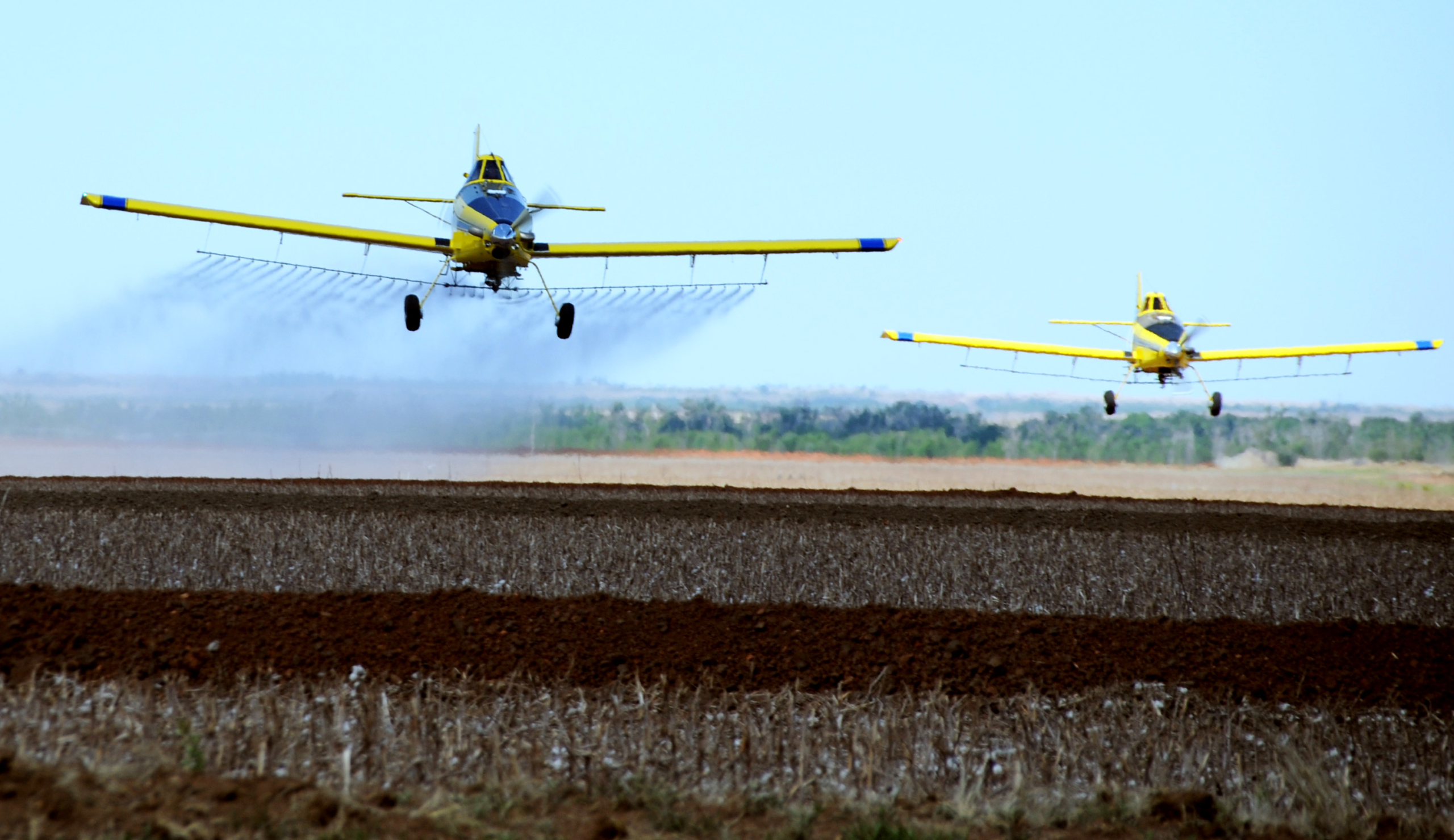
In 1974 the crop duster was the most dramatic thing in American agriculture – a converted military biplane, flown by a man the community could name, out of a grass strip, over fields marked by a boy with a flag, with half the neighbourhood watching from the fence.
A substantial professional industry flying purpose-built turbine aircraft with satellite guidance, operating almost entirely unobserved, whose practitioners are known to the farmers who hire them and to essentially nobody else.
And what is interesting is that every change in that transition made the work safer and better while removing the reason anybody watched. The surplus biplane was replaced by an aircraft designed from the ground up for the job, with the power margin to survive the critical turn and a cockpit built on the assumption that the worst might happen – which is a very large improvement in an occupation that genuinely had, and still has, an accident rate far above other civil flying. The flagman standing in the field was replaced by satellite positioning, which is both more accurate and a straightforward improvement in the position of a young person who used to stand there. The piston engine gave way to the turbine, which addressed the single most serious exposure in the work, since an engine failure during a low-level reversal leaves almost no options. Precise guidance made the work verifiable, which serves the grower, the operator and the public simultaneously. Nobody should want any of that reversed. But the industry got good at the same time as it got quiet. A trade whose equipment is reliable, whose navigation is automatic and whose operations are planned and recorded does not produce the spectacle of a biplane turning over a fence line while a boy counts out paces below it – and so a job that an entire neighbourhood used to stop work to watch is now performed overhead by somebody most people have never heard of, which is what professionalisation nearly always looks like from the outside.
It Got Safer and Better, and That Is Why Nobody Watches
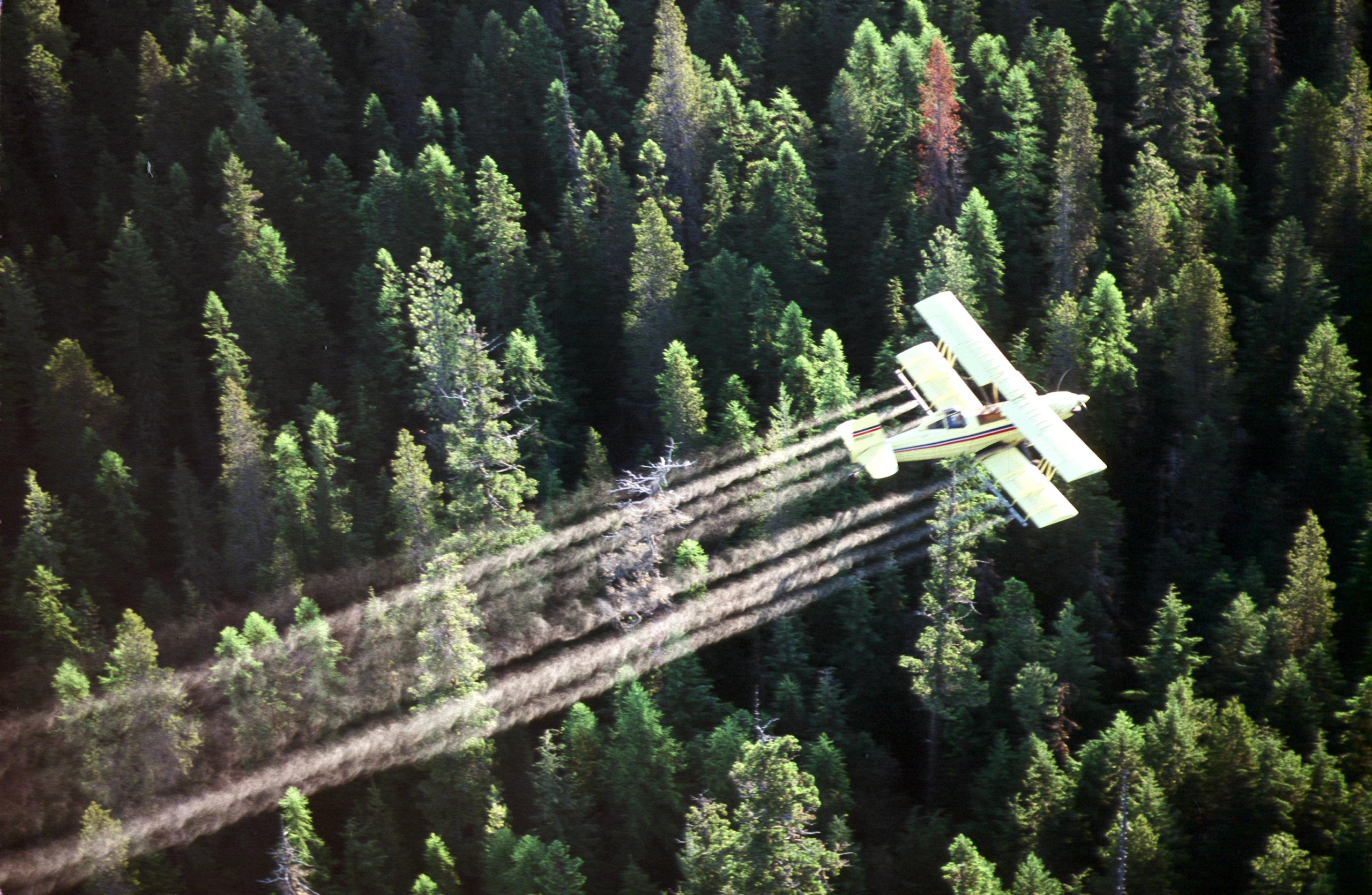
This is a case where everything that improved the work also removed the reason anybody paid attention to it.
Start with what the job actually is, because the spectacle obscures it. Flying level a few feet above a crop is not the hard part. The hard part is the turn: at the end of every pass, the pilot has to climb, reverse direction and descend precisely onto the next swath, in a heavily loaded aircraft, near wires and poles and trees, hundreds of times in a working day. Everybody in aviation knows that is where the demand and the exposure sit, and a pilot’s competence was judged almost entirely on the turnaround.
It is also, structurally, the most dangerous civil flying in America. Not through carelessness – through the nature of the work. Deliberately very low altitude, near obstructions, heavily loaded, manoeuvring constantly, with very little time to recover from anything that goes wrong. That was true in 1974 and the accident rate remains far above other civil flying. This piece gives no technique, altitude, procedure or advice, because it is a professional discipline with specific current training, certification and operational requirements and those are the only appropriate source.
Now consider what changed, item by item, and notice that every single improvement reduced the spectacle.
The aircraft. A converted military trainer is an aeroplane designed to teach somebody to fly, not to carry a heavy load at low level all day, and the early industry’s record reflects that mismatch exactly. It was replaced by purpose-built agricultural aircraft designed from the beginning around load, visibility, the demands of low-level work and crash survivability – a cockpit built on the assumption that the worst might happen. That is an enormous improvement in an occupation with that exposure.
The engine. Piston gave way to turbine, which brought more power, much greater load capacity and – most importantly – far better reliability. An engine failure during a low-level reversal leaves almost no options, so an engine that fails far less often is not a convenience. It addresses the single most serious hazard in the work, and it enlarged the power margin available during exactly the manoeuvre where margin matters most.
The navigation. Satellite positioning eliminated the flagman, and it is worth being blunt that the flagman’s job was by any modern standard an extremely poor place to be standing. It also removed overlap and gaps between passes, made the work verifiable through exact records of what went where, and permitted operations in conditions that previously defeated visual reference. Accuracy serves the grower, the operator and everybody who regulates the activity simultaneously.
The training. A generation of pilots who arrived all at once with wartime low-level experience is not a renewable supply, so the industry had to build formal agricultural-specific instruction, mentoring and progression from essentially nothing – which is what a profession does when it matures.
None of that should be reversed by anybody, and nobody is arguing for it.
But the trade got good at the same time as it got quiet. An industry with reliable equipment, automatic navigation and planned, recorded operations does not generate the sight of a surplus biplane hauling up over a fence line while a boy counts out paces in the stubble below. The pilots are no longer local figures because the work is no longer local theatre.
So the most visible occupation in American farming became one of the least visible, and the practitioners are now known to the farmers who hire them and to essentially nobody else – which is what professionalisation almost always looks like from the outside.
If you grew up around this, you remember standing at a fence watching it and being told to stay back.
And somebody you knew held the flag one summer, which is a job nobody would be given now.
Like our content? Follow us for more.
