There is a sound that instantly divides the population into two groups. To anyone who was online before roughly 2003, it is unmistakable: a dial tone, a rapid series of touch-tone beeps, a pause, then a rising two-note handshake followed by a burst of harsh static that resolved, finally, into silence and a connection. To anyone younger, it is meaningless noise. That sound was the sound of the internet arriving, and for the better part of a decade it was the daily gateway to the online world for millions of households.
Dial-up internet is barely twenty years gone from most homes, and it has vanished so completely that the entire experience it created — the waiting, the tying up of the phone line, the strange etiquette it forced on families — now sounds like an account of a far more distant era. What follows is a look back at how getting online actually worked when it required a telephone, why that specific sound existed, and what an entire generation remembers about the years when the internet was a place you had to go rather than a thing that was simply always on.
Your Computer Placed a Phone Call
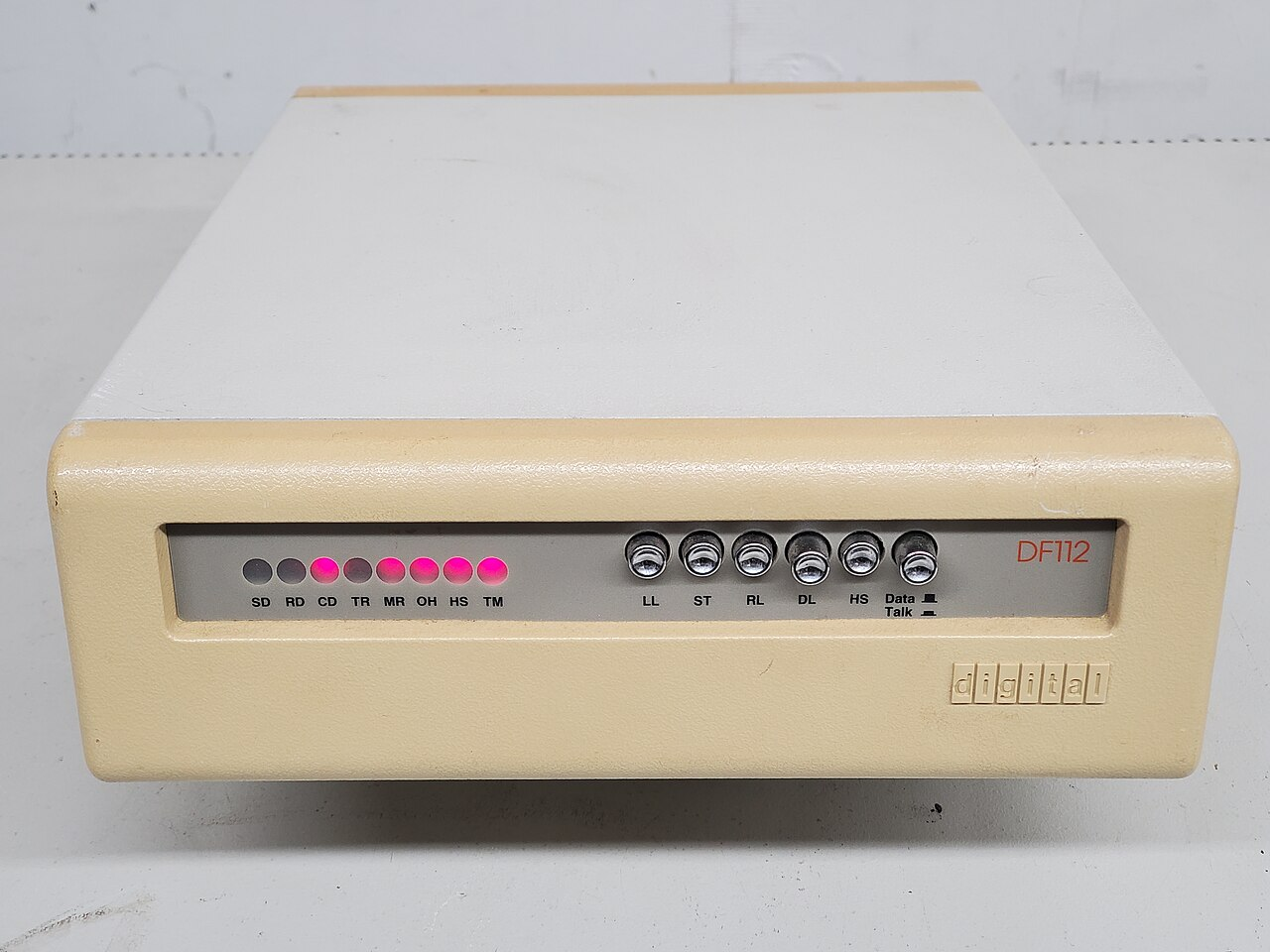
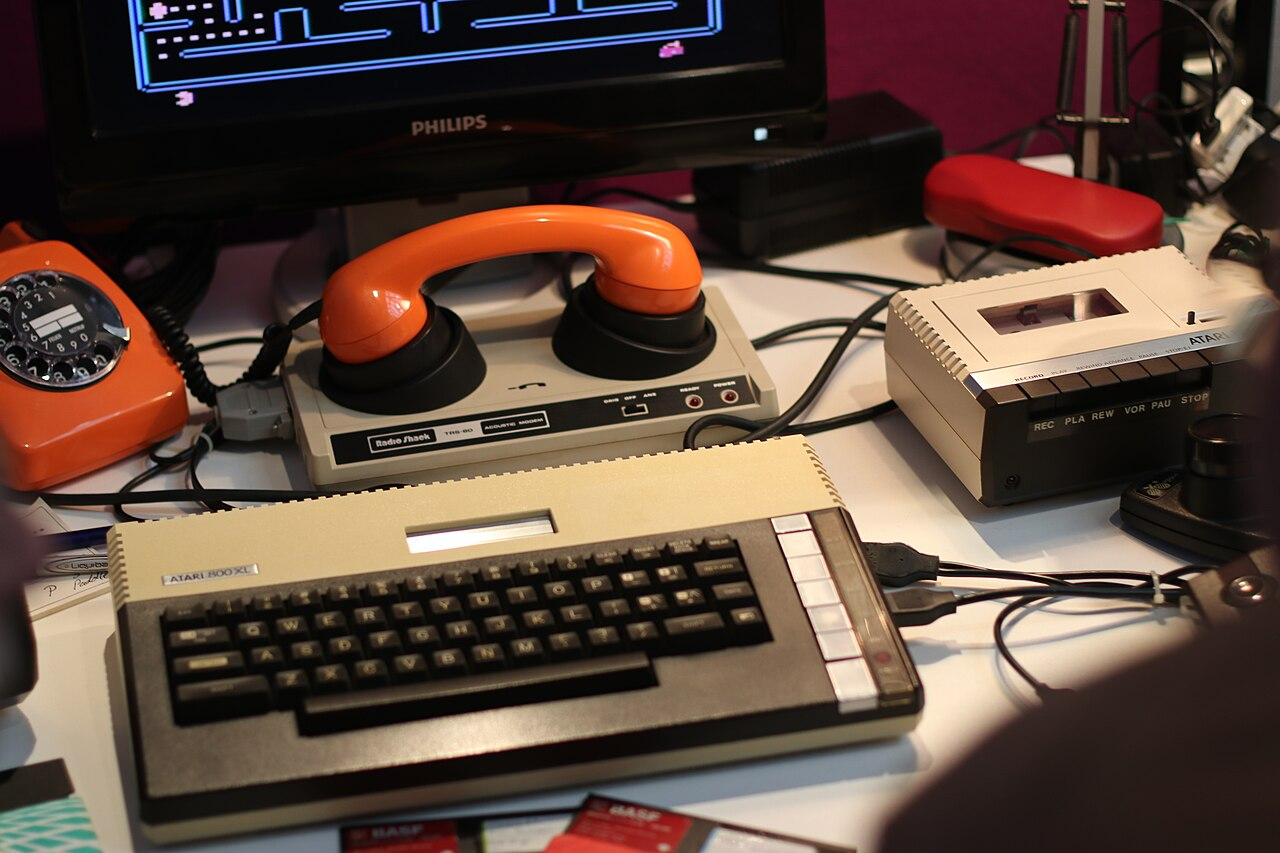
The fundamental fact that explains everything else is that dial-up worked by making an actual telephone call. The modem in your computer picked up the household phone line, dialed a number belonging to your internet provider, and connected to a modem on the other end. Once the two machines established a link, data traveled across the ordinary telephone network as audio — the same wires that carried voices, carrying converted computer information instead.
That is what the famous sound was. The dial tone and beeps were literally the machine dialing. What followed was the “handshake” — the two modems negotiating with one another in audible tones, testing the line quality, agreeing on a speed and a set of rules for the conversation ahead. The final burst of harsh static was the two machines finding the fastest arrangement the phone line could support. Then the sound cut out, because the speaker switched off once the connection was established, and the actual data transfer proceeded silently. The whole ritual took something like twenty to forty seconds, every single time you wanted to go online.
Like our content? Follow us for more.
The Phone Line Wars
The consequence that defined family life was that a household with one phone line could not be online and on the phone at the same time. Using the internet meant the telephone was busy, and anyone trying to call the house got a busy signal for as long as you stayed connected.
This produced the era’s signature domestic conflict, and it played out in millions of homes with near-identical scripts. A teenager online would be ordered off so a parent could make a call. Someone would pick up an extension in another room to make a call, not realizing the line was in use, and the burst of noise into the handset would sever the connection instantly — often at the worst possible moment, halfway through a download that had been running for twenty minutes. Households negotiated rules and time limits. Some families eventually paid for a second phone line dedicated to the computer, which was regarded as a substantial luxury.
There was an etiquette to it too. You didn’t stay on for hours without checking whether anyone was expecting a call. You warned the house before connecting. And you learned to feel a small stab of dread at the sound of a handset being lifted somewhere else in the house.
Waiting as a Way of Life
The other defining feature was the speed, or rather the absence of it. Dial-up connections were slow enough that patience was a required skill rather than a virtue. Pages loaded piece by piece, with images arriving gradually — often rendering top to bottom in visible strips, so you would watch a picture materialize line by line and could usually tell what it was going to be well before it finished.
People planned around it. You started a large download and went to do something else, sometimes leaving it running overnight, and you learned not to touch anything while it worked. A file that now arrives faster than you can notice could take an entire evening. Web pages of the era were designed with this in mind — light on images, heavy on text, built by people who knew their audience was watching a progress bar. And when a transfer failed at 94 percent after an hour, there was no resuming it; you started again from zero, which is a specific variety of despair that modern connectivity has thankfully abolished.
The slowness shaped behavior in ways that are easy to forget. You did not browse idly, because browsing cost you the phone line and, on some plans, money by the minute or hour. You went online with a purpose, did the thing, and disconnected. The internet was a destination you visited deliberately, not an ambient condition you lived inside.
The Rituals of Getting Online
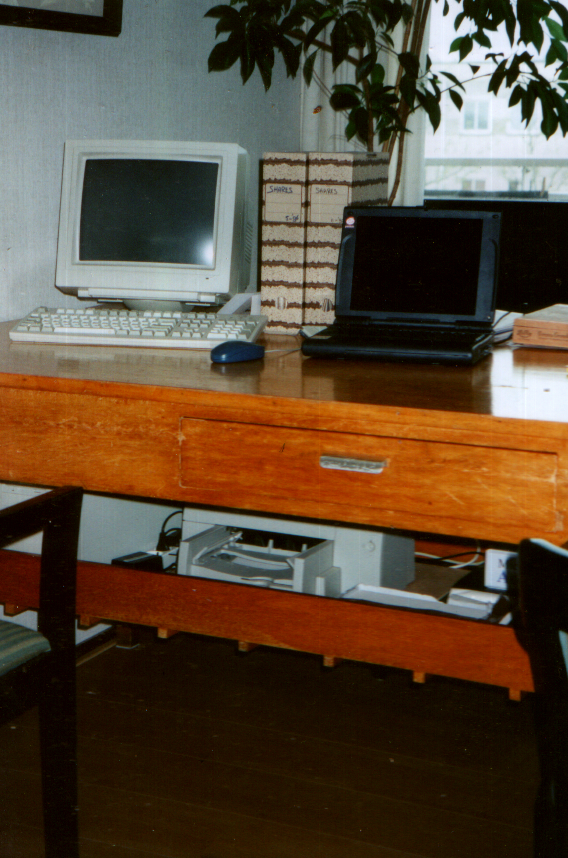
An entire vocabulary of small experiences grew up around the process, and they’re the details people remember most fondly. There was the software that arrived free on discs in the mail, so relentlessly and in such quantities that households accumulated them by the drawerful and used them as coasters. There was the moment of connection, and the greeting that told you mail was waiting — a notification that carried real anticipation, because email was still novel and messages were rare enough to be events.
There was the strange intimacy of chat rooms and instant messaging, where people talked to strangers across the country in real time, developed the shorthand and away-messages that became a whole social language, and experienced for the first time the peculiar sensation of a friendship conducted entirely through text. There were homepages built by amateurs, personal sites with visitor counters and animated graphics and backgrounds that made text nearly unreadable. There were search engines competing for dominance before one of them won everything. And there was the constant small anxiety of the connection dropping for no reason, requiring the whole dialing ritual to start over.
It was a version of the internet that was smaller, slower, weirder, and more homemade — assembled largely by enthusiasts rather than corporations, and stumbled through by ordinary people who had no idea they were at the beginning of anything.
How It Ended
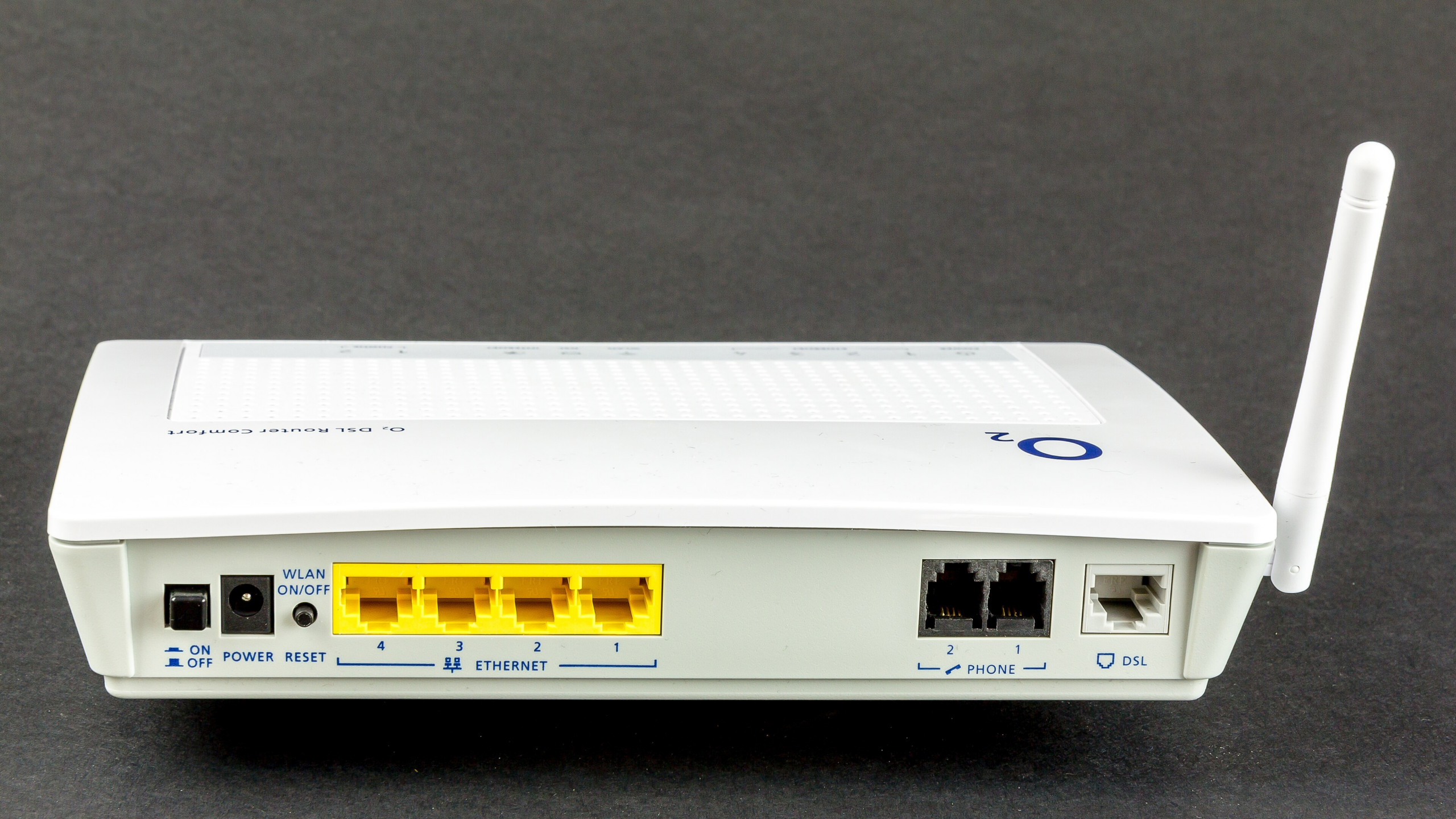
Dial-up did not fade slowly so much as get replaced. Through the late 1990s and into the 2000s, broadband arrived in the form of cable and DSL connections, and the improvement was so overwhelming that the transition was essentially one-way. Broadband was dramatically faster, it did not tie up the telephone, and — the change that mattered most conceptually — it was always on. There was no dialing, no handshake, no waiting to connect. The internet was simply there, all the time, like electricity.
That last shift changed everything about how people related to being online. When connecting required a deliberate act and cost you your phone line, the internet was a place you went. When it became permanent and instant, it dissolved into the background of daily life, and eventually into a device in every pocket. The generation that grew up after the changeover has never experienced the internet as somewhere you travel to, and never had to weigh whether going online was worth the hassle. Dial-up connections lingered for years in rural areas without broadband access, and a small number of holdouts persisted longer than most people realize, but as a mainstream experience it was finished.
What the Noise Meant
The reason the dial-up sound retains such power for the people who grew up with it is that it wasn’t really a sound of technology. It was a sound of anticipation. Those thirty seconds of beeping and static were the threshold between the ordinary world and a new one that was still strange and largely unmapped, and the whole experience carried a sense of occasion that permanent connectivity has entirely erased.
Nobody wants dial-up back. It was slow, it was fragile, it monopolized the phone, and every practical measure says the current arrangement is better by an enormous margin. But something did go missing along with the noise: the deliberateness, the sense that going online was an event with a beginning and an end, the small thrill of arrival. An entire generation can still hum that handshake from memory, and what they’re really remembering isn’t a modem negotiating with a phone line. It’s the feeling of the door opening onto something new — thirty seconds of screeching, and then the world.
Like our content? Follow us for more.