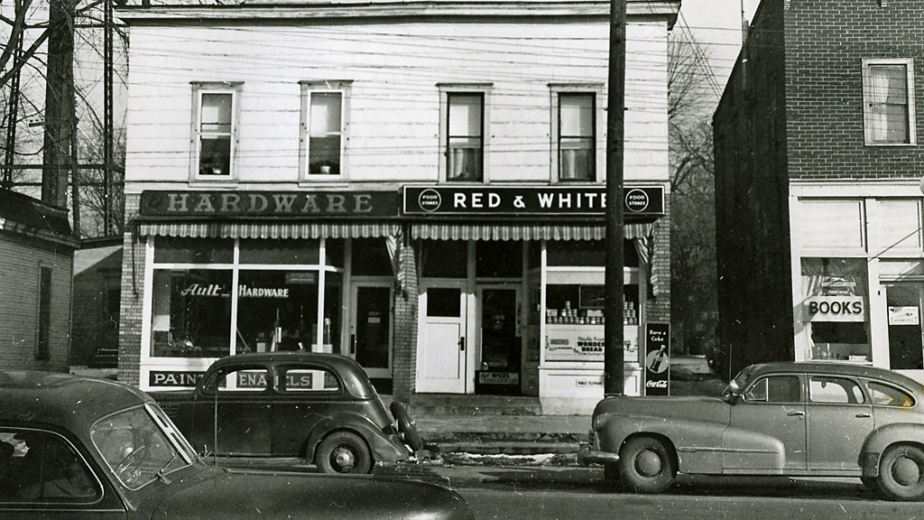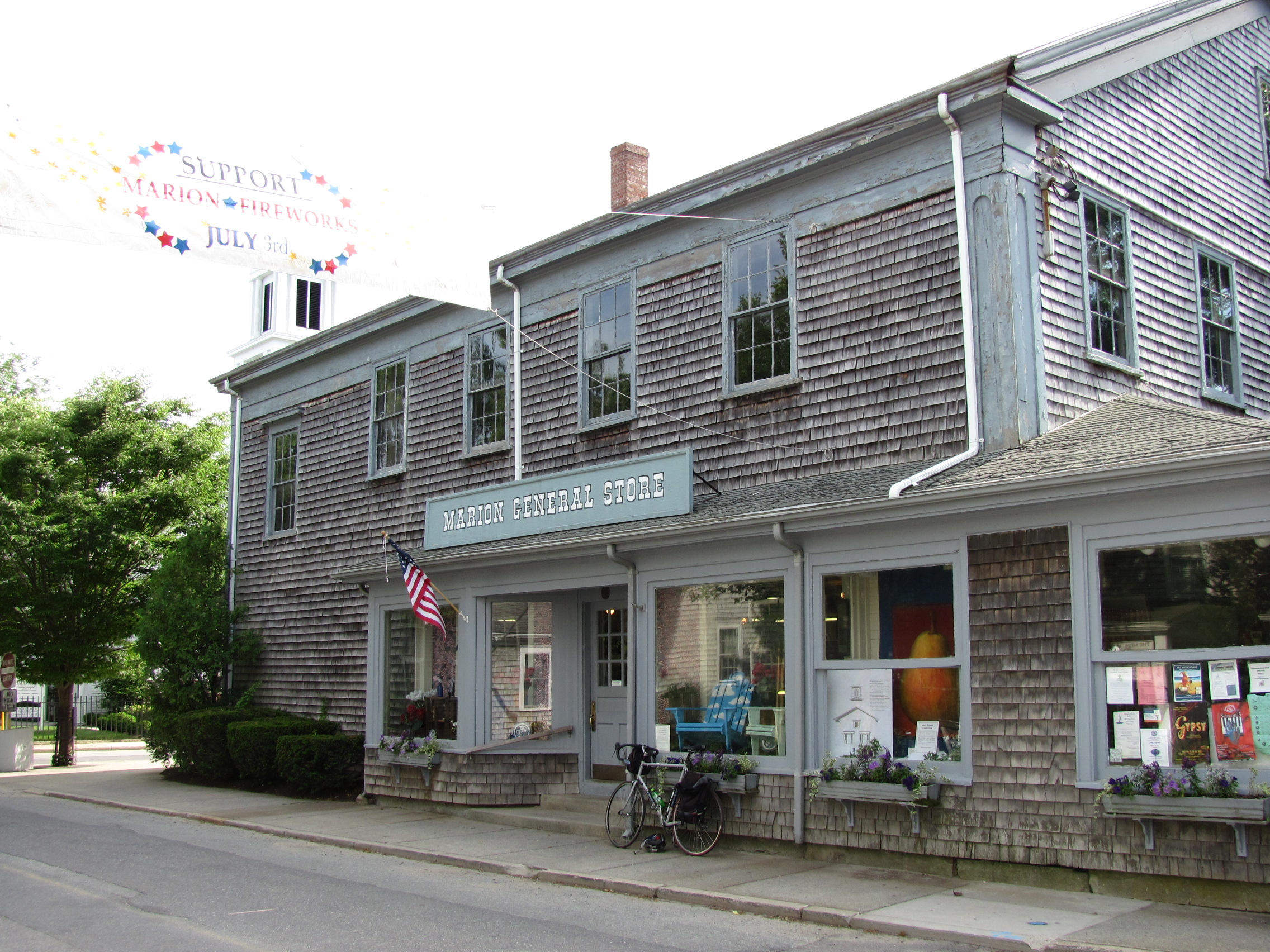
In small towns and rural communities across America, the general store was once the center of everything, the place to buy supplies, pick up the mail, catch up on news, and warm up by the stove on a cold day. Stocking a remarkable range of goods and serving as a social hub, the country store was woven into the fabric of community life in a way no modern shop quite matches. Most of these stores have faded with the decades, making them a beloved symbol of a simpler time. Looking back at the old general store brings that world to life. Here are twelve things nearly every old American general store had, counted down one by one.
1. The Potbelly Stove
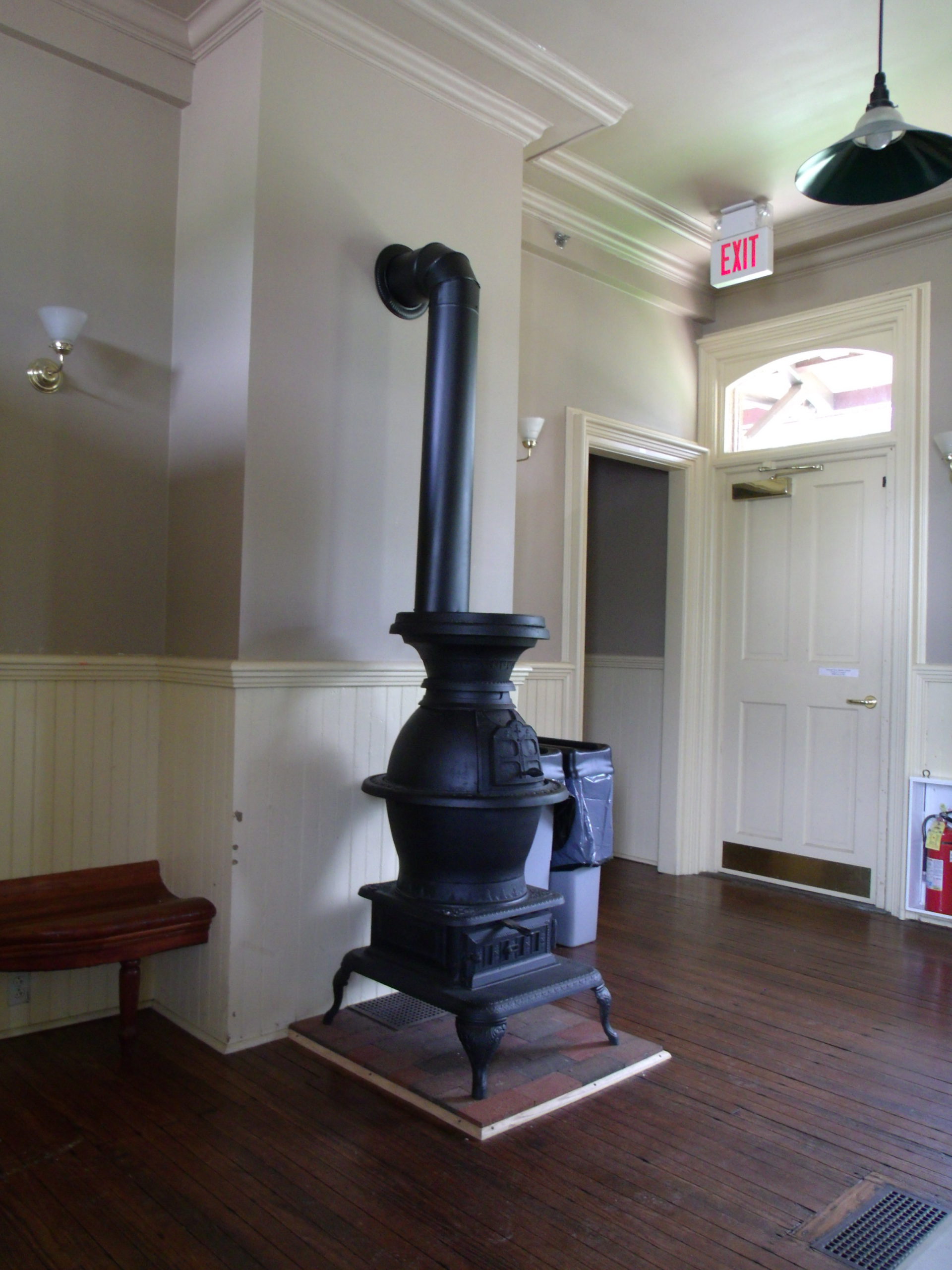
A cast-iron stove warmed the store and gathered the locals around it. It was the social center of the place.
At the heart of the old general store stood the potbelly stove, a round cast-iron wood or coal stove that warmed the place on cold days and, just as importantly, gathered the local men around it to swap stories, play checkers, and discuss the news. The stove was the store’s social center, a magnet for conversation. People lingered in its warmth. The potbelly stove is an iconic feature of the country general store, the cozy gathering spot whose warmth drew the community together and made the store as much a meeting place as a shop.
Like our content? Follow us for more.
2. The Cracker Barrel and Pickle Barrel
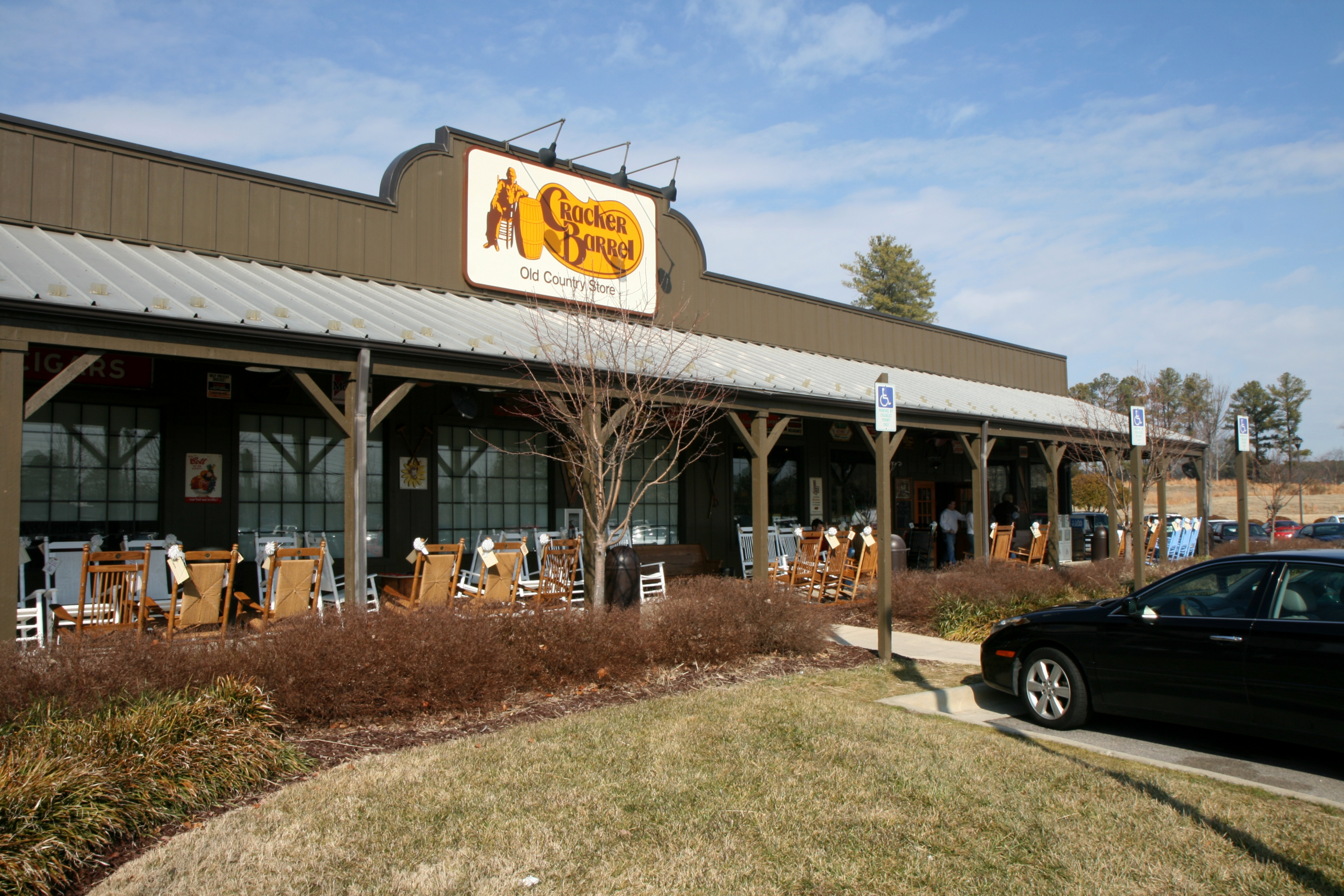
Open barrels held crackers, pickles, and other goods sold loose. Customers helped themselves by the scoop.
The general store kept many goods in open wooden barrels, the cracker barrel and the pickle barrel being the most famous, from which customers were served by weight or by the piece. The phrase “cracker-barrel” talk, for the casual conversation around them, came from this very setup. Reaching into the brine for a pickle was a simple pleasure. The cracker and pickle barrels are a classic feature of the old general store, the bulk goods sold loose from open barrels that gave the country store its distinctive character and inspired a lasting bit of American folklore.
3. The Post Office Corner
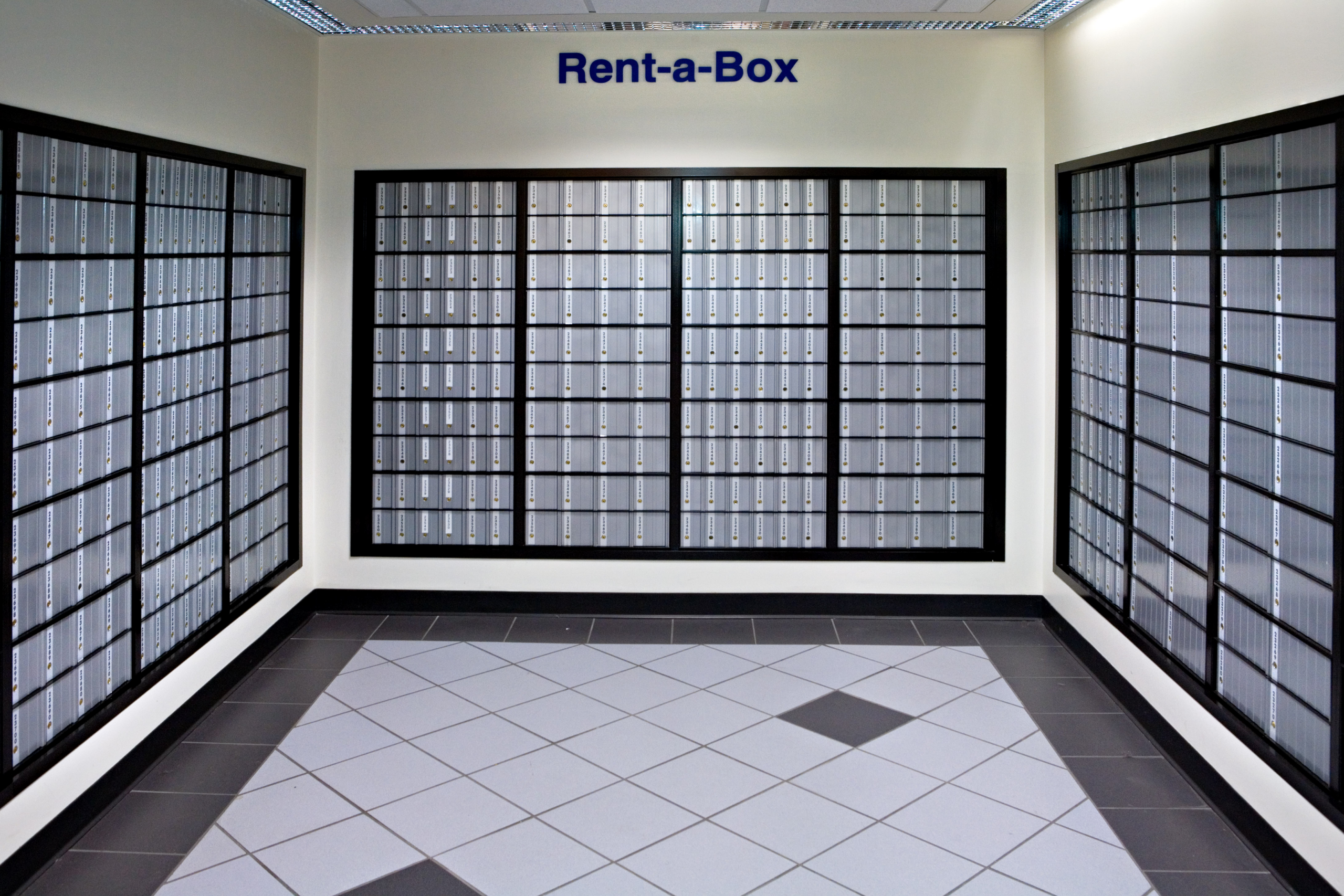
Many stores housed the local post office with its wall of boxes. Picking up the mail brought everyone in.
In many small towns, the general store also housed the local post office, complete with a wall of little brass-doored mailboxes and a service window. Residents came in regularly to collect their mail, which naturally brought them into the store and made it the communication hub of the community. The mail and the merchandise went hand in hand. The post office corner is a fascinating feature of the old general store, the dual role that made the country store the center of both commerce and communication and ensured a steady stream of neighbors through its doors.
4. The Long Wooden Counter
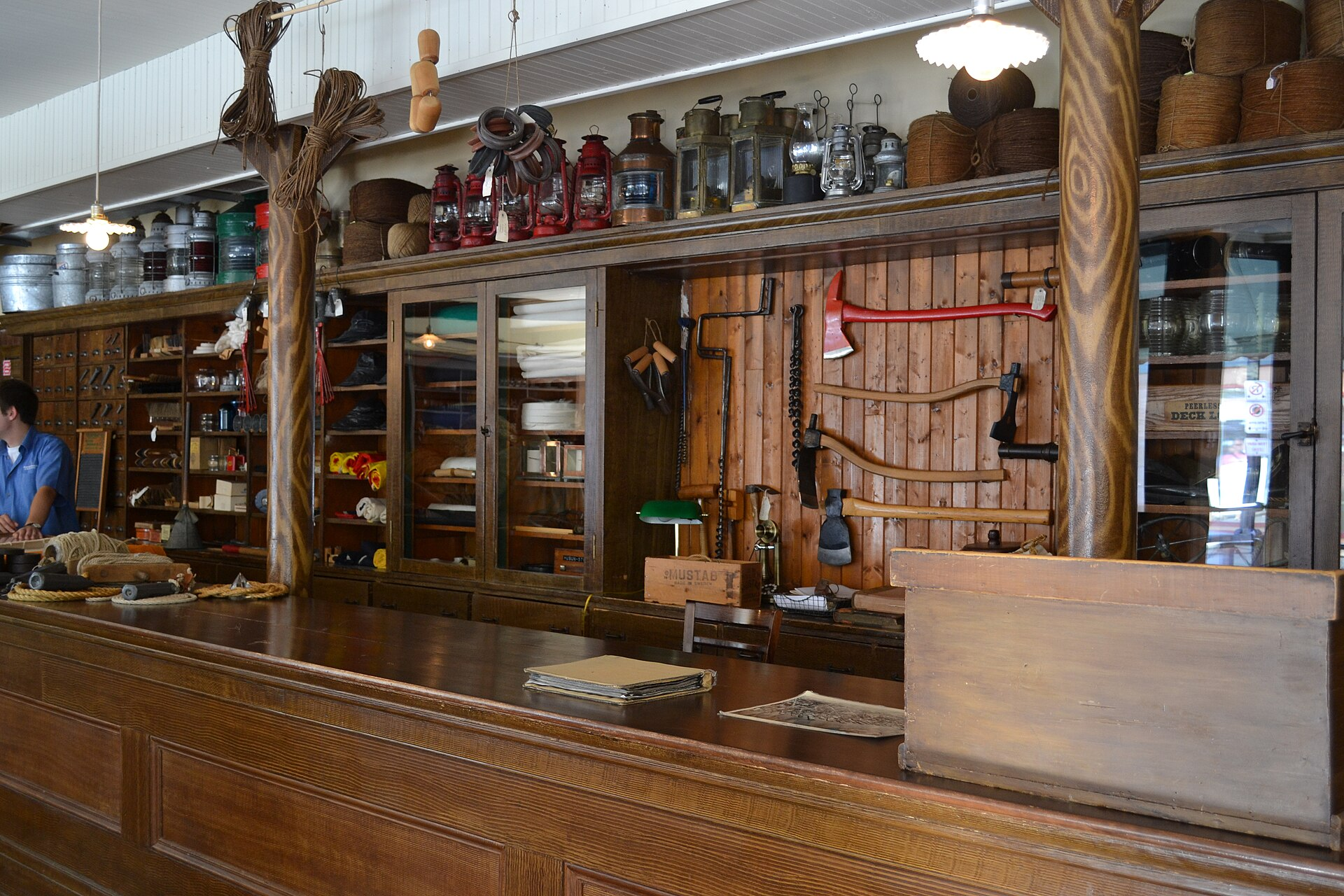
A long counter ran the length of the store, where the keeper served customers. It anchored the whole shop.
The general store was organized around a long wooden counter, behind which the shopkeeper stood to weigh goods, fill orders, ring up purchases, and chat with customers. Much of the merchandise was kept behind the counter or on the shelves behind it, with the keeper fetching items as requested. The counter was the store’s command center. The long wooden counter is a defining feature of the old general store, the hub where the shopkeeper served the community and where so much of small-town business and conversation took place across its worn surface.
5. Shelves Stocked to the Ceiling
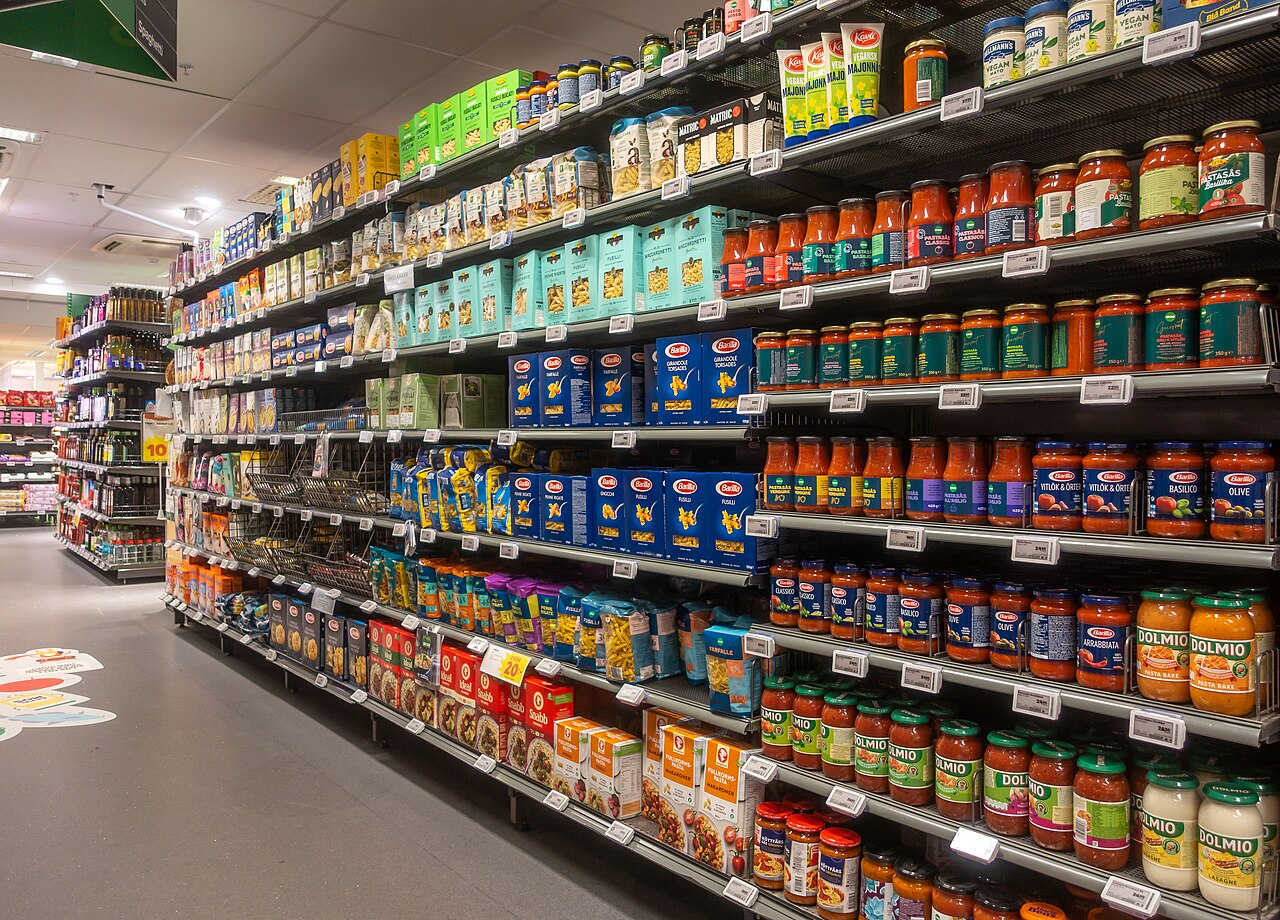
Goods were piled high on shelves reaching to the ceiling. The store packed in an amazing variety.
The walls of the general store were lined with shelves stocked all the way to the ceiling, packed with canned goods, dry goods, tools, fabric, medicine, and a remarkable variety of merchandise. A rolling ladder often helped the keeper reach the highest items. The sheer abundance reflected the store’s role as the town’s one-stop source for nearly everything. The floor-to-ceiling shelves are a classic feature of the old general store, the densely packed displays that held an astonishing range of goods and made the country store the place to find whatever a household or farm might need.
6. The Candy Case
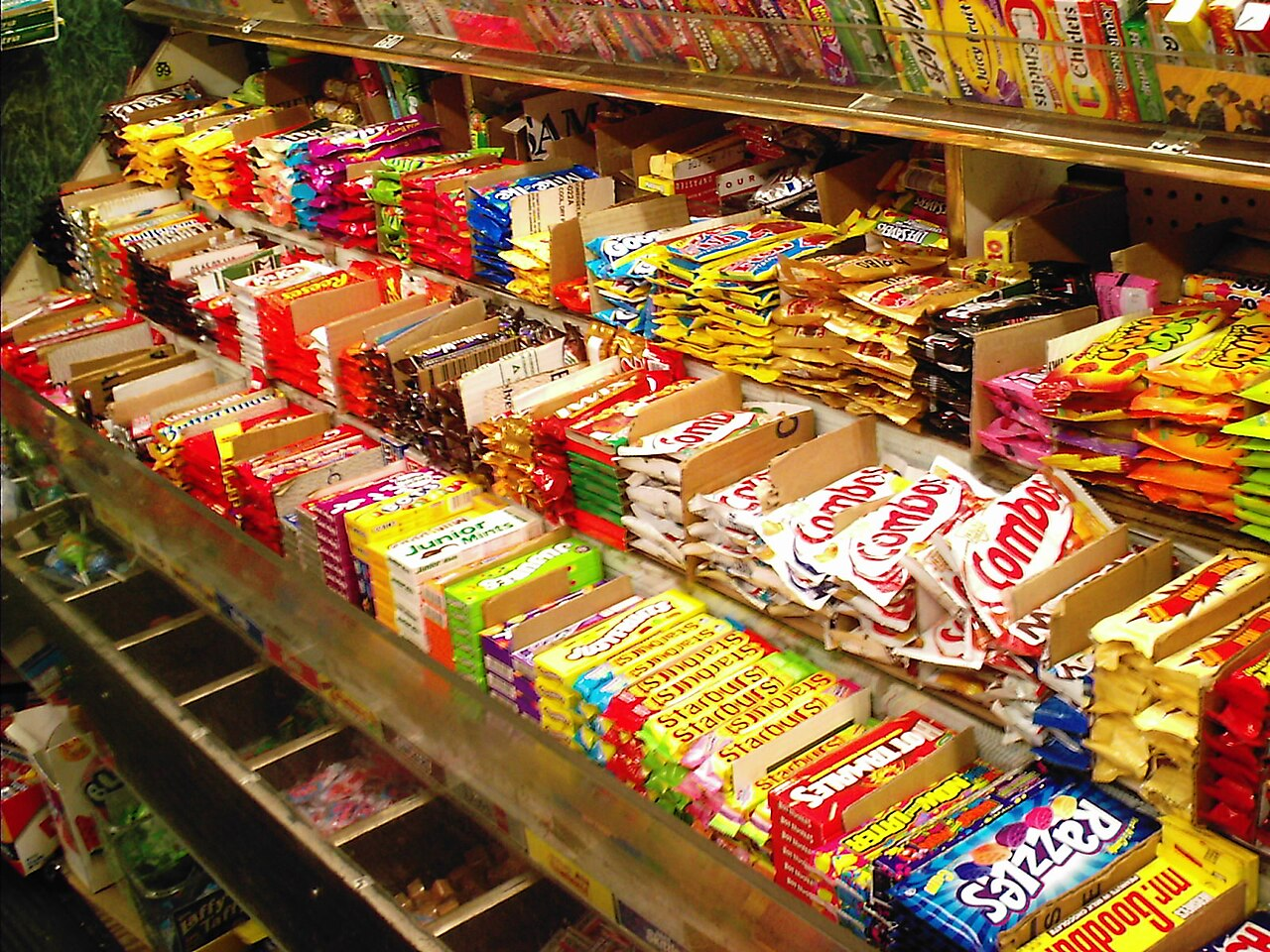
A glass case displayed candy that delighted the children. A penny’s worth was a special treat.
For the children of the town, the highlight of the general store was the candy case, a glass display filled with sweets that could be bought by the piece for a penny or two. Kids would press against the glass, carefully choosing how to spend their coins while the storekeeper waited patiently. A small paper sack of candy was pure joy. The candy case is a beloved feature of the old general store, the sweet temptation that drew children in and made a trip to the country store a cherished treat for the youngest members of the community.
7. Barrels and Sacks of Staples
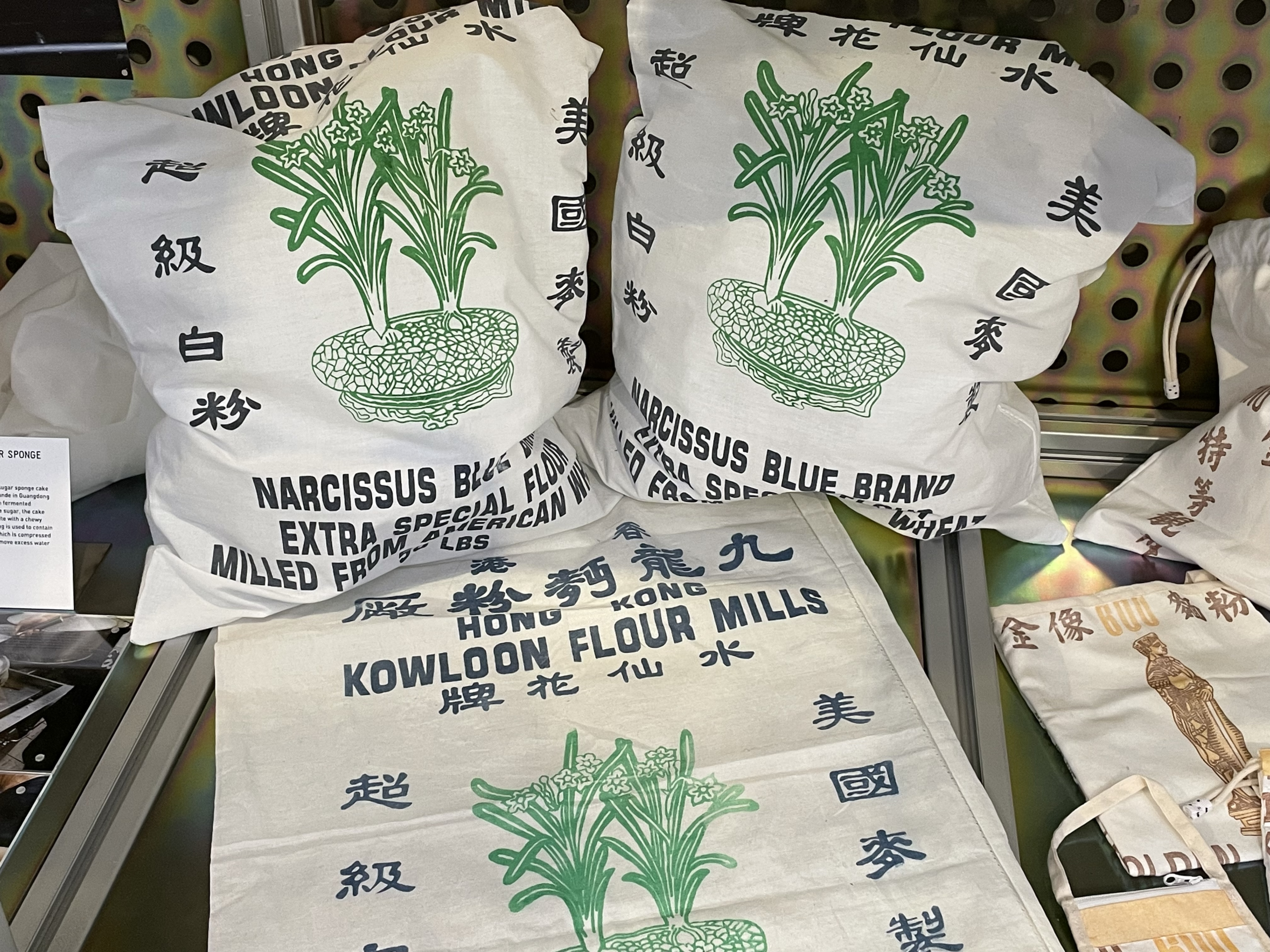
Flour, sugar, beans, and feed were sold from bulk sacks and bins. Customers bought staples by the pound.
The general store sold the staples of rural life in bulk, flour, sugar, coffee, beans, rice, and animal feed scooped from bins, barrels, and sacks and weighed out to order. Families bought these essentials by the pound, and the flour sacks were so common that their printed fabric was often reused to make clothing. Buying in bulk was the norm. The barrels and sacks of staples are a hallmark of the old general store, the bulk goods that supplied the everyday needs of farm and home and reflected a self-reliant way of life centered on the country store.
8. The Hardware and Tools
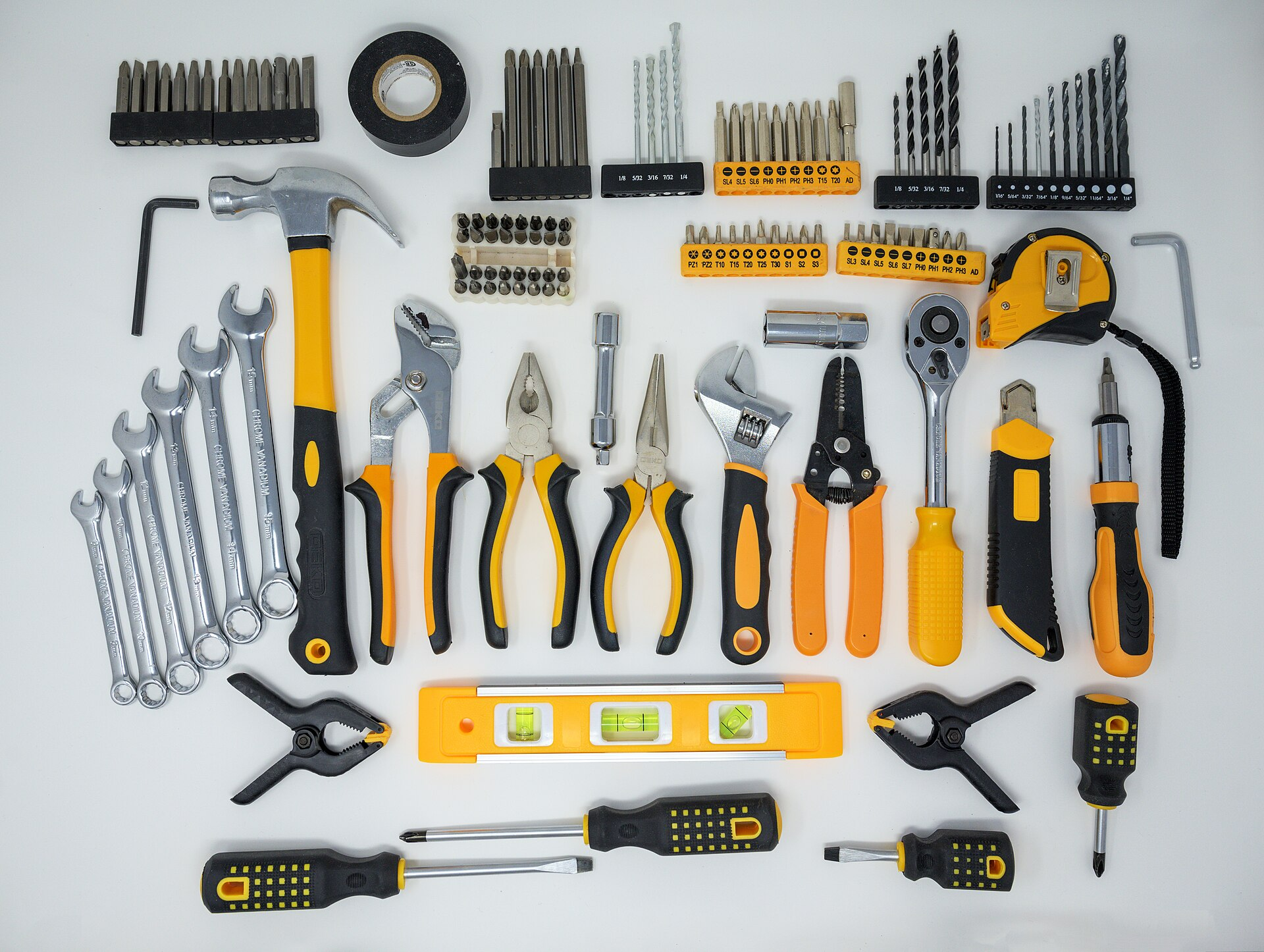
Tools, nails, and farm supplies served the working community. The store kept the town and farms running.
The general store stocked a practical array of hardware and tools, nails sold by the pound, hammers, saws, rope, harnesses, lantern oil, and the farm supplies a rural community depended on. For farmers and tradesmen, the store was the place to get what they needed to keep their work and their land going. It served the whole working town. The hardware and tools are an essential feature of the old general store, the practical goods that supported the farms and trades of the community and made the country store an indispensable resource for rural life.
9. The Bolts of Fabric
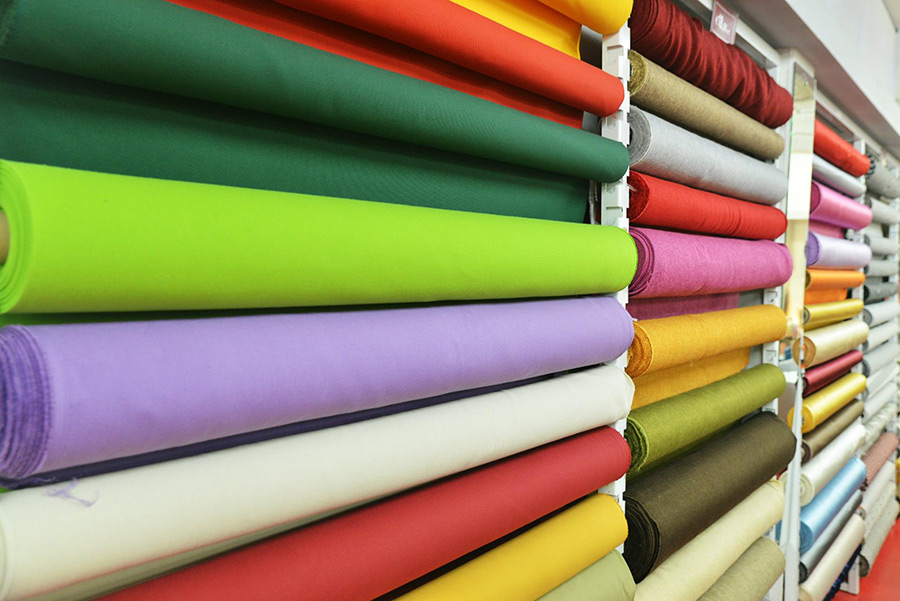
Rolls of fabric, thread, and notions supplied the home sewers. Cloth was measured and cut to order.
In an age when most clothing was made at home, the general store carried bolts of fabric, along with thread, buttons, ribbon, and sewing notions. The keeper would measure and cut cloth to order from the big rolls, and families chose material for dresses, shirts, and quilts. Even the printed flour sacks found a second life as fabric. The bolts of fabric are a classic feature of the old general store, the sewing supplies that served a make-it-yourself era and made the country store the place where families outfitted themselves from the cloth up.
10. The Barter and Store Credit
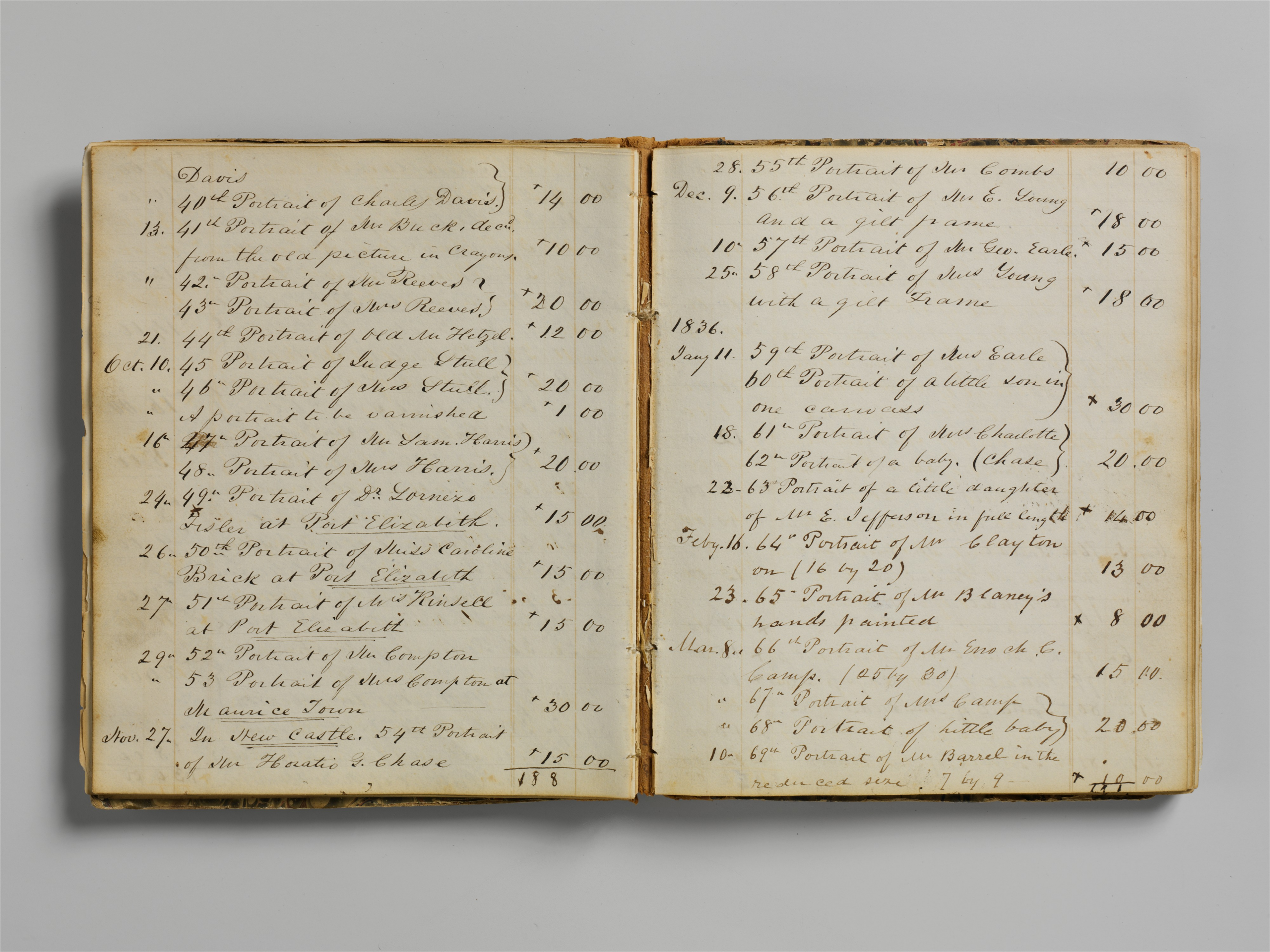
Customers often paid with eggs, produce, or store credit. Trade kept the store and community connected.
Money wasn’t always the medium of exchange at the general store. Farmers often traded eggs, butter, produce, or other goods for store merchandise, and the keeper extended store credit recorded in a ledger, to be settled at harvest or payday. This system of barter and credit bound the store tightly to the community it served. Trust ran both ways. The barter and store-credit system is a fascinating feature of the old general store, the flexible, trust-based way of doing business that connected the country store to the rhythms of farm life and the fortunes of its neighbors.
11. The Local News and Gossip
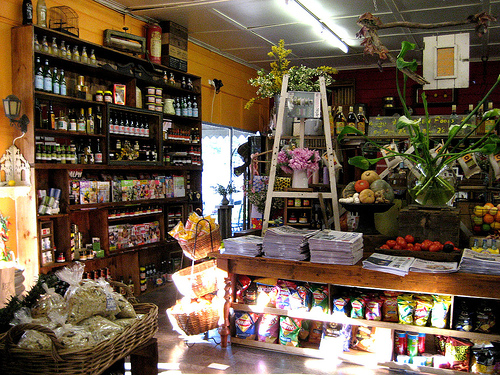
The store was the place to hear the latest news and gossip. It served as the town’s information hub.
The general store was the unofficial information center of the town, where neighbors gathered to share the latest news, swap gossip, debate politics, and keep up with everything happening in the community. Whether around the stove or at the counter, the store was where the town stayed connected. Word traveled fast through its doors. The local news and gossip are a cherished aspect of the old general store, the social role that made the country store the heartbeat of small-town life, where the community came together as much to talk as to shop.
12. The Shopkeeper Who Knew Everyone
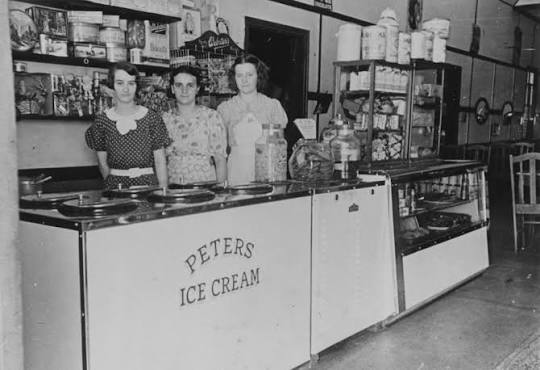
The storekeeper knew every customer and their needs personally. The store ran on that personal connection.
At the center of it all was the shopkeeper, who knew every customer by name, remembered their families and their preferences, extended credit on a handshake, and often served as a trusted figure in the community. The personal relationship between keeper and customer was the soul of the general store. The store ran on familiarity and trust. The shopkeeper who knew everyone is the heart of the old general store, the personal, neighborly connection that made the country store far more than a shop and a defining feature of small-town American life.
The Heartbeat of the Small Town
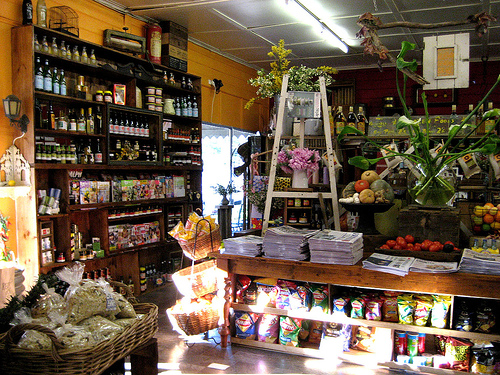
Taken together, these twelve things capture the warm character of the old American general store, from the potbelly stove and the pickle barrel to the post office corner, the candy case, and the shopkeeper who knew everyone. It was the heartbeat of the small town, a place to shop, gather, trade, and connect that no modern store quite replaces.
The spread of supermarkets, chain stores, and automobiles that let people shop farther from home gradually closed most of the old general stores, ending a chapter that had defined rural and small-town America for generations. Yet the country store holds a powerful place in memory, the very symbol of a simpler, more connected way of life. For those who remember it, these details bring it all back. Looking back at the old general store is a fond tribute to the heartbeat of the small town, a place where you could find nearly anything and always find a friendly face.
Like our content? Follow us for more.