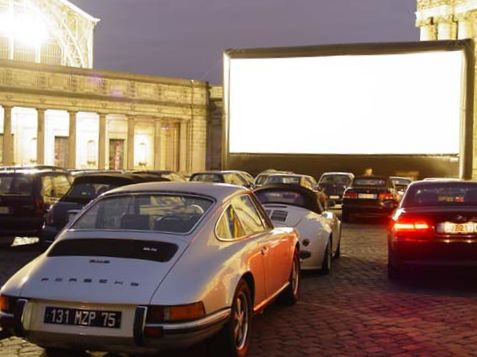
For decades, the drive-in movie theater was a beloved fixture of American summer nights, a place where families packed into the station wagon and teenagers piled into convertibles for a double feature under the stars. Part movie house, part social scene, the drive-in offered an experience you simply couldn’t get indoors. Many of these open-air theaters have closed over the years, making the ones that remain treasured throwbacks and the memories all the sweeter. Looking back at the drive-in brings the warm summer evenings flooding back. Here are thirteen things nearly every American drive-in movie theater had, counted down one by one.
1. The Giant Outdoor Screen
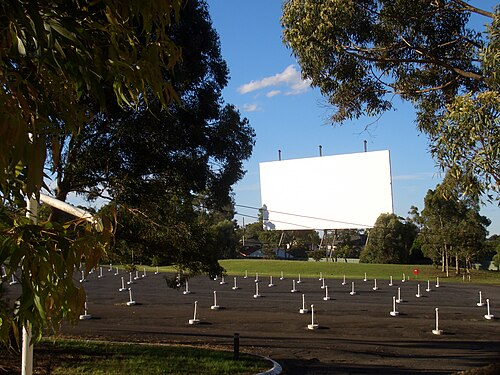
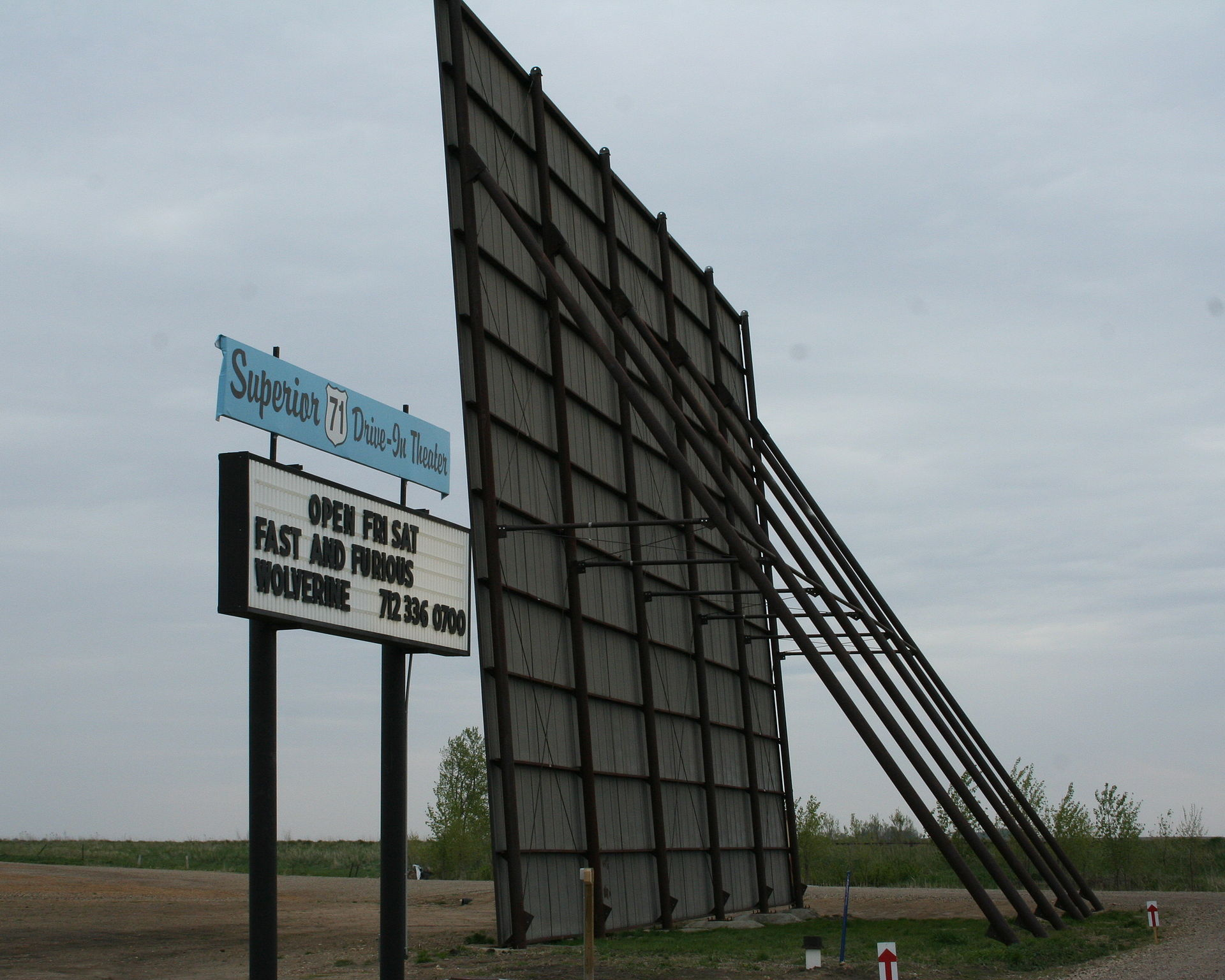
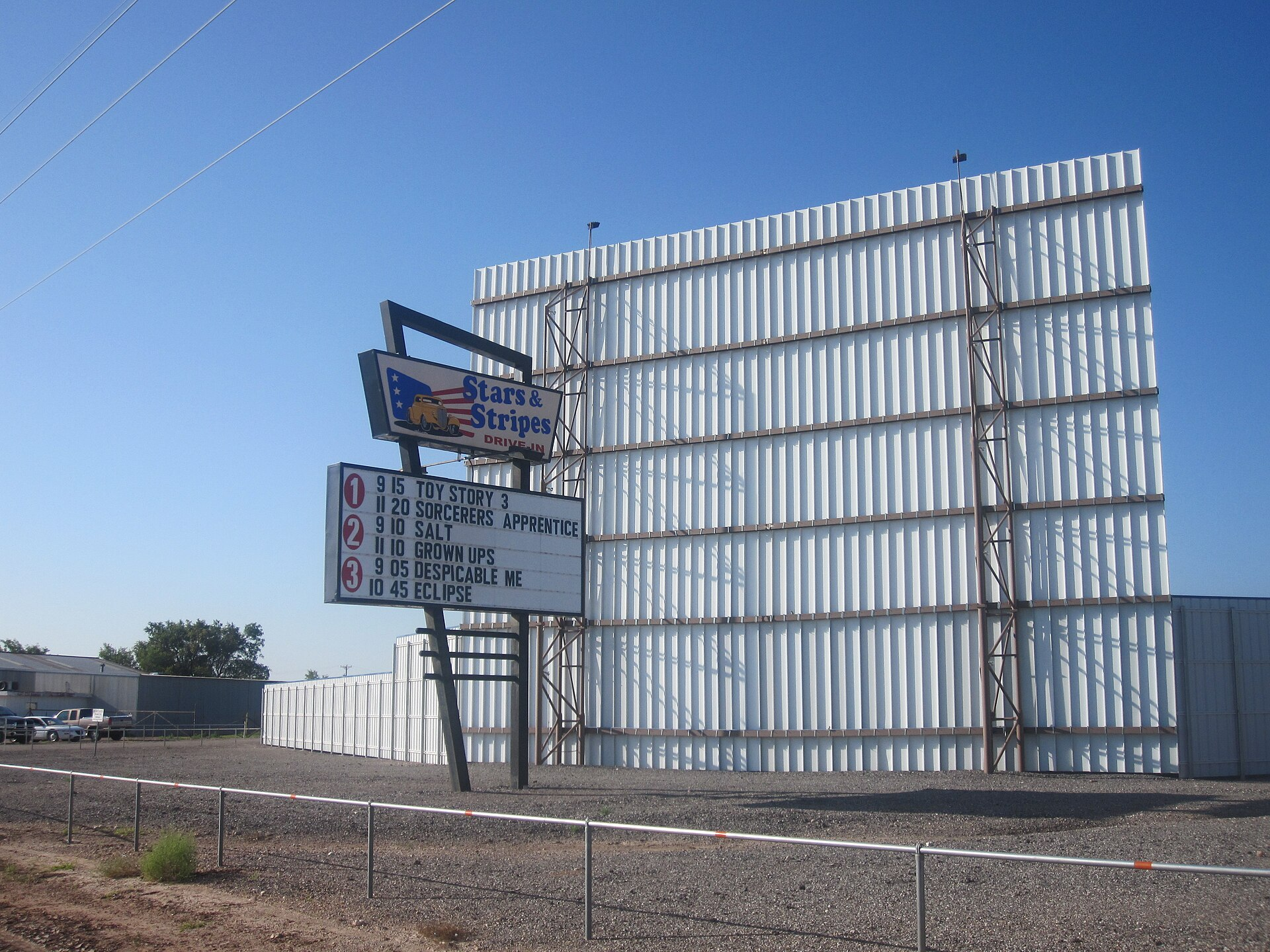
A towering white screen loomed over the lot, visible from every car. It was the drive-in’s unmistakable landmark.
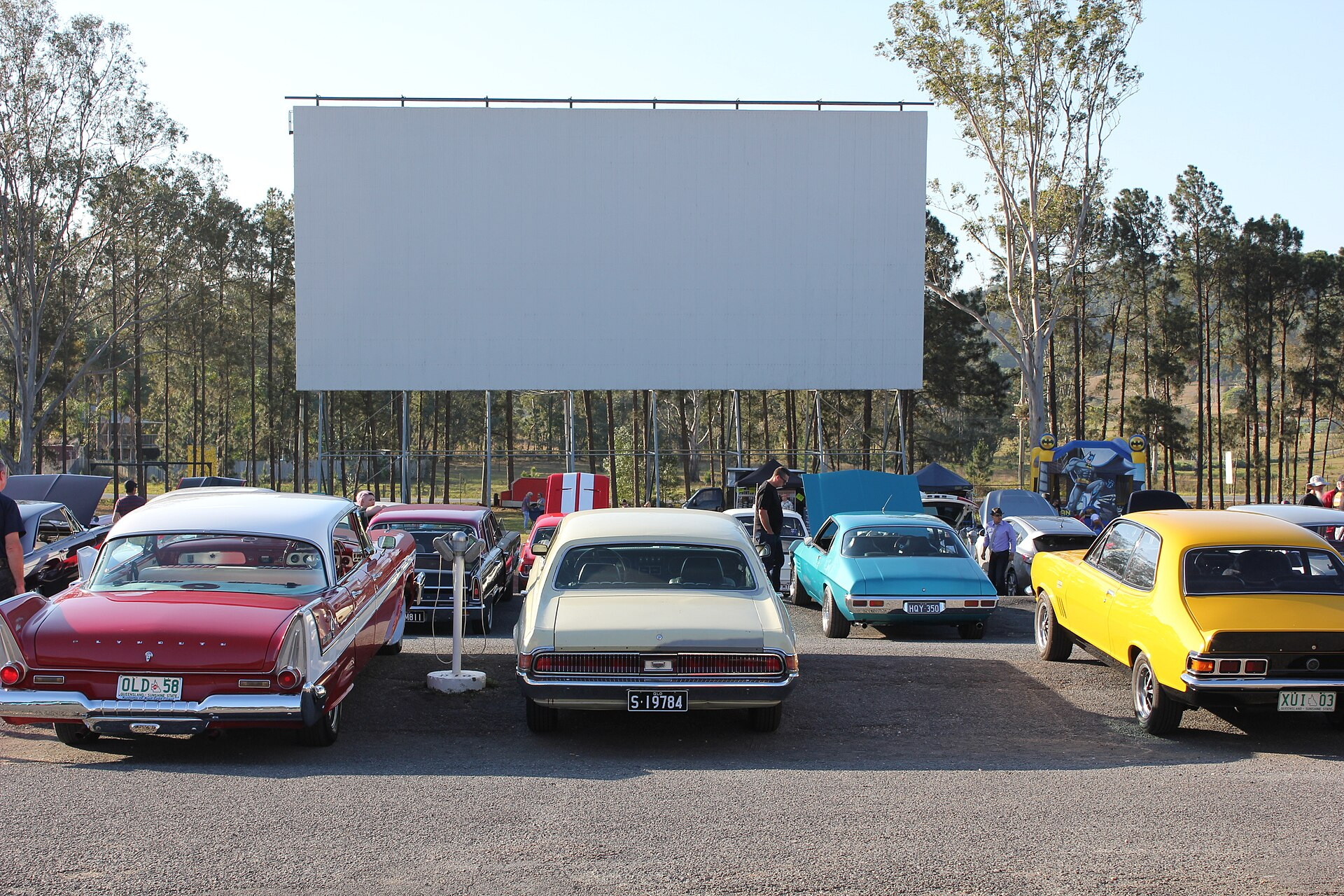
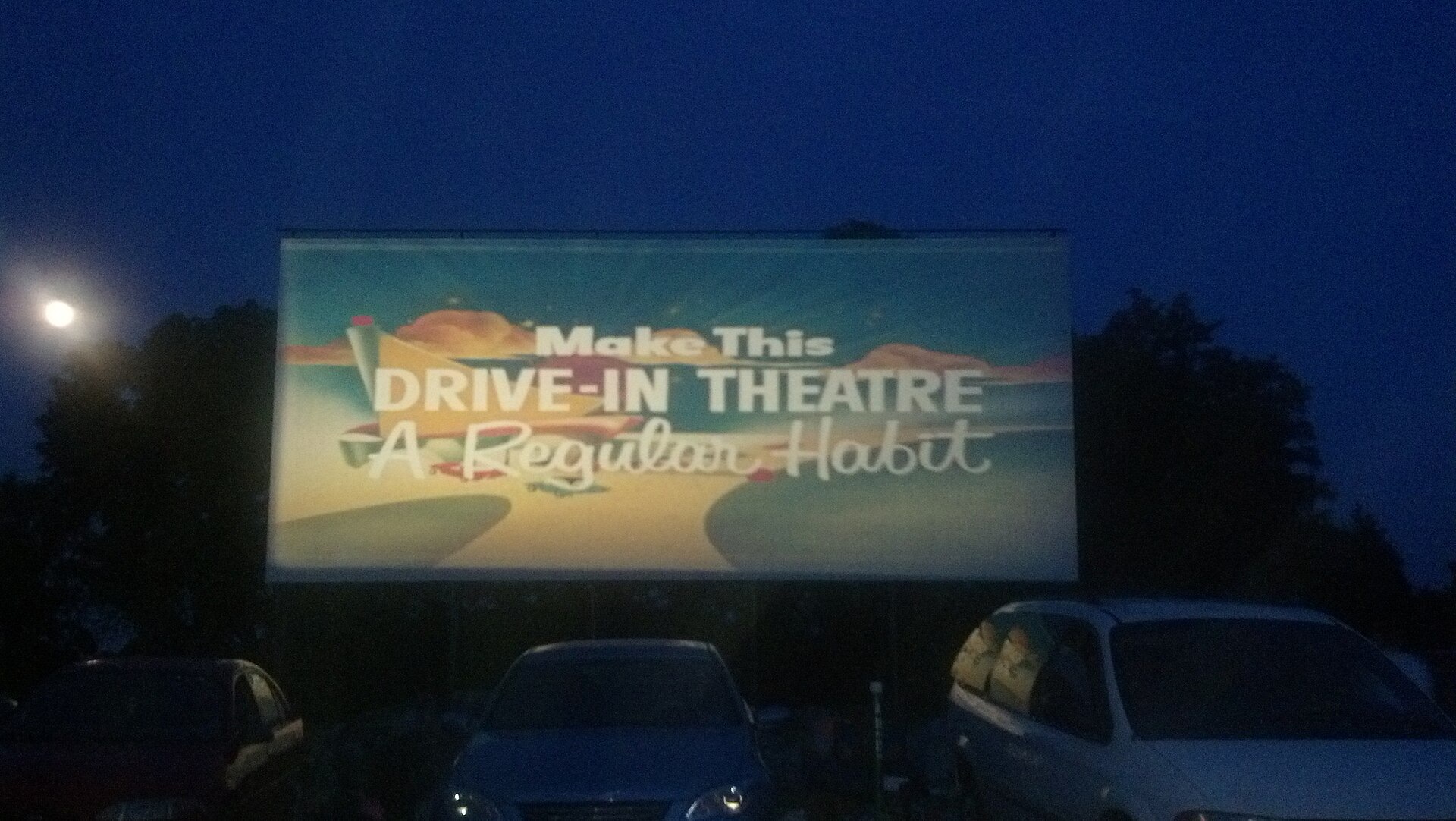
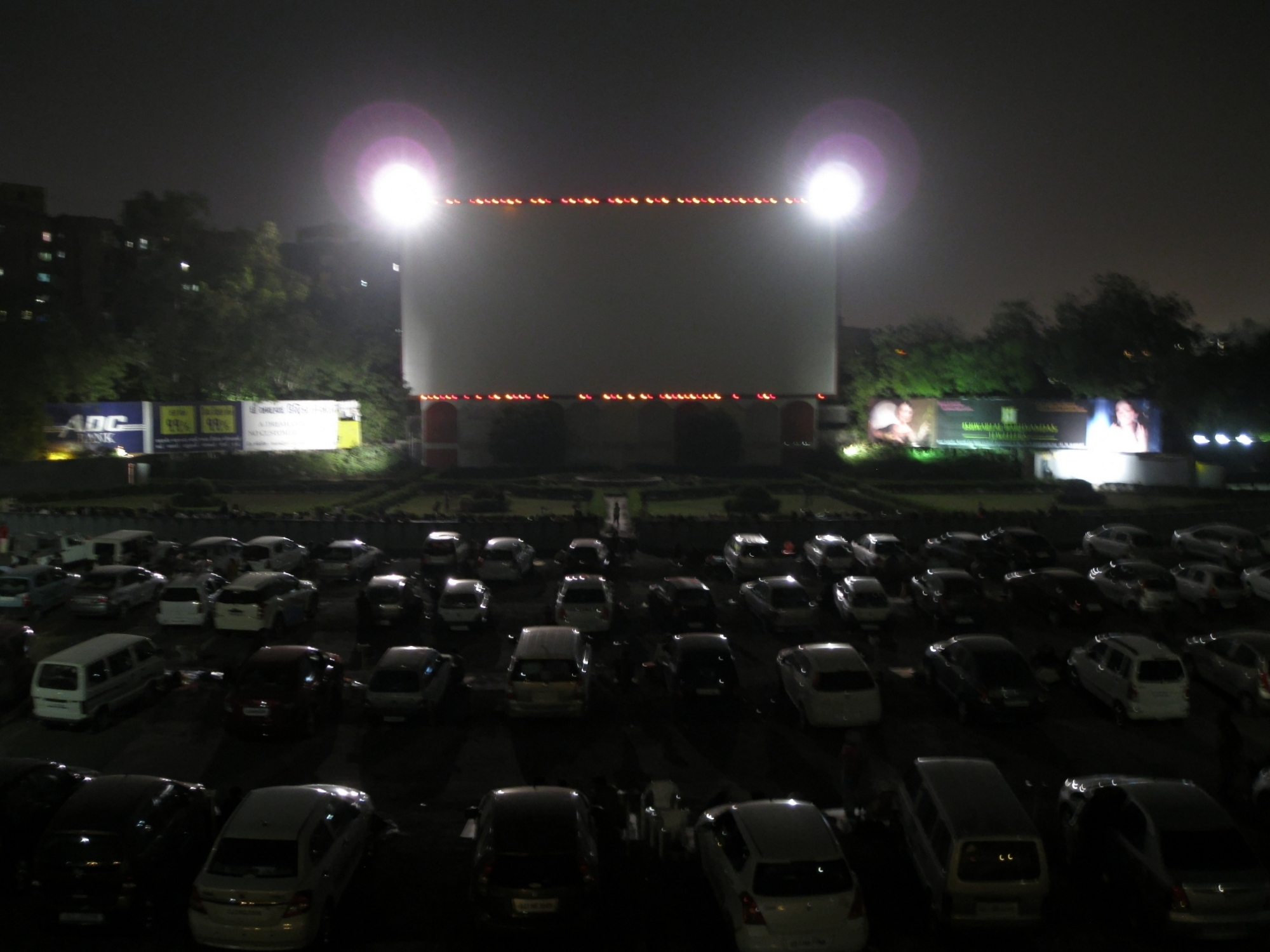
The defining feature of the drive-in was its enormous outdoor screen, a towering white structure that rose above the parking lot and could be seen from far down the road. Visible to every car in the lot, it turned the open field into a movie house under the open sky. Its sheer size made arriving at the drive-in feel like an event. The giant screen is the iconic symbol of the drive-in theater, the larger-than-life centerpiece that drew carloads of moviegoers and remains the first thing anyone pictures when they think of a night at the drive-in.
Like our content? Follow us for more.
2. The Window Speaker
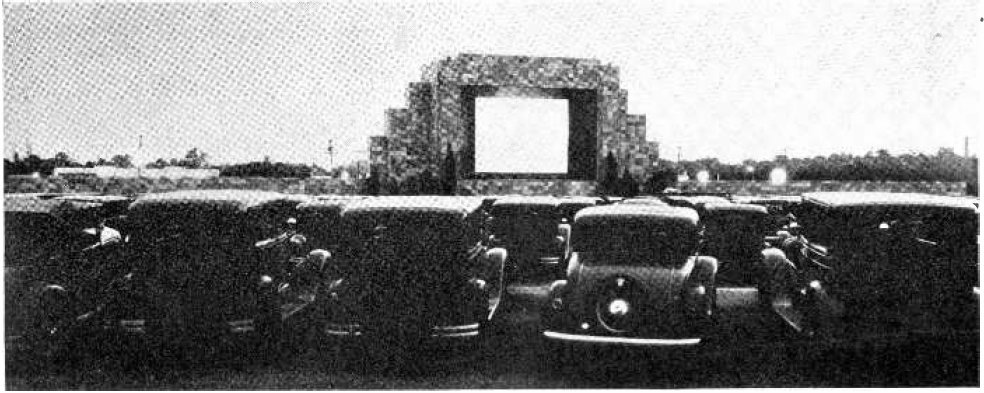
A metal speaker hooked onto your car window piped in the movie’s sound. Hanging it up was part of the routine.
Before radio sound, the classic drive-in piped the movie’s audio through metal speakers on posts, which you unhooked and hung on your partly rolled-down car window. Adjusting the volume knob and getting the sound just right was part of the ritual, and more than one driver forgot to unhook the speaker before pulling away. The speaker poles lined every row. The window speaker is a beloved relic of the drive-in, the clever audio system that delivered the soundtrack right to your car and became one of the most fondly remembered details of the open-air experience.
3. Rows of Parking Ramps
Cars parked on gently sloped ramps angled toward the screen. The clever design gave everyone a clear view.
The drive-in lot was laid out in long rows of gently sloped parking ramps, each angled upward so the cars tilted toward the screen and everyone got a clear, unobstructed view over the vehicle in front. Pulling your car onto the ramp at just the right angle was a small art. The design was simple and effective. The sloped parking ramps are a clever, characteristic feature of the drive-in theater, the thoughtful engineering that let a field full of cars all enjoy the movie and gave the drive-in its distinctive terraced look.
4. The Concession Stand
A central snack bar served popcorn, hot dogs, and candy. Its glowing windows were the heart of the lot.
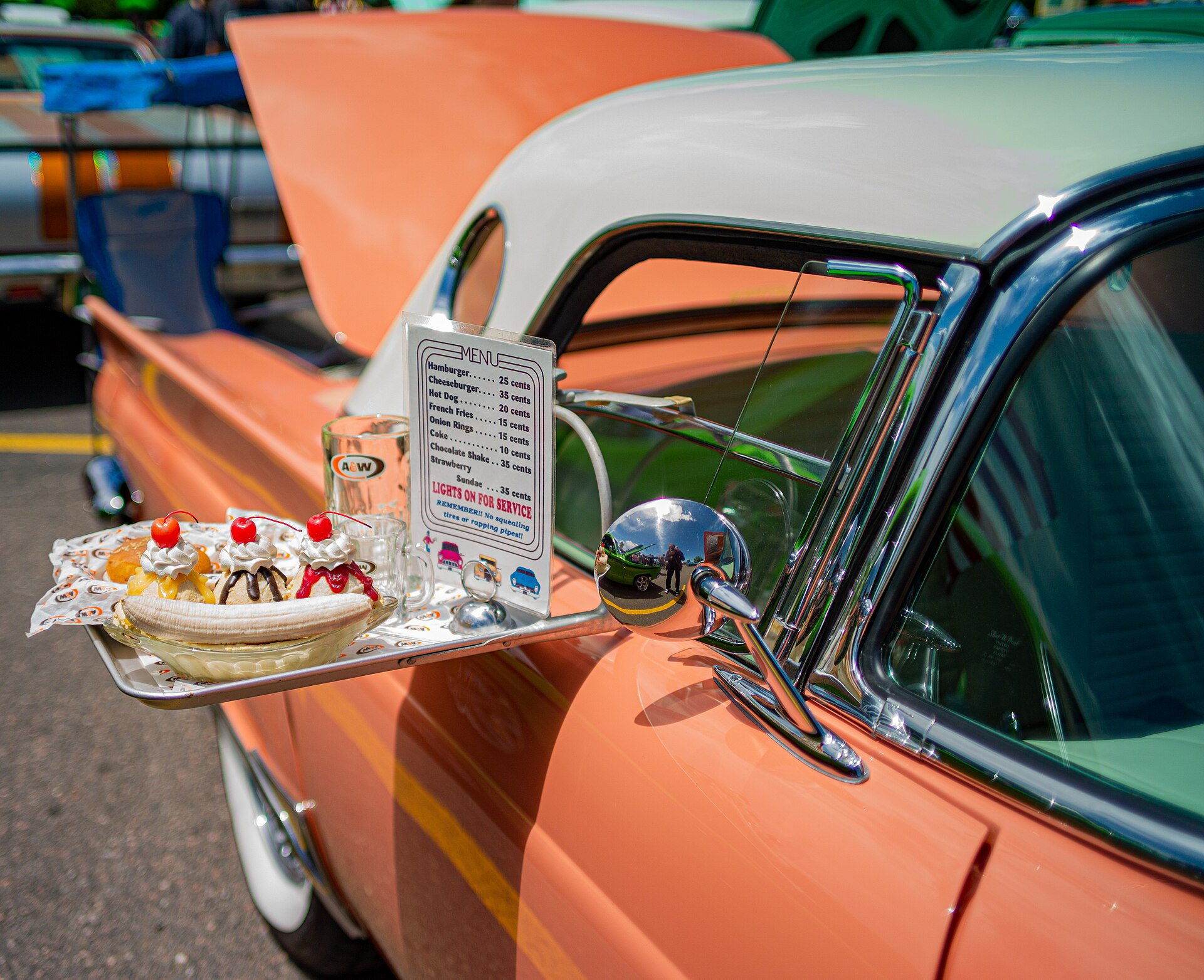
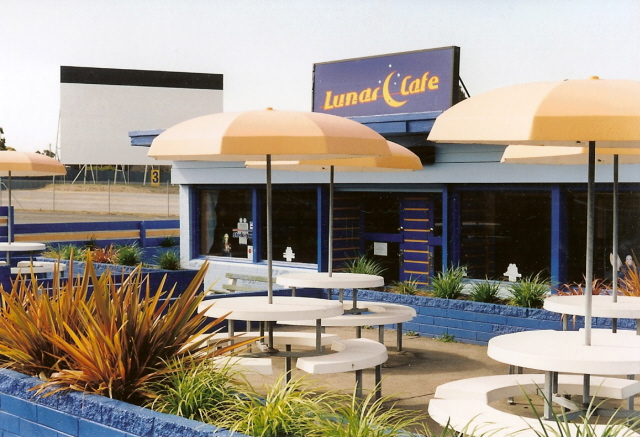
At the center of the lot stood the concession stand, a brightly lit building serving popcorn, hot dogs, candy, soda, and other treats, and often the theater’s main source of profit. Families and kids walked up to grab snacks before and during the show, and the smell of popcorn drifted across the lot. It was the social hub of the drive-in. The concession stand is a quintessential part of the drive-in experience, the glowing snack bar at the heart of the lot where moviegoers stocked up on treats for the night’s double feature.
5. The Intermission Countdown
Between features, a cartoon clock counted down to showtime, urging visits to the snack bar. The dancing snacks were classics.
Between the two features of a double bill, the drive-in ran an intermission reel, a charming animated countdown clock urging everyone to visit the snack bar, often starring dancing hot dogs, sodas, and popcorn boxes. The familiar jingle and cartoon characters became beloved in their own right. It was the cue for a snack run. The intermission countdown is a fondly remembered drive-in tradition, the cheerful animated break between films that sent everyone to the concession stand and remains one of the most iconic bits of drive-in nostalgia.
6. The Playground Up Front
A playground near the screen let kids burn off energy before the show. Families arrived early just for it.
Many drive-ins had a small playground set up in the open area beneath the screen, with swings and slides where children could run and play before the movie began at dusk. Families often arrived early so the kids could wear themselves out and then settle in for the feature. It made the drive-in a family-friendly destination. The playground up front is a charming feature of the classic drive-in, a thoughtful touch that entertained children during the long wait for darkness and made a night at the movies an outing the whole family enjoyed.
7. The Double Feature
Two movies for one price made the drive-in a great value. Audiences settled in for a full evening of entertainment.
The drive-in was famous for the double feature, two films shown back to back for a single admission price, making for a great value and a full night out. The pairing often matched a big feature with a B-movie, and audiences settled in for hours of entertainment under the stars. Many a viewer dozed off before the second film ended. The double feature is a hallmark of the drive-in theater, the generous two-for-one programming that gave moviegoers an entire evening’s worth of films and made the drive-in a beloved bargain for families and dates alike.
8. Carloads Packed with Friends
Charging by the car, not the person, encouraged piling everyone in. A full car was part of the fun.
Because many drive-ins charged by the carload rather than per person, it was common, and a beloved tradition, to pack as many friends as possible into one vehicle. Teenagers crammed into a single car, and some thrifty moviegoers even hid friends in the trunk to save on admission. The full car was half the fun. Carloads packed with friends are a classic part of the drive-in experience, the social, communal way of attending that turned a movie into a party on wheels and made the drive-in a favorite teenage hangout.
9. Pajamas and Pillows for the Kids
Families brought blankets, pillows, and pajama-clad kids for the late show. Children often fell asleep before the end.
A beloved drive-in tradition was bringing the kids in their pajamas, with a back seat full of blankets and pillows so the little ones could get comfortable and, more often than not, fall asleep before the second feature ended. Parents could enjoy a movie out without a babysitter, carrying sleeping children to bed once they got home. It was wonderfully practical. Pajamas and pillows for the kids are a warm, familiar detail of the family drive-in night, the cozy setup that let parents enjoy the show while the children drifted off in the back seat.
10. The Ticket Booth at the Entrance
A small booth at the entrance collected admission as cars rolled in. A line of headlights often stretched down the road.
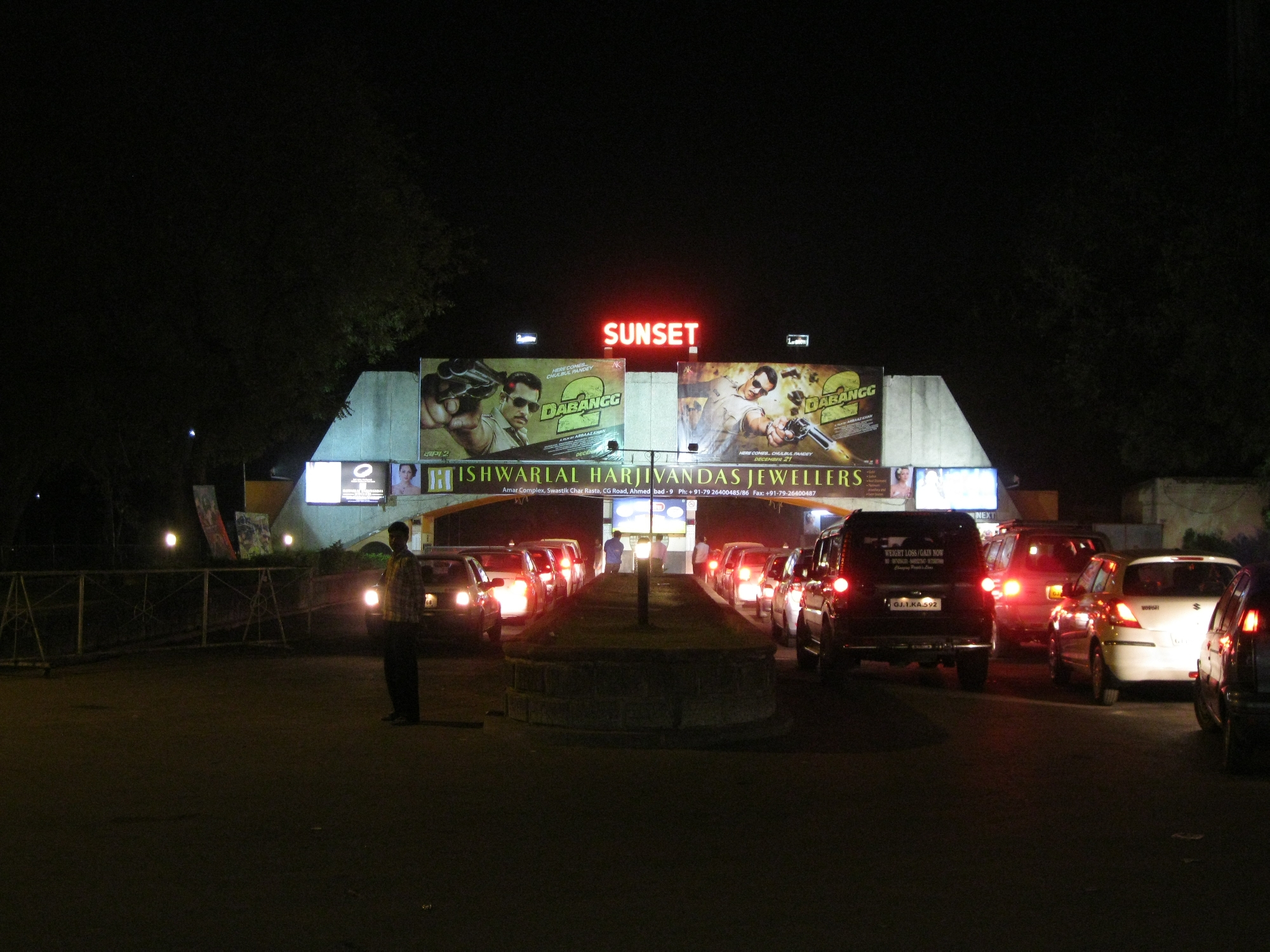
Arriving at the drive-in meant pulling up to the ticket booth at the entrance, where an attendant collected the carload admission and waved you through into the lot. On busy summer nights, a line of cars with glowing headlights stretched down the road waiting to get in. Paying and finding your spot built the anticipation. The ticket booth at the entrance is a familiar part of the drive-in ritual, the gateway to the night’s entertainment where the excitement began and the carloads of moviegoers rolled in for the show.
11. The Long Wait for Dusk
Movies couldn’t start until dark, so early arrivals waited for sunset. The pre-show wait was its own pastime.
Because the film couldn’t be projected until it was dark enough, the drive-in show didn’t begin until dusk, meaning early arrivals spent the fading light of evening waiting, chatting, snacking, and letting the kids play. The long summer twilight stretched the anticipation, and the first flicker on the screen as night fell was a thrill. The wait was part of the rhythm. The long wait for dusk is an essential part of the drive-in experience, the leisurely summer-evening prelude that built anticipation and made the moment the movie finally started feel all the more special.
12. The Gravel Lot and Summer Air
The crunch of gravel and the warm night air set the scene. The open-air setting was the whole appeal.
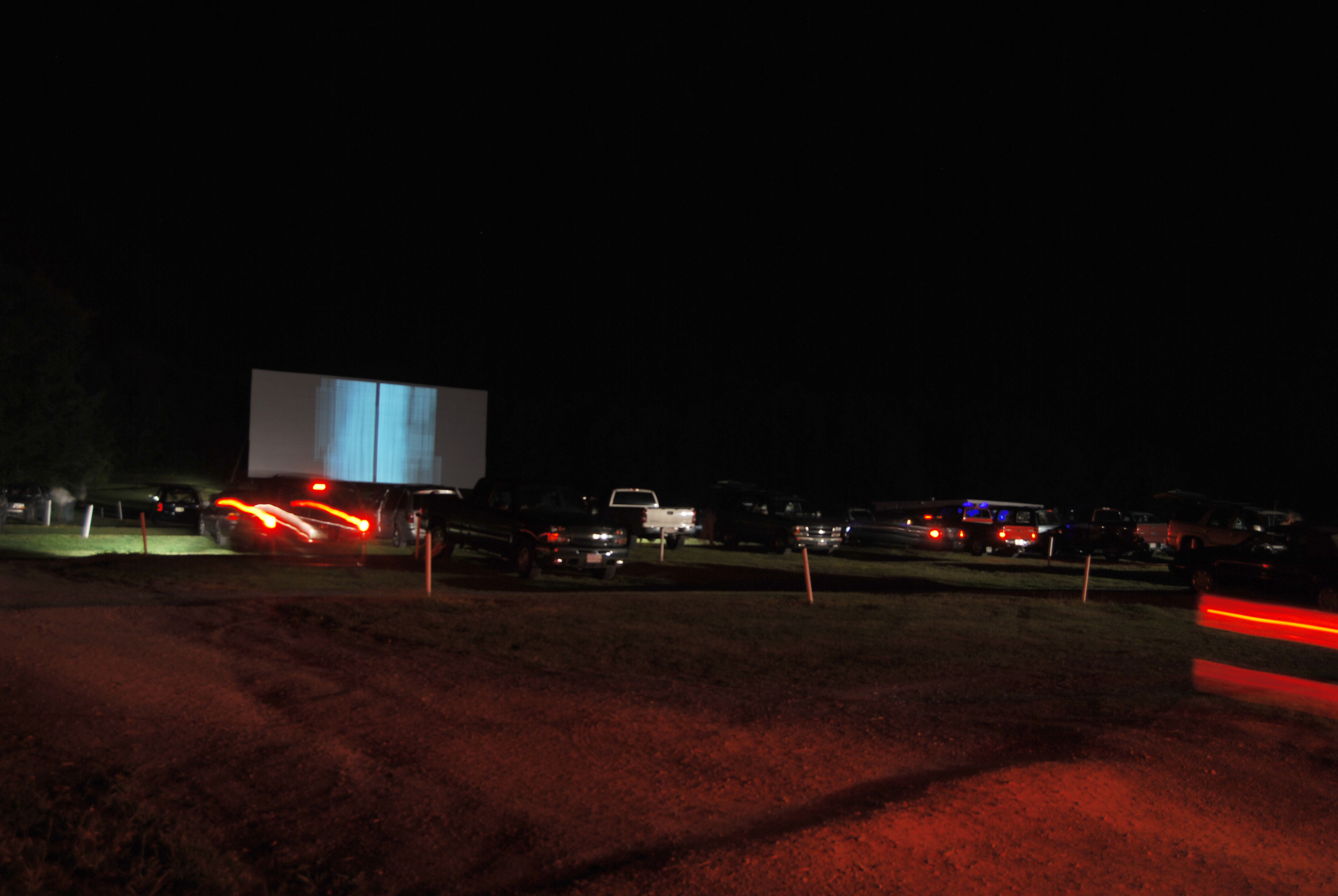
Part of the drive-in’s magic was simply the setting, the crunch of gravel under the tires as you found your spot, the warm summer night air, the sounds of crickets and distant chatter, and the open sky overhead. Watching a movie outdoors, under the stars, with the windows down, was an experience no indoor theater could match. The atmosphere was everything. The gravel lot and warm summer air are central to the charm of the drive-in, the open-air ambiance that turned a movie night into a memorable evening under the stars.
13. The Marquee Out Front
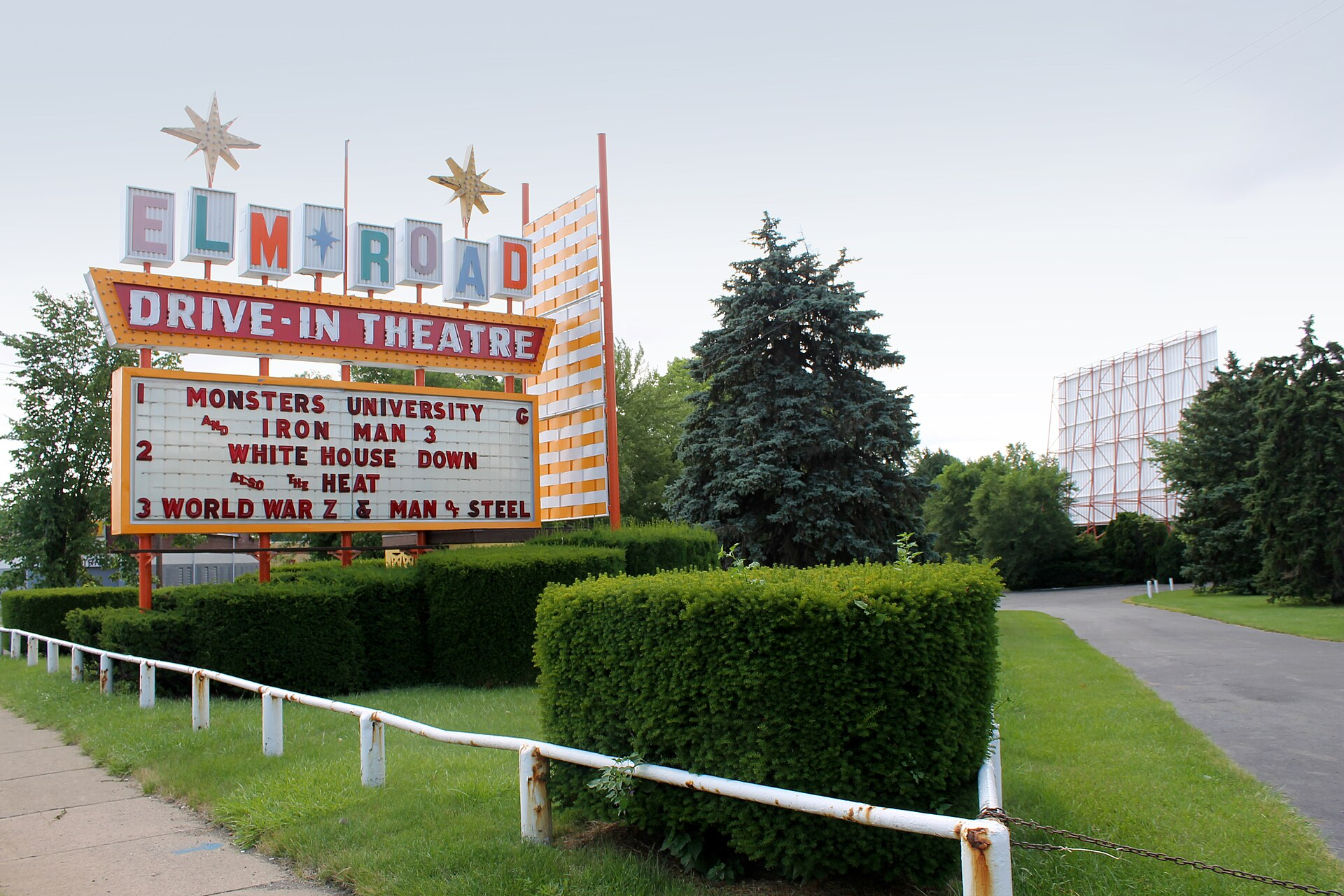
A big lit marquee by the road announced the night’s films. Spotting it meant the fun was about to begin.
Standing tall by the roadside was the drive-in’s marquee, a big illuminated sign announcing the night’s features in changeable letters, often topped with a colorful, eye-catching design. Spotting the lit marquee as you drove up signaled that a night of movies was about to begin. It was a beacon for summer fun. The roadside marquee is a beloved emblem of the drive-in theater, the bright, welcoming sign that advertised the evening’s double feature and has become a cherished symbol of the golden age of the drive-in.
Under the Summer Stars
Taken together, these thirteen things capture the magic of the American drive-in movie theater, from the giant screen and the window speaker to the concession stand, the intermission countdown, and the carloads of friends. It was a one-of-a-kind experience that combined movies, snacks, and socializing under the warm summer sky.
The rise of the multiplex, home video, and rising land values led many drive-ins to close over the decades, though a devoted following has kept some open and even sparked occasional revivals. For the generations who grew up going to the drive-in, these details bring back the whole experience: the crunch of gravel, the crackle of the speaker, the snacks, and the movies under the stars. Looking back at the drive-in theater is a fond, warm-weather trip down memory lane, a celebration of a uniquely American way to enjoy a night at the movies.
Like our content? Follow us for more.