The 1980s was the undisputed “Golden Age” of the American mall. It was a neon-lit sanctuary where you could buy a leather tie, play the latest 8-bit software, and grab a giant pretzel all within 50 yards. But as retail moved online and “fast fashion” evolved, many of the most iconic anchor stores and specialty shops vanished into the archives of history. Here are the eight defunct mall staples that defined the childhood of every ’80s kid.
1. KB Toys: The Toy Empire
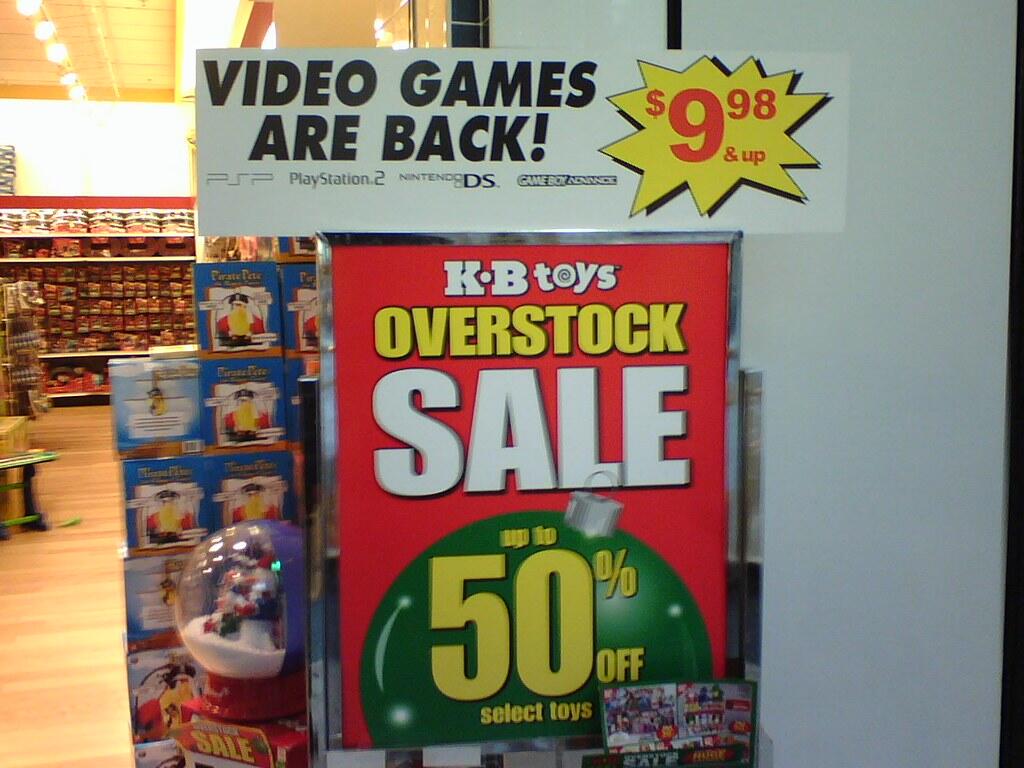
For most kids, a trip to the mall was a test of patience while their parents shopped for clothes, and KB Toys (originally Kay-Bee Toys) was the ultimate reward. Known for its floor-to-ceiling stacks of toys and the “whirring” sound of battery-operated displays at the entrance, it was the second-largest toy retailer in the country. While Toys “R” Us had the giant warehouses, KB Toys owned the mall. The chain eventually succumbed to the rise of big-box retailers and online competition, closing its final stores in 2009.
2. Chess King: Flashy Fashion for Young Men
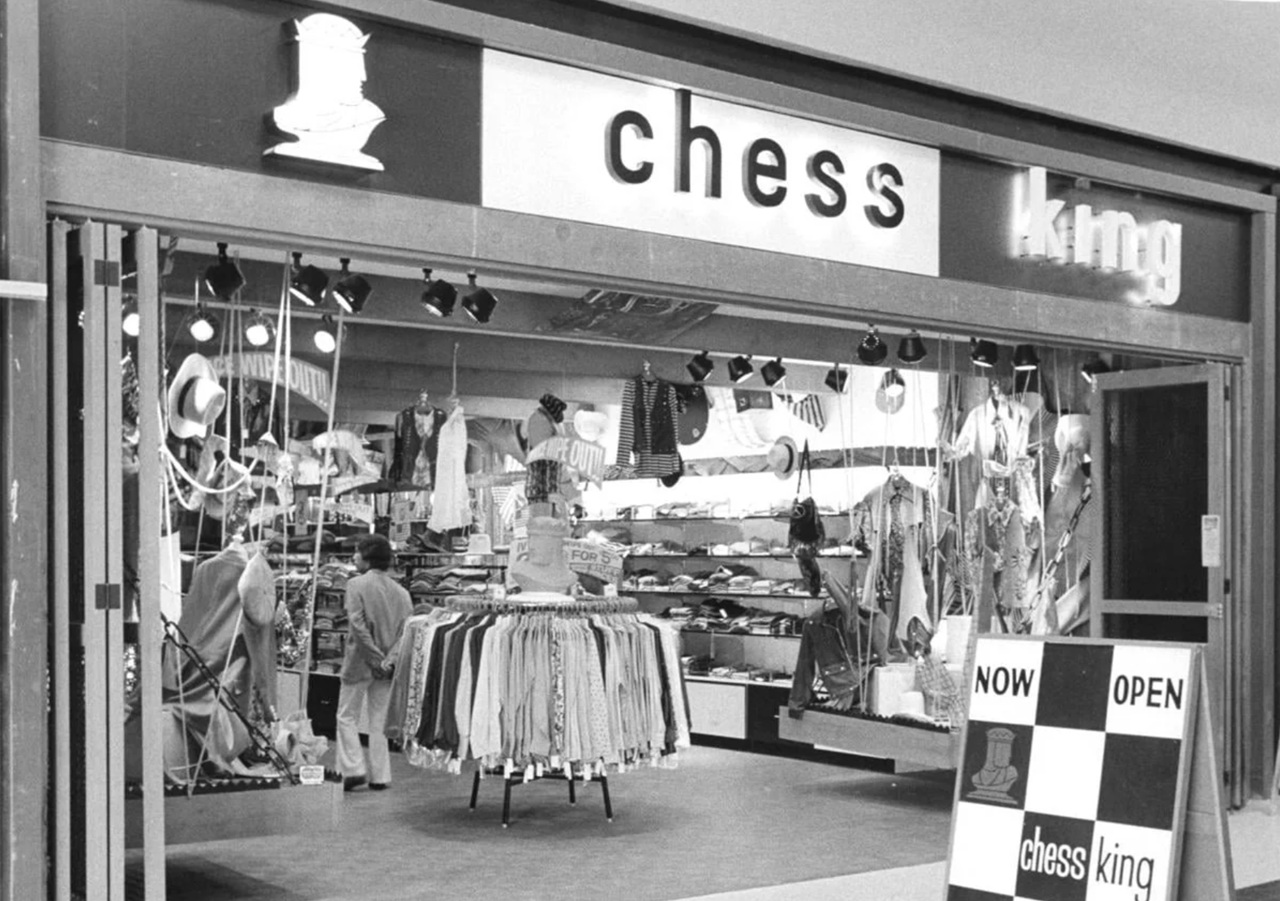
If you were a young man in the ’80s in search of a Members Only jacket, a leather tie, or some “parachute” pants, Chess King was your destination. Owned by the Melville Corporation, Chess King was the mall’s headquarters for trendy, faddish menswear. It reached its peak with over 500 locations, embodying the “cool” aesthetic of the decade. As fashion trends shifted toward the grunge and minimalism of the early ’90s, the “flashy shirt” empire struggled, eventually shutting down for good in 1995.
3. B. Dalton Bookseller: The Hardcover Giant
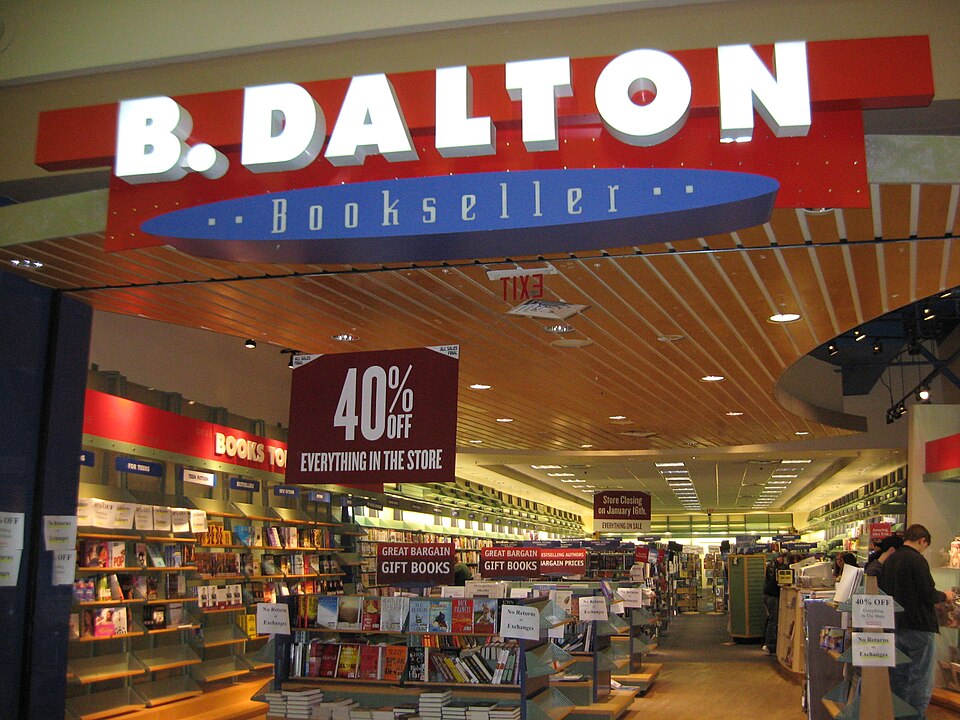
Before Amazon was even a concept, B. Dalton was the largest retailer of hardcover books in the United States. Usually located in prime indoor mall spots, it was the intellectual heart of the shopping center. B. Dalton and its rival, Waldenbooks, were the go-to spots for “Choose Your Own Adventure” books and the latest Stephen King novels. Barnes & Noble acquired the chain in 1987, and while the name lingered for years, the last of the mall-based stores were liquidated in 2010.
4. RadioShack: The Electronics “Shack”
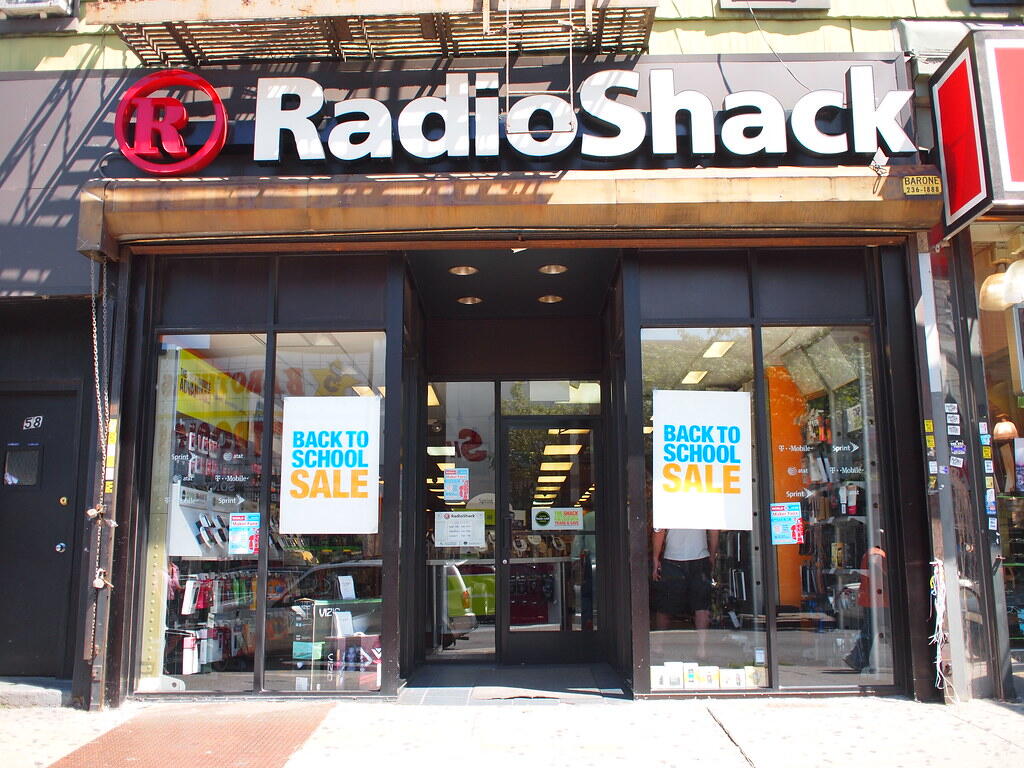
In the ’80s, RadioShack was where you went for everything from a portable cassette player to the batteries for your remote-controlled car. It was a haven for “ham” radio enthusiasts and early computer adopters. At its peak, the “Shack” had nearly 8,000 locations, it was famously said that 95% of Americans lived within five minutes of a RadioShack. However, as electronics became “commodity” items sold at Target and Best Buy, RadioShack’s high-margin business model collapsed, leading to its first major bankruptcy in 2015.
5. The Sharper Image: The High-Tech Playground

The Sharper Image wasn’t just a store; it was a museum of gadgets that no one actually needed but everyone wanted. ’80s kids will remember the vibrating massage chairs, the high-end cordless phones, and those iconic “Ionic Breeze” air purifiers. It was the premier place to play with luxury novelties while your parents were elsewhere. The brand moved toward a licensing model after filing for bankruptcy, closing its remaining brick-and-mortar mall storefronts in 2008.
6. Miller’s Outpost: The Denim Destination
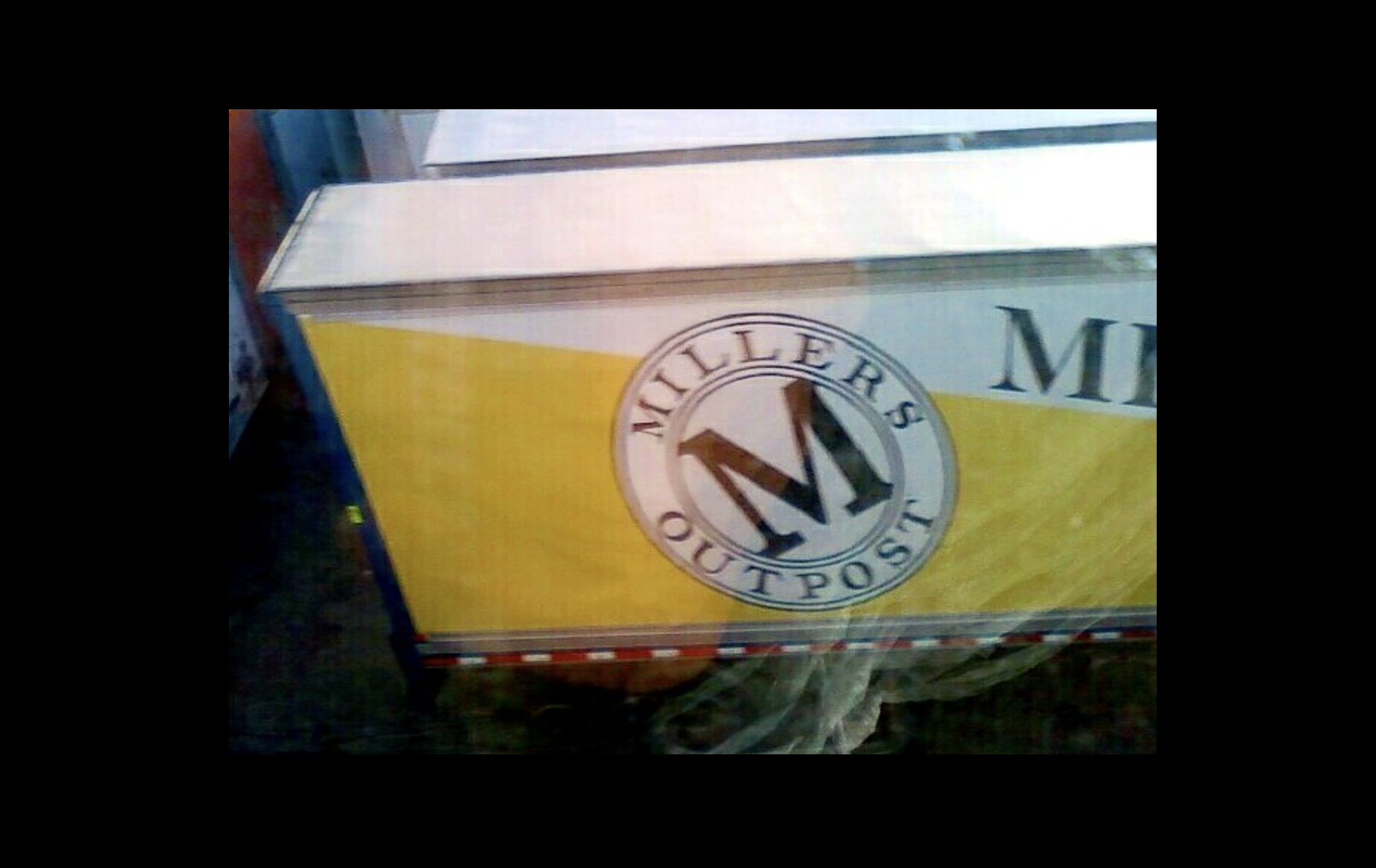
Primarily a staple in the Western U.S., Miller’s Outpost was the “cool” place to buy Levi’s and youth-oriented denim. It was known for its rustic, wood-heavy interior and was the go-to source for the “Steel Wing” and “Anchor Blue” brands. For a generation of teens, getting your school jeans at Miller’s Outpost was a rite of passage. The company rebranded entirely to “Anchor Blue” in the late ’90s before the brand eventually phased out of physical retail entirely by 2011.
7. Merry-Go-Round: The Fad Factory
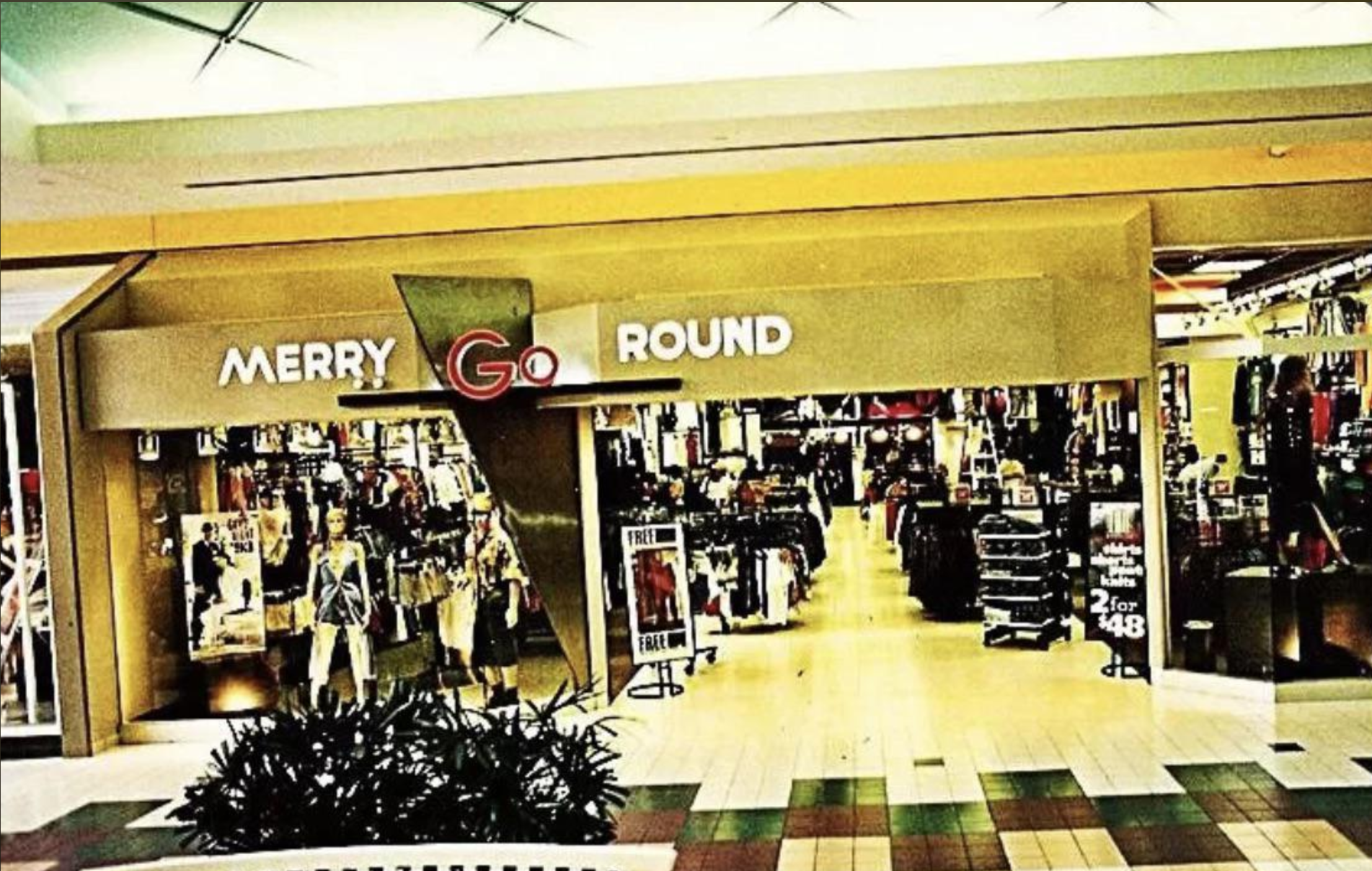
Merry-Go-Round was the ultimate “right now” clothing store. It specialized in profiting from short-lived fashion fads, from neon-splattered tees to New Wave-inspired outfits. If a celebrity wore it on MTV on Monday, it was likely on a mannequin at Merry-Go-Round by Friday. At its height, it operated over 500 locations, but the business model of chasing hyper-specific fads made it vulnerable. The chain filed for bankruptcy in 1994 and was liquidated shortly after.
8. Sam Goody: “Goody Got It”
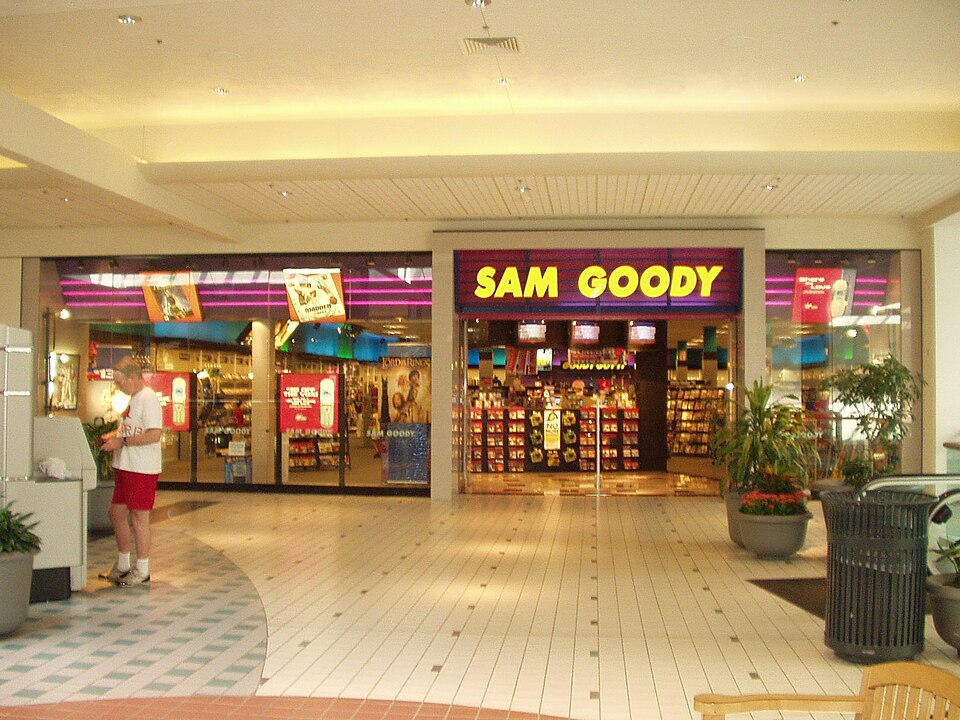
Long before Spotify or even the Apple Store, Sam Goody was the mall’s music authority. With its neon signs and massive selection of vinyl, cassettes, and later CDs, it was the epicenter of teen social life on Saturday afternoons. If you were looking for the latest hair metal tape or a pop-star poster, “Goody Got It.” The rise of digital music and big-box electronics stores rendered the specialized record store obsolete, and the iconic brand mostly vanished by the mid-2000s.