
Walk through any 1985 American suburb and you’d see them in roughly 80% of backyards: metal A-frame swing sets with two swings, a slide, and often a glider. They came from Sears, JCPenney, or the local hardware store for $89-$200. They lasted 15-20 years before the metal rusted through. By 2026, the metal swing set has almost completely disappeared from American backyards. Here’s what specifically replaced it — and why the cultural shift matters more than just changed playground equipment.
The 1985 American suburban backyard had specific characteristics that 2026 backyards no longer share. The swing set was nearly universal in households with elementary-school-aged kids. The specific design — galvanized metal A-frame, two swings, a slide, sometimes a glider or trapeze bar — was so standard that most kids’ yards looked essentially identical. The replacement isn’t a single product. It’s a complete restructuring of how American kids spend their backyard time.
The Original Sears and JCPenney Era
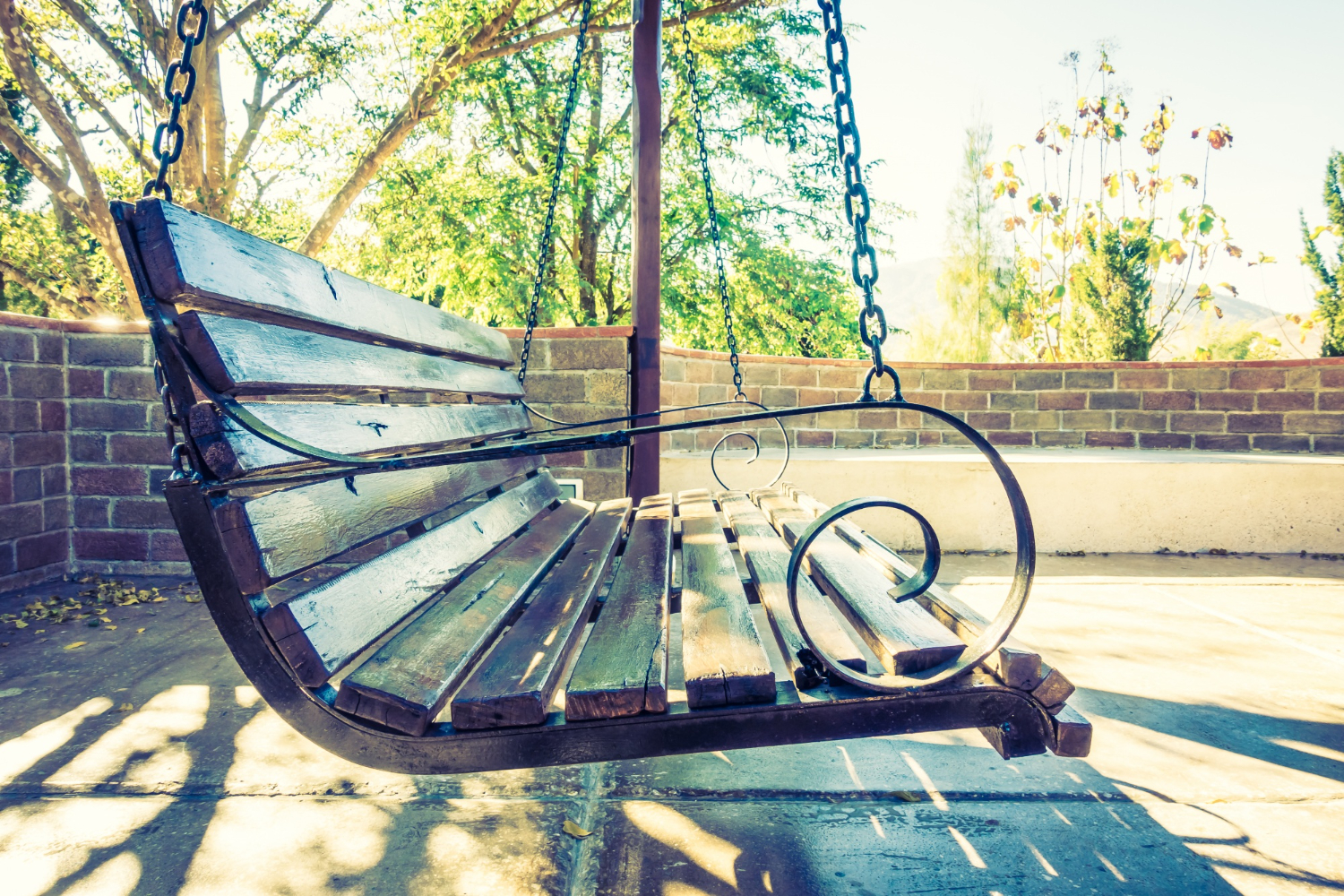
Throughout the 1970s and 1980s, the dominant American swing sets came from a handful of mass retailers. Sears Roebuck dominated the category through its catalog and store sales. JCPenney was a major competitor. Local hardware stores sold equivalent products. The standard design — metal A-frame with 2 swings, slide, glider — sold for $89-$200 in mid-1980s prices (roughly $260-$580 in 2026 dollars). The sets were considered standard equipment for any household with school-aged children. Most American suburban kids spent thousands of hours on these specific products during their childhoods.
Why They’ve Disappeared from Backyards
Several specific factors eliminated the metal swing set from American backyards. First: the safety concerns. Metal sets produced documented injuries — pinched fingers, splinters from rusting metal, falls onto packed dirt below the swings, head injuries from striking metal poles. Second: the durability problem — the metal rusted through after 15-20 years and required replacement. Third: the changing economics — wooden play structures with redwood, fort components, and rubber surfacing became popular in the 1990s as a “premium” upgrade. Fourth: the broader shift away from outdoor unstructured play that has reduced demand for any backyard equipment.
The Wooden Play Structure Replacement
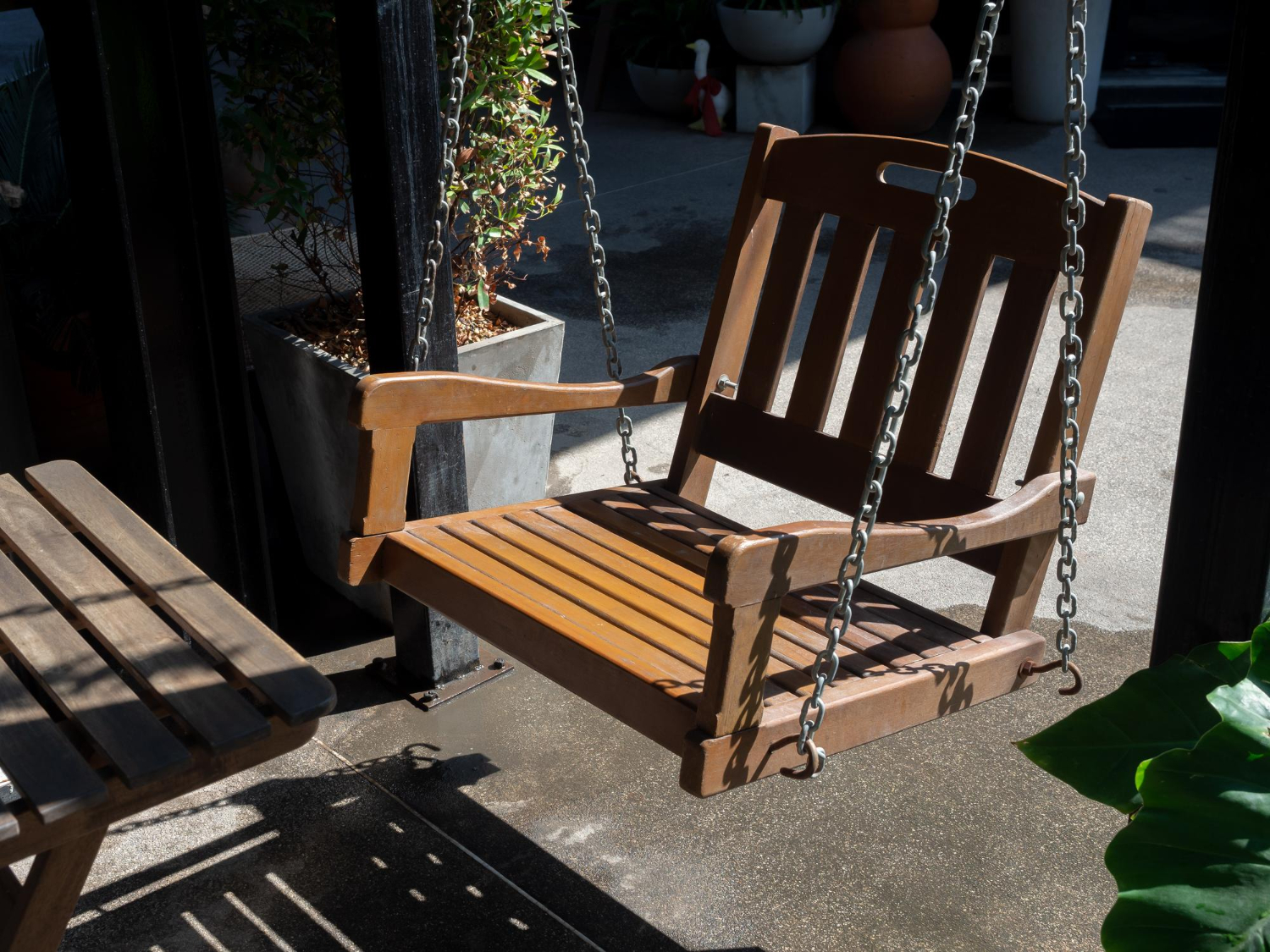
The first wave of swing set replacement came in the late 1980s and 1990s with wooden play structures — typically built around a central “fort” or “playhouse” with attached swings, slides, climbing walls, and various other features. Brands like Rainbow Play Systems, Cedar Summit, and Backyard Discovery dominated this category. Costs ran $1,500-$8,000 — substantially more than the metal sets they replaced. The structures lasted longer (with proper maintenance) and allowed more imaginative play. They became status symbols in some neighborhoods. But they required substantial yard space, considerable assembly, and periodic maintenance.
The Trampoline Era
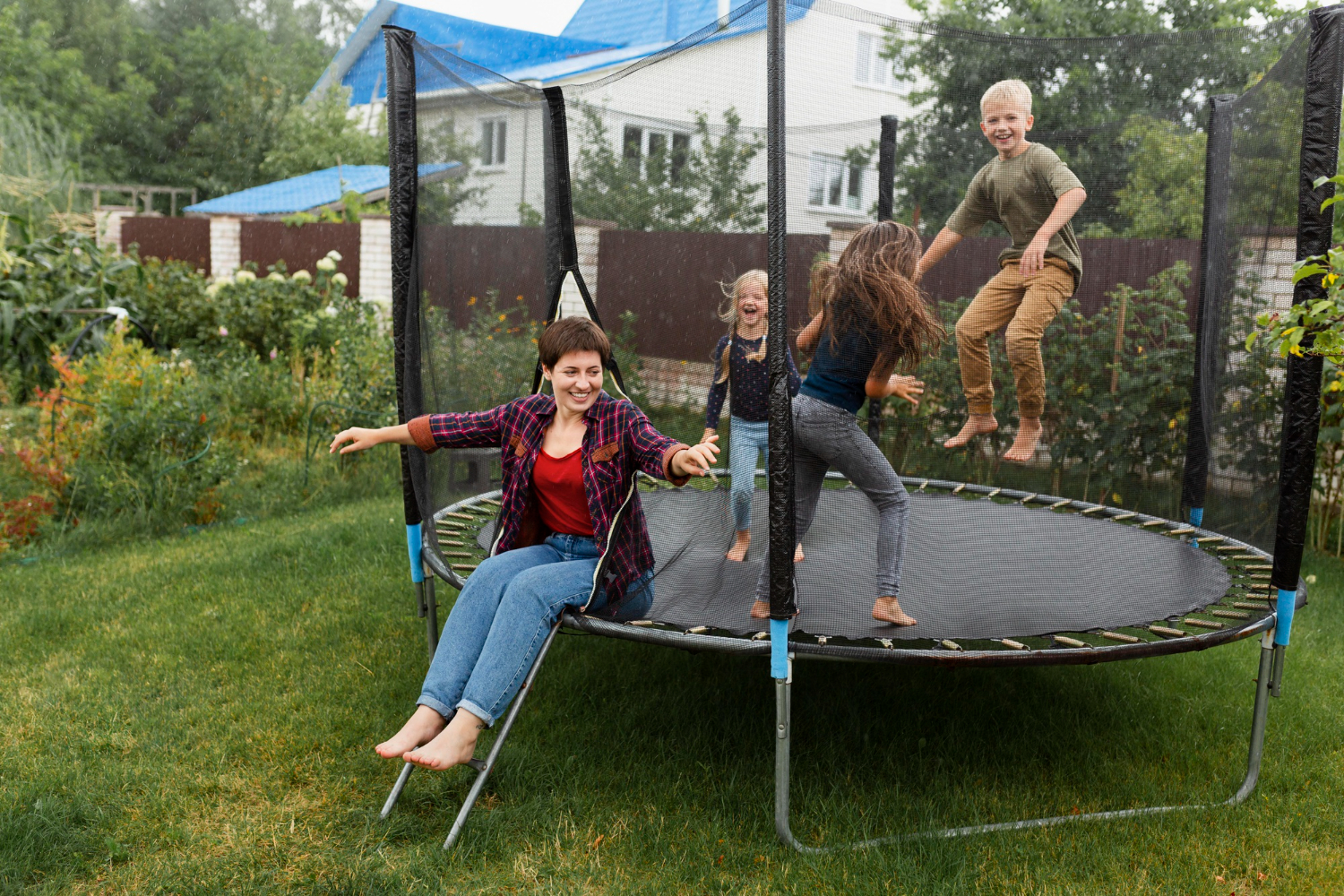
The mid-1990s through the 2000s saw the trampoline emerge as the dominant backyard equipment for many families. Round, full-size trampolines (typically 12-15 feet diameter) became affordable through retailers like Walmart and direct mail. By 2010, trampolines were arguably more common in American backyards than swing sets. They provide more active exercise, accommodate multiple kids simultaneously, and offer endless variation in use. Safety nets, mandatory after the early 2000s injury statistics, became standard. Modern American trampolines typically cost $300-$1,500 with safety enclosures included.
The Above-Ground Pool Surge

Many American backyards that previously had swing sets eventually got above-ground pools instead. The shift accelerated dramatically during COVID-19 (2020-2021) when families couldn’t travel and invested in backyard amenities. The Intex and Bestway brands sold millions of above-ground pools during 2020-2021. By 2026, above-ground pools occupy substantial backyard real estate that previously held swing sets. The pools provide entertainment for entire families rather than just kids. They get used by adults for exercise. They’ve become substantially permanent installations in many American suburbs.
The Smartphone Effect
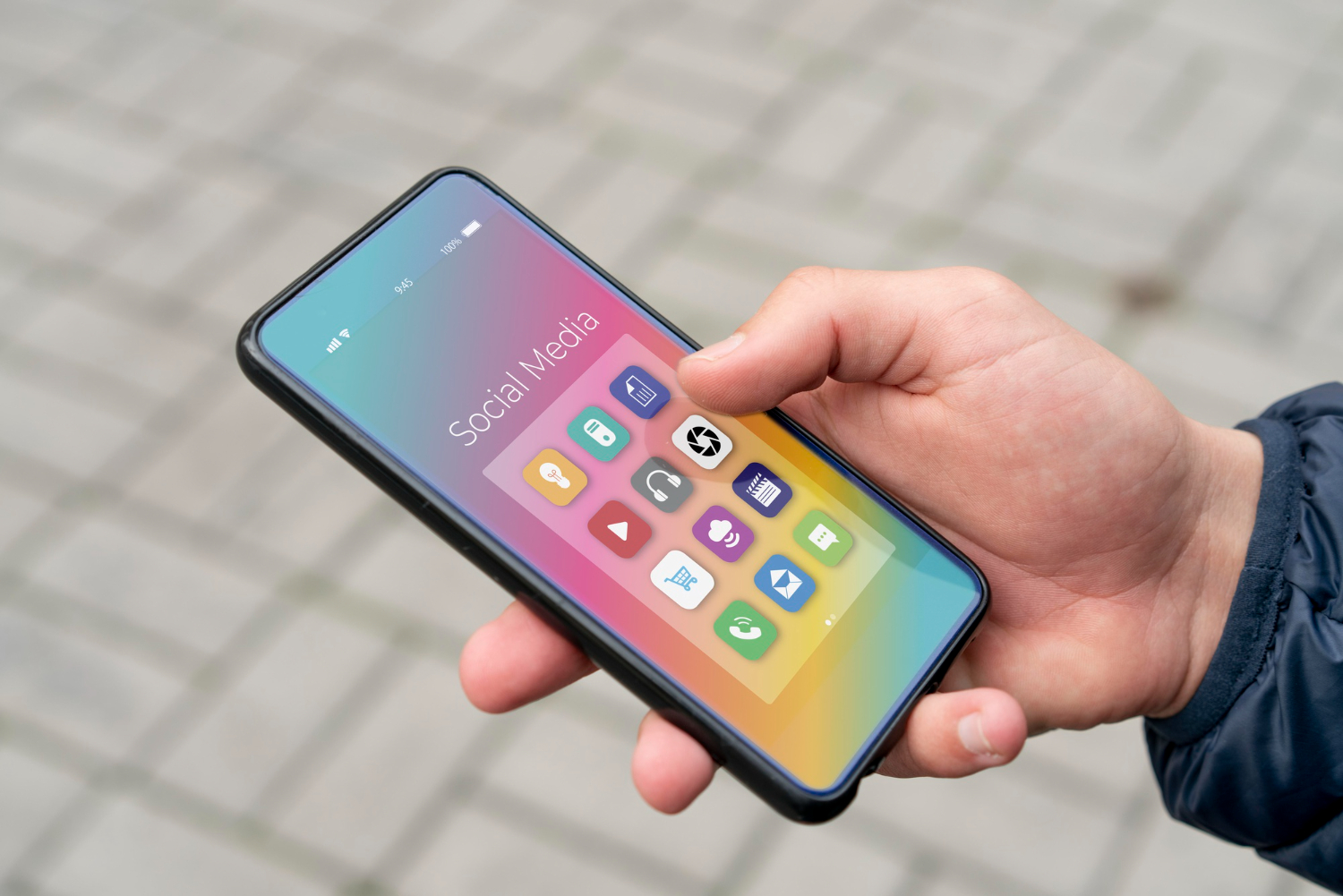
The deeper reason for swing set disappearance is the broader shift in how American kids spend time. Multiple studies have documented dramatic decreases in unstructured outdoor play since the 1990s. The American Academy of Pediatrics, the CDC, and various researchers have measured kids’ outdoor play time at fractions of their parents’ levels. Smartphones, tablets, and various other indoor activities have absorbed substantial hours that previous generations spent outside. Even when families have backyard equipment, it gets used substantially less than equivalent equipment was used 30 years ago. The swing set’s disappearance reflects not just changed equipment but changed childhood.
The Helicopter Parenting Connection

The shift away from unsupervised outdoor play has produced specific consequences for backyard equipment. 1985 kids would typically use their swing sets entirely without parental supervision — kids in the backyard, parents inside doing other things. Modern parenting culture often expects parental supervision for outdoor activities, even in fenced backyards. The supervision requirement makes backyard equipment less practically useful — parents can’t realistically watch kids on swings for hours. The cumulative effect: equipment that worked well for 1985 parenting practices works poorly for 2026 parenting practices, even when the equipment itself is unchanged.
The Public Playground Migration
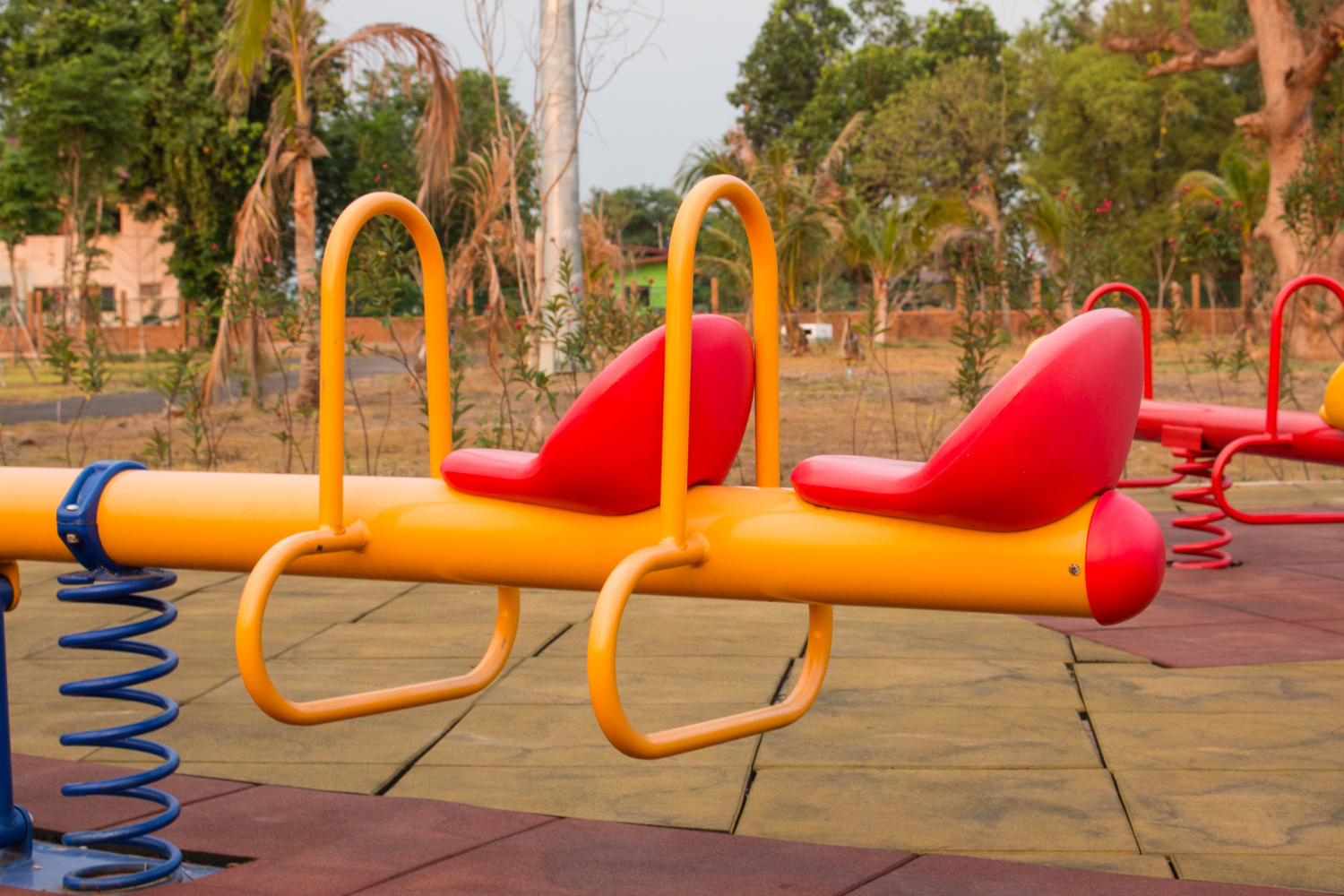
Some of the play that used to happen on backyard swing sets has migrated to public playgrounds. Modern American public playgrounds typically offer substantially better equipment than what backyard swing sets ever provided — multiple slides, climbing structures, bridges, sensory play elements, accessible features. The specific concentration of play infrastructure in public spaces has reduced the need for substantial backyard equipment. Many modern parents decide to use the local park rather than installing equivalent equipment at home. The cumulative effect: backyards have become less play-focused while public playgrounds have become more important.
The HOA and Zoning Effect
Modern Homeowners Associations and local zoning regulations have specific impacts on backyard equipment. Many HOAs prohibit visible equipment over certain heights, require setbacks from property lines, and impose various other restrictions. The trampoline backlash of the 2000s produced HOA prohibitions in many communities. Above-ground pools face restrictions in many subdivisions. Even basic swing sets may require approval. The cumulative regulatory burden has discouraged some homeowners from installing backyard equipment that 1985 homeowners would have installed without thinking about it.
What Specifically Replaced the 1985 Swing Set

The replacements vary by household but typically include some combination of: smart TVs and gaming systems for indoor entertainment, smartphones and tablets that absorb children’s attention, sports leagues and structured activities that occupy outdoor time outside the home, public playgrounds that provide superior equipment, family vacations that consolidate outdoor recreation into specific trips, smaller home gyms or single-purpose equipment (basketball hoops, soccer goals) rather than multi-use play structures. The cumulative effect: 1985 households had substantial single multi-use backyard equipment; 2026 households have many smaller-purpose items distributed across indoor and outdoor settings.
What This Disappearance Actually Reveals
The vanished backyard swing set isn’t really about playground equipment — it’s about how American childhood has fundamentally restructured over 40 years. The specific physical infrastructure that supported a generation’s outdoor play has been systematically replaced by alternatives that aren’t really equivalent. Modern kids may have more total entertainment options than 1985 kids. They have substantially less unstructured outdoor play. The swing set was a specific kind of equipment that supported a specific kind of childhood — and both have largely disappeared together. Whether that’s progress, decline, or simply change depends on which factors you weight most heavily.