
Buñol is a small town of approximately 9,000 people in eastern Spain. For one hour every August, 20,000 attendees pelt each other with 150 tonnes of overripe tomatoes in what’s officially the world’s largest food fight. The event has run continuously since 1945, when a fight at the town’s annual parade led to participants throwing whatever they could grab — including tomatoes from a nearby vegetable stand. The unplanned chaos became a tradition. The tradition became an institution. Here’s the full story of La Tomatina.
La Tomatina is held every year on the last Wednesday of August in Buñol, a town of approximately 9,000 people in the Valencia region of eastern Spain. The festival has grown from an unplanned 1945 incident into one of the world’s most-attended single-day festivals, drawing approximately 20,000 participants annually. The basic event is straightforward: 150 tonnes (about 330,000 pounds) of overripe tomatoes are dumped from trucks into the town’s central streets, and participants spend approximately one hour throwing them at each other in organized chaos.
The 1945 Origin
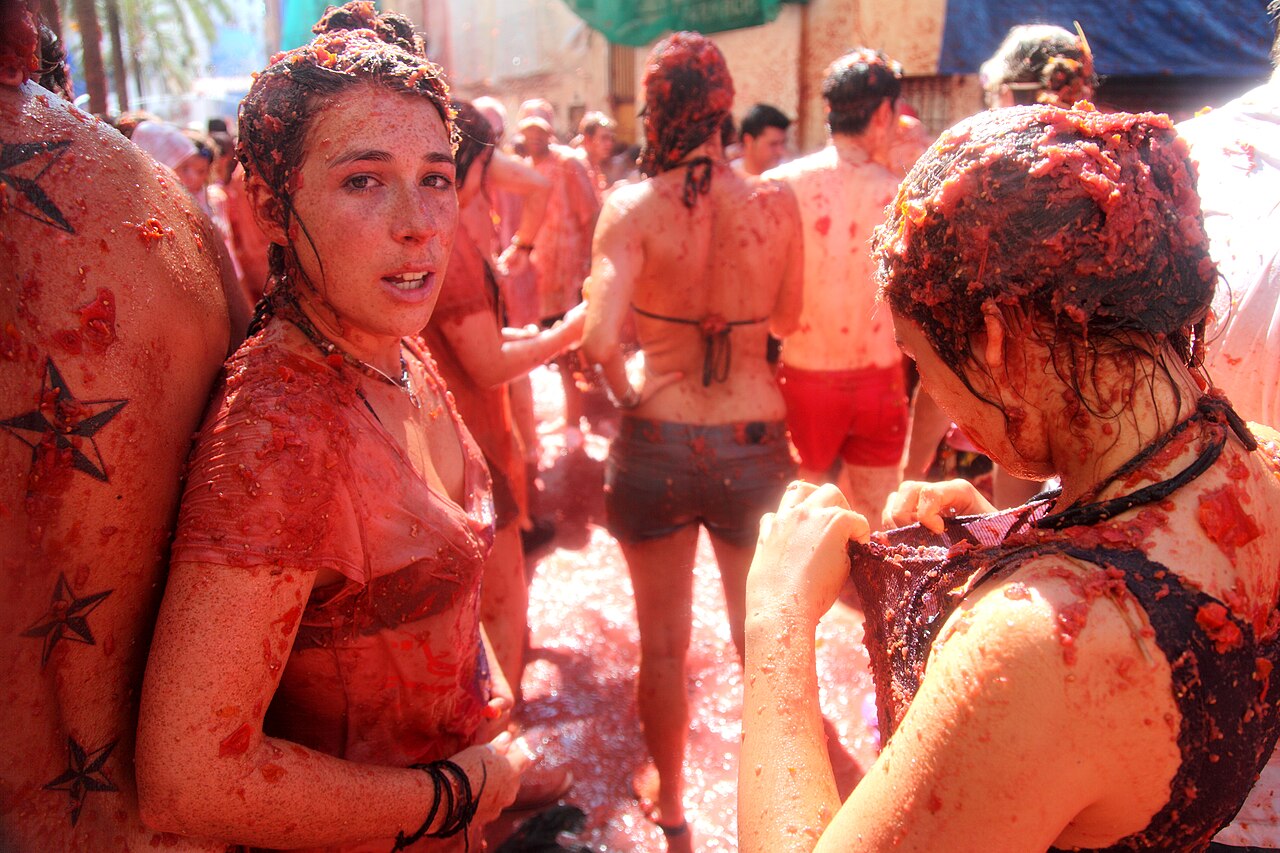
The original 1945 incident is well-documented in local Buñol history. During the town’s annual parade celebrating Saint Louis Bertrand on August 29, young people had been excluded from participation in the formal procession. Some attempted to push their way into the parade. A scuffle broke out. Participants began throwing whatever was available — including tomatoes from a nearby vegetable stand. The local police eventually intervened to stop the fight. But the spontaneous tomato fight had been entertaining enough that participants began deliberately recreating it the following year.
The Banning and Return
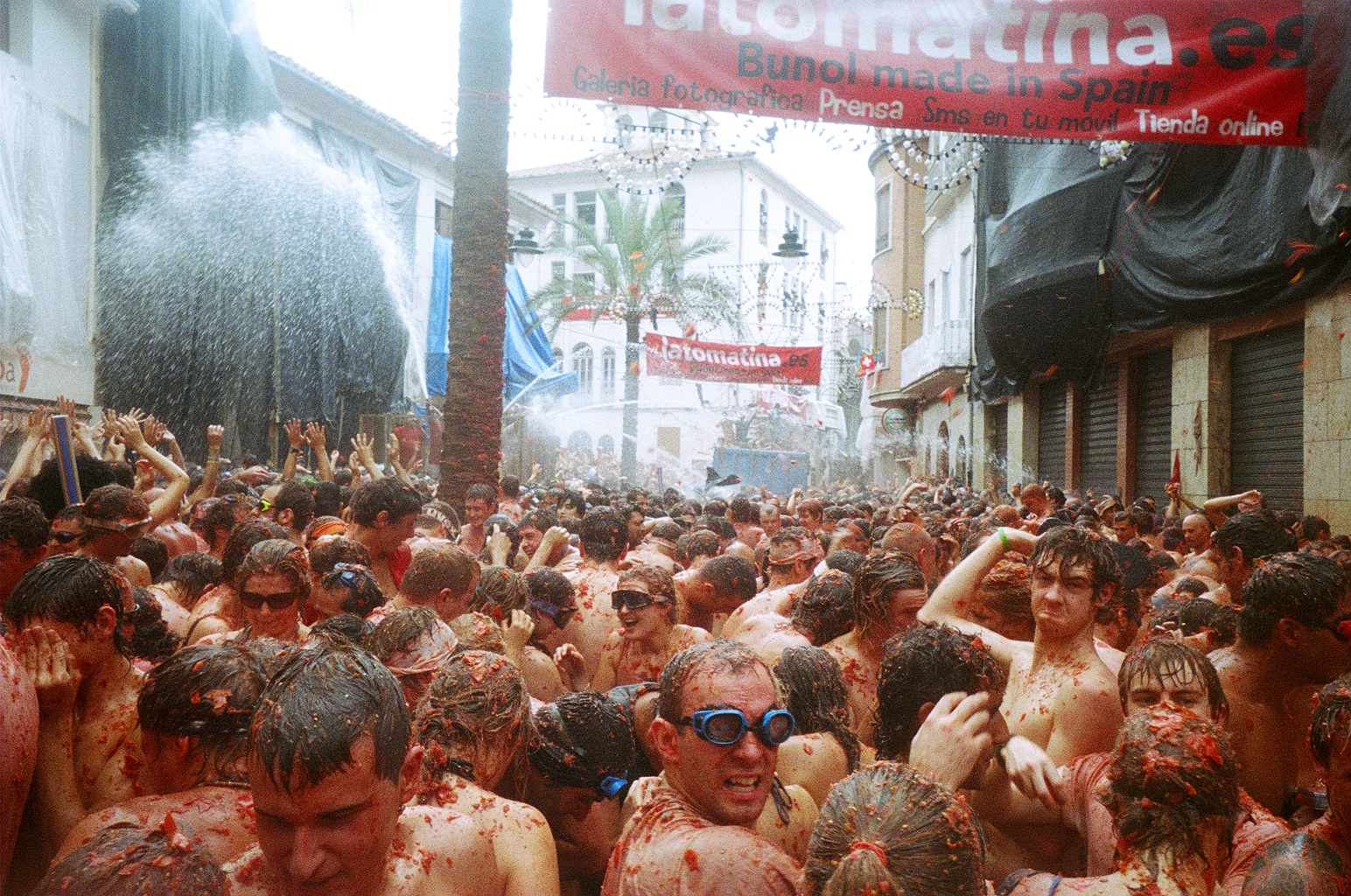
Throughout the 1950s, La Tomatina existed in legally precarious status. Spanish authorities under Franco’s regime banned the event multiple times — in 1950, 1951, 1956, and 1957 — viewing it as inappropriate disorder. Each time, residents continued holding the event despite the bans. In 1957, residents organized a “tomato burial” funeral procession with a coffin containing a giant tomato to mock the prohibitions. The protest worked. By 1959, La Tomatina was officially permitted with specific rules. The 14-year unofficial period had created enough cultural attachment that the authorities eventually accepted the event as a legitimate tradition.
The Modern Event Structure
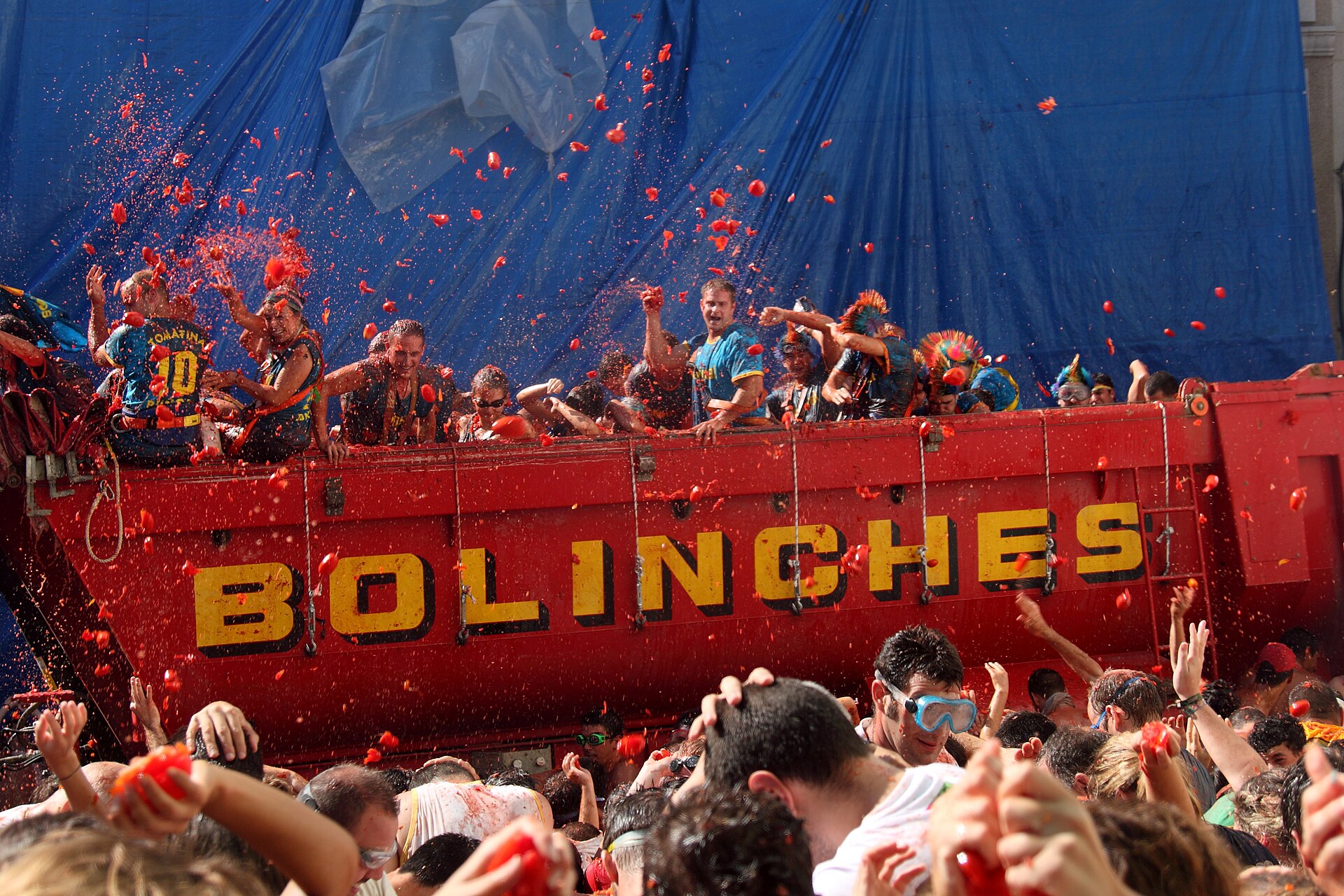
The current La Tomatina runs to specific procedures developed over decades. The festival begins with the “palo jabón” — a greased pole with a ham at the top that participants attempt to climb. Once someone successfully reaches the ham, the tomato fight begins (signaled by water cannons). For exactly one hour, participants throw tomatoes at each other. Trucks carrying tomatoes drive through the streets dumping their cargo. Specific rules apply: tomatoes must be squashed before throwing (to reduce injury), no other projectiles allowed, no clothing damage to others permitted. After exactly one hour, water cannons signal the end. Fire trucks then hose down the streets and participants.
The Logistics of 150 Tonnes of Tomatoes

The tomato supply for La Tomatina comes from Extremadura province in western Spain — specifically grown for the festival as overripe varieties unsuitable for normal consumption. Approximately 150,000 kilograms (165 tonnes / 330,000 pounds) of tomatoes are used. They arrive in trucks specifically configured to dump cargo into streets. The pre-festival logistics involve substantial coordination between agricultural producers, transport companies, and the festival organization. The specific tomato variety must be soft enough to squash easily but firm enough to hold together when thrown — a specific agricultural product effectively grown only for this festival.
The 2013 Ticket System

For decades, La Tomatina was free and open to anyone who could reach Buñol. By the early 2010s, attendance had grown beyond what the small town could safely manage — peak years saw over 50,000 attendees. In 2013, the town implemented a ticket system limiting attendance to 20,000 people. Tickets cost €15 in 2013 and have increased modestly since. The ticket system has substantially improved safety, manageable crowd density, and the overall festival experience. Some critics argued the commercialization changed the festival’s spontaneous character. Local authorities argued safety required the change.
The Specific Safety Rules
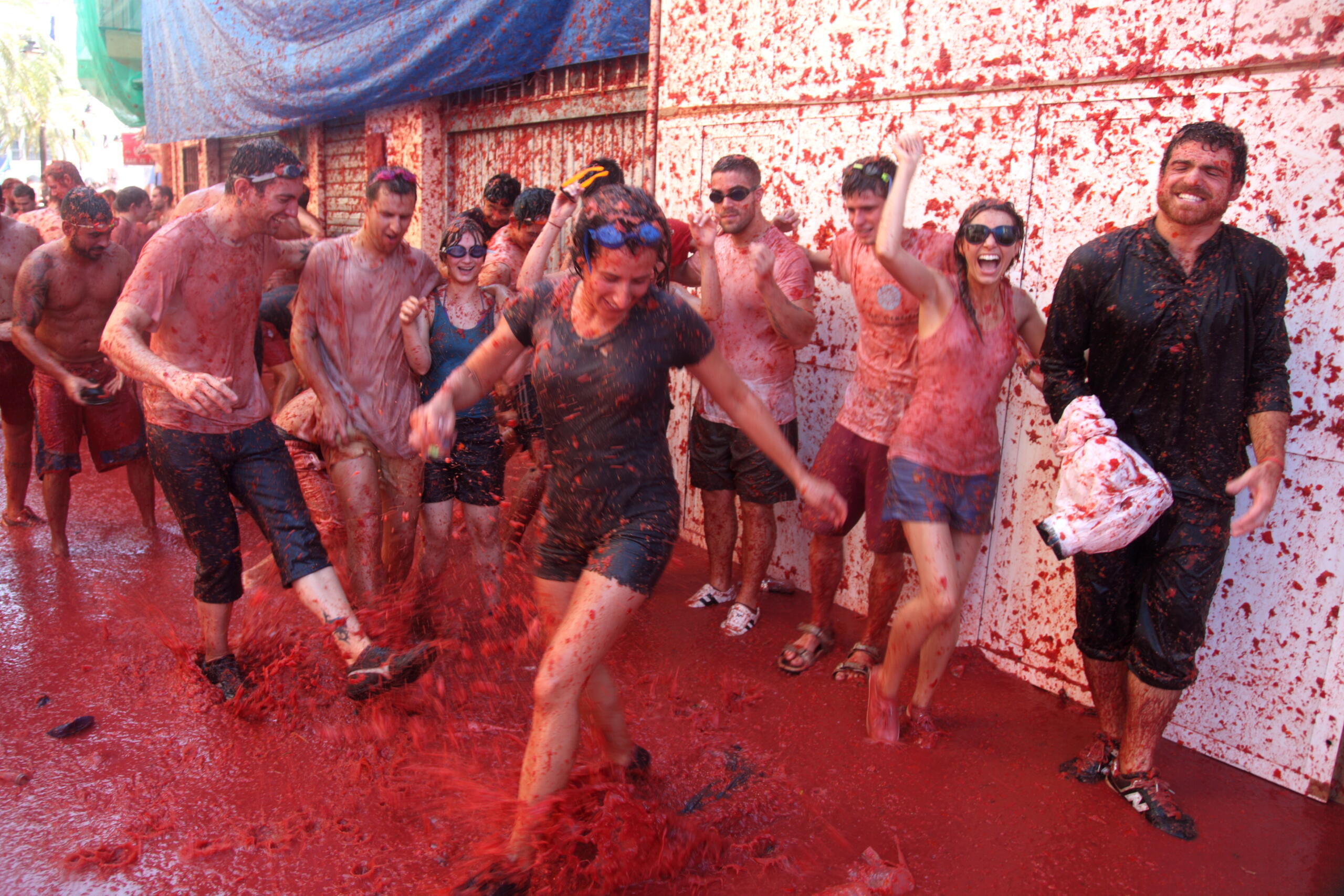
La Tomatina has documented specific rules that exist primarily for safety. Participants must squash tomatoes before throwing — thrown whole tomatoes can cause injuries. Goggles are strongly recommended (many participants wear swimming goggles to prevent tomato juice eye irritation). No other projectiles or objects can be thrown. Bottles and hard objects are explicitly prohibited. Participants cannot rip clothing of others. The water cannons that mark beginning and end are essentially mandatory signals. The cumulative rules have largely eliminated serious injuries despite the chaotic appearance — most participants experience only superficial bruises and substantial tomato exposure.
Why Tomatoes Don’t Stain Forever
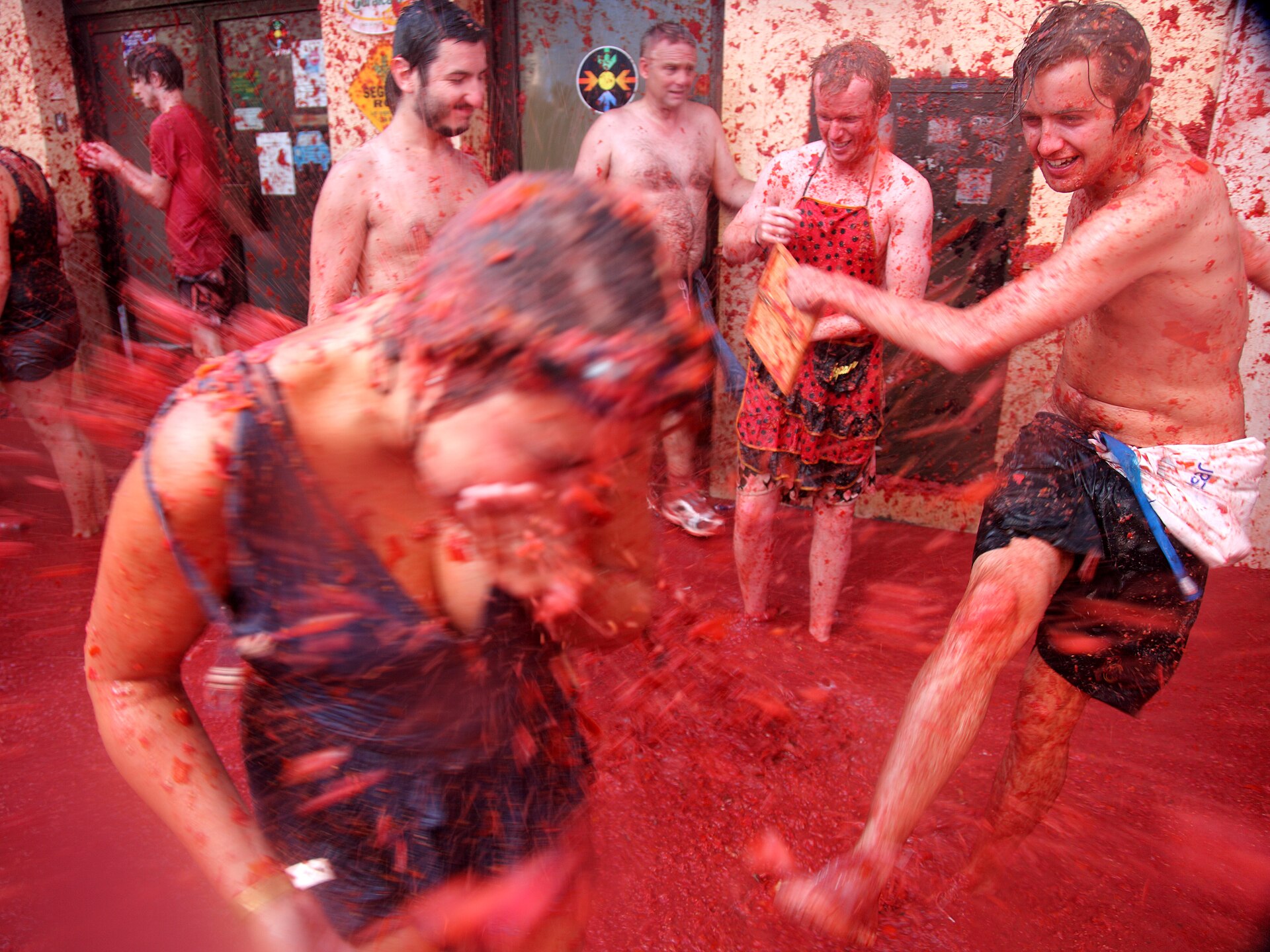
A common assumption is that tomato juice produces permanent staining. La Tomatina demonstrates that this isn’t quite true. The acidity of tomatoes does cause temporary discoloration, but the staining is largely water-soluble and removable with normal washing. The town’s white-painted buildings show no permanent tomato stains despite decades of festival use. The famous photographs of red-stained Buñol streets are accurate for the immediate aftermath but the staining washes away within hours of the fire department’s cleaning. Modern festival participants are advised to wear clothing they don’t mind discarding — but the streets and buildings recover completely.
Buñol the Rest of the Year
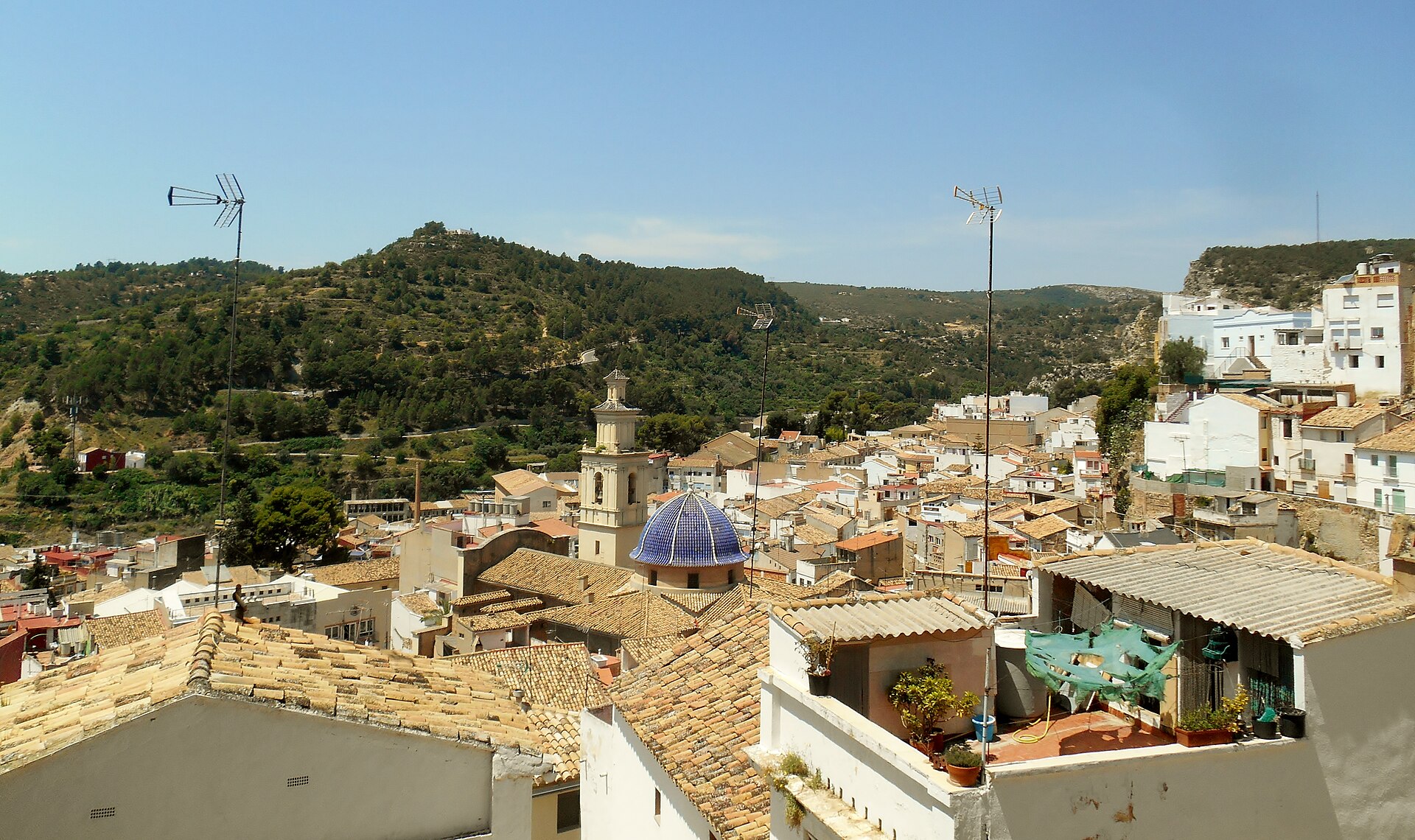
For 364 days each year, Buñol is a quiet Spanish town with no particular distinctions. Population approximately 9,000. Economy primarily based on small agriculture and a cement plant. Modest tourism. The town receives some visitor traffic for its 18th-century castle and surrounding mountains, but nothing comparable to the August festival. The contrast between the one-day mega-event and the rest of the year is one of the more unusual examples of localized tourism economics. The town’s infrastructure (hotels, restaurants, parking) is dramatically inadequate for the festival crowd, which is why most attendees travel from Valencia (40 minutes away) for the day rather than staying in Buñol itself.
The Practical Experience for Visitors

Modern La Tomatina visitors typically follow specific patterns. Most travel from Valencia or other nearby cities. Tickets must be purchased in advance through the official organization website (€15-25 depending on year and package). Arrival in Buñol is via train, bus, or organized tours from Valencia. Participants wear clothing they’re willing to discard. Most bring goggles. Phones are typically secured in waterproof bags or left at home. The actual festival lasts only one hour, but the day involves substantial waiting, walking, and post-festival celebration. Most participants return to Valencia by evening.
Other Tomato Festivals Worldwide

La Tomatina has inspired similar festivals globally, though none have matched the original’s scale. Twin Lakes, Colorado holds a tomato fight in August. Bunol Festival is recreated in various cities (Reno Nevada, Nampa Idaho, Ottawa Canada). Larger international versions exist in India (the Kerala Tomato Festival), Costa Rica, China, and elsewhere. None of the imitators have achieved La Tomatina’s specific cultural status — partly because the imitators are designed festivals rather than organic traditions. The 80-year continuous history at Buñol provides authenticity that designed festivals cannot replicate.
What La Tomatina Actually Represents

La Tomatina demonstrates something specific about how cultural traditions actually emerge. The 1945 incident that started it was unplanned chaos that authorities tried to suppress. The persistent residents created something that authorities eventually had to accept. The accepted tradition became an institution that draws international tourism and substantial economic activity to a small town that would otherwise receive none. The whole phenomenon — from the original tomato-throwing youths to the modern ticketed mega-event — exists because residents decided that the chaos was worth preserving and continuing despite official opposition. Most cultural traditions have similar origins; few are quite as visually spectacular as 150 tonnes of tomatoes flying through Spanish streets.