In May 1962, the borough council of a small Pennsylvania mining town hired five volunteer firefighters to clean out the local landfill by setting it on fire. The fire never went out. It spread underground through abandoned anthracite coal mines, burned for sixty-two consecutive years, and ultimately ended the town. Centralia, Pennsylvania — once home to 2,761 residents in 1890, then 1,435 in 1962, now under six — sits today over a coal seam fire that the Pennsylvania Department of Environmental Protection estimates will burn for another 250 years before it exhausts its fuel. The town is officially gone. The fire is not.
1. The Town Before the Fire
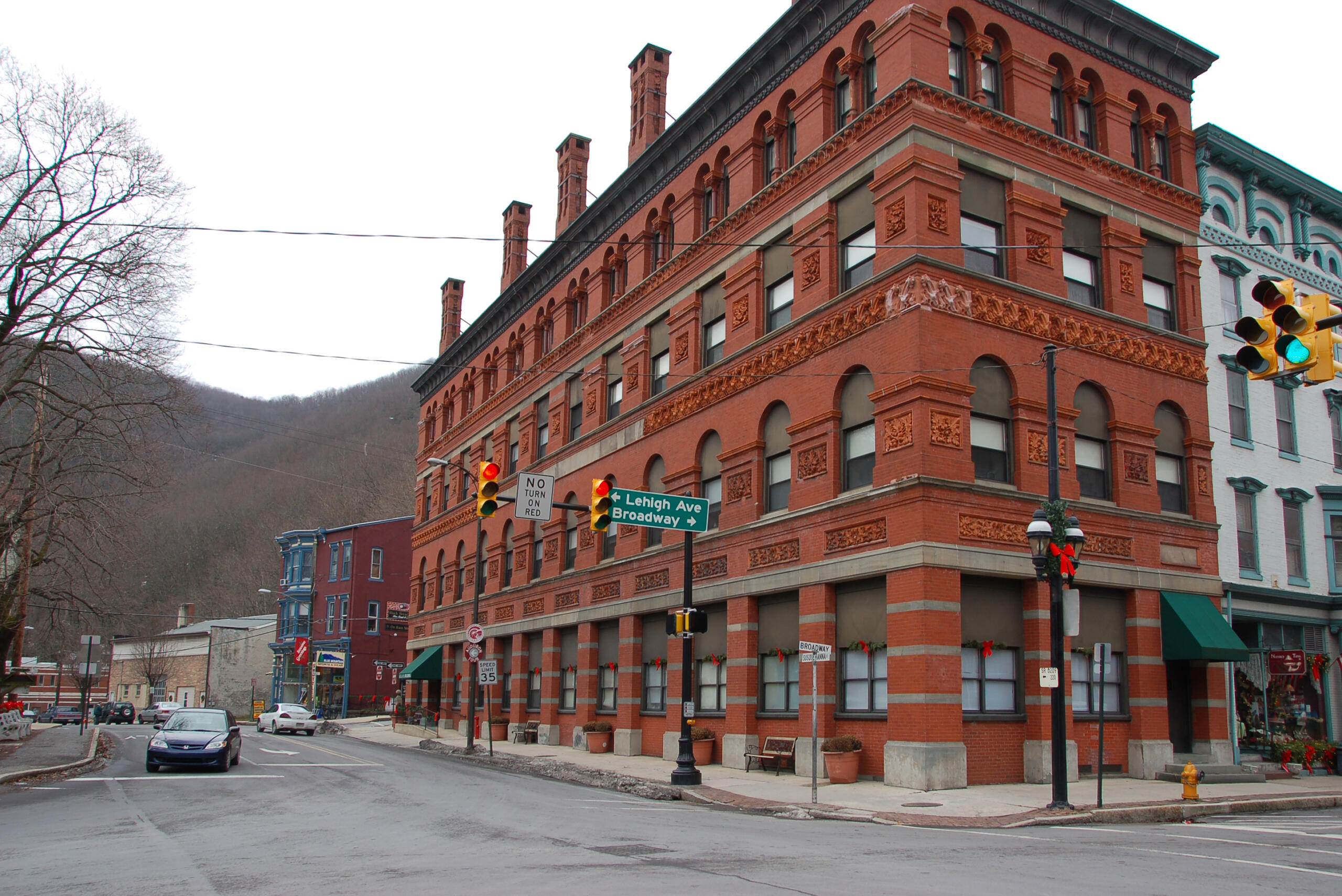
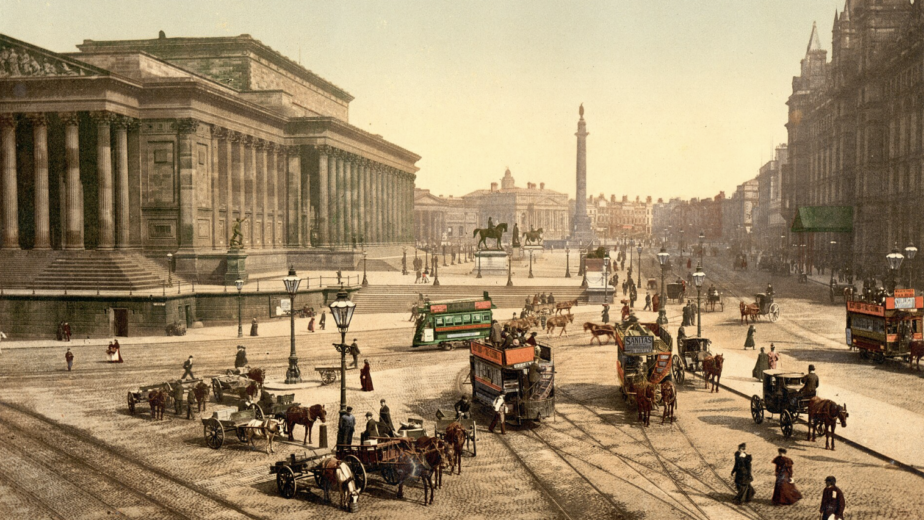
Centralia sat in Columbia County, Pennsylvania, at the intersection of Routes 61 and 42, deep in the anthracite coal region of northeastern Pennsylvania. The town was established in 1856 by Alexander Rea, a mining engineer who laid out the street grid above some of the richest anthracite veins in the world. By 1890, Centralia housed 2,761 people and supported fourteen active coal mines. The Molly Maguires were active in the area in the 1860s and 1870s, and town founder Alexander Rea was murdered in 1868 — a crime ultimately attributed to the labor secret society. By the 1960s, the coal market had collapsed nationally, mining had largely ended in Centralia, and the population had fallen to 1,435. The town still had a Catholic church, a Methodist church, a Lithuanian church, a high school, two banks, and 14 active businesses.
Like our content? Follow us for more.
2. The Day the Fire Started
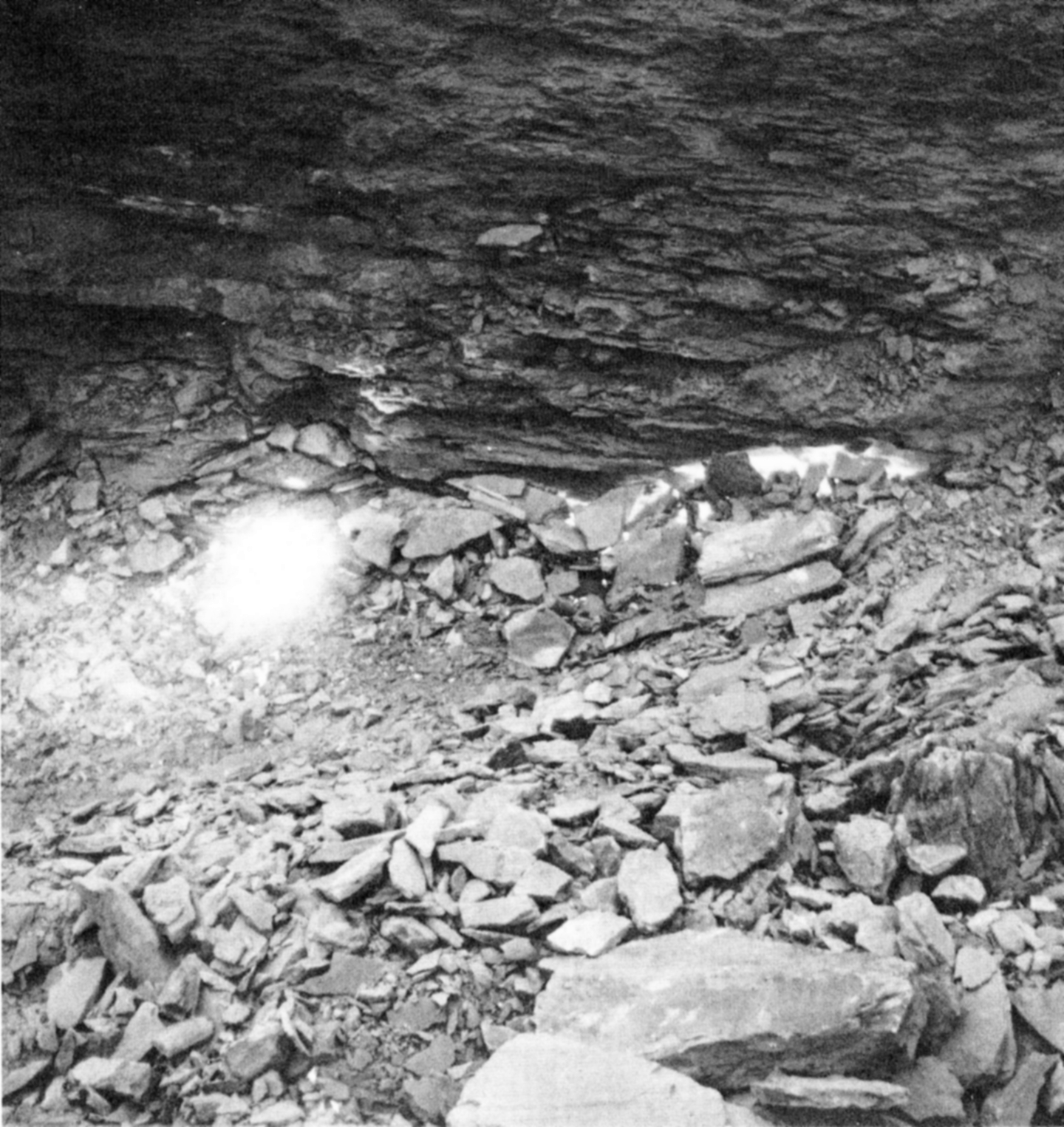
On May 27, 1962, five volunteer firefighters from the Centralia Fire Company gathered at the borough landfill — an abandoned strip-mine pit at the edge of town — to clean it out before the Memorial Day weekend. The town council had hired them. According to David DeKok’s research, Pennsylvania state law had prohibited the burning of landfill dumps since 1958 because of the exact danger that materialized. The firefighters set the trash ablaze, then doused the visible flames with water hoses. The fire flared up again on May 29 and again on June 4. Each time, the fire company tried to extinguish it. They eventually discovered that the bottom of the pit contained a fifteen-foot opening that exposed an abandoned coal mine entrance — and the fire had already moved underground into the coal seam.
3. The First Failed Extinguishment
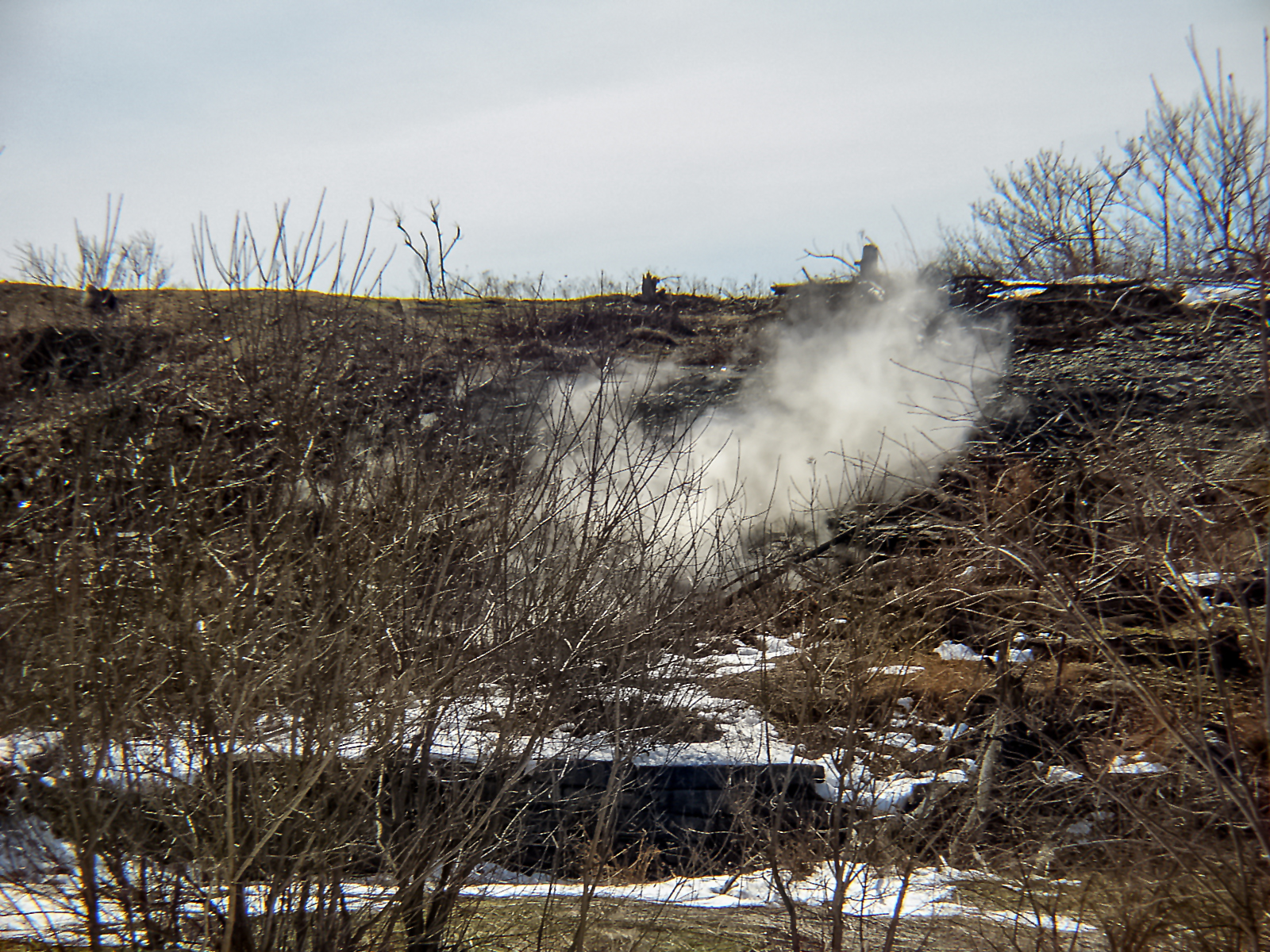
By August 9, 1962, Pennsylvania officials closed all mines near Centralia after detecting carbon monoxide underground — the byproduct of an uncontrolled coal seam fire. Independent mineworkers from Shamokin and Mount Carmel publicly warned the State Department of Mines that the fire would spread, but state action lagged. Between 1962 and 1978, state and federal authorities spent millions of dollars trying to put out the fire using flushing operations, trenches, and fly-ash barriers. None of them worked. Some historians, including David DeKok, have argued that an additional $50,000 spent in summer 1962 could have killed the fire entirely. The political will, and the funding, did not exist. By 1979, when the U.S. Bureau of Mines closed a vent that had been pulling fire and gases away from the town center, the fire broke through the fly-ash barrier and accelerated.
4. Todd Domboski and the Sinkhole
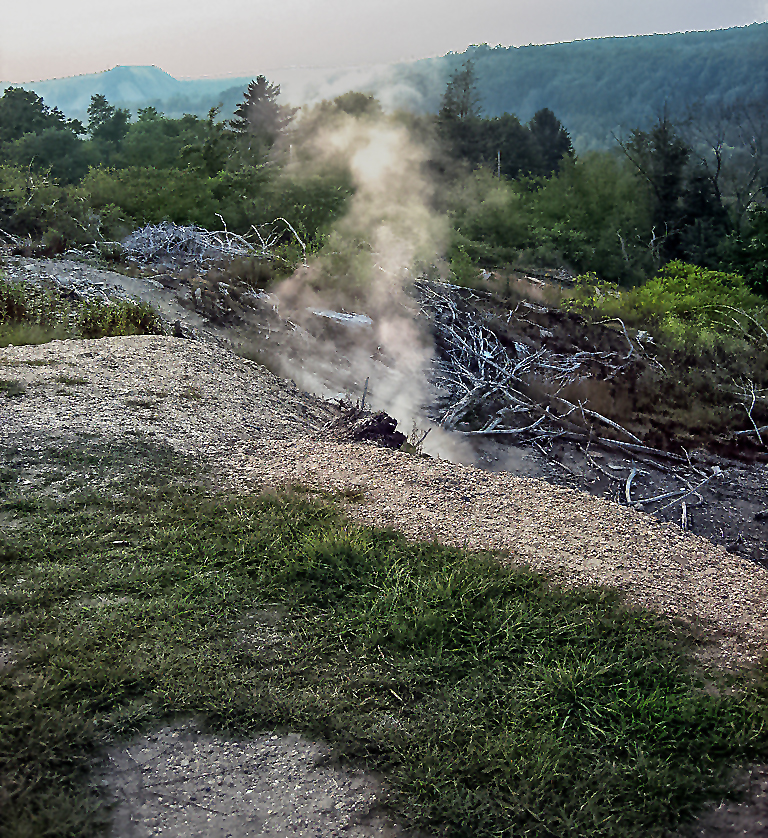
On Valentine’s Day 1981, twelve-year-old Todd Domboski was walking through his grandmother’s yard in Centralia when the ground beneath him suddenly collapsed. He fell into a 150-foot-deep sinkhole that opened without warning, exposing him to a plume of carbon monoxide hot enough to be lethal within seconds. His cousin Eric Wolfgang pulled him out. The incident was covered nationally by NBC News, ABC, and the Philadelphia Inquirer, and became the moment Centralia’s situation entered American public consciousness as a genuine emergency. Federal officials had been treating the fire as a local issue. After Domboski’s sinkhole, the U.S. House of Representatives held hearings. Representative Frank Harrison of Wilkes-Barre began drafting the legislation that would eventually allocate $42 million to relocate every resident of Centralia who wanted to leave.
5. The Federal Buyout
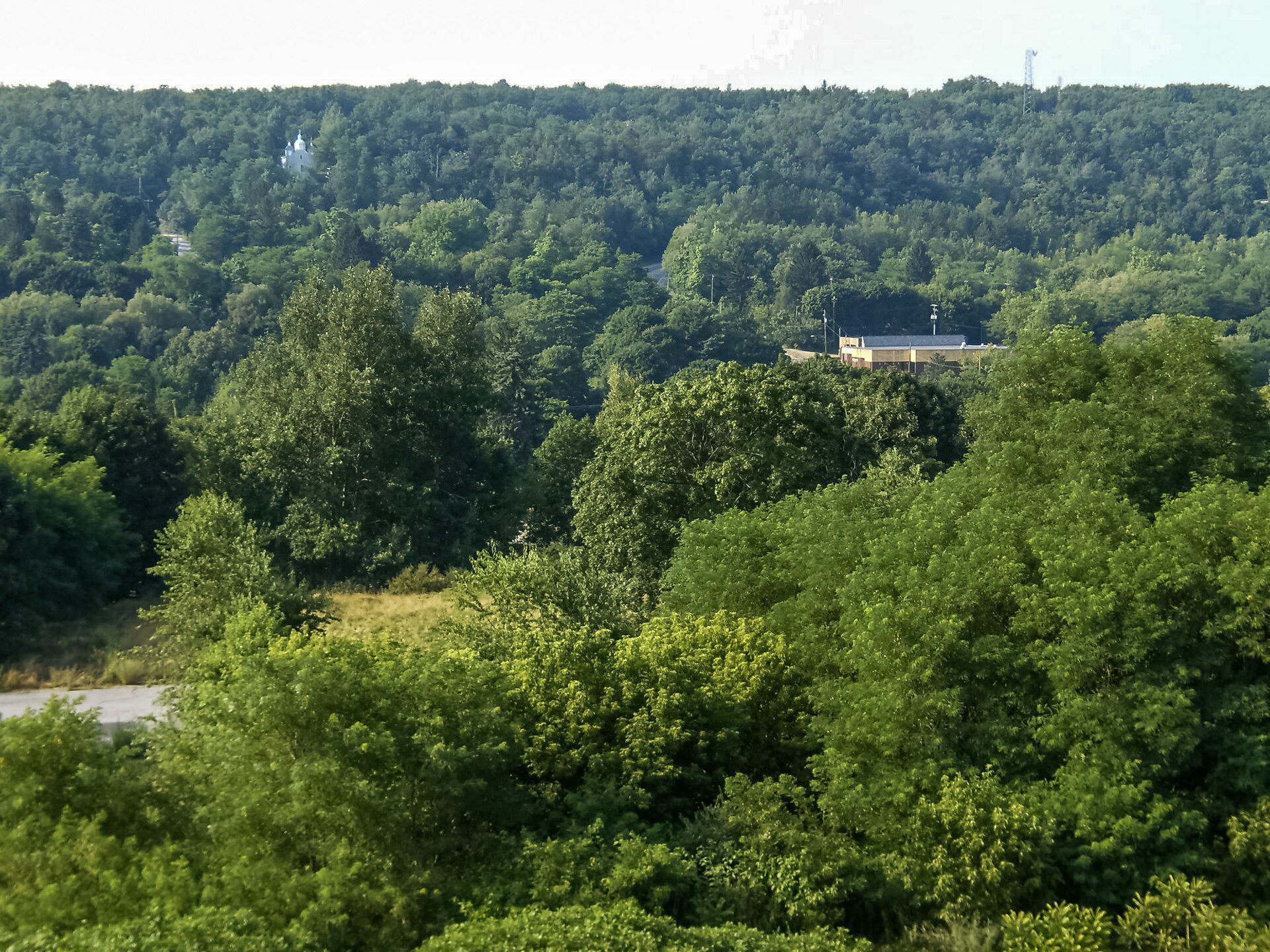
In 1984, Congress passed legislation allocating $42 million (roughly $130 million in 2025 dollars) to fund the voluntary relocation of every Centralia resident, sponsored by Representative Frank Harrison. The program covered fair-market value plus a relocation allowance. Most residents accepted the buyout offers over the following five years and moved to nearby Mount Carmel, Ashland, and Bloomsburg. Some refused. A small group of holdouts continued to live in Centralia despite the carbon monoxide warnings, the sinkholes, and the visible smoke rising from cracks in the ground. The federal government, the state of Pennsylvania, and the local newspapers all pressured the holdouts to leave. According to Pennsylvania State University’s Center for the Book, the decision divided the community more sharply than the fire itself.
6. Eminent Domain, 1992
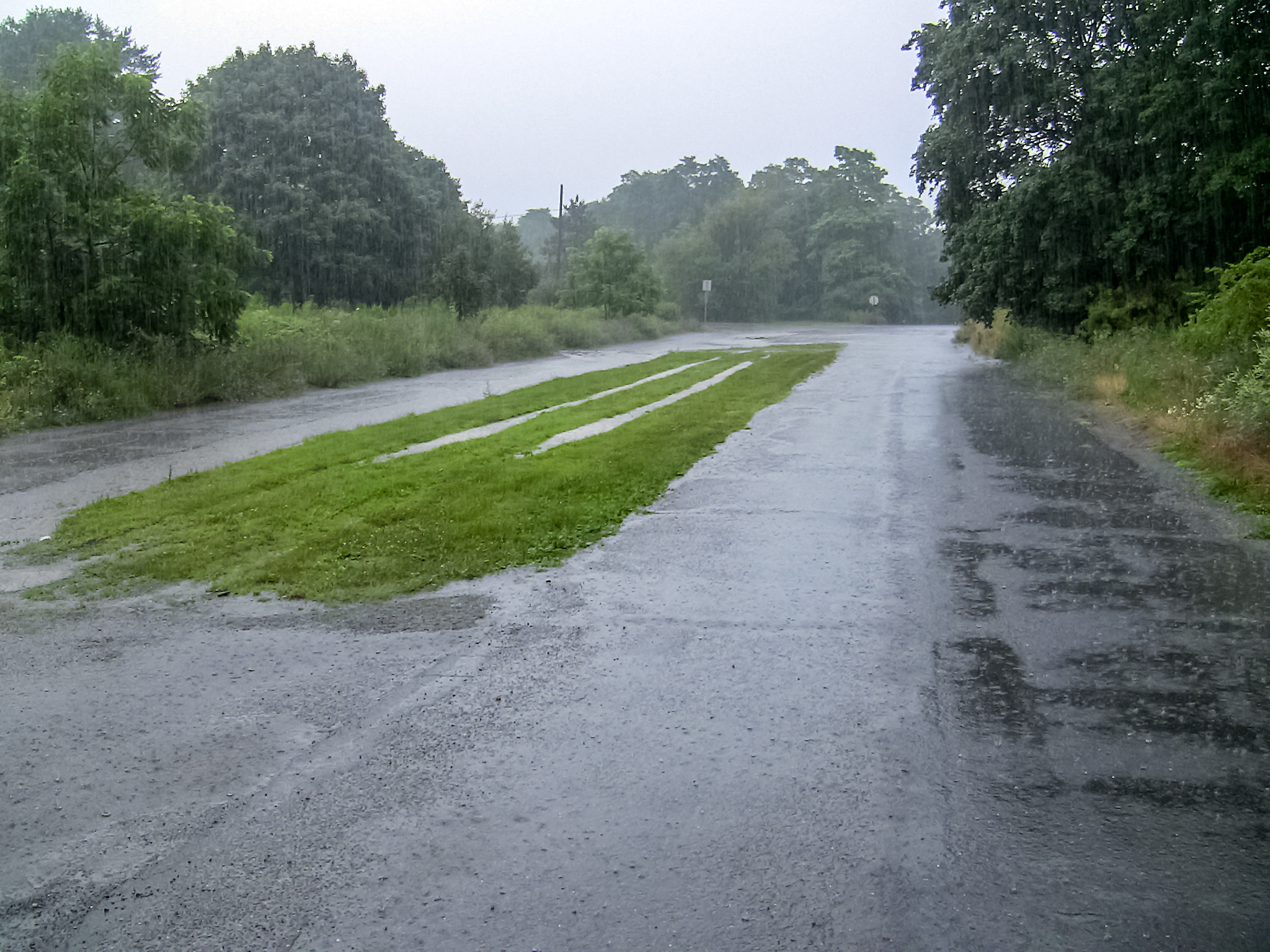
On July 13, 1992, Pennsylvania Governor Bob Casey invoked eminent domain on every remaining property in the borough of Centralia. Every standing building was condemned. Every remaining resident was officially designated as a squatter occupying state property without permission. The state had hoped the eminent domain action would force the final holdouts to leave. It did not. Several remaining families sued, arguing that the use of eminent domain was inappropriate given the voluntary nature of the original relocation program and the fact that their specific homes were not in immediate danger. The lawsuits would continue for the next twenty years. During that time, the population of Centralia fell from approximately 60 to fewer than 10 as additional residents accepted buyouts or simply left. The 1992 eminent domain action remains controversial in Columbia County.
7. The ZIP Code Revoked
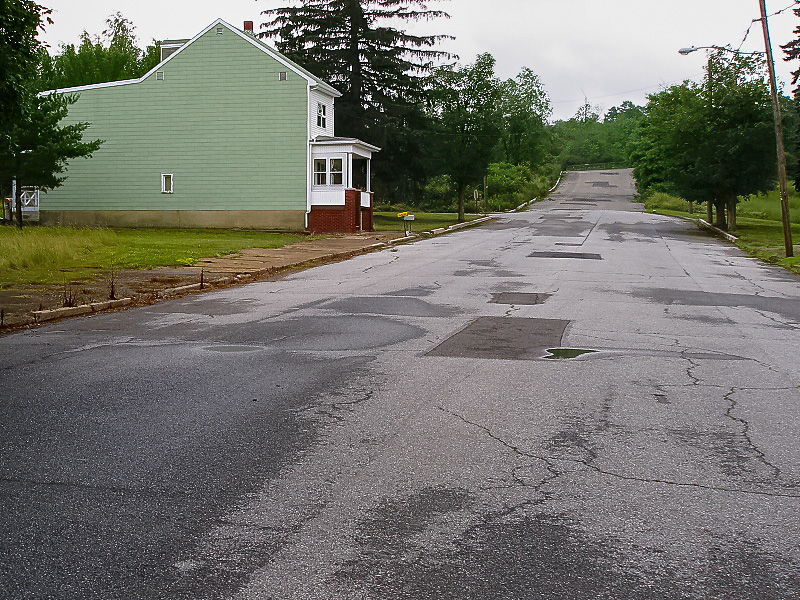
In 2002, the United States Postal Service formally revoked Centralia’s ZIP code, 17927. The town no longer existed as a postal destination. Residents who remained had to use Ashland or Mount Carmel addresses for any mail or official correspondence. The ZIP code revocation was widely reported as the moment Centralia was officially erased from American maps. It was the first known case in modern U.S. postal history of a ZIP code being revoked due to environmental disaster rather than population merger. The town was still technically incorporated as a borough in Pennsylvania law, but it had no post office, no school, no churches still in active use, no commercial buildings, and effectively no government. The ZIP code has not been restored.
8. The 2013 Lawsuit Settlement
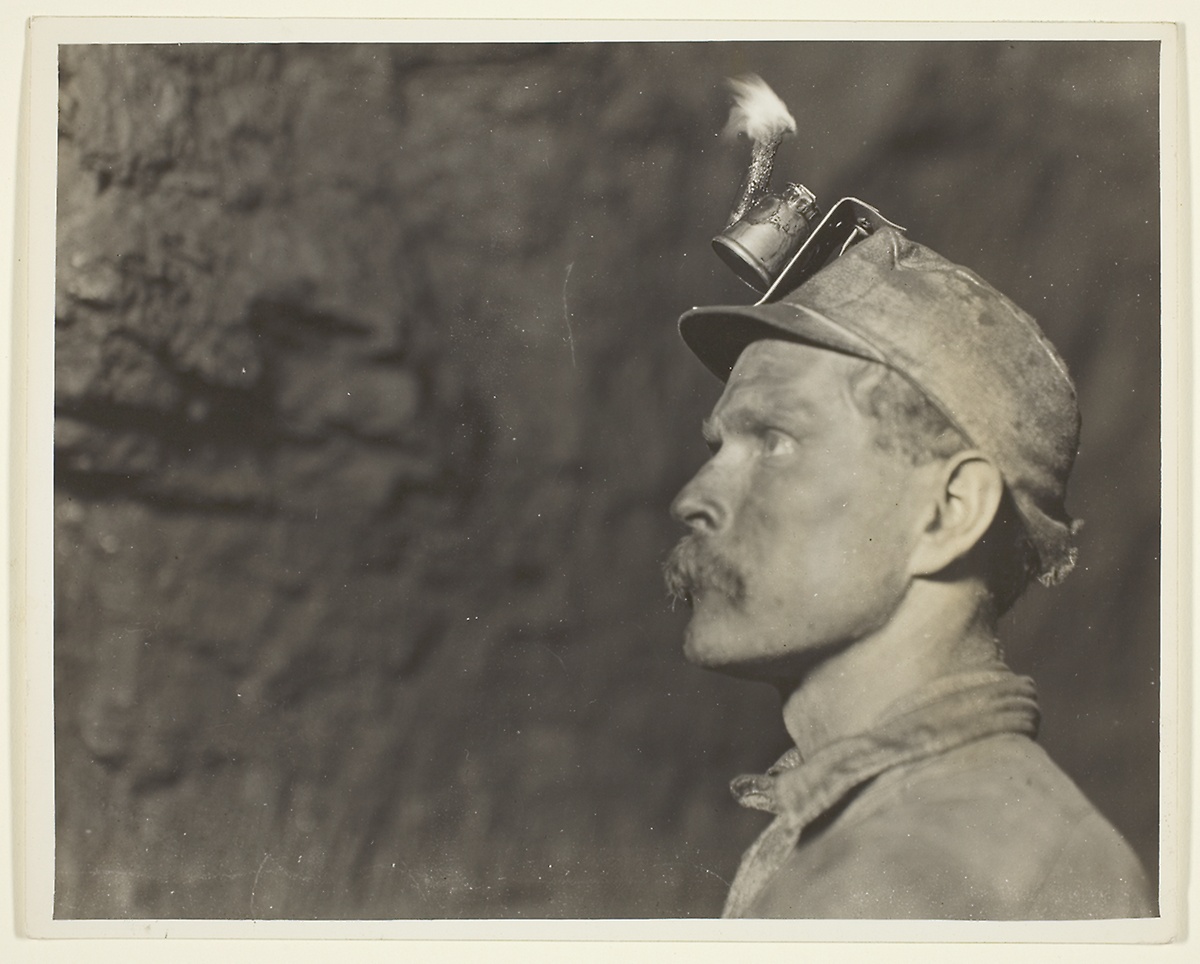
In October 2013, the long-running lawsuit between the remaining Centralia holdouts and the Pennsylvania state government finally settled. Under the terms of the settlement agreement, the seven surviving residents were permitted to continue living in their homes until their deaths, at which point the homes would revert to the Commonwealth of Pennsylvania. The agreement effectively guaranteed that Centralia would have a population for one more generation, but no longer. The state will demolish the homes as their occupants die. As of late 2024, fewer than six residents remained. The agreement was widely seen as a humane resolution to a forty-year stalemate, but it formalized the town’s terminal designation. No new construction is permitted in Centralia. No new residents are allowed to move in.
9. The Graffiti Highway
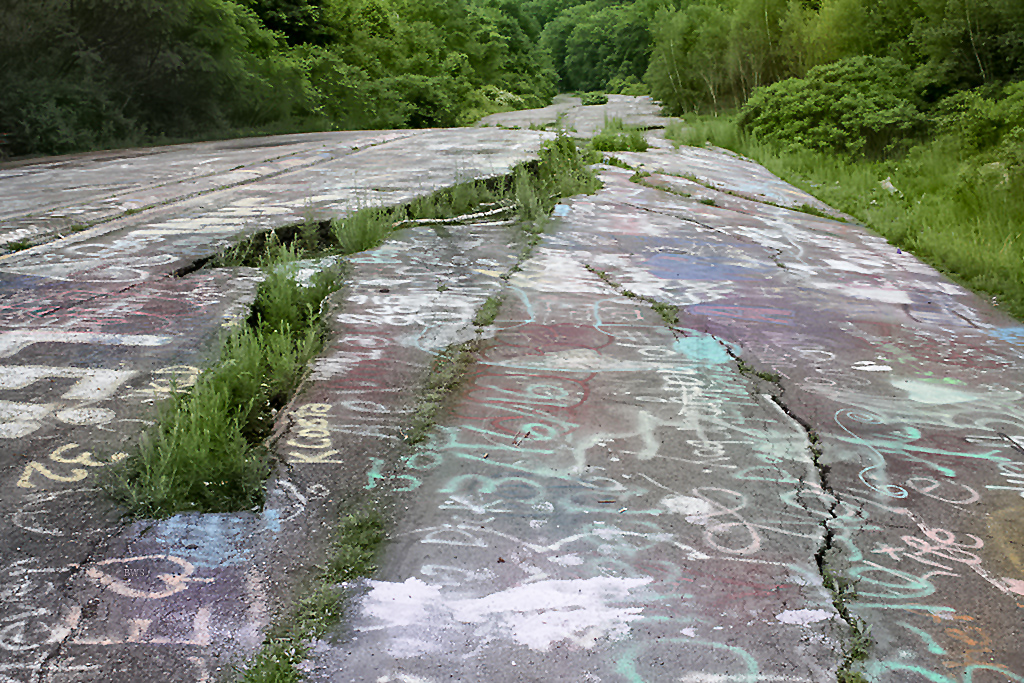
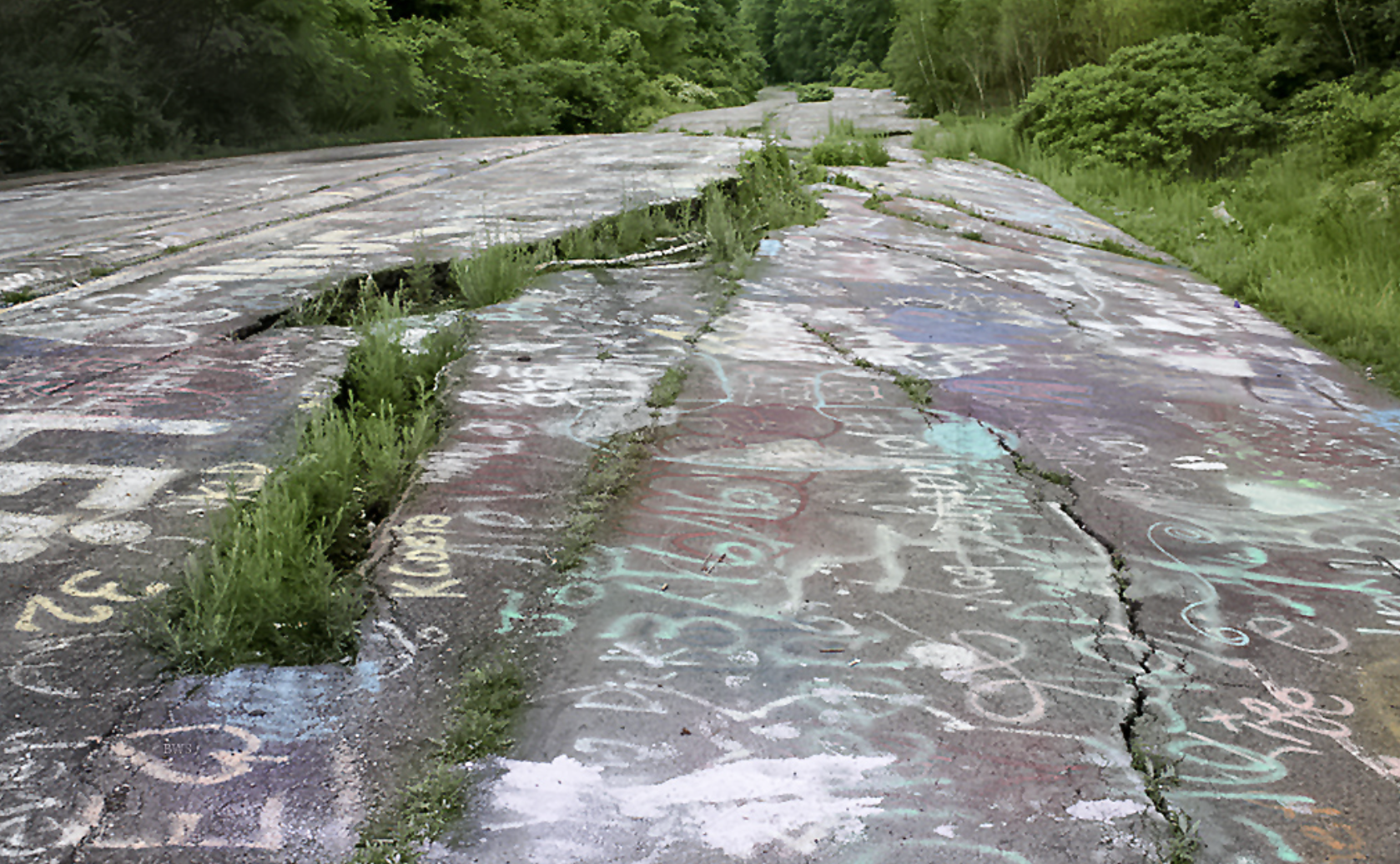
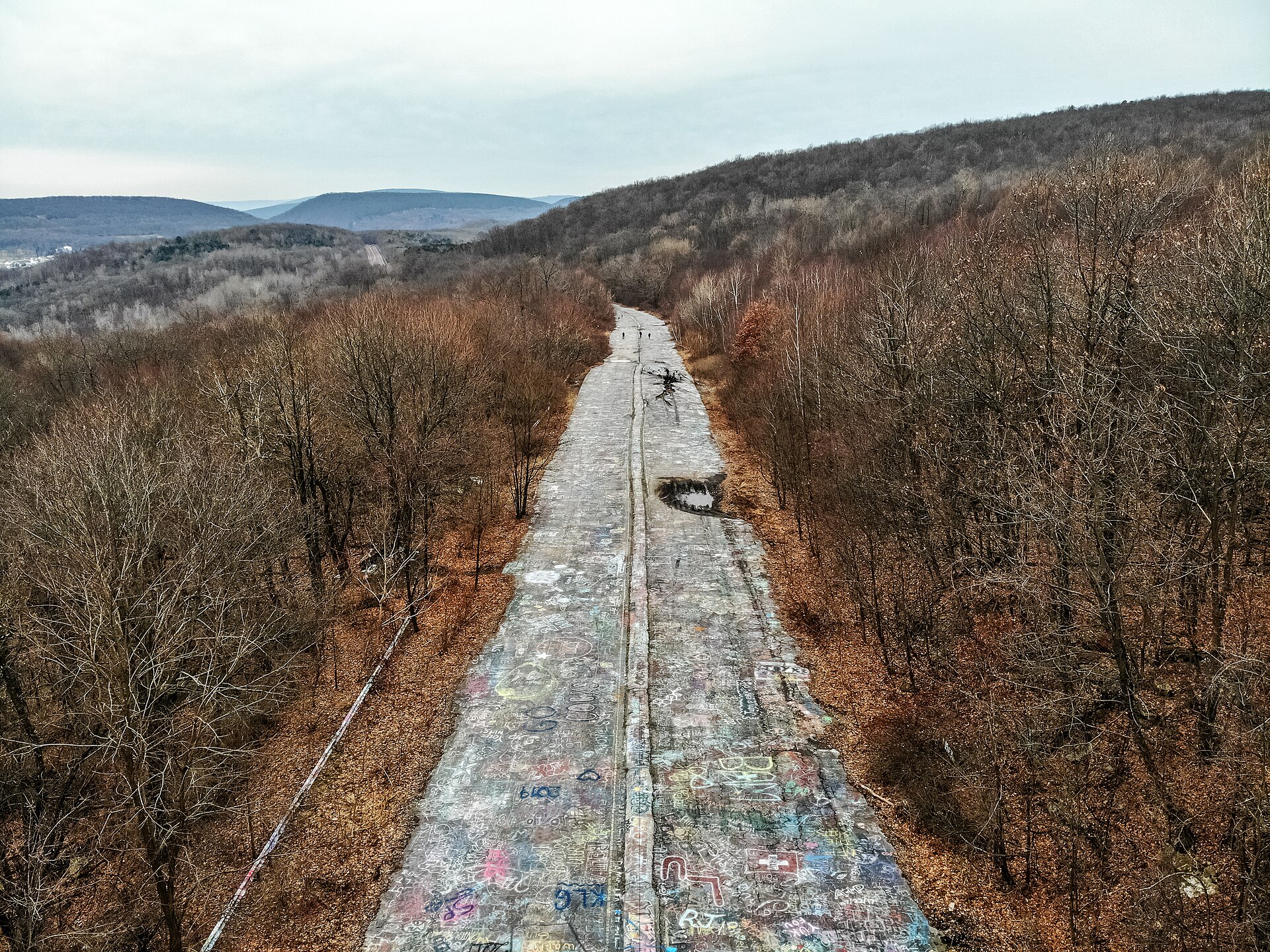
A 3,500-foot section of Pennsylvania Route 61 was permanently closed in 1992 after the coal seam fire caused major surface buckling, sinkholes, and visible smoke fissures across the road. The state of Pennsylvania rerouted Route 61 around the affected section. The closed-off stretch became known as the Graffiti Highway after decades of visitors covered every inch of the buckled asphalt in spray-paint murals, slogans, and signatures. The Graffiti Highway became one of the most-visited unofficial tourist destinations in Pennsylvania, drawing thousands of urban explorers, photographers, and TikTok visitors per year. In April 2020, the property owner — Pagnotti Enterprises — buried the entire stretch under tons of dirt and debris, ending the public access. The road is no longer visible.
10. The Silent Hill Connection
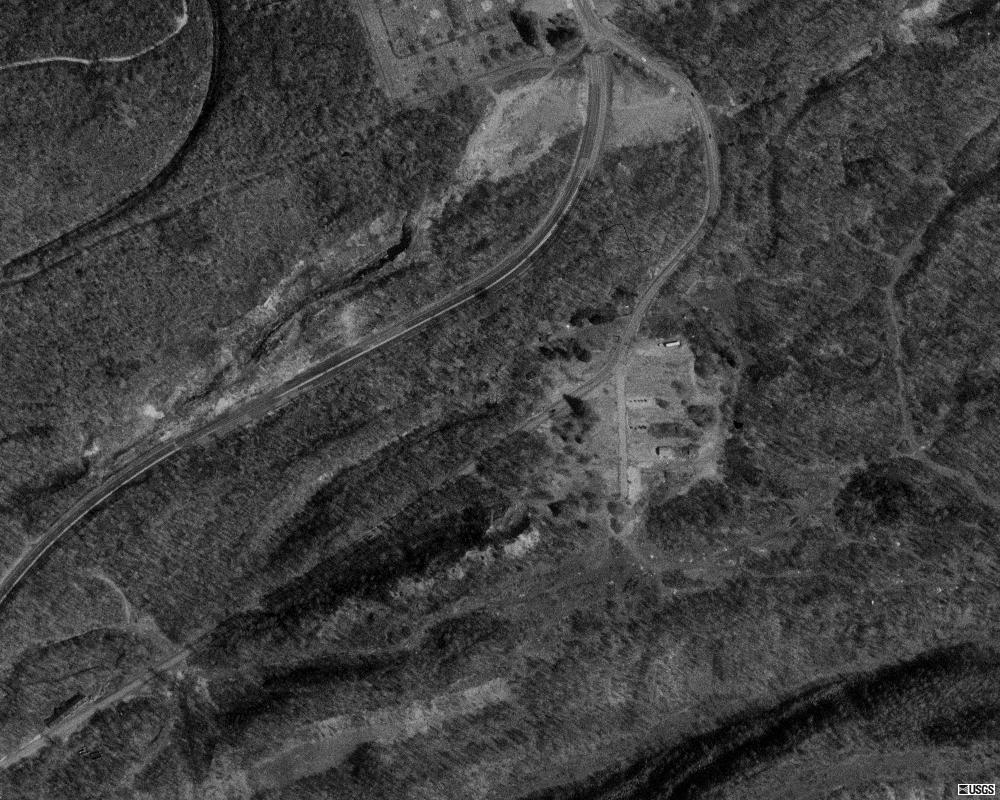
The Centralia mine fire and the abandoned town became the visual and atmospheric inspiration for Konami’s 1999 video game Silent Hill and the 2006 film adaptation. Series creator Keiichiro Toyama has stated in published interviews that he drew directly from photographs of Centralia’s smoking ground, abandoned streets, and visible ash deposits. The 2006 film Silent Hill, directed by Christophe Gans, was filmed partly in Toronto and partly on sets based on Centralia photographs, and it opens with a scene in which the protagonist drives toward a town called Silent Hill while ash floats down from the sky. The film made $97 million worldwide. Centralia’s role as a horror-game inspiration brought a wave of younger visitors to the town in the 2000s and 2010s, many of whom had never heard of the mine fire.
11. The Fire Today
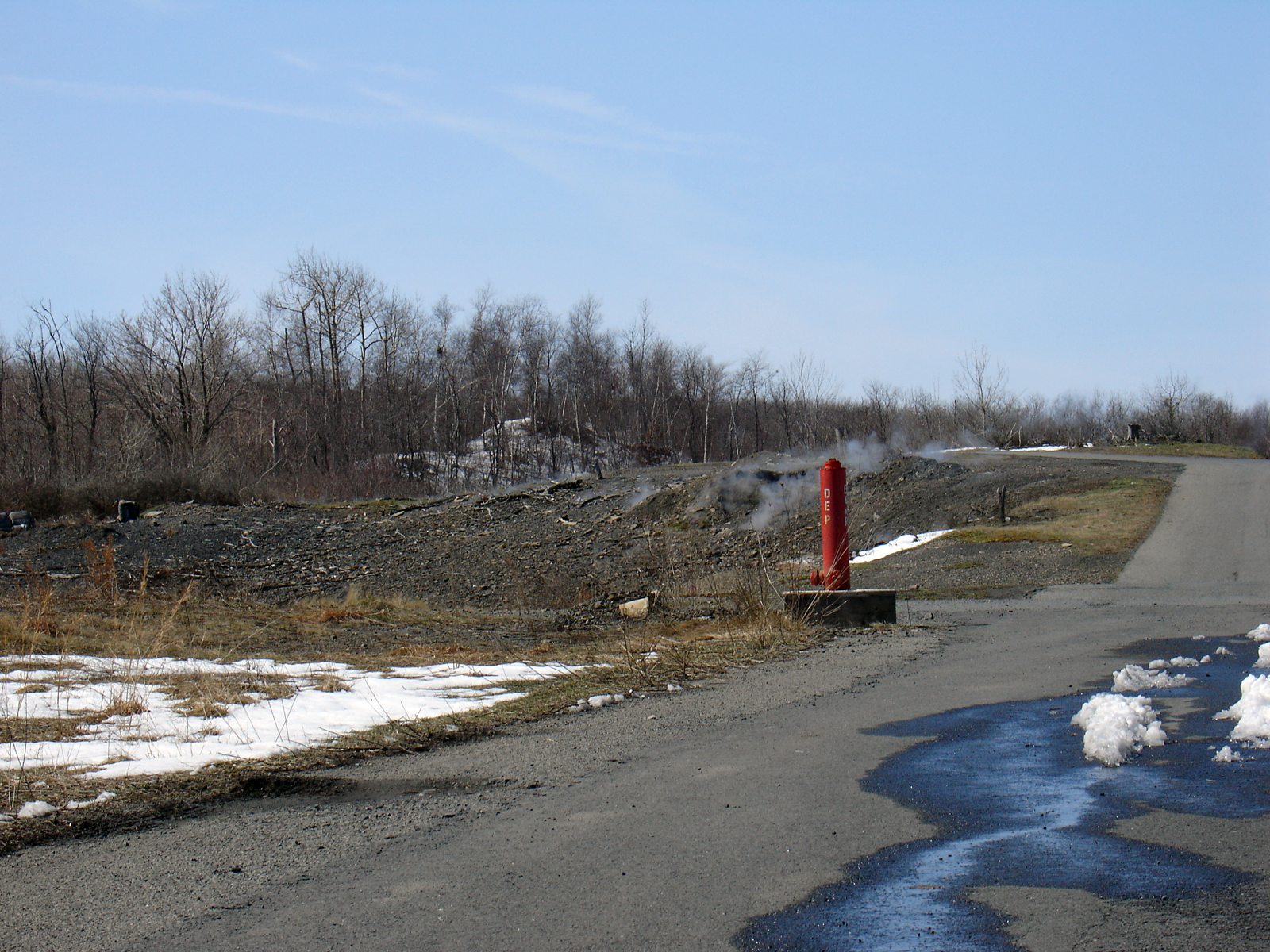
In 2026, the Centralia mine fire is still burning. The Pennsylvania Department of Environmental Protection estimates that the fire covers roughly 400 acres of underground coal seams, burns at temperatures up to 1,000 degrees Fahrenheit at depths of up to 300 feet, and will likely continue burning for another 250 years before it exhausts the available coal. Smoke still rises from cracks in the ground along the former town’s central streets. The U.S. Bureau of Mines has officially declared the fire impossible to extinguish — geologist Steve Jones told Smithsonian Magazine that putting it out is “the impossible dream.” Centralia is one of 38 known active mine fires currently burning in Pennsylvania, and the most famous of them. The DEP monitors air quality and carbon monoxide levels in the area continuously.
12. What Centralia Represents
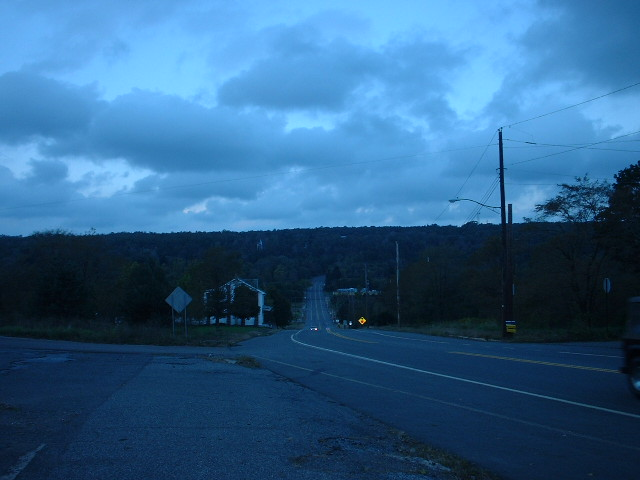
Centralia is the most dramatic single case of how a small administrative decision — a Pennsylvania borough council voting to burn a landfill in 1962, in violation of a four-year-old state law against exactly that practice — can trigger an environmental catastrophe lasting centuries. The total federal expenditure on relocation, monitoring, and failed extinguishment attempts exceeded $50 million by 1990 and continues to accrue. The town’s collapse anticipated the broader decline of the American anthracite coal region, where dozens of similar mining communities lost their economic basis between 1950 and 1990. Visitors today still drive into Centralia from the south on Route 61. The streets are still mapped on Google Maps. A handful of buildings remain, including a single remaining church. The smoke is still visible from the road on cool mornings.
Like our content? Follow us for more.