

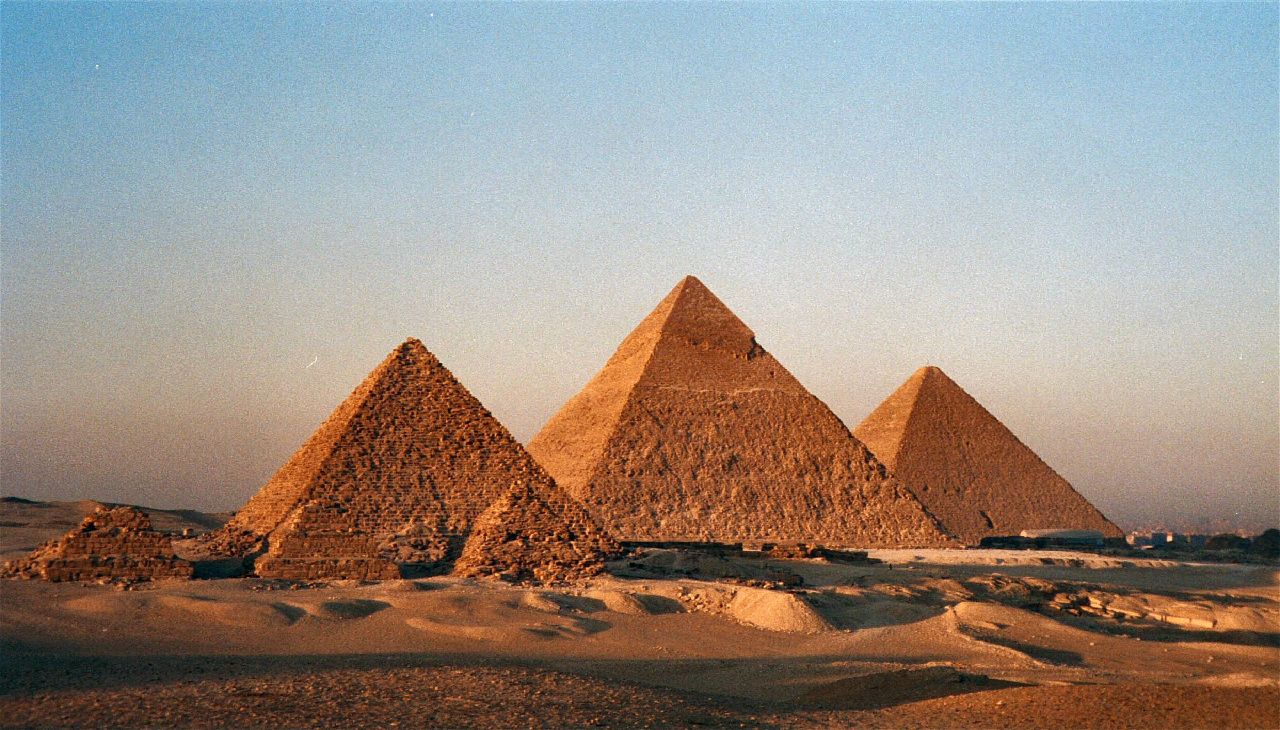
From the 30-meter unknown corridor inside the Great Pyramid of Khufu (revealed in 2023, still being investigated) to the two air-filled voids detected behind the Menkaure pyramid in 2025, the pyramids continue to surprise researchers using non-destructive scanning technology. Here are 7 specific findings that remain mysteries.
For 4,500 years, the pyramids of Egypt have been the subject of speculation. From ancient Greek tourists who visited Giza in 450 BC, to medieval Arab writers who attempted to break in, to 19th-century European archaeologists who removed mummies and treasures, the pyramids have been studied — but never fully understood.
The 21st century has produced something new: non-destructive scanning technology that can detect chambers, voids, and structural features without physically entering or damaging the monuments. The ScanPyramids project, an international scientific collaboration that began in 2015, has used cosmic ray imaging (muon tomography), thermal imaging, georadar, electrical resistivity tomography, and ultrasound to reveal features that previous archaeological methods couldn’t detect.
The findings have been substantial. A 30-meter (100-foot) unknown corridor was revealed inside the Great Pyramid of Khufu in 2023. Two air-filled voids were detected behind the eastern face of the Menkaure pyramid in 2025. Several other discoveries continue to challenge what researchers thought they knew about how the pyramids were constructed and used.
Here are 7 specific findings that remain genuinely unexplained — confirmed scientifically but still being investigated as of 2026.
1. The 30-meter corridor inside Khufu’s pyramid (revealed 2023)
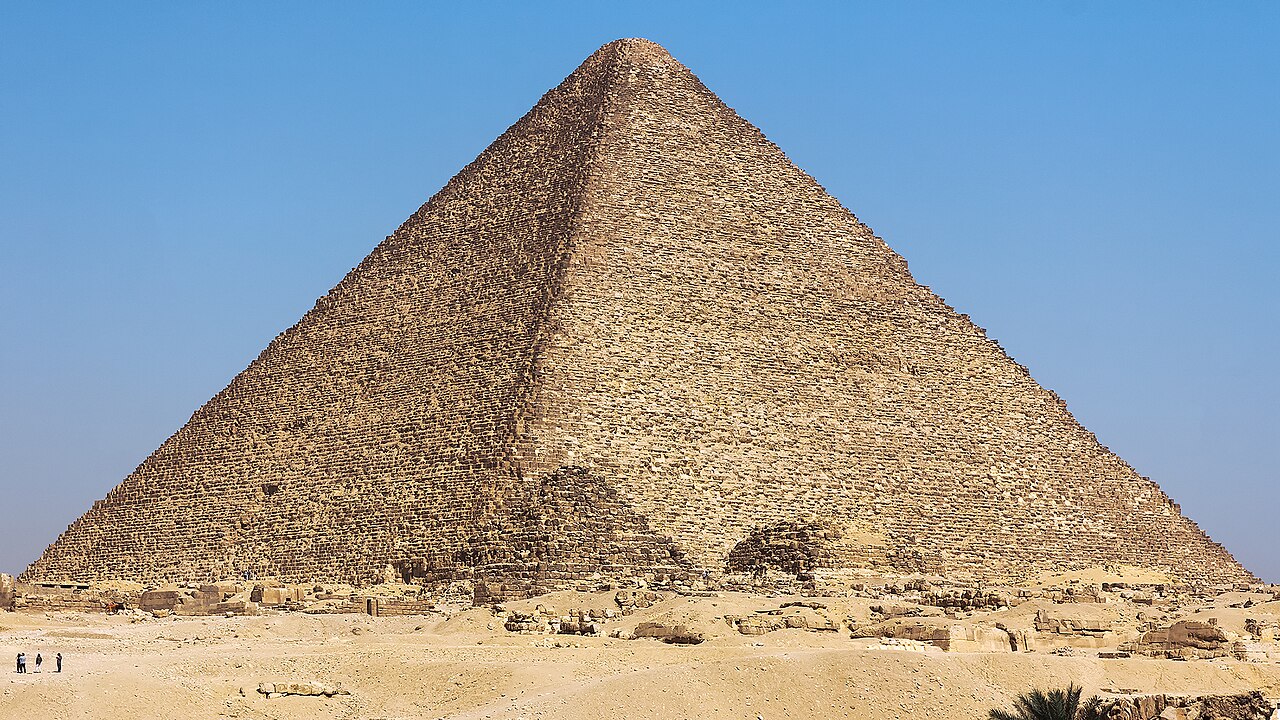
In March 2023, the ScanPyramids project announced the confirmed discovery of a previously unknown corridor inside the Great Pyramid of Khufu (also known as the Pyramid of Cheops). The corridor is approximately 30 meters (98 feet) long, located behind the pyramid’s northern face above the descending corridor. The space had been suspected since 2016 based on earlier scanning work, but 2023 marked the first physical confirmation when researchers drilled a tiny hole and inserted endoscopic cameras.
The corridor’s purpose remains unknown. Several theories have been proposed:
- A construction void created during the pyramid’s building to relieve weight pressure on the descending corridor below
- A chamber for ritual purposes that was sealed shut after the pharaoh’s burial
- An access tunnel intentionally created and then closed as part of construction security
- A space for funerary equipment that was never used or was removed in antiquity
According to Egyptian Egyptologist Zahi Hawass, additional work in 2025-2026 has been focused on the corridor’s contents and connection to other pyramid features. Hawass has stated that a 2026 announcement is planned that will be “a great archaeological discovery that will write a new chapter in the history of the pharaohs.” Whether this announcement relates specifically to the corridor’s contents or to a separate discovery has not been confirmed as of early 2026.
2. The two air-filled voids behind Menkaure’s eastern face (detected 2025)
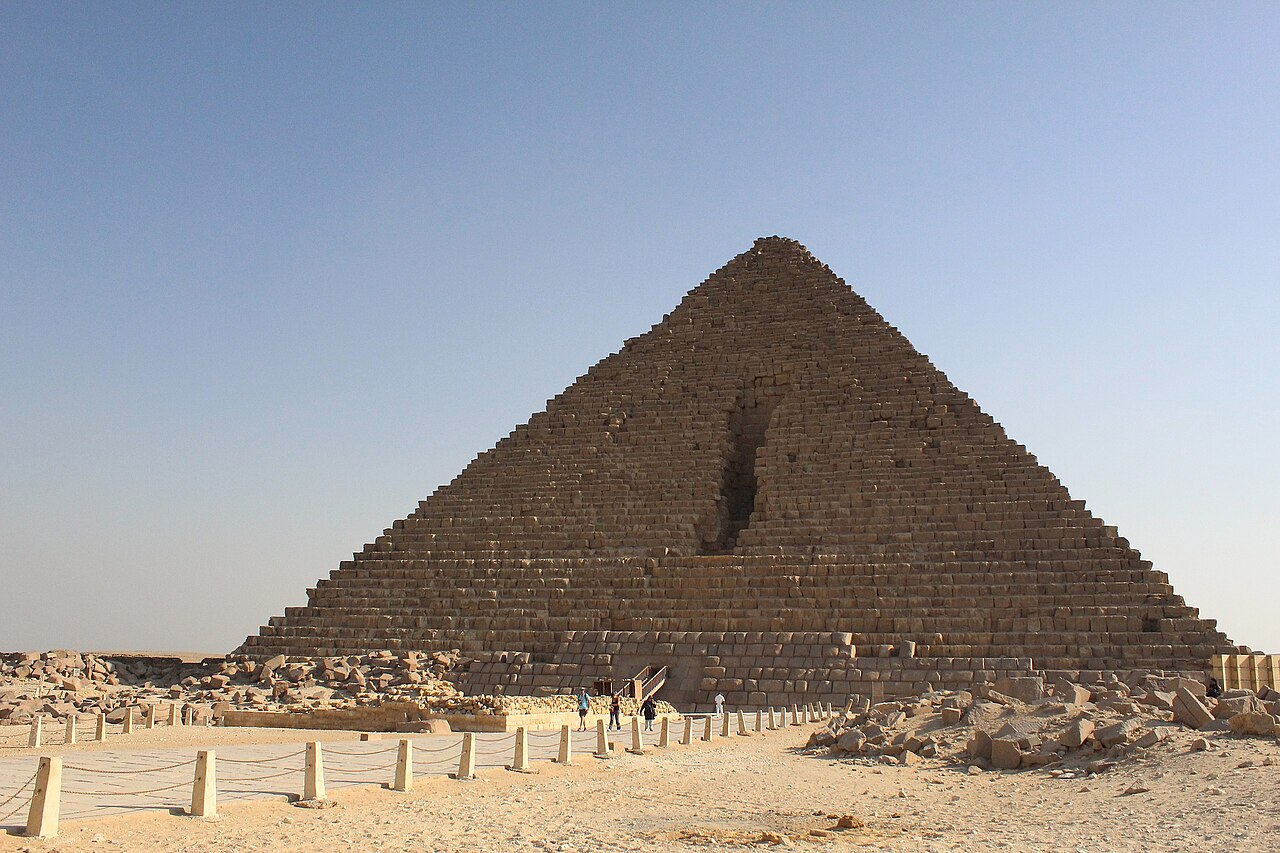
The Pyramid of Menkaure — the smallest of the three main Giza pyramids — has long puzzled researchers. The eastern facade features a section of granite blocks polished smooth, similar to the polished stones found at the pyramid’s confirmed entrance on the northern face. In 2019, researcher Stijn van den Hoven proposed that the eastern polished stones might mark a hidden second entrance.
In 2025, a study published in NDT & E International by an international team using georadar, ultrasound, and electrical resistivity tomography confirmed two air-filled voids behind the eastern face. The first measures approximately 3.2 feet high and 4.9 feet wide. The second is smaller — just under 3 feet tall and 2.3 feet across. Both lie at depths of 4.6 and 3.7 feet behind the pyramid’s outer facade.
The voids’ purpose remains unconfirmed. The hidden second entrance hypothesis is now considered “very plausible” by Christian Grosse, Professor of Non-destructive Testing at TU Munich and one of the project leads. Whether the voids represent a sealed entrance, a small chamber, or some other structural feature requires additional investigation that has not yet been completed. As Egyptologist Zahi Hawass noted, “People often think the pyramids hold no more secrets — they are wrong.”
3. The “Big Void” in the Great Pyramid (detected 2017)
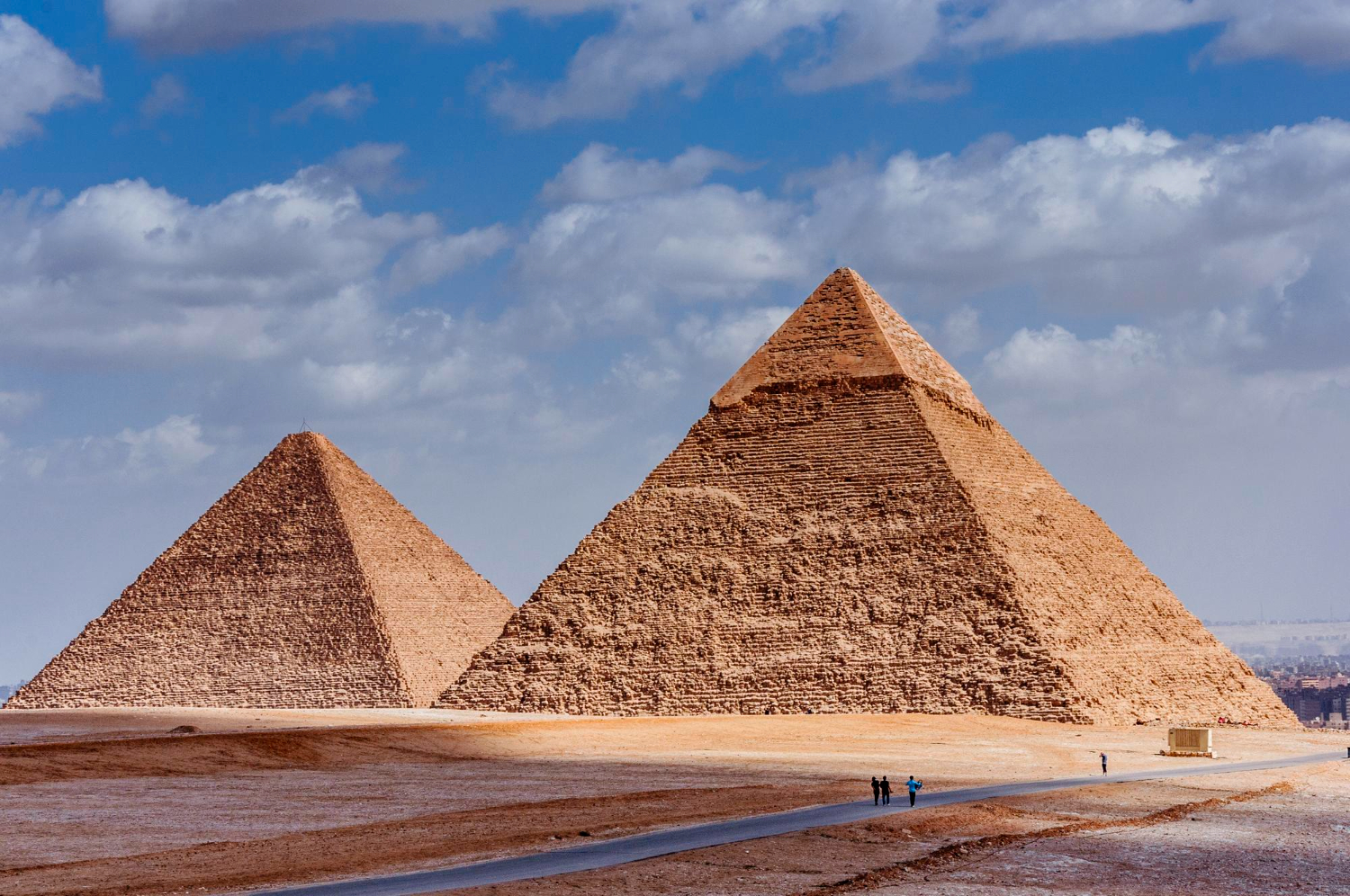
Before the 2023 corridor confirmation, the ScanPyramids project announced the detection of a “Big Void” within the Great Pyramid in November 2017. The void, detected using muon tomography (which measures cosmic ray particles passing through structures), is at least 30 meters long and located above the Grand Gallery.
The Big Void’s exact dimensions, structure, and purpose remain partly unconfirmed. Some researchers suggest it may simply be the corridor confirmed in 2023. Others argue it represents a separate, larger space that has not yet been physically located. Italian astrophysicist Giulio Magli has proposed that the void may have served as a chamber for an “iron throne” — funerary equipment described in the Pyramid Texts that may have included meteoritic iron sheets covering a wooden throne. This interpretation is speculative but consistent with known Egyptian funerary practices and texts.
The Big Void illustrates an important point about pyramid research: even non-destructive scanning produces ambiguous results that require physical exploration to confirm. The technology can detect that something is there but cannot fully describe what.
4. The construction logistics that nobody can fully replicate
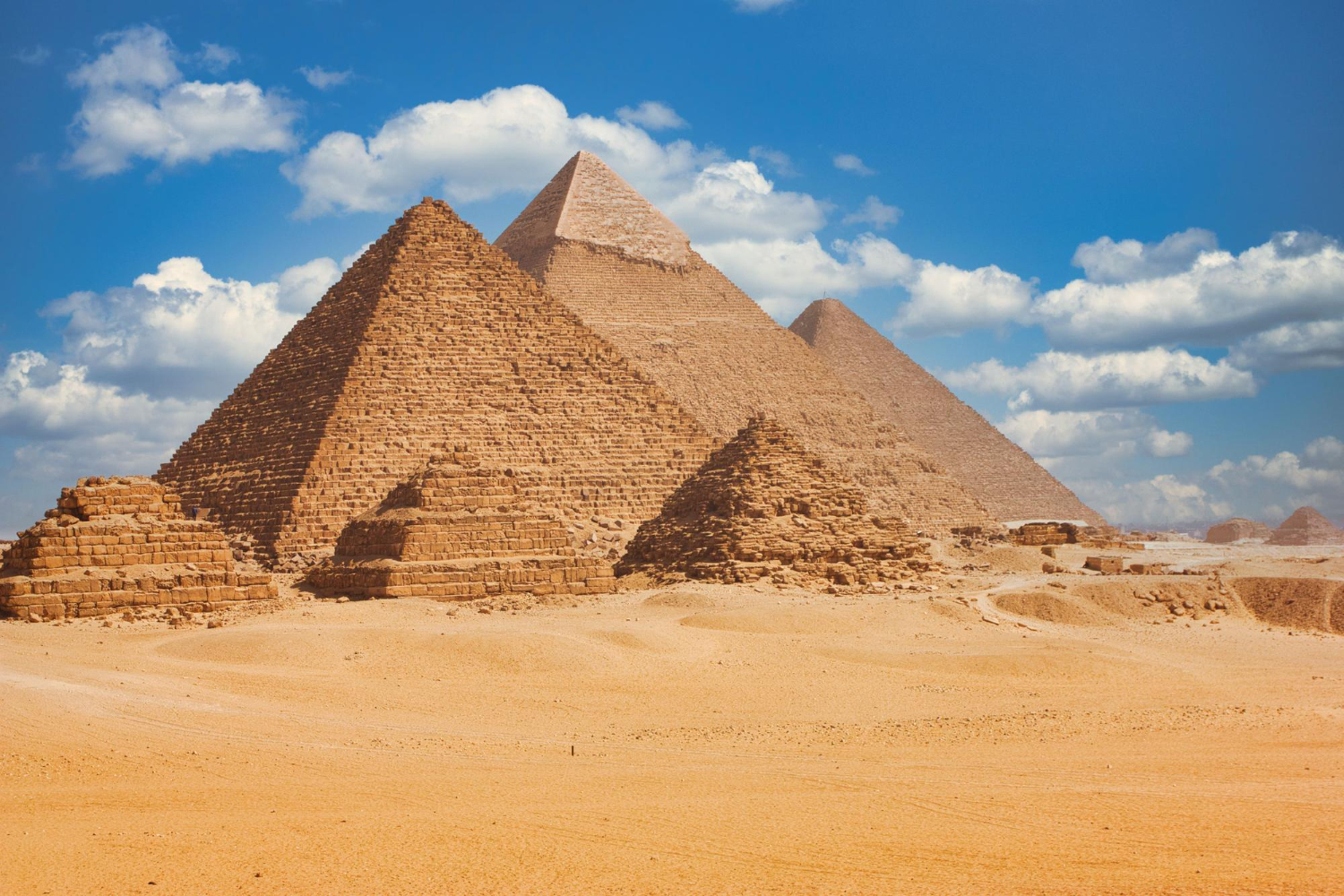
Beyond specific discoveries, the broader question of how the pyramids were actually built remains partially unsolved. The Great Pyramid contains approximately 2.3 million stone blocks, weighing an average of 2.5 tons each, with some blocks weighing up to 80 tons. The pyramid was constructed in approximately 20 years, which would require placing roughly one block every two minutes during 24-hour daily operations.
Modern reconstruction attempts have generally failed to match this rate using only ancient Egyptian-era technology. Documented experimental archaeology has demonstrated:
- Quarrying limestone with copper tools is possible but slow
- Moving stones across distances using sledges and water lubrication is documented from period inscriptions
- Lifting massive stones using ramps is plausible but requires ramps of impractical size if straight, or complex spiral configurations if curved
Hawass has consistently rejected fringe theories involving extraterrestrial intervention or supernatural construction methods. The mainstream archaeological consensus is that the pyramids were built by skilled paid workers (not slaves, contrary to popular myth) using period-appropriate techniques that Egyptologists have largely identified. But the specific organizational and technical details of how exactly such large-scale construction was achieved on the timeline involved remain genuinely incomplete.
5. The structural anomalies that scanning has revealed
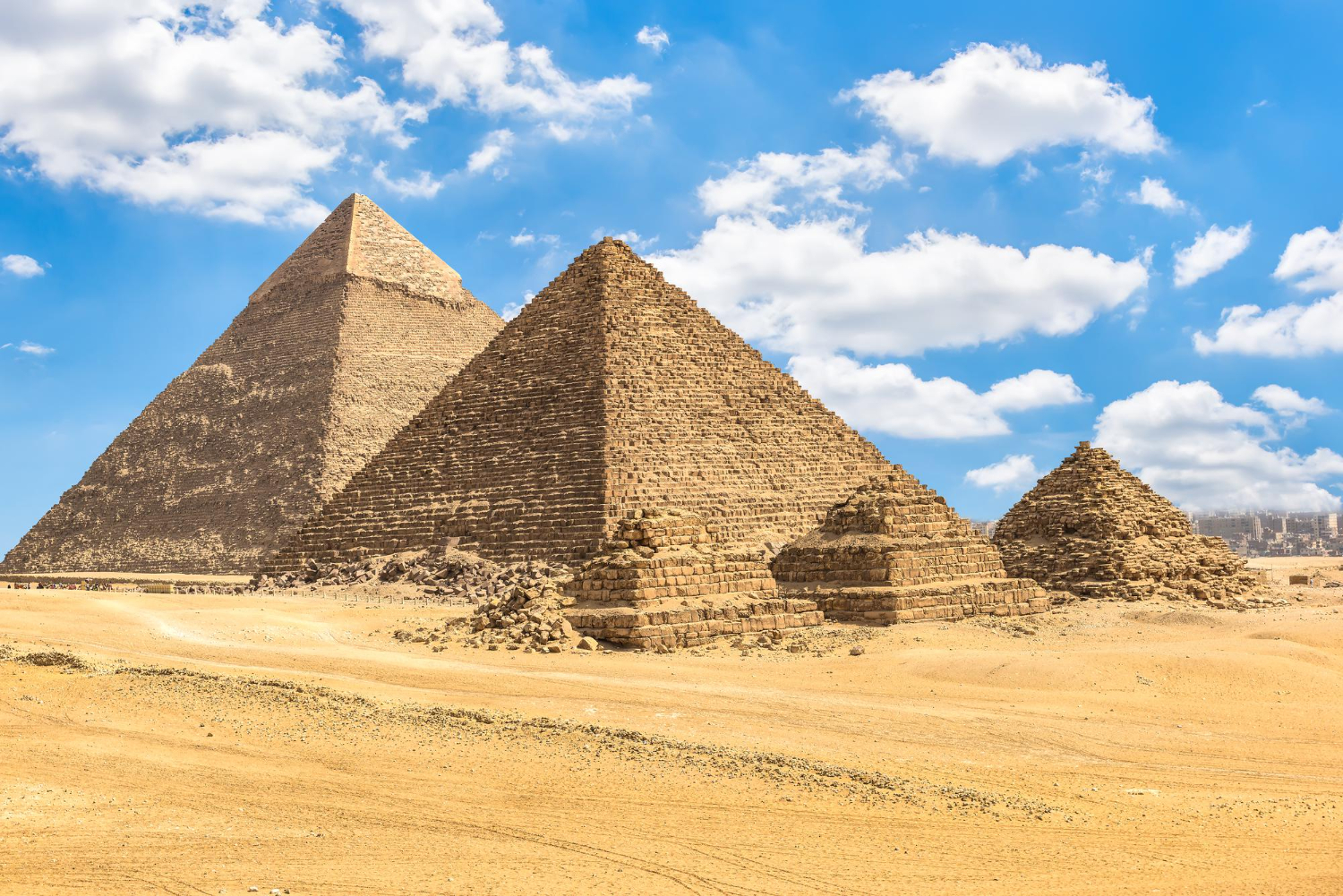
Beyond the specific discoveries above, ScanPyramids and similar projects have detected numerous structural anomalies whose nature remains unclear. These include:
- Multiple smaller voids of various sizes throughout the Great Pyramid
- Differential density readings within structural sections
- Variations in stone composition and origin within single courses
- Detailed structural mapping that reveals construction stages
Each anomaly may represent a deliberate feature (sealed chambers, weight-relief structures, ritual spaces), a construction artifact (gaps that resulted from how blocks were placed), or simply natural variation within ancient construction. Distinguishing among these requires expensive ongoing investigation.
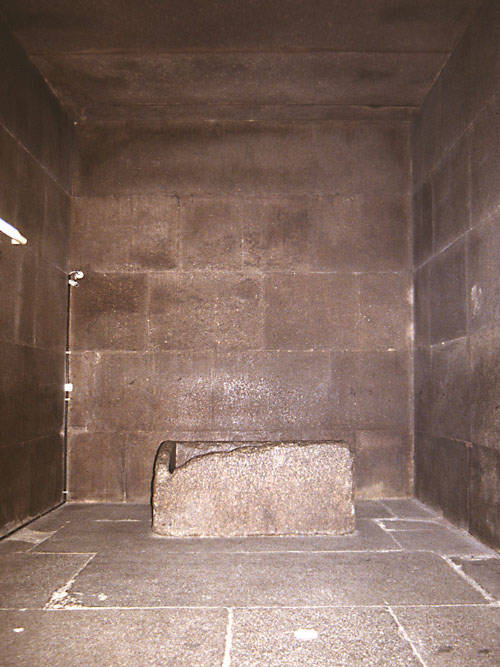
The broader implication is that the pyramids contain substantially more internal structure than the famous mapped chambers (King’s Chamber, Queen’s Chamber, descending corridor, Grand Gallery, etc.) suggest. The visible parts of the pyramid likely represent only a fraction of the total internal organization. How much of this remaining structure represents intentional design versus construction byproducts will probably take decades of additional research to resolve.
6. The mysterious chambers in pyramid mortuary complexes
The pyramids themselves are part of larger funerary complexes that include mortuary temples, valley temples, causeways, smaller pyramids for queens, and various other structures. Recent scanning work has revealed previously unknown chambers within these complex elements:
A second void detected near the Menkaure mortuary temple (just east of the Menkaure pyramid) may contain religious statues of ancient Egyptian gods or possibly statues of pharaoh Menkaure himself, according to Hawass’s interpretation. Investigation is ongoing.
Similar smaller-scale discoveries have been reported at Saqqara (the pyramid complex south of Giza), where Old Kingdom tomb structures continue to produce unexpected findings. The 2025 discovery of two high-ranking officials’ mummies at Saqqara during routine excavation was unexpected and has prompted reconsideration of who was buried in the area.
7. The questions about purpose and use that scholarship hasn’t fully answered
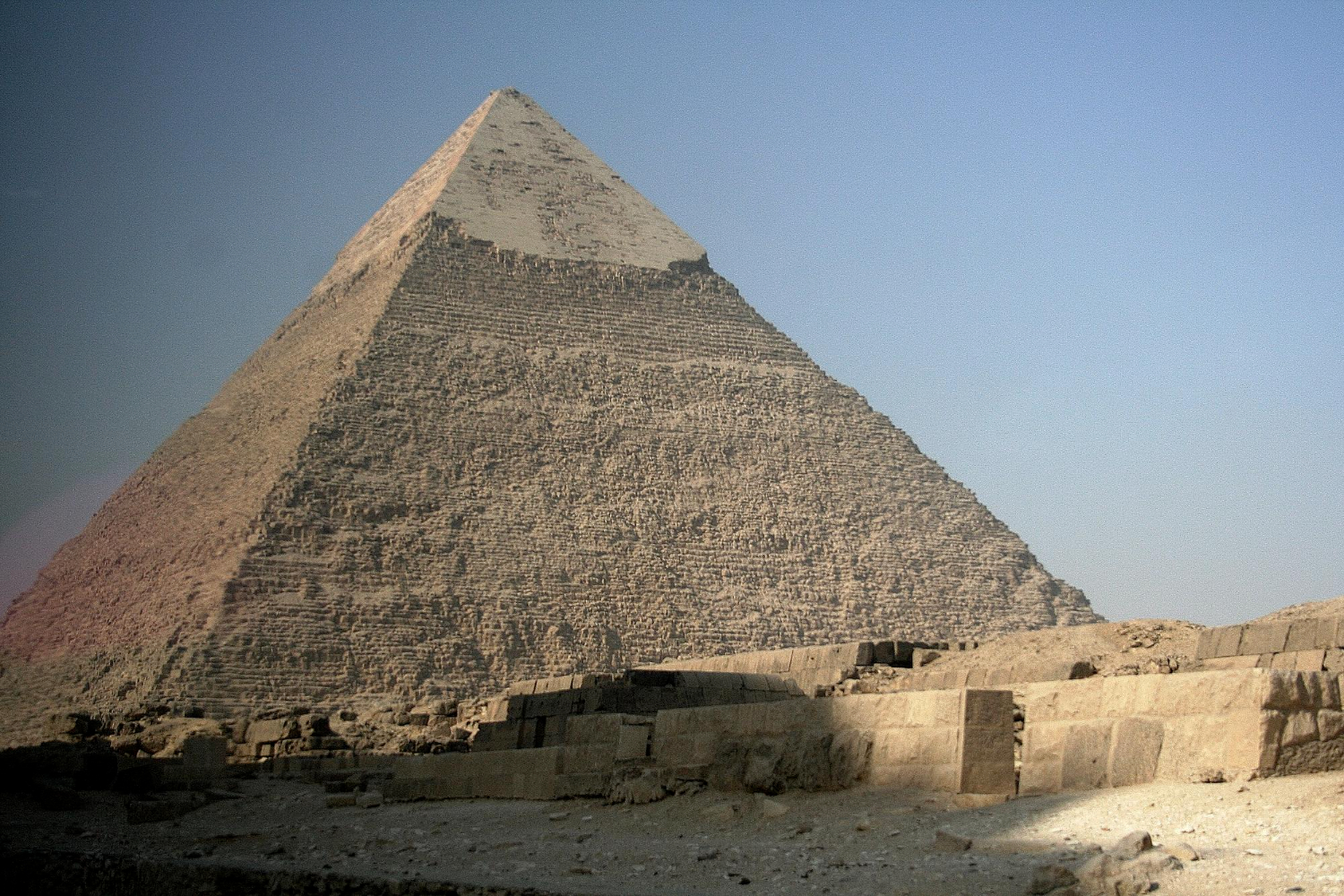
Beyond specific physical mysteries, the broader question of pyramid purpose and use during the active period of pharaonic Egypt remains less fully understood than popular accounts suggest. The mainstream consensus holds that pyramids served as royal tombs intended to enable the pharaoh’s transition to the afterlife. But the specific rituals, the precise sequence of events at burial, and the role of pyramids in continuing religious practice after the pharaoh’s death are all subjects of ongoing scholarly investigation.
Specific subquestions that remain partially unresolved:
- Why were so many pyramids built when each generally housed a single primary burial?
- Why did pyramid construction techniques and styles change so dramatically across dynasties?
- What role did the pyramids play in religious practice during the centuries after the buried pharaoh’s death?
- How did ordinary Egyptians experience and understand the pyramids?
- Why did pyramid building eventually decline and stop in favor of other royal burial styles (Valley of the Kings tombs)?
These broader questions can’t be answered definitively by physical scanning. They require integration of textual evidence (hieroglyphic inscriptions, Pyramid Texts, contemporary documents), archaeological evidence (graves, settlement patterns, artifacts), and historical context. Generations of Egyptologists have worked on these questions, and substantial progress has been made, but full consensus remains elusive on many specific points.
What this current state of pyramid research actually reveals
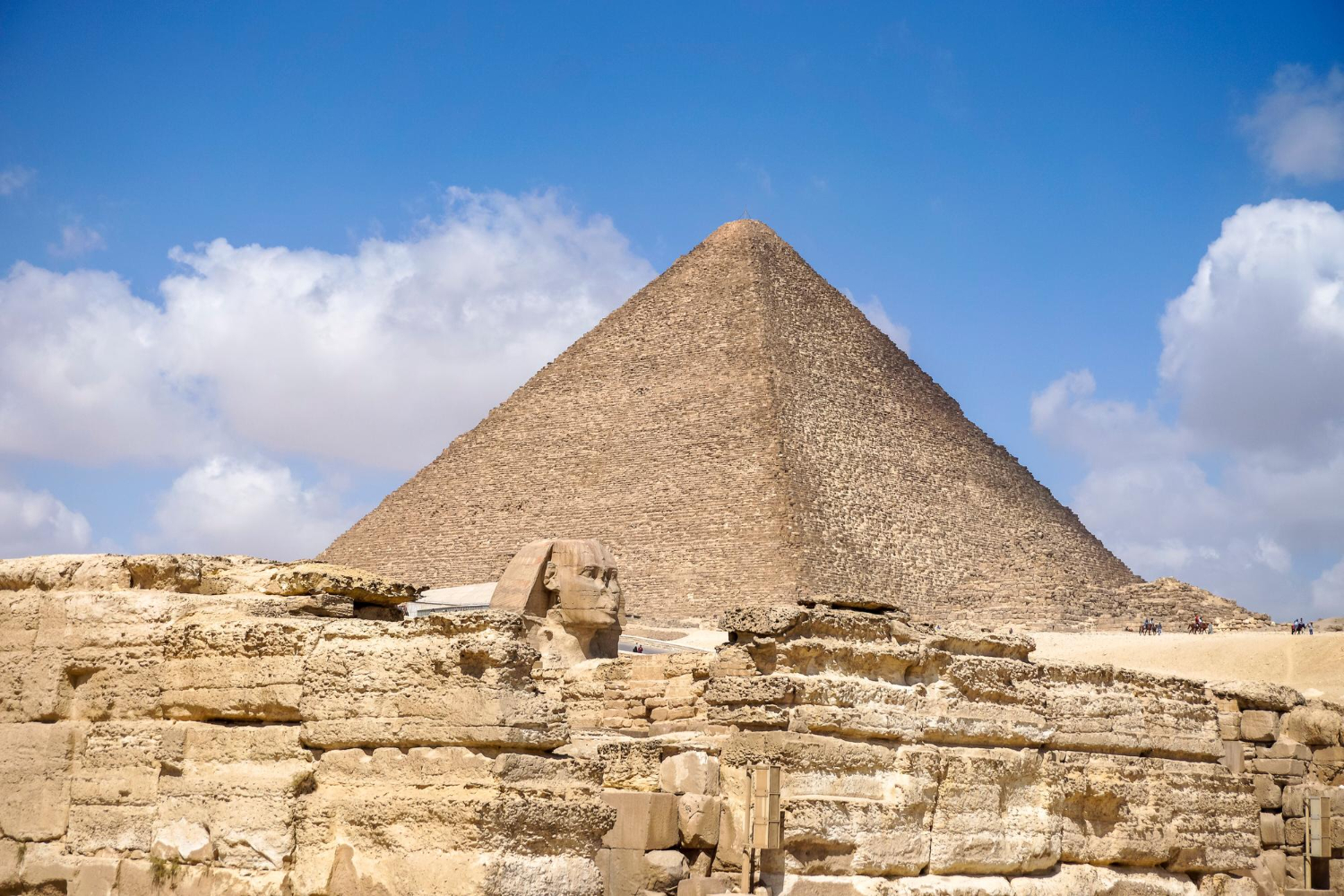
The pyramids of Egypt represent something specific in modern archaeology: monuments that are simultaneously among the most-studied and least-understood ancient structures on Earth. The ongoing discoveries from ScanPyramids and similar projects demonstrate that even after 200+ years of intensive Western archaeological investigation, the structures contain features that prior researchers couldn’t detect.
Several patterns characterize the current research landscape:
Non-destructive technology is genuinely transformative. Muon tomography, georadar, electrical resistivity tomography, and ultrasound allow detection of features that previous methods missed. As technology continues to improve, more discoveries are likely.
Egyptian sovereignty over discoveries has shifted research priorities. Egyptian law since 2002 has substantially restricted destructive archaeology at Giza and other major sites. Researchers must work cooperatively with Egyptian authorities, particularly the Ministry of Tourism and Antiquities and the Supreme Council of Antiquities. This has slowed some research but also helped prevent damage that occurred during earlier eras.
Fringe theories continue to circulate despite scientific consensus. Despite Hawass’s clear rejection of “extraterrestrial beings or supernatural forces,” various non-mainstream theories about pyramid origins, alien involvement, advanced lost civilizations, and other ideas remain popular in commercial media. The mainstream archaeological consensus — that the pyramids were built by ancient Egyptians using period-appropriate techniques over normal multi-decade time scales — is well-supported but receives less media attention than fringe alternatives.
The 2026 announcement may be significant. Hawass has indicated a major announcement related to ongoing pyramid research is planned for 2026. Whether this relates to the Khufu corridor’s contents, the Menkaure voids, the Big Void’s nature, or some separate discovery is not publicly known. The announcement is likely to coincide with the Grand Egyptian Museum’s continued opening and the broader expansion of Egyptian tourism infrastructure.
The discoveries reinforce rather than contradict mainstream Egyptology. Despite popular framings that suggest each new discovery overturns conventional understanding, the actual findings continue to confirm Egyptological consensus about pyramid construction, purpose, and historical context. The voids and corridors are unusual, but they fit within the framework of Egyptian funerary architecture that scholars have established. The pyramids remain extraordinarily complex monuments, but their general character as elite royal tombs with religious significance has been repeatedly confirmed.
How to actually visit the pyramids
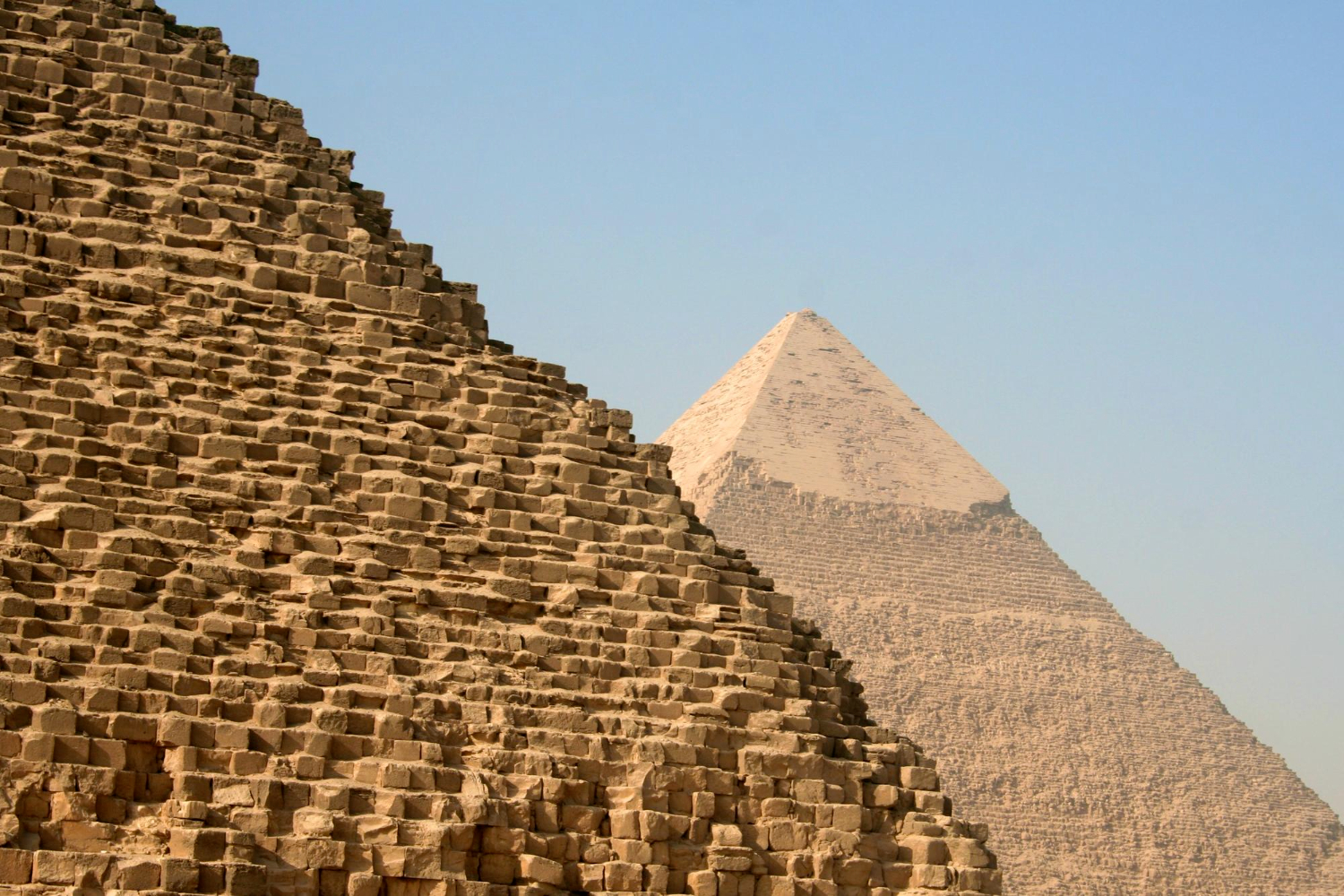
For travelers interested in seeing the pyramids directly, the practical logistics of 2026 are:
Where they are. The Giza pyramid complex is approximately 14 km (8.7 miles) west of central Cairo. Most visitors stay in Cairo and visit Giza on day trips. Some hotels in Giza itself offer pyramid views.
Cost. Entry to the Giza plateau is approximately $9-12 USD. Entry inside specific pyramids (when available) is additional — typically $20-30 for the Great Pyramid, less for the smaller pyramids. The Grand Egyptian Museum (which opened to full public access in 2024-2025) charges separate admission.
When to visit. October through April produces the most pleasant weather. May through September has extreme heat (often 100°F+ during the day). Morning visits (7-10 AM) are dramatically less crowded than afternoon. Sunset visits provide the best photography but limited interior access.
What you can actually see. The pyramids themselves (Great Pyramid of Khufu, Pyramid of Khafre, Pyramid of Menkaure), the Sphinx, multiple smaller subsidiary pyramids, the Solar Boat Museum (showing Khufu’s reconstructed funeral barge), and the surrounding necropolis. Interior access to the Great Pyramid is limited (typically 300 visitors per day). Interior access to smaller pyramids is available but less impressive.
The ongoing research. The ScanPyramids project’s findings, the Khufu corridor, and the Menkaure voids are not yet accessible to visitors. The discovered features remain inside the structures and await further investigation. Future tourism opportunities may eventually include some of these discoveries, but as of 2026, visitors see only the previously known interior chambers.
The Grand Egyptian Museum. Located near the Giza plateau, the GEM (which opened phases through 2024-2025) houses the world’s largest collection of Egyptian antiquities, including the complete Tutankhamun collection (over 5,000 objects). The museum is essential for context — visitors who see the GEM and then visit the pyramids understand the structures dramatically better than those who only see the pyramids themselves.
The mysteries of the Egyptian pyramids will continue to produce discoveries for decades to come. The technology that revealed the 30-meter corridor in 2023 is still relatively new. The future possibilities — better imaging resolution, improved ability to characterize void contents without physical entry, eventual robotic exploration of confirmed but inaccessible spaces — suggest that 2050 archaeologists will know substantially more about pyramid interiors than 2026 archaeologists do. For travelers visiting the pyramids in the current era, the experience offers something specific: standing in front of monuments that continue to actively reveal new secrets, even after 4,500 years. The pyramids haven’t been fully decoded. The work continues.
