From Howard Johnson’s orange roof signaling 28 flavors of ice cream to Lum’s beer-steamed hot dogs to Steak and Ale’s medieval-themed salad bar, these chains shaped what it felt like to drive across America in the 1960s, 70s, and 80s. All of them are gone or barely surviving. Here’s what happened to each one.
If you grew up in America between the 1950s and 1980s, the road trip experience came with a specific set of restaurant landmarks. The orange roof of a Howard Johnson’s signaled fried clams and 28 flavors of ice cream. The Tudor exterior of a Steak and Ale meant a salad bar and honey wheat bread for special occasions. The illuminated signs of Bennigan’s, Sambo’s, and Bob’s Big Boy each promised something specific to families pulling off the interstate after hours of driving.
Most of these restaurants no longer exist. The brands that defined the American road trip era have collapsed, gone bankrupt, or been reduced to a handful of locations preserved primarily for nostalgia. The shift represents one of the most complete transformations of any industry in modern American history — the disappearance of the casual sit-down regional chain, replaced by national fast food giants on one end and fast-casual restaurants on the other.
Here are 9 of the most-missed, with the actual story behind each one’s disappearance.
1. Howard Johnson’s — Last location closed 2022

Howard Johnson’s was once America’s largest restaurant chain, with over 1,000 locations at its peak in the 1960s and 70s. The brand started in 1925 when Howard Deering Johnson sold ice cream from stands along the Massachusetts shoreline. He expanded to fried clams, hot dogs, and full meals. By 1935, there were 25 Howard Johnson’s ice cream stands in Massachusetts. By the 1950s and 1960s, the orange-roofed restaurants were everywhere along the new American highway system.
The decline came from multiple factors converging. Fast food chains like McDonald’s and Burger King offered faster service at lower prices. The 1973 oil crisis and 1979 second oil crisis made cross-country family road trips less feasible. Howard Johnson’s failed to modernize its menu or atmosphere. The orange roofs and fried clams that felt iconic in 1965 felt dated by 1985.
Most Howard Johnson’s restaurants closed during the 1990s and 2000s. The final original location — in Lake George, New York — closed permanently in 2022 after operating for decades as a single nostalgic outpost. The Howard Johnson hotel brand still exists, owned by Wyndham, but operates with no connection to the original restaurant chain. Approximately 310 Howard Johnson hotels exist globally as of 2026, primarily in the economy segment.
2. Lum’s — Last location closed 2017
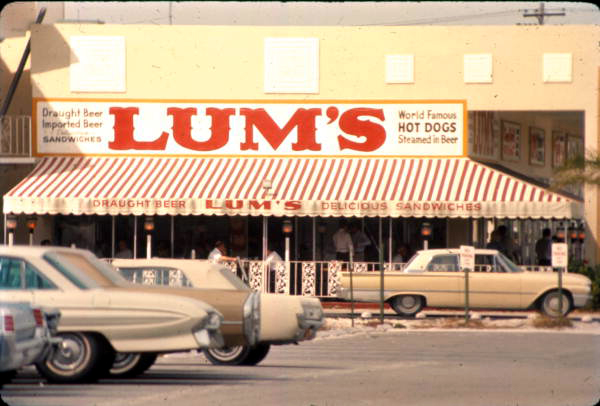
Lum’s started in 1956 as a hot dog stand in Miami Beach, Florida. The brand’s signature was hot dogs steamed in beer (specifically German pilsner), served alongside the “Ollieburger” (a seasoned beef sandwich) and beer in frosted schooner mugs. The combination of casual atmosphere, unique cooking technique, and tiki-influenced decor made Lum’s distinctive among 1960s-era casual dining options.
At its peak in the 1970s, Lum’s had over 400 locations across the United States. The chain expanded rapidly during the late 1960s and early 1970s under various ownership changes. The decline came from the same dynamics that hit other regional chains — competition from fast food, changing consumer preferences, and ownership transitions that disrupted the original brand identity.
The chain went through bankruptcy in 1977 and was sold multiple times. Most locations closed during the 1980s. The final remaining Lum’s location — in Davie, Florida — operated until 2017, when it permanently closed. The Ollieburger seasoning recipe and beer-steamed hot dog technique have inspired various copycat operations, but the original chain is gone.
3. Steak and Ale — Disappeared overnight in 2008
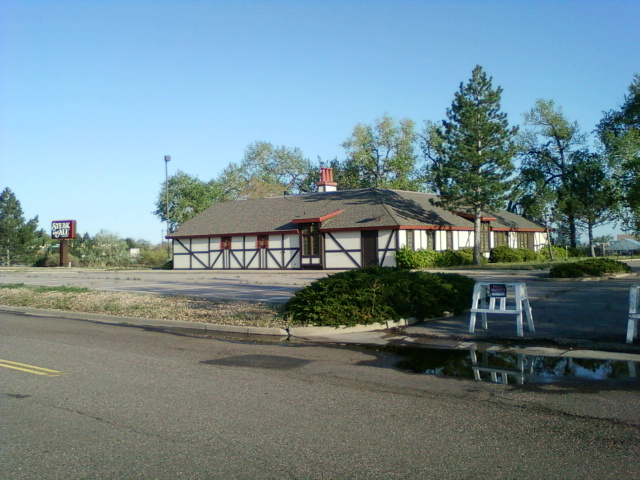
Steak and Ale was founded in 1966 by Norman Brinker, who would later develop Chili’s. The chain pioneered casual sit-down dining with a specific innovation: the salad bar concept. Customers could fill plates with greens, vegetables, and dressings as part of their meal — a concept that has since become standard at Pizza Hut, Sizzler, and dozens of other restaurants but was genuinely novel in 1966.
The Tudor-style exterior, dark wood paneling, stained glass windows, and dimly lit interiors created what at the time was an upscale-feeling experience at affordable prices. Steak and Ale made a steak dinner accessible to middle-class families for whom traditional steakhouses were too expensive. The honey-wheat bread served with meals became famously craveable; copycat recipes still circulate online.
The end was sudden. In July 2008, parent company Metromedia Restaurant Group filed for Chapter 7 bankruptcy. All Steak and Ale locations closed simultaneously. Employees reported arriving at work the morning after the bankruptcy filing to find doors locked and no warning of closure. Customers with dinner reservations that night arrived to find the restaurants gone.
Periodic announcements about Steak and Ale revivals have appeared since 2008. A 2019 announcement from Bennigan’s parent company suggested potential restoration. As of 2026, no Steak and Ale locations have reopened. The brand exists only in memory.
4. Bennigan’s — Same parent company, same overnight collapse
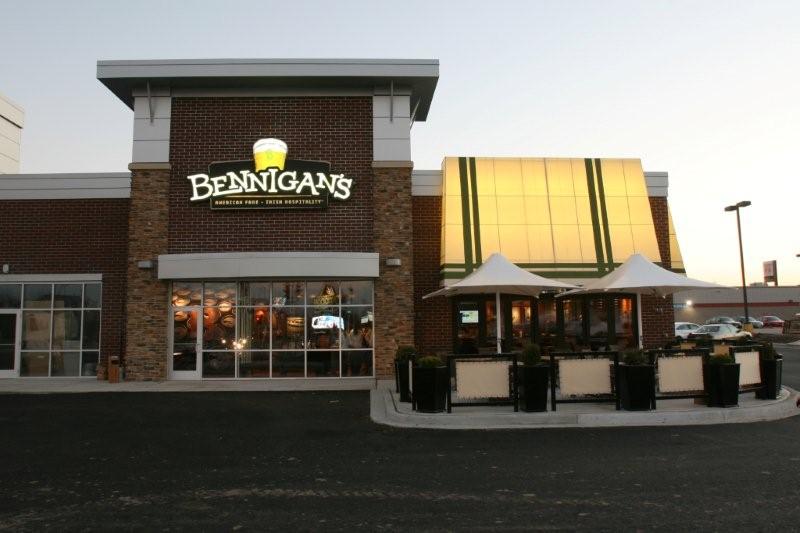
Bennigan’s was founded in 1976 by the same Norman Brinker who had created Steak and Ale. The Irish pub-themed casual dining chain combined an upbeat bar atmosphere with American comfort food, including the famous Monte Cristo sandwich and potato skins. At its peak, Bennigan’s had over 300 locations and pioneered what later became known as “eatertainment” — restaurants that emphasized the social and entertainment dimensions of dining alongside the food itself.
Bennigan’s was acquired by Metromedia Restaurant Group through various ownership transitions. When Metromedia filed Chapter 7 bankruptcy in July 2008, all 150 corporate Bennigan’s locations closed overnight alongside Steak and Ale. The same employees-arriving-to-locked-doors pattern occurred at Bennigan’s locations across the country.
A handful of Bennigan’s franchise locations survived the corporate bankruptcy because they were independently owned. As of 2026, approximately 15-20 Bennigan’s locations still operate — primarily in Texas, Florida, and a few international markets. The brand has been periodically discussed for revival but the corporate collapse fundamentally damaged consumer trust and brand momentum.
5. Sambo’s — From 1,100 locations to 1 (problematic legacy)
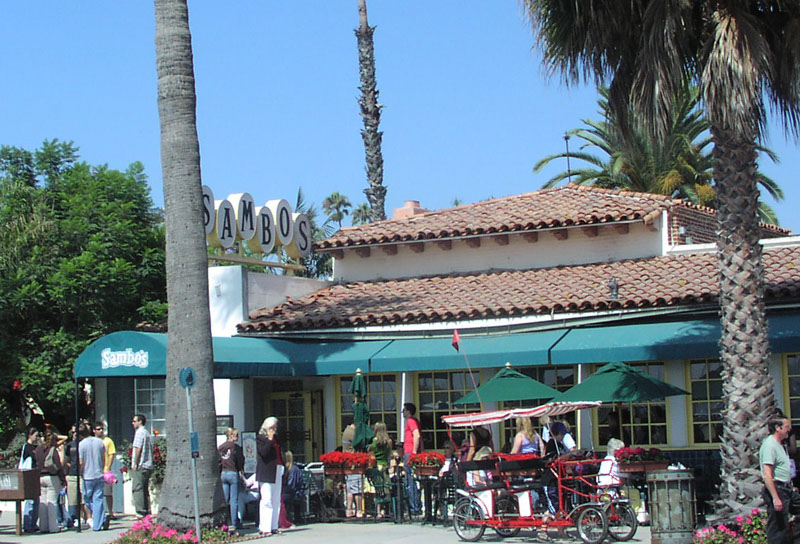
Sambo’s was founded in 1957 by Sam Battistone Sr. and Newell “Bo” Bohnett. The name was a portmanteau of the founders’ names. At its peak in 1979, Sambo’s had over 1,100 locations across 47 states — making it one of the largest American restaurant chains.
The chain’s decline involved multiple factors but the most significant was the brand name and theme. Many locations decorated their interiors with imagery from “The Story of Little Black Sambo” — a 1899 children’s book whose illustrations had become widely recognized as racially offensive by the 1970s. The combination of the brand name and the imagery produced widespread protests, particularly from civil rights organizations, throughout the 1970s.
The chain attempted rebranding in 1981, with locations renamed “Jolly Tiger,” “No Place Like Sam’s,” “Sam’s,” “The Jolly Trolley,” and other variations. The rebranding largely failed. Most locations closed in 1981-1982. The vast majority of remaining Sambo’s locations were converted to Denny’s, which acquired many of the buildings.
One Sambo’s location — the original in Santa Barbara, California — continued operating under the Sambo’s name. After years of community discussion, the Santa Barbara location was renamed “Chad’s” (after Chad Stevens, the third-generation owner) in 2020. The 1,100-location chain has been completely erased from American dining.
6. Bob’s Big Boy — Reduced from 800+ to scattered regional operations
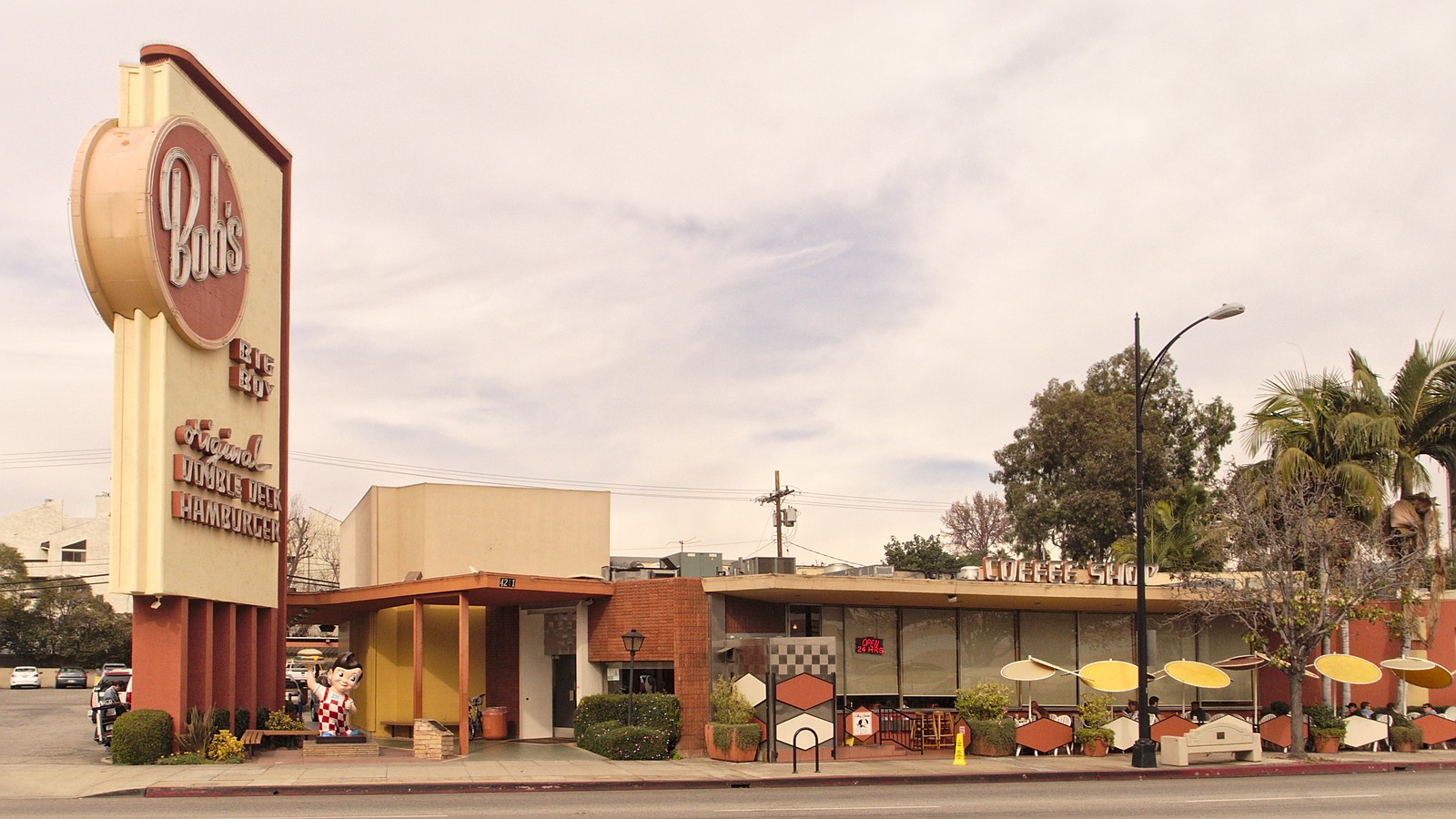
Bob’s Big Boy was founded in 1936 in Glendale, California by Bob Wian. The chain pioneered the double-decker burger concept (the “Big Boy” burger) that countless other restaurants would later copy — including the Big Mac, which McDonald’s introduced in 1968 to compete directly with the Big Boy concept.
At its peak in the 1970s, Big Boy had over 800 locations across the United States, primarily organized as regional franchise operations (Bob’s Big Boy in California, Frisch’s Big Boy in Ohio, Shoney’s Big Boy in the Southeast, Elias Brothers Big Boy in Michigan, etc.). The car-hop service, Sunday family breakfast tradition, and signature double-decker burger created strong brand loyalty.
The decline came primarily from regional franchise consolidation and competitive pressure from McDonald’s. Many regional Big Boy operations closed during the 1980s and 1990s. By 2026, scattered locations still operate under various Big Boy variants — primarily Frisch’s in the Ohio area, Big Boy Restaurants International in Michigan, and a handful of nostalgic-themed Bob’s Big Boy locations in Southern California. The total American Big Boy footprint as of 2026 is estimated at fewer than 70 locations, down from 800+ at peak.
7. Burger Chef — Disappeared completely in 1996
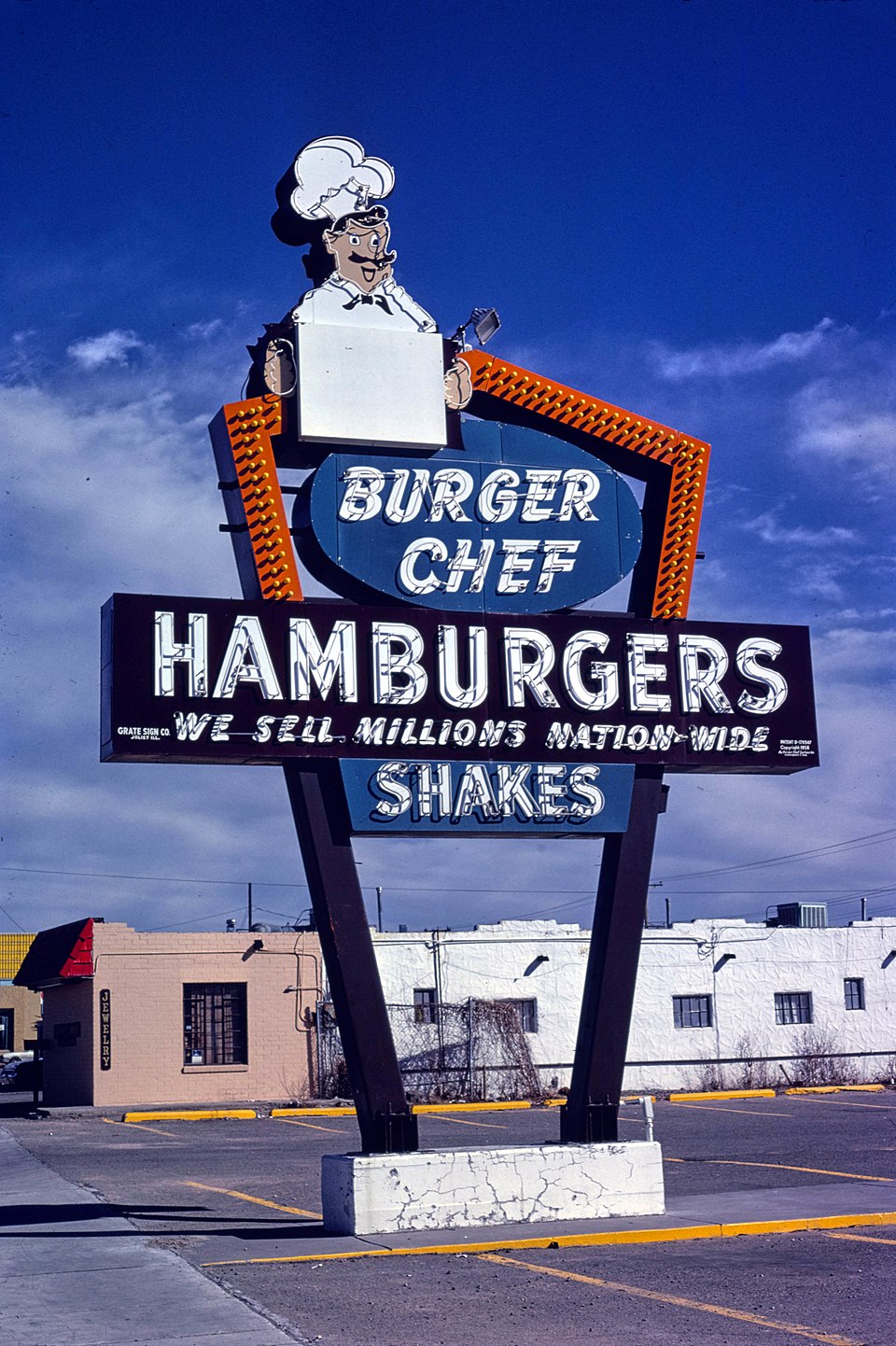
Burger Chef was, at its peak in 1973, the second-largest American burger chain with nearly 1,200 locations — second only to McDonald’s. The chain pioneered several concepts that have become industry standards: the “Works Bar” (where customers could add their own toppings, predating Subway’s customization model), the “Fun Meal” (which predated McDonald’s Happy Meal by several years and which McDonald’s later faced lawsuits about), and various other innovations.
Burger Chef was acquired by Hardee’s in 1981. Hardee’s gradually converted Burger Chef locations to Hardee’s branded restaurants throughout the 1980s and early 1990s. The last Burger Chef location closed in 1996, completing the brand’s disappearance from American dining.
The brand has substantial nostalgic value among Gen X consumers who remember the Funmeal and Works Bar from childhood. Periodic revival rumors have circulated but no actual restoration has occurred.
8. Farrell’s Ice Cream Parlour — From 130 locations to gone
Farrell’s Ice Cream Parlour was founded in 1963 in Portland, Oregon. The chain grew to over 130 locations during the 1970s and was particularly associated with birthday celebrations and family gatherings. The signature experience was the “Zoo” sundae — an enormous ice cream concoction delivered to the table by servers carrying it on a stretcher with sirens and fanfare playing.
Farrell’s combined Victorian-era decor (player piano, candy counter, antique-style furnishings) with high-energy presentation. The result was particularly appealing to children. Birthday parties at Farrell’s became a defining childhood memory for many Americans who grew up in the 1970s and 1980s.
The chain went through multiple ownership changes during the 1980s and 1990s. The brand was sold by Marriott (which had acquired it) in 1985, then went through various smaller operators. Most locations closed during the 1990s. A 2009 attempt to revive the chain with new locations had limited success. The final Farrell’s location closed in 2019, completing the chain’s disappearance.
9. Beefsteak Charlie’s — Northeast-specific memory
Beefsteak Charlie’s was founded in 1910 in New York City as a single restaurant, named after a fictional bon vivant character. The chain expanded significantly throughout the Northeast during the 1970s and 1980s, eventually reaching over 60 locations across New York, New Jersey, Pennsylvania, and Connecticut.
The defining Beefsteak Charlie’s experience was the “all-you-can-eat” model — unlimited shrimp, salad bar, and bread accompanied (typically) by a steak. The combination of moderate steak prices with unlimited extras made the chain a favorite for families and groups celebrating special occasions on a budget.
Various ownership changes and competitive pressures from competitors like Sizzler, Steak and Ale, and emerging Olive Garden-style chains gradually compressed Beefsteak Charlie’s market position. Most locations closed during the early 1990s. The final Beefsteak Charlie’s location closed in 2009. For Northeast-region consumers who grew up during the chain’s peak, the brand retains particularly strong nostalgic associations.
What this disappearance pattern actually represents
The vanishing of these 9 chains (and dozens of similar regional operations) reflects specific dynamics that transformed American casual dining over a 40-year period:
The interstate highway system reached maturity. When the highways were new (1950s-1970s), travelers needed reliable food and lodging at predictable intervals. Howard Johnson’s and similar chains thrived on this need. As alternative options multiplied (fast food chains, gas station food, convenience stores), the specific role that highway-stop restaurants filled became less essential.
Fast food economics became dominant. McDonald’s, Burger King, Taco Bell, and similar national chains achieved scale advantages that mid-tier sit-down restaurants couldn’t match. Customers who would have stopped at a Howard Johnson’s in 1970 were stopping at a McDonald’s drive-through by 1990. The casual sit-down meal became less frequent, especially among travelers.
Casual dining bifurcated. The middle segment that Steak and Ale, Bennigan’s, Lum’s, and similar chains occupied has largely disappeared. Modern American dining bifurcated into fast casual (Chipotle, Panera, Five Guys — quick service with higher quality than fast food) and full-service casual (Olive Garden, Cheesecake Factory, Texas Roadhouse — sit-down with table service). The medieval-themed steakhouse-with-salad-bar concept of Steak and Ale doesn’t fit either category.
Corporate ownership created systemic risks. Many of these chains went through multiple ownership transitions that disconnected them from their original culinary identity. When Metromedia Restaurant Group bankruptcy closed Steak and Ale and Bennigan’s overnight in 2008, decades of brand equity disappeared in a single court filing. Smaller, owner-operated regional chains have proven more durable than corporate-owned national chains.
Cultural attitudes shifted. Sambo’s collapsed under the weight of culturally insensitive branding that became increasingly indefensible. Howard Johnson’s “fried clams and ice cream” appeal feels dated to younger generations. The fundamental cultural moment that produced these chains has passed.
Real estate became more valuable than restaurant operations. Many former locations of these chains were converted to other uses — CVS pharmacies, banks, drive-through restaurants, or simply demolished for new development. The buildings themselves were often more valuable empty than operating as restaurants.
For consumers who grew up during the road trip era, the loss of these chains represents something specific. The combination of distinctive regional character, defined brand identities, and shared family experiences created memories that current corporate restaurant standardization rarely produces. A meal at Howard Johnson’s in 1972 felt different from a meal at Olive Garden in 2026 — not necessarily better in absolute terms, but more particular to that specific brand and that specific era.
The handful of remaining locations and revival attempts (the still-operating Bennigan’s franchises, the periodic Steak and Ale rumors, the surviving Big Boy regional chains) provide nostalgic visits for travelers willing to seek them out. But the comprehensive American road trip restaurant landscape that existed from 1960 through 1990 is gone permanently. What replaced it is more efficient, more consistent, and arguably worse in terms of regional character and memorable experience. The orange roofs that once dotted American highways have been replaced by golden arches — and the families that pulled off the interstate looking for fried clams now pull off looking for drive-through windows.