

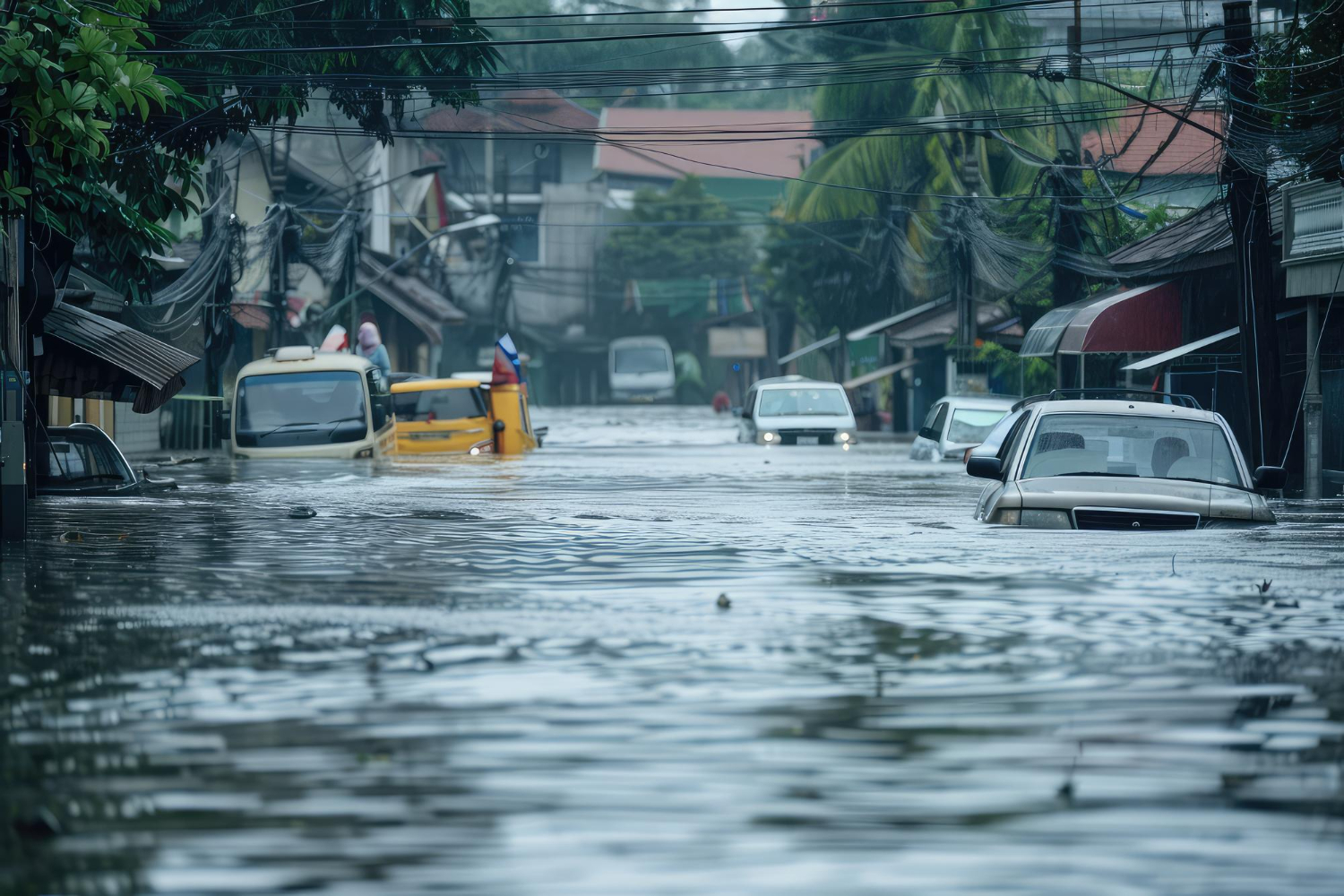
In 2014, a council in North Wales declared the seaside village of Fairbourne would have to be abandoned by 2054 due to rising seas. A decade later, the residents are still there, and the council has quietly walked back its own language. The story is stranger than a simple climate-displacement narrative.
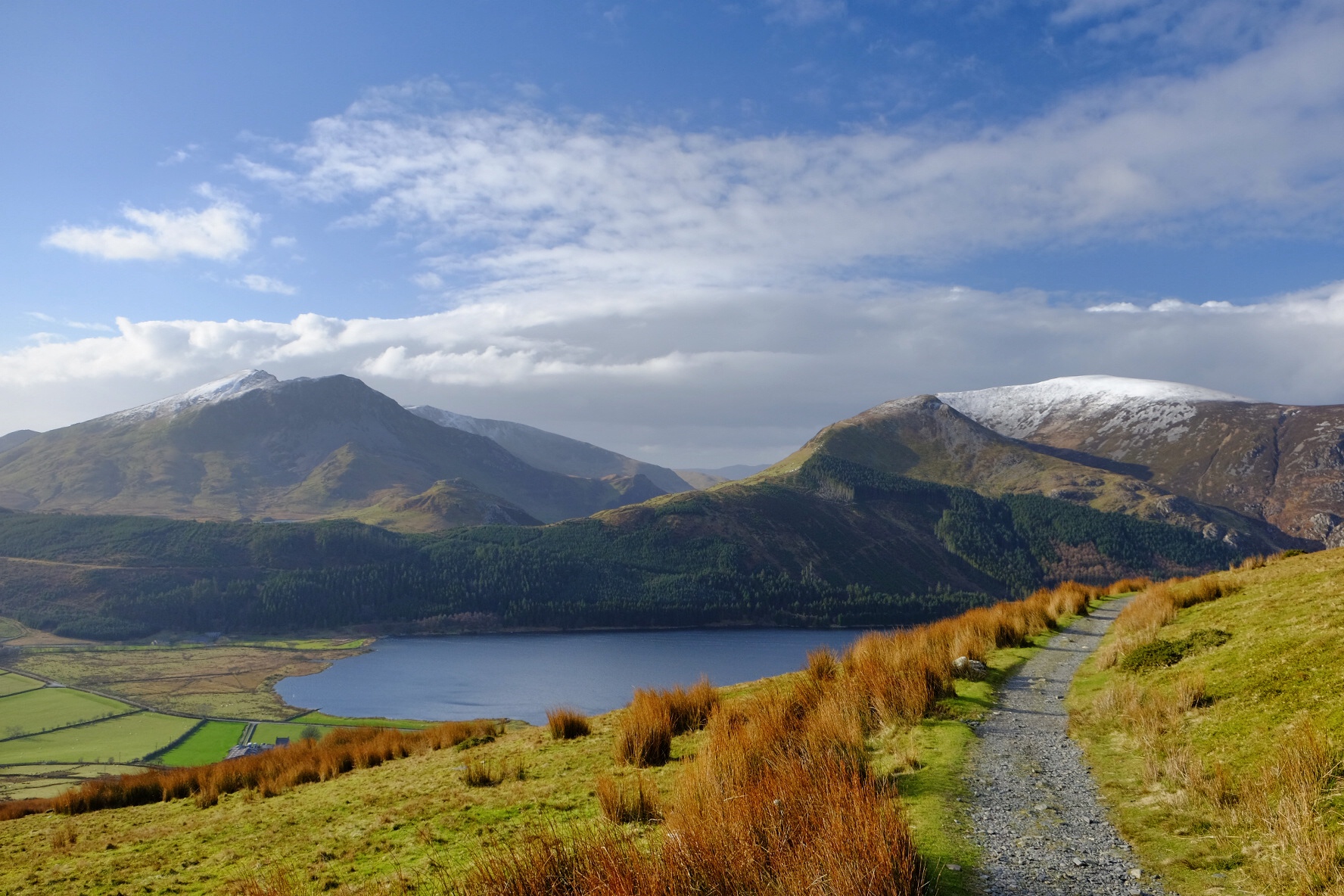
Fairbourne sits in one of the more spectacular settings in the British Isles: a low strip of land between Cardigan Bay and the mountains of Snowdonia National Park, on the west coast of Wales. About 700 people live there year-round in roughly 460 homes, most of them built in the 20th century when Fairbourne grew from a Victorian seaside settlement into a popular holiday destination. The village is barely above sea level. It sits on a floodplain, behind a gravel barrier and a sea wall. And in 2014, a regional government body decided it would no longer be safe to live there by around the middle of the century.
That decision turned Fairbourne into one of the most-discussed places in Britain — frequently described in international media as the home of “the UK’s first climate refugees.” The reality, as residents have argued for the better part of a decade, is more complicated.
How a village got an expiration date
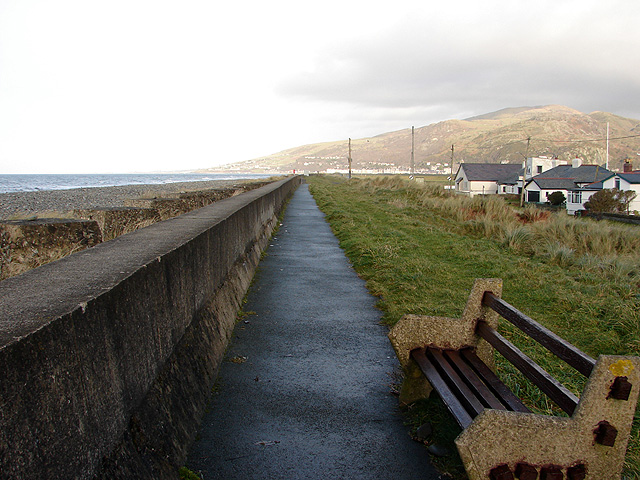
In 2013, Gwynedd Council adopted the latest version of its Shoreline Management Plan, the strategic document local authorities use to decide how to defend the British coastline against erosion and flooding. The 2013 plan classified Fairbourne under the policy designation “no active intervention” — the lowest tier of coastal protection, meaning that beyond the short-to-medium term, the council would not invest in maintaining the village’s defences.
The Welsh Assembly approved the plan in 2014. A subsequent multi-agency “masterplan” proposed decommissioning the village by 2054, based on projections that a 0.5-meter rise in sea levels would make Fairbourne effectively uninhabitable. Within months, residents found themselves labelled climate refugees in the British and international press. Property values fell by close to 50 percent. Mortgage lenders pulled out of the village entirely, leaving cash buyers as the only viable purchasers.
The 2054 figure was, in residents’ view, both extremely specific and based on assumptions that didn’t hold up. Bangor University coastal scientist Stephen Jay, in a 2023 analysis published by the university, noted that based on actual rates of sea level rise observed at Fairbourne, the projected 0.5-meter critical threshold would take 100 to 200 years to reach, not 40. The 2054 projection was based on a much higher sea-level-rise scenario that newer data hasn’t supported.
The residents fight back — and the council blinks
For roughly a decade, Fairbourne residents have organized to challenge the decommissioning timeline. Community Council member Georgina Salt told reporters in 2022 that the original decision was made “prematurely, without adequate consideration or consultation.” The Fairbourne Moving Forward Project Board — the multi-agency body responsible for planning the village’s future — has been criticized repeatedly for failing to provide concrete information about how, when, or where residents would actually be relocated.
Then, slowly, the official position began to shift.
In November 2022, Huw Williams of Gwynedd Council issued a statement noting that “no public body — let alone Gwynedd Council — is intending to destroy Fairbourne,” and explicitly pushing back on press coverage that had referred to a 2054 decommissioning. In May 2023, Welsh Government Climate Change Minister Julie James told reporters: “We have made no decision on the future of Fairbourne, I want to make that clear.”
In late 2023 and early 2024, according to the Arthog Community Council’s annual report, a Cabinet member of Gwynedd Council told residents that decommissioning had “never been discussed, voted upon or put on the statute books at any Cyngor Gwynedd Cabinet Meeting” — and was therefore, in his words, “a myth.”
This walking-back of the original decommissioning framing has not, however, restored property values or returned mortgage lenders to the village. The damage from the original 2014 designation — what one academic paper described as the “blight” placed on Fairbourne by the announcement itself — persists.
What’s actually happening on the ground
In February 2026, Natural Resources Wales — the government agency responsible for Welsh flood defenses — began a shingle reprofiling operation along the spit south of Fairbourne. Crews have been moving gravel from the northern end of the beach to areas where natural sediment has eroded away, part of an ongoing programme to maintain the village’s coastal protection.
In other words: the agency that, under the 2014 plan, was supposed to gradually withdraw from defending Fairbourne is in fact actively maintaining its defences. The village’s £6.8 million sea wall improvement project, completed several years ago, is still in place and being supplemented.
The honest summary is that Fairbourne sits in a kind of bureaucratic limbo. The 2014 Shoreline Management Plan technically still designates the village for managed retreat. The local council and the Welsh Government have walked back the specific 2054 decommissioning language. Sea defences are being maintained. Residents continue to live there. And nobody — neither the council, the Welsh Government, nor any agency — has articulated a clear plan for what actually happens if and when the sea wall fails.
Why Fairbourne matters beyond Fairbourne
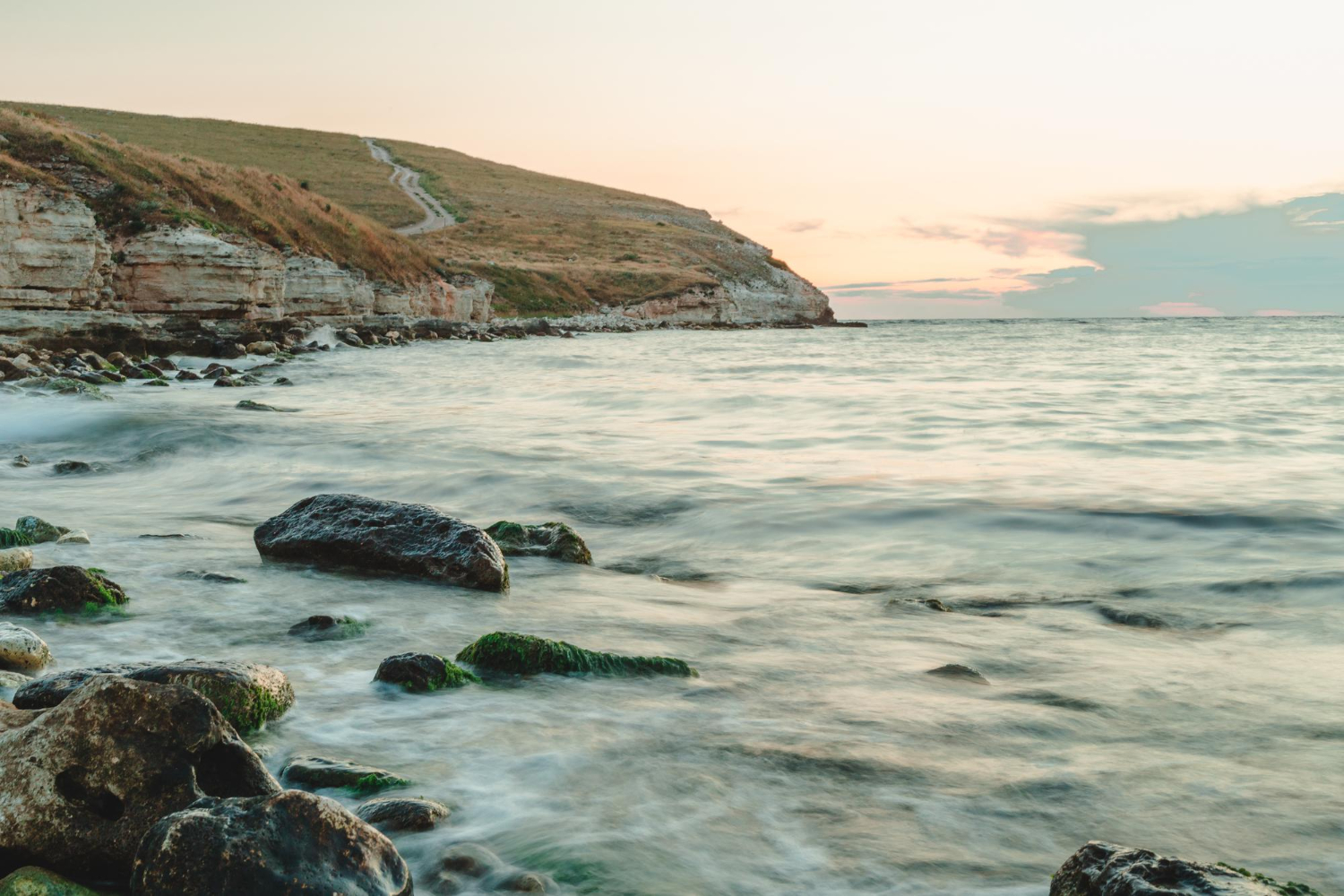
Coastal communities around the world will increasingly face the same question: at what point does it become impractical or unaffordable to defend a place against rising seas? The traditional model has been to build higher walls, pump out floodwater, and keep going. The Shoreline Management Plan approach pioneered in the UK introduced a new option: don’t defend, manage retreat.
Fairbourne became the test case, and the test has been messy. Designating a community for retreat 40 years before the actual retreat begins crashes the local economy immediately. Residents are blamed for the situation they’re in. Property values collapse, but the village still has to function. Schools still need teachers. Roads still need repair. The Cambrian Coast Railway still runs through Fairbourne, and the Fairbourne Railway — a 2-foot gauge heritage line that’s been running since 1916 — still operates seasonally, carrying tourists.
Britain’s first “climate refugees” are, ten years on, still residents. The village is still on the map. The trains still run. And whatever happens next, the Fairbourne story is unlikely to be the simple climate-displacement narrative that the early 2014 coverage suggested it would be.
What Fairbourne has actually demonstrated is that abandoning a place is harder than declaring it abandoned. The decision can be reversed. The wall can be maintained. The residents can refuse to leave. And sometimes, the announcement itself does more damage than the rising sea.
