In 1965, the British government flooded the Tryweryn Valley in north Wales to create a reservoir for Liverpool’s industrial water supply. Sixty-seven people lost their homes. A 145-year-old chapel was demolished. Bodies were exhumed from the village cemetery. Every single one of Wales’s 36 Members of Parliament voted against the project — and were overridden by the British Parliament. The drowning of Capel Celyn radicalized Welsh nationalism for a generation. Here’s the documented story.
1: A Welsh-Speaking Community in the Snowdonia Hills
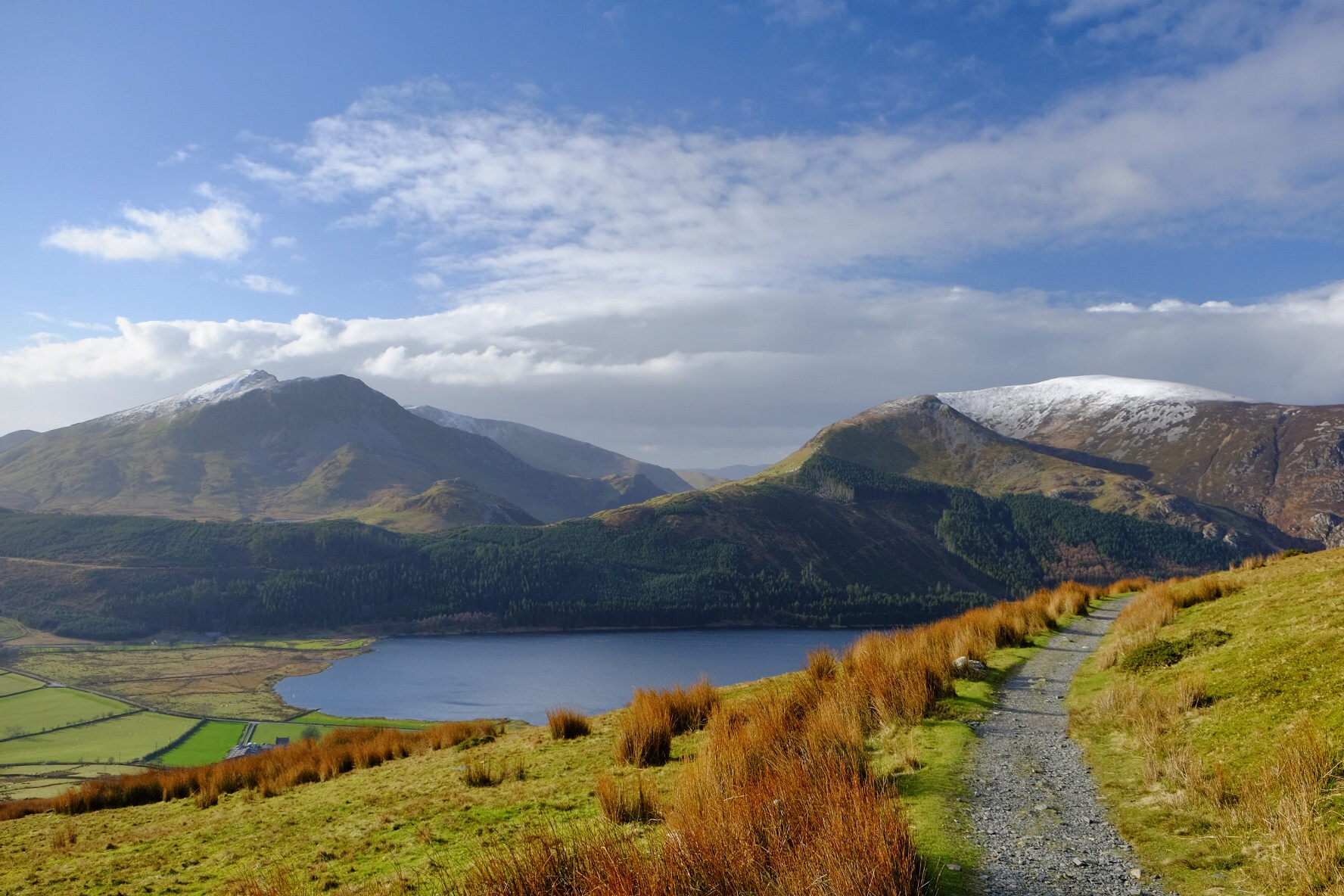
Capel Celyn was a small farming community in the Tryweryn Valley of Merionethshire (now Gwynedd), northwest Wales. Population: 67. The village contained a Methodist chapel built in 1820 and rebuilt in 1892, a primary school, a post office, a general store, and a cemetery. Twelve houses and farms occupied roughly 800 acres of valley farmland.
The community had a specific cultural significance: it was one of the last remaining Welsh-only-speaking villages in north Wales. Children attended a Welsh-language school. Religious services were conducted in Welsh. The folk culture, music, and traditions had been preserved in their original linguistic form for centuries.
2: Liverpool’s Water Problem
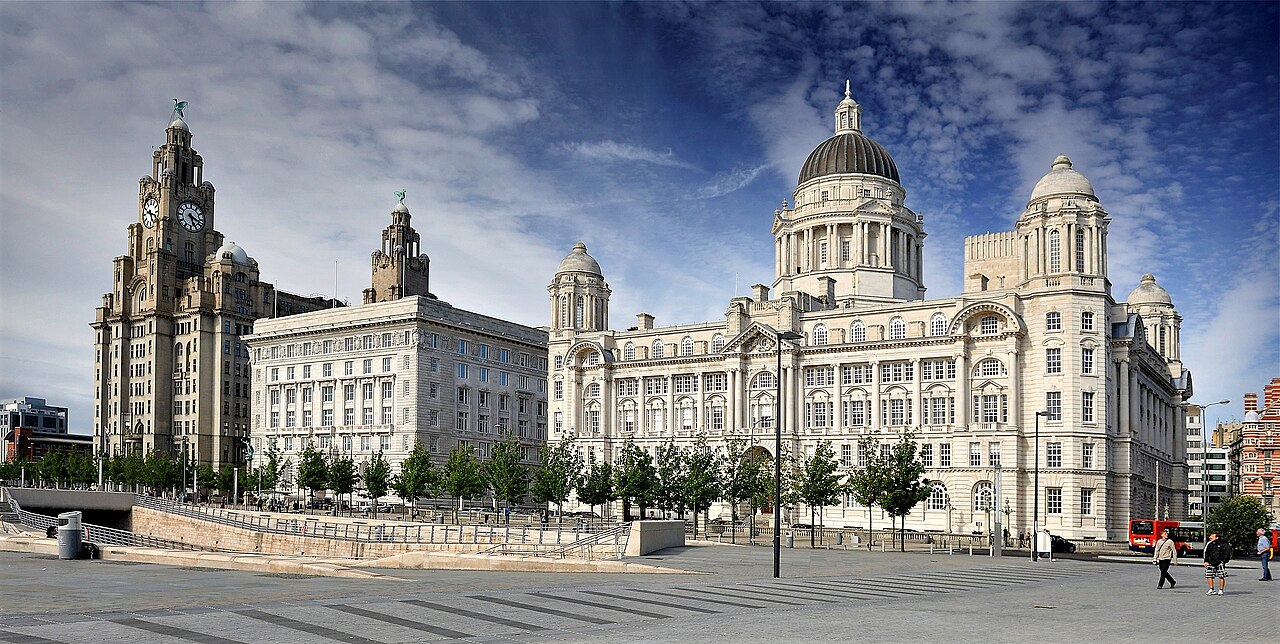
Across the border in northwest England, Liverpool was running out of water. The city’s industrial economy and growing population had outpaced its existing water supplies. Liverpool Corporation (the predecessor of the modern city council) needed a new water source — and quickly. Existing reservoirs were being “overdrawn” and the city was buying emergency bulk supplies from Manchester.
Liverpool engineers identified the Tryweryn Valley as the ideal location: relatively close to Merseyside, one of the largest watershed catchment areas in Wales, and capable of producing a large reservoir with a single dam. The valley happened to contain Capel Celyn. The engineers proposed flooding it.
3: The 1955 Announcement
On December 20, 1955, Liverpool Corporation publicly announced its intention to build the reservoir, requiring the complete destruction of Capel Celyn. The announcement was made without prior consultation with Welsh authorities, the Welsh Office, or the affected community.
The villagers learned that their homes, their school, their chapel, and their cemetery would be submerged under approximately 70 feet of water. The 67 residents would be relocated. The 800 acres of farmland would disappear. The Welsh-only linguistic community would be dispersed permanently. Their objections were welcome, but the decision had effectively already been made.
4: Wales Unanimously Opposes
The Welsh response was overwhelming and remarkably unified. The Capel Celyn Defence Committee, led by Dafydd Roberts and Elizabeth May Watkin Jones, organized opposition. Letter-writing campaigns mobilized supporters across Wales and internationally. Rallies were held in Bala (the nearest town) and Cardiff (the Welsh capital). One hundred and twenty-five local authorities formally opposed the plan.
In Parliament, the response was even more striking: not a single Welsh MP voted in favor of the bill. Of Wales’s 36 MPs, 27 voted against the second reading. The remainder abstained. Zero voted in favor. By any measure of democratic legitimacy in Wales itself, the project was overwhelmingly rejected.
5: Parliament Passes the Bill Anyway
Despite the unanimous Welsh opposition, the British Parliament passed the Liverpool Corporation Act on August 1, 1957. The mechanism that allowed this was specific: the bill was a “private bill” in the British system, meaning it didn’t require the same approval thresholds as ordinary legislation. The English-majority Parliament simply outvoted the Welsh MPs and approved the project.
The political significance was enormous. The British government had explicitly overridden the unanimous democratic preferences of an entire nation within the United Kingdom to provide industrial water to an English city. The constitutional implications would shape Welsh politics for the next 60 years.
6: Direct Action and Sabotage
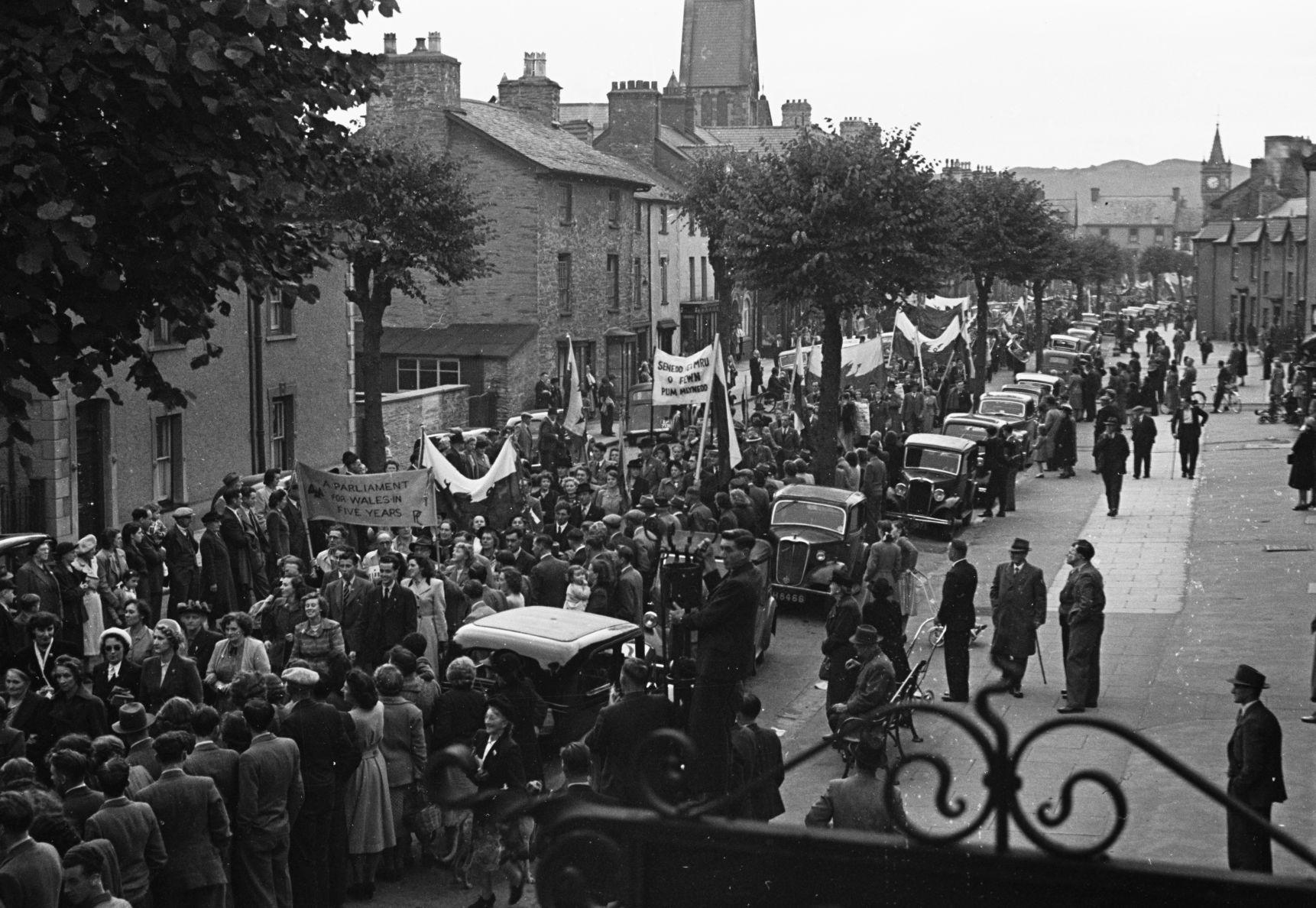
As construction began in 1960, opposition shifted toward direct action. Two members of Plaid Cymru (the Welsh nationalist party) attempted to sabotage the power supply at the dam construction site in 1962, working independently of the party leadership.
In February 1963, a more militant group called Mudiad Amddiffyn Cymru (Movement for the Defence of Wales, or MAC) blew up a transformer at the dam site. MAC went on to carry out a series of bombings over the following six years, targeting infrastructure projects perceived as oppressive to Welsh interests. The Capel Celyn flooding had radicalized a portion of Welsh nationalism in ways the Liverpool Corporation had not anticipated.
7: The Final Days
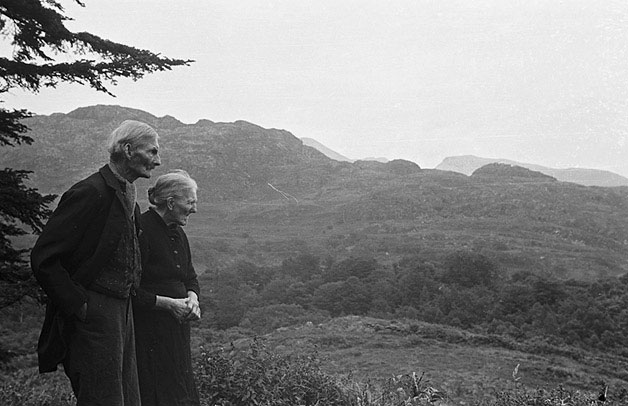
Photographer Geoff Charles documented the village’s final years for the National Library of Wales. His photographs show the last sale at Gwerngenau Farm in October 1957. Children playing above the doomed valley in November 1963. Families packing their belongings. The interior of the chapel, derelict but still standing. The school being closed for the final time.
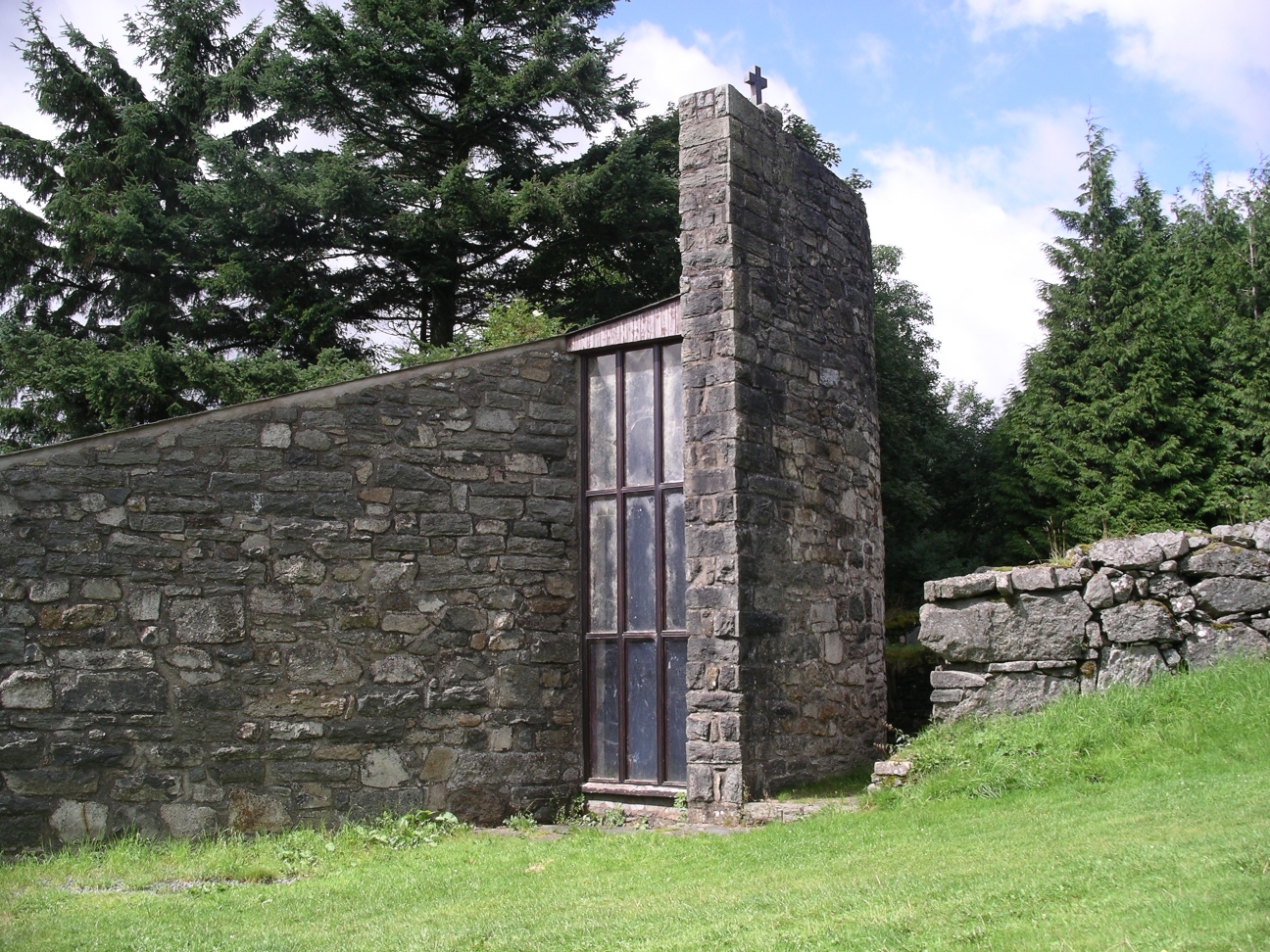
By 1963, the demolition had begun. Buildings were partially destroyed. Some bodies in the cemetery were exhumed and reburied in Llan-y-cil. Other graves were simply covered with concrete. Stones from the chapel were salvaged and used to build a memorial chapel that still stands at the reservoir’s edge today.
8: October 28, 1965 — The Ceremony
The Llyn Celyn reservoir was officially opened on October 28, 1965 in a ceremony hosted by Liverpool Corporation. Welsh nationalist demonstrators arrived in substantial numbers. Plaid Cymru organized a major protest on the day. The Welsh response made clear that the flooding had not been accepted as a fait accompli — it had become a symbol of British disregard for Welsh autonomy.
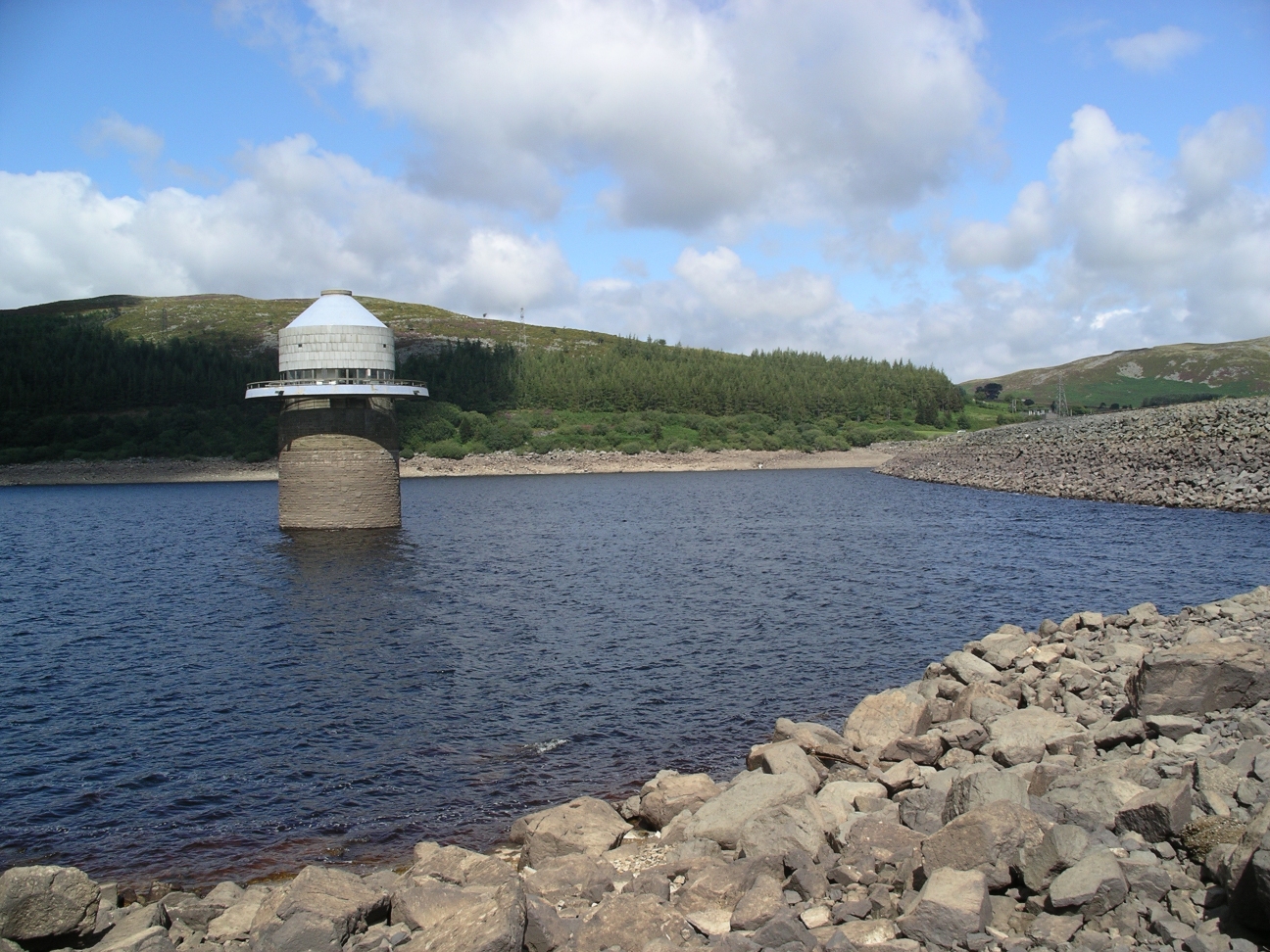
The water rose. The chapel disappeared. The school disappeared. The post office disappeared. The 12 farms disappeared. The cemetery disappeared. In their place: a 2.5-mile-long reservoir holding billions of gallons of water destined for Liverpool’s industrial taps.
9: “Cofiwch Dryweryn” — Remember Tryweryn
Sometime in the 1960s, Welsh nationalist Meic Stephens painted the words “Cofiwch Dryweryn” (“Remember Tryweryn”) on the wall of a ruined stone cottage near Llanrhystud, Aberystwyth. The graffiti was repainted multiple times by various people. It became one of the most recognized political statements in modern Welsh history.
The “Cofiwch Dryweryn” wall has since been formally protected as a national landmark. In 2010, a £80,000 fundraising campaign was launched to preserve it, with Cadw (the Welsh historic environment service) contributing £30,000. The wall stands today as a permanent reminder of what happened — and a continuing call for Welsh political assertiveness.
10: The Political Aftermath
A year after Llyn Celyn opened, in July 1966, Plaid Cymru won its first parliamentary seat in Carmarthen. Gwynfor Evans’s victory was widely attributed to Welsh anger over Capel Celyn. The Welsh nationalist movement had been transformed from a marginal cultural concern into a serious political force.
Over the following decades, Welsh devolution gained momentum specifically built on the constitutional questions Capel Celyn had raised. The 1979 devolution referendum failed. The 1997 referendum succeeded, establishing the Welsh Senedd (Parliament). Modern Welsh self-government has its specific roots in the 1965 demonstration that Welsh democratic preferences could be overridden by the British state.
11: The Apologies
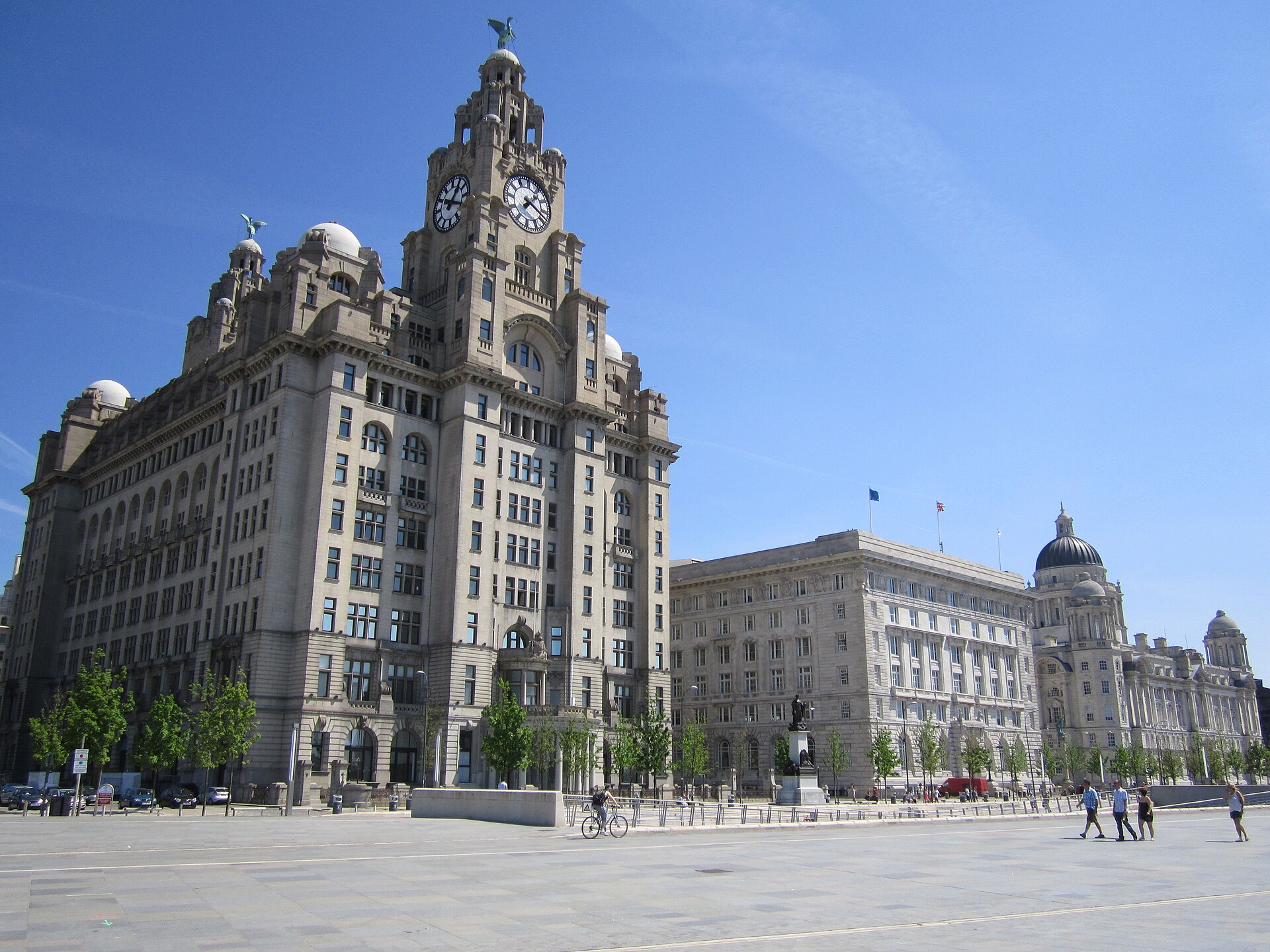
In 2005, on the 40th anniversary of the flooding, Liverpool City Council formally apologized for the destruction of Capel Celyn. The apology read: “The Council acknowledges its debt to the many Welsh people who suffered from this brutal action and offers its sincere apology.”
The apology was widely welcomed but came too late for most of the original residents. Of the 67 people displaced in 1965, nearly all had died by 2005. The community had been scattered across north Wales and beyond. The Welsh-language linguistic community that Capel Celyn had represented could not be reconstituted by an apology, however sincere.
12: Llyn Celyn Today
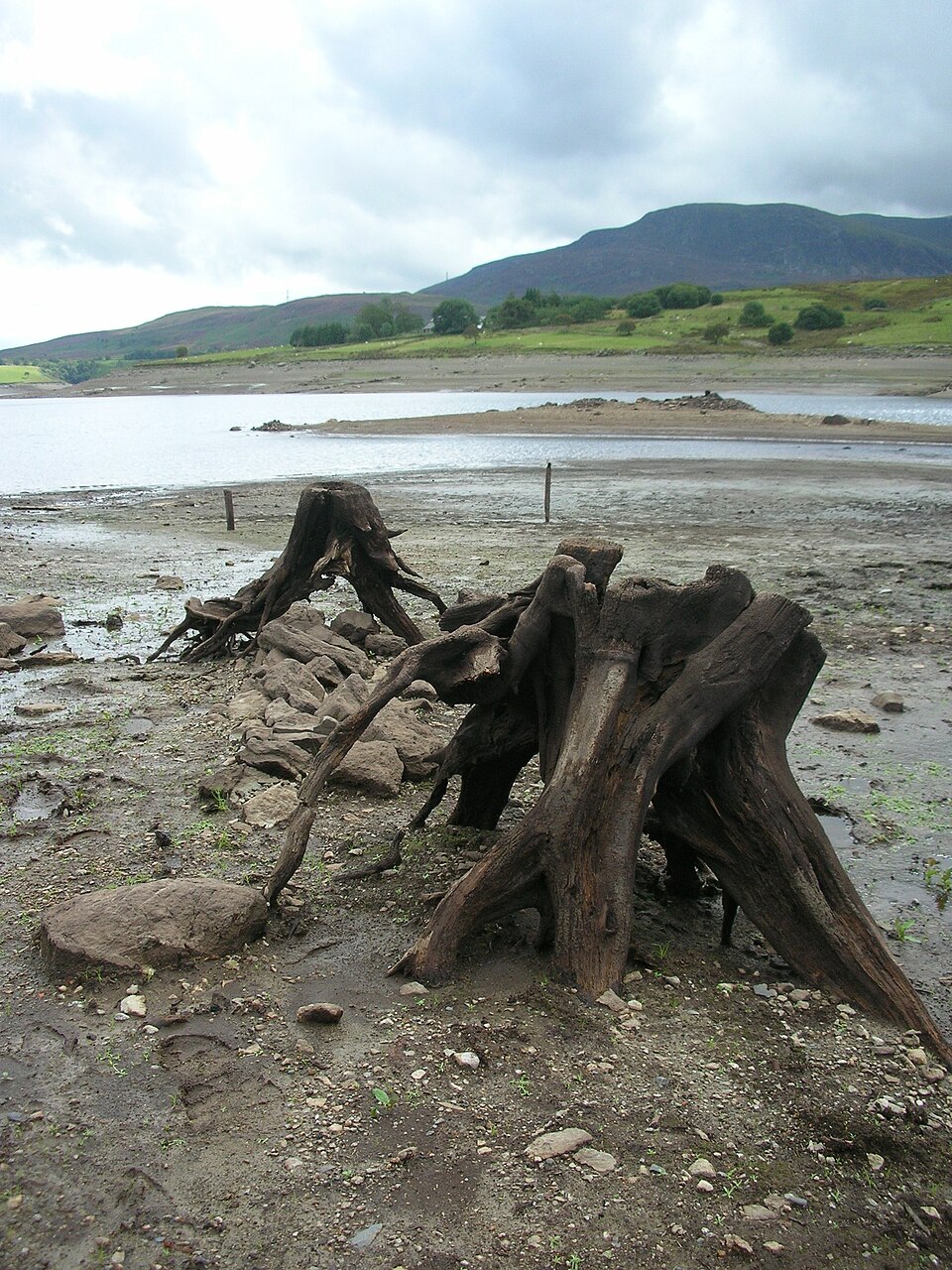
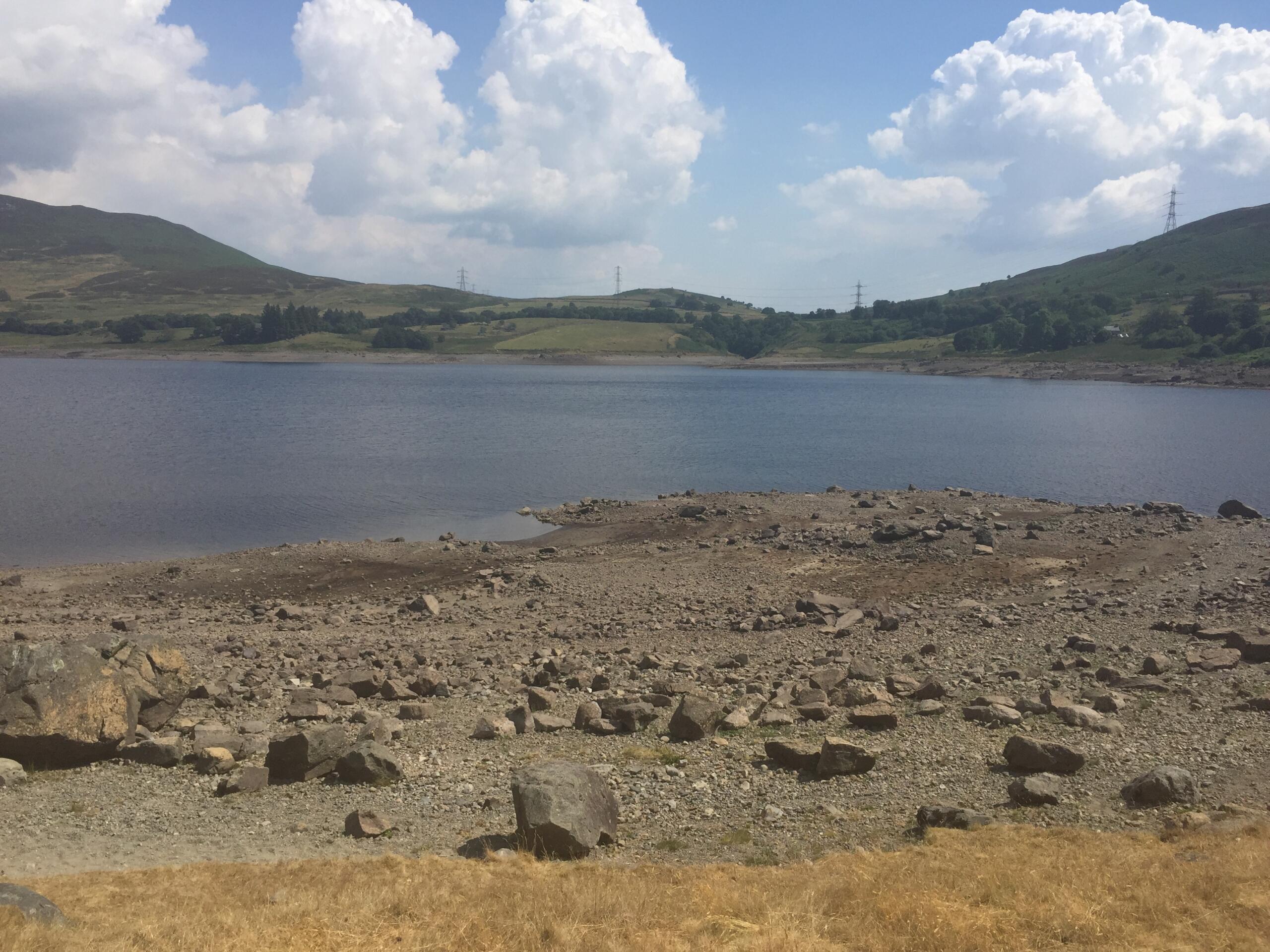
The Llyn Celyn reservoir continues to supply water for the River Dee system, which provides for Liverpool, Wirral, and various other communities. The dam still stands. The water still flows. During severe drought periods, when reservoir levels drop dramatically, the foundations of the original village buildings reappear from beneath the surface — visible reminders of what was sacrificed.
A small memorial chapel built from salvaged stones from the original Capel Celyn chapel stands at the reservoir’s edge. A plaque commemorates the destroyed village. Tourists who stop to read it learn the story; those who don’t stop simply see a beautiful Welsh reservoir in the Snowdonia hills.
What Capel Celyn Actually Represents
Capel Celyn’s destruction reveals something specific about how nation-states actually function within larger political unions. Wales possessed every formal democratic legitimacy to refuse the project — unanimous parliamentary opposition, overwhelming local authority opposition, mobilized public protest — and was overridden anyway by an English-majority Parliament voting based on Liverpool’s industrial needs. The flooding succeeded as engineering and failed as politics. Sixty years later, the Welsh political landscape it created — devolution, an active Welsh Parliament, sustained nationalist sentiment — represents the specific consequence of that political failure. The cost-benefit analysis Liverpool Corporation conducted in 1955 didn’t include “radicalize Welsh nationalism for a generation.” It probably should have.