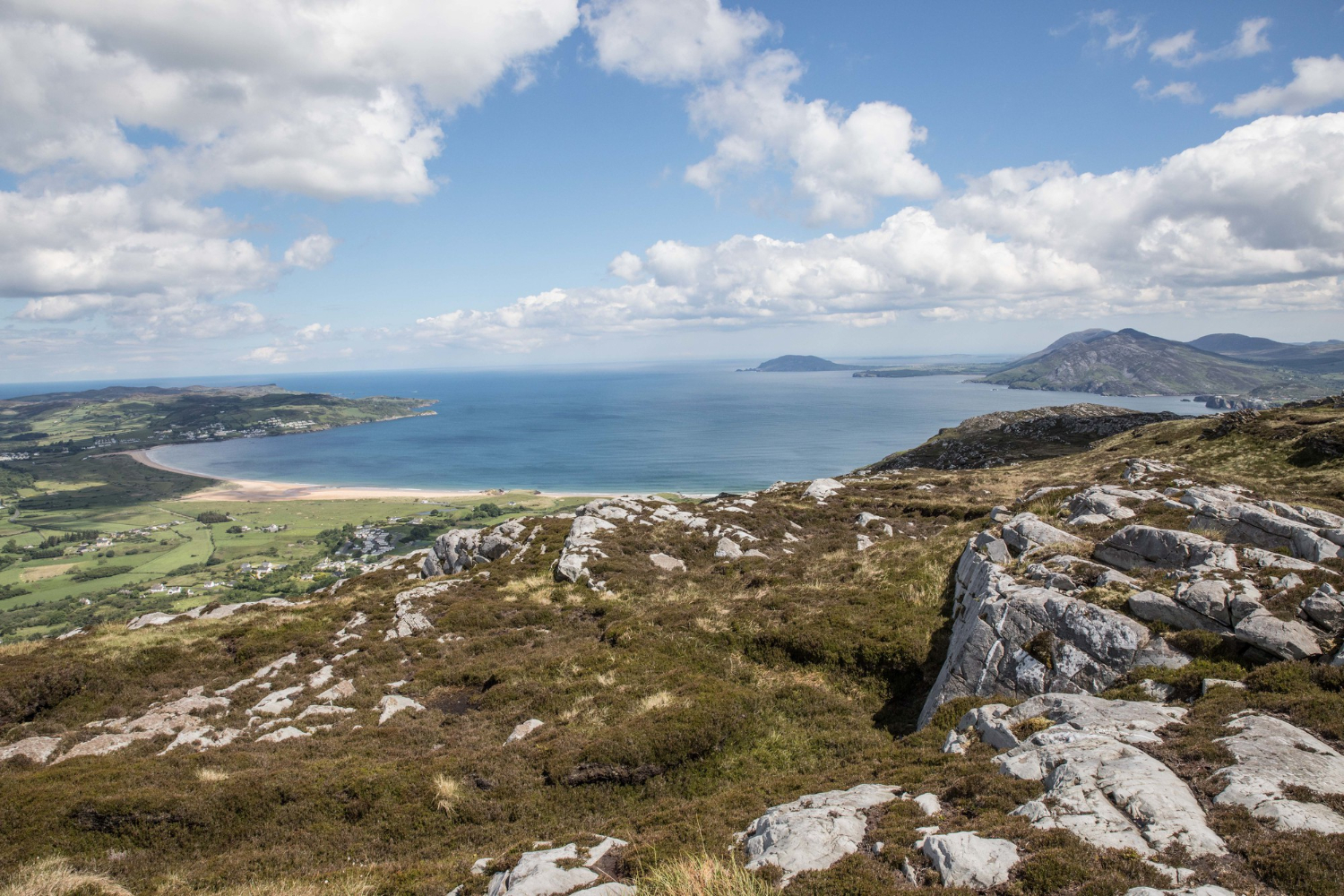
Some of the most stunning places on earth are also quietly among the most dangerous, and the gap between how serene they look and how lethal they can be catches tourists off guard every single year. A calm-looking beach with a deadly current, a breathtaking overlook with a crumbling edge, a famous volcano that’s still very much active, a desert vista that can kill an unprepared hiker in hours — these places draw crowds with their beauty and then punish carelessness with real consequences. Most of the tragedies at these spots are preventable, the result of underestimating a danger that the scenery disguises. The point isn’t to scare anyone away from extraordinary places, but to travel to them with clear eyes. Here are the beautiful tourist spots that are far more dangerous than they look, and how to enjoy them safely.
The common thread is that beauty disguises danger, and tourists relax exactly where they should stay alert. Understanding the specific hazards — and respecting the barriers, warnings, and conditions — is what keeps a dream destination from becoming a tragedy. Here are the categories of stunning places that demand extra caution.
Beaches With Deadly Rip Currents
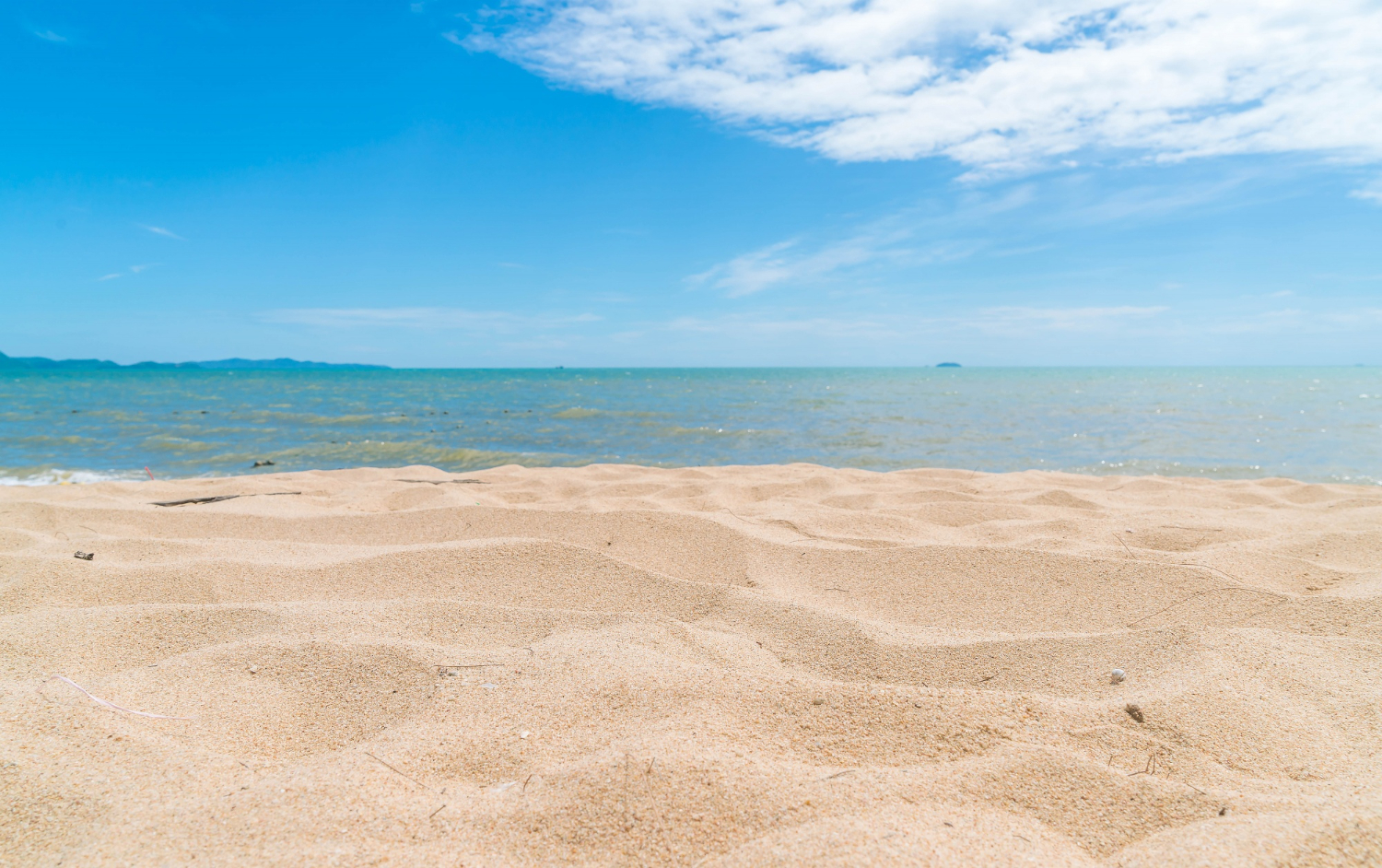
A calm, inviting beach can hide one of travel’s most underestimated killers: the rip current, a powerful channel of water flowing away from shore that can pull even strong swimmers out to sea. Rip currents claim lives every year, frequently at beautiful, popular beaches where the danger is invisible from shore. The defense is knowledge: learn to spot rip currents (a channel of churning, choppy, or differently-colored water), heed warning flags and lifeguards, swim only at guarded beaches, and if caught in one, don’t fight it — swim parallel to shore to escape its pull, then back to land. The beauty of a beach says nothing about its safety, and respecting flags and lifeguards is essential.
Famous Cliffs and Overlooks
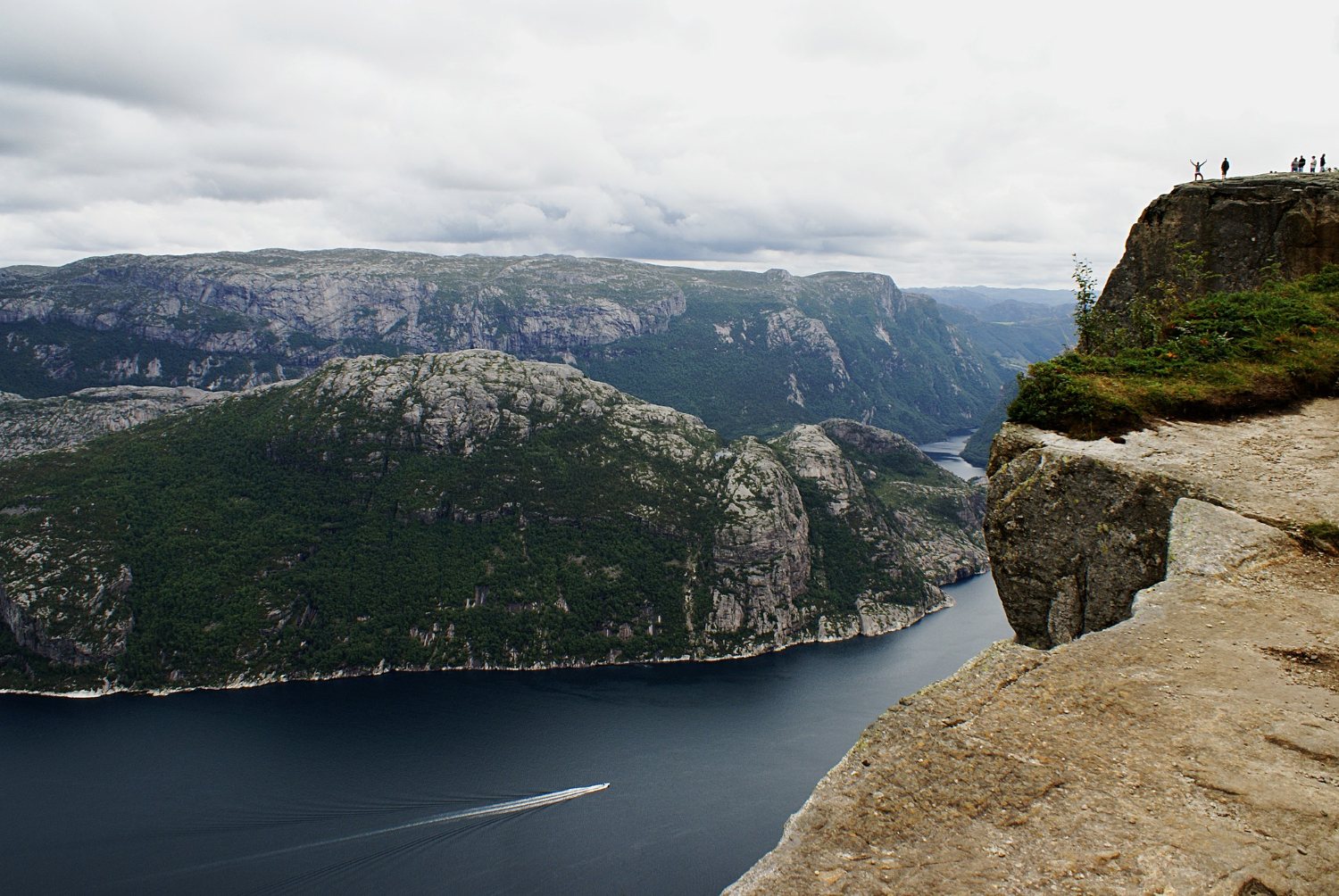
Spectacular cliff-edge viewpoints and overlooks draw tourists seeking the perfect photo, and every year people fall to their deaths at famous scenic spots, frequently while backing up for a picture, climbing past barriers, or standing on crumbling or wet edges. The danger is that the view’s beauty and the desire for a dramatic photo override caution. The defense is straightforward but frequently ignored: stay behind railings and barriers (they exist for a reason), never climb past warning signs, be extremely cautious near edges that may be unstable or slippery, and never sacrifice safety for a photo. No image is worth the risk that has killed countless tourists at otherwise stunning overlooks.
Active Volcanoes and Geothermal Areas
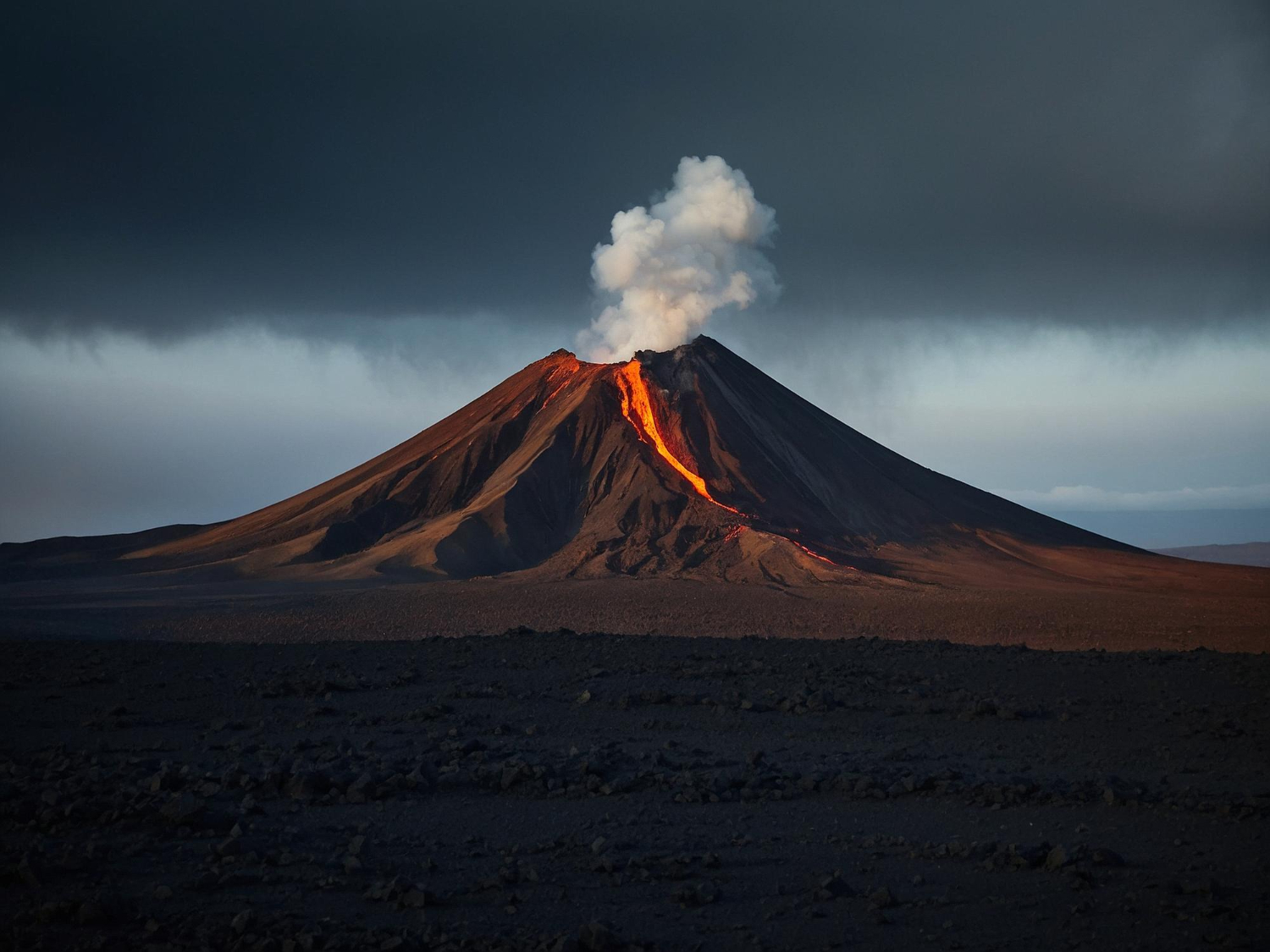
Volcanoes and geothermal areas are mesmerizing, but they’re genuinely dangerous — active volcanoes can erupt with little warning, and geothermal features like hot springs and geysers can be scaldingly, fatally hot. Tourists have died venturing too close to active volcanoes or stepping off marked paths in geothermal areas into boiling ground. The defense: heed all official warnings and access restrictions around active volcanoes (which can change rapidly), stay strictly on marked boardwalks and trails in geothermal areas like those in famous national parks, and never approach features that look calm but may be lethally hot. The earth’s beauty here masks genuine, sometimes invisible, deadly hazards.
Desert Landscapes and Extreme Heat
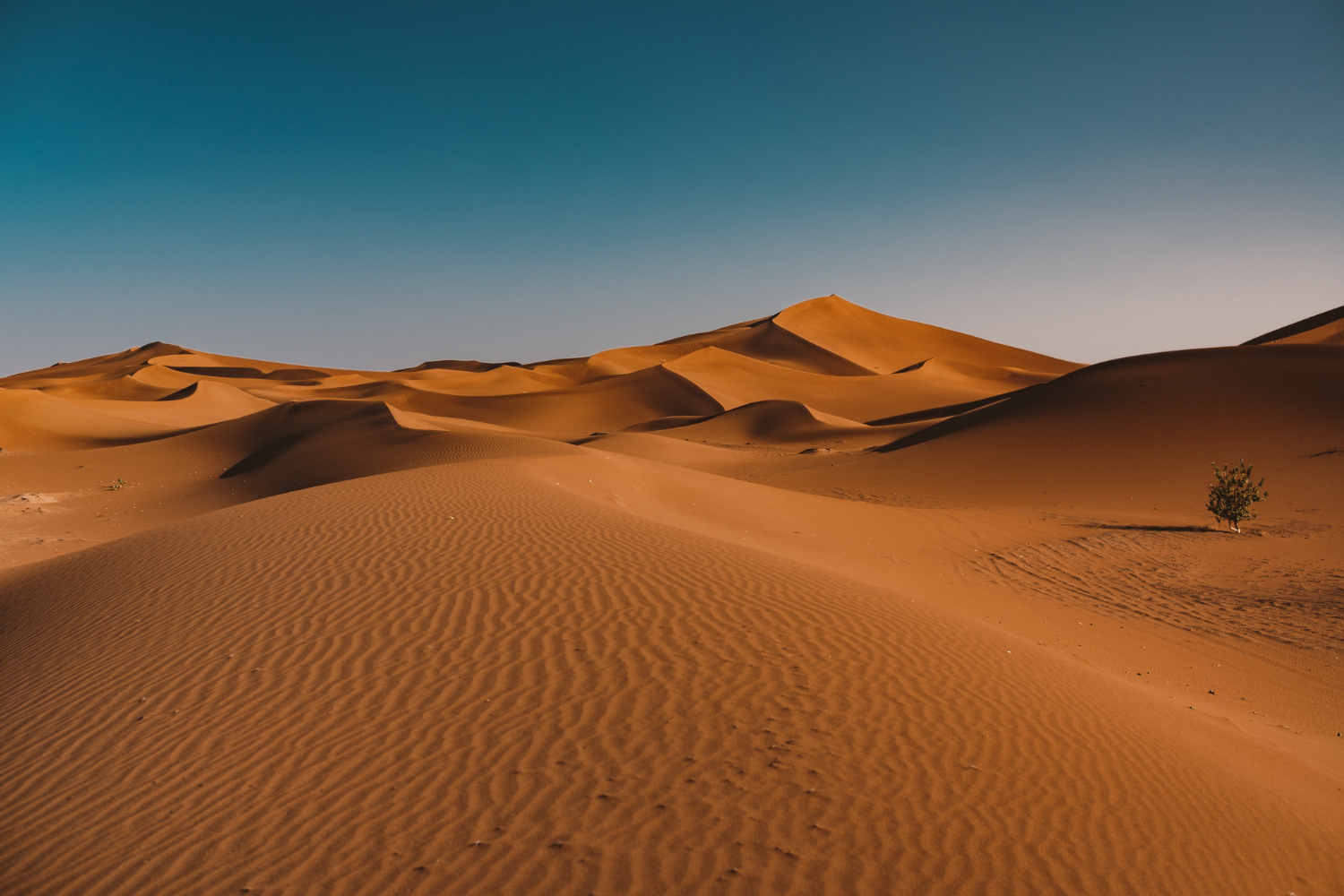
Stunning desert vistas and famous hot-climate parks are far more dangerous than their beauty suggests, where extreme heat can kill an unprepared hiker with frightening speed. Every year, tourists underestimate desert heat, run out of water, and suffer heat illness or death on trails that looked manageable. The defense is preparation and humility: carry far more water than you think you need, hike in the cool early morning rather than midday, know the signs of heat illness, turn back early, and take seriously the warning signs that desert parks post precisely because people keep dying. The serene beauty of a desert landscape conceals one of nature’s most efficient killers.
Waterfalls and Fast Water
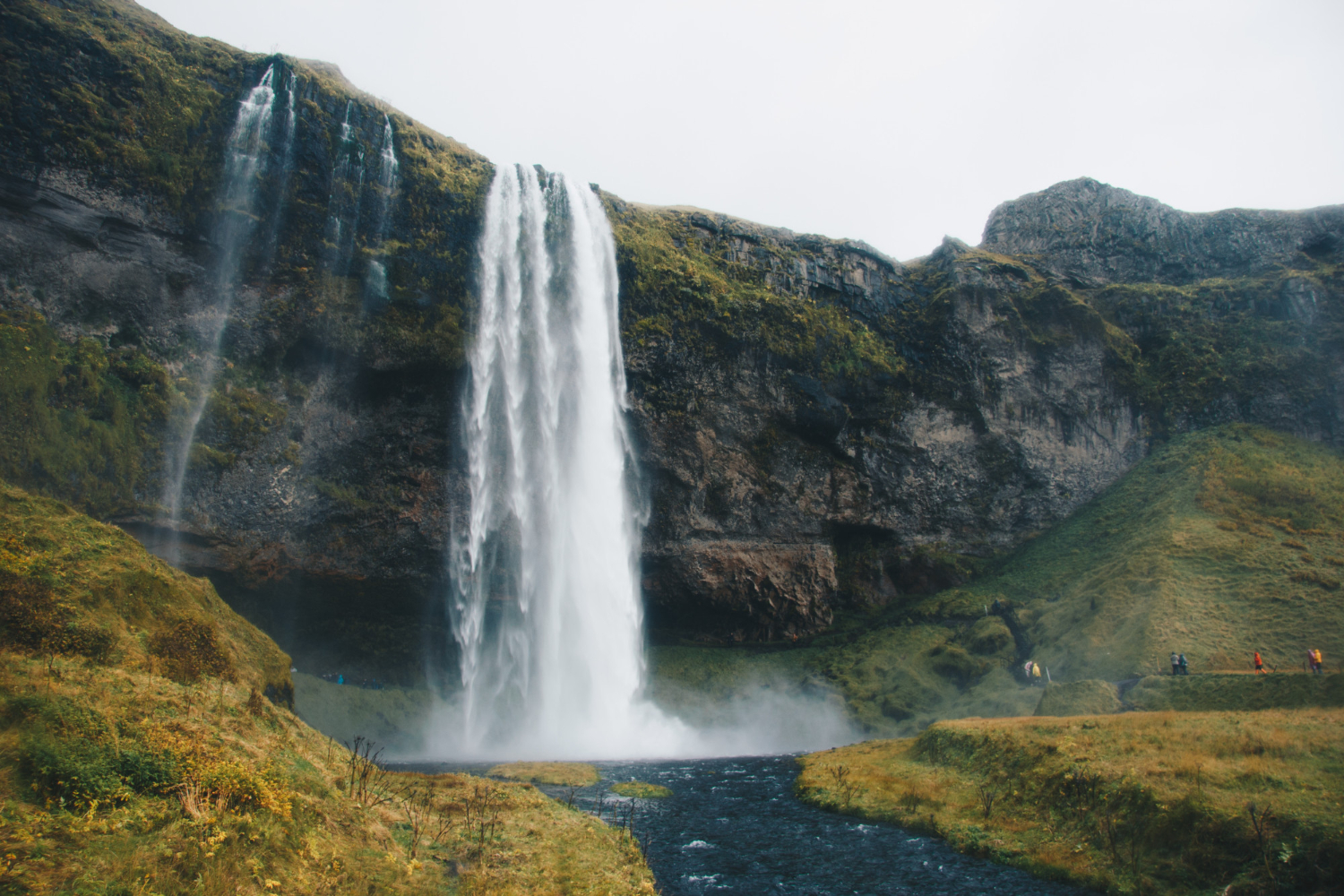
Beautiful waterfalls and the rivers above them are deceptively deadly, with slippery rocks, powerful currents, and people swept over edges every year while wading, climbing, or posing near the top. The water’s beauty hides its force. The defense: never swim or wade above a waterfall or in fast-moving water near one, stay on designated viewing areas and trails, be extremely careful on wet rocks (which are treacherously slippery), and heed barriers and warnings. The pull of moving water is far stronger than it looks, and the rocks far more slippery, making picturesque waterfalls a recurring site of preventable tragedy when visitors get too close.
Tidal Areas and Coastal Hazards
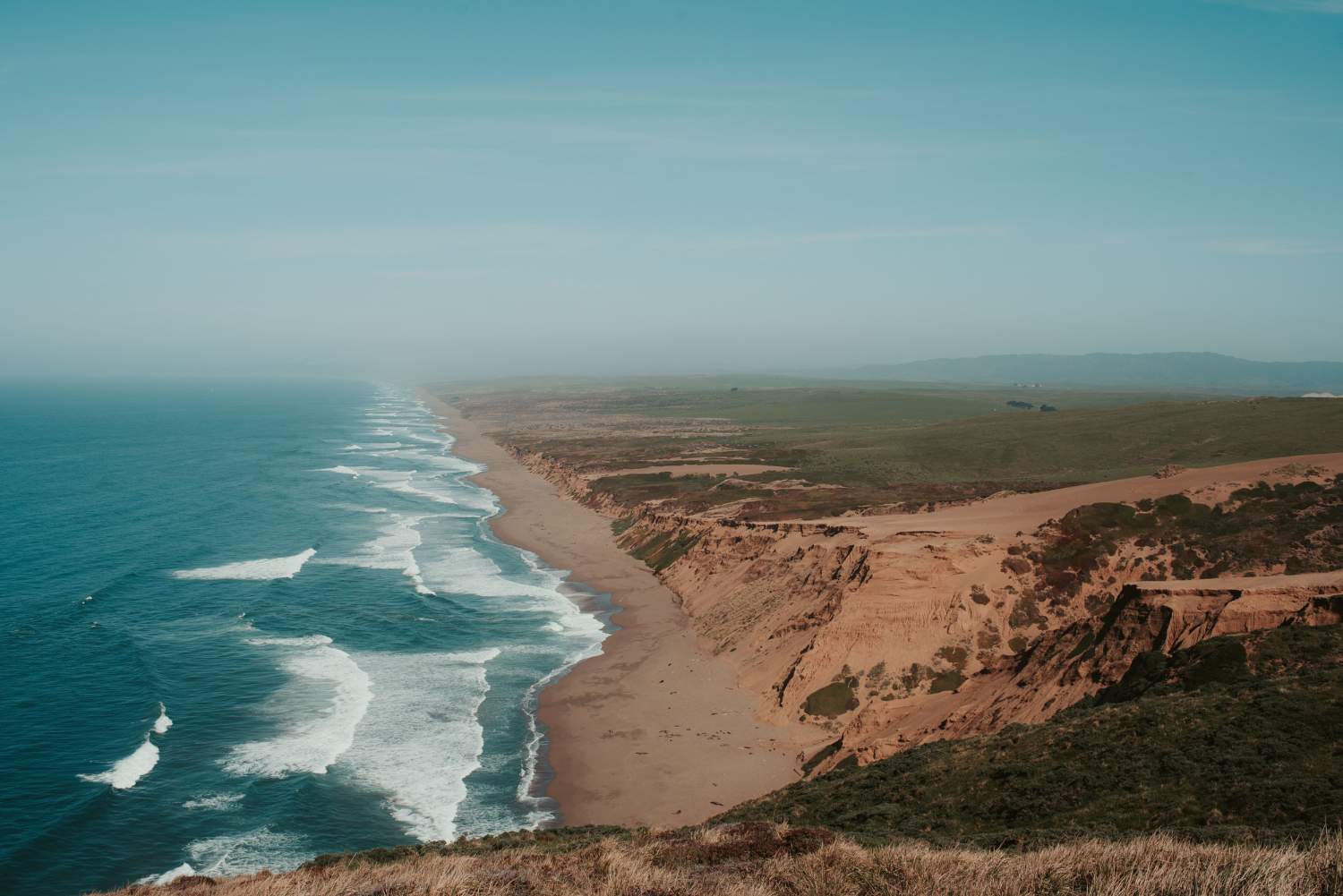
Dramatic coastal areas with tide pools, sea caves, rocky shores, and tidal flats are beautiful but can be deadly, as fast-incoming tides strand people, “sneaker waves” sweep visitors off rocks without warning, and tidal areas flood faster than expected. The danger is the deceptively calm appearance and the rapid, sometimes invisible, change. The defense: check tide tables before exploring tidal areas, never turn your back on the ocean on rocky shores (sneaker waves are a real and recurring killer), be aware of how quickly tides can cut off your return, and respect warning signs. The gentle beauty of a tide pool or rocky coast gives no hint of how quickly the sea can turn dangerous.
High-Altitude Destinations
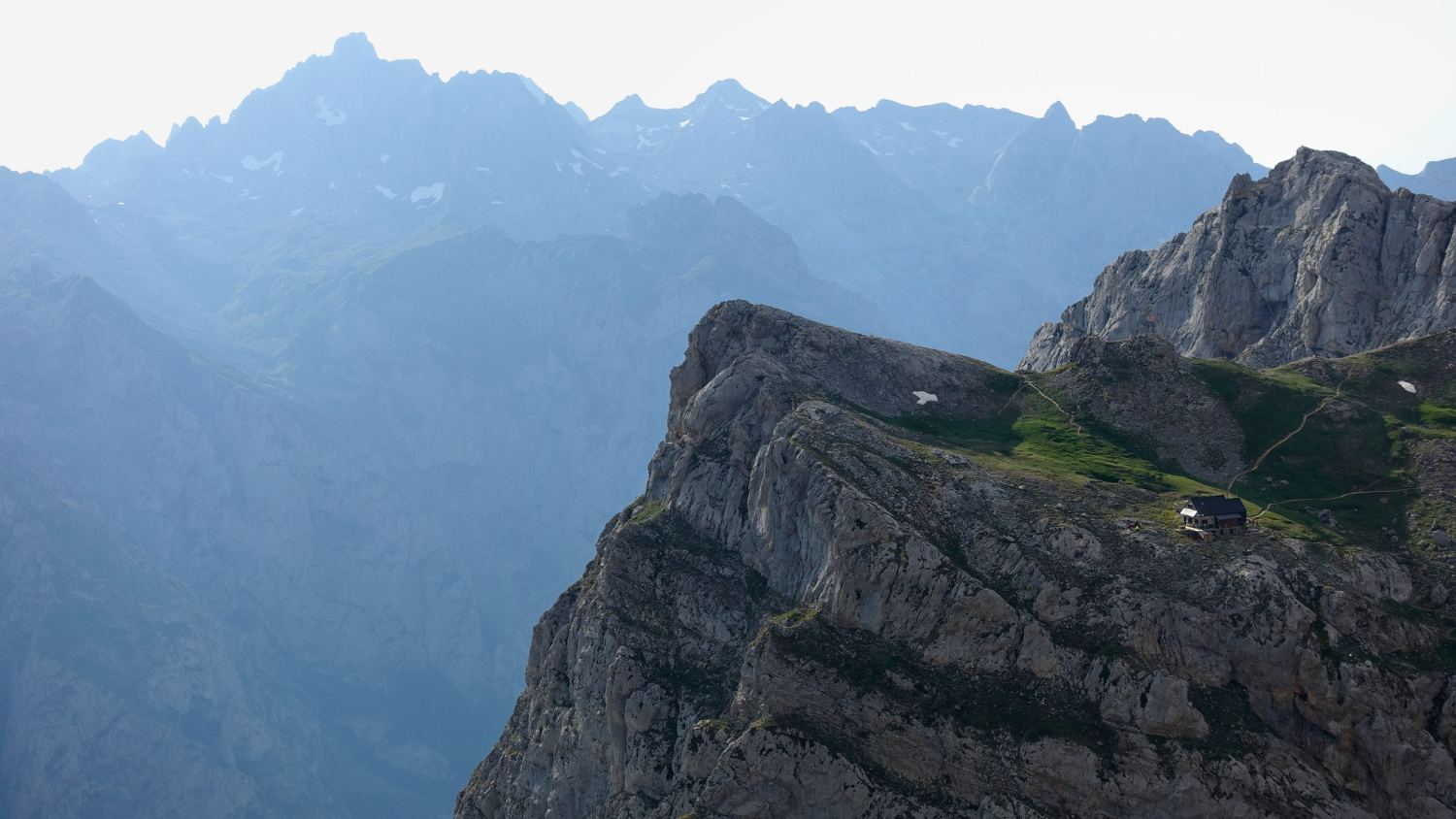
Breathtaking high-altitude destinations — mountain towns, high passes, famous peaks — pose a danger invisible in photos: altitude sickness, which can range from uncomfortable to life-threatening, and which strikes regardless of fitness. Tourists frequently ascend too quickly to high elevations and suffer the consequences. The defense: ascend gradually when possible to let your body acclimatize, stay hydrated, recognize the symptoms of altitude sickness (headache, nausea, dizziness), descend if symptoms worsen, and consult a doctor beforehand if you have concerns. The stunning thin-air beauty of high places comes with a physiological danger that the scenery completely hides and that fitness alone doesn’t prevent.
Wildlife in Beautiful Wild Places

The gorgeous wild places that draw tourists are also home to wildlife that can be dangerous when people get too close, frequently in pursuit of a photo. Every year, tourists are injured approaching large animals in national parks, treating wild and powerful creatures as if they were tame. The defense: keep a safe distance from all wildlife (parks specify minimums for a reason), never feed or approach animals, use a zoom lens rather than your feet for close-up photos, and remember that beautiful wild animals are exactly that — wild. The serene sight of wildlife in a stunning landscape tempts people into dangerous proximity, and the resulting injuries are almost always the result of humans ignoring the animal’s space.
The Bottom Line on Beautiful Dangers
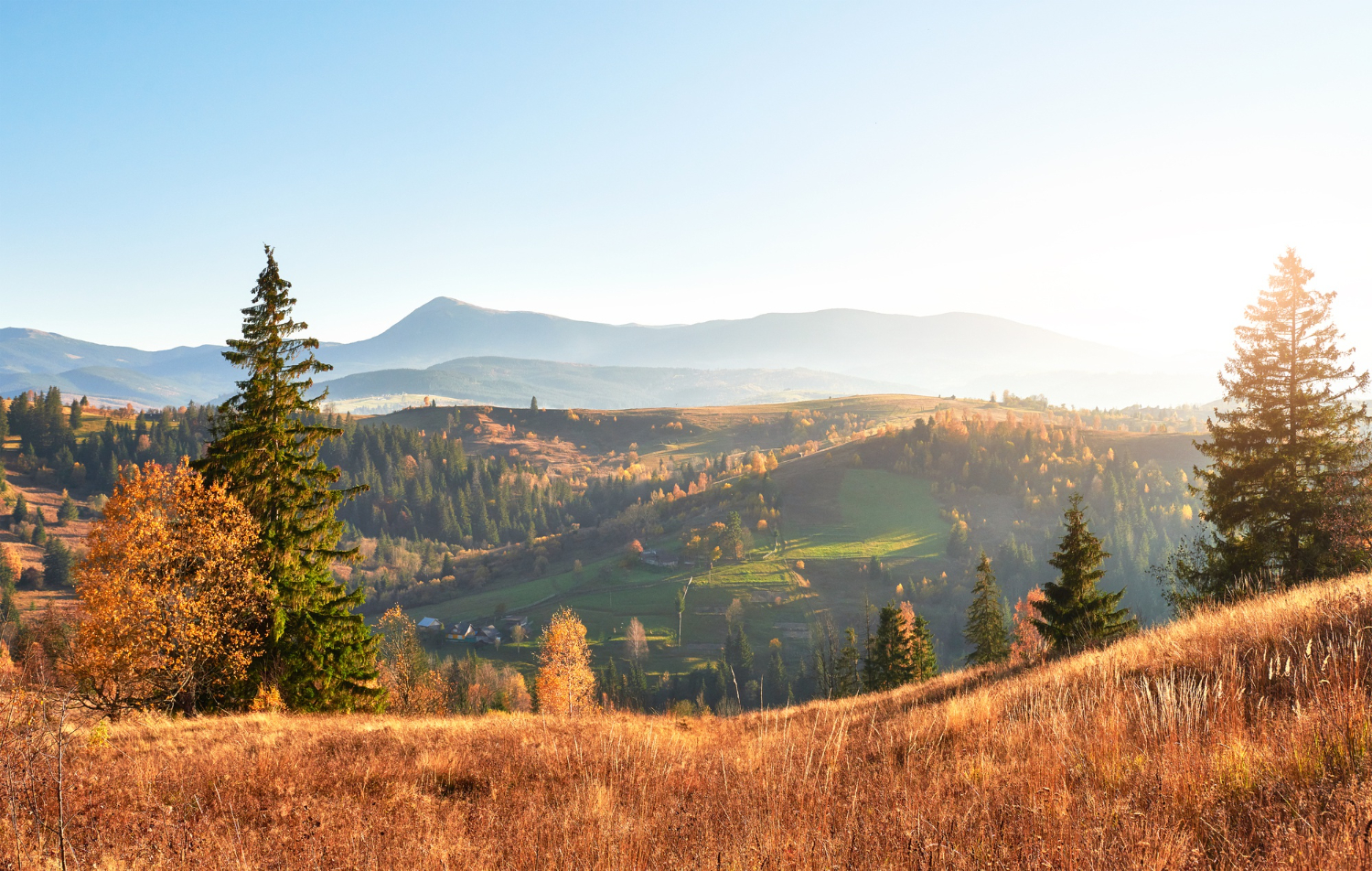
The unifying lesson across all these places is that natural beauty is not a measure of safety, and frequently disguises real danger precisely by being so serene and inviting. The tragedies at these spots — the drownings, falls, heat deaths, and wildlife injuries — are overwhelmingly preventable, and they happen because tourists relax their guard exactly where they should heighten it, or because the desire for a perfect photo overrides good sense. None of this means avoiding these extraordinary places; it means visiting them with respect and preparation. The core habits are simple: heed warning signs, barriers, flags, and lifeguards, which exist because of real past tragedies; stay on marked trails and behind railings; research the specific hazards of a place before you go; carry what you need (especially water in hot places); never prioritize a photograph over your safety; and approach the power of water, heat, height, and wildlife with humility. The most beautiful places on earth are absolutely worth visiting — they just demand that you respect the dangers their beauty hides. Travel to them with clear eyes and basic caution, and you’ll come home with the memories rather than becoming a cautionary tale.