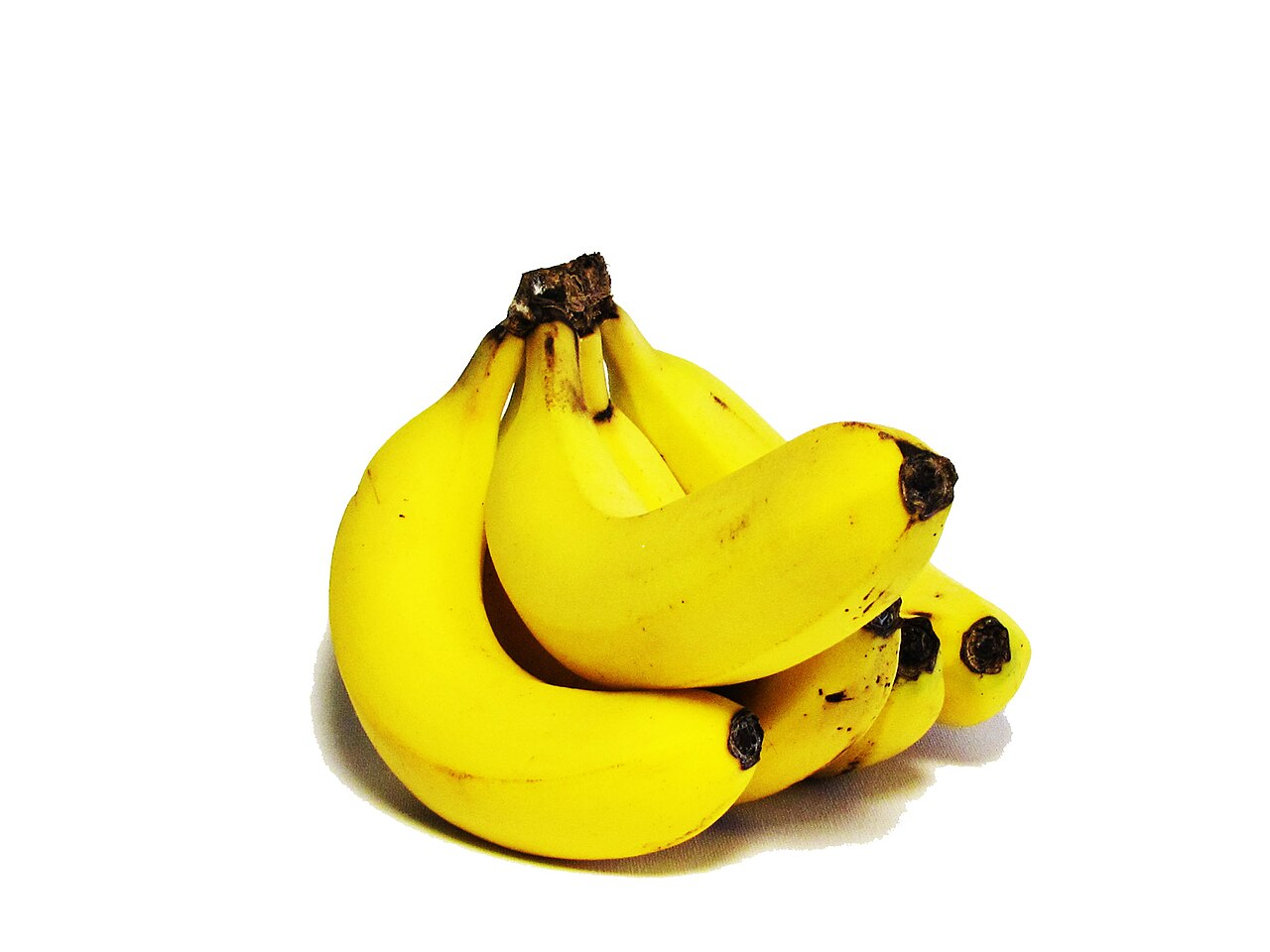
Here’s a strange thought to consider the next time you peel a banana: the banana you’re eating is not the same banana your grandparents or great-grandparents grew up with. For much of the twentieth century, the bananas sold and eaten across much of the world were a variety quite different from the one that fills supermarket shelves today, a variety that was, by many accounts, superior in taste, and which has since all but vanished from commercial existence. Its name was the Gros Michel, and its rise and fall is one of the most fascinating and cautionary stories in the history of food.
The tale of the Gros Michel banana touches on surprising subjects: the peculiar biology of the banana itself, a devastating plant disease that swept across continents, the reason artificial banana flavoring tastes oddly unlike the real fruit you buy today, and a looming threat that could see history repeat itself with the bananas we currently eat. It’s a story that reveals how something as simple and familiar as a banana can hide a dramatic and precarious history, and how the fruit in your kitchen is the product of a battle between agriculture and nature that is still being fought. Here is the story of the banana that disappeared, and what it means for the one you’re eating now.
The King of Bananas
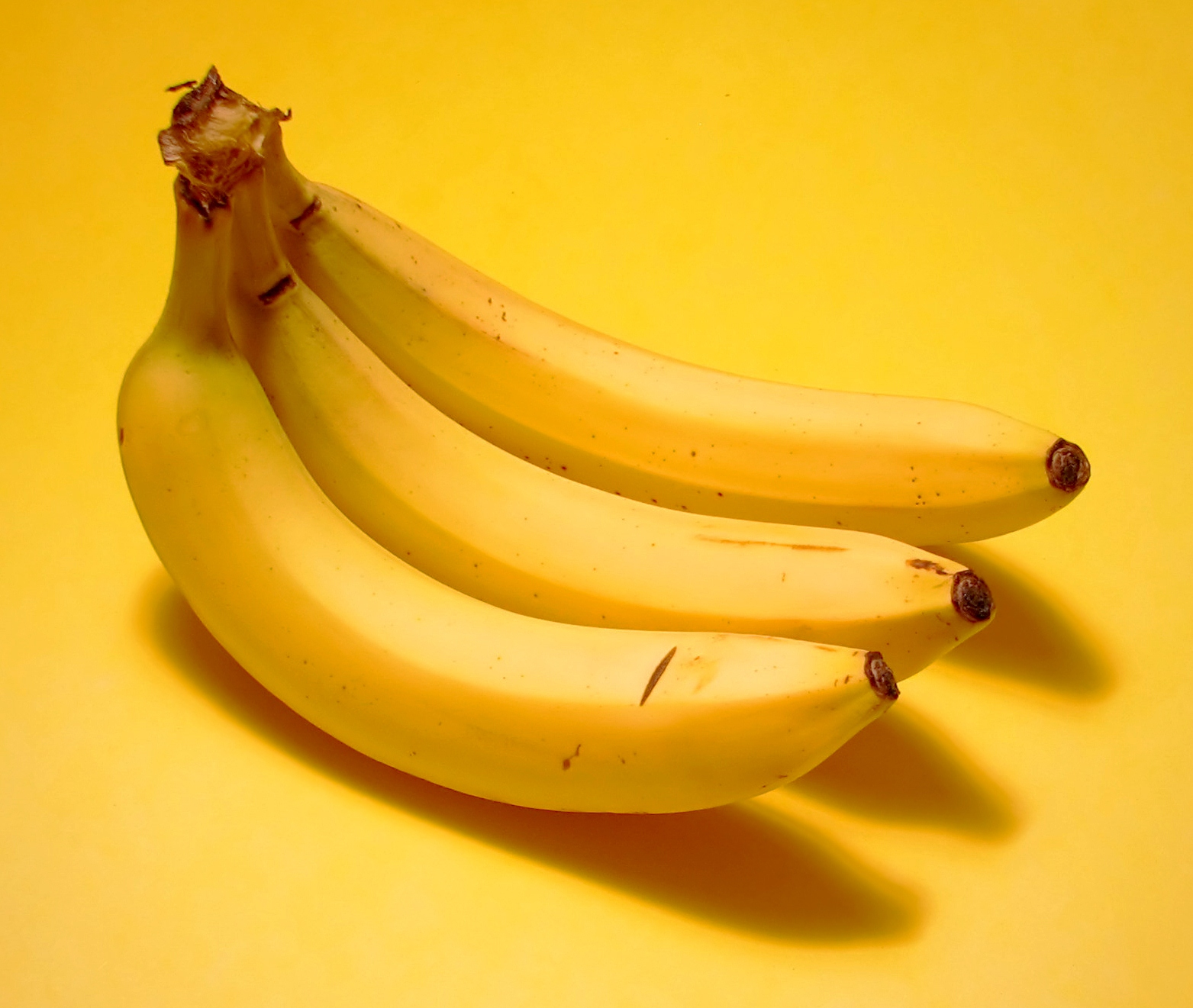
From roughly the late nineteenth century through the middle of the twentieth, the dominant banana in international trade was a variety called the Gros Michel, a French name meaning “Big Mike.” For generations of banana eaters, the Gros Michel simply was the banana; it was the fruit that built the global banana trade and made the banana a beloved and affordable staple in countries far from where it grew.
And by the accounts of those who remember it, the Gros Michel was a superb banana, widely considered superior to the variety we eat today. It was said to be sweeter and richer in flavor, with a more intense, almost candy-like banana taste. It was also praised for its practical virtues as a commercial fruit: it had a thicker, tougher peel that protected it well during long-distance shipping, and it tended to last longer before spoiling. These qualities made it ideally suited to being grown in the tropics and shipped over great distances to markets around the world. The Gros Michel became so prized that it was sometimes called the king of bananas, and it reigned over the world’s fruit bowls for decades. But lurking within the very way the banana was grown was a fatal vulnerability, one that would ultimately bring the reign of the Gros Michel to an end.
Like our content? Follow us for more.
A Fatal Weakness
To understand what happened to the Gros Michel, you have to understand a strange and crucial fact about commercial bananas: they are, in effect, clones. The bananas grown for global trade do not reproduce by seeds in the way many plants do. Instead, they are propagated from cuttings, meaning that each new banana plant is a genetic copy of its parent. As a result, an entire plantation, indeed an entire variety grown across many countries, consists of plants that are essentially genetically identical to one another.
This uniformity has advantages for growers, ensuring consistency in the fruit, but it carries a catastrophic risk. Because every plant is a genetic copy, they all share the same strengths and, critically, the same weaknesses. If a disease emerges that one plant cannot resist, then every plant is equally defenseless against it. There is no genetic variation in the population to provide some individuals with resistance, no natural firewall to slow the spread. An entire global crop of identical clones is, in a sense, a single organism spread across the world, and a threat that can kill one can kill them all. This is precisely the trap that the Gros Michel fell into. Grown as a vast monoculture of identical plants, it was uniquely vulnerable to any disease that could exploit its particular genetic makeup. And in time, exactly such a disease arrived.
The Disease That Killed a Banana
The killer was a plant disease known as Panama disease, or Fusarium wilt, caused by a soil-borne fungus. The fungus attacks the banana plant through its roots, invading its vascular system and choking off the flow of water and nutrients, causing the plant to wilt and die. Worse still, the fungus persists in the soil, contaminating the ground and making it impossible to simply replant the same vulnerable variety in an infected field.
A strain of this disease began spreading through the banana plantations of Latin America, and for the Gros Michel, it was an unmitigated catastrophe. Because every Gros Michel plant was a genetically identical clone, they were all equally susceptible, and the disease tore through the plantations with devastating effect. Field after field, plantation after plantation, the Gros Michel plants sickened and died, and the contaminated soil could not support a replacement crop of the same variety. The fungus was relentless and, at the time, there was no cure and no effective way to stop it. Over the course of the middle decades of the twentieth century, Panama disease brought the mighty Gros Michel to its knees, wiping out the commercial crop across its major growing regions. By around the 1960s, the Gros Michel had become commercially extinct, effectively wiped out from the global banana trade, a stunning collapse for what had been the world’s dominant fruit. The banana industry faced ruin, and it needed a savior, a new banana that could resist the disease and take the Gros Michel’s place.
Enter the Cavendish
The replacement the industry turned to was a different variety of banana called the Cavendish, and it is the Cavendish that you almost certainly eat today. The Cavendish had one crucial advantage that made it the salvation of the banana trade: it was resistant to the strain of Panama disease that had destroyed the Gros Michel. Where the Gros Michel died, the Cavendish survived, and so the large fruit companies that dominated the banana business raced to replace their dying Gros Michel crops with the disease-resistant newcomer.
But the Cavendish came with trade-offs. By most accounts, it was considered inferior to the Gros Michel in important respects. It was widely regarded as blander, less sweet, and less richly flavored than the banana it replaced. It was also more delicate, bruising more easily and requiring more careful handling and shipping. To make the switch work, the industry had to adapt its growing and transportation methods to accommodate the more fragile fruit. But for all its shortcomings, the Cavendish had that one essential quality, resistance to the disease, and that was enough. It was rolled out across the banana-growing world, and over the following years it became the new standard, the banana that billions of people would come to know as simply “banana.” Most people eating a Cavendish today have no idea that they are eating a substitute, a runner-up variety that was pressed into service after the real star of the show was struck down by disease.
Why Fake Banana Tastes “Off”
This history holds the key to a small mystery that many people have puzzled over: why does artificial banana flavor, the kind found in banana-flavored candies, taste so different from, and to many people so much less like, an actual banana? The taffy, the banana runts, the banana-flavored medicines and treats, all seem to share a distinctive artificial banana taste that doesn’t quite match the Cavendish banana you buy at the store. It’s a common observation, and there’s a widely repeated explanation rooted in the story of the Gros Michel.
The popular account holds that artificial banana flavoring was developed and modeled to mimic the taste of the Gros Michel, the dominant banana at the time the flavoring came into wide use, rather than the Cavendish that would later replace it. According to this idea, the reason fake banana flavor tastes “wrong” to us is that it isn’t wrong at all; it’s actually a fairly faithful echo of the older, richer, more intensely flavored Gros Michel banana that our ancestors ate, a variety with a stronger, more candy-like banana taste. When we compare the artificial flavor to our familiar Cavendish and find a mismatch, in this telling, we’re really tasting the ghost of a banana that has all but disappeared from the world. It should be noted that this explanation, while popular and appealing, is somewhat debated among experts, and the true story of artificial banana flavor may be more complicated. But the connection between the intense flavor of the lost Gros Michel and the distinctive taste of banana candy remains a beloved and plausible piece of food lore.
History May Be Repeating Itself
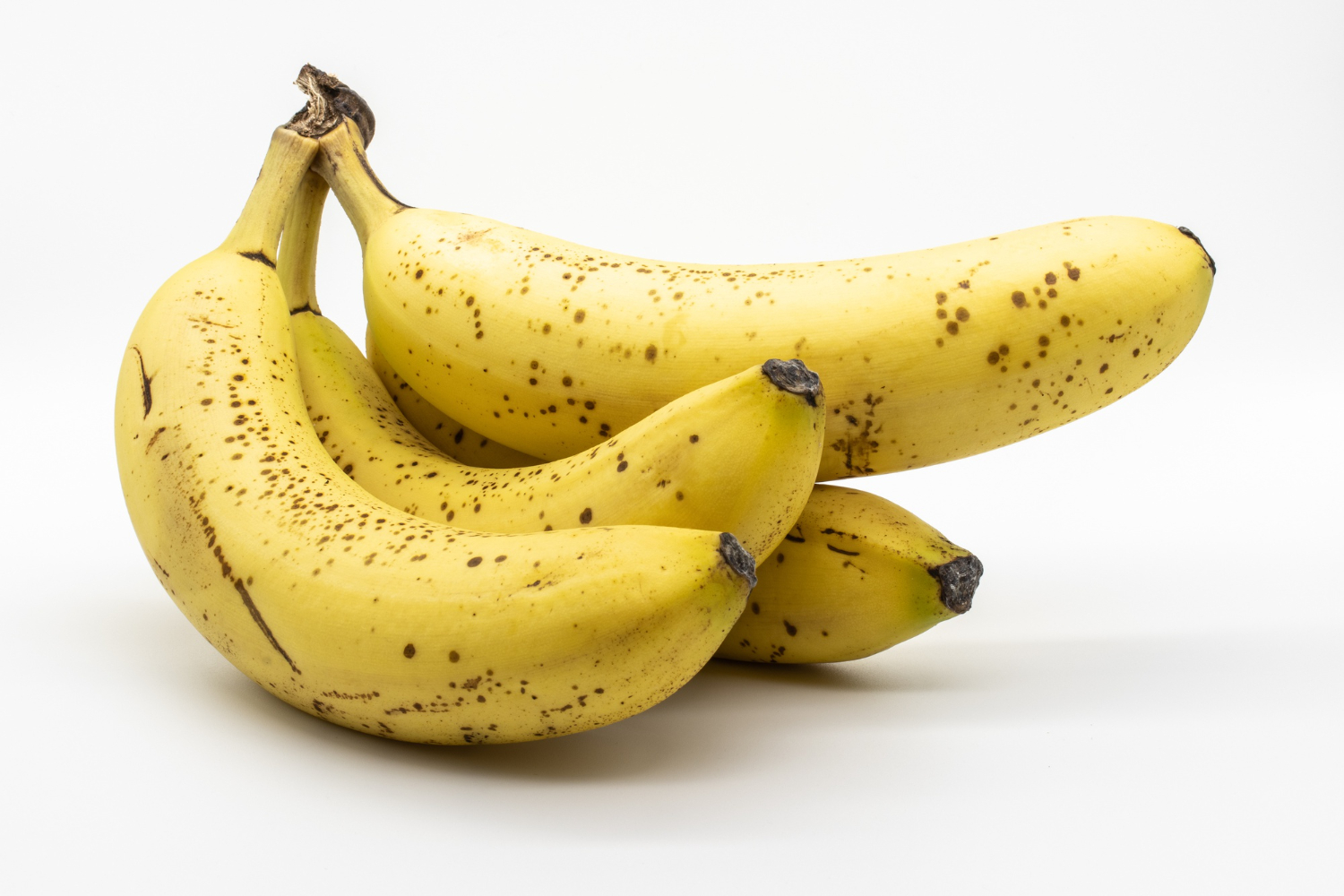
Perhaps the most sobering part of the banana’s story is that the disaster that befell the Gros Michel may now be unfolding all over again, this time with the Cavendish. The Cavendish, remember, was chosen because it resisted the strain of Panama disease that killed the Gros Michel. But the Cavendish shares the same fundamental vulnerability as its predecessor: it, too, is grown as a vast monoculture of genetically identical clones, with no genetic diversity to protect it against a new threat.
And a new threat has emerged. A different, more aggressive strain of Panama disease has appeared and spread across banana-growing regions in various parts of the world, and unlike the earlier strain, this one is capable of attacking and killing the Cavendish. In recent years, it has spread across multiple continents and has reached the Americas, the heart of the banana export industry, raising alarm about the future of the world’s most popular banana. The Cavendish, in other words, may be facing the same fate that it once rescued the industry from, threatened by a disease against which its uniform, cloned population has little defense. Scientists are working urgently on solutions, including efforts to breed or engineer bananas with resistance to the new disease, but there is no guaranteed fix yet. The banana we eat today, like the one our grandparents ate, could one day become a casualty of the very monoculture that makes it so cheap and abundant, and future generations might find themselves eating yet another variety, and wondering, perhaps, why the old banana flavor tasted the way it did.
The Fragile Fruit in Your Kitchen
The humble banana, it turns out, carries within it a remarkable and cautionary tale, one of a beloved variety lost to disease, a substitute pressed into service, a quirk of artificial flavoring that preserves the memory of a vanished fruit, and a looming threat that could repeat the whole cycle. It’s a story that transforms the most ordinary item in the fruit bowl into a window onto the risks and fragilities hidden within our modern food system.
The lesson of the Gros Michel is really a lesson about the dangers of uniformity, about what can happen when we stake our food supply on a single, genetically identical crop with no diversity to fall back on. It’s a lesson that agricultural scientists take very seriously, and it applies far beyond bananas. But it’s the banana, with its dramatic history and its familiar presence in kitchens everywhere, that tells the story most vividly. So the next time you eat a banana, or taste that curious artificial banana flavor in a piece of candy, spare a thought for the Gros Michel, the king of bananas, brought down by a fungus and living on now mostly as a flavor and a memory, and consider the strange and precarious journey that brought the fruit in your hand to your table.
Like our content? Follow us for more.