Every generation watches certain jobs fade away — made obsolete by new technology, changing tastes, or shifts in how the world works. The American workforce of just a few generations ago was full of occupations that were utterly ordinary then and have now all but vanished, jobs that millions of people held and that shaped daily life in ways that are easy to forget. The milkman who delivered to your door, the operator who connected your calls, the pinsetter at the bowling alley, the elevator operator who took you to your floor — these were real, common jobs that simply don’t exist anymore, or barely do. Looking back at them is a window into how dramatically work and daily life have changed, frequently within a single lifetime. Here are once-common American jobs that have almost completely disappeared, and the forces that made them obsolete.
The pattern behind nearly all of these vanished jobs is the same: a technology arrived that did the work faster, cheaper, or automatically, and a once-ubiquitous occupation faded into memory. Here are the jobs that defined earlier eras of American work and have now nearly vanished.
The Telephone Switchboard Operator
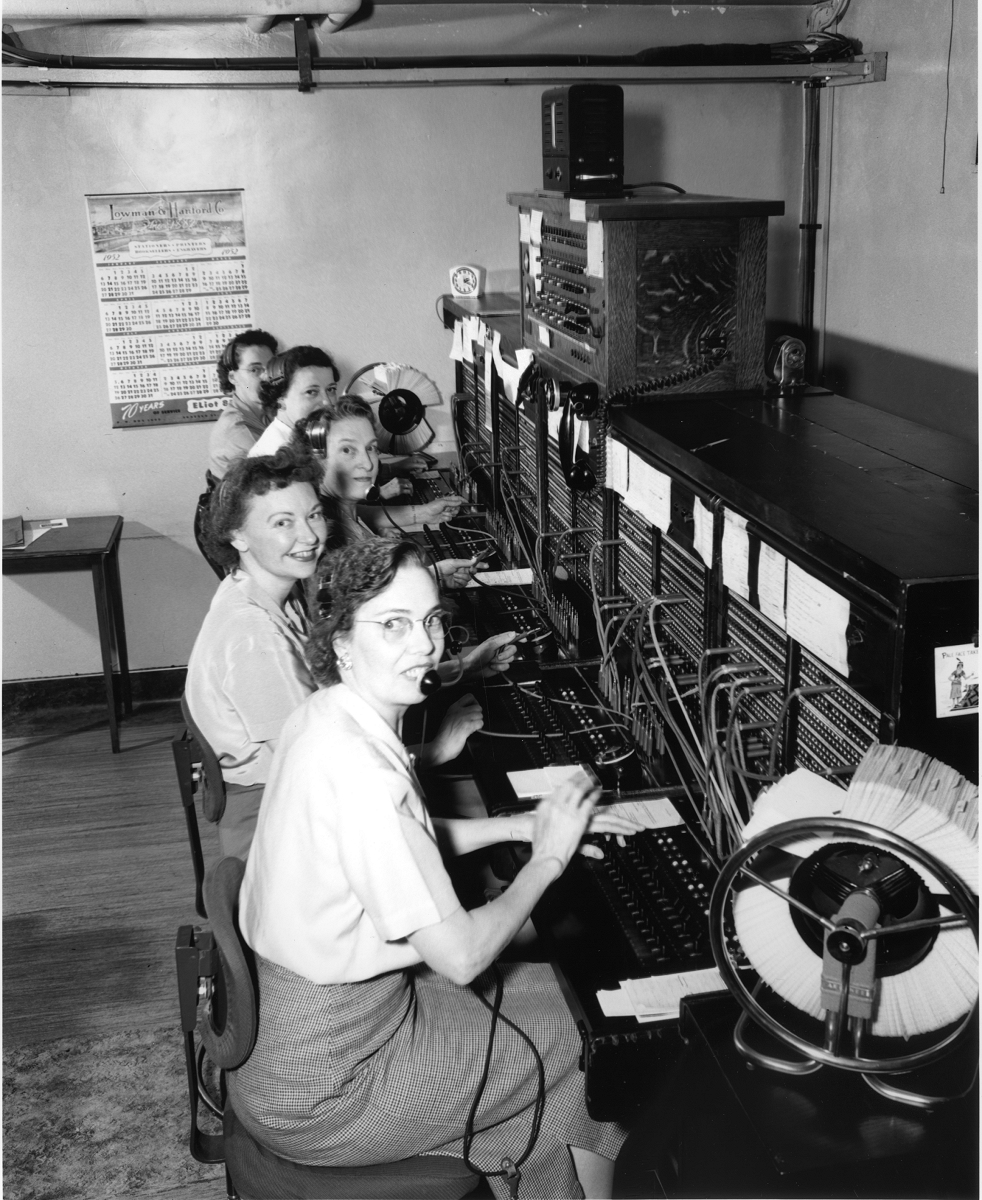
For decades, connecting a phone call required a human switchboard operator — usually a woman — who physically plugged cables into a board to link callers. It was a massive industry employing huge numbers of people, and the operator was a familiar voice in everyone’s life. Automatic switching and direct dialing gradually eliminated the need, and the role had largely vanished by the late 20th century. The switchboard operator, once one of the most common jobs for American women and an essential link in everyday communication, is now a piece of history that younger generations have never encountered.
The Milkman
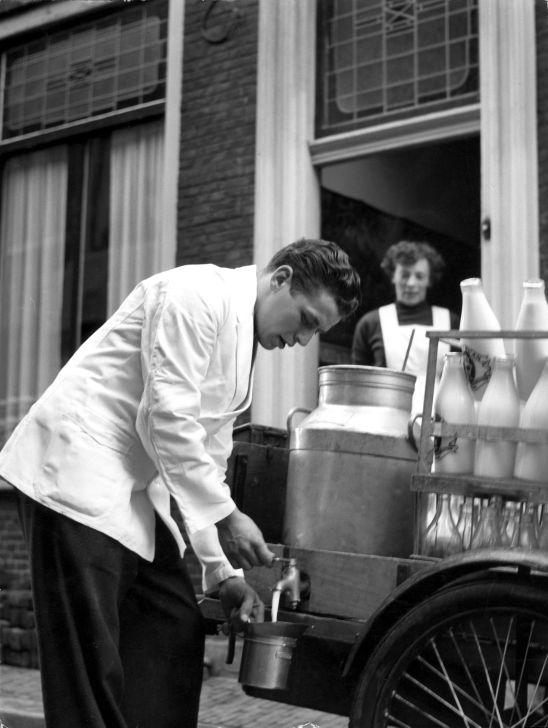
The milkman delivered fresh milk in glass bottles to doorsteps across America, a daily presence in neighborhoods and a fixture of mid-century life, leaving bottles in the insulated milk box on the porch. The combination of widespread home refrigeration, the rise of supermarkets, and changing economics made home milk delivery obsolete by the later decades of the 20th century. The milkman, who once knew every family on his route and was woven into the rhythm of daily life, has almost entirely disappeared, surviving only in small pockets and as a powerful symbol of a more personal era of commerce.
The Pinsetter
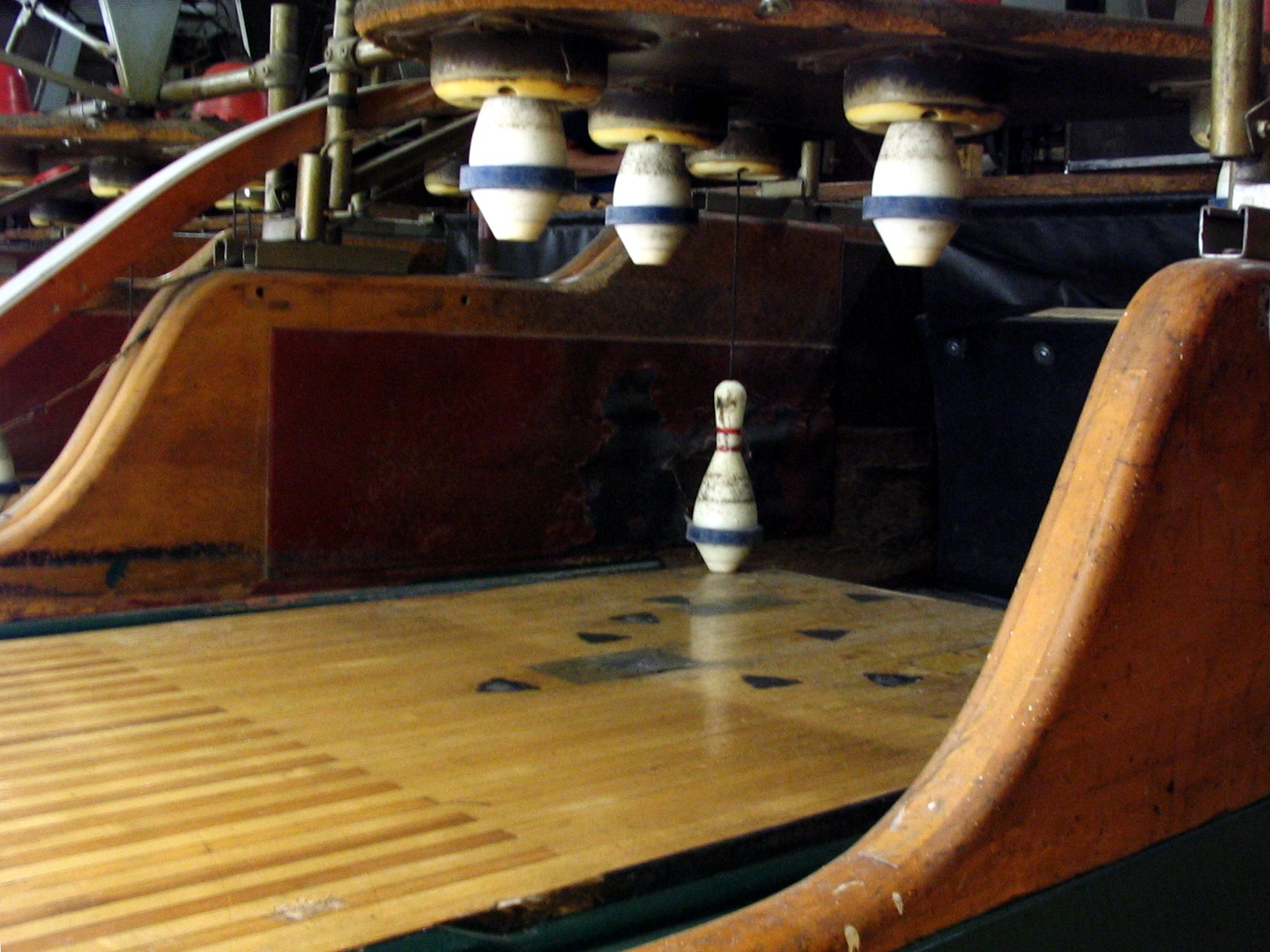
Before automatic machines, bowling alleys employed “pinsetters” or “pin boys” — frequently teenagers — who sat at the end of the lanes and manually reset the pins and returned the balls after each frame. It was physically demanding and sometimes dangerous work. The invention of the automatic pinsetting machine in the mid-20th century eliminated the job almost entirely. The manual pinsetter, once a common job for young people and an essential part of every bowling alley, vanished so completely that most modern bowlers have no idea the job ever existed, hidden behind the machinery at the end of the lane.
The Elevator Operator
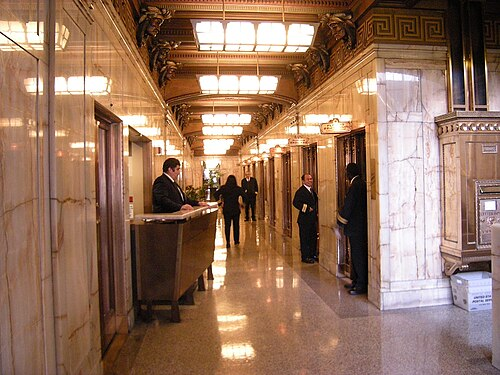
Elevator operators once staffed the elevators of office buildings, hotels, and department stores, manually controlling the car’s movement and announcing floors, a uniformed and familiar presence. As automatic elevators with push-button controls became reliable and trusted, the human operator became unnecessary, and the job faded through the mid-to-late 20th century. The elevator operator, once a ubiquitous figure who controlled a technology people didn’t yet trust to run itself, disappeared as automation took over, leaving behind only the occasional ceremonial operator in a few historic buildings.
The Lamplighter

In the era of gas street lamps, the lamplighter walked the streets at dusk lighting each lamp by hand and returned at dawn to extinguish them, a familiar evening figure in cities and towns. The spread of electric street lighting, which could be switched on automatically, made the lamplighter obsolete. Though this job vanished earlier than most others on this list, it represents the archetypal example of a once-essential occupation rendered completely unnecessary by a single technological advance, surviving now only in literature, nostalgia, and the occasional preserved historic district.
The Ice Man
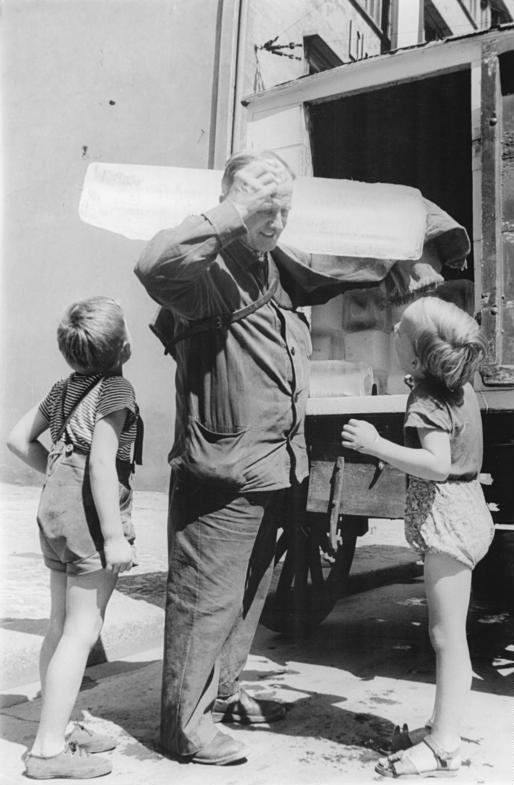
Before electric refrigerators, the ice man delivered large blocks of ice to homes for the “icebox” that kept food cold, hauling heavy blocks with tongs up to kitchens. It was grueling physical labor and a daily necessity. The widespread adoption of the electric refrigerator through the early-to-mid 20th century eliminated the need entirely and remarkably quickly. The ice man, once an essential figure whose deliveries kept households running, vanished as the refrigerator became standard, a clear example of how a single household technology can erase an entire common occupation within a generation.
The Typesetter and Linotype Operator
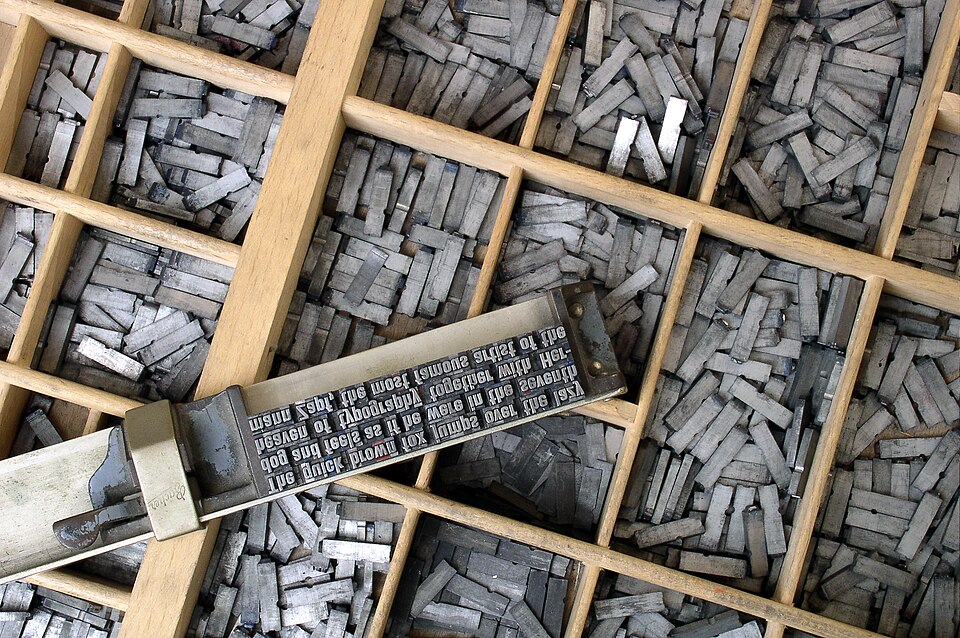
For centuries, printing required skilled typesetters who arranged individual metal letters by hand, later operating Linotype machines that cast lines of type, a skilled trade essential to newspapers, books, and all printed material. The digital revolution in publishing — computers, desktop publishing, and digital printing — eliminated the traditional typesetting trade almost entirely. The skilled typesetter, once central to the entire world of print and the carrier of a centuries-old craft, saw the profession vanish within a few decades as publishing went digital, ending one of the oldest skilled trades.
The Pin-Striper and Hand Sign Painter
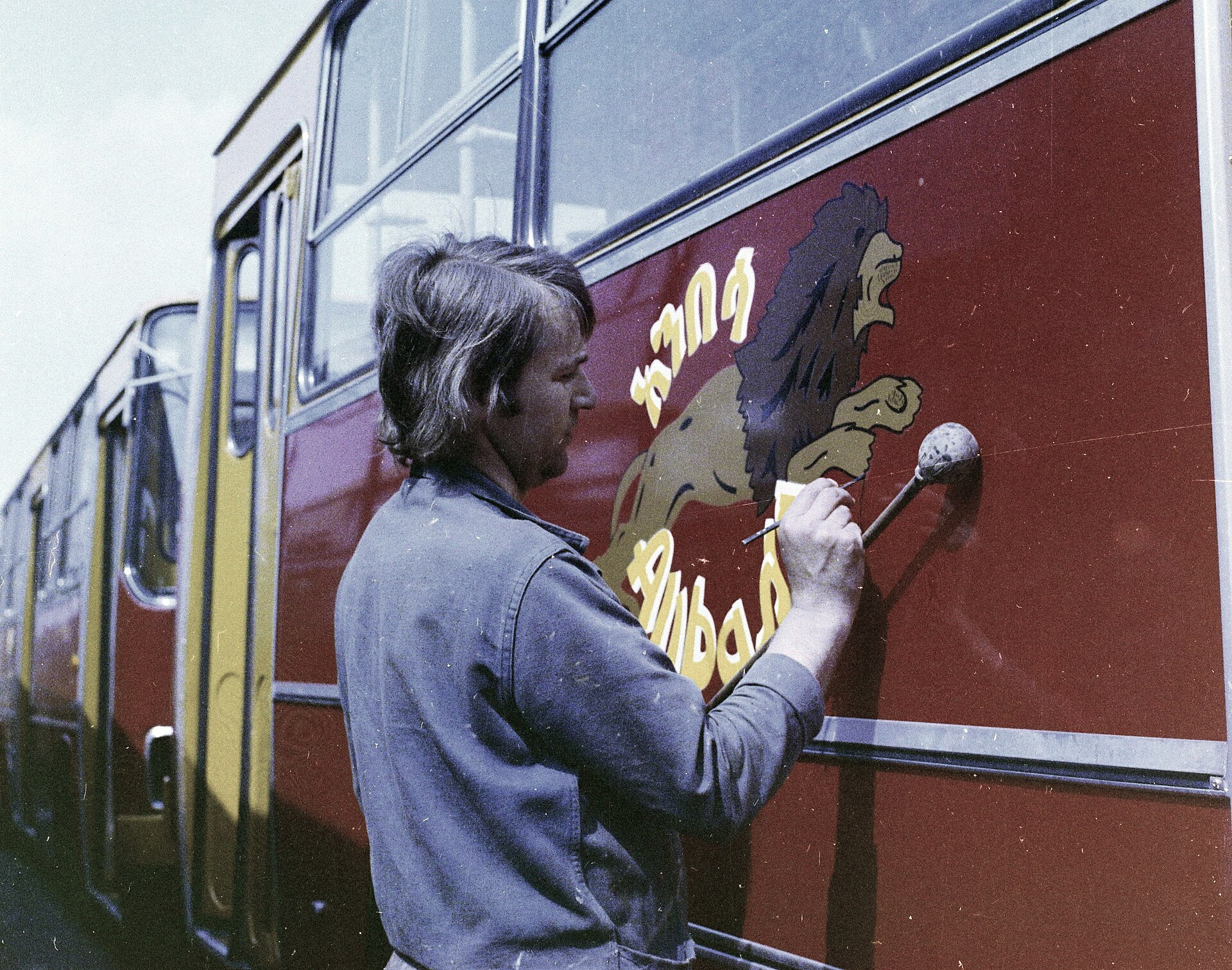
Skilled sign painters and pin-stripers once hand-lettered every storefront sign, advertisement, and vehicle by hand, a respected craft requiring years to master, and their work defined the look of American main streets. Computerized vinyl cutting, digital printing, and modern signage technology largely displaced the hand sign painter. While the craft has seen a small revival among artisans, the once-common profession of hand-lettering the nation’s signs has largely disappeared. The hand sign painter, whose skill shaped the visual character of American commerce, became a rarity as technology automated the work.
The Door-to-Door Salesman
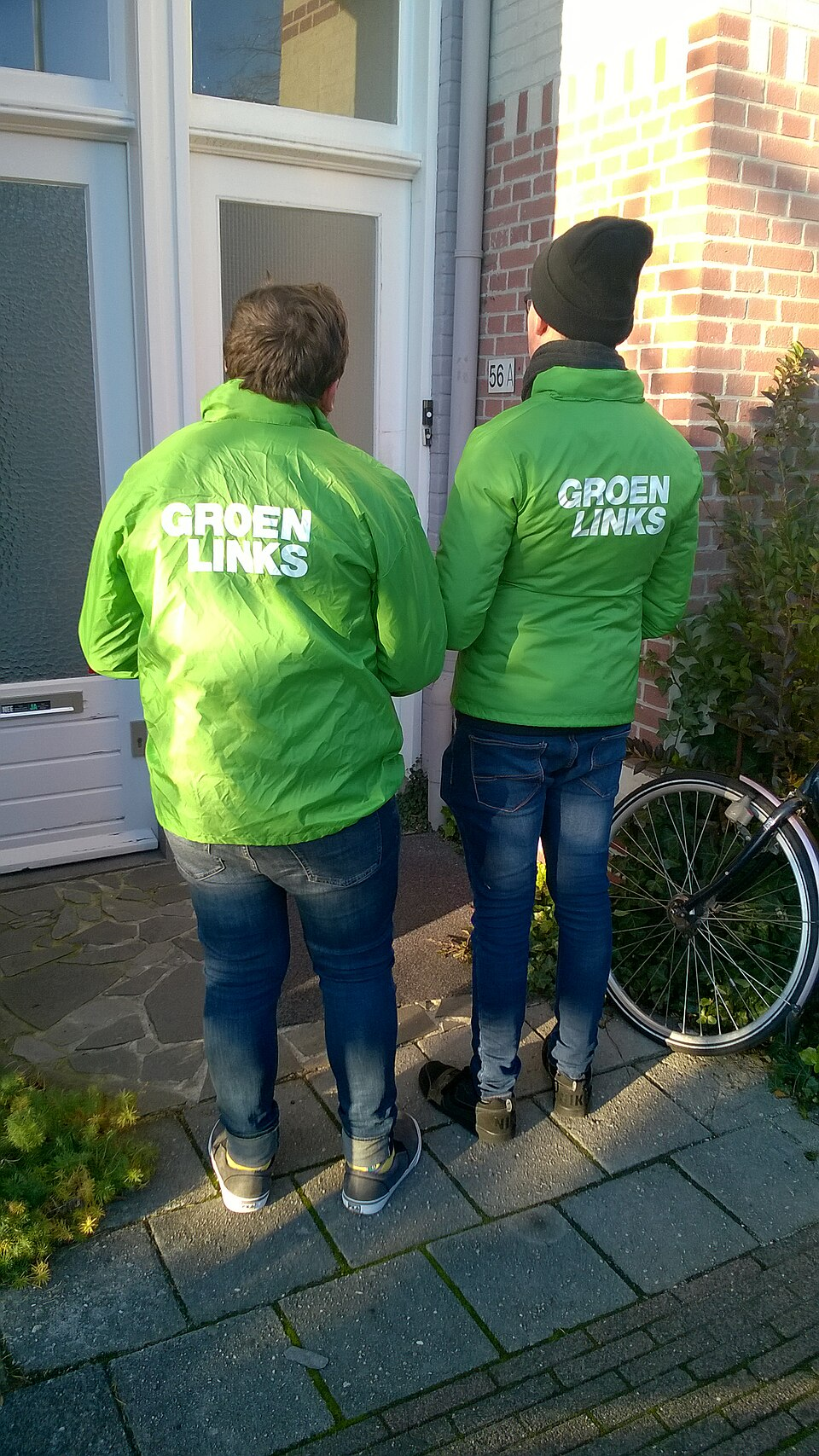
The door-to-door salesman — selling everything from encyclopedias to vacuum cleaners to brushes — was once a ubiquitous figure in American neighborhoods, a common entry-level job and a familiar knock at the door. Changing lifestyles (fewer people home during the day), security concerns, and eventually the rise of telemarketing and then e-commerce made the traveling salesman largely obsolete. The door-to-door salesman, once a fixture of American commerce and the subject of countless cultural references, has almost entirely disappeared, replaced first by other sales channels and ultimately by online shopping.
The Switchboard of Other Vanished Roles
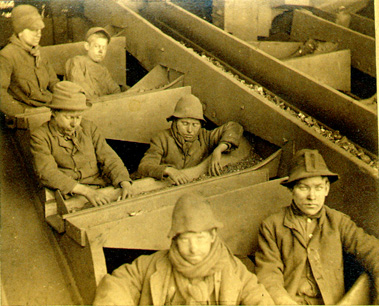
Many other once-common jobs have faded for similar reasons: the pinboy’s cousins across the service economy — the full-service gas station attendant, the movie-theater usher, the human “computer” who performed calculations by hand before electronic computers, the town crier of much earlier eras, the telegraph operator, and the bowling-alley and theater roles that automation erased. Each followed the same arc: essential and ordinary in its time, then rendered unnecessary by a new technology. Together they form a portrait of how relentlessly the nature of work changes, with whole categories of common employment vanishing as machines and new systems take over the tasks people once did by hand.
What the Vanished Jobs Tell Us
Looking back at these disappeared occupations is more than nostalgia — it’s a reminder of how profoundly and continuously work changes, frequently within a single lifetime. Every one of these jobs was once utterly ordinary, held by millions, woven into the fabric of daily life, and then made obsolete by a technology that did the work better. The milkman, the operator, the pinsetter, the elevator operator, the ice man, the typesetter: people built lives and careers around these roles, and they vanished within a generation or two. There’s something both poignant and instructive in that. The poignancy is in the human stories — the routes walked, the calls connected, the skills mastered, all rendered unnecessary. The instruction is in the pattern, which continues today: automation, software, and changing technology are reshaping work right now, and some jobs that feel utterly permanent and ordinary in our own time will likely seem just as quaint to future generations as the lamplighter and the switchboard operator seem to us. The vanished jobs are a window into the past, but also a quiet reminder that the world of work has always been, and always will be, in motion.
Like our content? Follow us for more.