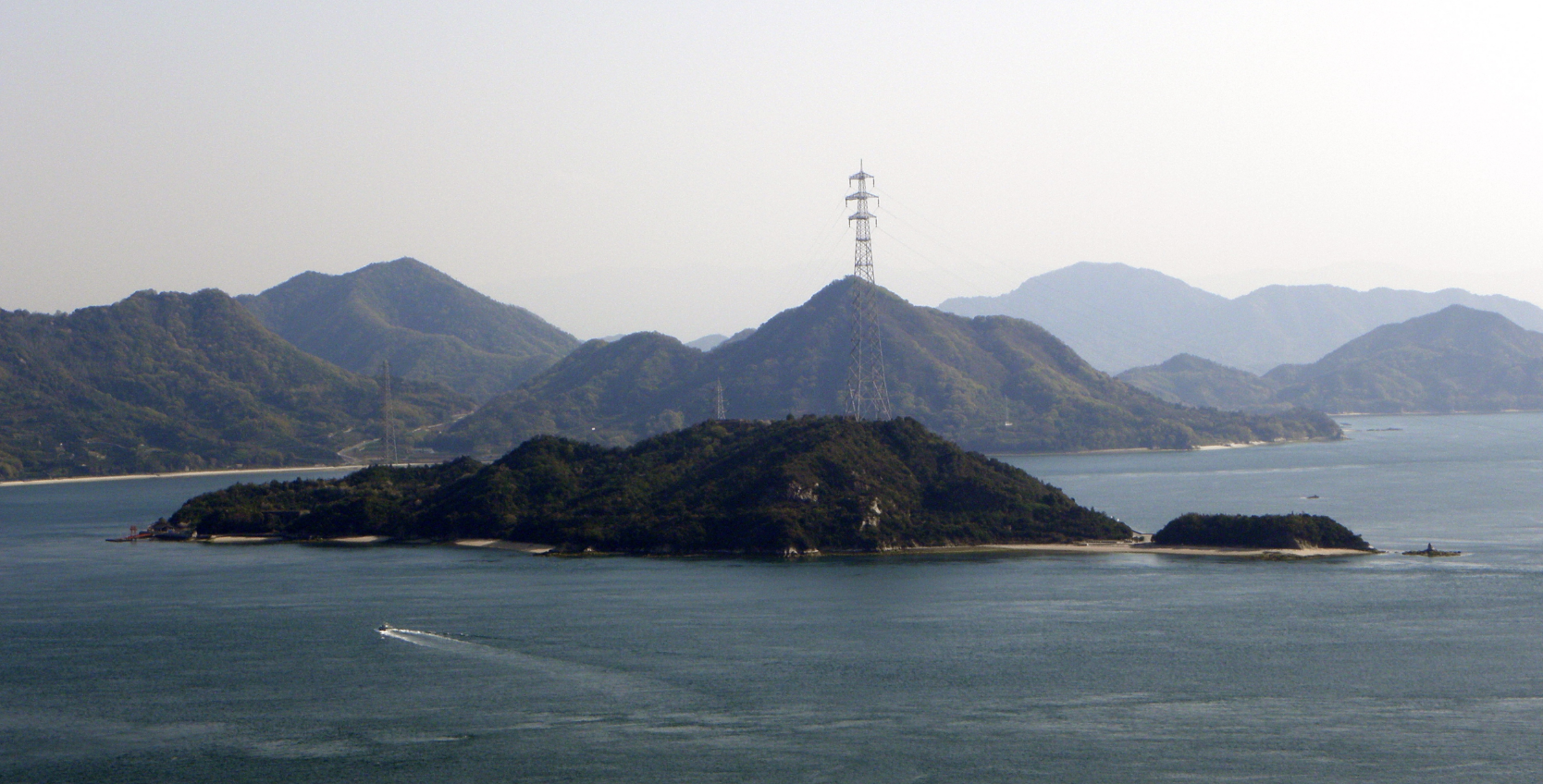
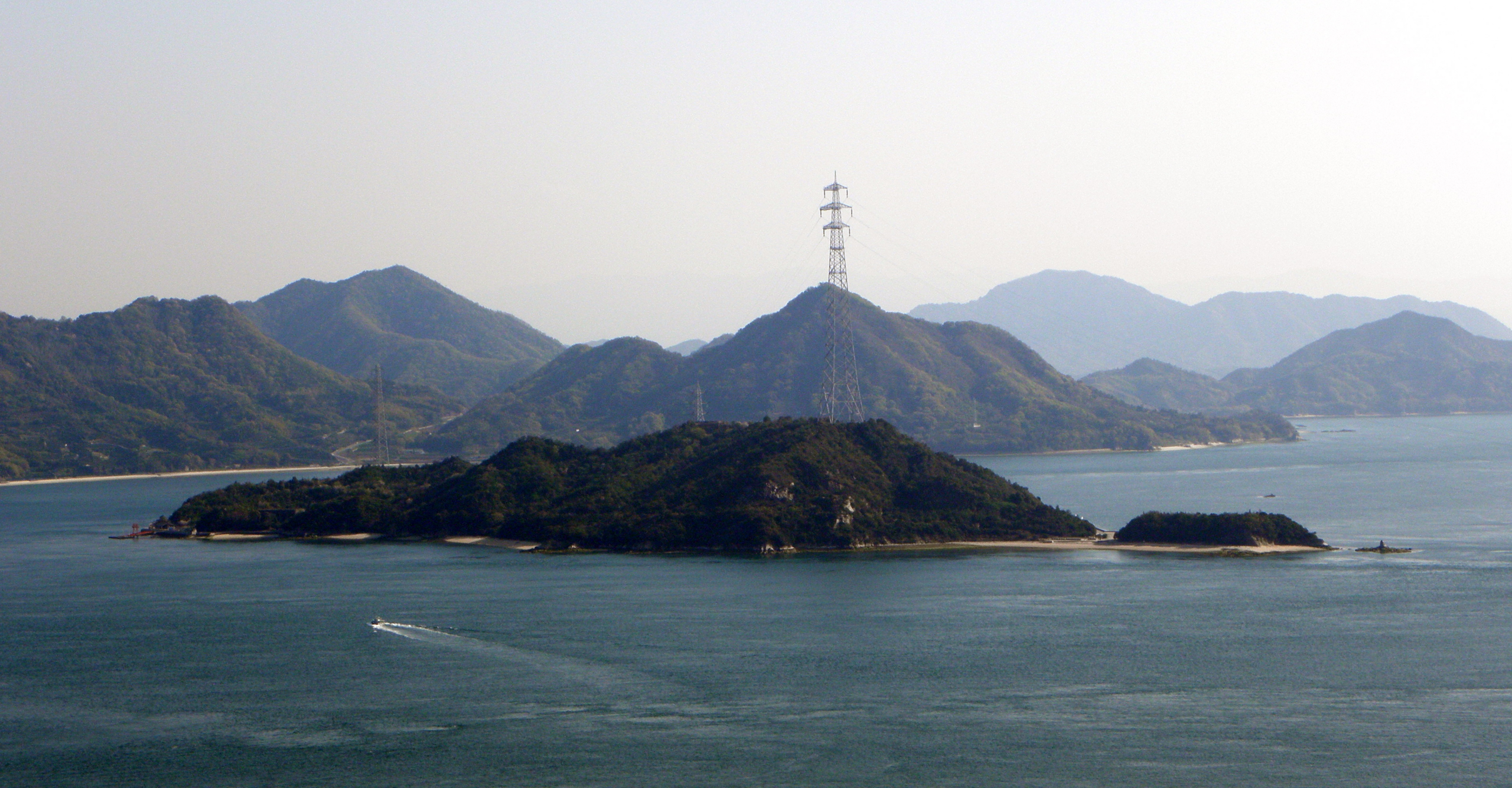
Ōkunoshima sits in Japan’s Inland Sea, a 30-minute ferry from Hiroshima. It’s famous globally as “Rabbit Island” — a place where 700+ feral rabbits approach tourists for food and produce some of the most-shared cute videos on social media. Almost none of the visitors know that the same island produced 6,000 tons of mustard gas and other chemical weapons between 1929 and 1945, that the Japanese government literally erased it from official maps to hide its existence, and that the chemical weapons buried there continue to harm people in China nearly 80 years later. Here’s the documented history.
1: A Tiny Island in Japan’s Inland Sea
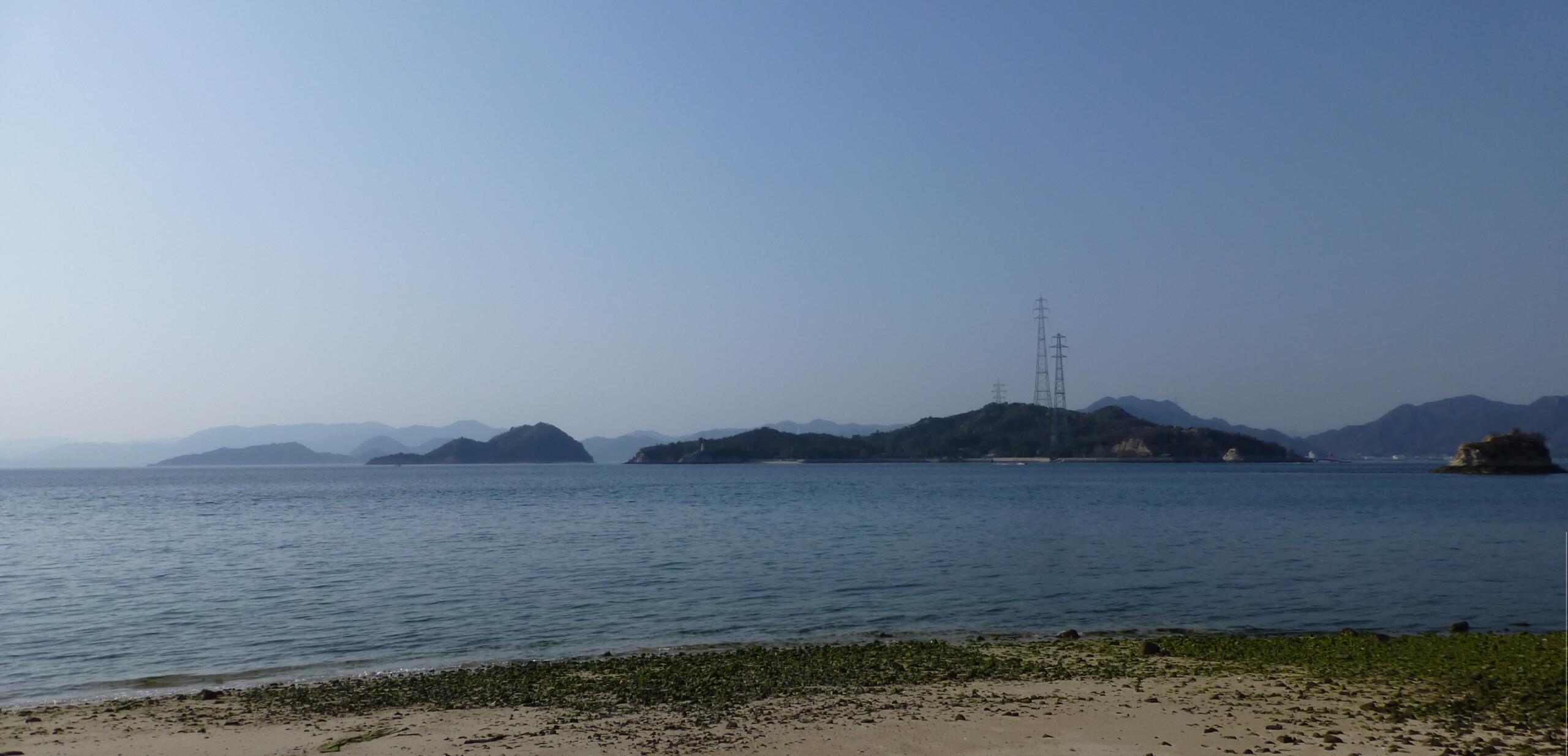
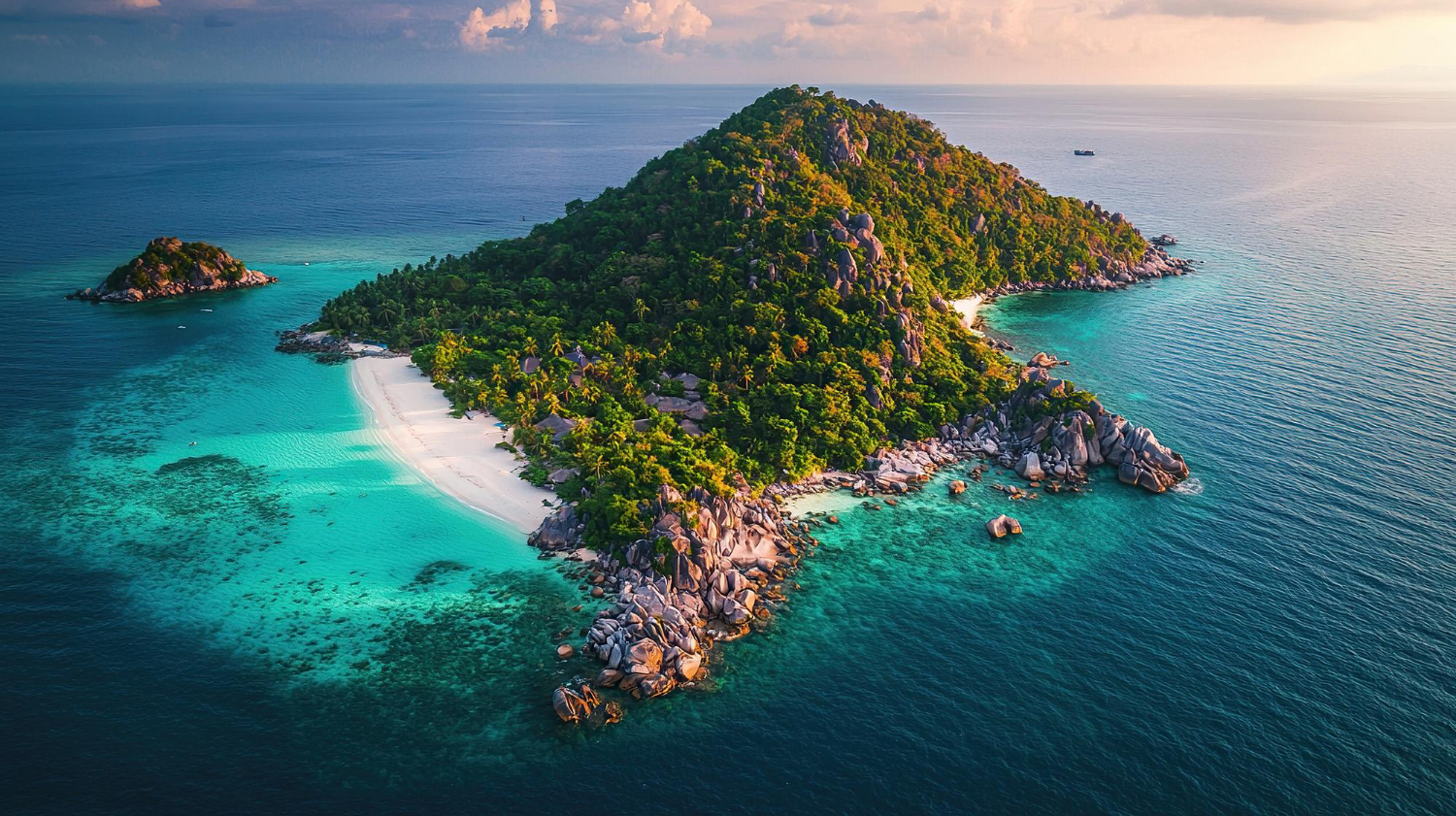
Ōkunoshima is a small island in the Seto Inland Sea, part of the city of Takehara in Hiroshima Prefecture. It measures approximately 0.7 square kilometers — smaller than New York’s Central Park. The island sits 3 kilometers off the mainland, accessible by a 10-minute ferry from Tadanoumi Port.
For most of its history, Ōkunoshima was an unremarkable agricultural island. That changed during the 1904-1905 Russo-Japanese War, when ten coastal forts and gun emplacements were built to protect Japan’s inland sea from naval attack. The military fortification of the island was the first sign that its remoteness from civilian populations made it strategically valuable.
2: The 1929 Decision
In 1929, the Imperial Japanese Army made a specific decision: Ōkunoshima would become Japan’s main chemical weapons production facility. Japan had signed the 1925 Geneva Protocol banning the use of chemical weapons in warfare — but had not banned their development or production. The Imperial Army intended to maintain a substantial chemical weapons capability despite international agreements.
Ōkunoshima was chosen for specific reasons: small enough to control completely, far enough from population centers to limit accidental exposure, geographically isolated enough to maintain secrecy, and located in the Inland Sea away from foreign observation. The army ordered the few civilian residents near the planned plant site to relocate. Construction of the chemical weapons facility began.
Slide 3: Erased from the Map
The secrecy around Ōkunoshima reached extraordinary levels. Workers at the chemical weapons plant were forbidden to tell anyone — even their own parents — about the nature of their work. Residents of nearby Tadanoumi were prohibited from approaching the island.
In 1938, the Imperial Japanese Army took the secrecy further: Ōkunoshima was literally erased from official maps of Japan compiled by the army’s land-surveying section. The island ceased to exist on official Japanese maps. For 16 years (1938-1945), one of Japan’s most strategically important industrial facilities was officially nonexistent. The cartographic erasure was designed to prevent foreign powers from identifying the production site for potential bombing.
4: The Production Begins
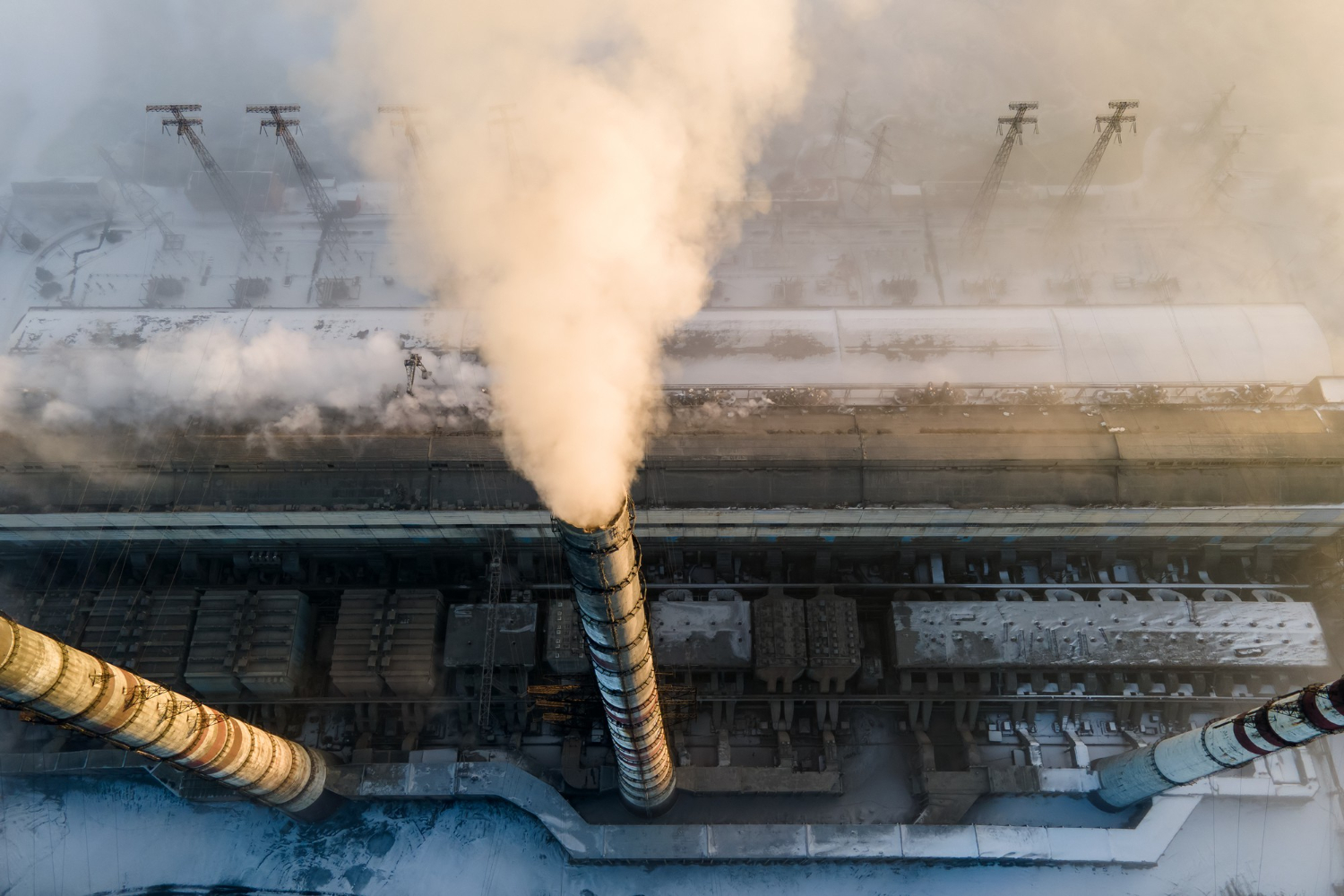
In May 1929, the Ōkunoshima facility began producing tear gas and mustard gas. Production capabilities expanded rapidly to include phosgene, lewisite, hydrogen cyanide, and various other lethal chemical agents. By the height of operations, approximately 6,000 workers were employed at the facility — many of them mobilized children and women who had no choice in the assignment.
Between 1929 and 1945, Ōkunoshima produced approximately 6,000-9,000 tons of chemical weapons (estimates vary by source). Approximately 90% of all Japanese chemical weapons during this period originated from this single small island. To put the scale in context: one gram of mustard gas was lethal under appropriate exposure conditions; ten tons could theoretically kill the population of Tokyo.
5: The Worker Casualties

The conditions at the Ōkunoshima facility were genuinely horrific for the workers. Protective equipment was inadequate. Safety protocols were minimal. The chemical exposure that the workers received in the course of producing weapons routinely produced severe injuries — burns, respiratory damage, cancers, and various other long-term health effects.
Many workers died during the production years. Others survived but with chronic conditions that would persist for decades. The exact casualty numbers among the workforce remain incompletely documented because the Japanese government deliberately maintained secrecy about the program both during and after the war. Workers were prohibited from discussing their experiences and faced informal pressure to remain silent even after Japan’s surrender.
6: The Use in China
The chemical weapons produced at Ōkunoshima were used primarily during Japan’s invasion of China. Between 1937 and 1945, the Imperial Japanese Army used chemical weapons on as many as 2,091 separate occasions, primarily against Chinese military and civilian targets.
Casualty estimates from Japan’s chemical weapons attacks in China range from 36,968 to 80,000 people killed. Many more were injured. The Japanese chemical warfare policy explicitly permitted use against China but prohibited use against Allied forces in the Pacific Theater — for the specific reason that the United States possessed chemical weapons capability and could retaliate in kind. China, lacking equivalent retaliation capability, was the primary target.
7: The 1945 Surrender and Cover-Up
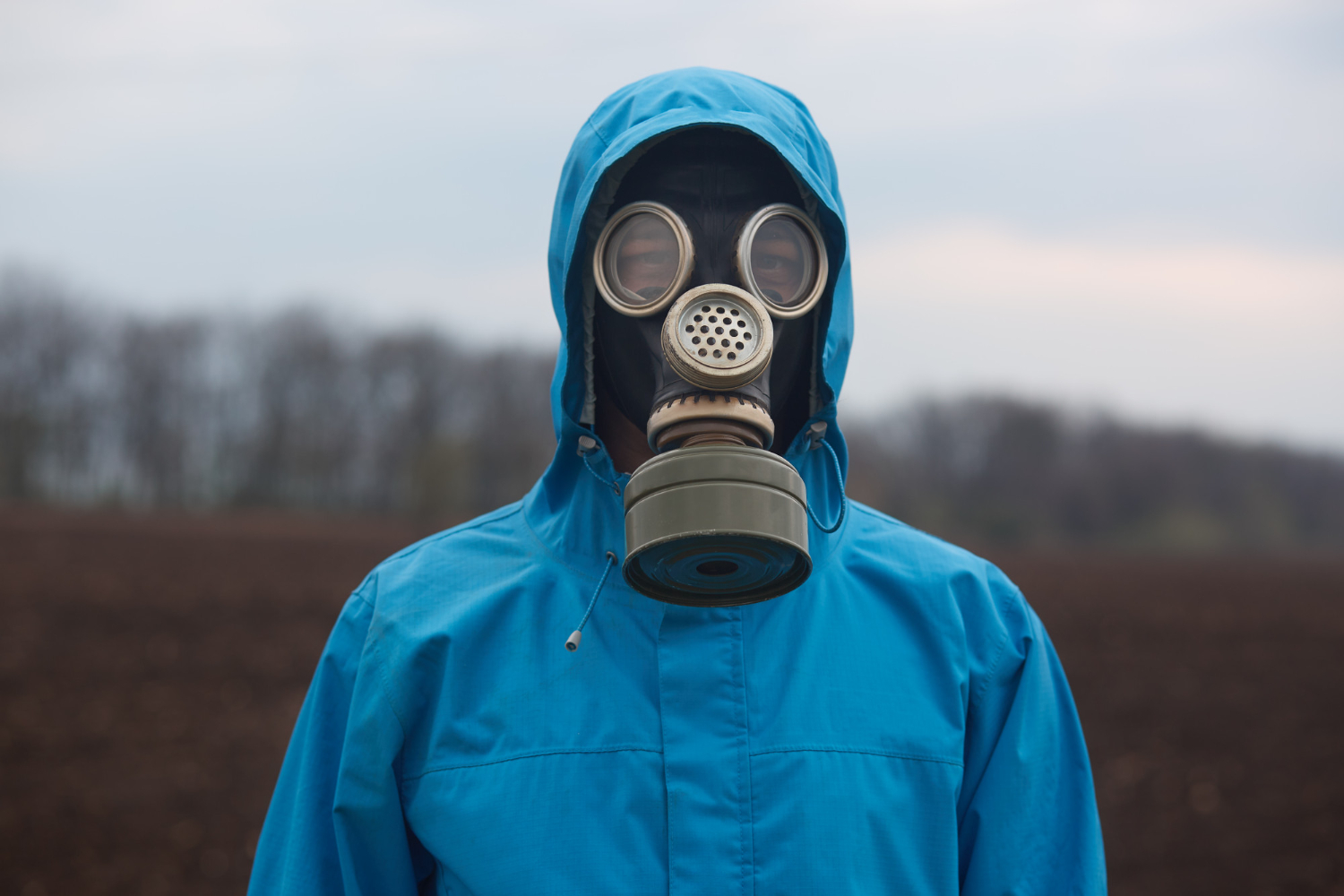
When Japan surrendered in August 1945, the immediate Japanese response at Ōkunoshima was systematic destruction of evidence. Documents about the chemical weapons program were burned. The approximately 200 rabbits that had been used for chemical weapons testing were exterminated to prevent investigation. Workers were instructed to remain silent about their work.
Allied Occupation Forces eventually arrived and disposed of the remaining chemical weapons stocks — through dumping at sea, burning, or burial. The disposal was conducted with limited regard for long-term environmental consequences. Many chemical weapons were buried on the island itself or dumped in nearby waters. Others were left in China, where Japanese troops had abandoned them rather than transport them home.
8: The Decades of Silence
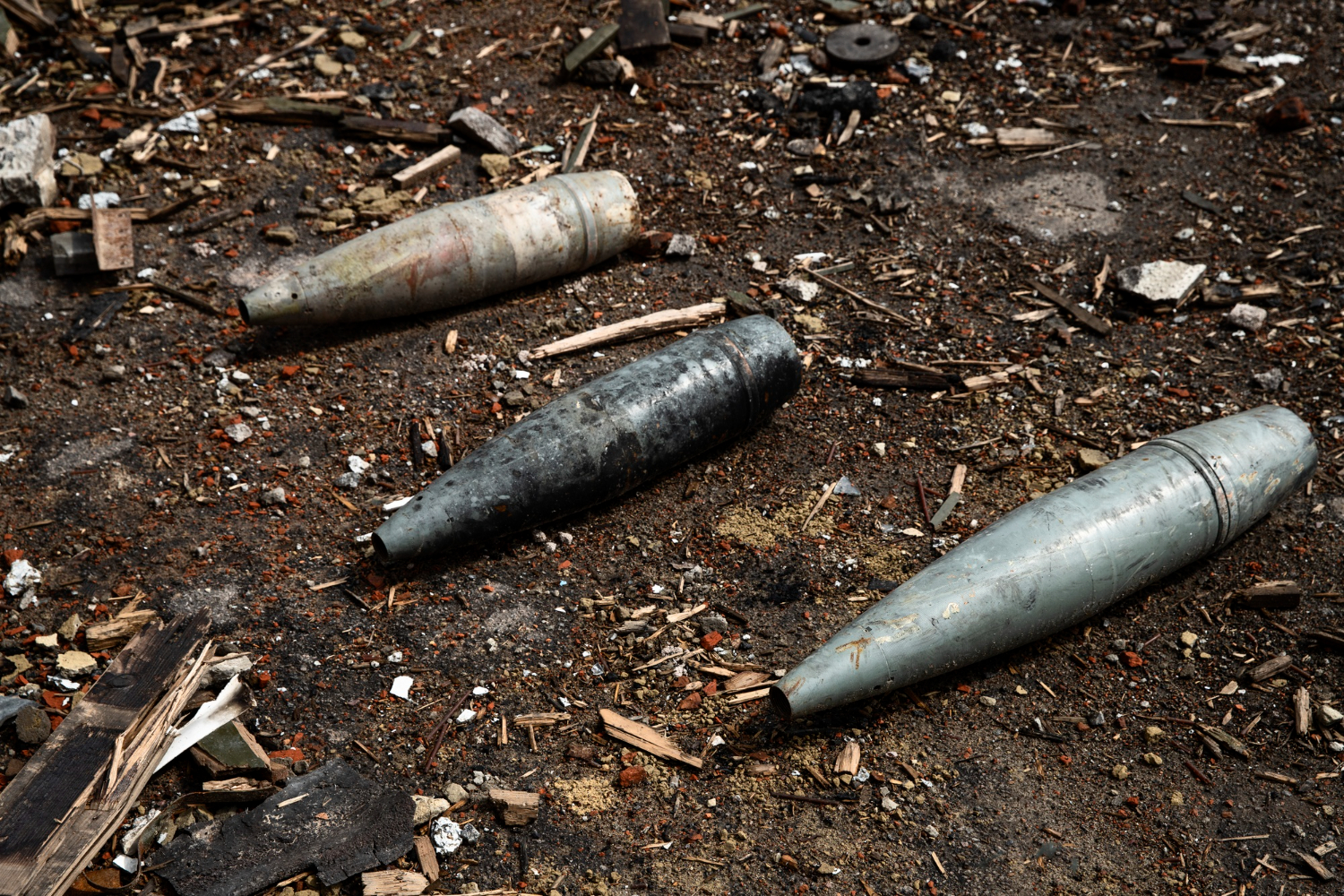
For 40 years after the war, the existence of the Ōkunoshima chemical weapons program was substantially suppressed in Japanese public discourse. American military authorities had specific strategic reasons to suppress information about the Japanese chemical weapons program — they wanted to study the captured technology themselves. Not a single Japanese official was ever held accountable for the chemical weapons project at the International Military Tribunal for the Far East.
Workers who suffered after-effects from the production were initially denied government compensation. The Japanese government enacted laws to compensate atomic bomb victims but explicitly excluded poison gas production workers. The dark history of Ōkunoshima was deliberately obscured even from the workers themselves and their families.
9: The Post-War Park and the Rabbits
After World War II, the Japanese government redeveloped Ōkunoshima as a national park. As part of the redevelopment, domestic rabbits were released onto the island. With no natural predators (cats and dogs are prohibited), the rabbits multiplied dramatically.
The rabbits’ origins are disputed. Some accounts claim they were released by school children who could no longer care for them. Others suggest deliberate introduction to attract tourists. What’s certain: the modern rabbits are NOT descendants of the laboratory rabbits used for chemical weapons testing — those were all exterminated in 1945. The current population descends from animals released later. The exact numbers fluctuate but estimates typically range from 700 to 1,000+ rabbits living on the small island.
10: The 1988 Museum
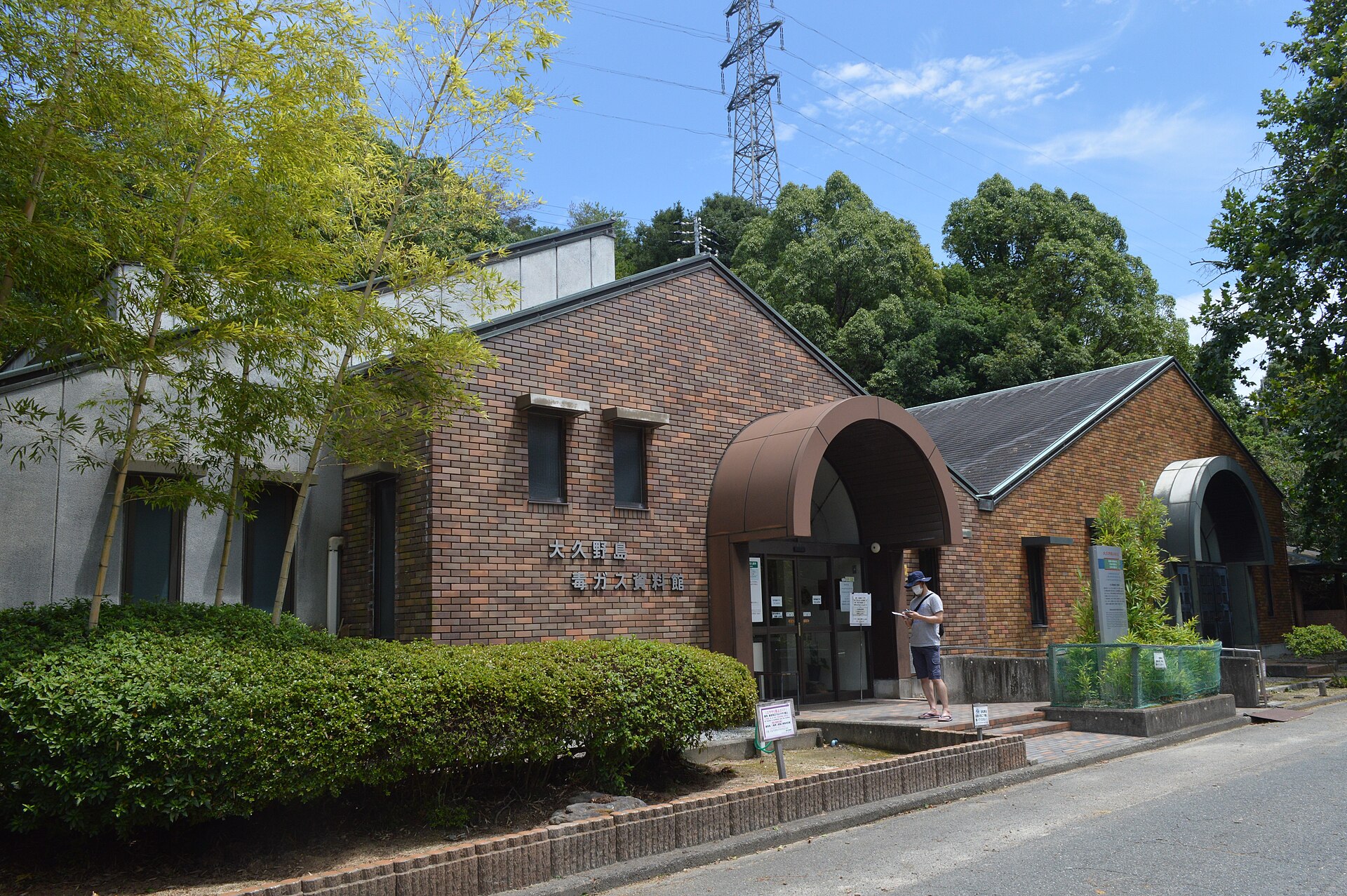
In 1988 — 43 years after the war ended — the Ōkunoshima Poison Gas Museum was opened. The museum’s mission, as expressed by curator Murakami Hatsuichi to the New York Times, was specific: “My hope is that people will see the museum in Hiroshima City and also this one, so they will learn that we [Japanese] were both victims and aggressors in the war.”
The museum displays artifacts donated by families of workers, photographs of victims, and educational materials about chemical weapons effects on the human body. It’s intentionally aimed primarily at Japanese audiences, with the goal of correcting the educational neglect of Japan’s chemical warfare history. English translations are provided for major sections.
11: The Chemical Legacy in China
The chemical weapons buried in China by retreating Japanese forces continue to cause casualties nearly 80 years later. Chinese workers have been killed and injured in incidents involving uncovered Japanese chemical weapons. The estimated 700,000+ chemical weapons abandoned in northeastern China remain a substantial environmental and human health problem.
Japan and China signed an agreement in 1999 obligating Japan to destroy abandoned chemical weapons in China. The destruction project remains substantially incomplete. Funding disputes, technical challenges, and political tensions have repeatedly delayed the work. The chemical legacy of Ōkunoshima literally continues to harm people generations after the war ended — though most modern visitors to the island never learn this history.
12: Modern Ōkunoshima

In 2014, photos and videos of the Ōkunoshima rabbits went viral on social media. Visitor numbers surged from approximately 100,000 annually to over 400,000 by 2017. Most modern visitors come specifically for the rabbits — tourist surveys indicate approximately 93% prioritize rabbit interaction, while only 30% mention war-related tourism. The Poison Gas Museum estimates that only 10% of visitors come specifically to learn about the chemical weapons history.
The Takehara City Tourism Bureau primarily promotes Ōkunoshima as “Rabbit Island” — a family-friendly destination where visitors can interact with friendly feral rabbits in a “paradise-like” natural setting. The dark history is acknowledged but not emphasized. The juxtaposition of cute tourism and chemical weapons history has been described by researchers as creating a “memory landscape” that obscures rather than illuminates Japan’s wartime conduct.
What Ōkunoshima Actually Represents
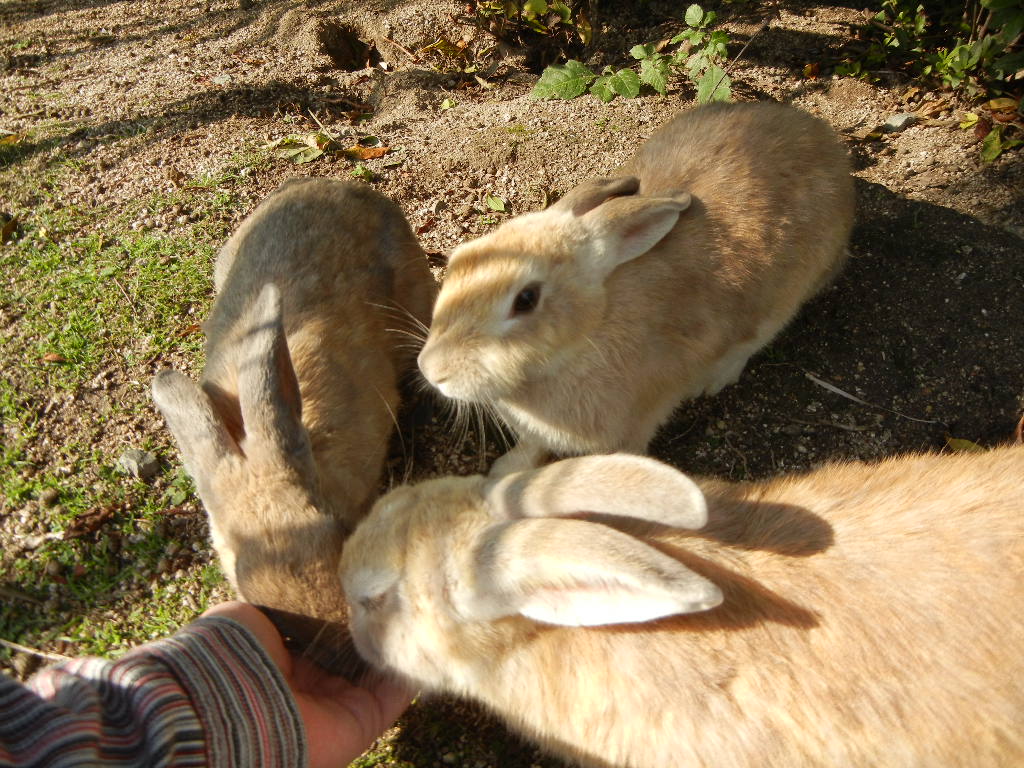
Ōkunoshima’s modern dual identity — as both rabbit island and chemical weapons production site — reveals something specific about how nations process difficult history. The Japanese government’s decision to develop the island as a tourism destination focused on rabbits, rather than primarily as a war memorial site, reflects a specific choice about what to remember and what to allow to fade. The 700 rabbits are real. The mustard gas factory ruins are real. The chemical weapons casualties in China are real. The visitors who come to feed the rabbits and leave without ever entering the Poison Gas Museum are participating in a memory landscape that the Japanese government has deliberately constructed to make dark history easy to overlook. Whether they learn the full story depends on whether they bother to look.