The American family television experience of 1965 ran across three broadcast networks — ABC, CBS, and NBC — with no cable, no streaming, and no algorithm. Roughly 92 percent of American households owned at least one television set, according to U.S. Census data from the period, and the average household watched approximately 5.5 hours of TV per day. The shows from that single year became the shared cultural reference points of an entire generation. Boomers who were 8 to 20 years old in 1965 — now 69 to 81 in 2026 — typically remember every show on this list. Younger Americans typically cannot name 5 of them. Here are fifteen American TV shows that defined 1965 — and the cultural moment each one represented.
1. Bewitched
Bewitched, starring Elizabeth Montgomery as suburban housewife Samantha Stephens (a witch hiding her powers from her advertising-executive husband), was in its second season in 1965 and ranked second among all American TV shows that year by Nielsen ratings. The show’s premise — a magical wife concealing her abilities from her oblivious husband — produced a steady stream of fantasy-sitcom episodes that ran until 1972. Elizabeth Montgomery passed away in 1995. The show’s nose-twitch sound effect is one of the most-recognized audio cues in American television history, though most Americans under 50 cannot connect it to the show or its star.
Like our content? Follow us for more.
2. Bonanza
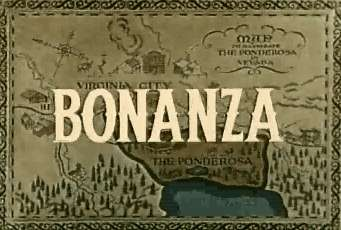
Bonanza, the Cartwright family Western starring Lorne Greene, Pernell Roberts, Dan Blocker, and Michael Landon, was the number-one rated American TV show in 1964-65, 1965-66, and 1966-67 seasons. The show ran 14 seasons from 1959 to 1973 — at the time, the second-longest-running Western in U.S. television history. The opening theme music, the Cartwright Ponderosa Ranch setting near Lake Tahoe, and the show’s color broadcasts (which drove RCA color-television sales) defined Sunday-night American TV viewing for a decade. The show is widely available on streaming platforms in 2026 but has minimal viewership among younger audiences.
3. Gilligan’s Island
Gilligan’s Island premiered in September 1964 and ran through 1967, with the 1965 second season representing the show’s peak cultural relevance. The premise — seven castaways stranded on an uncharted Pacific island after their three-hour boat tour went wrong — produced 98 episodes that have run continuously in syndication ever since. The theme song’s complete lyric (the Skipper, the Professor, Mary Ann, and the rest) is among the most-quoted American television lyrics among the boomer generation. Bob Denver, who played Gilligan, passed away in 2005. Younger American audiences generally recognize the show’s premise but rarely watch the episodes.
4. The Andy Griffith Show

The Andy Griffith Show, set in the fictional small town of Mayberry, North Carolina, was in its fifth season in 1965 and remained one of the most-watched American TV programs of the decade. The show’s whistled theme song, the relationship between Sheriff Andy Taylor and his deputy Barney Fife (Don Knotts), and the bucolic small-town setting produced a sustained nostalgic appeal that continues in 2026. Andy Griffith passed away in 2012, Don Knotts in 2006. The show remains one of the most-rerun programs in American syndication, though primarily on niche broadcast cable channels rather than mainstream streaming platforms.
5. The Beverly Hillbillies
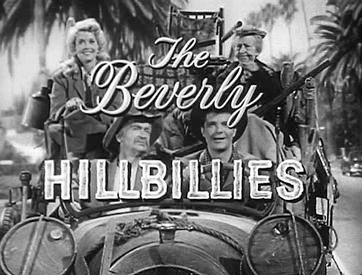
The Beverly Hillbillies — the Clampett family’s Ozarks-to-Beverly Hills sitcom — was in its third season in 1965 and remained one of the most-watched American comedies through the mid-1960s. The show’s premise (a poor mountain family struck oil and moved to a Beverly Hills mansion) and its theme song (the Ballad of Jed Clampett) defined the rural-to-urban culture clash genre of the era. The show ran from 1962 to 1971. Buddy Ebsen, who played Jed Clampett, passed away in 2003. The show’s cultural reception has shifted dramatically — the gentle rural humor of 1965 reads differently in 2026 — and the show is rarely shown on contemporary American television.
6. The Fugitive
The Fugitive starring David Janssen as Dr. Richard Kimble, a man wrongly convicted of his wife’s murder and on the run while pursuing the actual killer, was in its second season in 1965. The show pioneered the serialized-drama format that dominates 21st-century American television. The 1967 series finale, in which Kimble finally confronts the one-armed killer, drew 78 million viewers — the largest audience for a single American TV episode in history until the MAS*H finale 16 years later. David Janssen passed away in 1980. The show inspired the 1993 Harrison Ford film and a 2000 TV remake.
7. The Dick Van Dyke Show
The Dick Van Dyke Show was in its fourth and penultimate season in 1965. The show, set around comedy writer Rob Petrie (Dick Van Dyke) and his wife Laura (Mary Tyler Moore), produced 158 episodes that defined American workplace sitcom conventions for decades. The show won 15 Emmy Awards across its five-year run. Dick Van Dyke remains alive in 2026 at age 100 — one of the few major 1965 American television stars still living. Mary Tyler Moore passed away in 2017. The show ended deliberately at its creative peak, with creator Carl Reiner choosing to conclude rather than continue past the show’s natural arc.
8. The Lucy Show
The Lucy Show, Lucille Ball’s follow-up to “I Love Lucy” and its variant spinoffs, was in its fourth season in 1965 and ranked among the top ten American TV programs that year. The show ran from 1962 to 1968 and demonstrated that Lucille Ball remained the most bankable female star in American television a full decade after her original “I Love Lucy” run. Lucille Ball passed away in 1989. The show has been overshadowed in cultural memory by the original “I Love Lucy” but represented a substantial American television presence throughout the 1965 season.
9. Gunsmoke

Gunsmoke — the Dodge City Western starring James Arness as Marshal Matt Dillon — was in its eleventh season in 1965 and continued through 1975 for a total of 20 seasons. Gunsmoke remains tied for the record of longest-running primetime live-action American TV drama. The show transitioned from a 30-minute black-and-white format in earlier seasons to a 60-minute color format by 1965. James Arness passed away in 2011. The show’s combination of Western frontier setting, moral-tale episode structure, and Sunday-night family viewing window made it a defining American television fixture of the entire 1960s and most of the 1970s.
10. The Man from U.N.C.L.E.
The Man from U.N.C.L.E. starring Robert Vaughn and David McCallum as international spies for the fictional United Network Command for Law and Enforcement, was in its second season in 1965 and at the peak of its cultural moment. The show capitalized on the broader 1960s spy-craze (James Bond films, I Spy, Get Smart) and ran from 1964 to 1968. The Guy Ritchie 2015 film adaptation briefly reintroduced the property to younger audiences with limited success. David McCallum passed away in 2023; Robert Vaughn passed away in 2016.
11. Lost in Space
Lost in Space premiered in September 1965 and immediately became one of the most-watched American science fiction series. The Robinson family space-castaways premise, the show’s robot character (“Danger, Will Robinson!”), and the camp aesthetic that emerged by season two have all become persistent cultural references. The show ran for three seasons through 1968. The 1998 William Hurt film remake and the 2018 Netflix series produced reintroductions to younger audiences. The original cast members are largely deceased, with Bill Mumy (Will Robinson) the most prominent surviving original star.
12. Hogan’s Heroes
Hogan’s Heroes — the sitcom set in a German prisoner-of-war camp during World War II — premiered in September 1965 and ran through 1971. The show’s basic premise (Allied prisoners running a secret commando operation under the noses of bumbling Nazi guards) was controversial at the time and has become more controversial in retrospect. Most of the show’s principal cast — including Bob Crane, Werner Klemperer, John Banner, and Robert Clary — have passed away. The show remains in occasional syndication but has been removed from most contemporary streaming platforms and is rarely discussed in 2026 cultural retrospectives.
13. The Munsters
The Munsters, the suburban-family-of-monsters sitcom starring Fred Gwynne as Herman Munster, was in its second and final season in 1965. The show ran only 70 episodes from 1964 to 1966 but achieved disproportionate cultural staying power through syndication, the iconic theme music, and the Munster Mansion design that has been copied in countless subsequent American productions. Fred Gwynne passed away in 1993, Yvonne De Carlo (Lily Munster) in 2007, Al Lewis (Grandpa) in 2006. Rob Zombie directed a 2022 film adaptation that drew strong reactions from fans of the original.
14. I Dream of Jeannie
I Dream of Jeannie premiered in September 1965 and ran through 1970. The premise — astronaut Major Anthony Nelson (Larry Hagman) finding a 2,000-year-old genie (Barbara Eden) in a bottle on a Florida beach — produced a steady supply of magical-wish-meets-prosaic-life comedy. Barbara Eden remains alive in 2026 at age 94 and has periodically attended fan conventions celebrating the show. Larry Hagman, later famous for his “Dallas” role as J.R. Ewing, passed away in 2012. The show’s pink bottle, the harem-style costume, and the head-nod-summoning-genie gesture have all become recognizable American pop-culture references.
15. Get Smart
Get Smart — the Mel Brooks and Buck Henry-created spy parody starring Don Adams as bumbling secret agent Maxwell Smart — premiered in September 1965 and ran through 1970. The show parodied both the spy-craze of the 1960s and bureaucratic incompetence with consistently sharp comedic writing. The shoe phone, the Cone of Silence, the catchphrases (“Sorry about that, Chief,” “Would you believe…”) all became part of American popular culture. Don Adams passed away in 2005. The show was adapted into a 2008 Steve Carell film. Among the fifteen shows on this list, Get Smart is the one most likely to be recognized by Americans under 50, primarily through the Steve Carell adaptation.
Like our content? Follow us for more.