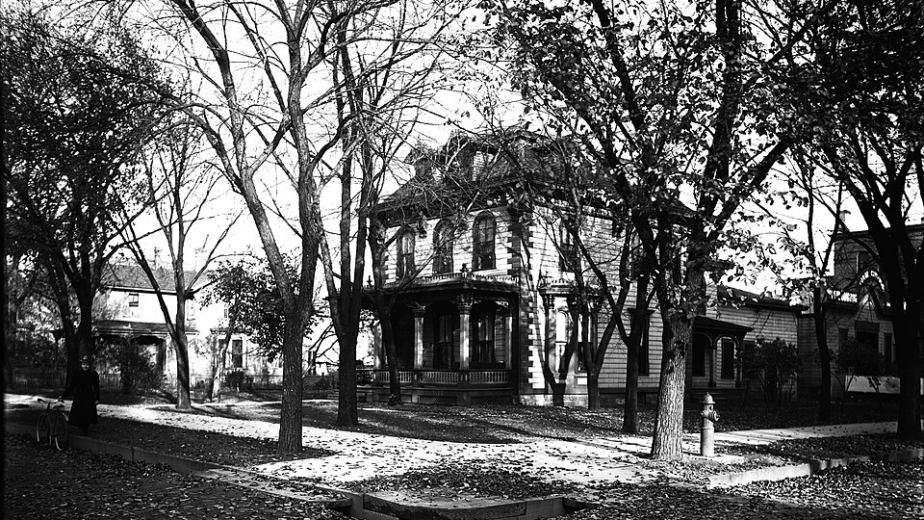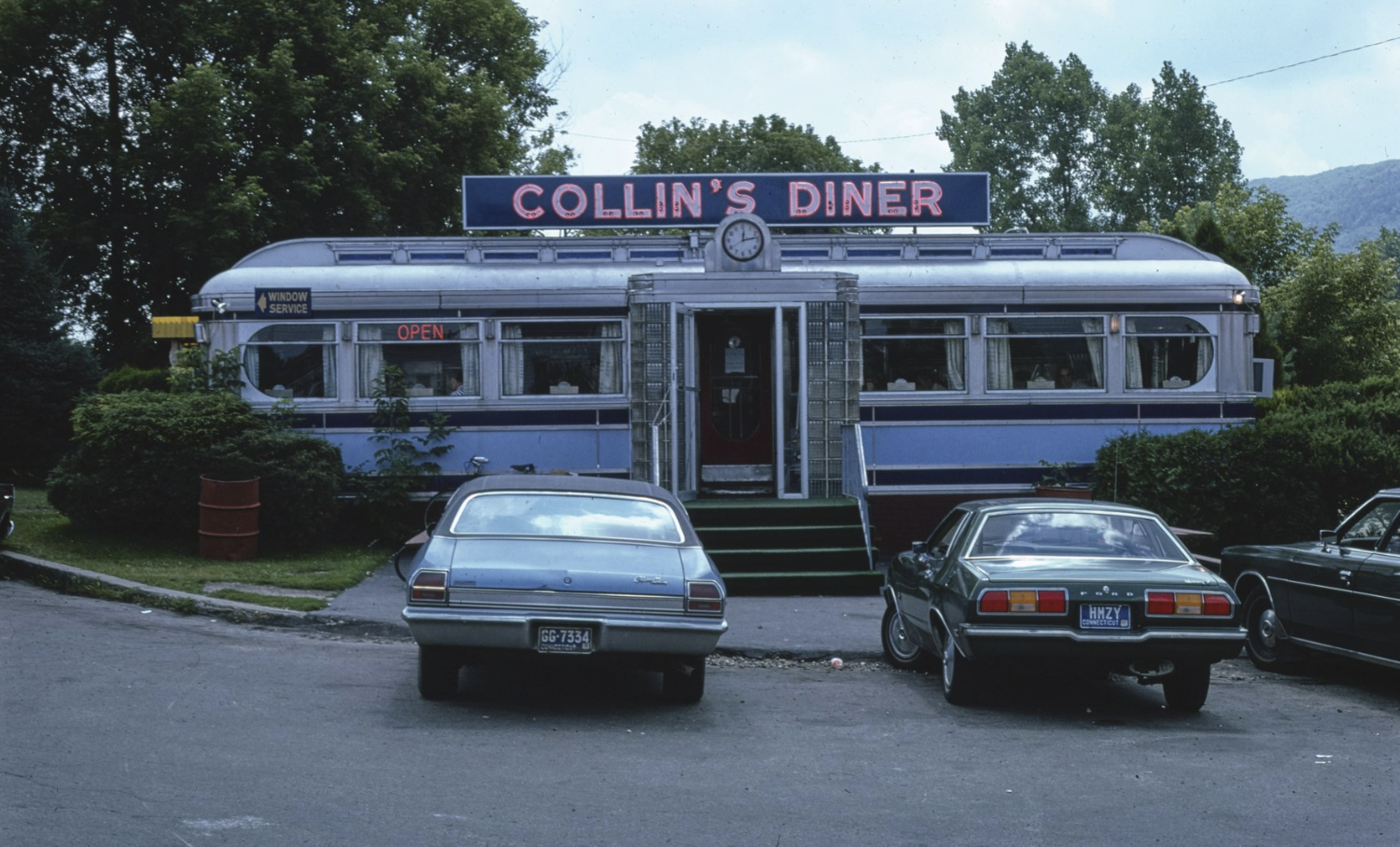
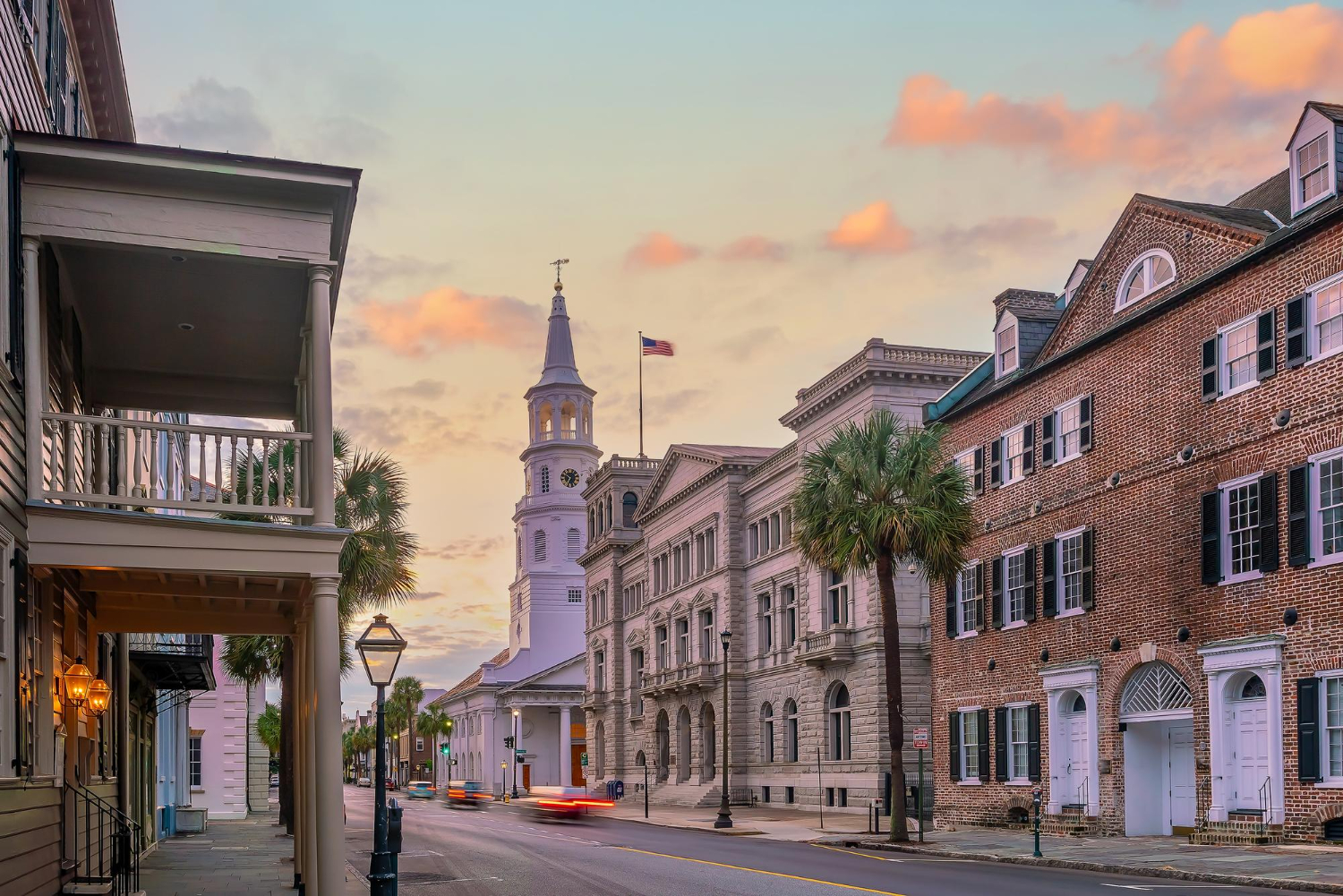
Drive through any American town in the 1960s and you’d pass a familiar lineup of places that defined community life — the soda fountain where teenagers gathered, the drive-in movie theater, the full-service gas station where an attendant pumped your gas and checked your oil, the five-and-dime on Main Street. These weren’t special destinations; they were the ordinary fabric of every town, the places where Americans shopped, ate, socialized, and spent their time. Most have now all but vanished, swept away by malls, big-box stores, chain consolidation, the automobile, and the slow hollowing-out of Main Street. For Americans who grew up in that era, these places are powerful, specific memories of a way of small-town life that has largely disappeared. Here are thirteen places you saw in every American town in the 1960s that have all but vanished.
1. The Soda Fountain
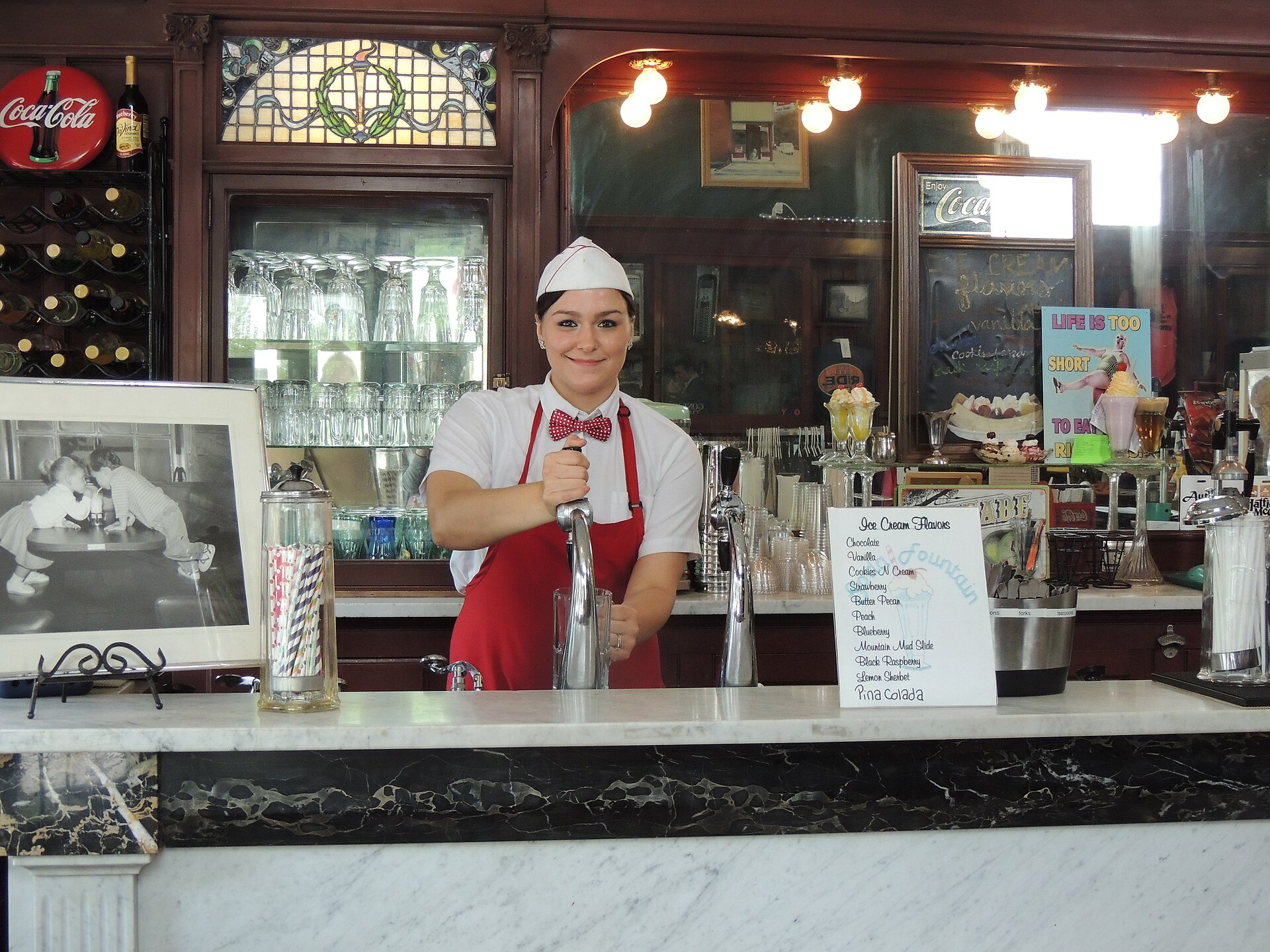
The soda fountain — often inside the local drugstore — was the social heart of the 1960s town, where a soda jerk mixed cherry Cokes, malts, and egg creams, and teenagers gathered after school over ice cream at the counter. It was a community gathering place as much as a place to eat. The soda fountain has almost entirely vanished, a casualty of changing drugstores and fast food, surviving only in a handful of nostalgic holdouts. For a generation, the counter stool and the cherry Coke are a defining memory of small-town social life.
Like our content? Follow us for more.
2. The Drive-In Movie Theater
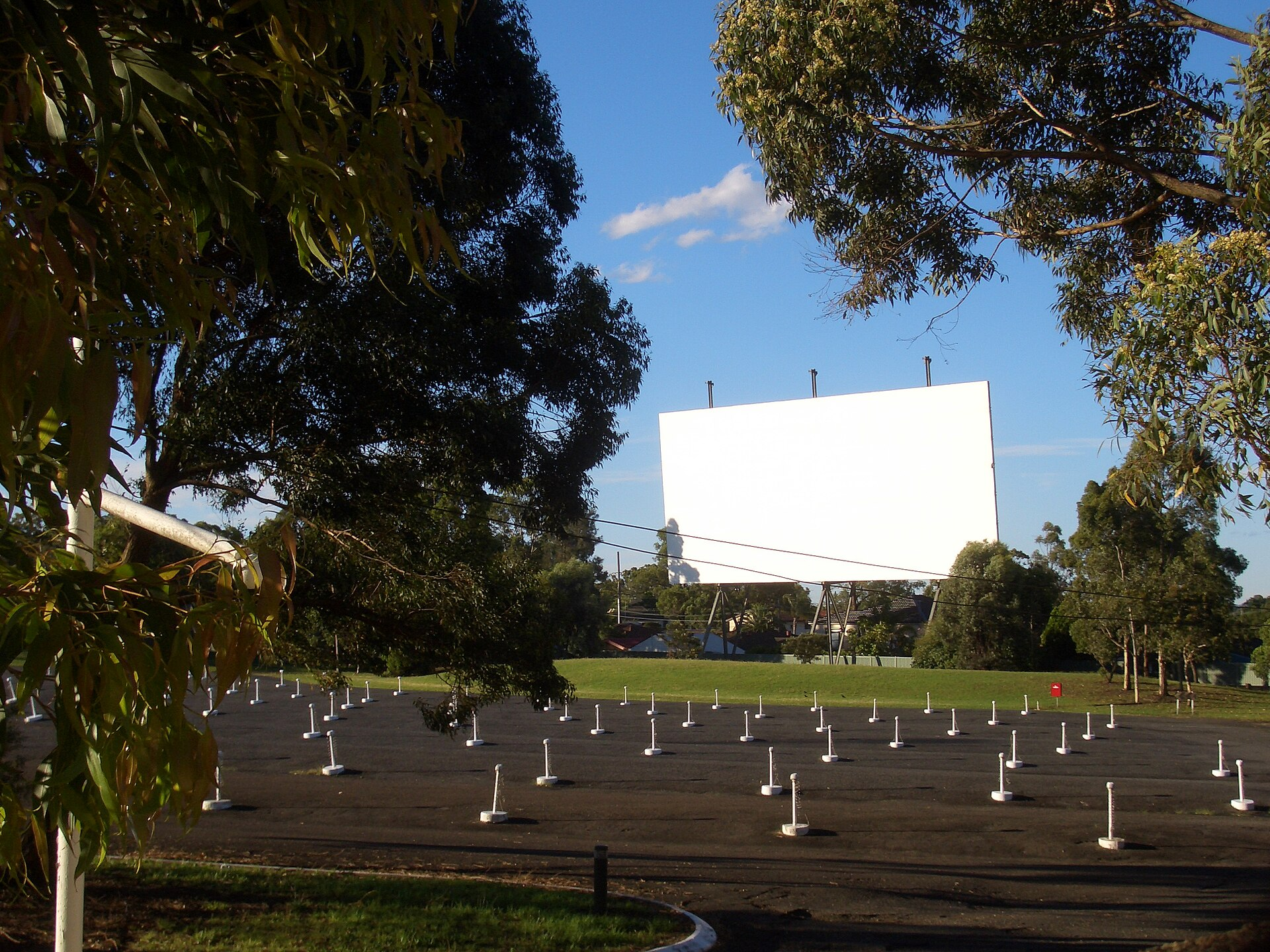
The drive-in theater was a 1960s institution — families in pajamas, teenagers on dates, the speaker hooked to the car window, the snack bar between features. At its peak there were thousands across America. The vast majority have closed, their land redeveloped, victims of rising real-estate values, the shift to indoor multiplexes, and home entertainment. Only a few hundred drive-ins survive today. The drive-in, once a fixture on the edge of every town, is now a rare nostalgic experience rather than the ordinary weekend outing it once was.
3. The Full-Service Gas Station
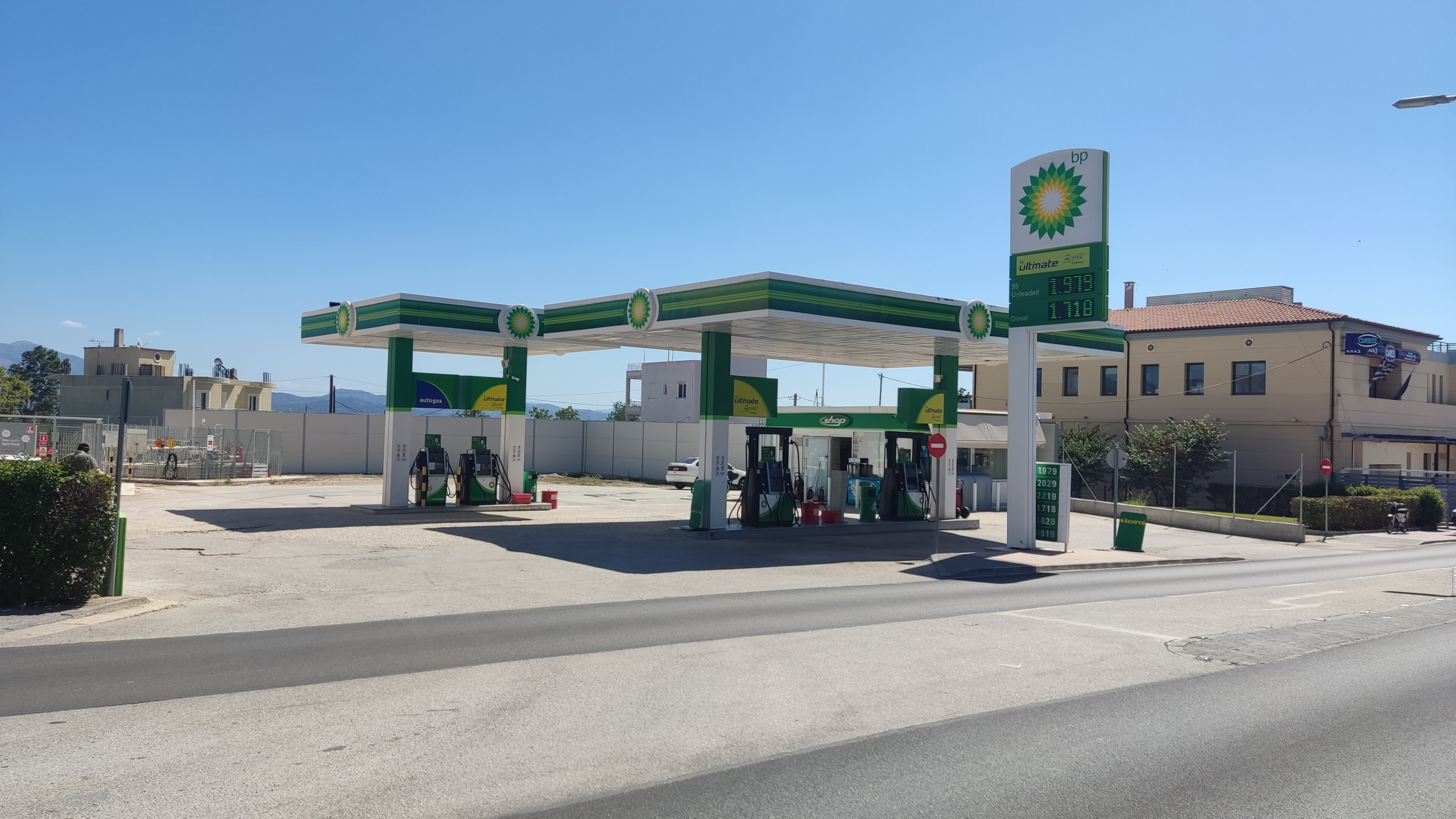
The 1960s service station was full-service — an attendant pumped your gas, checked your oil, cleaned your windshield, and checked your tire pressure, all with a smile, frequently giving away promotional glasses or trading stamps. The full-service model, where you never left your car, has almost entirely disappeared in favor of self-service (now mandatory in most places), and the local service station with its mechanic bays and attendants has given way to gas-and-convenience stores. The attentive full-service station is a vanished feature of 1960s daily life.
4. The Five-and-Dime Store
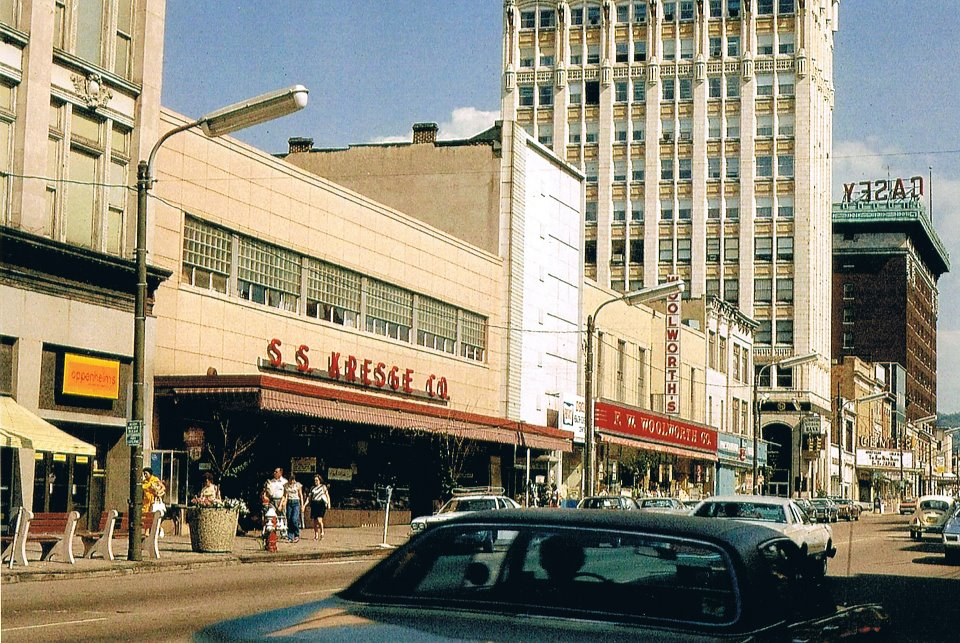
The five-and-dime — the variety store like Woolworth’s or Ben Franklin where everything was cheap and you could buy a little of everything, often with a lunch counter — anchored Main Street in every 1960s town. These stores, with their wooden floors, penny candy, and lunch counters, were squeezed out by discount chains, malls, and big-box retail. The classic five-and-dime has essentially vanished, taking with it the lunch counter, the candy by the ounce, and the particular Main Street retail experience that defined 1960s shopping.
5. The Local Department Store
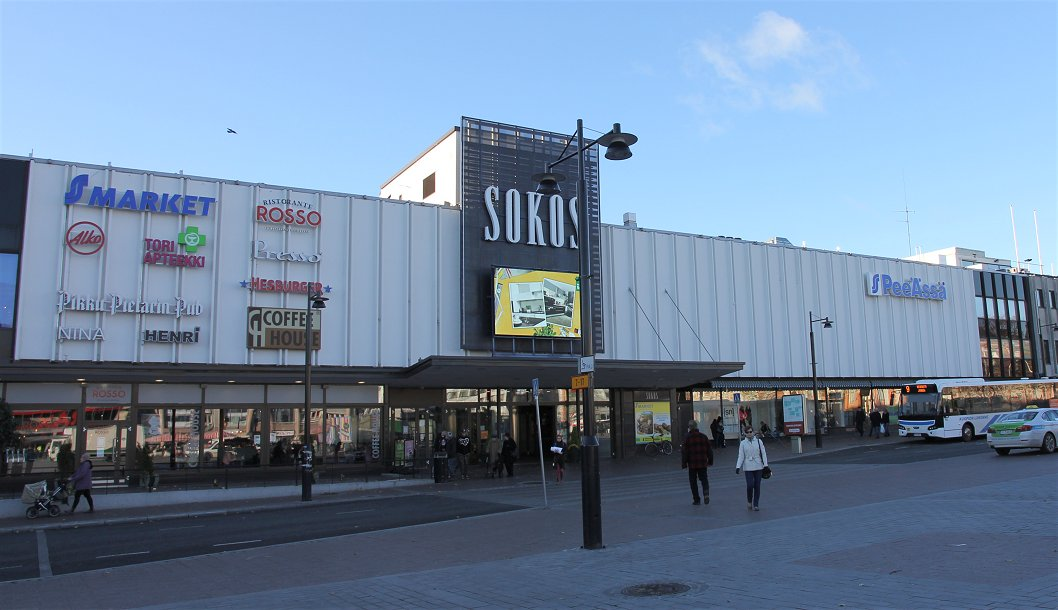
Before the malls and national chains, every 1960s town of any size had its own local department store — a beloved, frequently family-owned institution with its own character, where generations shopped for clothes, furniture, and gifts, and where the store windows were a seasonal event. These independent local department stores were almost entirely wiped out by the rise of national chains and malls. The hometown department store, a source of civic pride and a Main Street anchor, has largely vanished from American towns.
6. The Milkman and Home Delivery
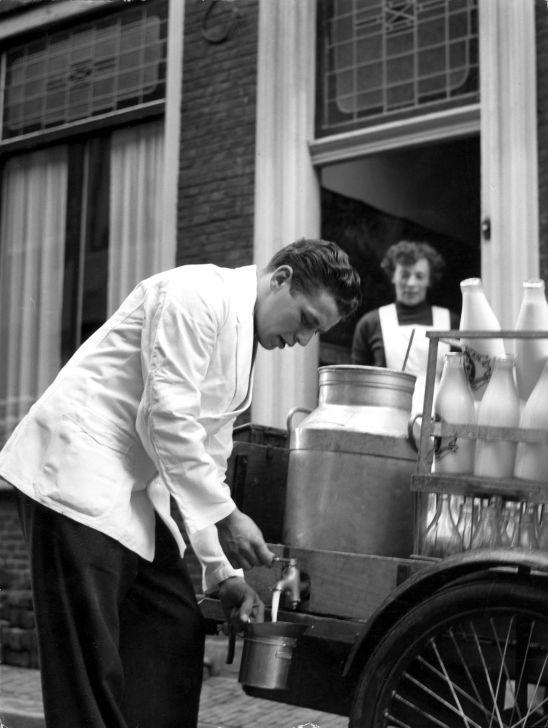
The 1960s town still had the milkman delivering fresh milk in glass bottles to the doorstep, along with other home-delivery services — bread, eggs, even diaper services — that brought goods directly to the home. The milk box on the porch was a standard feature. Home milk delivery had largely vanished by later decades as supermarkets, refrigeration, and changing economics made it obsolete. The milkman, once a familiar daily presence in every neighborhood, is now a nostalgic memory of a more personal era of commerce.
7. The Local Diner and Lunch Counter
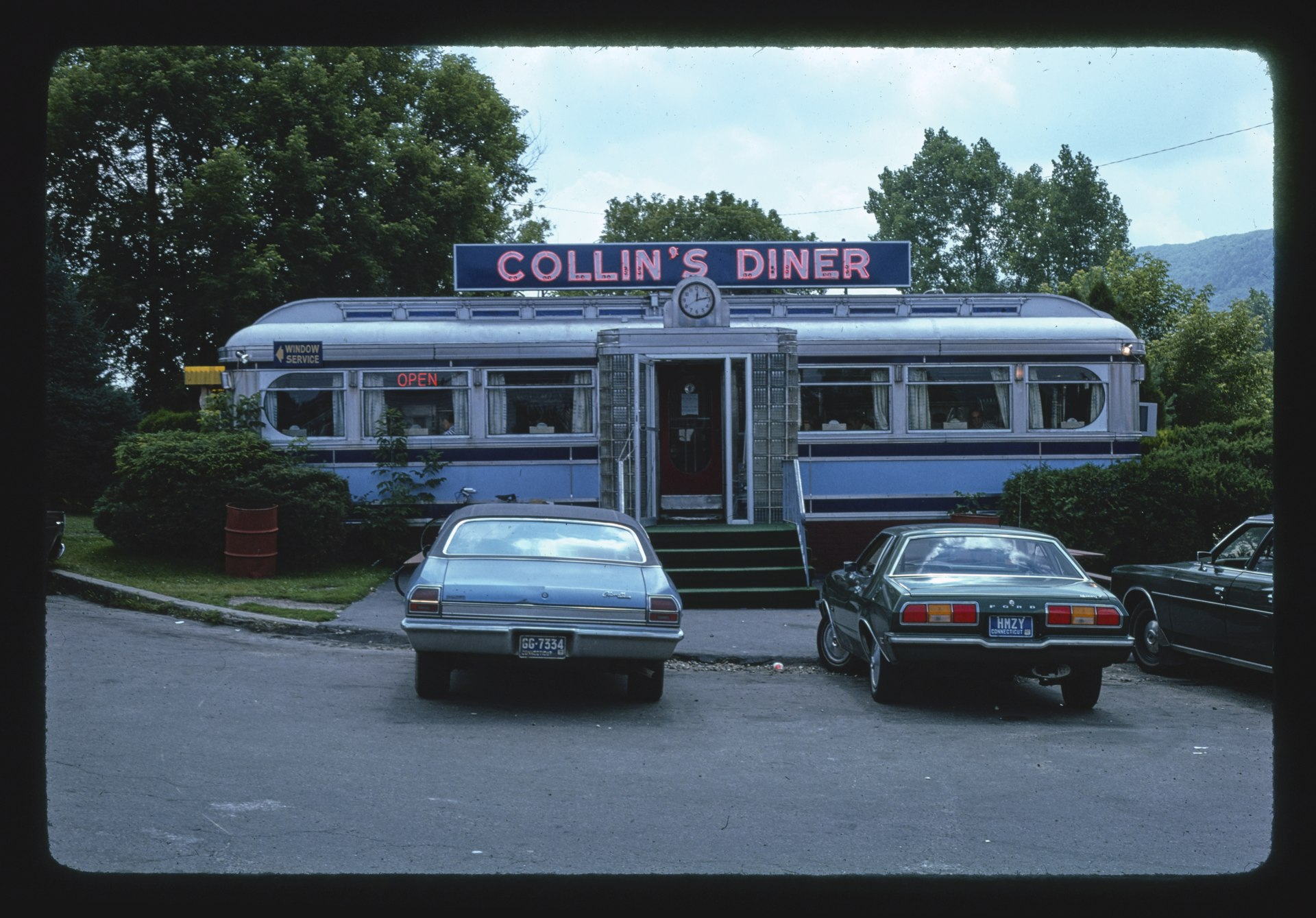
The 1960s town centered much of its daily social life on the local diner and lunch counter — the place where regulars had their usual booth, the waitress knew your order, and the community gathered over coffee and pie. While some diners survive, the ubiquitous local independent diner and lunch counter that anchored every 1960s town has thinned dramatically under pressure from fast food and chains. The diner where everybody knew everybody, a cornerstone of 1960s community life, has substantially faded.
8. The Roller Rink
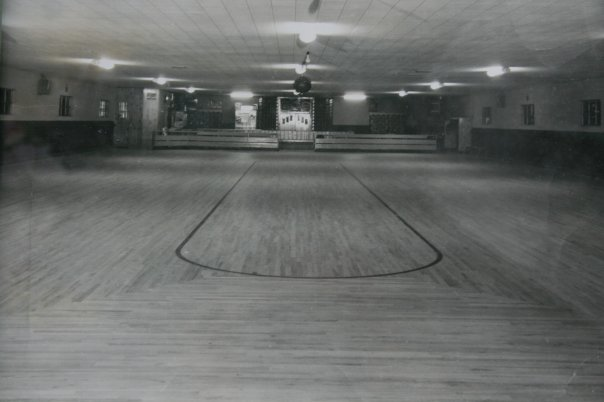
The roller skating rink was a 1960s social hub, especially for young people — the organ or jukebox music, the couples’ skate, the snack bar, the whole social world of the rink on a weekend night. Once found in or near nearly every town, roller rinks have largely closed as entertainment options changed and the real estate became more valuable. The roller rink, a defining gathering place for 1960s youth, has become rare, surviving in scattered holdouts rather than as the standard town fixture it once was.
9. The Local Hardware Store
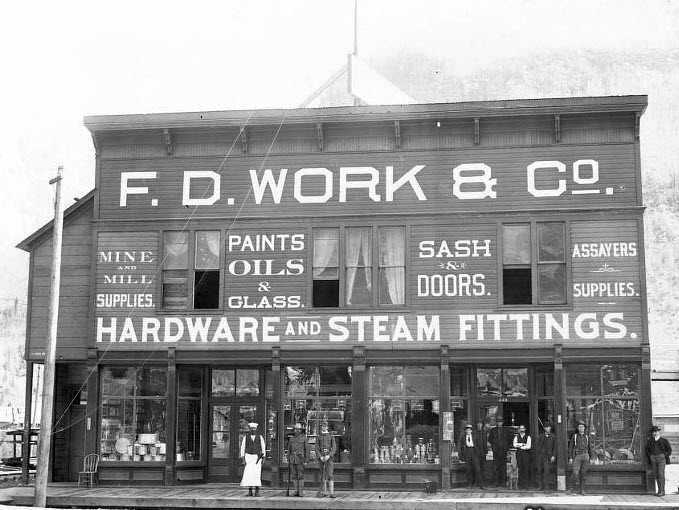
The 1960s town had its independent hardware store — the cluttered, knowledgeable shop where the owner could find the exact screw you needed and tell you how to fix anything, with bins of nails sold by the pound. The big-box home-improvement chains largely displaced these local hardware stores. The independent hardware store, with its expert owner and its everything-in-stock clutter, has substantially vanished from American towns, taking with it a particular kind of local expertise and personal service.
10. The Movie Palace and Single-Screen Theater
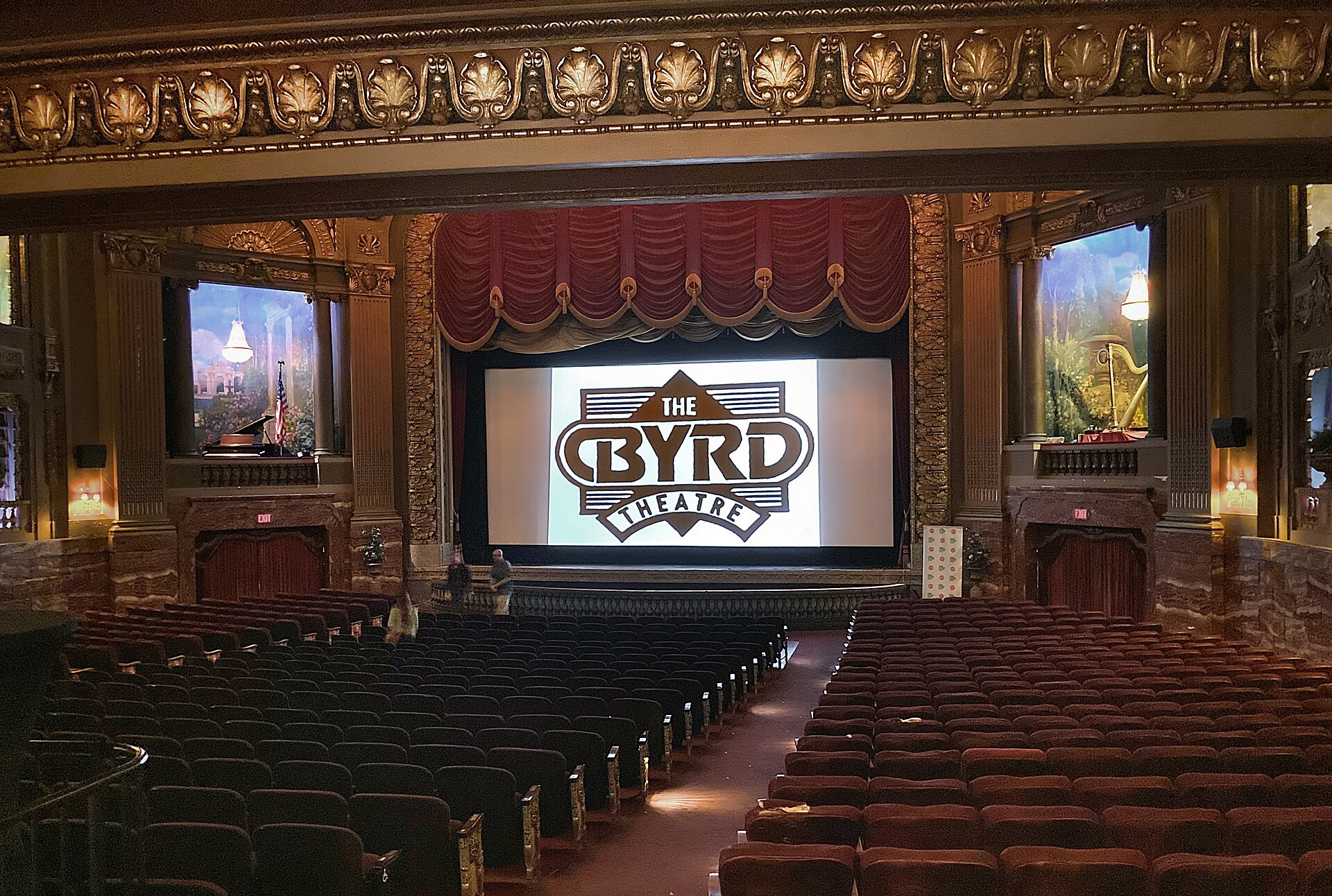
The 1960s town’s single-screen movie theater — often an ornate older “movie palace” downtown with a marquee, a balcony, and a single big screen — was the center of entertainment. The shift to suburban multiplexes and the decline of downtowns left many of these grand single-screen theaters closed, demolished, or repurposed. The ornate downtown movie palace with its glowing marquee, once the proud centerpiece of Main Street entertainment, has largely disappeared, though some have been lovingly restored.
11. The Bowling Alley as Social Center
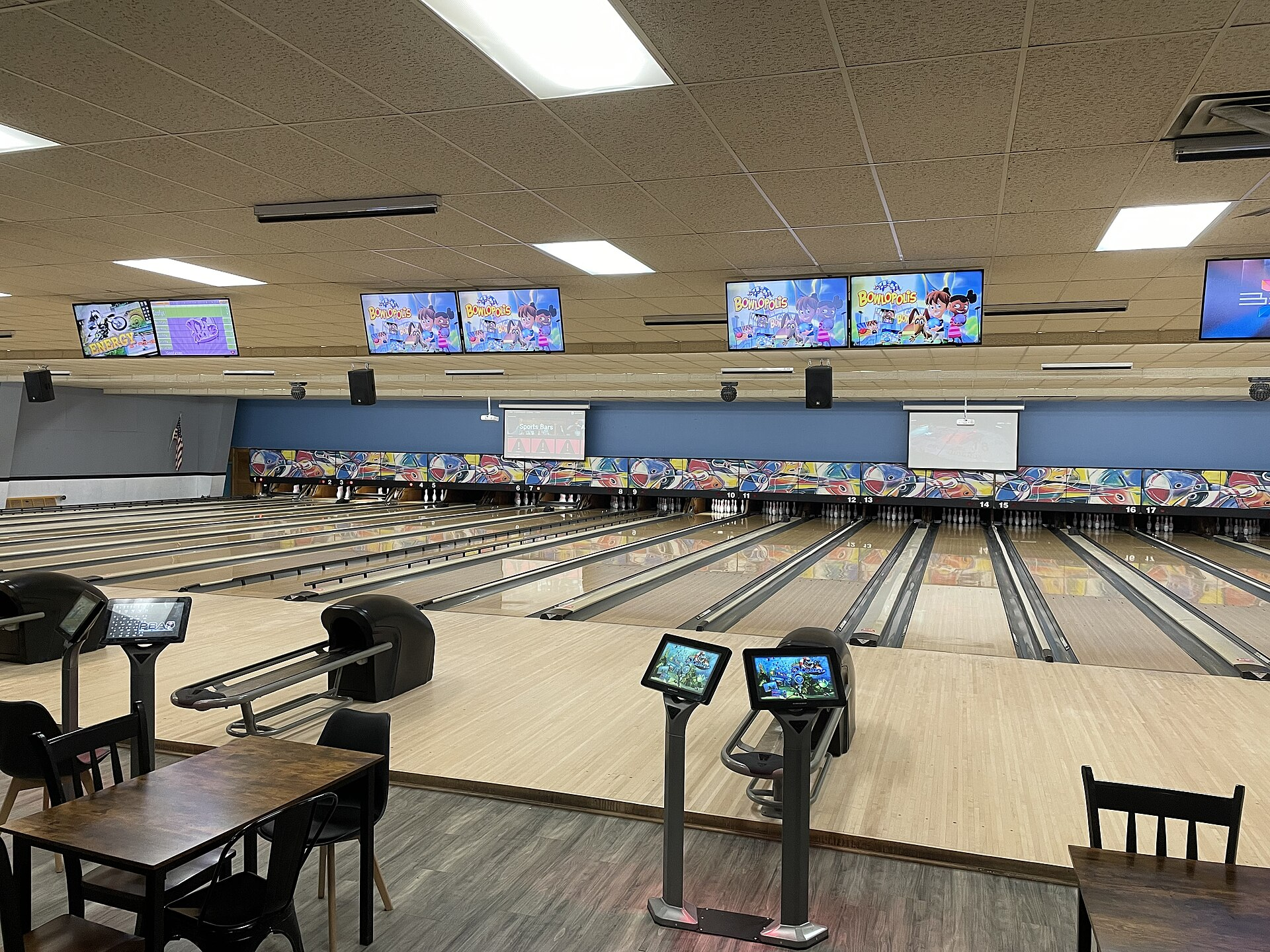
The 1960s bowling alley was a major community social center — leagues, family nights, the snack bar, the whole social scene around organized bowling that was hugely popular in the era. While bowling alleys still exist, the centrality of the neighborhood bowling alley to community and social life has faded considerably, and many classic alleys have closed. The bowling alley as a primary town gathering place, packed with leagues and families, reflects a 1960s social world that has substantially changed.
12. The Penny Candy Store

The 1960s town frequently had a candy store or counter where children could buy individual pieces of candy for a penny or a few cents, choosing carefully from glass cases and jars. The penny candy store, where a small amount of money bought a paper bag of individually-selected sweets, has essentially vanished with inflation, packaging changes, and the decline of small local shops. For a generation, the penny candy counter is a vivid, specific childhood memory of a kind of small pleasure that no longer exists.
13. The Local Pharmacy With the Pharmacist Who Knew You
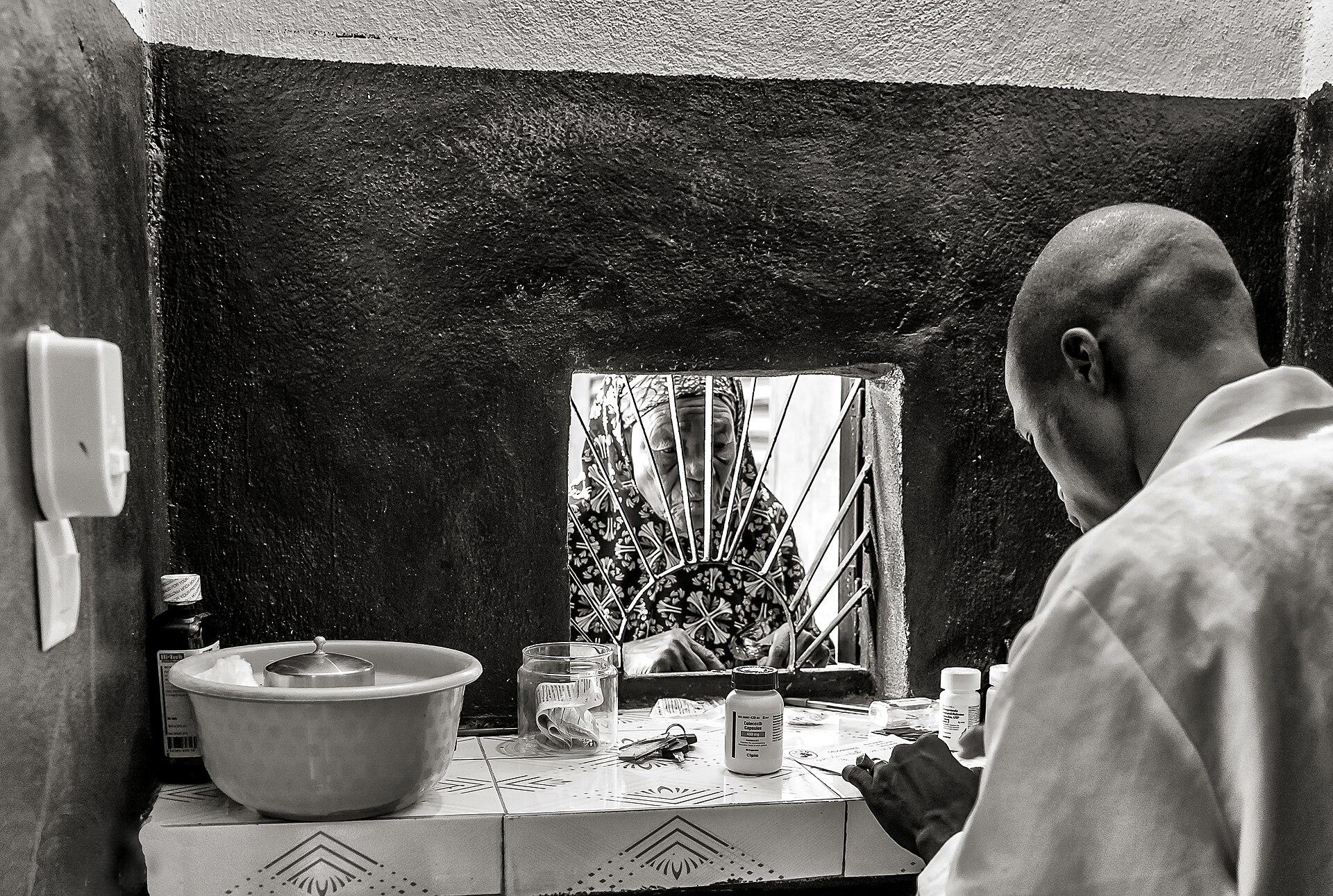
The 1960s town’s independent pharmacy was a personal institution — the pharmacist knew customers by name, often delivered prescriptions, and frequently housed the soda fountain and a bit of everything else. The rise of national chain pharmacies and big-box stores largely displaced the independent neighborhood druggist. The local pharmacy where the pharmacist knew your family and your history, a trusted fixture of the 1960s town, has substantially given way to impersonal chains, ending a particular relationship between a community and its druggist.
What the Vanished Main Street Really Represents
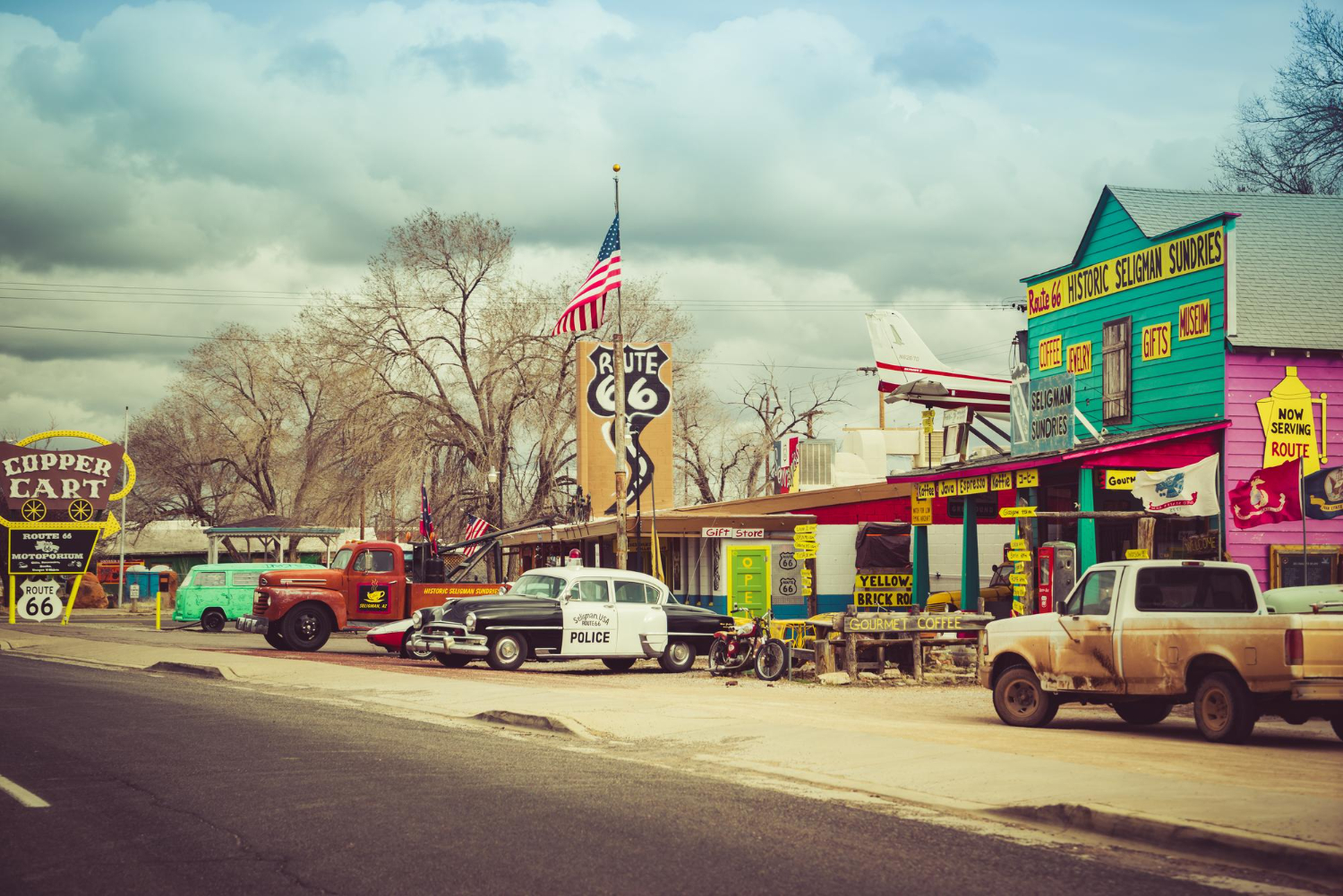
The disappearance of these places isn’t really a collection of separate business failures — it’s the story of a single, sweeping transformation of American life. The 1960s town was built around a walkable Main Street and a web of small, local, personal establishments, most of them independently owned by people who lived in the community and knew their customers by name. Three forces dismantled that world over the following decades. The automobile and the highway pulled commerce away from downtown to the strip and the suburb. The shopping mall, and later the big-box store and the national chain, used scale and price to undercut the local shops that couldn’t compete. And the slow hollowing-out of small-town downtowns, as factories and young people left, removed the foot traffic that had sustained the whole ecosystem. What was lost wasn’t just convenient places to shop and eat, but a particular texture of community — the soda fountain where everyone gathered, the pharmacist who knew your history, the gas-station attendant who checked your oil, the penny-candy counter where children learned to handle money. These places were where a generation of Americans actually lived their daily lives, and their disappearance is why a drive down a modern commercial strip, with its identical national chains, can feel so different from the Main Street that older Americans remember. The vanished places carry such powerful nostalgia precisely because they represent not just a way of shopping but a way of belonging to a community that has largely passed into memory.
Like our content? Follow us for more.