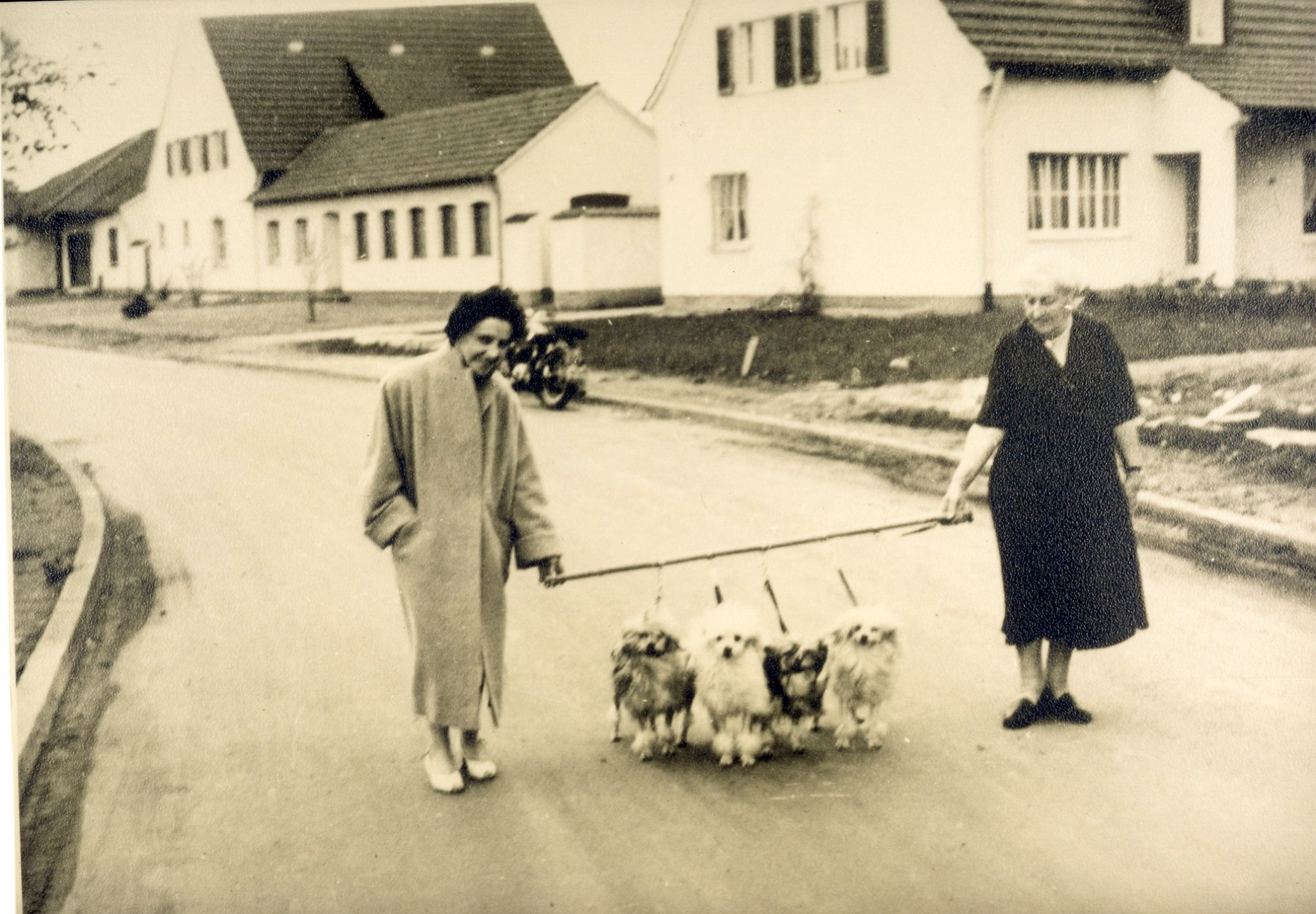
The family dog has always held a beloved place in the American home, but the way dogs lived decades ago looked remarkably different from today. In an era of looser rules and more relaxed attitudes, the family pet roamed freely, rode along on adventures, and lived a more independent, outdoorsy life than most pampered modern dogs. Looking back, many of these old habits would surprise, and concern, today’s owners, even as they reflect the times. (Norms around pet care have changed a great deal, and much of this is best appreciated as a look at how things used to be.) Here are twelve things the family dog did decades ago that would surprise owners today, counted down one by one.
1. Roamed the Neighborhood Off-Leash
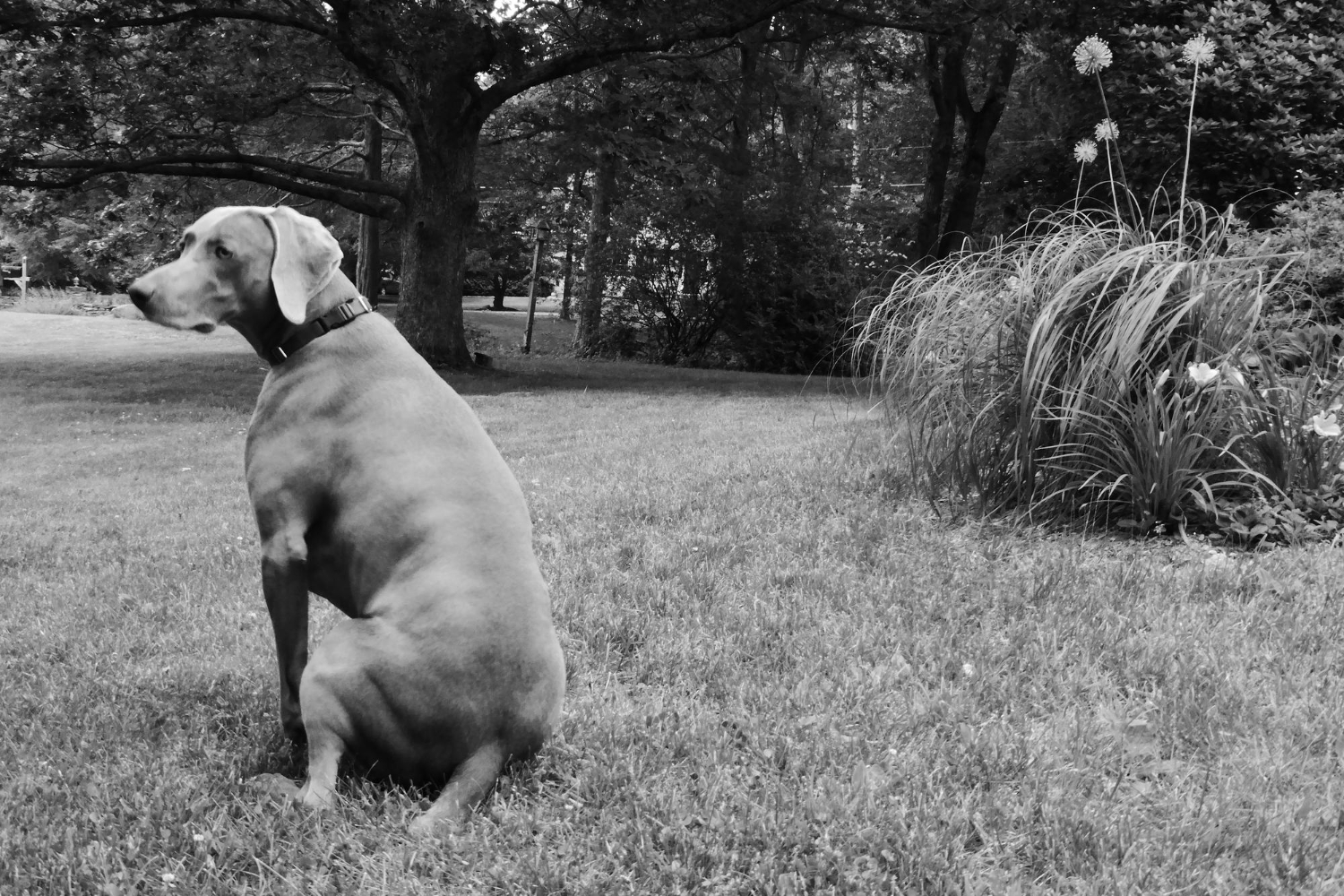
The dog wandered the neighborhood freely all day. Leash laws were rarely enforced.
Decades ago, it was common for the family dog to be let out in the morning to roam the neighborhood freely, wandering the streets, visiting other yards, and coming home for dinner. Leash laws were lax or unenforced, and a dog trotting down the sidewalk alone was an ordinary sight. The dog knew its way home. Roaming the neighborhood off-leash is one of the most striking differences in how dogs lived decades ago, the free-roaming independence that would surprise today’s owners, who keep their dogs leashed and supervised, and reflects how much attitudes toward pet safety have changed.
Like our content? Follow us for more.
2. Rode Loose in the Back of the Pickup
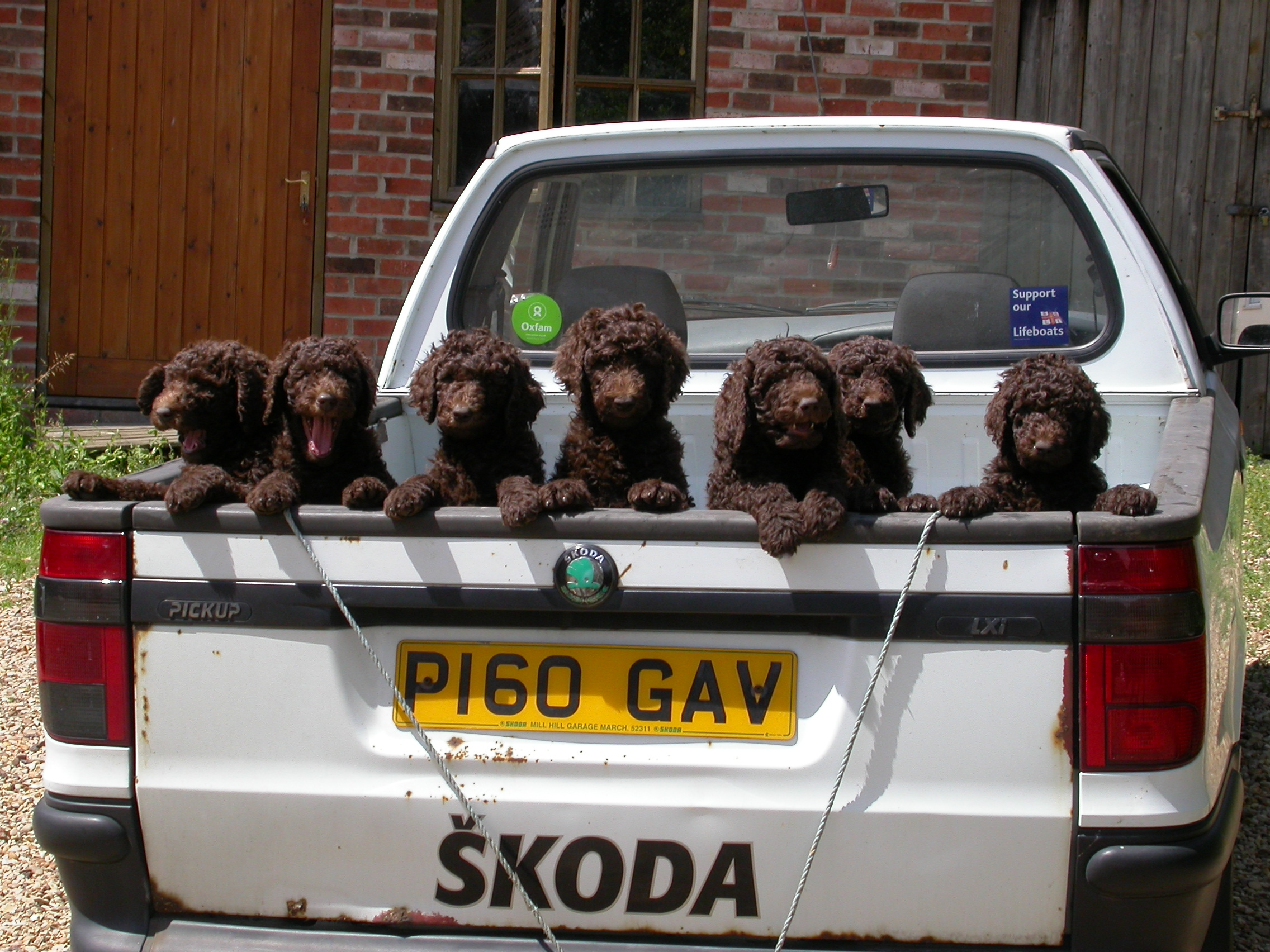
Dogs rode untethered in open truck beds. It was a common sight on the road.
A familiar sight on the roads decades ago was a dog riding loose in the open bed of a pickup truck, ears flapping in the wind as it stood or sat untethered. It was simply how many dogs traveled, and no one thought twice about it. The dog seemed to love the ride. Riding loose in the back of the pickup is a memorable image from how dogs lived decades ago, the untethered truck-bed ride that was once a common sight and would alarm today’s owners, who secure their pets safely, a vivid reflection of the era’s more relaxed attitudes.
3. Ate Table Scraps and Leftovers
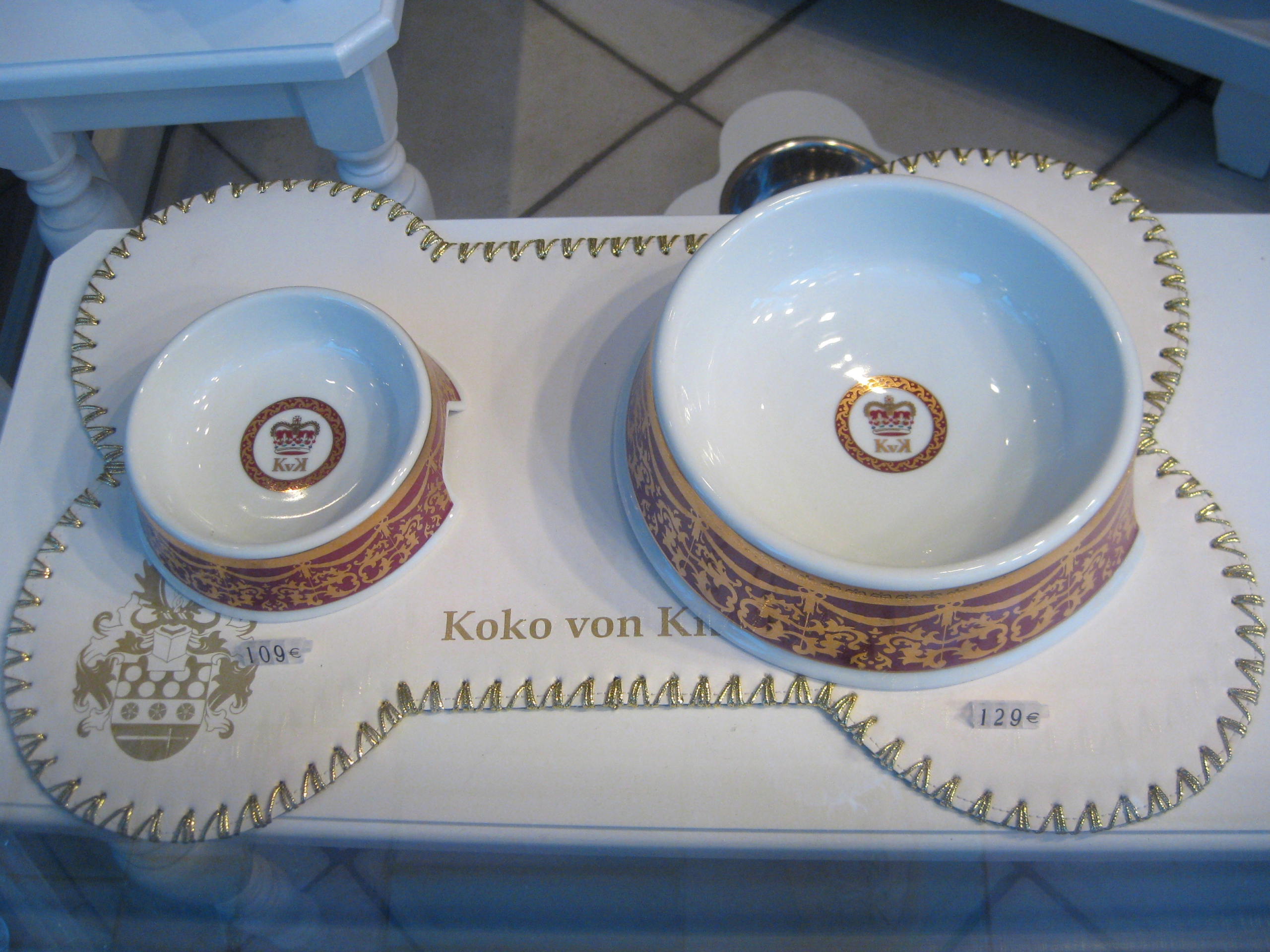
Dogs were fed scraps from the family table. A bowl of leftovers was a regular meal.
The family dog of decades past often ate table scraps and leftovers, a bowl of whatever the family didn’t finish, plus bones and trimmings, rather than carefully measured commercial dog food. Sneaking the dog a bite under the table was routine. The dog ate well off the family’s plates. Eating table scraps and leftovers is a notable feature of how dogs were fed decades ago, the share-the-family-meal approach that would surprise today’s owners, who follow careful feeding guidance, and reflects an era of more casual, improvised pet care. (Feeding practices have changed considerably since then.)
4. Slept Outside in a Doghouse
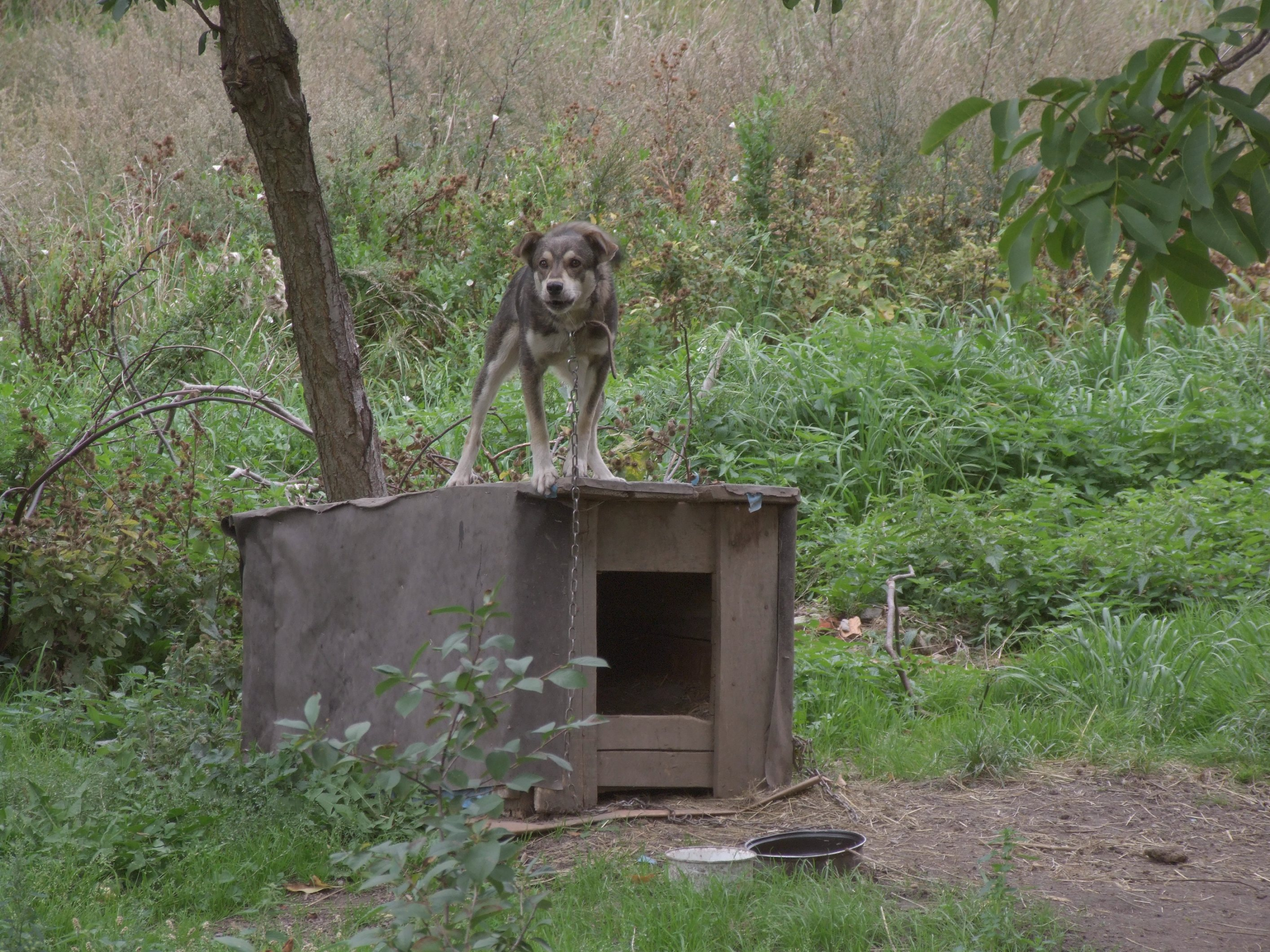
Many dogs slept outdoors in a doghouse. Staying outside was simply the norm.
Decades ago, many family dogs lived and slept outdoors, with a wooden doghouse in the backyard for shelter rather than a spot on the couch or the foot of the bed. The dog was an outdoor member of the family, coming and going from its backyard domain. The doghouse was the dog’s own home. Sleeping outside in a doghouse is a classic feature of how dogs lived decades ago, the backyard-doghouse arrangement that contrasts sharply with today’s indoor, often bed-sharing pets and reflects an era when dogs were commonly kept as outdoor animals.
5. Came When You Whistled or Called
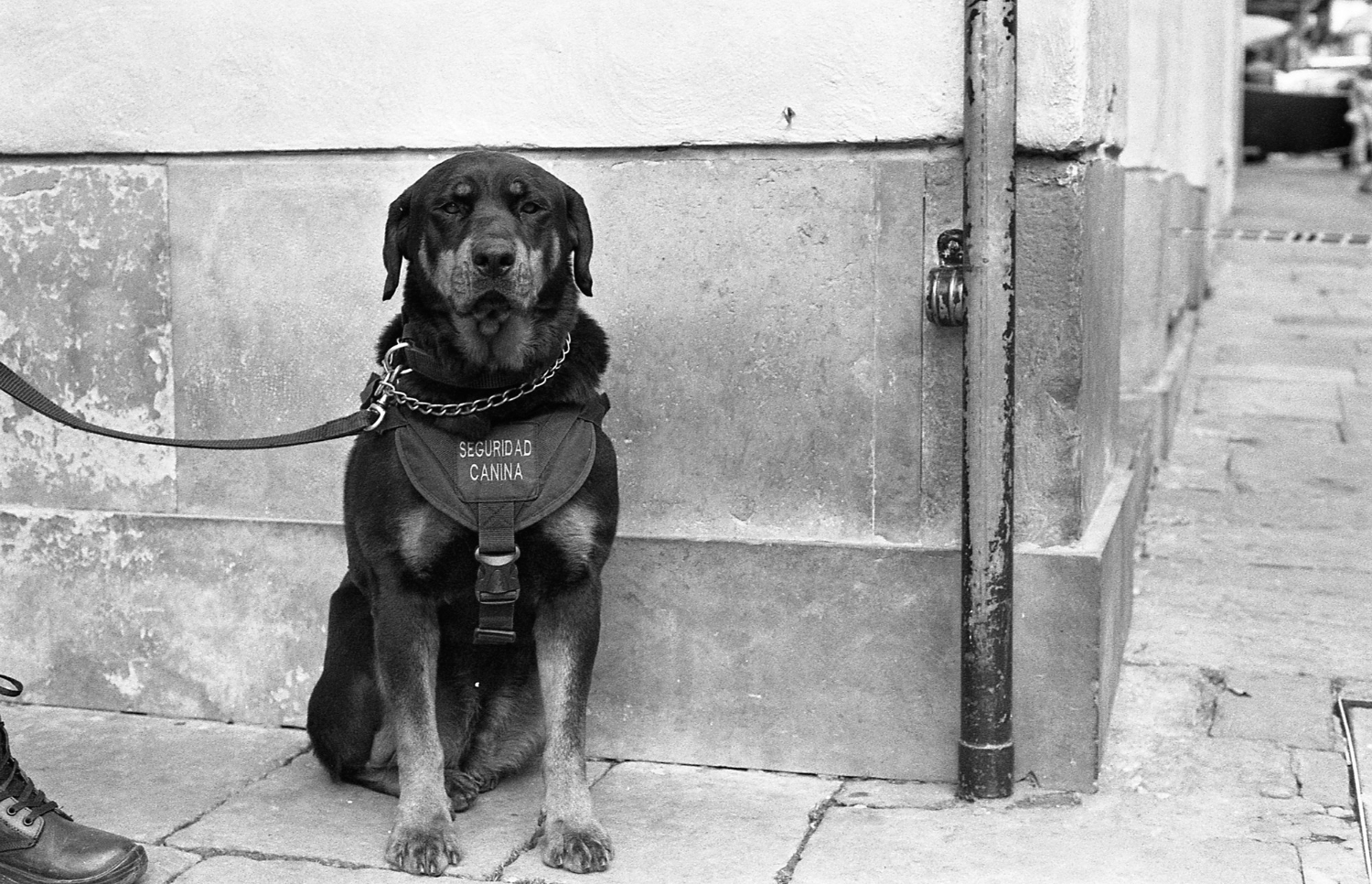
Owners summoned the dog with a whistle or shout. There were no fancy training methods.
To bring the roaming dog home, owners simply stepped onto the porch and whistled or called the dog’s name, and the dog came bounding back from wherever it had wandered. There were no electronic trackers or elaborate training programs, just a familiar whistle and a trusty dog. The system worked remarkably well. Coming when you whistled or called is a charming feature of how dogs lived decades ago, the simple whistle-and-call method of summoning a free-roaming dog that relied on the bond between pet and owner and reflects a more informal, trusting era of dog ownership.
6. Greeted the Mail Carrier and Visitors
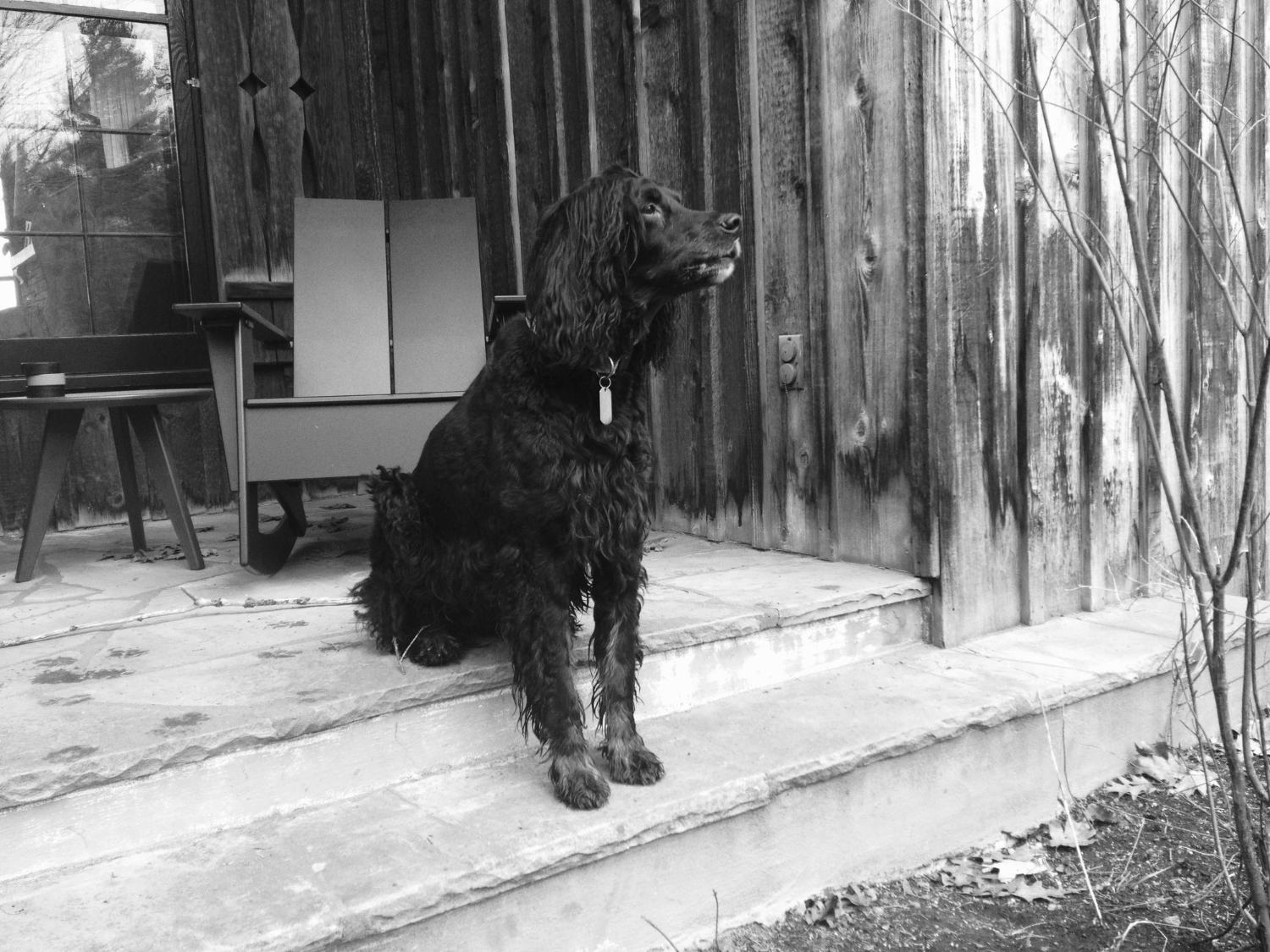
The dog announced every visitor with enthusiasm. It was the household’s welcoming committee.
The family dog served as the household’s self-appointed greeter and watchdog, announcing the arrival of the mail carrier, delivery people, and visitors with a chorus of barking and an enthusiastic welcome, or warning. The dog kept tabs on everyone who approached the house. It took the job seriously. Greeting the mail carrier and visitors is a familiar role of the family dog decades ago, the watchdog duty of announcing every arrival that made the dog the household’s welcoming committee and security system rolled into one, a trusted and vigilant member of the family.
7. Followed the Kids Everywhere
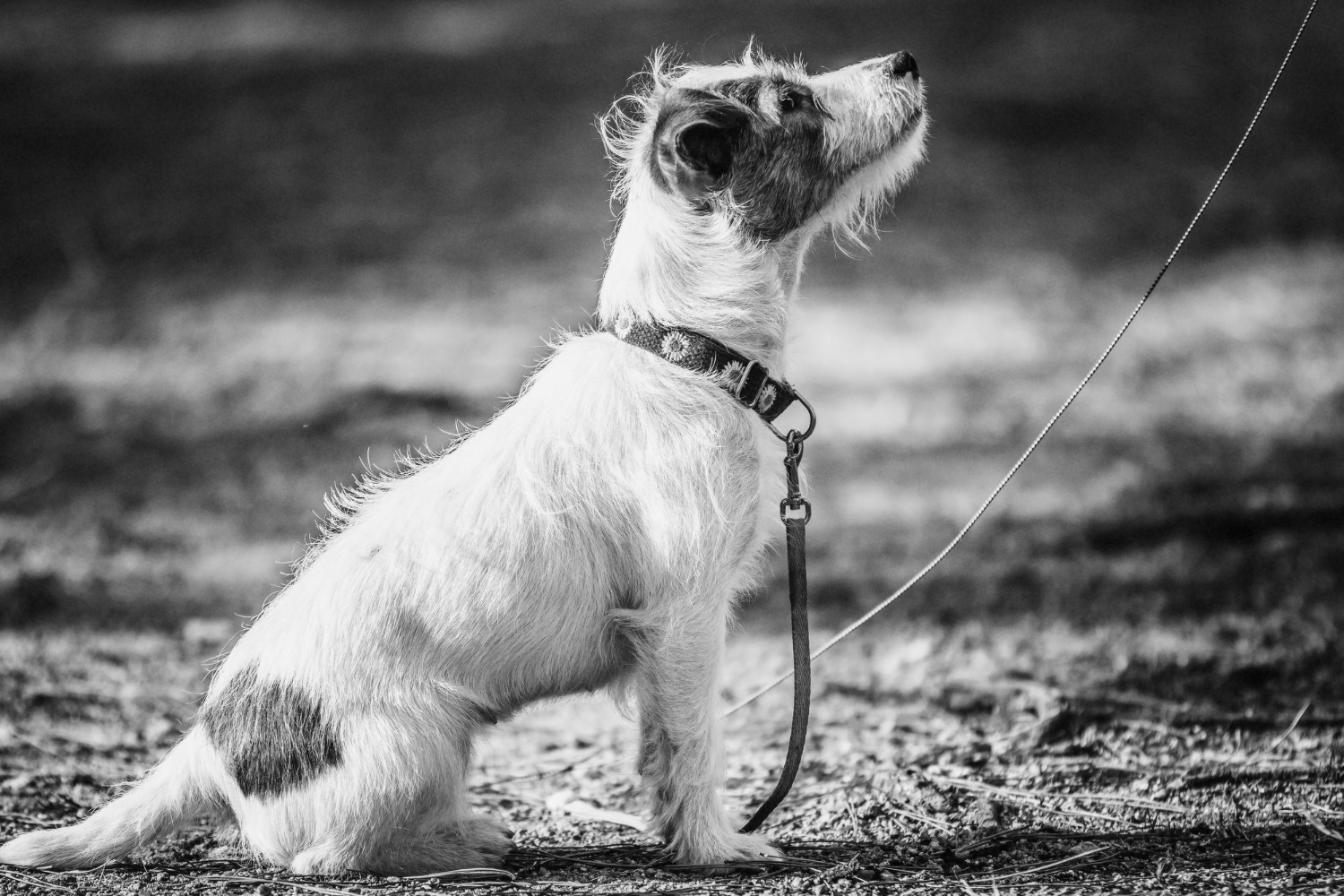
The dog tagged along on the kids’ adventures. It was a constant companion.
The family dog was often the kids’ constant companion, tagging along on neighborhood adventures, bike rides, trips to the park, and games in the yard. The dog roamed with the children as they explored, a loyal sidekick in their free-range play. Kid and dog were inseparable. Following the kids everywhere is a heartwarming feature of the family dog decades ago, the loyal companionship that made the dog a constant presence in children’s adventures and a beloved playmate, sharing in the free-roaming childhood of the era.
8. Had Puppies at Home
Family dogs often had litters of puppies at home. The puppies were given to neighbors and friends.
It was common decades ago for the family dog to have a litter of puppies at home, a joyful event for the kids, with the puppies later given away to neighbors, friends, and relatives. Raising a litter in the laundry room or backyard was a memorable family experience. Finding homes for the pups was part of it. Having puppies at home is a nostalgic feature of dog ownership decades ago, the home litters that delighted families and were shared with the community, a once-common experience that reflects the more informal approach to pets of the era. (Attitudes and practices around this have changed significantly since.)
9. Drank from Puddles and the Garden Hose
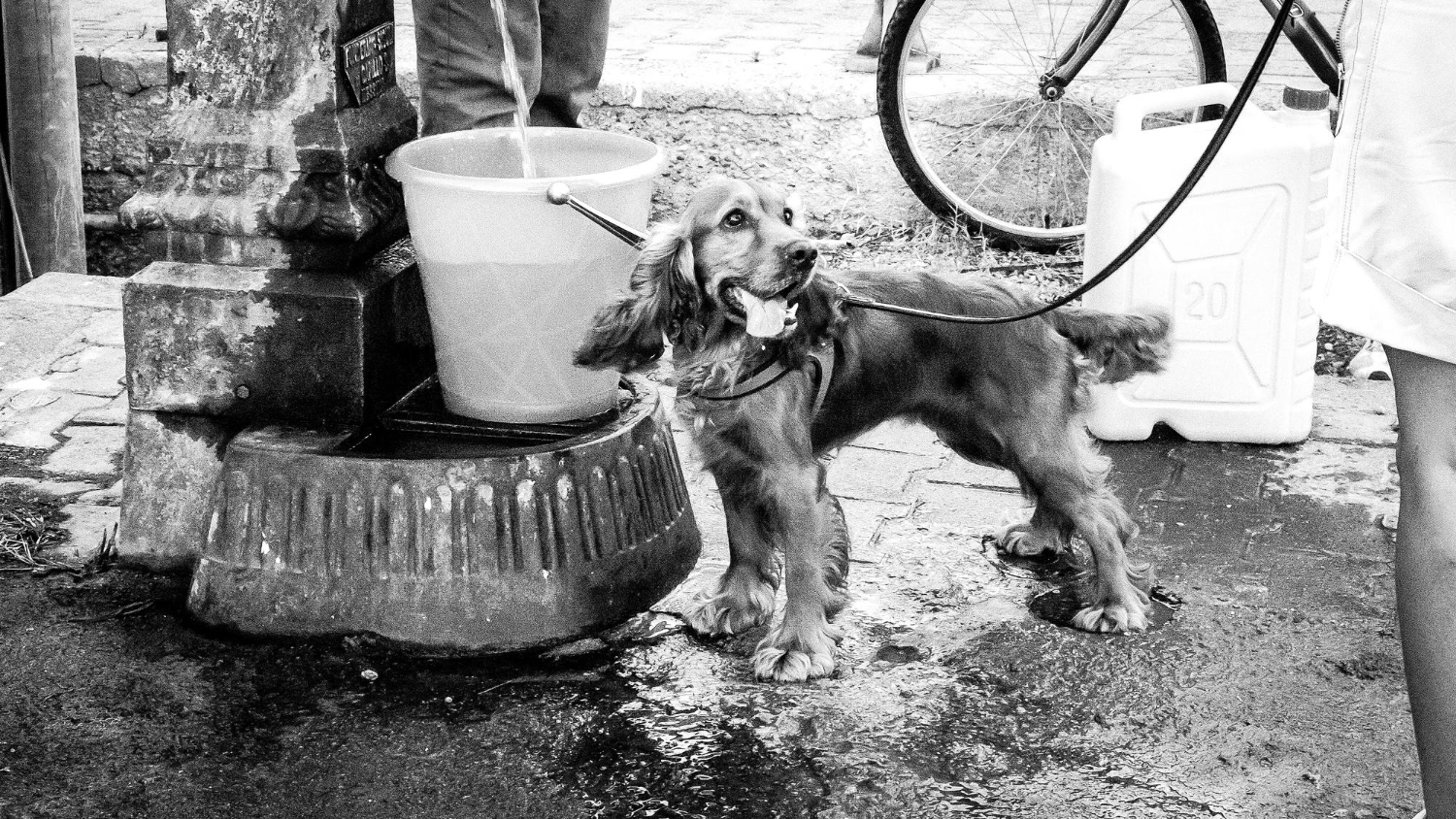
The dog drank wherever it found water. A puddle or the hose did the job.
While roaming and playing outdoors, the family dog drank from wherever it found water, a puddle, a pond, or the garden hose the kids turned on for it on a hot day. There was no fretting over a fancy water bowl when the dog was out and about. The dog took care of itself. Drinking from puddles and the garden hose is a relatable feature of how outdoor dogs lived decades ago, the drink-wherever-you-find-it independence of a free-roaming pet that reflects the more rough-and-tumble, outdoorsy life many family dogs led in the era.
10. Went Everywhere with the Family
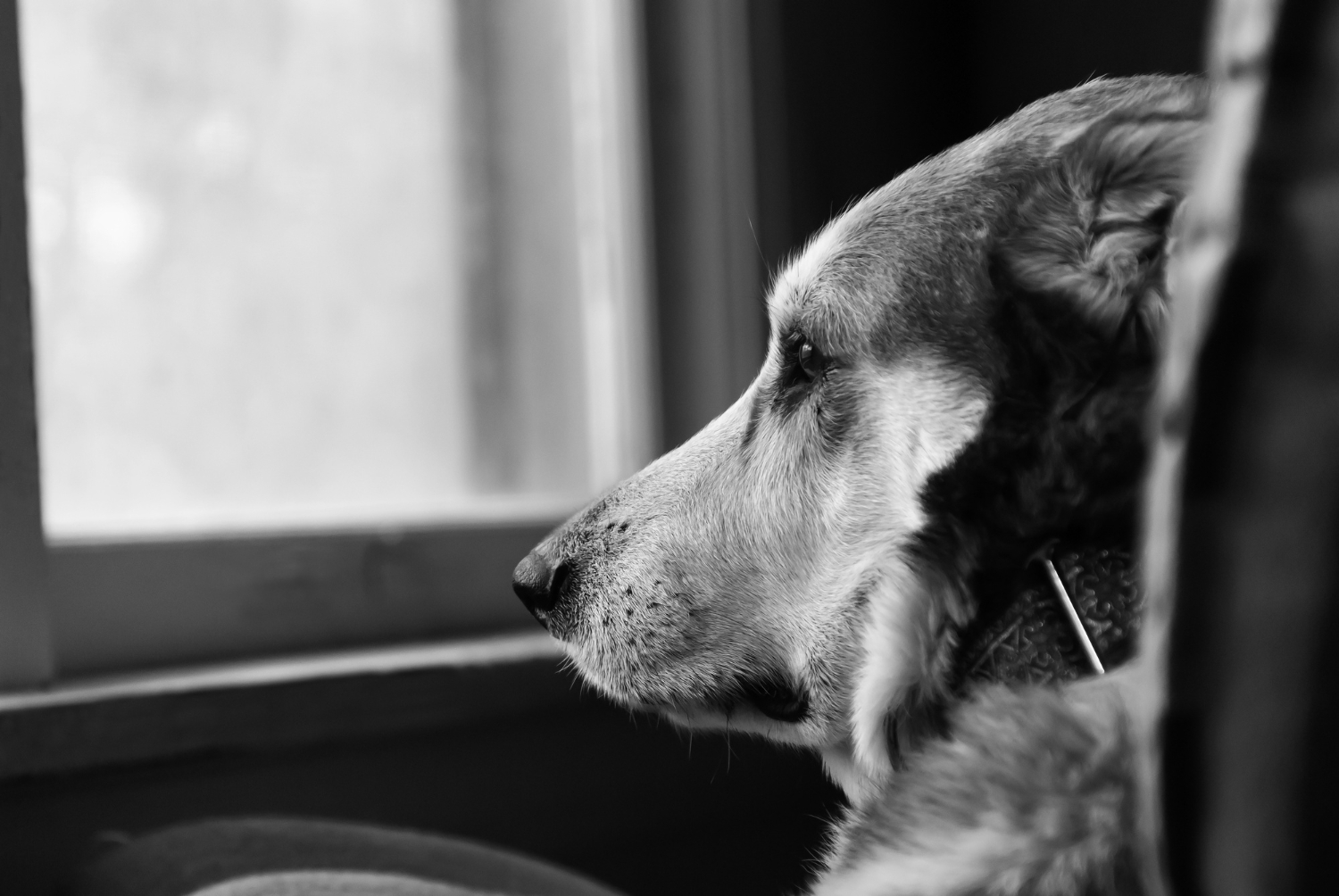
The dog came along on outings and errands. It was included in family life.
The family dog was frequently included in family outings, riding along to the park, the lake, errands, and trips, often with its head out the car window. The dog was a full member of the family who went where the family went. Its presence made every outing more fun. Going everywhere with the family is a warm feature of dog ownership decades ago, the inclusion of the dog in family outings and adventures that made the pet a cherished member of the household, sharing in the family’s daily life and special trips alike.
11. Was a Mixed-Breed “Heinz 57”
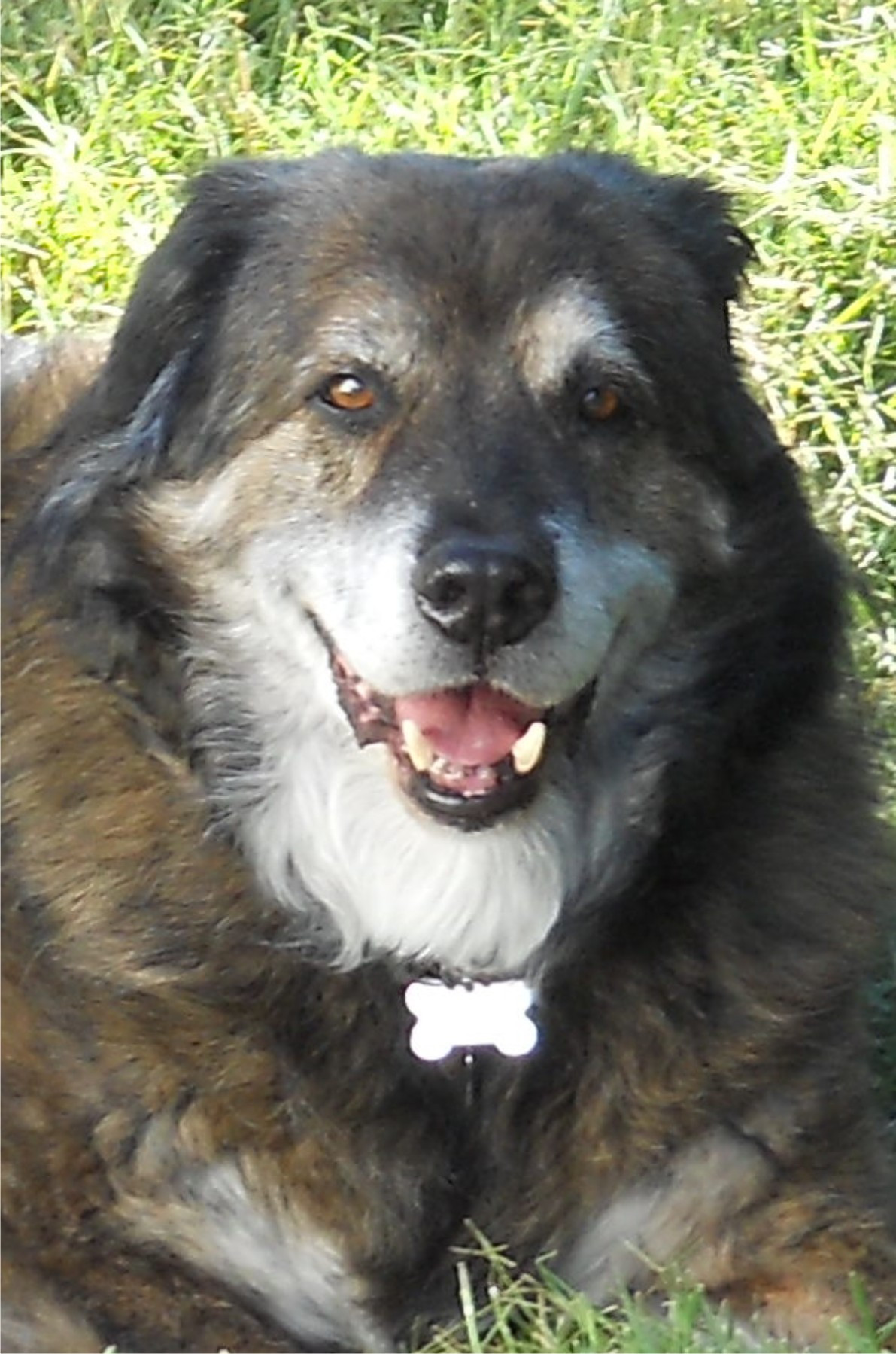
Many family dogs were mixed-breed mutts. Their mixed heritage was part of their charm.
The family dog of decades past was often a mixed-breed mutt, affectionately called a “Heinz 57,” acquired from a neighbor’s litter, the local shelter, or a stray that simply showed up and stayed. Pedigrees mattered far less than personality, and these mutts were beloved. Their mixed heritage was part of the charm. Being a mixed-breed “Heinz 57” is a charming feature of the family dog decades ago, the beloved mutt of uncertain ancestry that was the classic American family pet and whose mixed heritage and one-of-a-kind character made it all the more cherished.
12. Was a Loyal, Independent Family Member
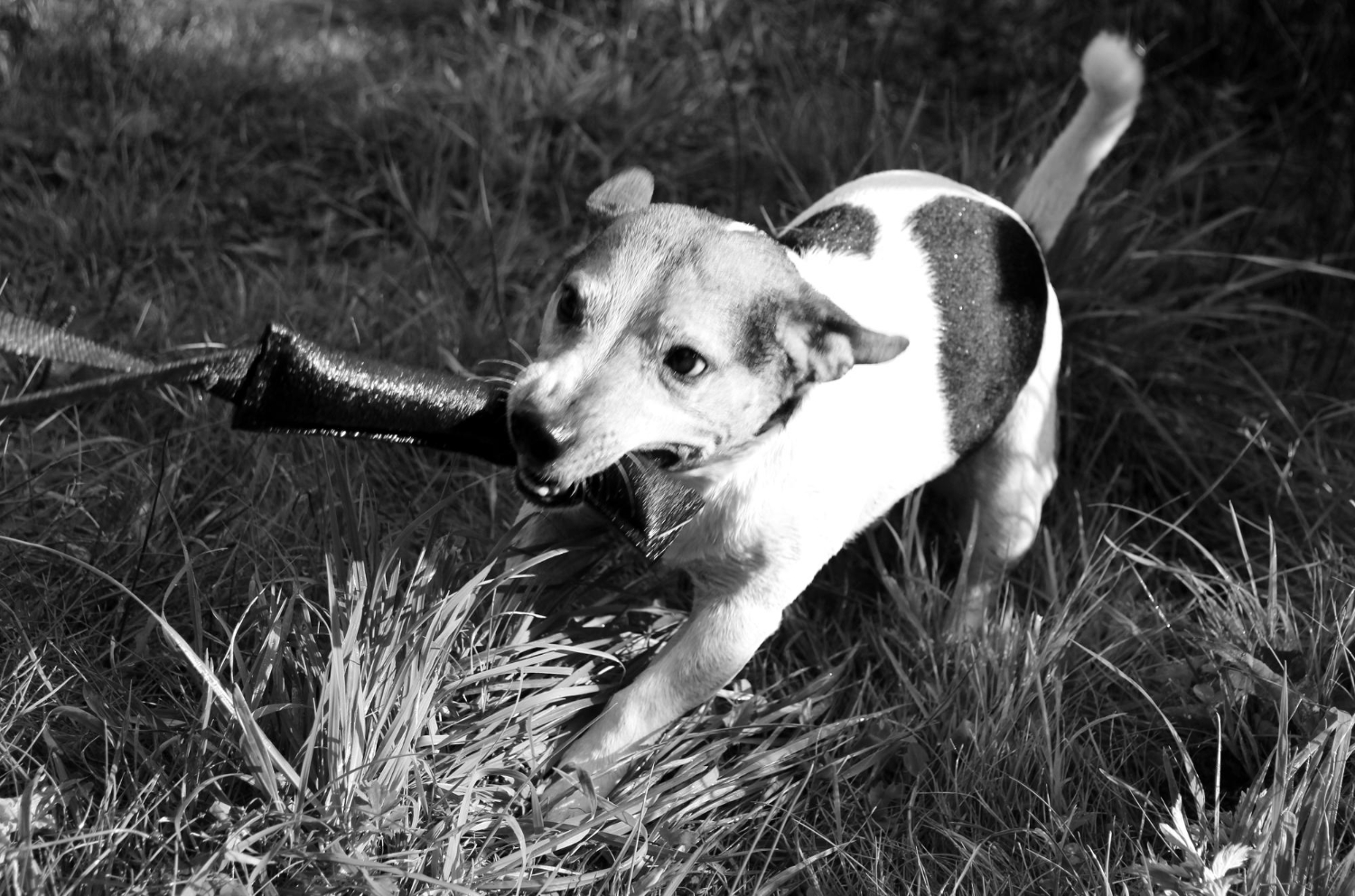
Above all, the dog was a loyal, independent companion. It lived a freer, more self-reliant life.
More than anything, the family dog of decades past was a loyal and independent member of the household, living a freer, more self-reliant life than today’s closely tended pets while still being deeply loved. The dog had its own routines and adventures, yet always belonged to the family. That blend of loyalty and freedom defined it. Being a loyal, independent family member is the heart of how the family dog lived decades ago, the blend of devoted companionship and self-reliant freedom that characterized the era’s pets and reflects a different, more relaxed approach to dog ownership, even as the love remained the same.
A Freer Life for the Family Dog
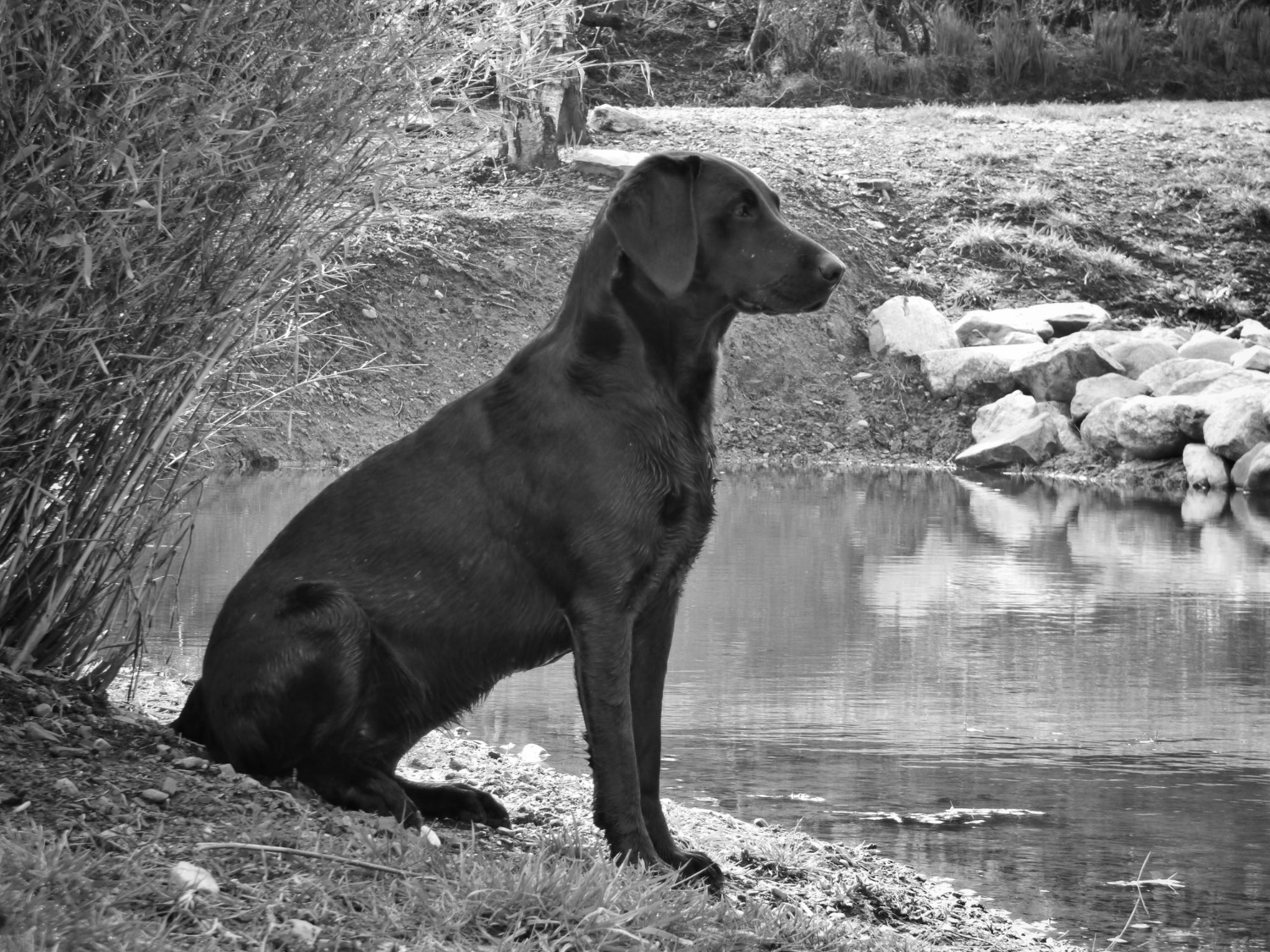
Taken together, these twelve things capture how differently the family dog lived decades ago, from roaming the neighborhood off-leash and riding in the pickup bed to eating table scraps, sleeping in a doghouse, and following the kids everywhere. It was a freer, more independent life, one that reflects the more relaxed attitudes of the era.
Attitudes toward pet care have changed enormously over the decades, bringing leash laws, careful feeding, indoor living, and a much greater focus on safety and well-being, and many of the old habits would surprise or concern today’s owners. The shift reflects how much we’ve learned and how our relationship with pets has deepened. Yet there’s a nostalgic charm to the freer life dogs once led, and the love between families and their dogs remains timeless. Looking back at the family dog of decades past is a warm, wagging tribute to a beloved companion who lived a different, more independent life, and held a cherished place in the family all the same.
Like our content? Follow us for more.