

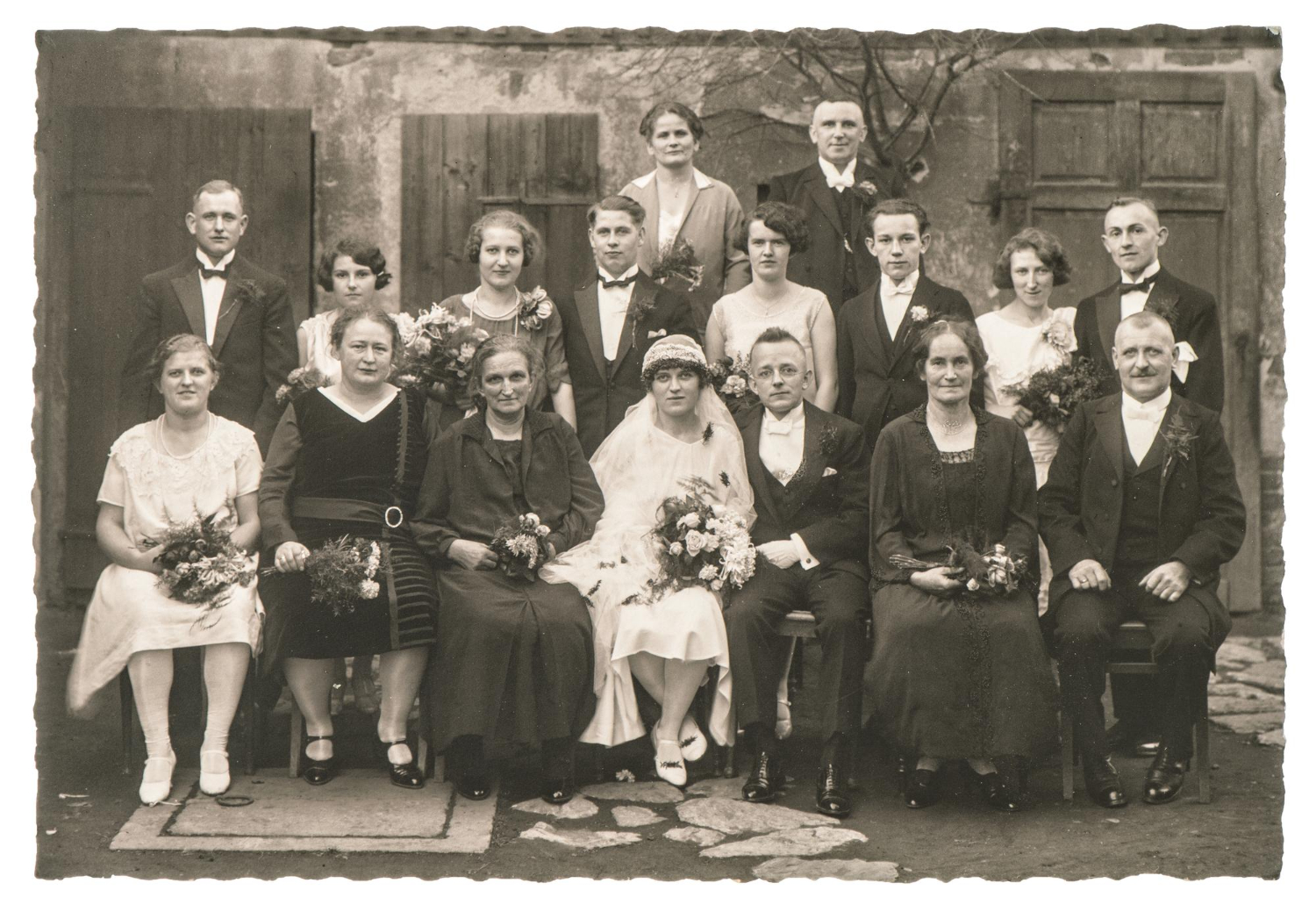
Weddings have changed enormously over the decades, and the typical American wedding of the 1960s would look surprisingly modest and traditional to couples planning a celebration today. It was an era of church ceremonies, home-style receptions, and budgets that would seem almost impossibly small now, all wrapped in the customs and expectations of the time. Looking back at the 1960s wedding offers a fascinating glimpse of how much has changed, and how charming the simpler approach could be. Here are fourteen things every American wedding had in the 1960s that would surprise couples today, counted down one by one.
1. A Surprisingly Small Budget
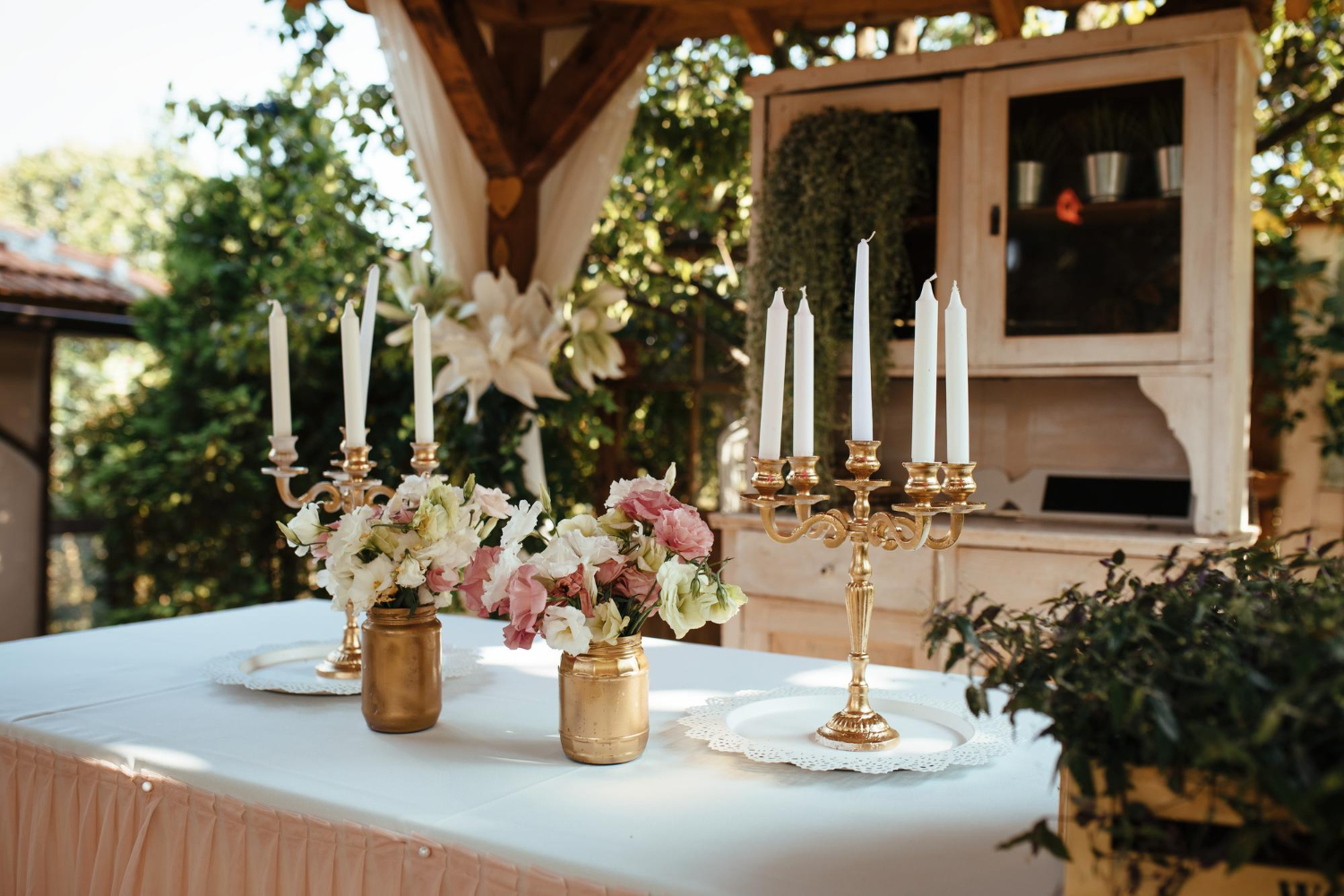
Weddings cost a tiny fraction of today’s prices. A few hundred dollars often covered it.
Perhaps the most surprising thing about a 1960s wedding was the budget. Weddings were far more modest affairs, often pulled off for a few hundred dollars, a tiny fraction of what couples spend today. The emphasis was on the marriage and the gathering rather than an elaborate, expensive production. Restraint was the norm. The surprisingly small budget is one of the most striking differences of the 1960s wedding, the modest spending that pulled off a lovely celebration for a fraction of today’s costs and reflected an era when weddings were simpler, less extravagant affairs.
2. A Very Young Bride
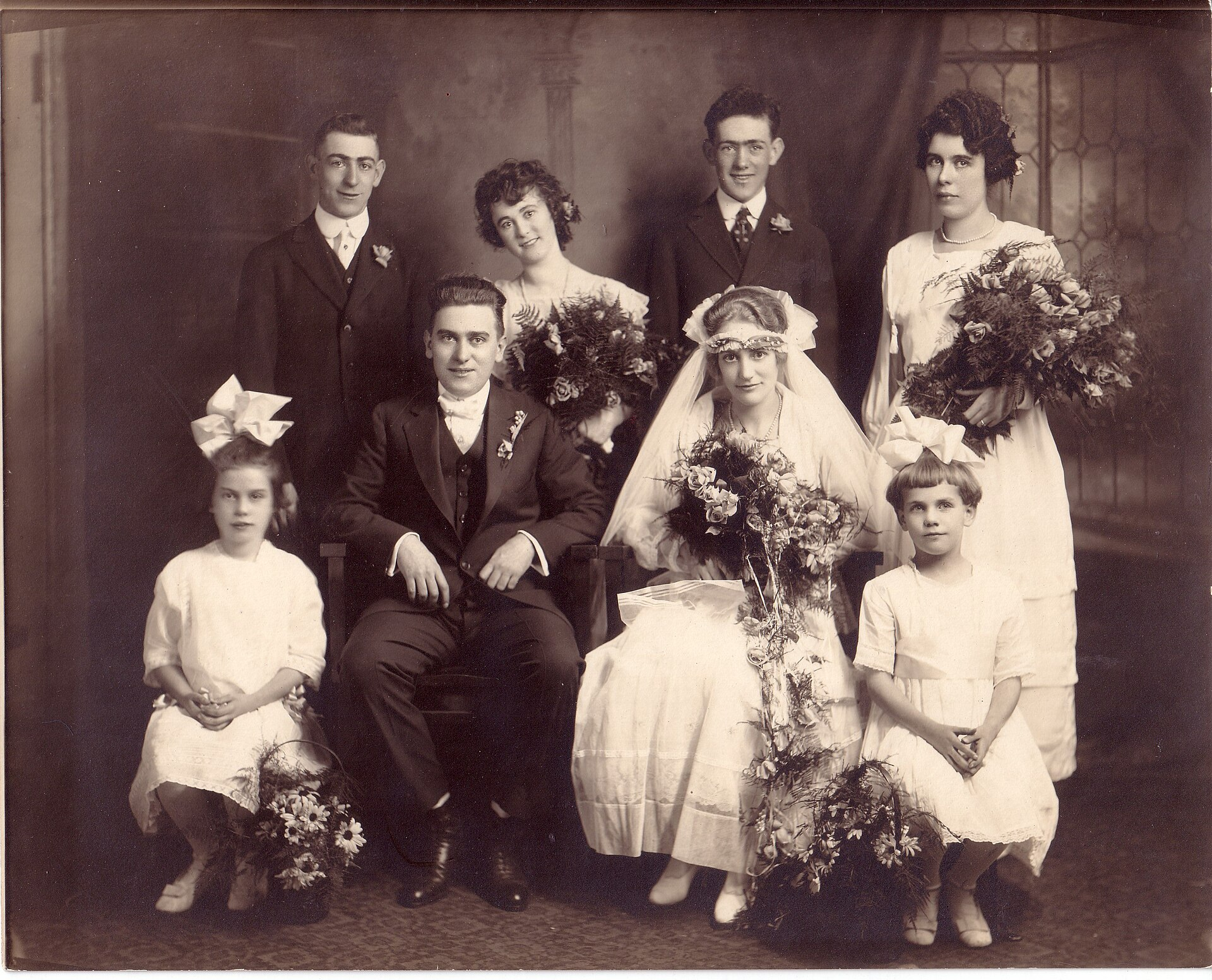
Brides were often barely out of their teens. Marrying young was the norm.
In the 1960s, it was common for brides to be quite young, often barely out of their teens or in their very early twenties, as marrying young was the cultural norm. Couples tended to wed earlier in life than they typically do today, when the average age of marriage has risen considerably. Early marriage shaped the era. The very young bride is a notable feature of the 1960s wedding, the youthful age at which many women married that reflected the era’s customs and stands in contrast to today’s trend toward marrying later in life, a shift that would surprise many.
3. A Reception in the Church Basement or at Home
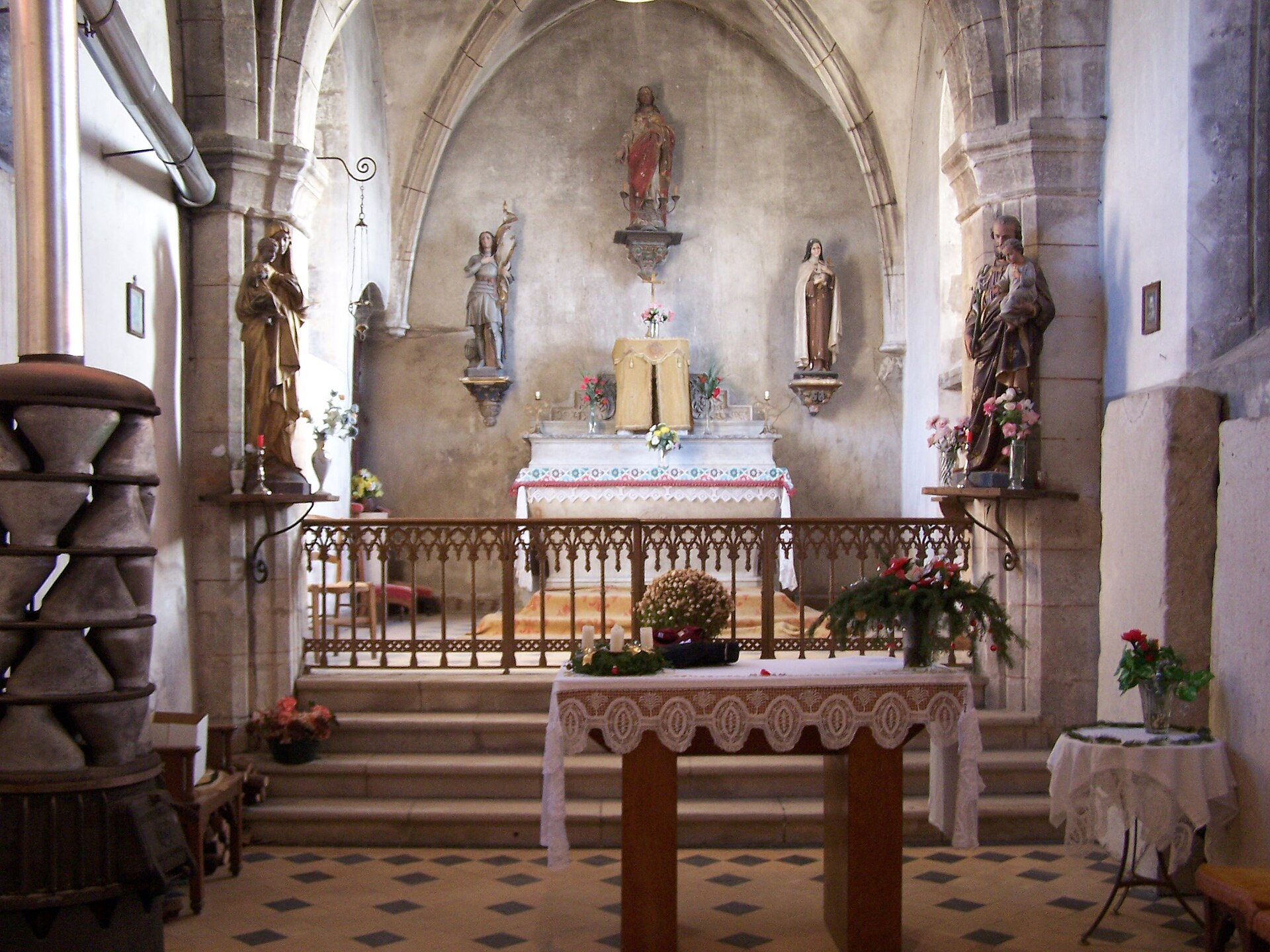
Receptions were often held at the church or home. Lavish venues were rare.
The 1960s wedding reception was frequently a humble affair held in the church basement, the fellowship hall, or even the bride’s family home, rather than at a fancy rented venue. Folding tables, simple decorations, and homemade touches were the order of the day. The focus was on fellowship, not extravagance. The reception in the church basement or at home is a charming hallmark of the 1960s wedding, the modest, community-centered setting that hosted the celebration and reflected an era when receptions were simple, heartfelt gatherings rather than elaborate productions at rented venues.
4. Finger Foods and Punch
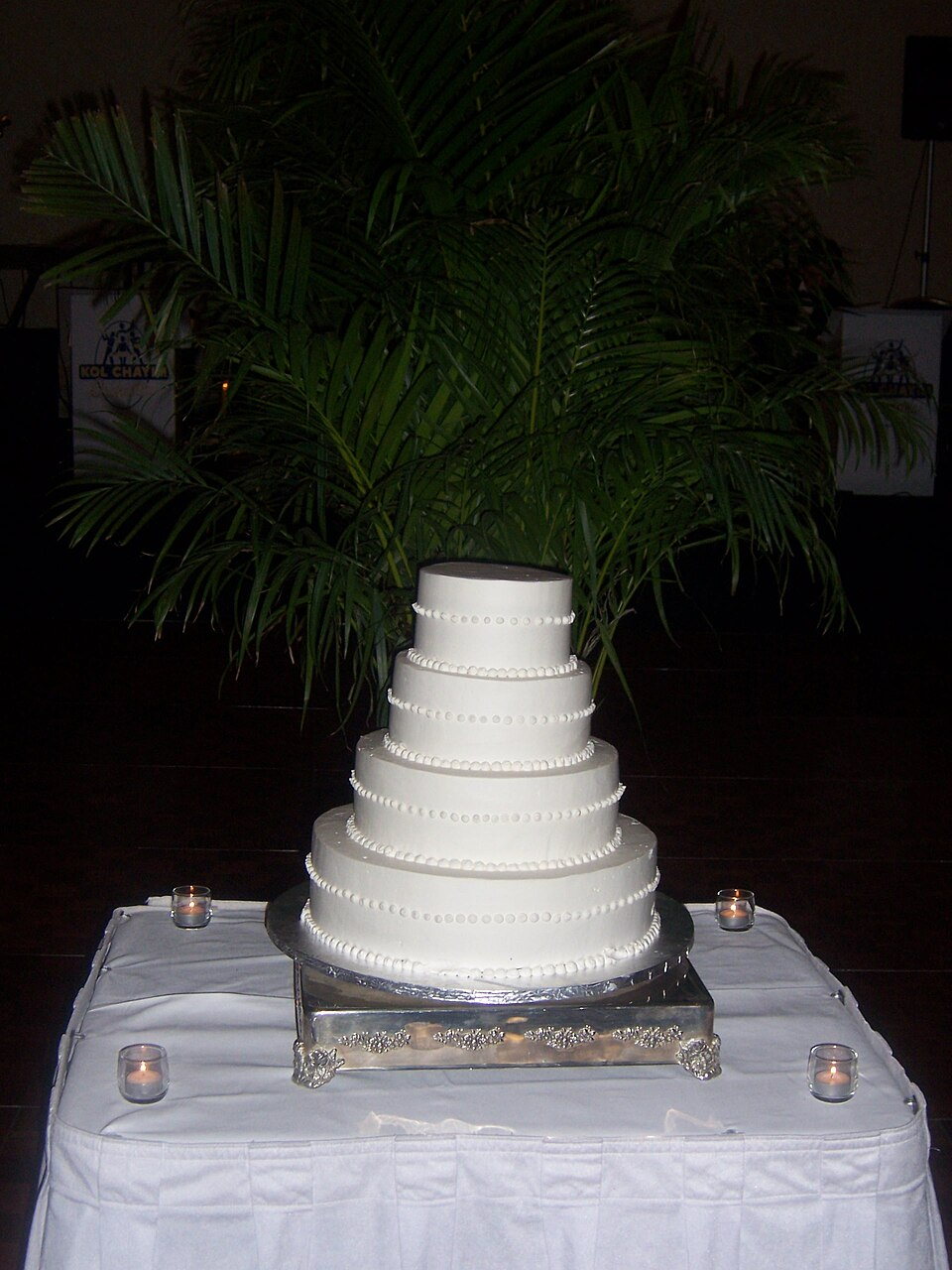
Receptions served cake, mints, nuts, and punch. A full sit-down dinner was uncommon.
Rather than a lavish catered dinner, the typical 1960s reception offered simple fare, cake, mixed nuts, pastel mints, finger sandwiches, and a bowl of punch, often non-alcoholic. Guests mingled over light refreshments rather than sitting down to a multi-course meal. The spread was modest but festive. Finger foods and punch are a classic feature of the 1960s wedding reception, the simple cake-and-punch refreshments that fed the guests in place of a full dinner and reflected the modest, unfussy approach to celebration that defined weddings of the era.
5. A Fruitcake or Simple White Cake
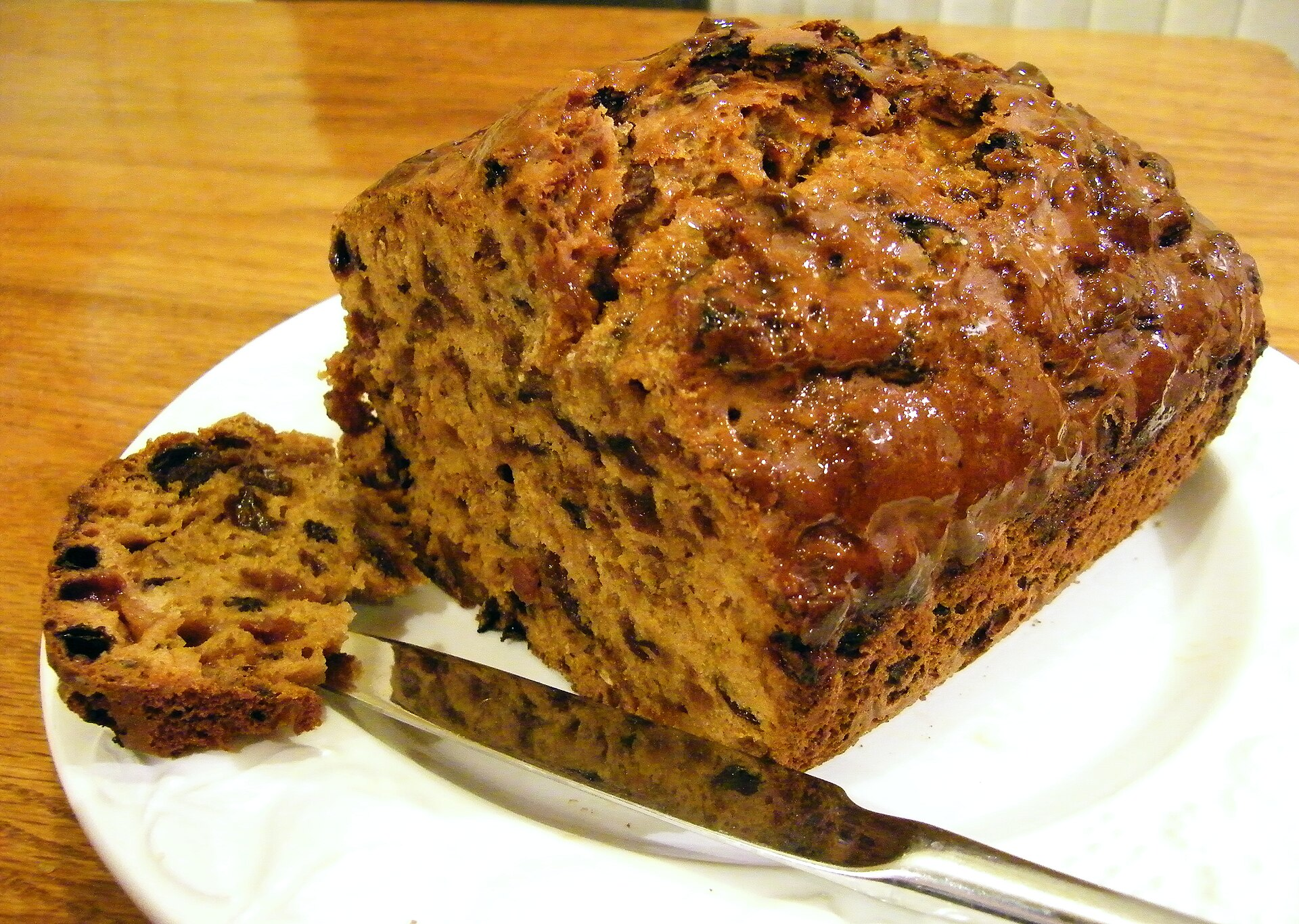
The wedding cake was often fruitcake or a basic tiered white cake. Elaborate designs were rare.
The 1960s wedding cake was typically a traditional tiered white cake or, following an older custom, a fruitcake, decorated simply and often topped with a classic bride-and-groom figurine. The elaborate, artistic cakes of today were unheard of. The cake was a centerpiece, but a modest one. The fruitcake or simple white cake is a traditional feature of the 1960s wedding, the modestly decorated tiered cake, sometimes a fruitcake by older custom, that crowned the reception and reflected the simpler, more classic style of weddings before today’s elaborate cake designs.
6. A Homemade or Store-Bought Dress
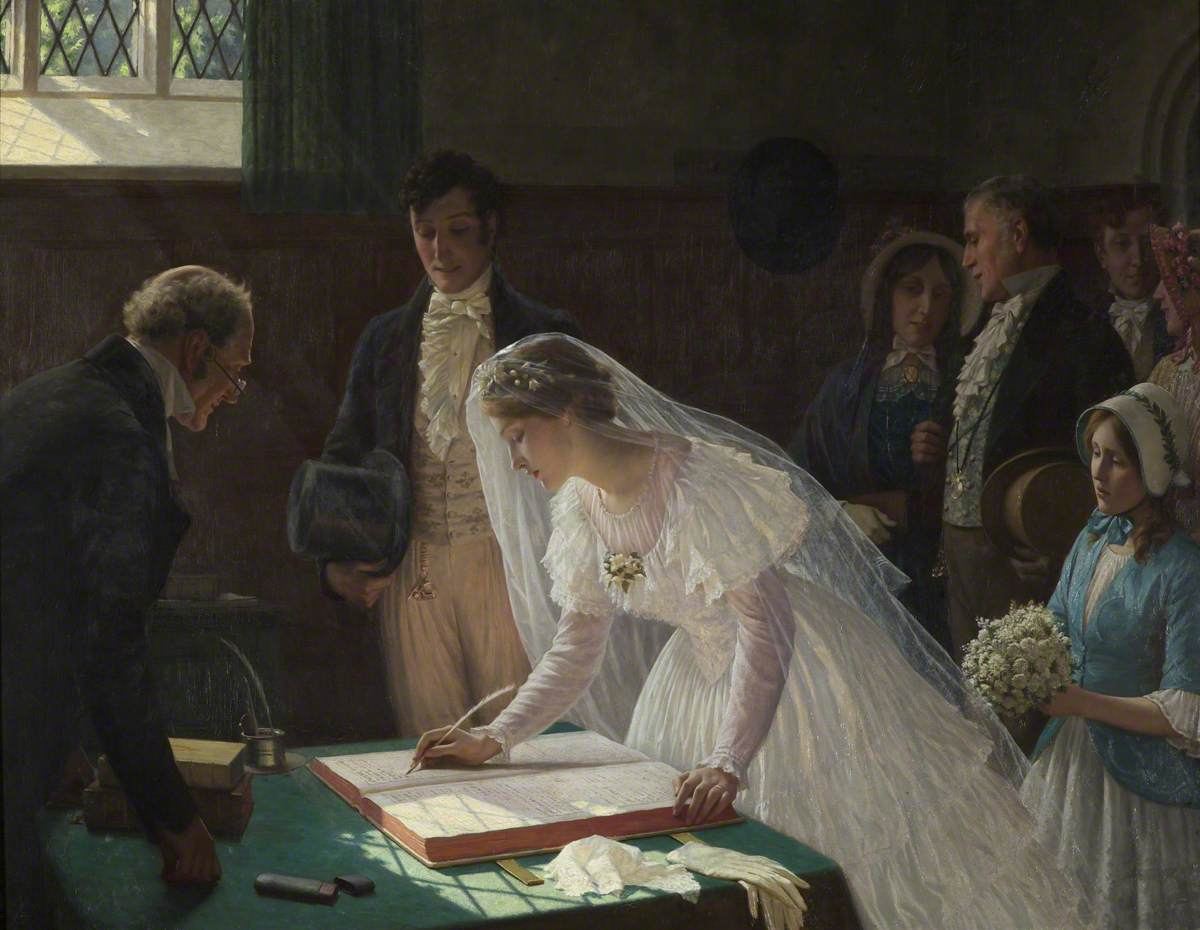
Many brides wore homemade or off-the-rack dresses. Designer gowns were uncommon.
Brides in the 1960s often wore a dress that was sewn at home by a mother or relative, bought off the rack, or even borrowed, rather than a pricey designer gown. The dresses reflected the modest, tea-length-to-full styles of the era. Thrift and tradition guided the choice. The homemade or store-bought dress is a characteristic feature of the 1960s wedding, the modestly sourced gown, often handmade or off the rack, that the bride wore and that reflected the era’s practical, budget-conscious approach to even the most important dress of a woman’s life.
7. A Short Engagement
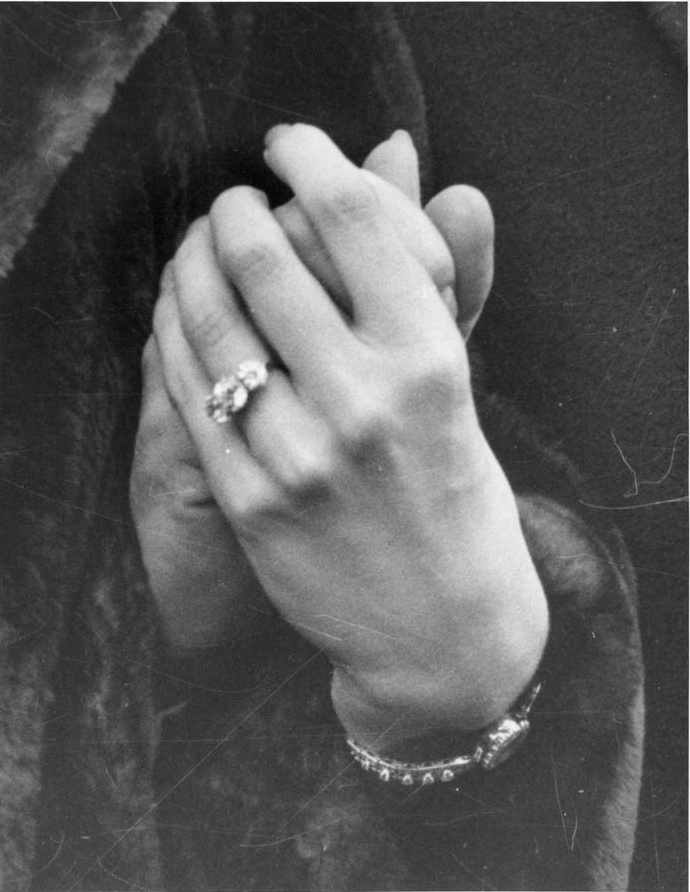
Couples often married after a brief engagement. Long engagements were unusual.
Engagements in the 1960s tended to be short, with couples often marrying within several months of getting engaged rather than planning for a year or more. With simpler weddings to arrange, there was less need for a long runway. Couples moved efficiently toward the altar. The short engagement is a notable feature of 1960s weddings, the brief period between proposal and marriage that reflected both simpler celebrations and the era’s customs, a contrast to today’s often lengthy engagements and extended planning timelines.
8. A Local Photographer with a Few Posed Shots
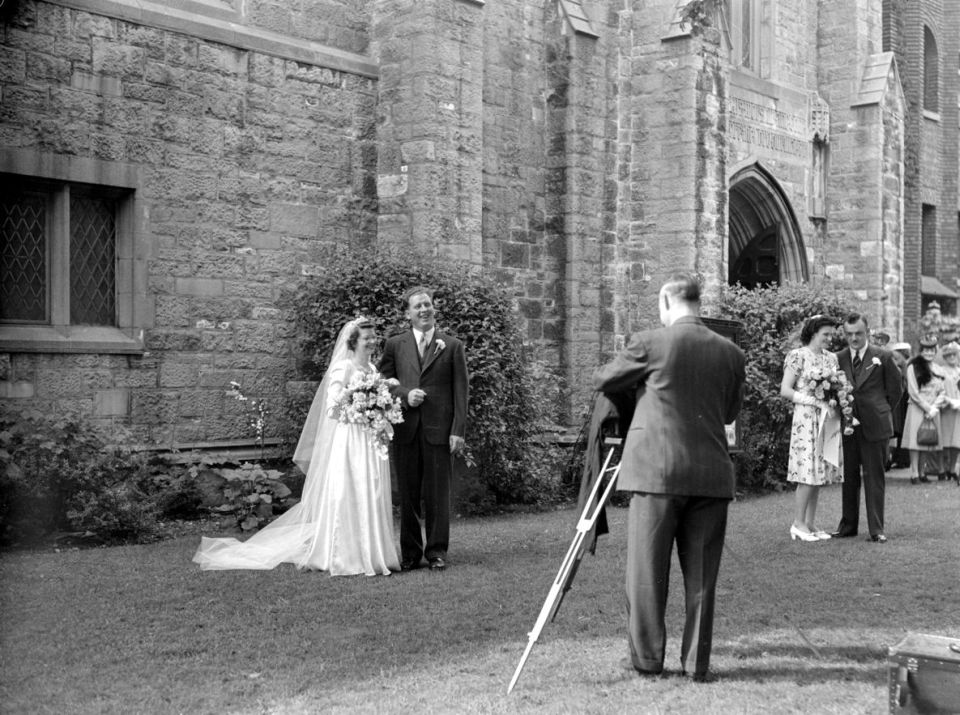
Wedding photos were a modest set of posed pictures. There was no sprawling photo shoot.
Wedding photography in the 1960s was modest, a local photographer took a handful of formal, posed shots, often in black and white or early color, rather than the hundreds of candid images and elaborate sessions common today. A small album of carefully posed portraits captured the day. Quality over quantity was the rule. The local photographer with a few posed shots is a feature of the 1960s wedding, the modest photographic record of a handful of formal portraits that documented the day and reflected an era before sprawling photo sessions, drone footage, and thousands of digital images.
9. Guests Dressed in Their Sunday Best
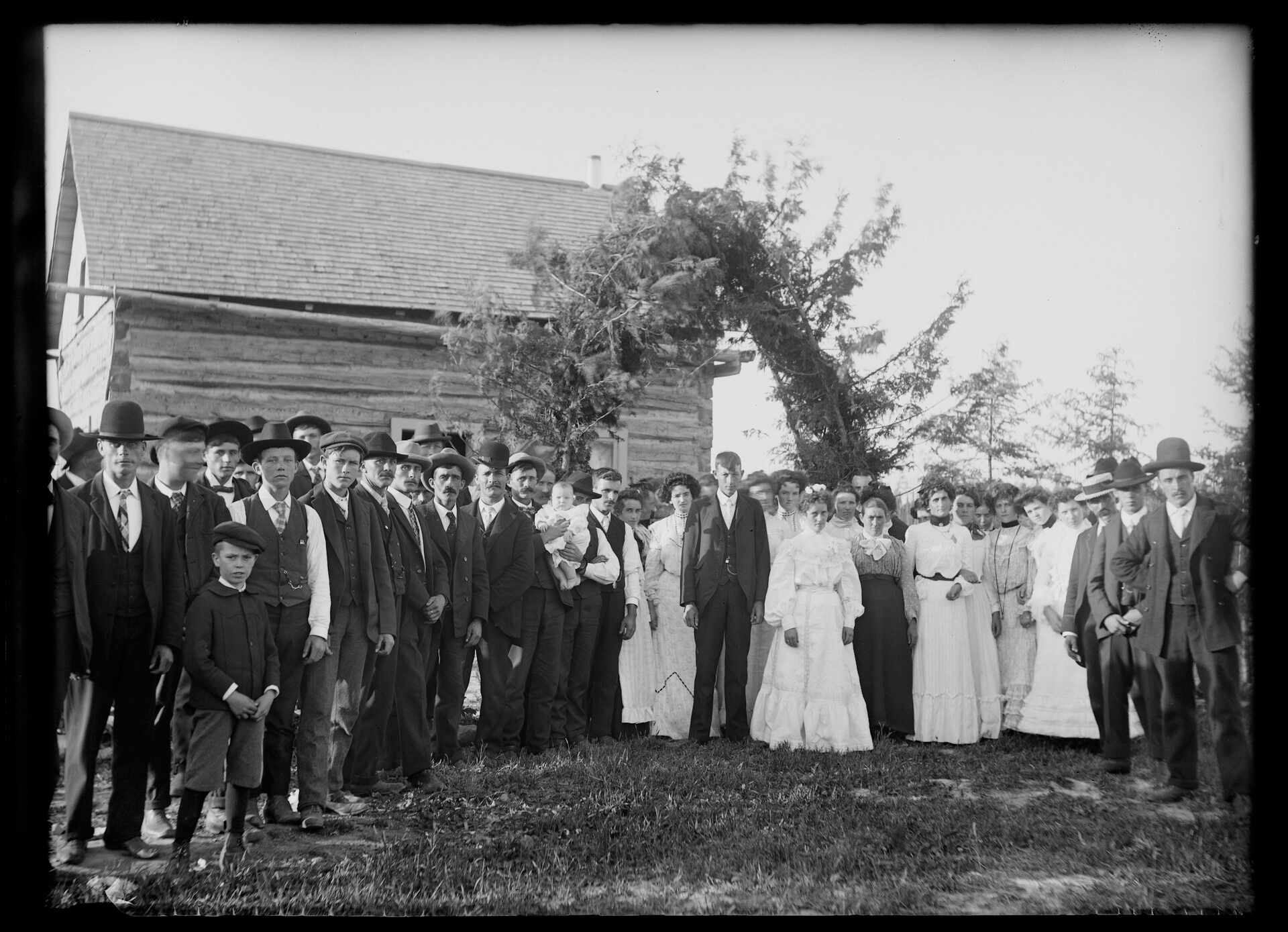
Guests wore formal, modest attire, hats and gloves included. Standards of dress were high.
Wedding guests in the 1960s dressed formally and modestly, with women often in hats, gloves, and proper dresses and men in suits and ties. Standards of dress for such an occasion were high, and everyone turned out in their Sunday best. Looking sharp was a sign of respect. Guests dressed in their Sunday best is a hallmark of the 1960s wedding, the formal, modest attire, complete with hats and gloves, that guests wore as a sign of respect for the occasion and reflected the era’s higher standards of dress for special events.
10. A Honeymoon Closer to Home
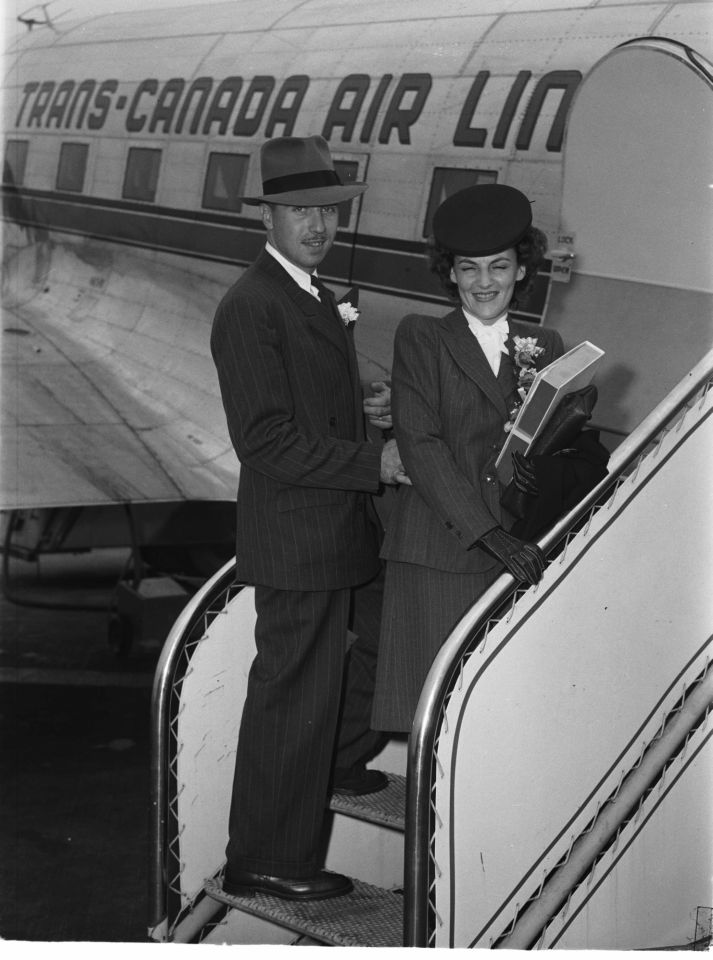
Honeymoons were often modest trips not far away. Exotic destinations were rare.
The 1960s honeymoon was typically a modest affair, a trip to a nearby city, a lakeside resort, or a popular regional destination, rather than a far-flung international getaway. Couples kept it simple and affordable, often staying within driving distance. The trip was about time together, not extravagance. The honeymoon closer to home is a feature of the 1960s wedding, the modest, often regional getaway that newlyweds took in place of today’s exotic destination trips and reflected the era’s practical, budget-minded approach to even the romance of the honeymoon.
11. Traditional Gender Roles on Display
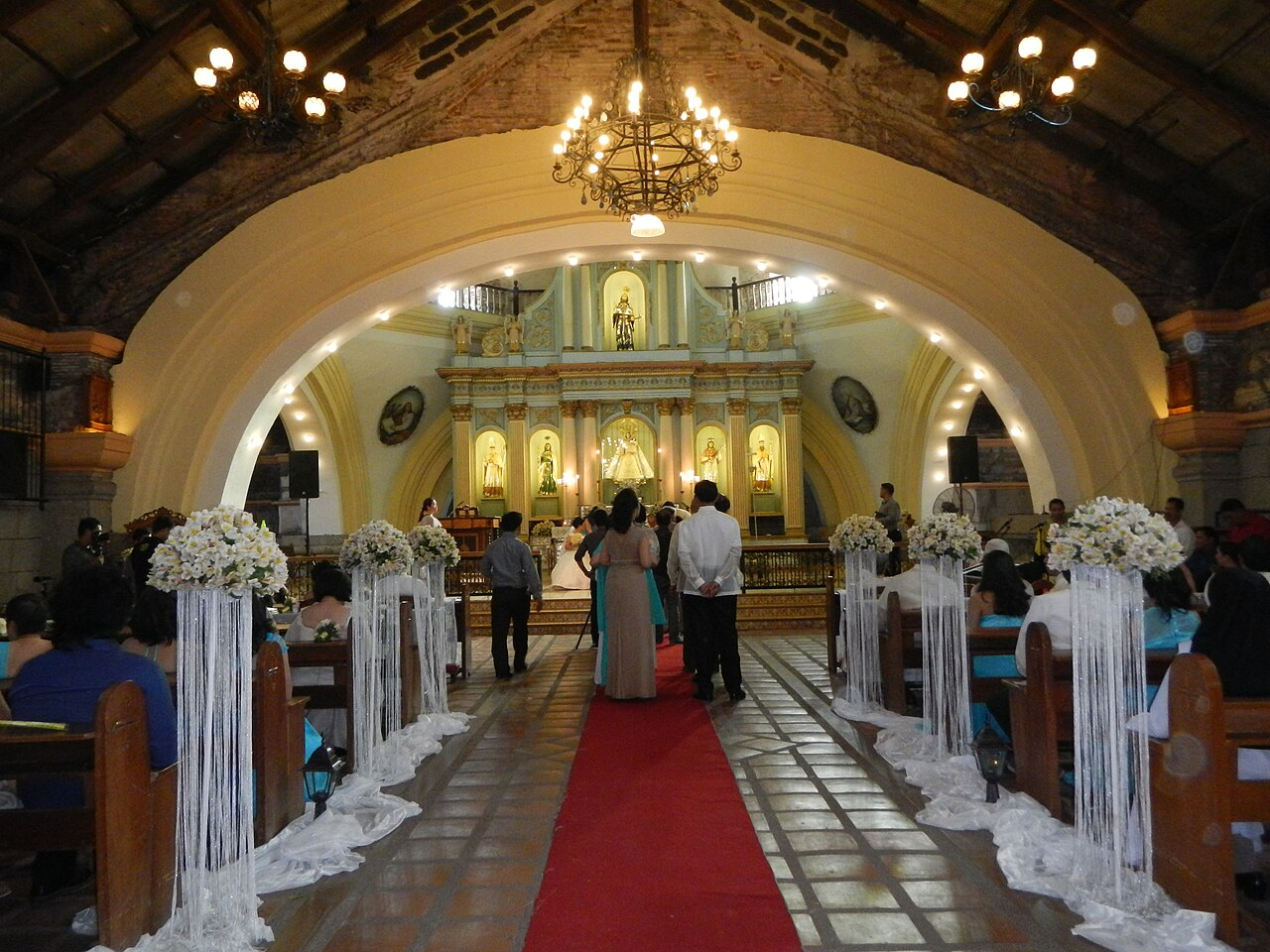
Weddings reflected the era’s traditional roles. Customs followed long-standing expectations.
The 1960s wedding reflected the traditional gender roles of the era, evident in the vows, the customs, and the expectations surrounding marriage and family that followed. The ceremony and its conventions mirrored the social norms of the time. These customs were simply taken for granted then. The traditional gender roles on display are a notable aspect of the 1960s wedding, the era’s conventional expectations woven through the ceremony and customs, a reflection of the social norms of the time that have evolved considerably in the decades since.
12. Handwritten Invitations and RSVPs
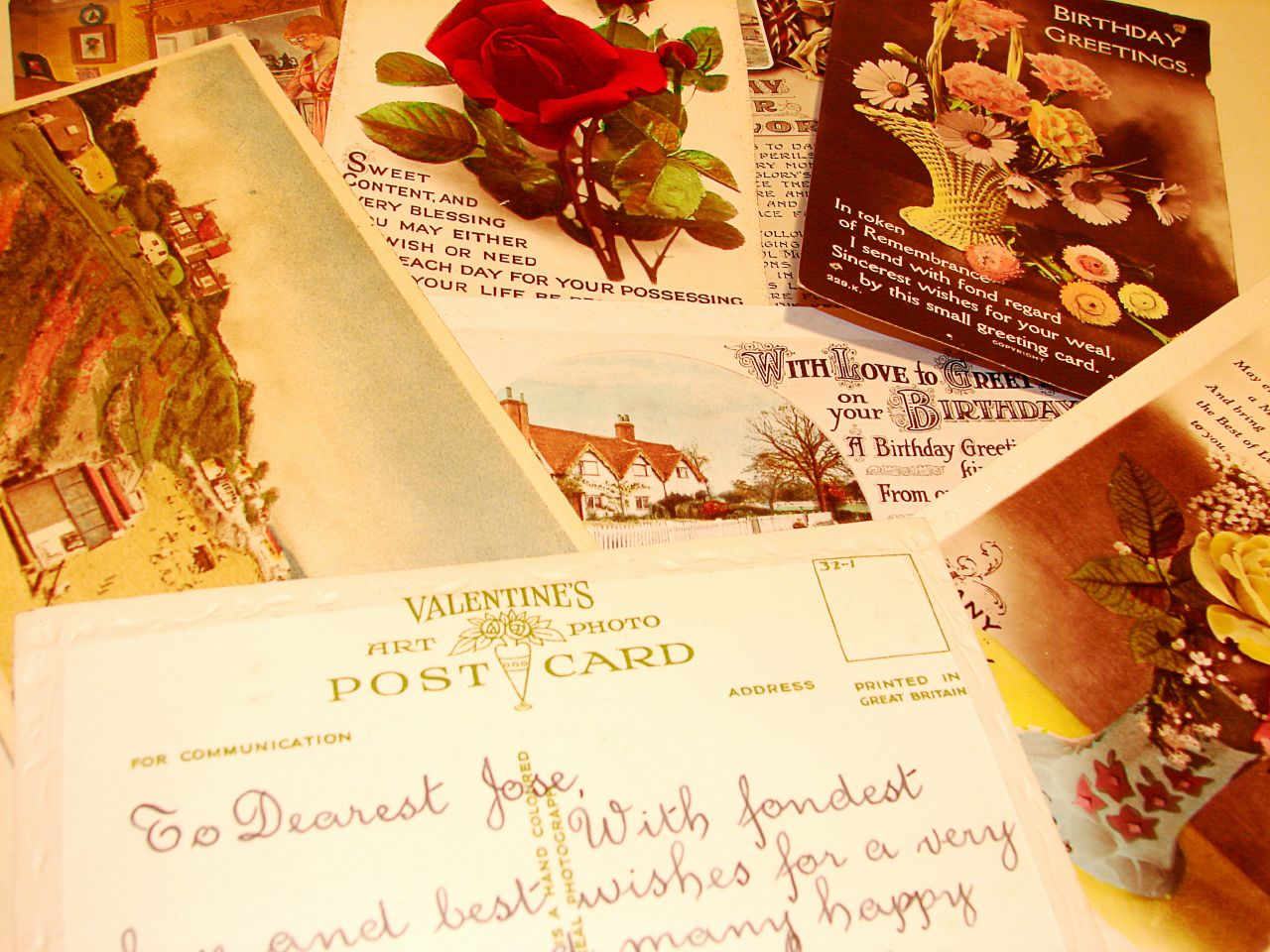
Invitations were formal, mailed, and replied to by mail. Everything was done on paper.
In the 1960s, wedding invitations were formal printed or handwritten cards sent by mail, and guests replied with a mailed RSVP card or note. There were no online invitations, wedding websites, or text-message replies, everything was handled on paper through the post. The formality was part of the occasion. Handwritten invitations and mailed RSVPs are a feature of the 1960s wedding, the entirely paper-based, postal approach to inviting guests and gathering replies that reflected an era before digital invitations and websites transformed how couples manage their guest lists.
13. Practical, Useful Gifts
Guests gave practical household gifts. Registries leaned toward the everyday.
Wedding gifts in the 1960s were typically practical and useful, household items like dishes, linens, small appliances, cookware, and kitchen goods to help the young couple set up their first home. The focus was on outfitting the new household with everyday essentials. Practicality guided the giving. Practical, useful gifts are a characteristic of the 1960s wedding, the everyday household items that guests gave to help newlyweds furnish their first home and reflected an era when wedding gifts were about practical needs rather than cash funds or experiences.
14. A Focus on the Marriage, Not the Production
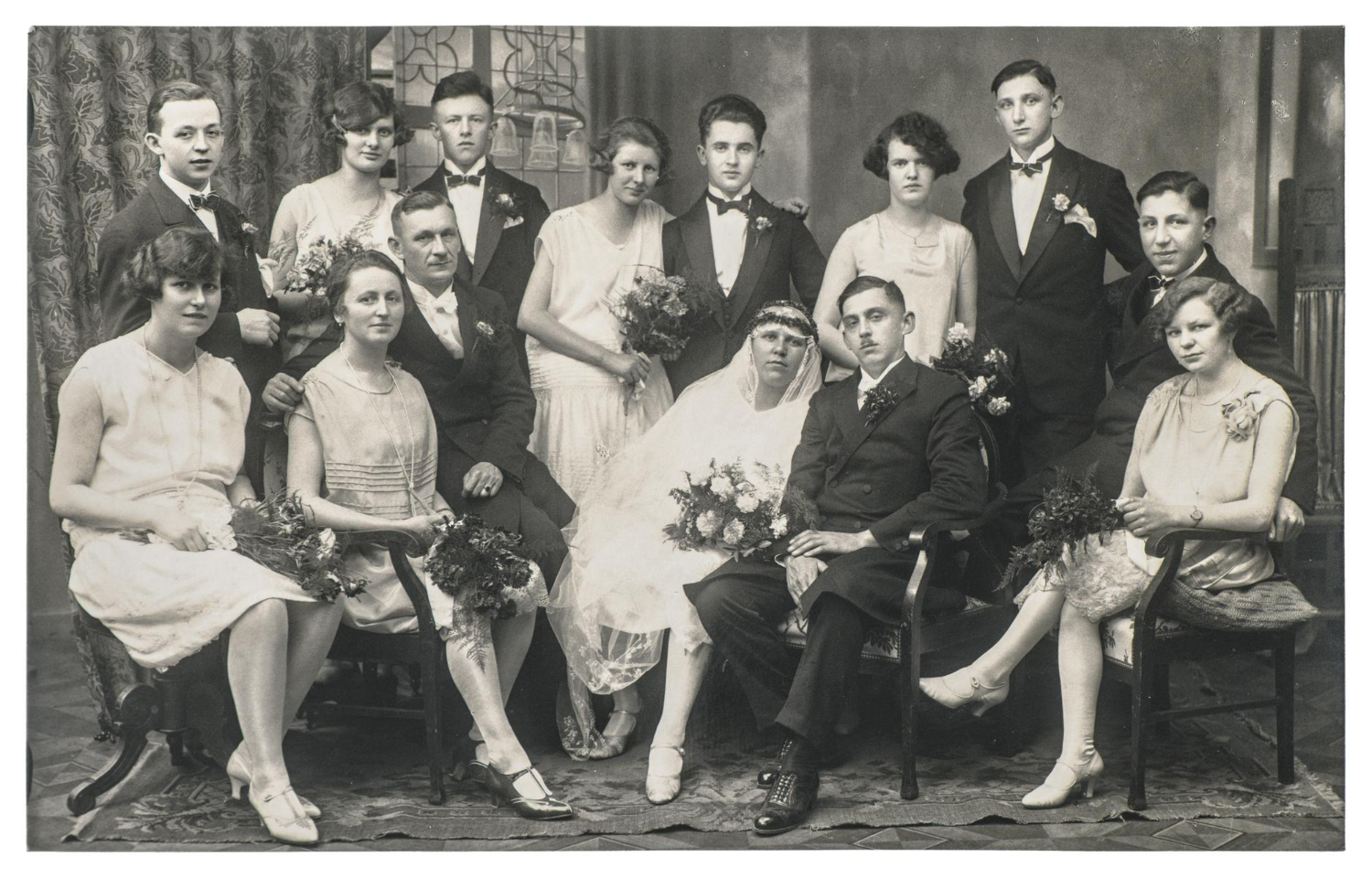
The day centered on the marriage itself. The celebration was heartfelt but simple.
Above all, the 1960s wedding kept its focus on the marriage itself rather than an elaborate production. The day was a heartfelt, community celebration of two people committing to a life together, without the pressure to stage a lavish, picture-perfect event. The meaning, not the spectacle, was the point. The focus on the marriage, not the production, is the heart of the 1960s wedding, the emphasis on the commitment and the gathering over extravagance that defined the era’s celebrations and offers a gentle reminder of what weddings are ultimately about.
A Simpler Way to Say “I Do”
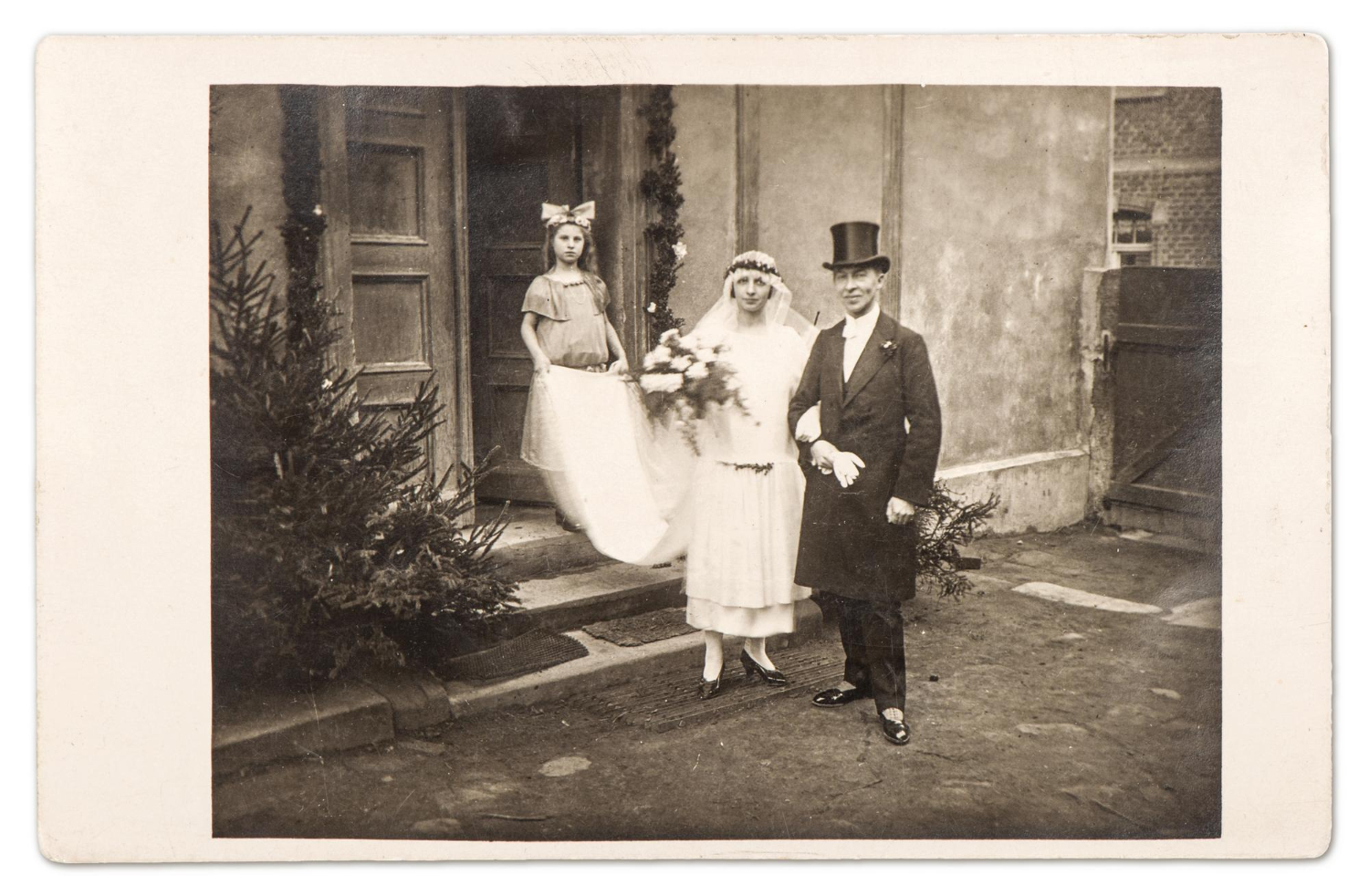
Taken together, these fourteen things capture how different the American wedding of the 1960s was, from the tiny budget and church-basement reception to the punch-and-cake refreshments, the homemade dress, and the focus on the marriage itself. It was a simpler, more modest way to say “I do,” and one that would surprise many couples planning a wedding today.
Weddings have grown far more elaborate and expensive over the decades, with destination ceremonies, lavish receptions, and budgets that the couples of the 1960s could scarcely have imagined. The changes reflect broader shifts in culture, expectations, and the wedding industry itself. Yet there’s a real charm to the simplicity of the 1960s wedding, with its emphasis on community and commitment over spectacle. Looking back at the American wedding of the 1960s is a fond and revealing trip down memory lane, a tribute to a simpler way to celebrate two people starting a life together.
