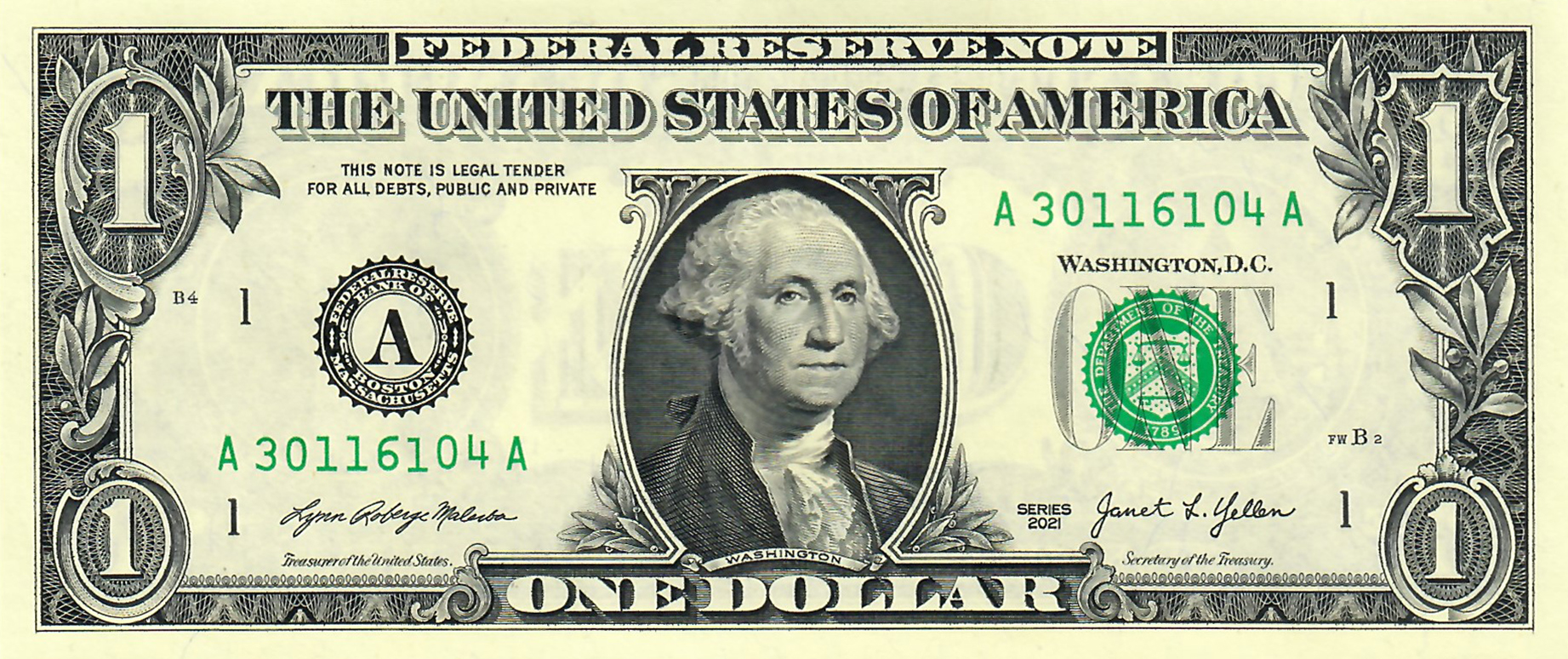
It’s hard to imagine today, but in 1965 a single dollar bill carried real buying power. Prices were a fraction of what they are now, and a dollar could cover a surprising amount, a tank-filling portion of gas, a night at the movies, a week’s worth of small treats. Looking back at what a dollar could buy is a striking reminder of how much prices have changed over the decades, and a nostalgic trip through the everyday costs of the era. Here are fourteen things a single dollar could buy in 1965, counted down one by one. (Prices varied by region and over time; these reflect the general costs of the era.)
1. Several Gallons of Gas
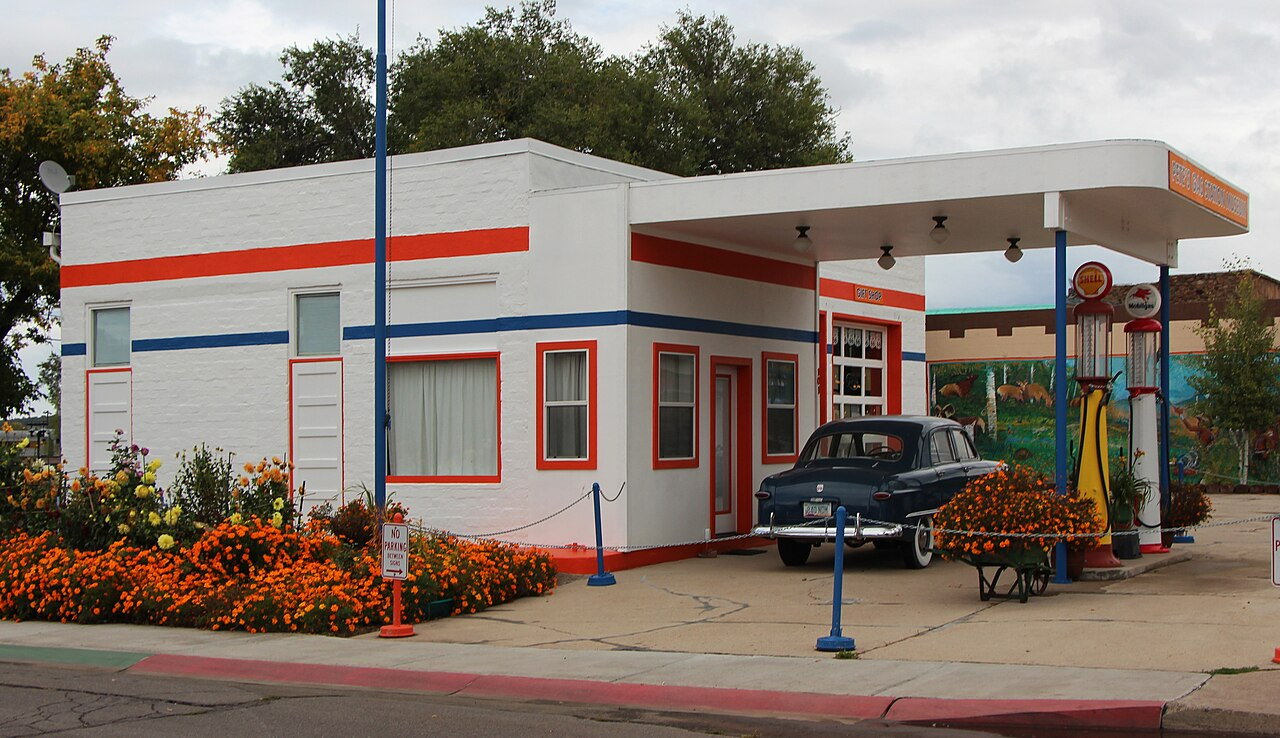
A dollar bought multiple gallons of gasoline. Filling up was remarkably cheap.
In 1965, gasoline cost around 30 cents a gallon, meaning a single dollar bought roughly three gallons, enough to drive a good distance back when cars were the heart of American life. Filling the tank cost just a few dollars, and gas was so cheap that a Sunday drive was an affordable pastime. Those prices are astonishing today. Several gallons of gas for a dollar is one of the most striking examples of 1965’s buying power, the remarkably cheap fuel that powered the era’s love of driving and stands in stark contrast to today’s gas prices.
Like our content? Follow us for more.
2. A Movie Ticket with Change to Spare
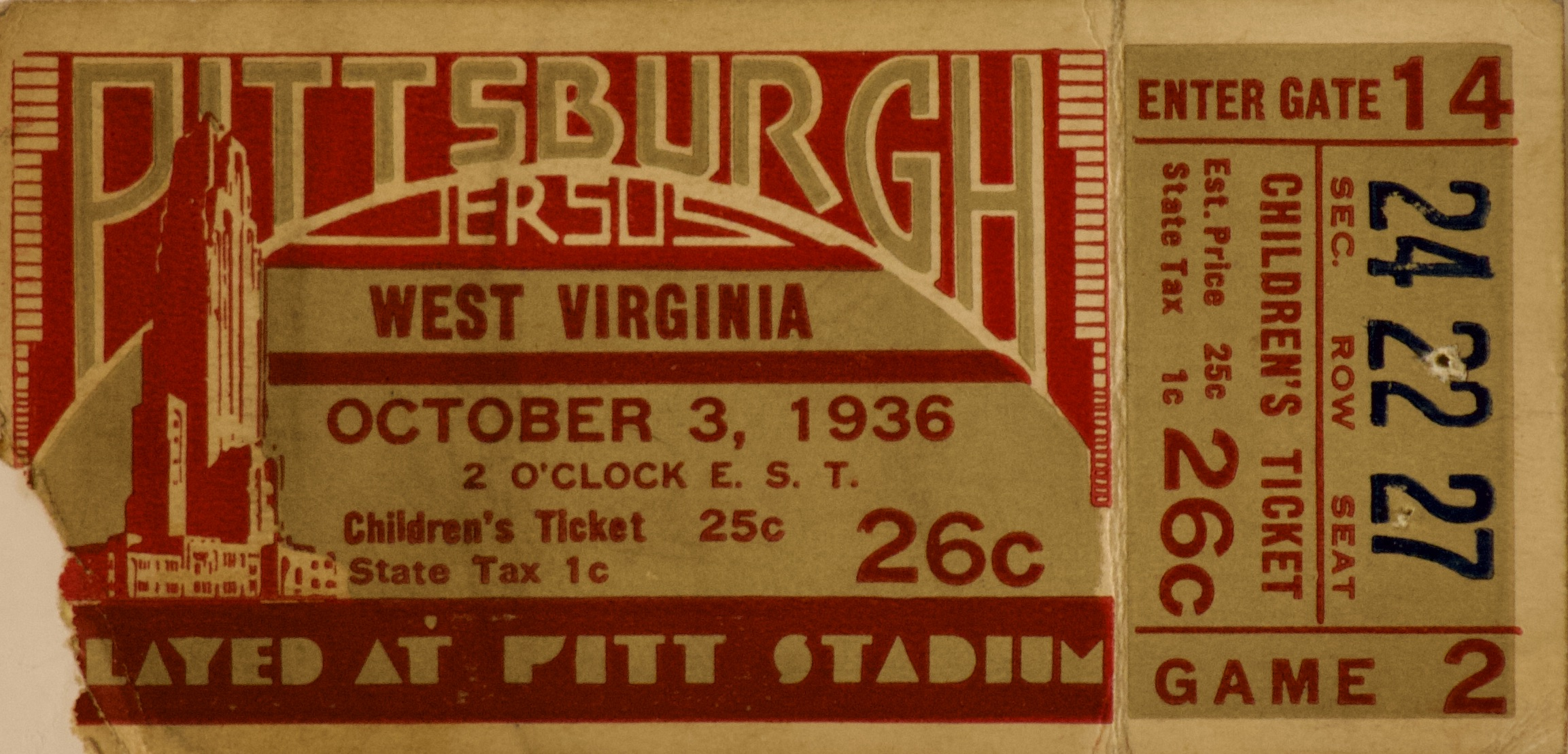
A dollar covered a movie ticket and then some. A night at the cinema was affordable.
A movie ticket in 1965 cost roughly a dollar or less, so a single bill could get you into the cinema with change left for a small treat. Catching a film was an affordable outing, and a family could enjoy a night at the movies without breaking the bank. The cinema was cheap entertainment. A movie ticket with change to spare is a classic example of 1965’s prices, the affordable cost of a night at the cinema that made moviegoing a regular, inexpensive pastime and illustrates just how far a dollar stretched for entertainment back then.
3. A Dozen Eggs
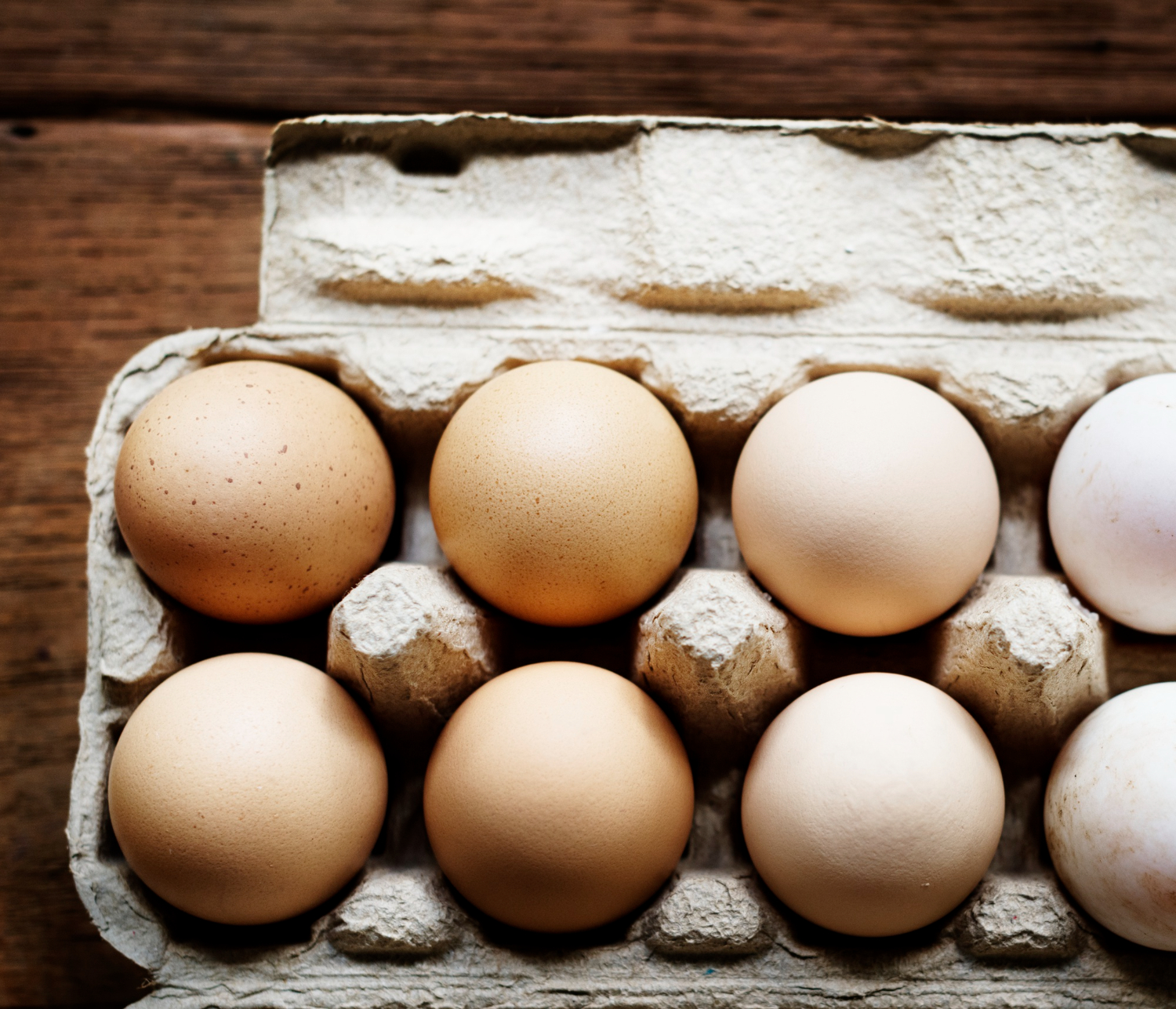
A dollar easily bought a dozen eggs, with money left over. Groceries were remarkably cheap.
A dozen eggs cost well under a dollar in 1965, often around 50 cents, so a single bill bought a dozen with plenty to spare. Basic groceries were strikingly affordable, and a dollar could cover several everyday food staples. Stocking the kitchen cost a fraction of today’s prices. A dozen eggs for well under a dollar is a telling example of 1965 grocery prices, the cheap cost of a kitchen staple that reflects how affordable basic food was and how much more a dollar bought at the grocery store back then.
4. Several Candy Bars
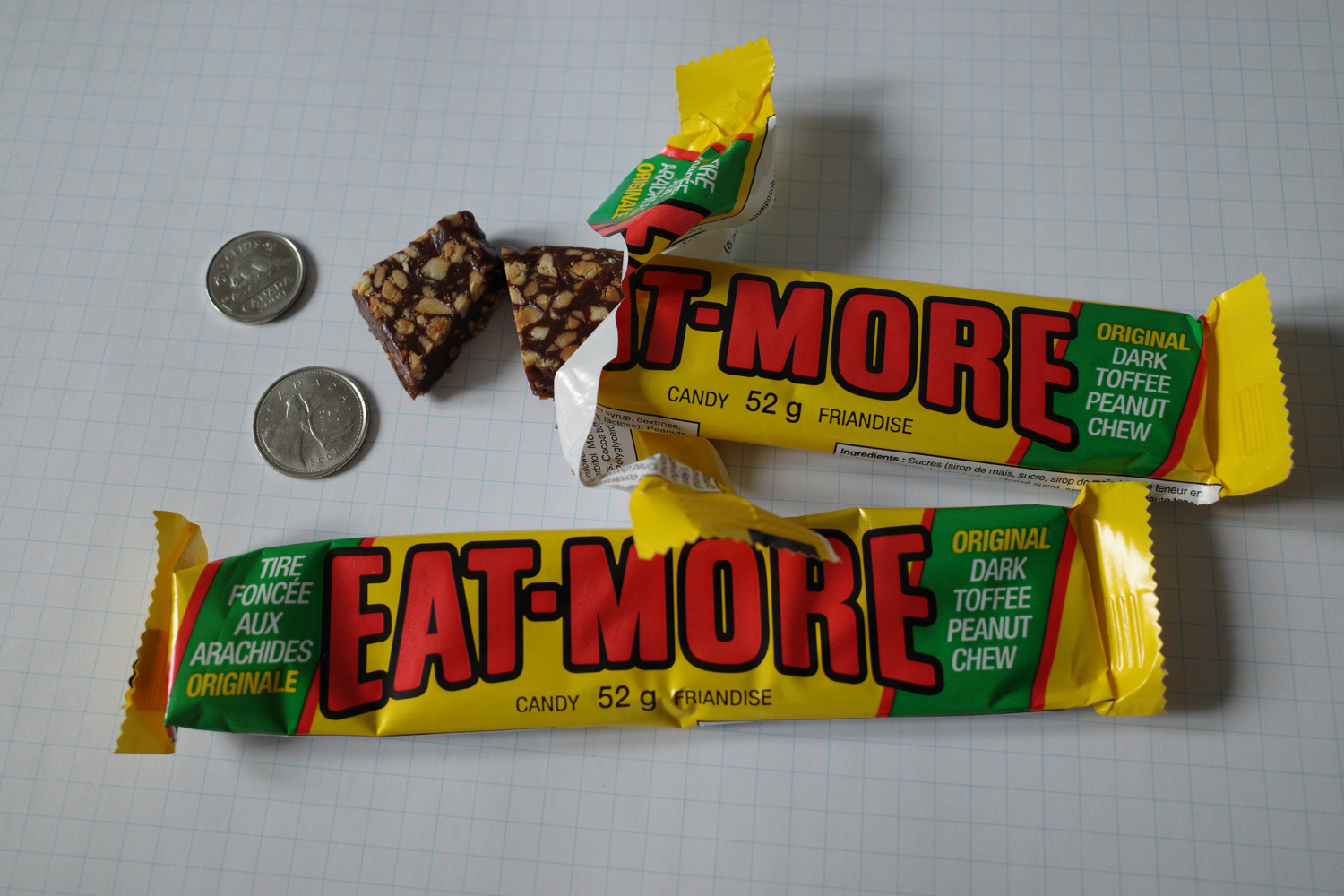
A dollar bought a whole handful of candy bars. Each cost just a nickel or a dime.
Candy bars cost just a nickel or a dime in 1965, so a dollar could buy a whole handful, ten or more. For kids with a little money, a dollar meant a treasure trove of candy. The low prices made sweets an affordable indulgence. Several candy bars for a dollar is a sweet example of 1965’s buying power, the nickel-and-dime candy prices that let a single dollar buy a generous handful of treats and made candy an affordable delight for kids of the era.
5. A Gallon of Milk
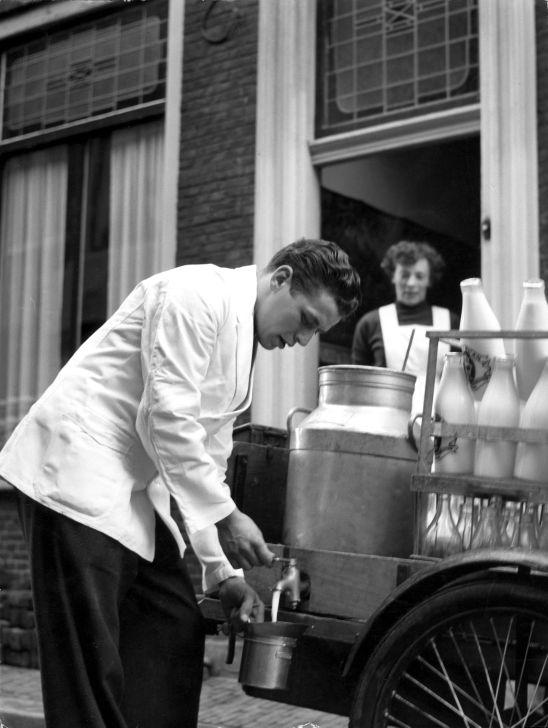
A dollar bought a gallon of milk with change back. Dairy was inexpensive.
A gallon of milk cost roughly a dollar or less in 1965, so a single bill could cover this household staple. Dairy, like most groceries, was inexpensive by today’s standards, and keeping the family supplied with milk cost very little. Everyday essentials were within easy reach of a dollar. A gallon of milk for around a dollar is a classic example of 1965 grocery prices, the affordable cost of a household staple that reflects the era’s low food prices and the substantial buying power a single dollar carried at the market.
6. A Cup of Coffee and a Slice of Pie
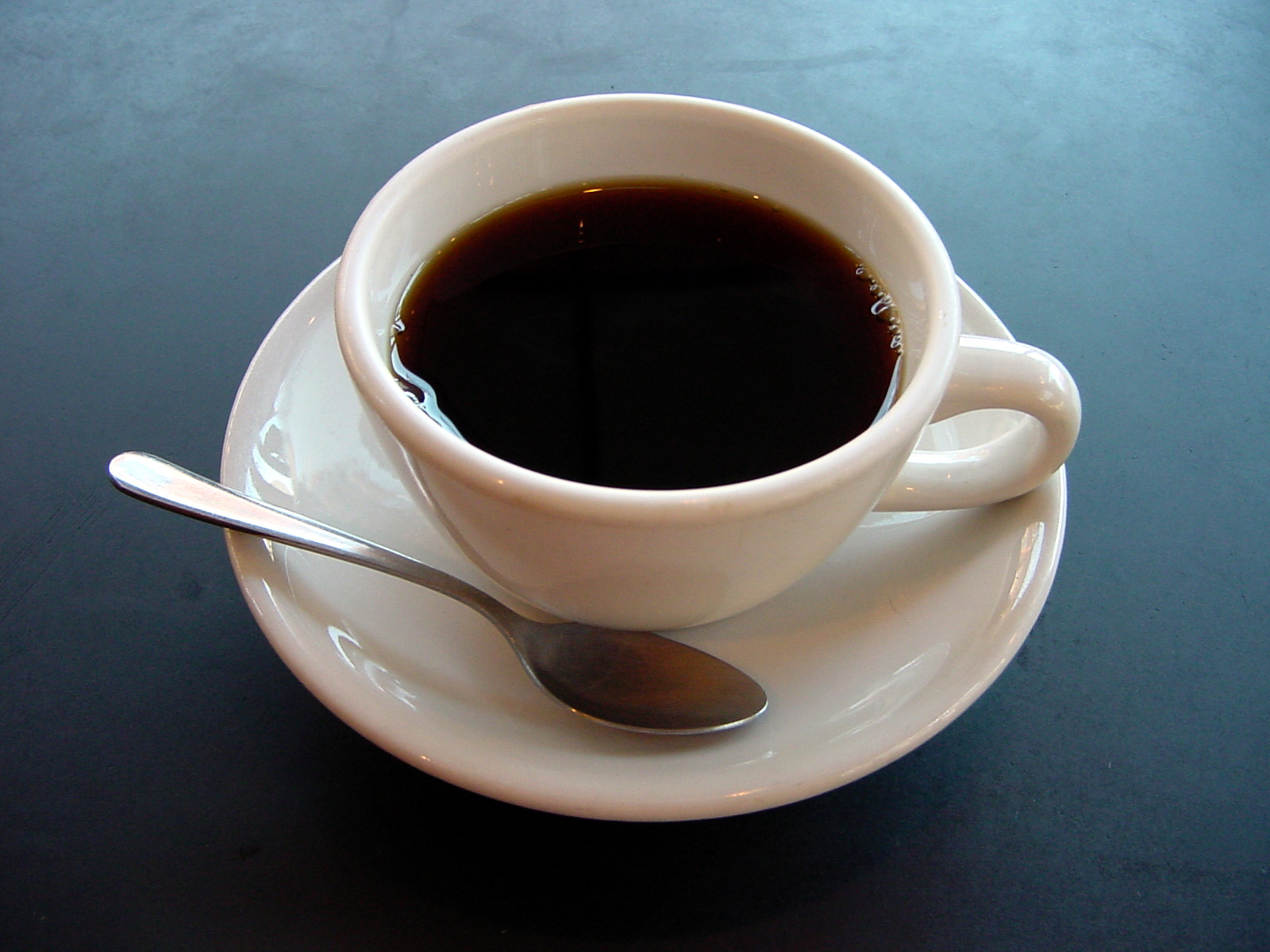
A dollar covered coffee and pie at the diner. A simple meal out was cheap.
At the lunch counter or diner in 1965, a cup of coffee cost a dime and a slice of pie maybe a quarter, so a dollar easily covered both with change to spare. A simple meal or snack out was remarkably affordable. The diner was cheap, friendly fare. Coffee and a slice of pie for well under a dollar is a charming example of 1965’s prices, the affordable diner-counter treat that a single dollar could cover with ease and reflects how inexpensive a simple bite out used to be.
7. A Comic Book and Then Some
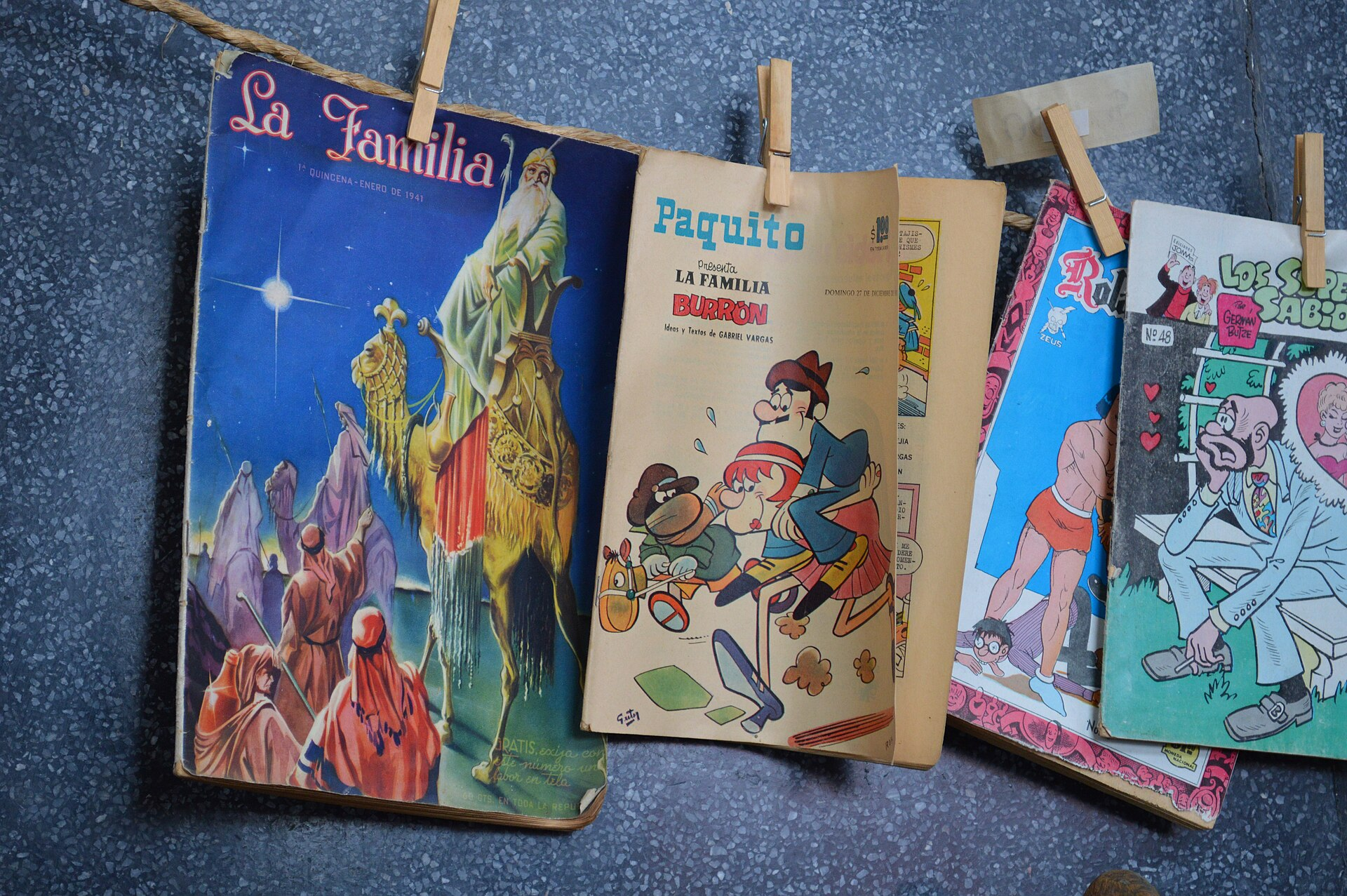
Comic books cost about a dime each. A dollar bought a whole stack.
Comic books cost around 12 cents in 1965, so a dollar could buy a whole stack of them, eight or more. For kids, a single dollar meant an afternoon’s worth of reading and adventure. The low price made comics an affordable escape. A stack of comic books for a dollar is a delightful example of 1965’s buying power, the dime-store price of comics that let a single dollar buy a whole pile of reading material and made comic books an affordable staple of childhood entertainment.
8. A Loaf of Bread, with Lots to Spare
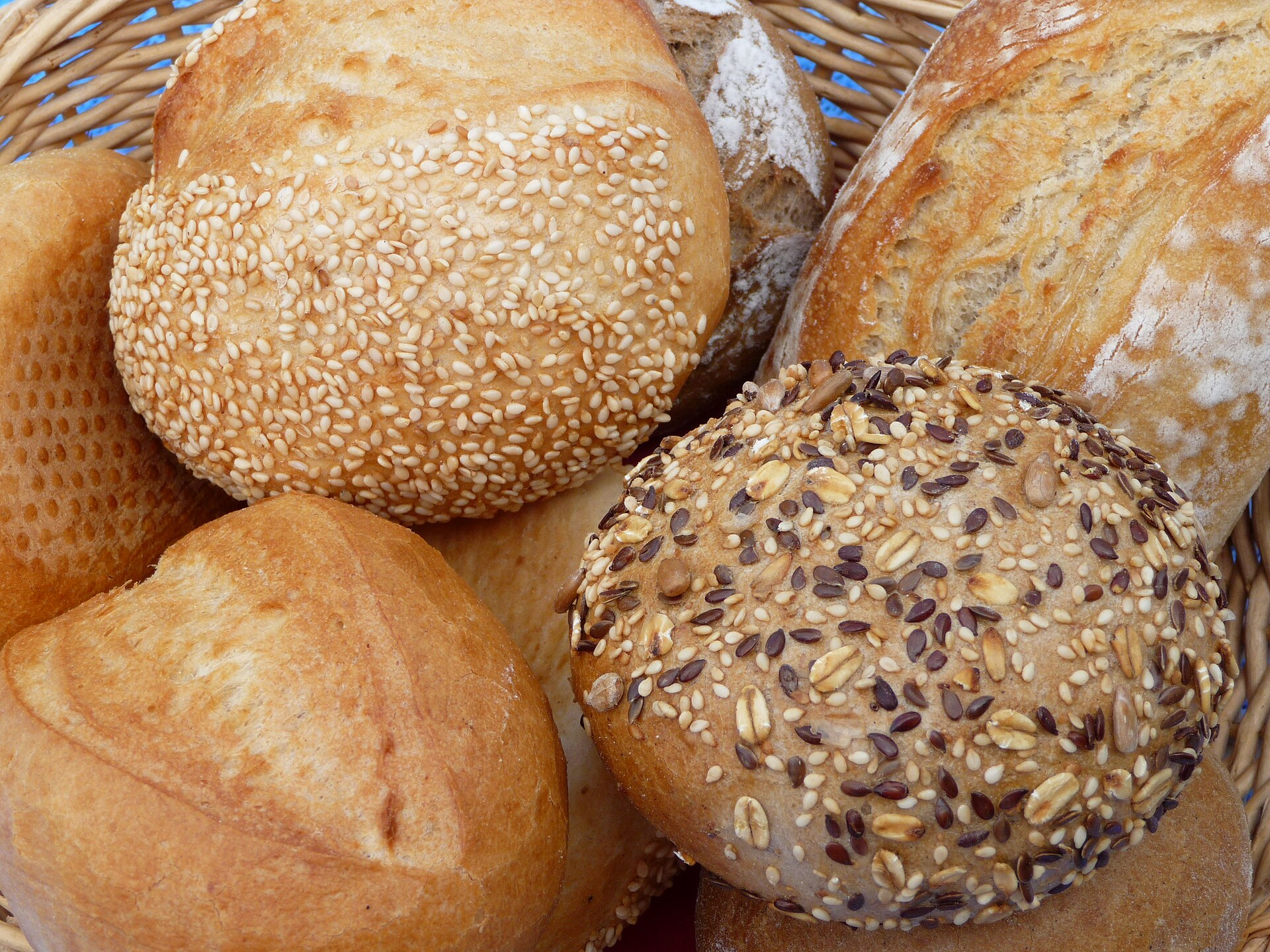
A loaf of bread cost about 20 cents. A dollar bought several.
A loaf of bread cost around 20 cents in 1965, so a single dollar could buy several loaves. Bread, like other staples, was cheap, and a dollar went a long way toward feeding a family. The low cost of basics defined the era’s grocery bills. Several loaves of bread for a dollar is a striking example of 1965 grocery prices, the cheap cost of a daily staple that let a single dollar buy multiple loaves and underscores how much more affordable basic food was decades ago.
9. A Bottle of Soda for the Whole Family
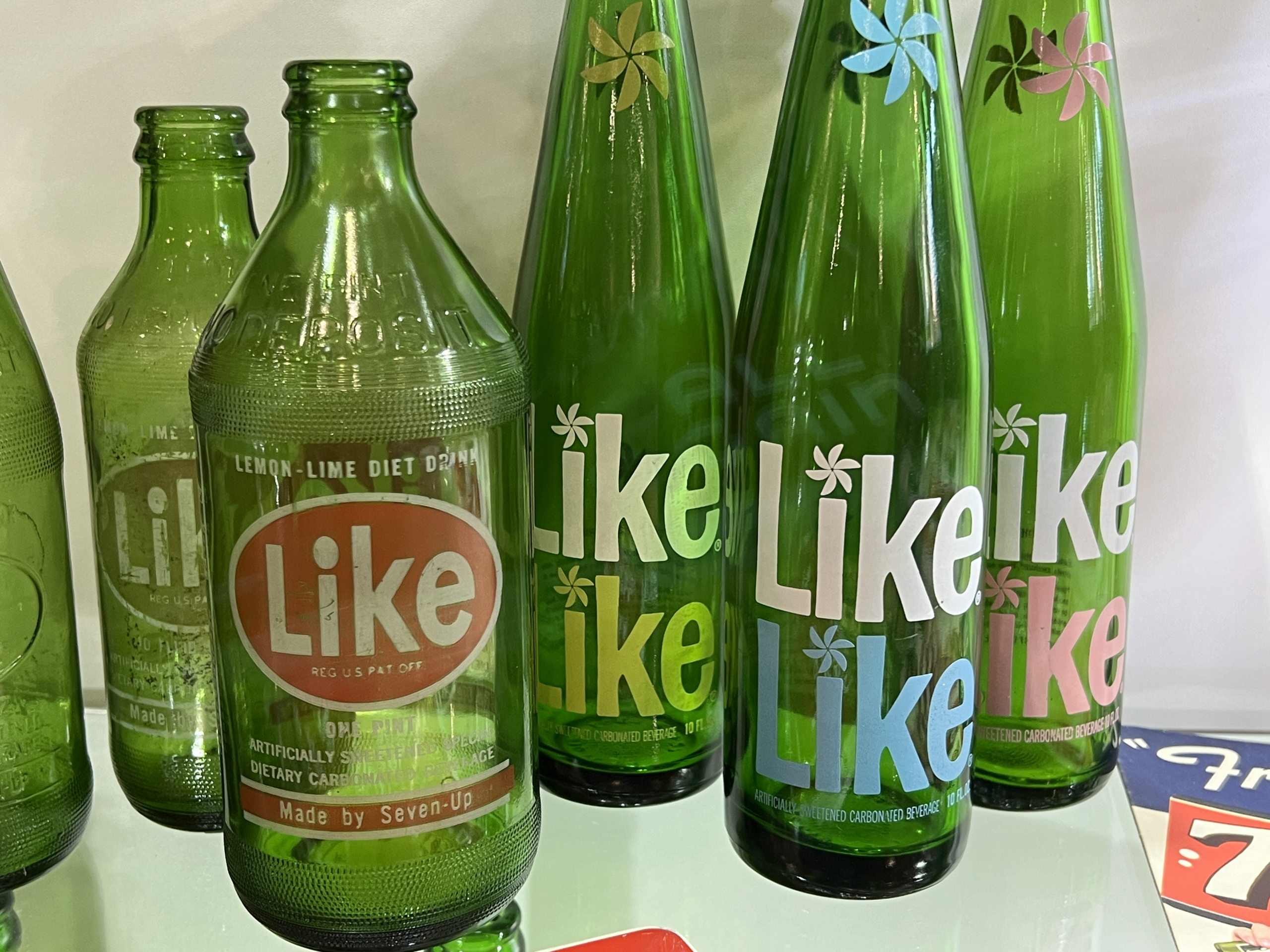
A dollar bought soda for everyone, with change. Each bottle cost just a dime.
A bottle of soda cost about a dime in 1965, so a dollar could buy enough for the whole family with change left over. Soft drinks were an affordable treat, often enjoyed from returnable glass bottles. A dollar covered a round of refreshments easily. A bottle of soda for the whole family for a dollar is a fun example of 1965’s prices, the dime-a-bottle soft drinks that a single dollar could buy in quantity and made soda an affordable, shareable treat for the household.
10. A Pack of Baseball Cards and Bubble Gum
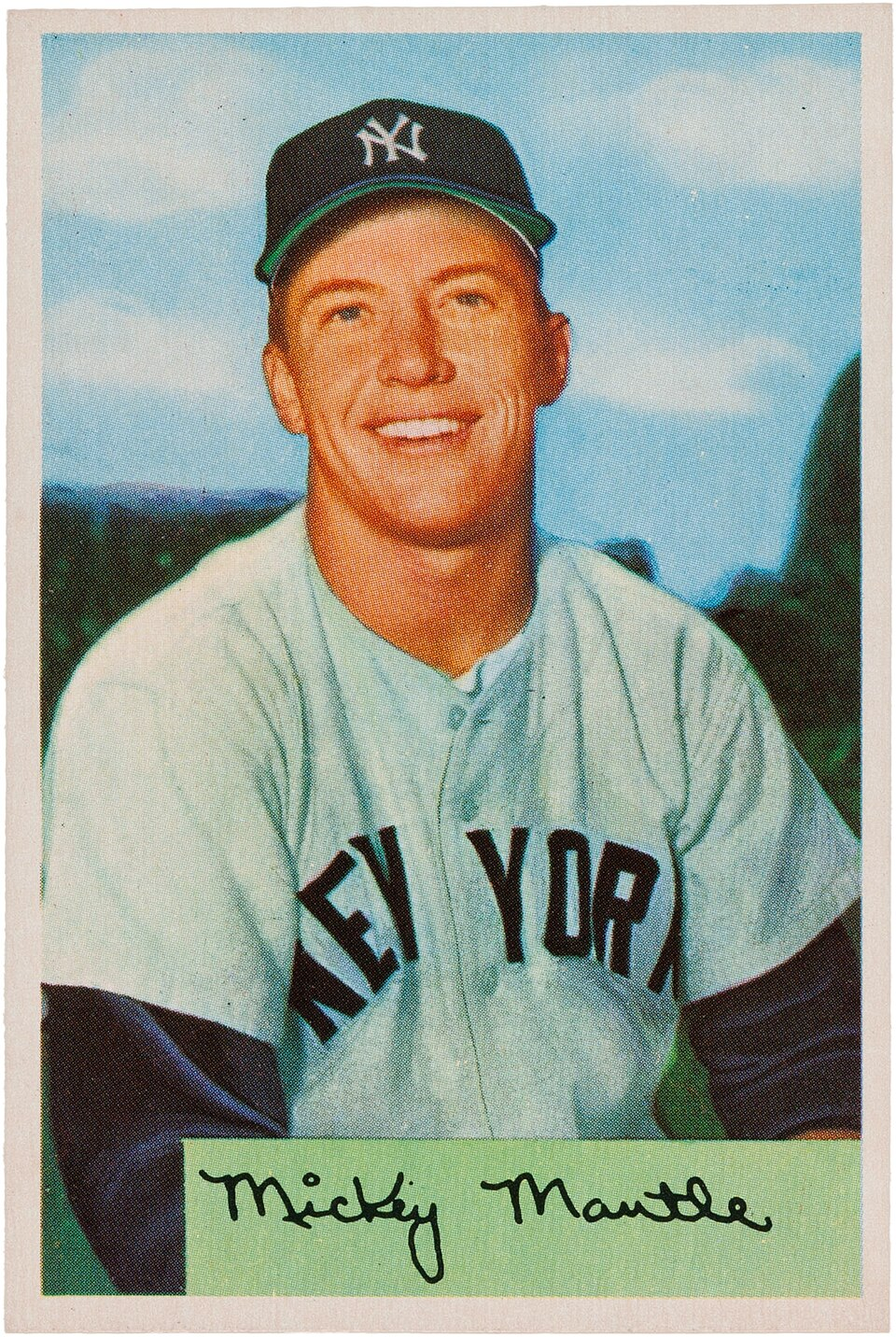
A nickel or dime bought cards and gum. A dollar meant a whole haul.
A pack of baseball cards with a stick of bubble gum cost a nickel or a dime in 1965, so a dollar could buy a whole haul of packs, hoping for your favorite players. For kids, a dollar at the corner store meant cards, gum, and excitement. The low price fueled the hobby. A haul of baseball cards and bubble gum for a dollar is a nostalgic example of 1965’s buying power, the nickel-and-dime packs that a single dollar could buy in bulk and made collecting cards an affordable, beloved pastime for kids of the era.
11. A Magazine or Two
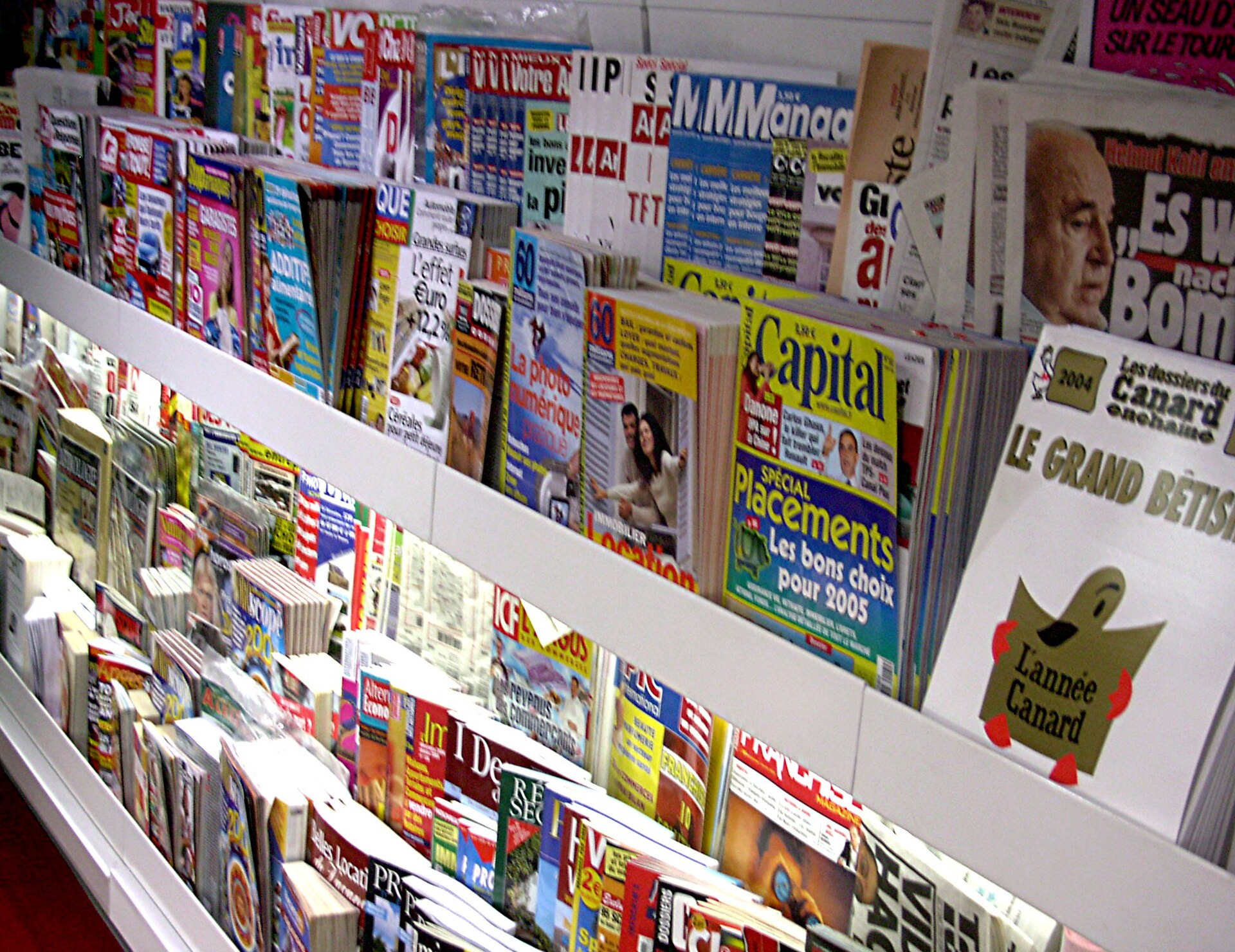
Magazines cost a quarter or so. A dollar bought a few.
Magazines cost around a quarter in 1965, so a single dollar could buy several from the newsstand. For a dollar, you could stock up on reading material covering news, fashion, hobbies, and more. The low price made magazines an accessible indulgence. A few magazines for a dollar is a classic example of 1965’s prices, the quarter-each cost of popular magazines that let a single dollar buy a small stack of reading material and reflects how affordable everyday media used to be.
12. Lunch at the Diner
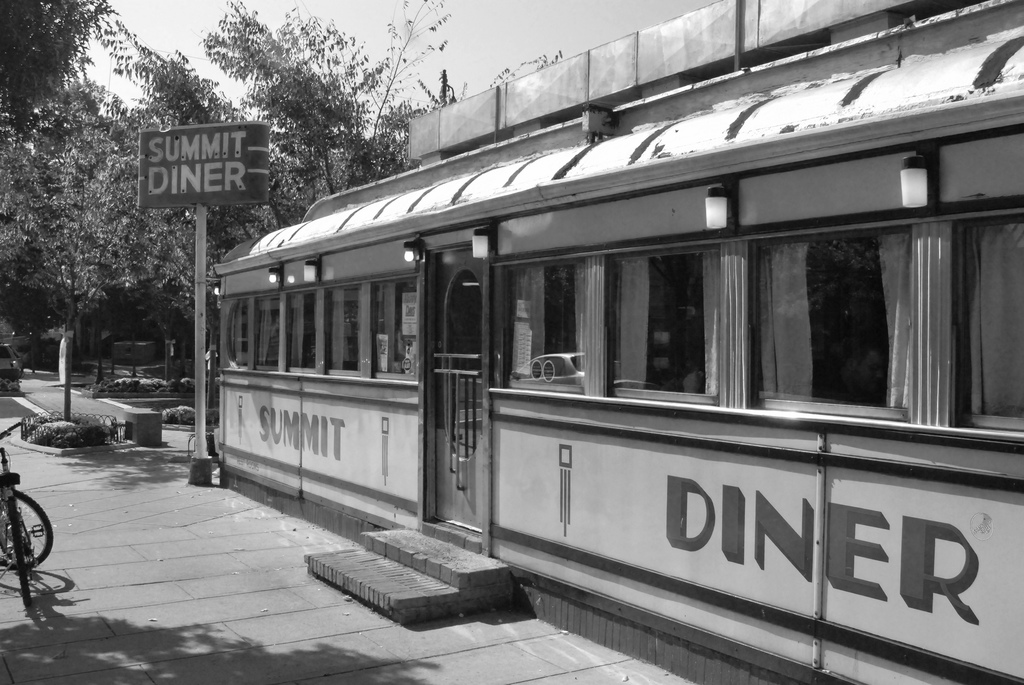
A dollar covered a simple lunch out. A sandwich and a drink fit the budget.
A simple lunch at a diner, a sandwich, a side, and a drink, could be had for around a dollar in 1965. Eating out for a modest meal was genuinely affordable, and the lunch counter was a cheap, friendly place to grab a bite. A dollar bought a satisfying midday meal. Lunch at the diner for a dollar is a telling example of 1965’s prices, the affordable cost of a simple meal out that a single dollar could cover and reflects how inexpensive dining out used to be at the era’s lunch counters and diners.
13. A Pack of Cigarettes (a Sign of the Times)
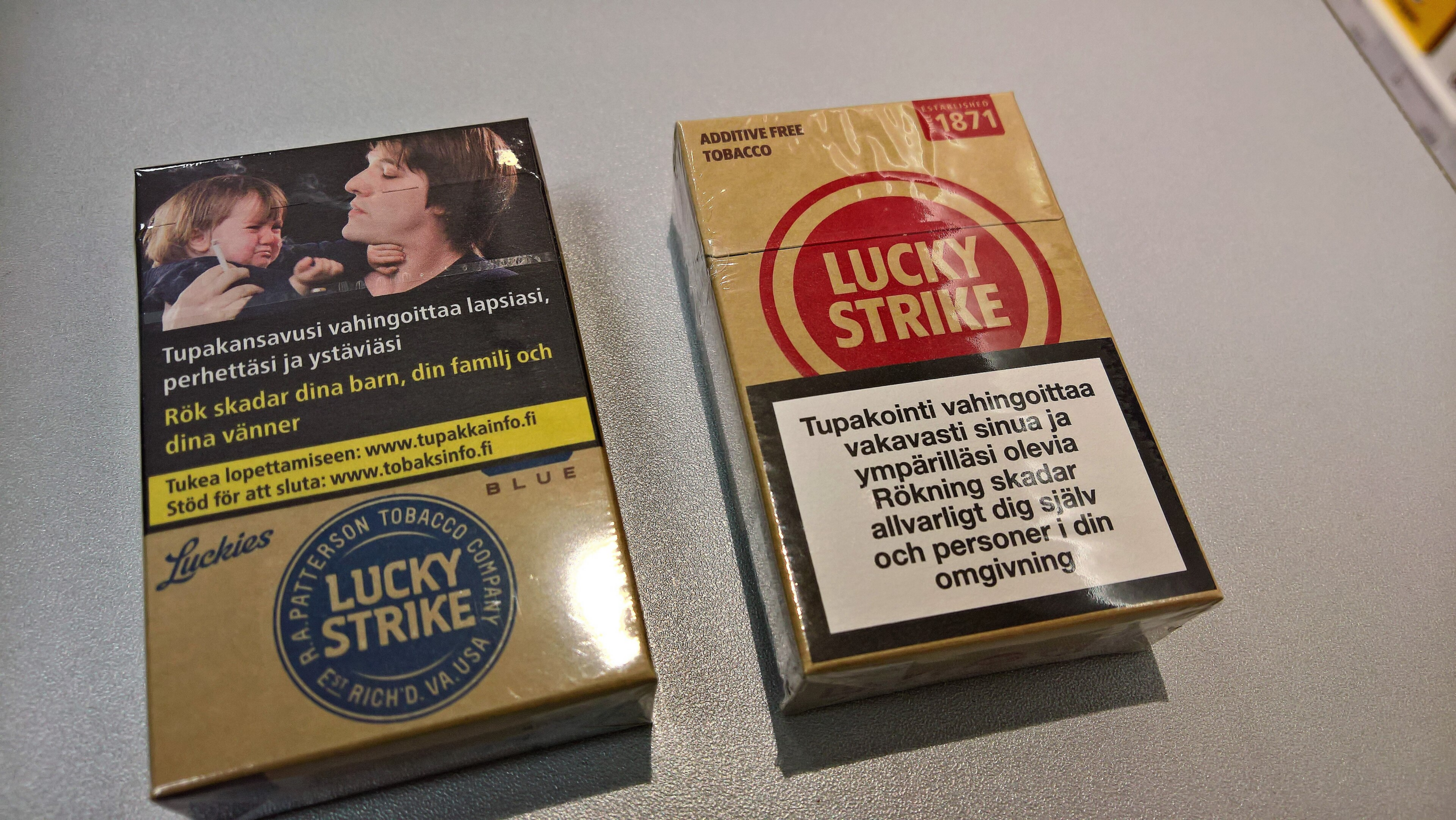
Cigarettes cost around a quarter a pack. A dollar bought several, reflecting the era.
In a sign of how different the era was, a pack of cigarettes cost around 25 to 35 cents in 1965, so a dollar could buy several, a reflection of both the low prices and the very different attitudes of the time. The cost is included here purely as a historical illustration of the era’s prices. It marks how much has changed. A pack of cigarettes for a quarter is a historical example of 1965’s prices, included to illustrate the era’s costs and very different norms, a reflection of how much both prices and attitudes have changed in the decades since.
14. A Handful of Small Toys
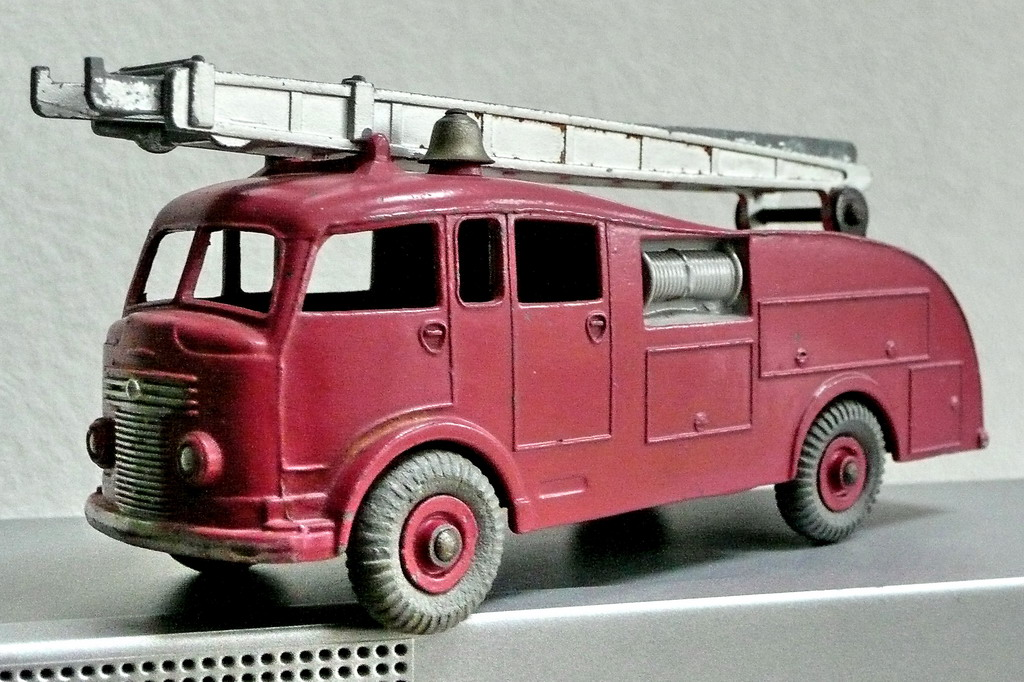
A dollar bought several small toys. The dime store was a kid’s paradise.
At the dime store in 1965, small toys, jacks, marbles, balls, paper dolls, and trinkets, cost a nickel or a dime, so a dollar could buy a whole handful. For a kid with a dollar, the toy aisle was a paradise of affordable choices. The low prices made simple toys accessible to all. A handful of small toys for a dollar is a joyful example of 1965’s buying power, the nickel-and-dime playthings that a single dollar could buy in abundance and made the dime store a wonderland of affordable fun for children of the era.
When a Dollar Went a Long Way
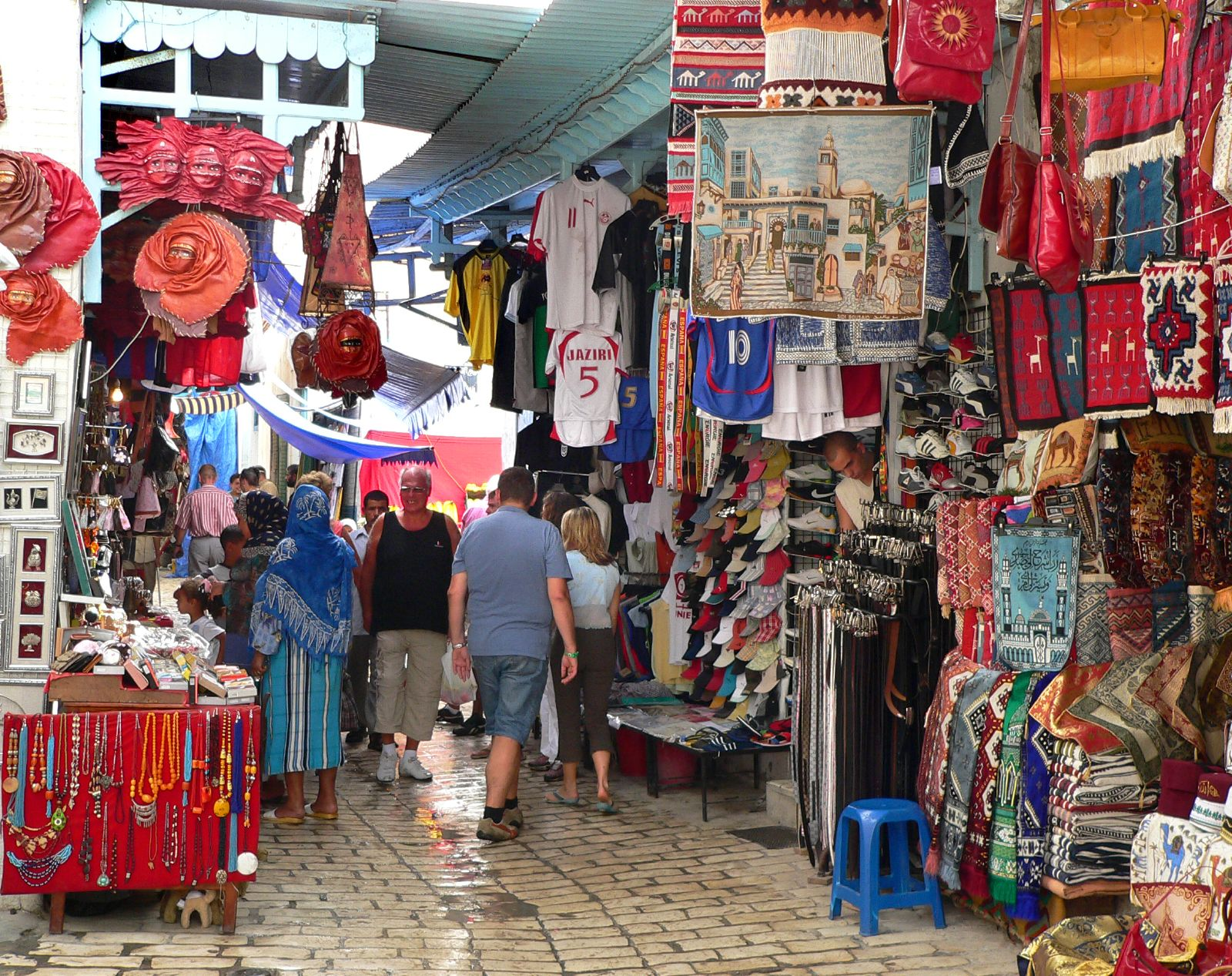
Taken together, these fourteen things capture just how far a single dollar stretched in 1965, from gallons of gas and a movie ticket to groceries, candy, comics, and a handful of toys. It’s a striking reminder of how much prices have changed, and of an era when a dollar carried real, everyday buying power.
Decades of rising prices have dramatically reduced what a single dollar can buy, transforming the everyday costs of gas, groceries, and entertainment beyond recognition. Comparing then and now offers a vivid illustration of how the value of money has shifted over time. Yet for those who remember, the prices of 1965 bring back a whole world, the dime candy, the cheap gas, the affordable night at the movies. Looking back at what a dollar could buy in 1965 is a fascinating, nostalgic reminder of when a single bill went a remarkably long way. (Prices are general approximations of the era and varied by region and over time.)
Like our content? Follow us for more.