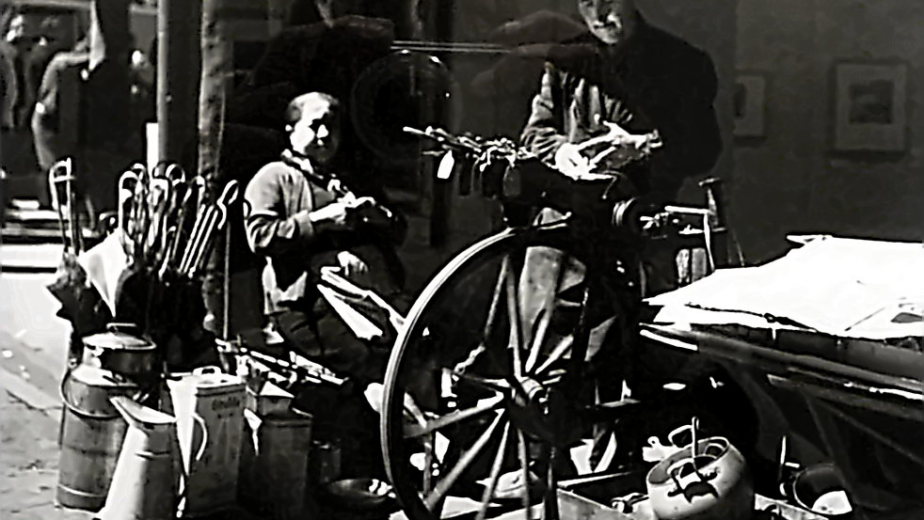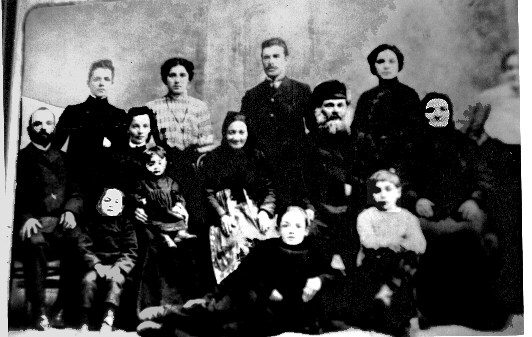
The American dad of the 1970s operated by a very different set of rules than today’s fathers. It was an era of looser supervision, hands-off parenting, and habits that have since fallen out of favor, and Dad was right in the thick of it. From the way he drove the family around to how he handled discipline and leisure, the typical 1970s father did all sorts of things that would raise eyebrows among parents today. Looking back, much of it is equal parts nostalgic and surprising. Here are twelve things every American dad did in the 1970s that would raise eyebrows today, counted down one by one.
1. Let the Kids Ride Loose in the Car
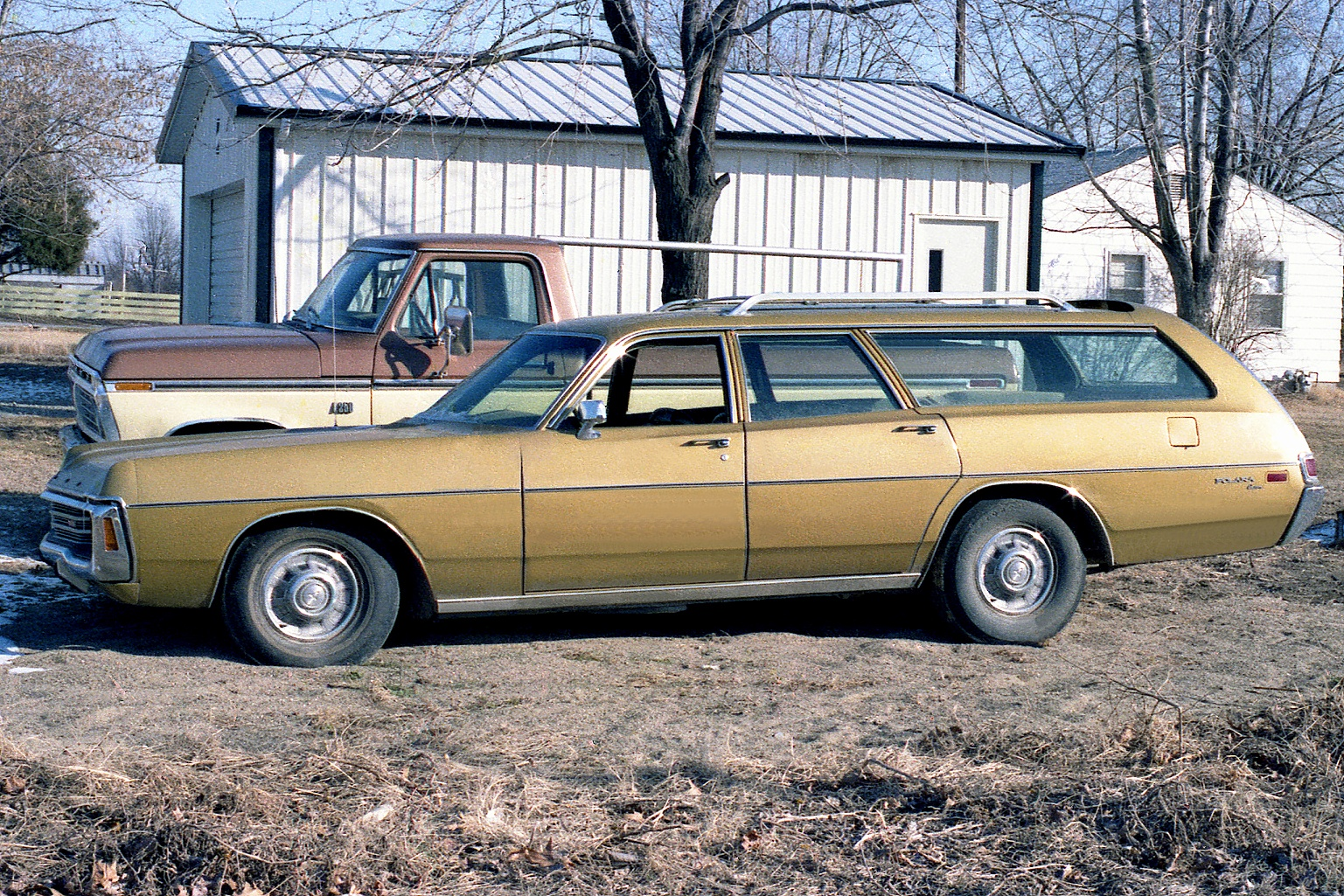
Dad let kids bounce around the car with no seatbelts. The back of the station wagon was fair game.
In the 1970s, Dad thought nothing of letting the kids ride loose in the car, bouncing around the back seat or sprawled out in the cargo area of the station wagon, with seatbelts ignored if they were buckled at all. Kids rode in laps, stood up, and roamed the moving vehicle freely. It was simply how families traveled. Letting the kids ride loose in the car is a classic 1970s dad habit, the seatbelt-free, roam-the-station-wagon approach to family travel that reflected the era’s attitudes and would raise serious eyebrows among today’s safety-conscious parents.
Like our content? Follow us for more.
2. Lit Up a Cigarette Anywhere

Dad smoked in the house, the car, everywhere. No place was off-limits.
Many 1970s dads smoked, and they lit up just about anywhere, at the dinner table, in the car with the windows up, in the living room, and throughout the house. Smoking indoors around the family was utterly routine and raised no eyebrows at the time. The haze was simply part of the household. Lighting up a cigarette anywhere is a notable 1970s dad habit, the smoke-anywhere norm that filled homes and cars and reflects how dramatically attitudes have changed, a behavior that would be unthinkable to many families today.
3. Sent the Kids Out and Didn’t See Them for Hours
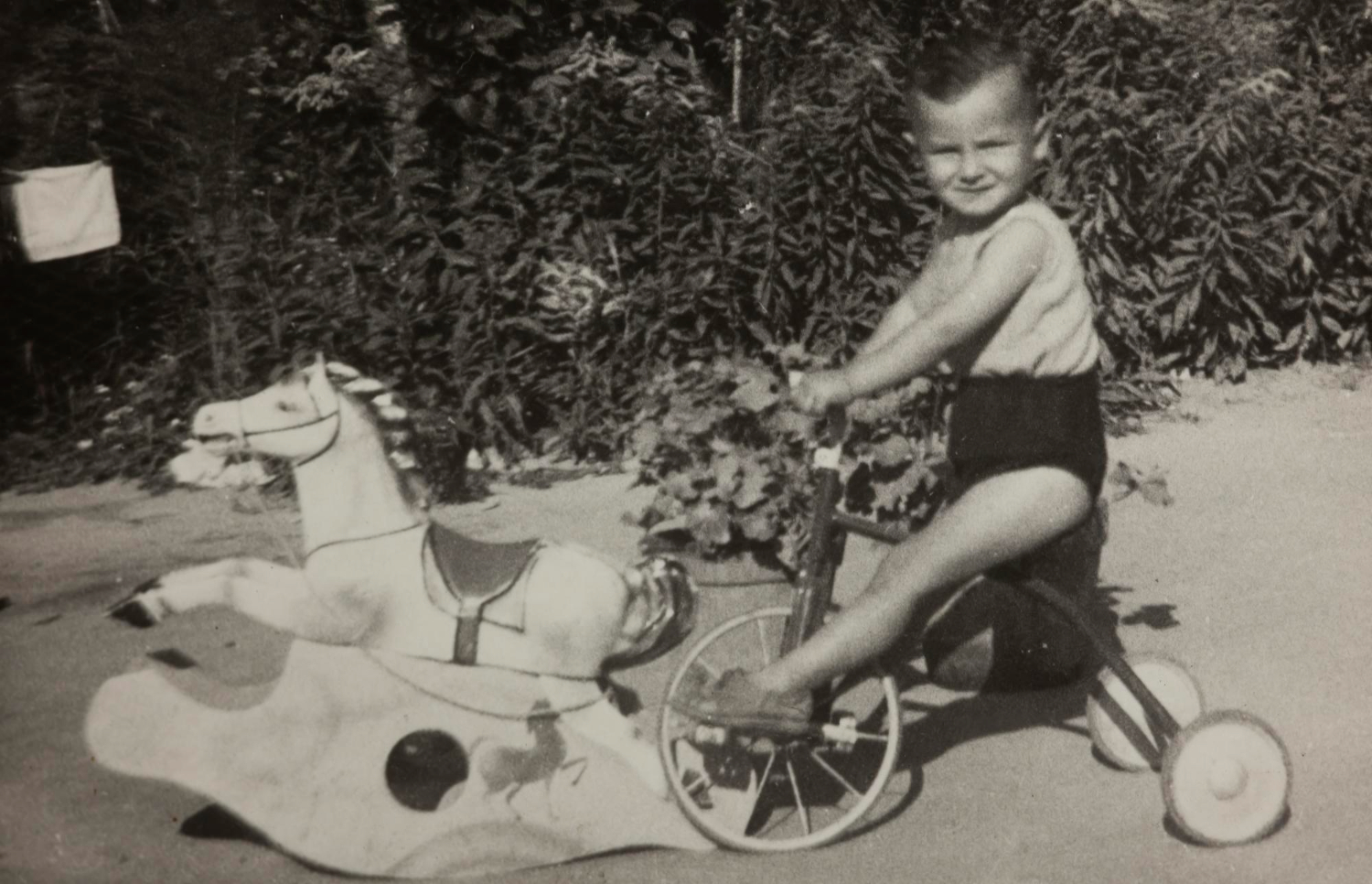
Dad sent kids outside to roam until dark. He had no idea exactly where they were.
A hallmark of 1970s fathering was sending the kids out to play in the morning and not seeing them again for hours, with no cell phone, no GPS, and only a vague sense of where they’d gone. Kids roamed the neighborhood freely and were expected home by dinner or dark. Dad trusted them to figure it out. Sending the kids out for hours is a defining 1970s dad habit, the free-range, check-in-at-dark approach to supervision that gave kids enormous independence and would alarm many of today’s more closely involved parents.
4. Let Kids Have a Sip of His Drink

Dad might offer a curious kid a sip of his beer. It was treated casually.
It wasn’t unusual for a 1970s dad to let a curious kid take a small sip of his beer or cocktail to satisfy their curiosity, often met with a grimace and a laugh. The gesture was treated casually and thought of as harmless. Attitudes about such things were simply different then. Letting kids have a sip of his drink is a habit of the 1970s dad that reflects the era’s casual attitudes, a once-common gesture that would raise eyebrows among parents today and illustrates how norms around such things have shifted considerably.
5. Disciplined with a Stern Look or Worse
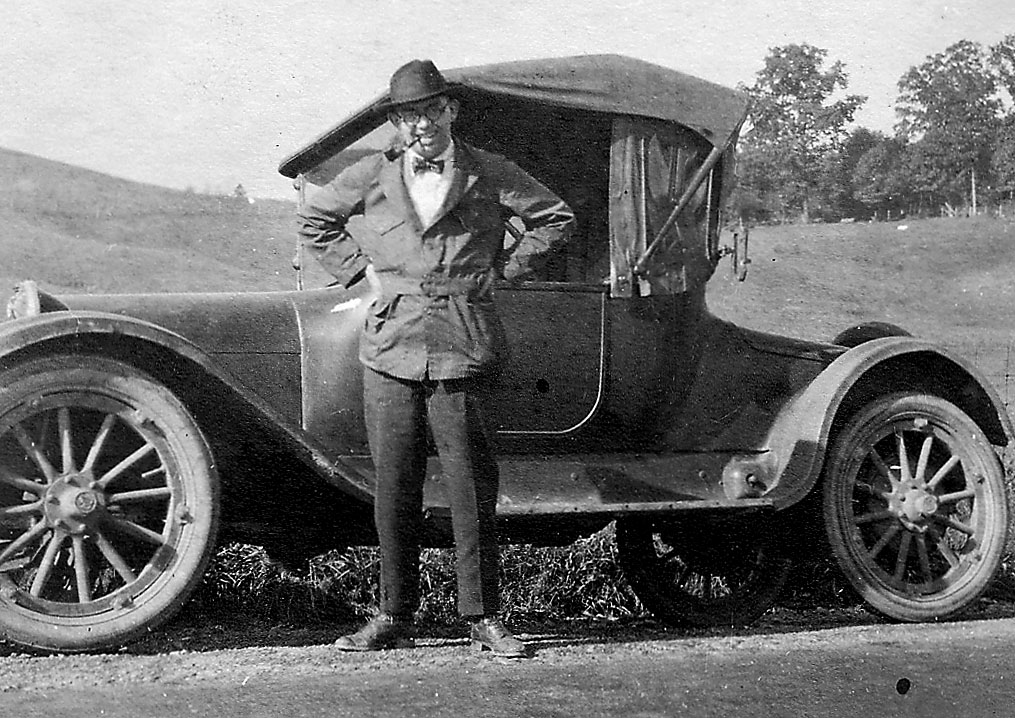
Dad’s discipline was firm and sometimes physical. A stern look could stop you cold.
Discipline in the 1970s was firmer and more old-fashioned, and Dad was often the enforcer. A single stern look across the room could stop misbehavior cold, and discipline could be strict by today’s standards. The threat of “wait till your father gets home” carried real weight. Disciplining with a stern look or firm hand is a characteristic of 1970s fathering, the no-nonsense authority that defined the era’s approach to discipline and reflects how parenting norms around correction and authority have evolved over the decades.
6. Did His Own Home Repairs and Car Work
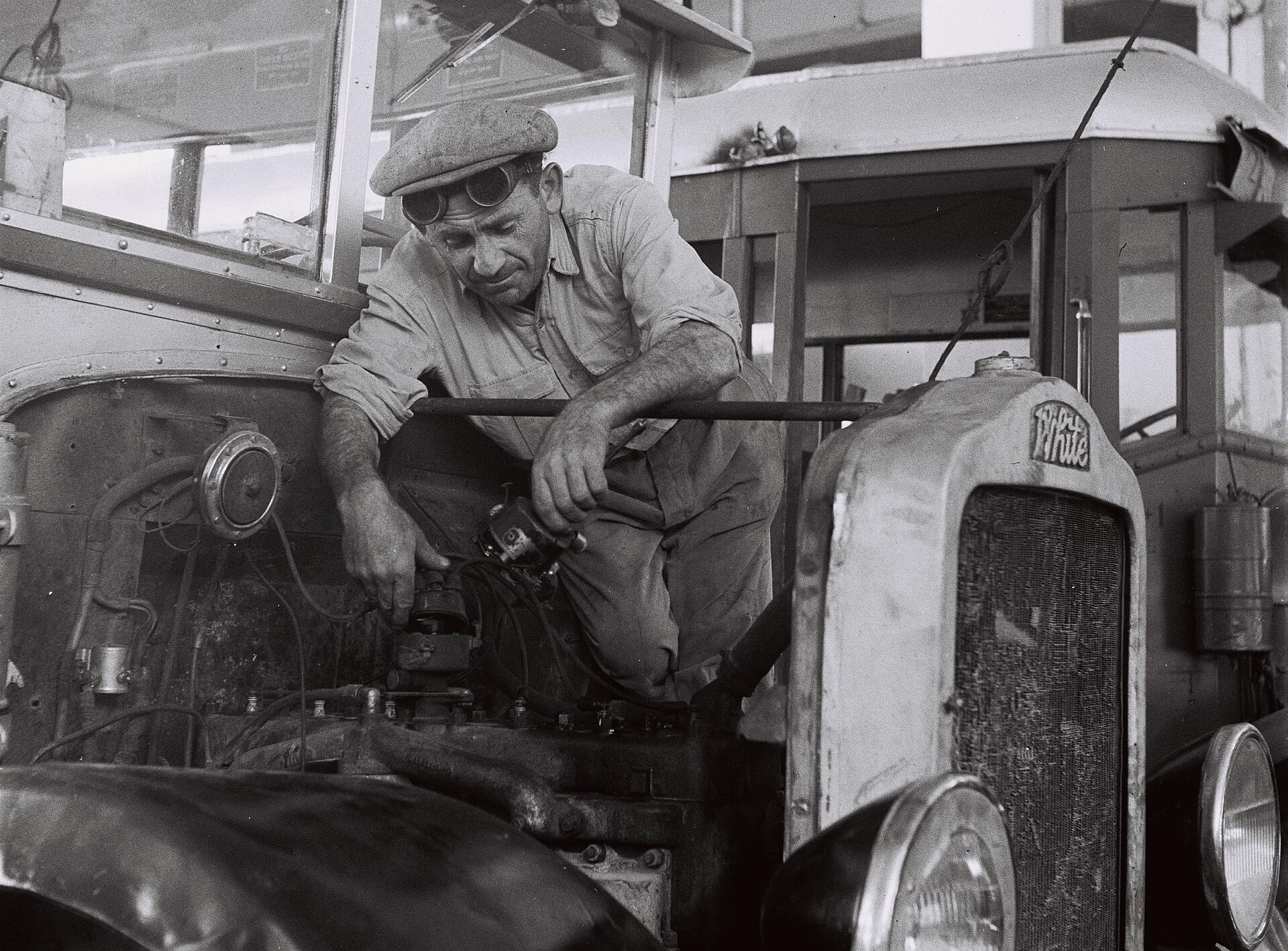
Dad fixed everything himself in the garage. Calling a professional was a last resort.
The 1970s dad was a do-it-yourselfer who tackled home repairs, tuned up the car in the driveway, and fixed appliances himself, often with the kids handing him tools. Calling in a professional was a last resort, and a garage full of tools was a point of pride. Self-reliance was the rule. Doing his own home and car repairs is a defining trait of the 1970s dad, the hands-on, fix-it-yourself self-reliance that handled everything from a leaky faucet to a car tune-up and reflected an era when fathers took pride in tackling jobs themselves.
7. Ruled the Single Family Television

Dad controlled the one TV and what everyone watched. His chair was off-limits.
With just one television in the house, Dad often ruled it, deciding what the family watched and claiming the best chair as his own personal throne. Changing the channel meant getting up at his request, and his recliner was strictly off-limits to the kids. He held the household’s viewing rights. Ruling the single family television is a classic 1970s dad role, the control over the one TV and the sacred status of Dad’s chair that reflected the household dynamics of the era and the central place the father held in the living room.
8. Grilled with Reckless Confidence

Dad manned the grill as his domain. The results varied wildly.
The backyard grill was firmly Dad’s domain, and the 1970s father manned it with reckless confidence, dousing the coals with lighter fluid, sending up flames, and cooking with more bravado than precision. The results ranged from delicious to charred, but the grill was his kingdom. No one questioned the grill master. Grilling with reckless confidence is a beloved 1970s dad tradition, the lighter-fluid-fueled, flames-leaping approach to backyard barbecuing that made the grill Dad’s undisputed domain and produced cookouts remembered as much for the spectacle as the food.
9. Took the Kids Along to the Hardware Store and Bar
Dad brought the kids on his errands, wherever they led. Some destinations would surprise people now.
A 1970s dad often took the kids along on his Saturday errands, to the hardware store, the gas station, and sometimes to the local tavern, where the kids might sip a soda while Dad chatted with friends. Bringing kids along wherever the day led was simply normal. The errands were a bonding ritual. Taking the kids along on errands, wherever they led, is a characteristic 1970s dad habit, the bring-them-everywhere approach to a Saturday that included stops which might surprise people today and reflected the more relaxed family customs of the era.
10. Worked Long Hours as the Sole Breadwinner
Dad was often the family’s sole earner, working long hours. He was the provider above all.
In many 1970s households, Dad was the sole breadwinner, working long hours to support the family while Mom often ran the home. His identity was bound up in being the provider, and his time at work shaped the family’s rhythms. The single-income household was common in the era. Working long hours as the sole breadwinner is a defining reality of the 1970s dad, the provider role that structured family life and reflected the economic patterns of the era, a dynamic that has shifted considerably as households have changed.
11. Showed Affection Sparingly
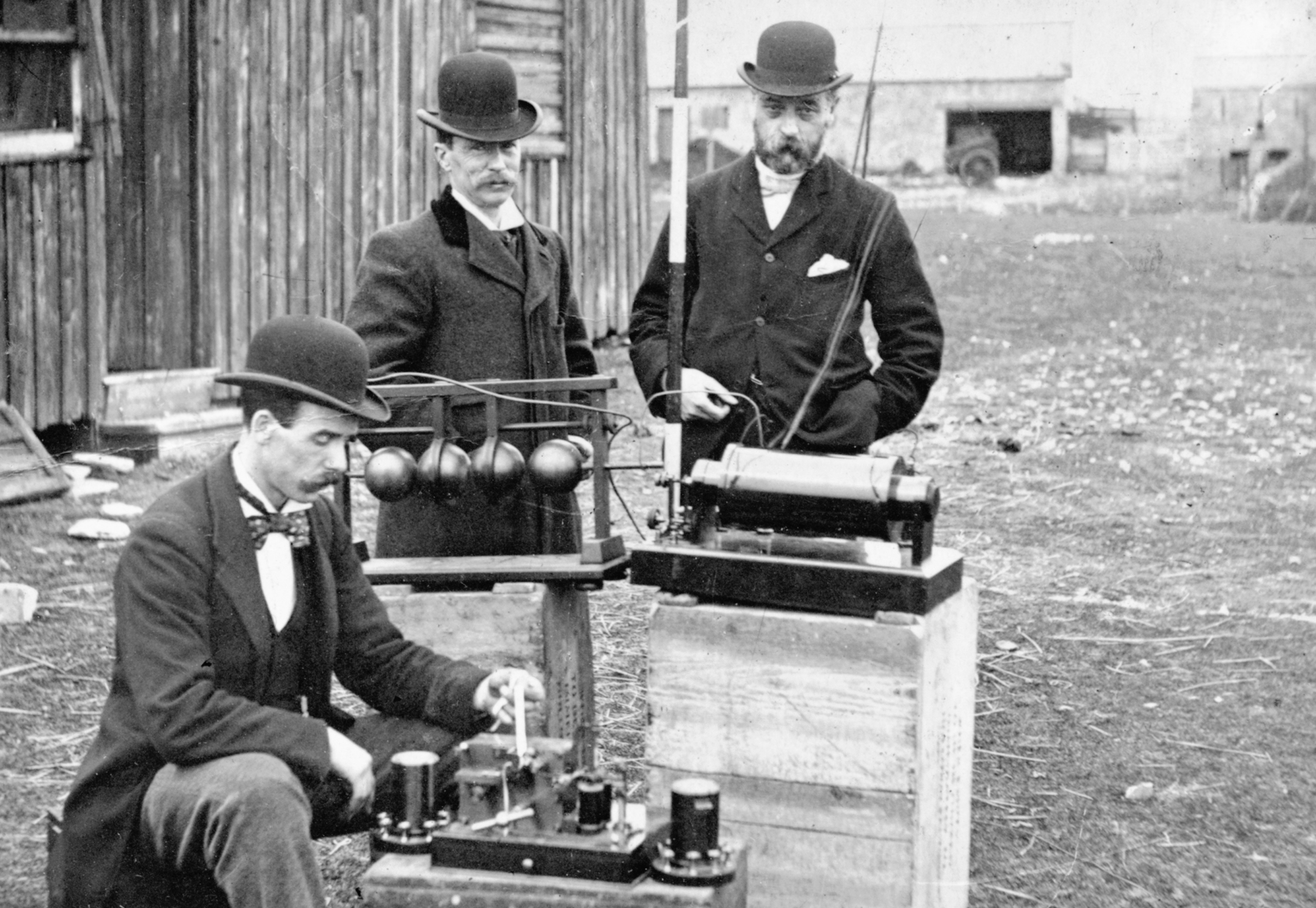
Dad was often reserved with open affection. A nod or a pat on the back said a lot.
The 1970s dad often kept his emotions in check, showing affection sparingly in keeping with the era’s expectations of fatherhood. A nod of approval, a pat on the back, or a few words of praise carried great weight precisely because they were rare. Emotional reserve was the norm for fathers then. Showing affection sparingly is a trait of many 1970s dads, the emotional reserve of the era’s fatherhood that made small gestures of approval deeply meaningful and reflects how expectations around fathers expressing affection have warmed and changed over the years.
12. Let Kids Roam, Build, and Take Risks
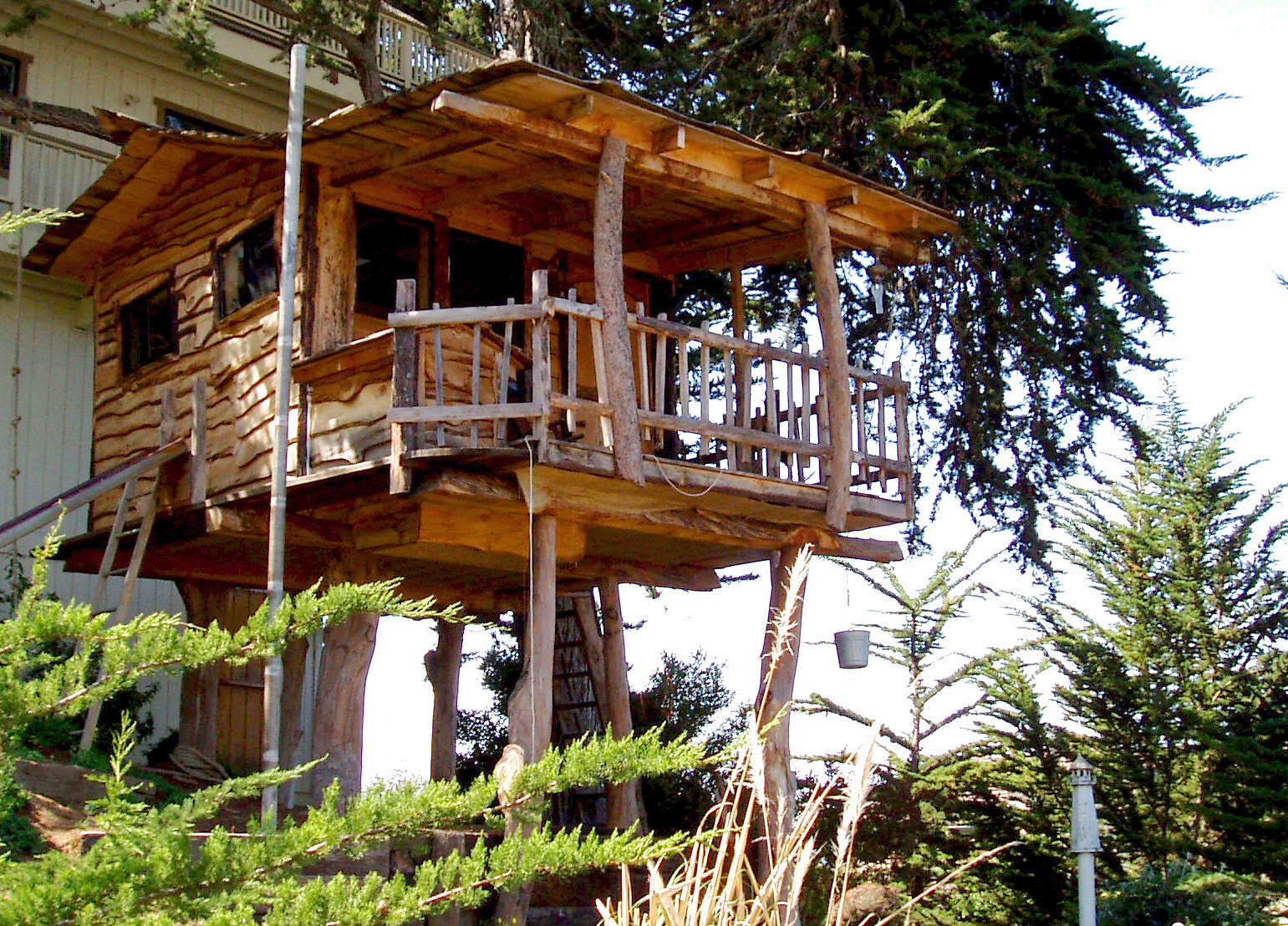
Dad let kids climb trees, build forts, and take risks. He believed it built character.
The 1970s dad generally let kids take risks, climbing trees, building rickety forts, riding bikes without helmets, and roaming far from home, trusting that scrapes and spills were part of growing up. He believed a little risk built character and independence. Hovering was not his style. Letting kids roam, build, and take risks is a hallmark of the 1970s dad, the hands-off, character-building philosophy that embraced childhood adventure and minor mishaps and stands in striking contrast to the more protective approach of many parents today.
A Different Kind of Dad
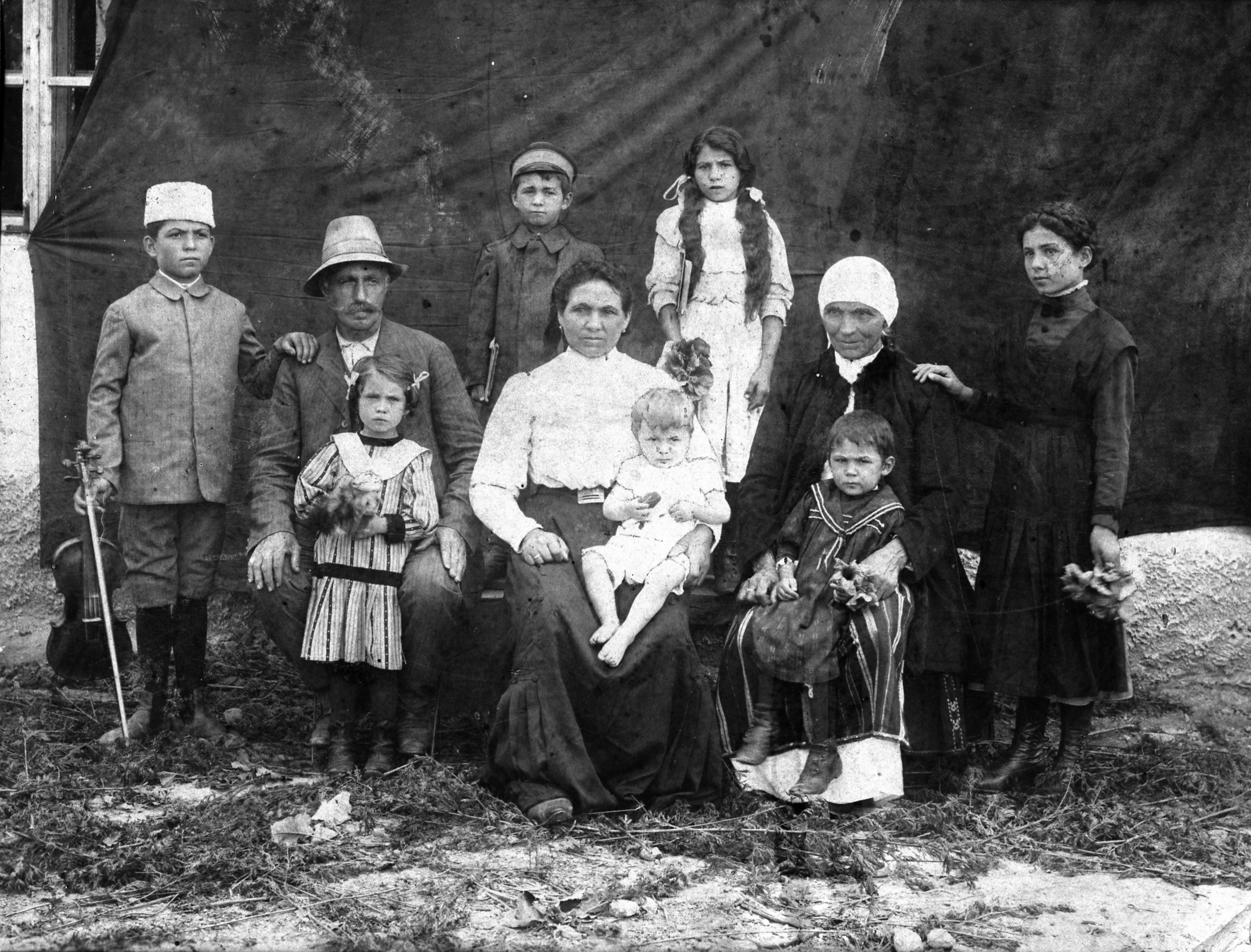
Taken together, these twelve things capture the character of the American dad of the 1970s, from letting the kids ride loose in the car and ruling the single TV to grilling with reckless confidence and sending the kids out to roam until dark. He was a different kind of dad, shaped by an era of looser supervision, firm authority, and hands-on self-reliance.
Parenting and family life have changed enormously since the 1970s, bringing more involvement, more safety awareness, and more openly expressed affection, and many of Dad’s old habits would indeed raise eyebrows today. The shifts reflect how much our understanding of family and fatherhood has evolved. Yet for those who grew up with a 1970s dad, these memories bring him vividly to mind, the station wagon, the grill, the stern look, the freedom he gave. Looking back at the American dad of the 1970s is a fond, knowing tribute to a different kind of father, shaped by his time and remembered with affection.
Like our content? Follow us for more.