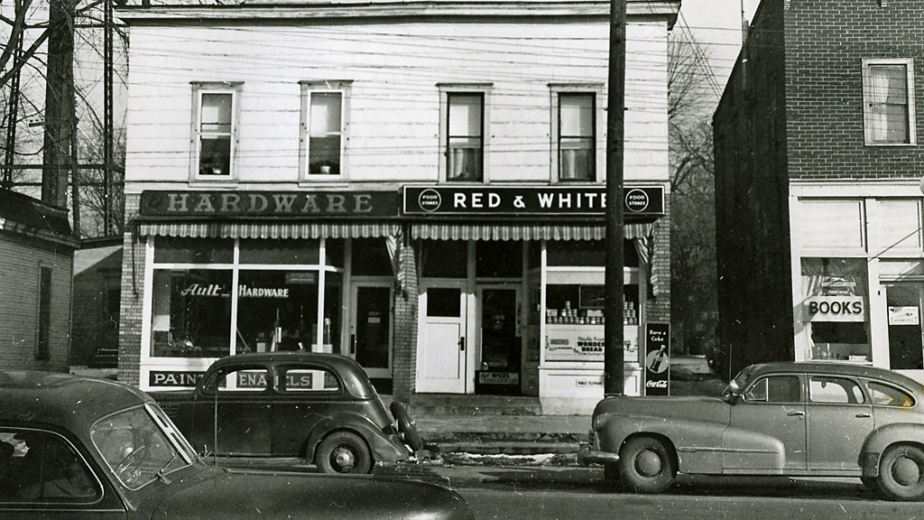
In the 1980s, the world was a wilder, less regulated place. Many of the things we considered “standard” childhood or lifestyle experiences, from the toys we played with to the way we traveled, are now strictly prohibited by law. These aren’t just “frowned upon” practices; they have been banned due to staggering injury statistics or long-term health risks.
Here are 8 everyday things people did in the ’80s that are officially banned today.
1. Tossing Metal-Tipped Lawn Darts

In the ’80s, a backyard BBQ wasn’t complete without a game of “Jarts.” These were heavy, foot-long projectiles with solid metal points designed to be thrown high into the air to land in a plastic ring. However, after causing over 6,000 emergency room visits and several fatalities, the Consumer Product Safety Commission (CPSC) issued a total ban on the sale of metal-tipped lawn darts in 1988. Today, it is illegal to sell or even give them away in the U.S.
2. Using “Drop-Side” Baby Cribs

Almost every nursery in the 1980s featured a crib with a side rail that slid down to make it easier to reach the baby. While convenient, the design was inherently flawed; the moving parts could break or loosen, creating a “death gap” where infants could become trapped. Following dozens of strangulation deaths, the U.S. government issued a federal ban on the manufacture and sale of all drop-side cribs in 2011.
3. Buying Cigarettes from Vending Machines
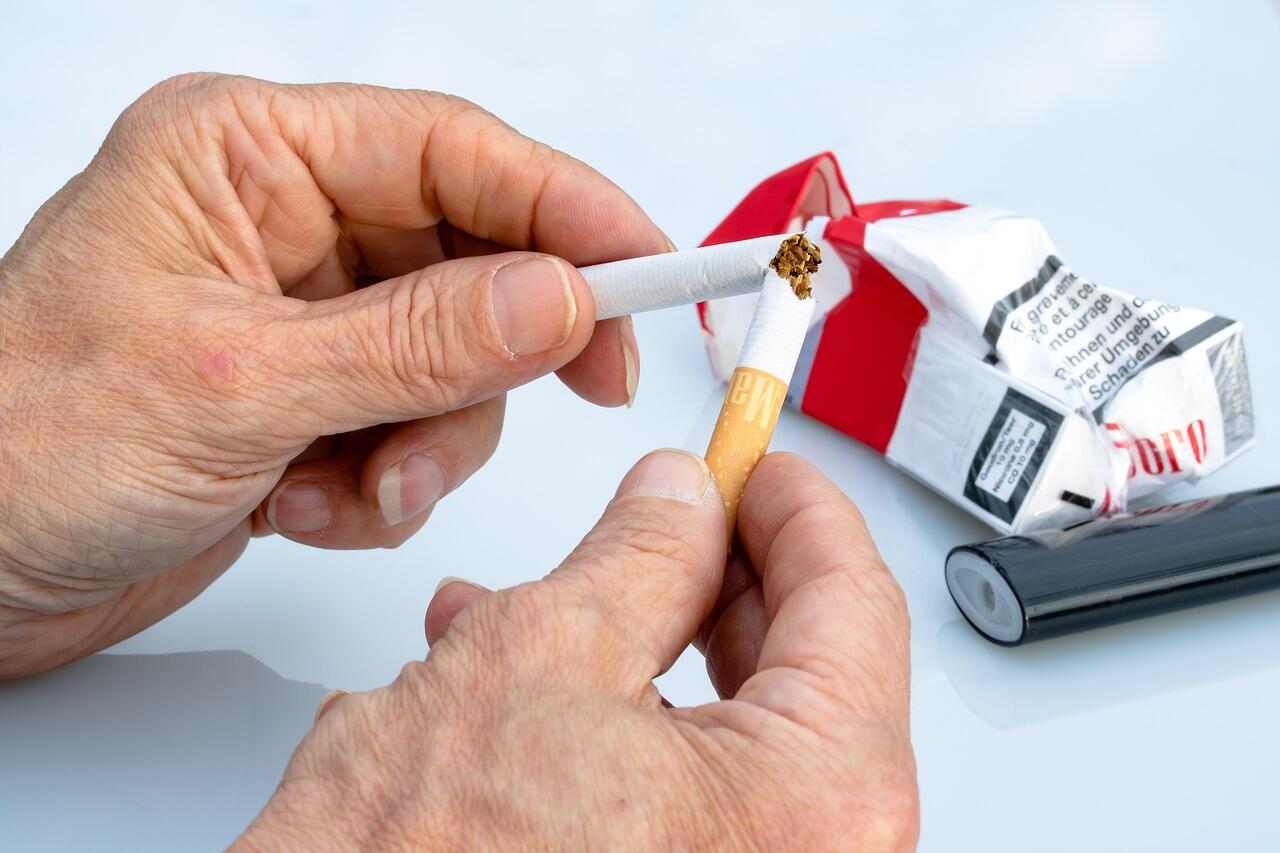
In the 1980s, you could find cigarette vending machines in nearly every bowling alley, restaurant lobby, and gas station. They required no ID and no human interaction, making them a primary source for minors to bypass age laws. To combat youth smoking, the FDA officially banned the use of cigarette vending machines in most public places in 2010, restricting them only to adult-only venues like private clubs or bars.
4. Smoking on Domestic Flights
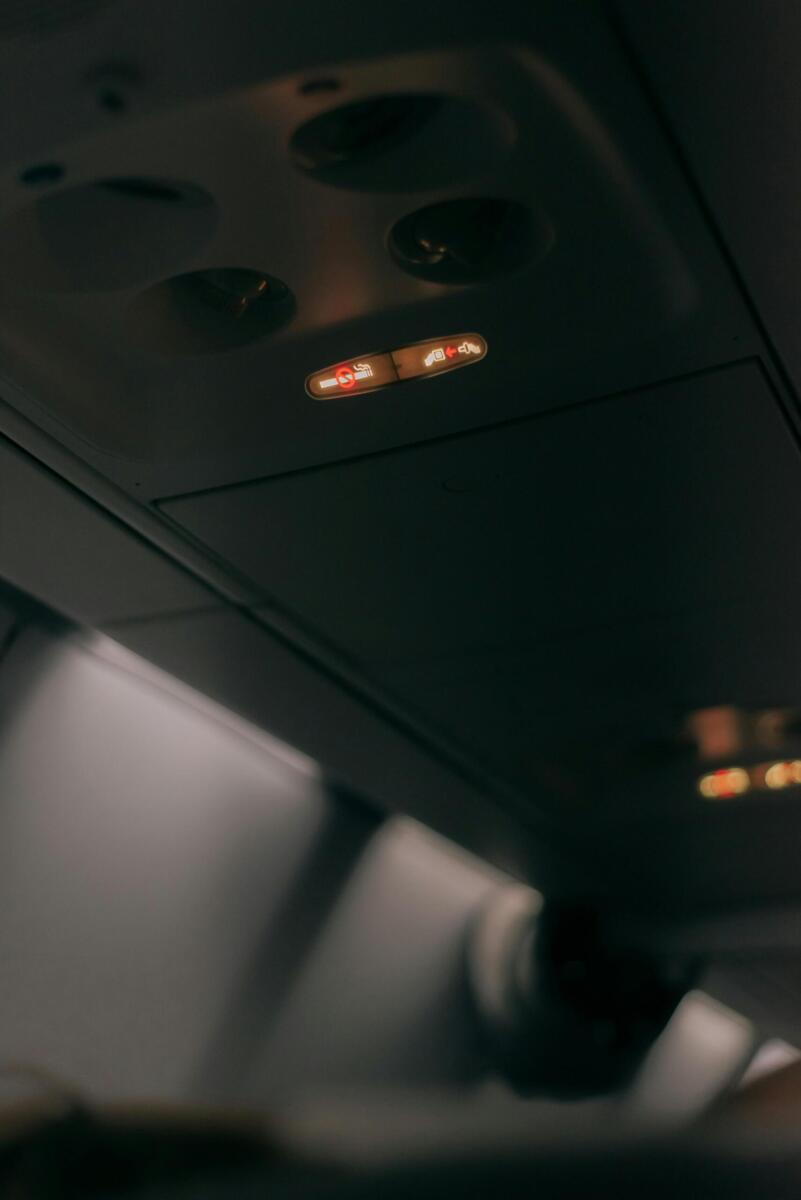
The “smoking section” on an airplane in the ’80s was often just the back three rows of the plane, which did little to stop the haze from filling the entire cabin. The ban began in piecemeal fashion: in 1988, smoking was banned on domestic flights of two hours or less. By 1990, that expanded to six hours, and eventually, a total federal ban was implemented for all domestic and international flights. Today, tampering with a smoke detector in an airplane lavatory is a federal crime.
5. Riding in a Car Without a Seatbelt

While most cars had seatbelts in the ’80s, using them was often optional or ignored. New York became the first state to mandate seatbelt use in 1984, but it wasn’t until the late 80s and 90s that “Primary Enforcement” laws became the norm. Today, “Click It or Ticket” isn’t just a slogan; in nearly every state, it is illegal to operate a vehicle, or be a passenger in one, without being buckled in, with modern laws even requiring specific booster seats for older children.
6. Using “Bumper Pads” in Cribs

The padded fabric liners that lined the inside of ’80s cribs were marketed as a way to keep babies from hitting their heads on the slats. However, modern pediatrics discovered they were a leading risk factor for suffocation and SIDS. Under the Safe Sleep for Babies Act of 2021, the sale of padded crib bumpers is now officially banned in the United States.
7. Owning “Clacker” Toys
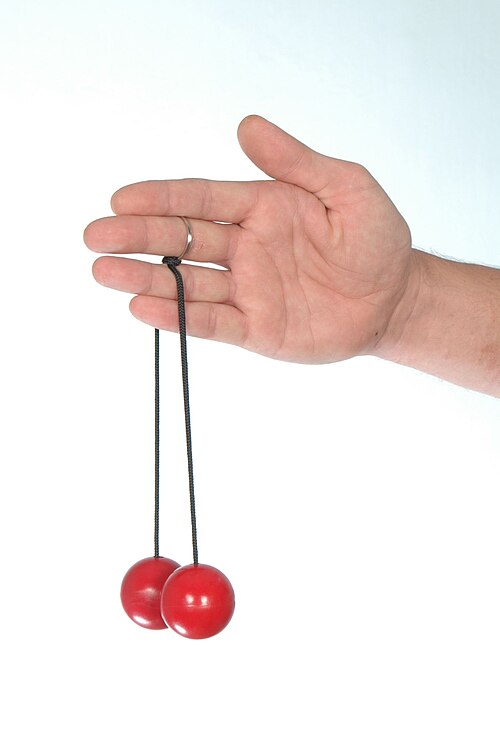
A staple of early 80s playgrounds, “Clackers” consisted of two heavy acrylic balls on a string that you would swing until they smashed together. The problem? The acrylic was prone to shattering upon impact, sending sharp shards into the eyes and faces of children. The original versions were banned and recalled by the CPSC because they were essentially “shrapnel waiting to happen.”
8. Buying “Over-the-Counter” Laudanum

It sounds like something out of a Victorian novel, but in the early 1980s, some parents still used over-the-counter medications containing low doses of opium-based Laudanum to soothe teething babies. As the opioid crisis and understanding of infant chemistry evolved, these products were stripped of their “over-the-counter” status and strictly banned for consumer purchase without a specialized prescription.