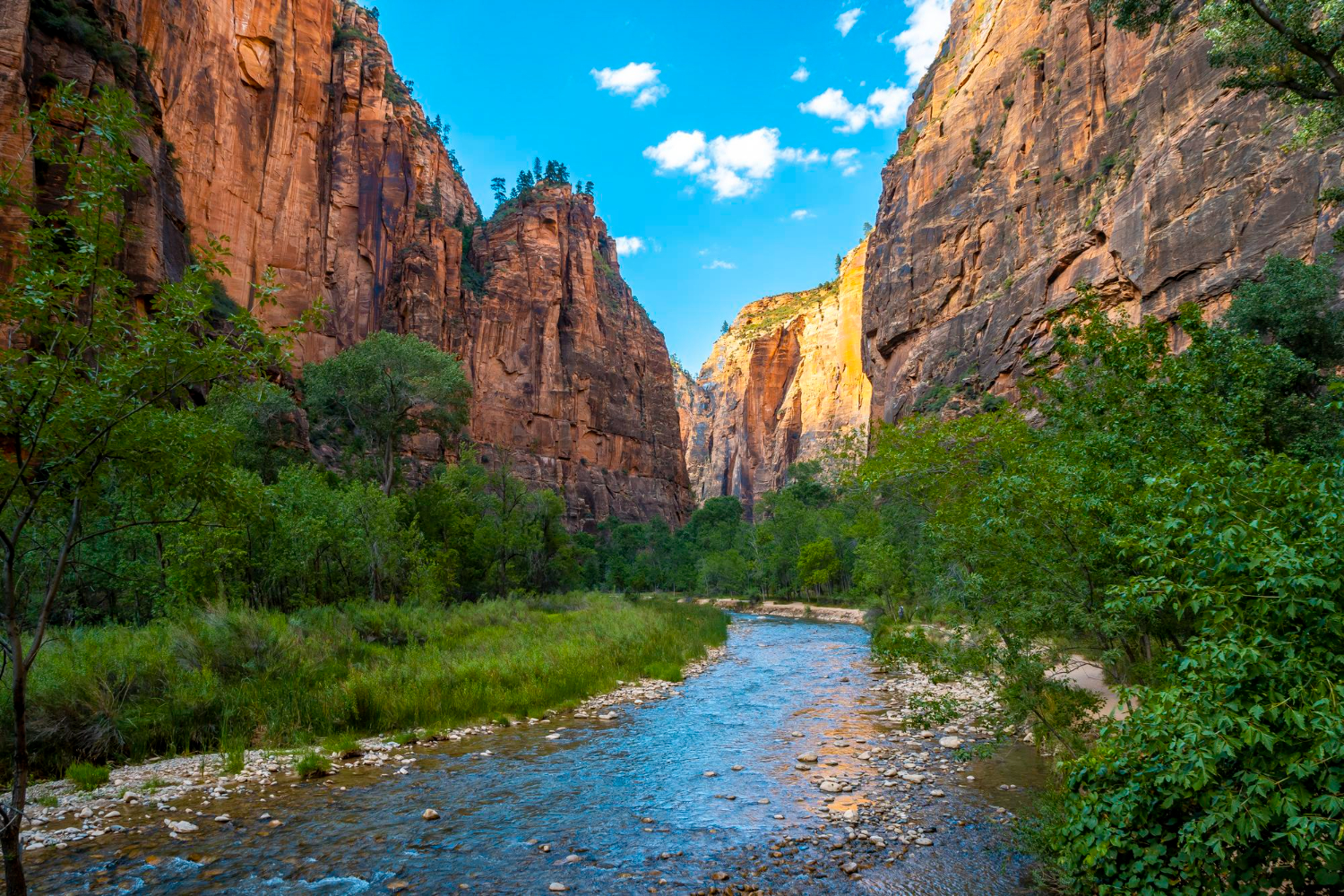
National parks are remarkably safe given how many people visit, but accidents happen, and a handful of parks see far more than their share. Roughly 240 people die each year across all National Park Service sites, and from 2007 to 2024 there were more than 4,200 deaths spread across hundreds of locations and 17 years. The danger isn’t evenly distributed. Some parks rack up deaths simply because they draw enormous crowds, while others are genuinely lethal relative to their modest visitor numbers. The cause matters too: far more people die from heat, drowning, and medical emergencies than from dramatic falls or wildlife. Here are the parks the data flags as the most dangerous, and why each one earns the label.
1. Grand Canyon National Park, Arizona
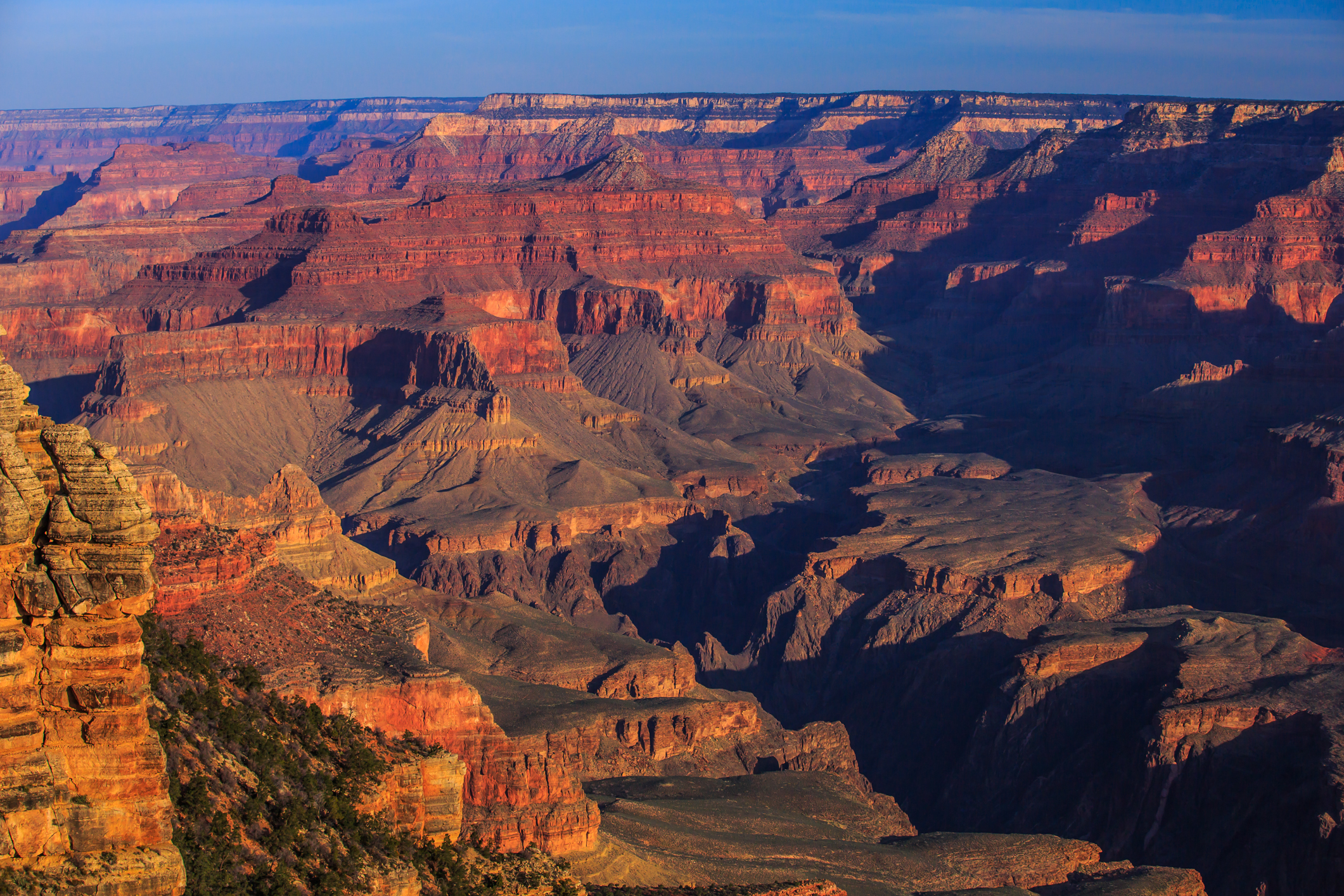
The Grand Canyon consistently records the most total deaths of any park, with roughly 134 fatalities tallied across 2007–2023 and more than 1,600 search-and-rescue missions. The mile-deep, vertigo-inducing canyon makes falls the obvious fear, but they aren’t the leading killer. Most deaths here stem from heat, dehydration, and medical or natural causes, as summer temperatures soar and strenuous hikes overwhelm visitors with underlying conditions. Because the park draws around five million people a year, its death rate per visitor is actually far lower than its raw numbers suggest. Rangers urge hikers to start early, carry far more water than feels necessary, and turn back before exhaustion sets in.
Like our content? Follow us for more.
2. Lake Mead National Recreation Area, Nevada/Arizona
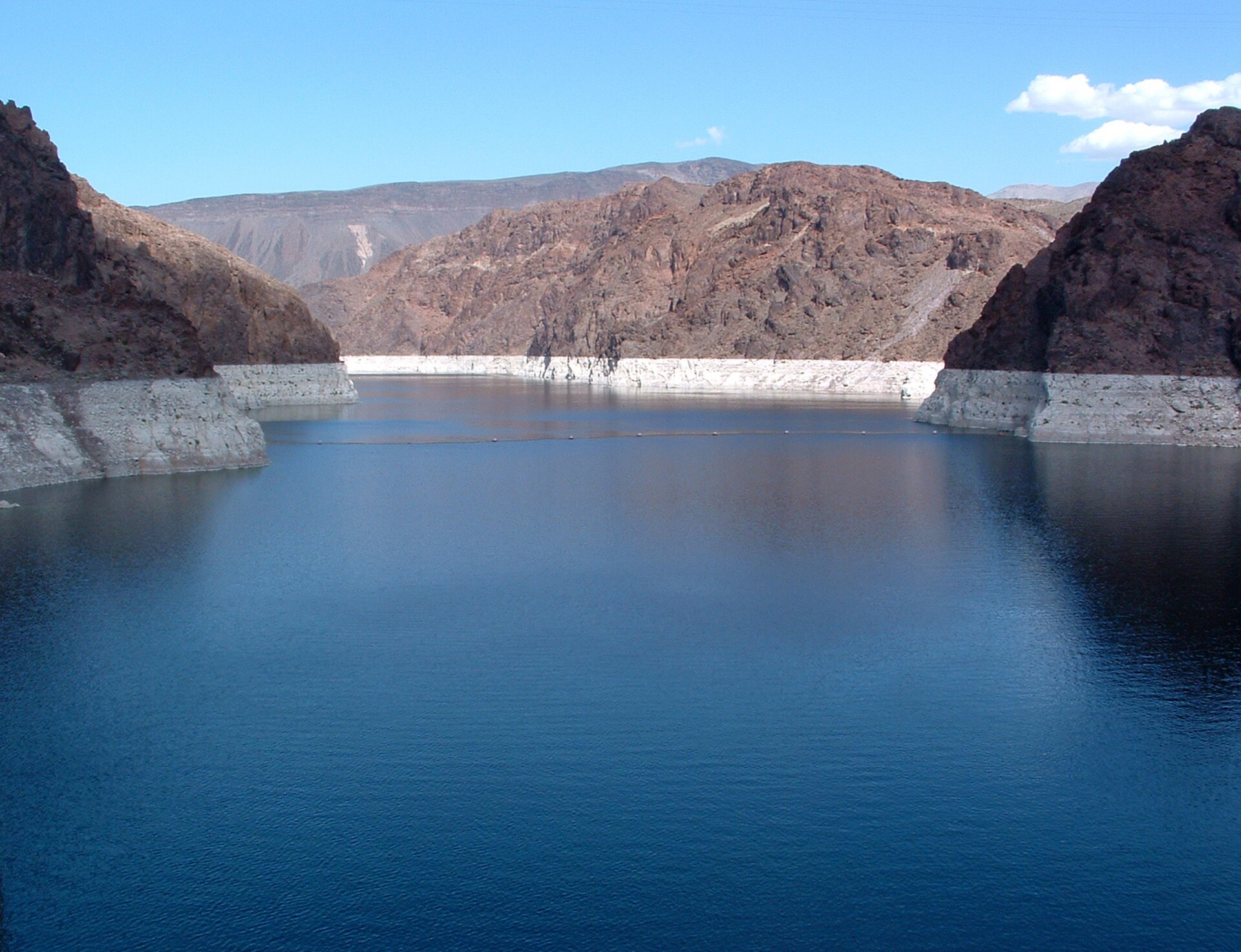
Lake Mead tops the list for one grim category: drowning. The recreation area has recorded around 110 drowning deaths, more than twice the next-highest site, making water by far its leading cause of death. With vast open water, boating, swimming, and desert heat all in one place, the combination proves deadly year after year. Alcohol and the absence of life jackets feature in many cases. Anyone visiting should treat the water with the same caution as the trails, wear a flotation device when boating, and never overestimate their swimming ability in open, cold, or deep water far from help.
3. Yosemite National Park, California
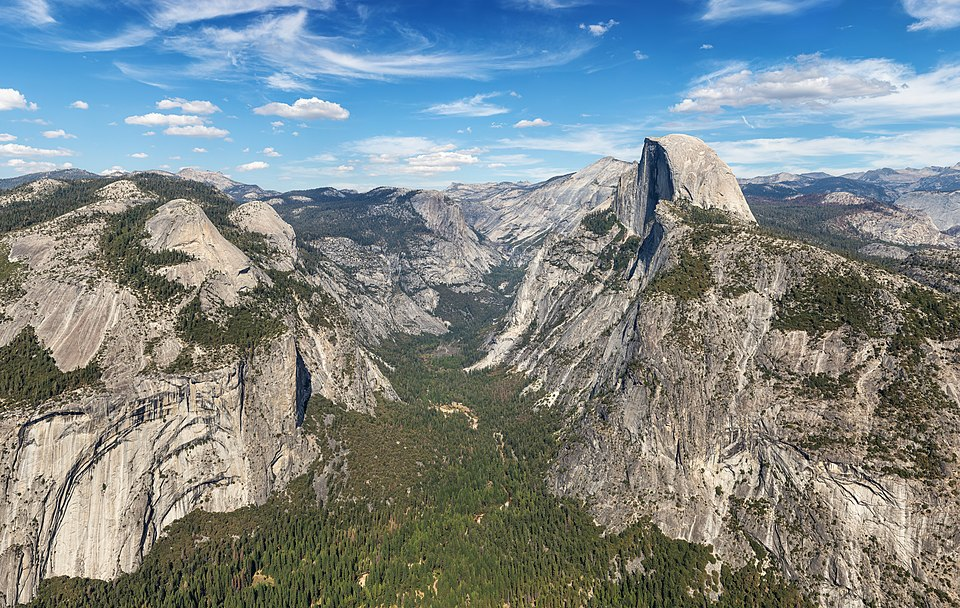
Yosemite’s signature danger is the fall. As one of the world’s premier rock-climbing destinations, with towering walls like El Capitan and Half Dome, the park sees climbing and hiking falls as its leading cause of death. Slippery granite, exposed ledges, fast rivers above waterfalls, and the temptation of a better photo all contribute. The park’s beauty draws millions, which keeps its per-visitor rate moderate, but the sheer height of its cliffs means accidents are often fatal. Staying behind railings, off wet rock near waterfalls, and within your skill level is the simplest protection.
4. Denali National Park & Preserve, Alaska
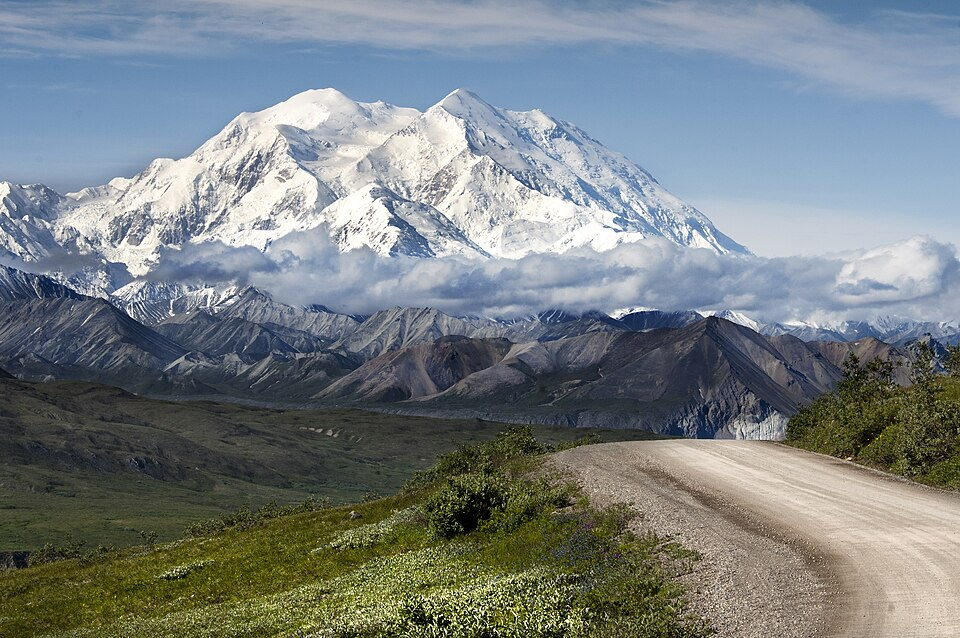
When deaths are weighted by the relatively small number of visitors, Denali often ranks as the most dangerous park in the country. Its centerpiece, the 20,310-foot peak, has claimed well over 100 climbers since the 1930s, and the park’s environmental extremes — brutal cold, sudden weather, crevasses, and remoteness — drive most fatalities. Surprisingly, despite its reputation, Denali has recorded only one fatal bear attack in its entire history. The takeaway is that the mountain and the climate, not the wildlife, are the real hazards here, and only well-prepared, experienced adventurers should attempt its backcountry.
5. North Cascades National Park, Washington
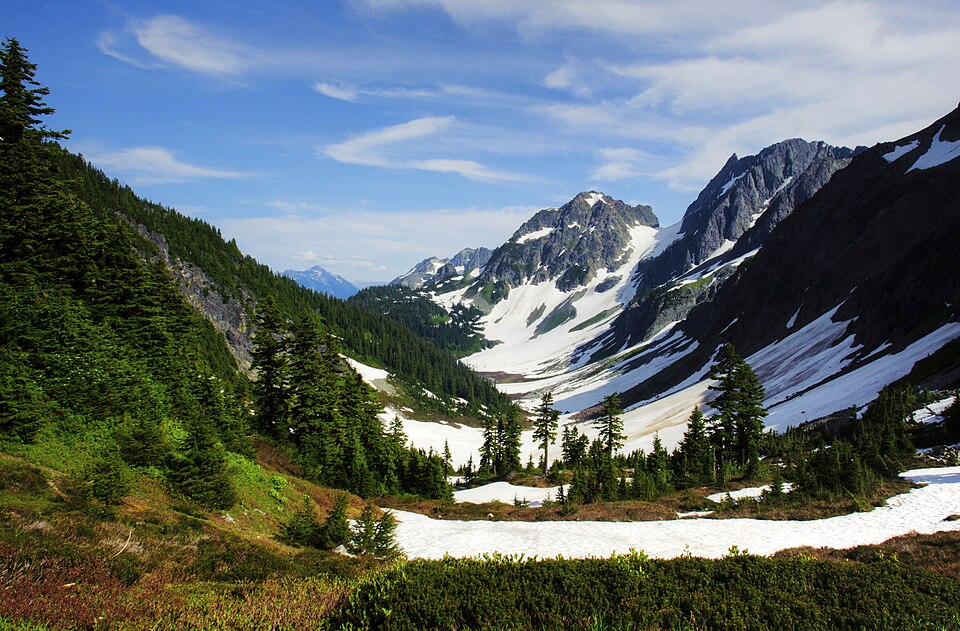
By death rate, North Cascades is arguably the most dangerous of all, with some analyses putting its fatalities per visitor many times the national park average. The park’s rugged, heavily glaciated terrain, with more than 300 glaciers and unstable granite peaks, attracts climbers and backcountry skiers to genuinely risky ground. Access is minimal, there’s essentially no cell service, and rescues are often delayed by the remote, road-poor landscape. Falls, drownings, and medical emergencies all feature. Its relatively low visitation keeps the raw death count modest, but the odds for those who do venture deep are sobering.
6. Big Bend National Park, Texas
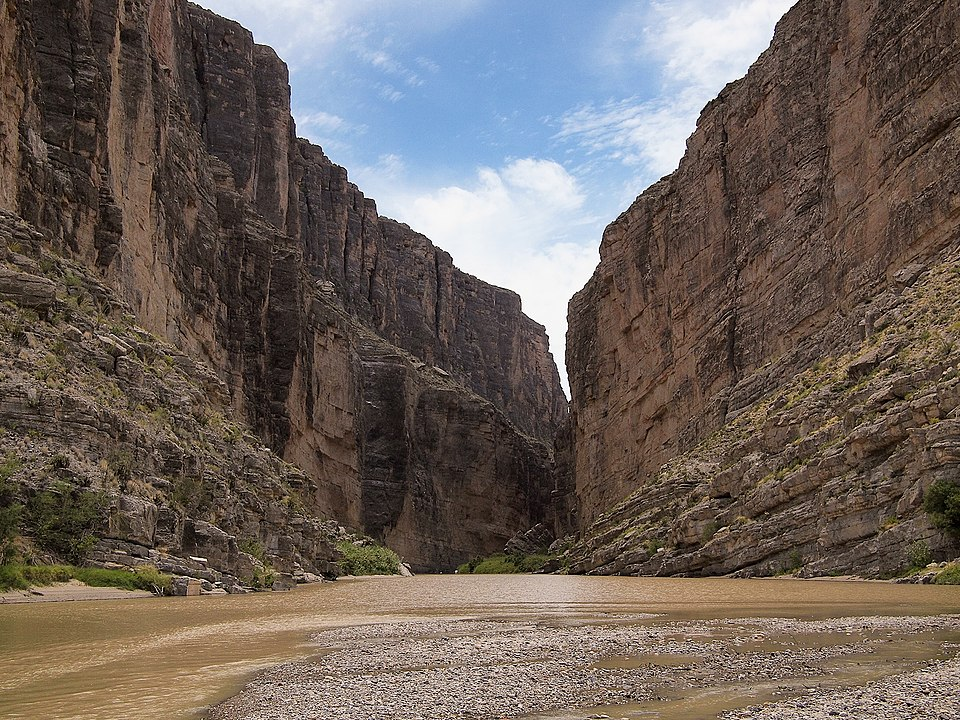
Big Bend’s danger is its isolation and heat. Sprawling across remote West Texas along the Rio Grande, the park combines desert, rugged mountains, and a river, and it has recorded around 32 deaths alongside more than 260 search-and-rescue missions. Summer temperatures can be punishing, water sources are scarce, and help can be hours away. Hikers underestimate the distances and the sun, and dehydration and heat illness do the rest. Visiting in cooler months, carrying ample water, and telling someone your route are essential here, where a wrong turn can leave you far from any assistance.
7. Great Smoky Mountains National Park, Tennessee/North Carolina
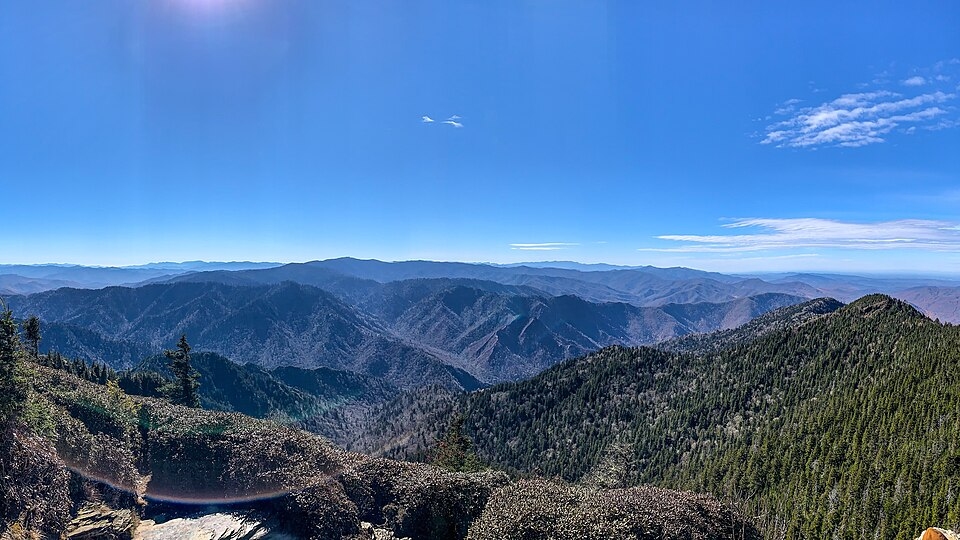
The most-visited national park in the country, the Great Smokies see a high total number of deaths simply because of their enormous crowds, with roughly 90-plus fatalities over the period studied. Drowning in fast mountain streams, vehicle accidents on winding park roads, and falls are among the leading causes. The per-visitor risk is low, but the volume of visitors means real numbers. The lesson here is mundane but important: many park deaths involve cars and water rather than cliffs, so cautious driving and respect for swift creeks matter as much as trail safety.
8. Mount Rainier National Park, Washington
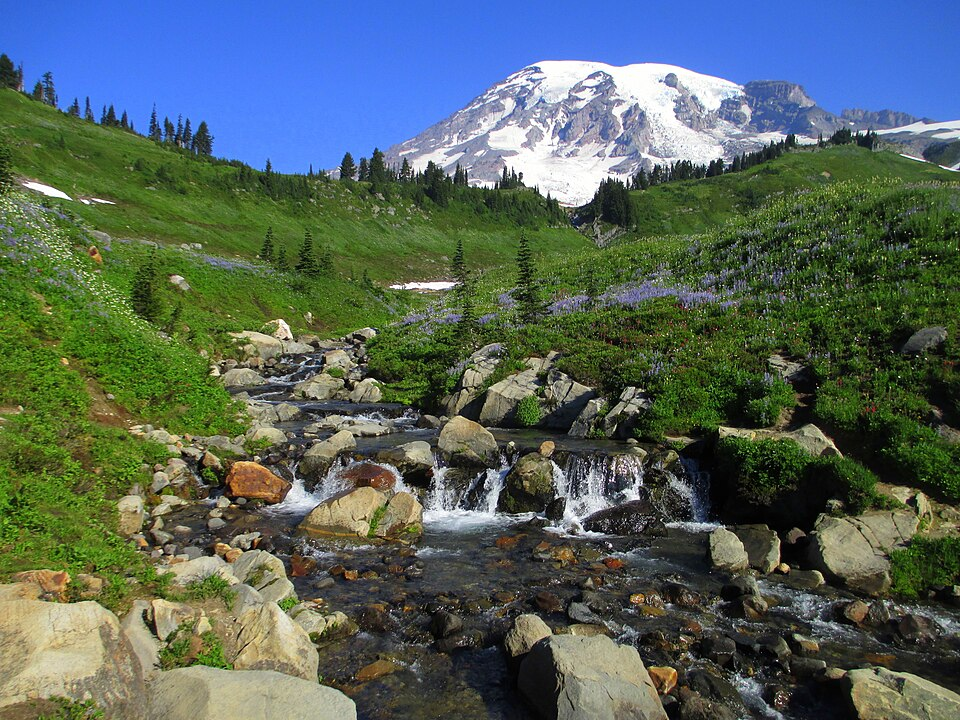
Mount Rainier’s danger is concentrated on the mountain itself. A glaciated, 14,000-foot volcano, it lures mountaineers into serious alpine terrain where falls, avalanches, exposure, and sudden weather changes claim lives. The park sees a steady stream of climbing-related search-and-rescue missions, and the technical routes to the summit are unforgiving of inexperience or bad timing. Day hikers on the lower trails face far less risk, but the high country demands proper training, equipment, and weather awareness. Rainier rewards respect and punishes overconfidence.
9. Wrangell-St. Elias National Park, Alaska
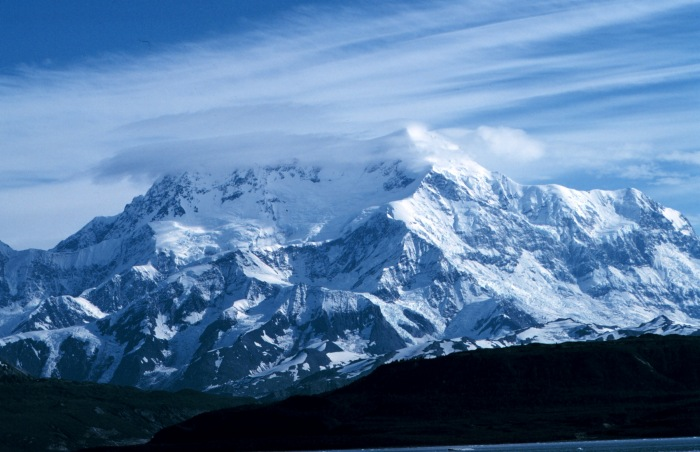
The largest national park in the United States, Wrangell-St. Elias is bigger than several states, and its danger flows directly from that scale. Remote, road-poor, and subject to harsh Alaskan weather, it offers staggering wilderness with almost no infrastructure or quick rescue options. The fatalities and rescues recorded here are fewer in number, but that reflects how few people venture deep into it, not how safe it is. Anyone exploring its backcountry is genuinely on their own, which makes preparation, communication devices, and conservative decision-making non-negotiable.
10. Virgin Islands National Park, U.S. Virgin Islands
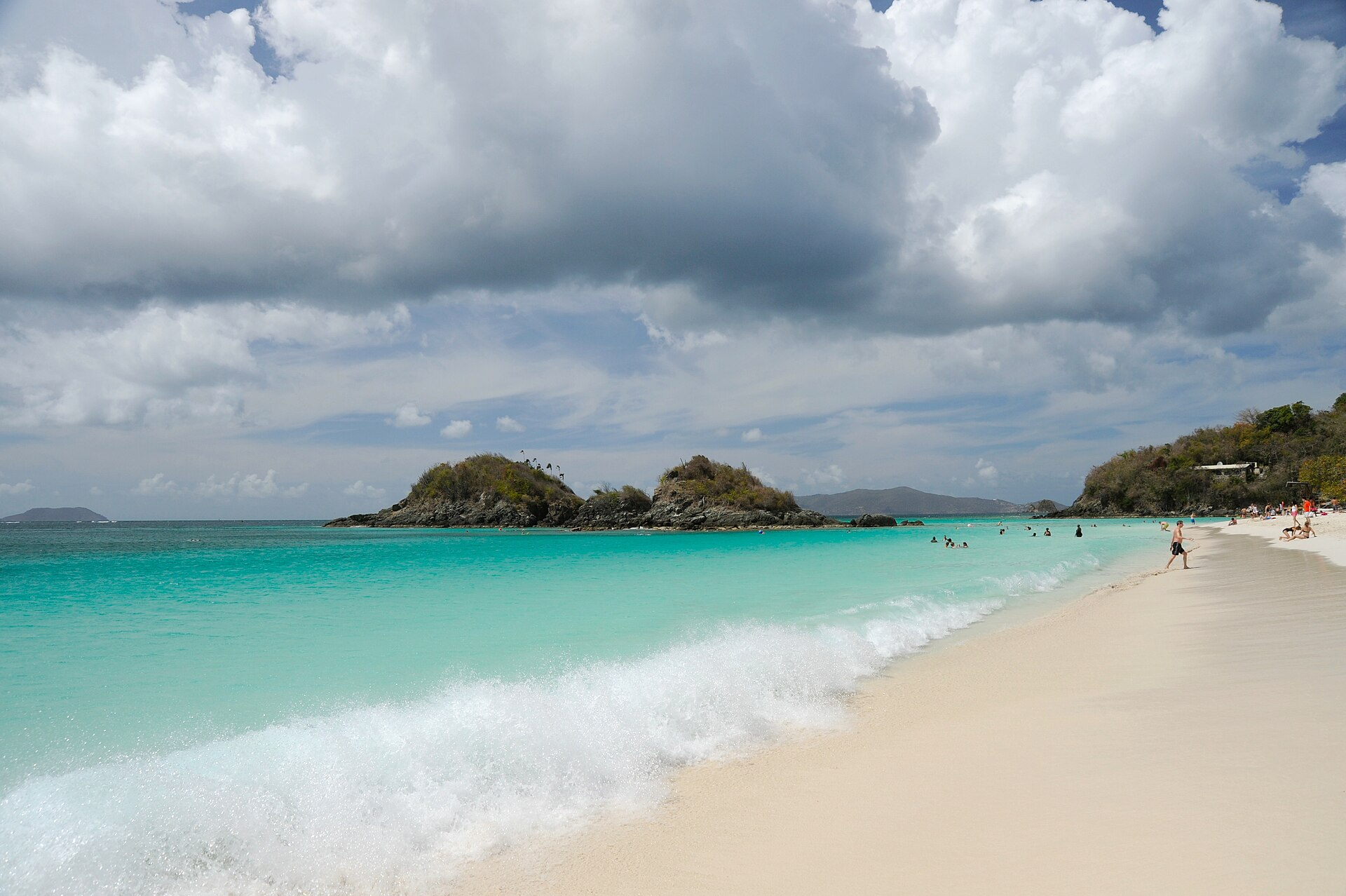
This Caribbean park, covering most of the island of St. John, doesn’t look dangerous, but it ranks surprisingly high when deaths are weighted against its modest visitor count. With around 22 deaths in a decade, nearly half of them drownings, the park’s danger is the water. It encompasses roughly three-quarters of the island’s shoreline, and strong currents, snorkeling mishaps, and ocean conditions catch visitors off guard. As with Lake Mead, the message is that beautiful water is still dangerous water, and respecting currents and swimming ability is the key to a safe trip.
How to Avoid Becoming a Statistic
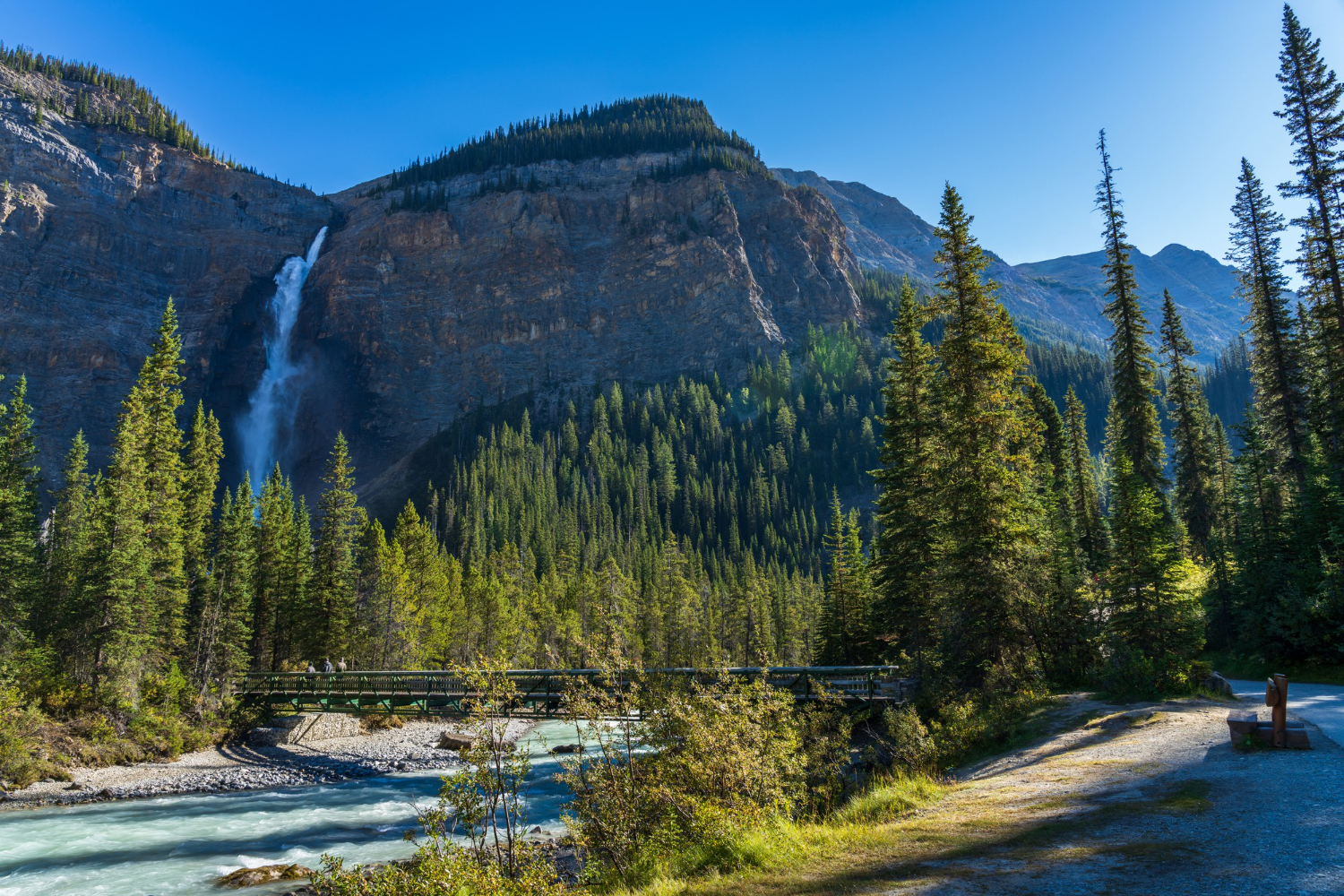
The data carries a clear lesson: the dramatic dangers people fear — falls and bears — kill far fewer visitors than heat, water, and medical emergencies. The safest visitors plan around the real risks. Carry and drink far more water than you think you need, especially in desert and canyon parks. Treat all open and moving water with caution and wear a life jacket when boating. Start hikes early, know your limits, and turn back before exhaustion. Check the weather, tell someone your route, and stay behind barriers near cliffs and waterfalls. National parks remain overwhelmingly safe, and a little preparation keeps them that way.
Like our content? Follow us for more.