Histamine is a natural compound your body makes and that’s also present in many foods, especially aged and fermented ones. Normally an enzyme called diamine oxidase, or DAO, breaks down the histamine you eat. In some people, that enzyme is deficient or overwhelmed, so histamine builds up and triggers symptoms that can mimic an allergy — headaches or migraines, flushing, digestive upset, hives, and a runny nose, often within a couple of hours of eating. This is histamine intolerance, and it’s different from a true food allergy. Crucially, it’s difficult to diagnose and easily confused with other conditions, which is why self-diagnosis is risky. The foods below are commonly high in histamine, but only a professional can tell you whether they’re actually your problem.
Aged Cheeses
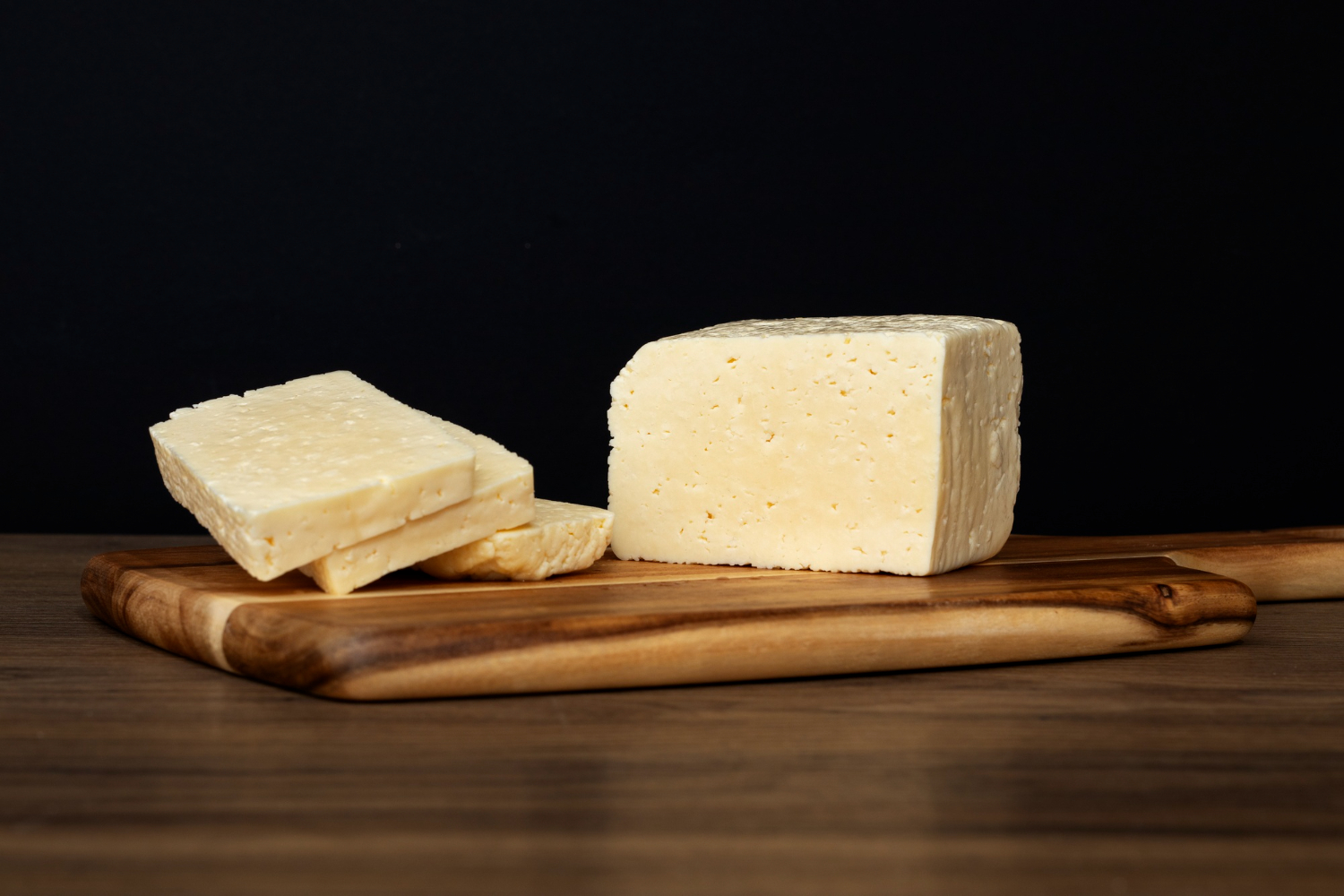
Aged and ripened cheeses are among the most reliably high-histamine foods. The longer a cheese ages, the more histamine builds up, so hard, mature cheeses like parmesan, aged cheddar, gouda, gruyère, and especially blue cheese tend to be the biggest offenders. The ripening process is essentially controlled bacterial activity, and bacteria are the main producers of histamine in food. Fresh, unripened cheeses with short shelf-lives, such as mozzarella and ricotta, are generally much lower and are often better tolerated. If cheese seems to set off your symptoms, the age of the cheese is usually the key variable.
Like our content? Follow us for more.
Fermented Foods
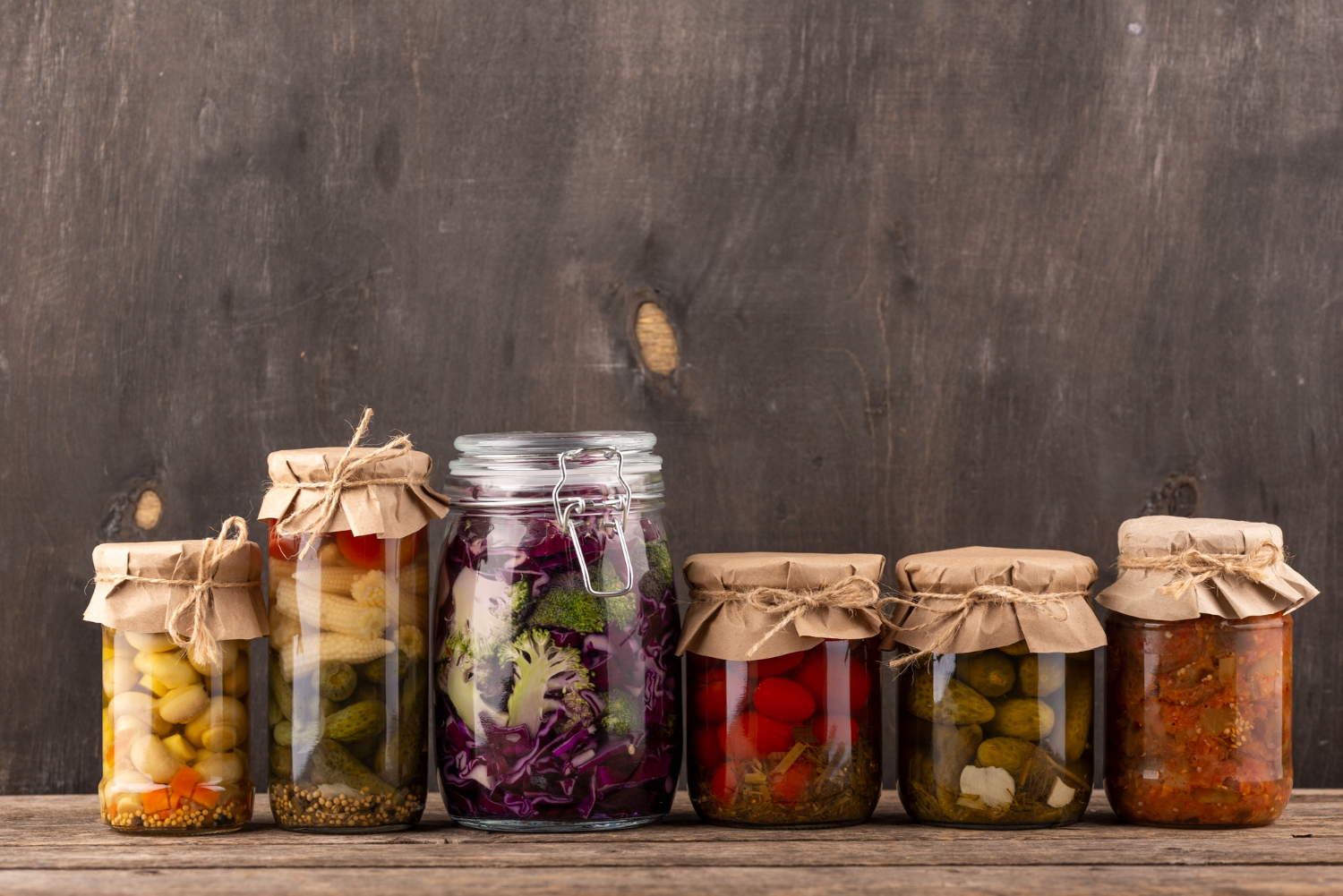
Fermentation is the single most reliable way to drive histamine up, because it’s bacterial activity by design. That puts a long list of trendy “gut-healthy” foods squarely in the high-histamine category, including sauerkraut, kimchi, kombucha, miso, natto, soy sauce, and fermented dairy like yogurt and kefir. This is an irony worth noting: foods widely promoted for digestive health can be exactly the ones that trigger symptoms in histamine-intolerant people. If you’ve recently embraced the fermented-foods trend and developed mysterious reactions, the timing may not be a coincidence, though only testing under medical guidance can confirm it.
Cured and Processed Meats
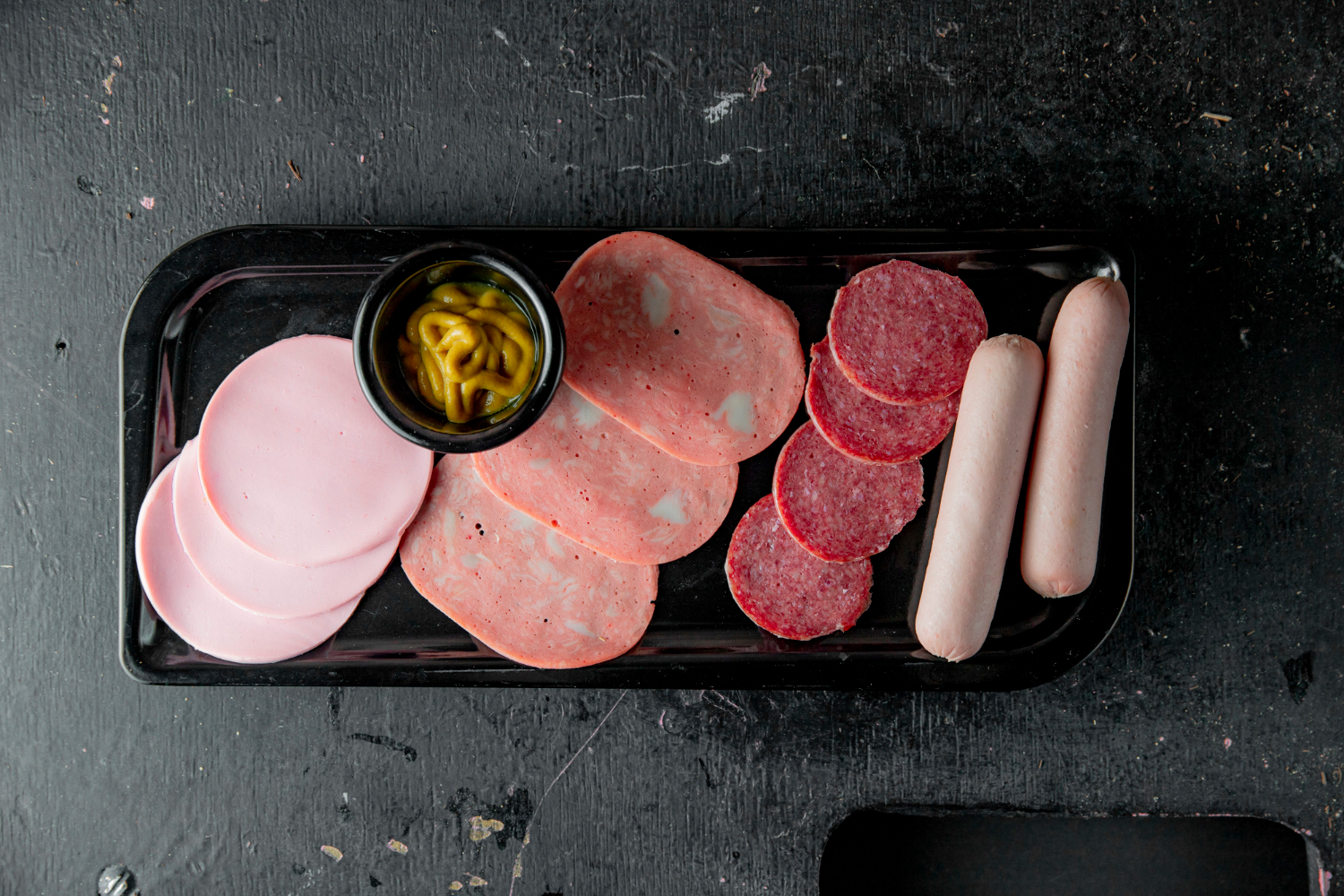
Aged, cured, smoked, and fermented meats are high in histamine for the same reasons as aged cheese: time and bacterial processing. Dry sausages such as salami, pepperoni, and chorizo are typically the highest, along with bacon, ham, and other cured products, and aged beef can be significant too. Fresh, unprocessed meats, by contrast, are generally very low in histamine, which is why freshness matters so much. The takeaway for sensitive people is to favor fresh, simply cooked meats over the cured and processed deli case, where histamine has had time to accumulate.
Alcohol, Especially Wine and Beer

Alcohol is a double problem for histamine-intolerant people. Many alcoholic drinks are high in histamine themselves because of fermentation, with red wine, beer, and champagne among the worst, and sparkling wines adding carbonation to the mix. On top of that, alcohol inhibits the DAO enzyme that breaks histamine down, so it can worsen reactions to other foods eaten alongside it. For some people, red wine is the single most notorious trigger. Still white or rosé wines with fewer additives tend to be lower, but for anyone seriously affected, alcohol is often one of the first things a professional suggests examining.
Certain Fish and Seafood
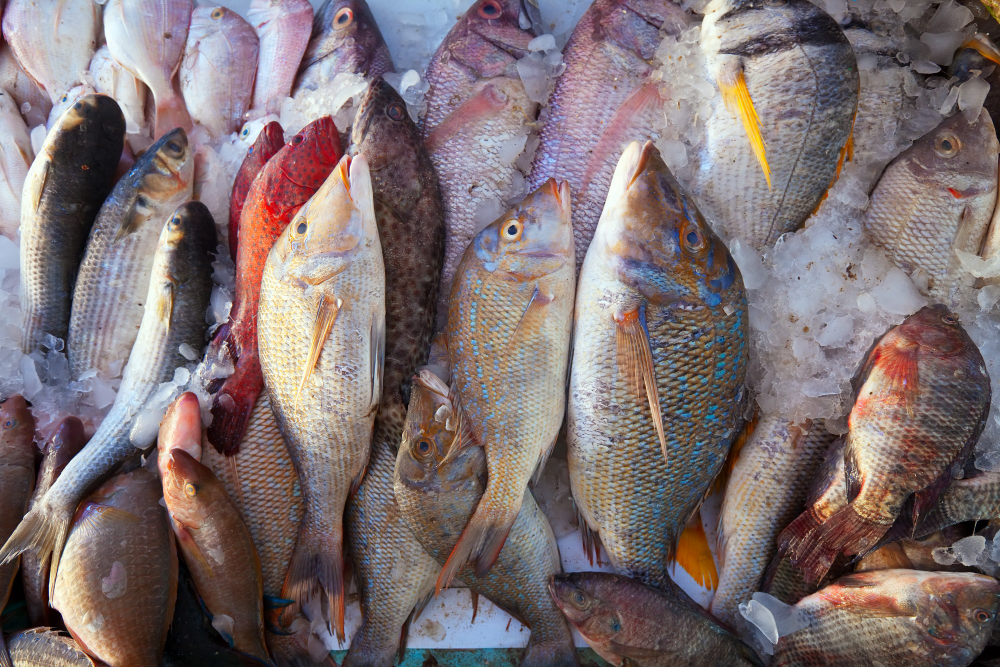
Fish is a special case. Some fish are naturally higher in histidine, an amino acid that bacteria readily convert to histamine, so if the fish isn’t kept very fresh and cold, histamine can climb quickly. Smoked, canned, and aged fish — along with shellfish — are common triggers, and improperly stored fish can cause a reaction known as scombroid poisoning even in people without intolerance. Freshness is everything here. Fish frozen at sea and eaten fresh tends to be lower-risk, while fish that has sat too long is among the more unpredictable high-histamine foods.
Surprising Fruits and Vegetables
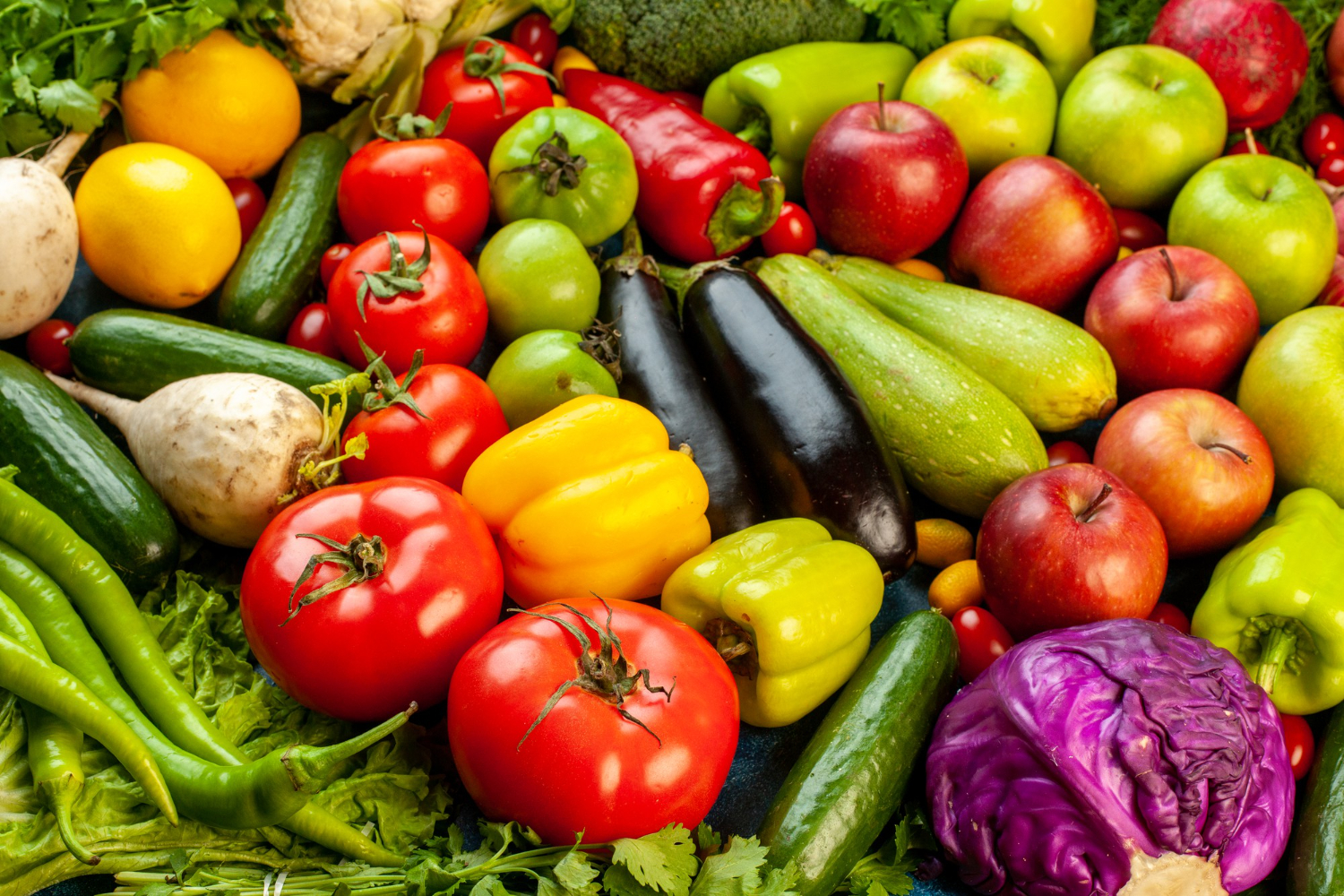
Not all high-histamine foods are aged or fermented. A handful of fresh produce items either contain histamine or prompt the body to release its own, which catches people off guard. The usual suspects include tomatoes, spinach, eggplant, and avocado, along with citrus fruits and, anecdotally, strawberries. Tomato-based products like ketchup and sauces concentrate the effect. These foods are perfectly healthy for most people, which is exactly why they’re so confusing for the histamine-intolerant, who may not suspect a tomato or a handful of spinach of causing their symptoms.
Vinegar and Fermented Condiments
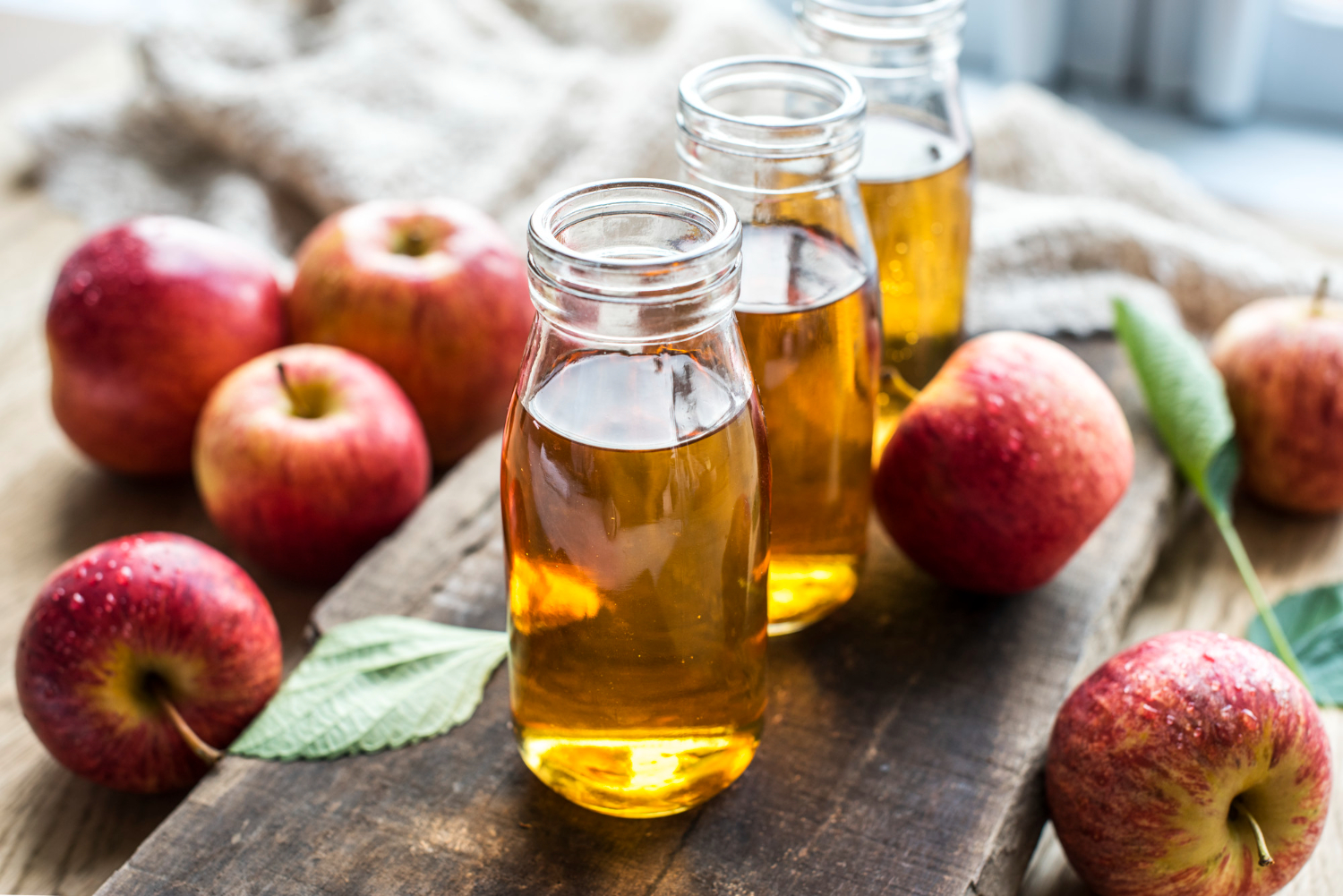
The condiment shelf hides several high-histamine items, again thanks to fermentation. Vinegar is a common trigger, which means anything made with it — pickles, many sauces, salad dressings, and ketchup — can be a problem. Soy sauce, fish sauce, and other fermented seasonings fall into the same category. Because these ingredients appear in so many prepared and restaurant dishes, they can be a hidden source of reactions for people who think they’ve eliminated the obvious offenders. Reading labels and asking about ingredients becomes important for anyone seriously managing the condition.
Leftovers and Storage
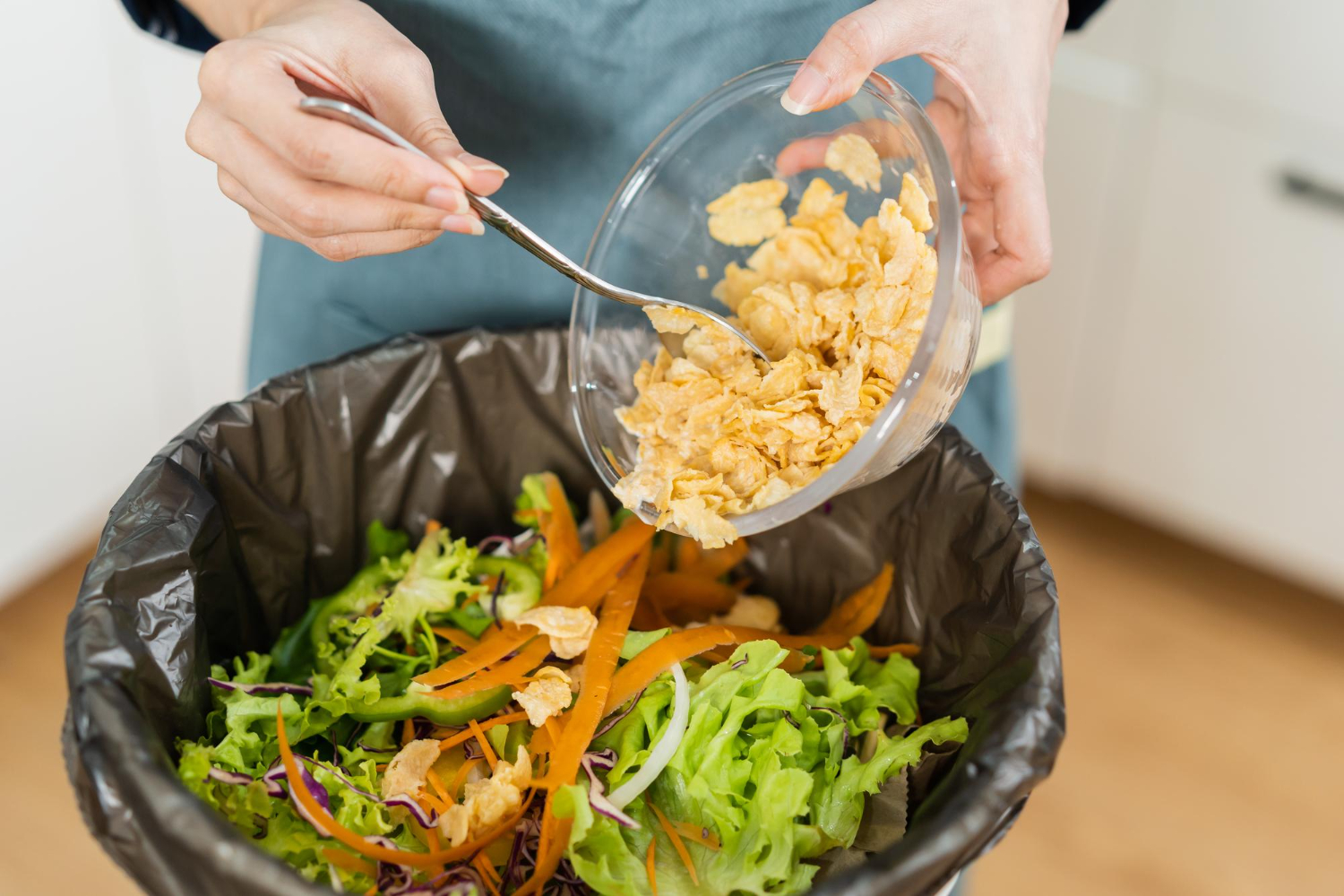
Here’s a factor that surprises almost everyone: histamine accumulates in food over time, even in otherwise low-histamine items. A piece of fresh meat or fish that’s perfectly fine when cooked can become a trigger after a day or two in the fridge, as bacteria continue producing histamine. The same goes for cooked dishes left to sit. For sensitive people, this means freshness and storage are as important as the food itself — buying fresh, cooking promptly, freezing rather than refrigerating leftovers, and not letting food linger. It’s one of the least obvious but most practical pieces of managing histamine.
How Cooking Changes Things
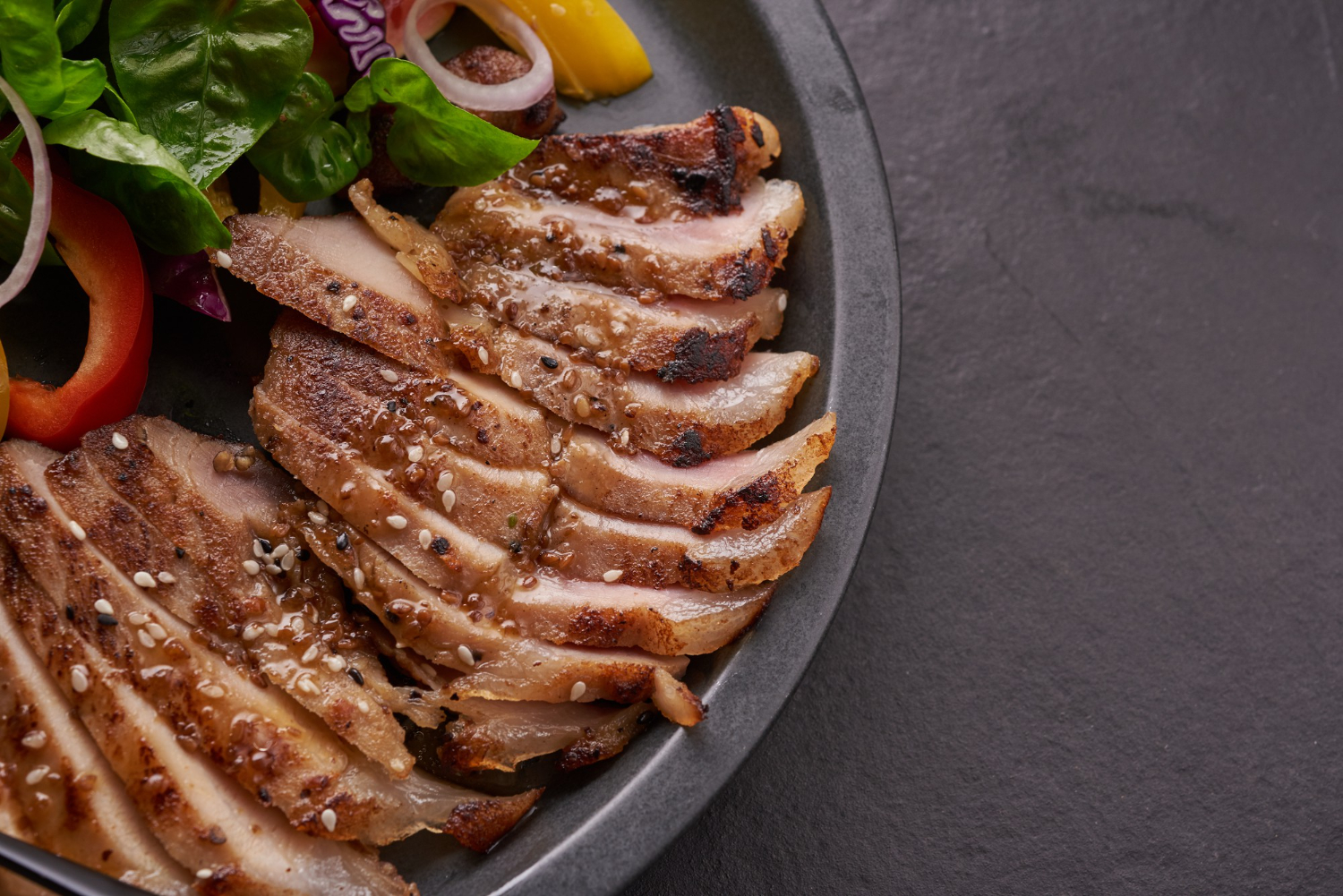
Even how you cook can shift histamine levels. Research has found that grilling and frying tend to increase histamine in foods like meats — grilled pork and beef, for instance, showed measurable jumps — while boiling appears to have little effect and may even lower histamine in some cases. This doesn’t make high-histamine foods safe by boiling them, but it’s a useful nuance: gentler, water-based cooking methods may be a little kinder for sensitive people than high-heat grilling and frying. As with everything here, individual tolerance varies enormously, so personal experience under guidance matters most.
The Most Important Slide: See a Professional First

This is the part to take seriously. Low-histamine diets can be extremely restrictive and, followed carelessly, can lead to nutritional deficiencies or even malnutrition. Histamine intolerance is genuinely difficult to diagnose, and many symptoms attributed to it have other causes that need proper medical attention. There’s little evidence that cutting histamine helps people who don’t actually have the condition. The recommended approach is a short, structured elimination diet supervised by a doctor or dietitian — removing suspect foods briefly, then reintroducing them to identify true triggers — not a permanent, self-imposed ban on long lists of healthy foods. Keeping a food-and-symptom diary and getting a proper evaluation is the safe path.
The Bottom Line
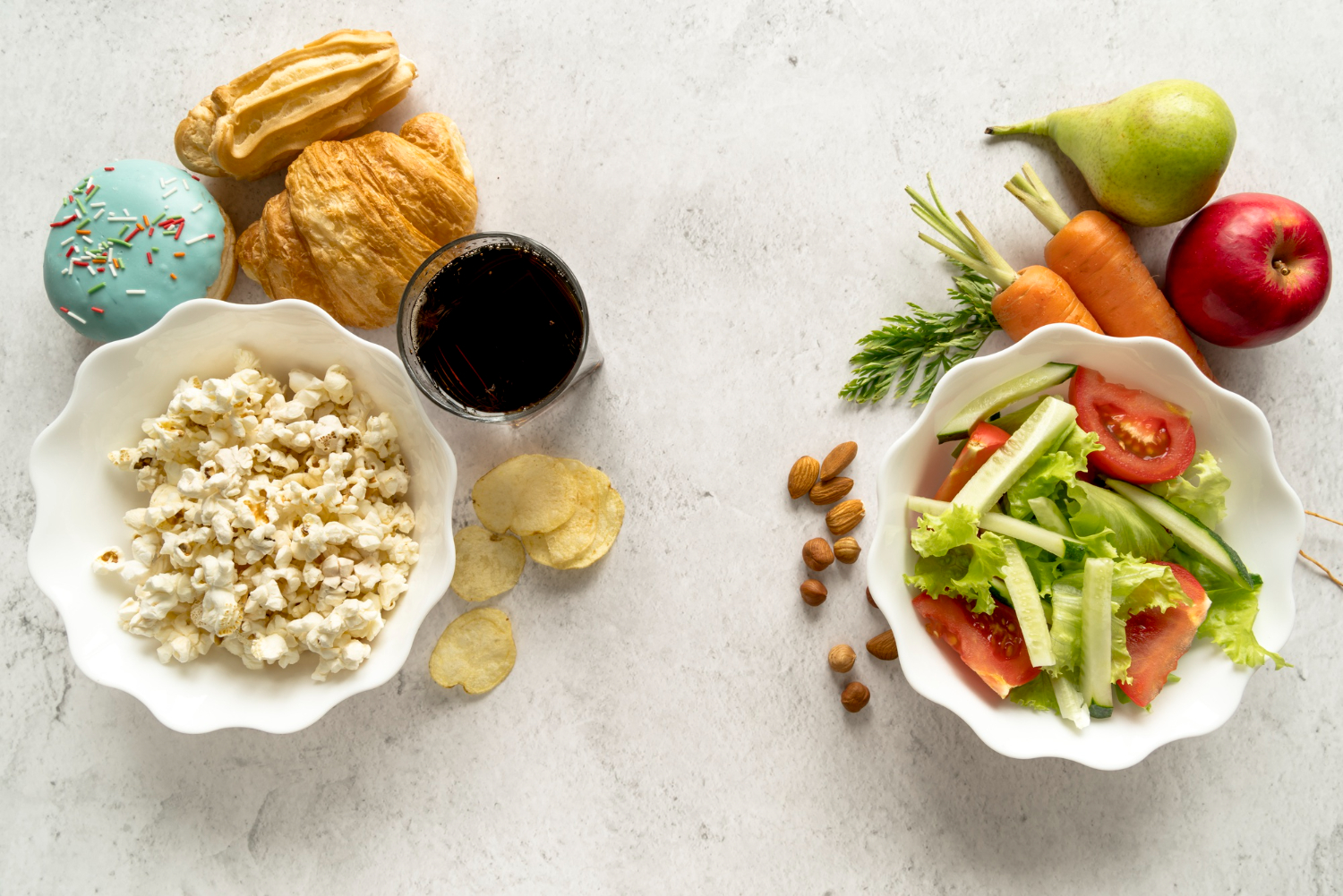
High-histamine foods cluster in a few clear categories: aged cheeses, fermented foods, cured meats, alcohol, certain fish, a handful of fruits and vegetables, vinegar-based condiments, and anything that’s been stored too long. If you react to many of these within a couple of hours of eating, histamine intolerance is one possible explanation worth raising with a professional. But it’s only one possibility among many, and the foods on this list are healthy and well-tolerated by most people. The right next step isn’t to overhaul your diet overnight; it’s to track your symptoms and talk to a doctor, allergist, or dietitian who can help you figure out what’s really going on.
Like our content? Follow us for more.