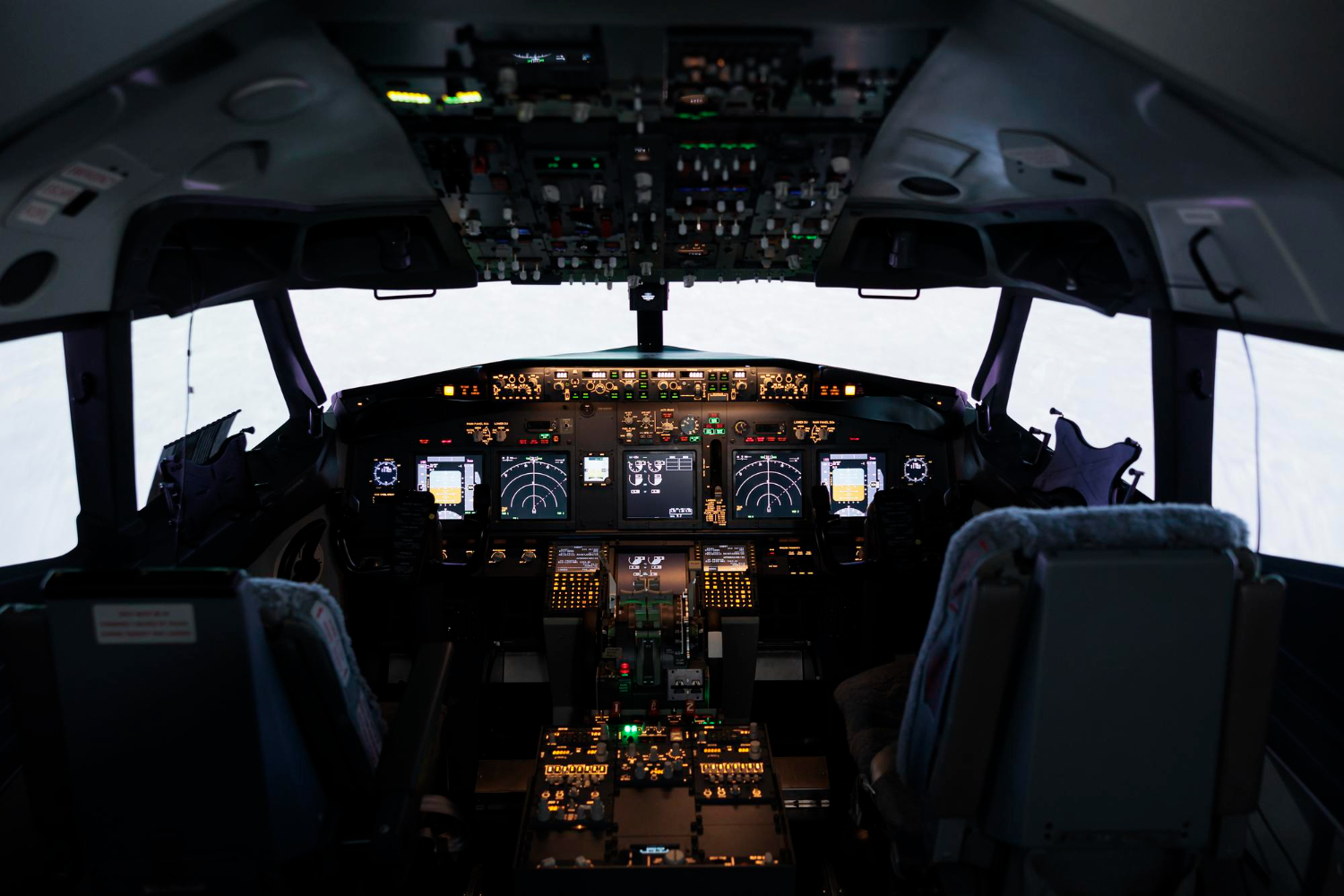
Pilots may spend most of a flight behind a closed cockpit door, but before takeoff, they’re often more attuned to the cabin than passengers assume, drawing on cabin crew reports, boarding time, and their own brief observations during walk-through checks. Experienced pilots develop a genuine sense of how a flight is likely to go before the wheels ever leave the ground. Here are ten things airline pilots notice about passengers before takeoff, counted down one by one.
1. How Smoothly Boarding Is Going
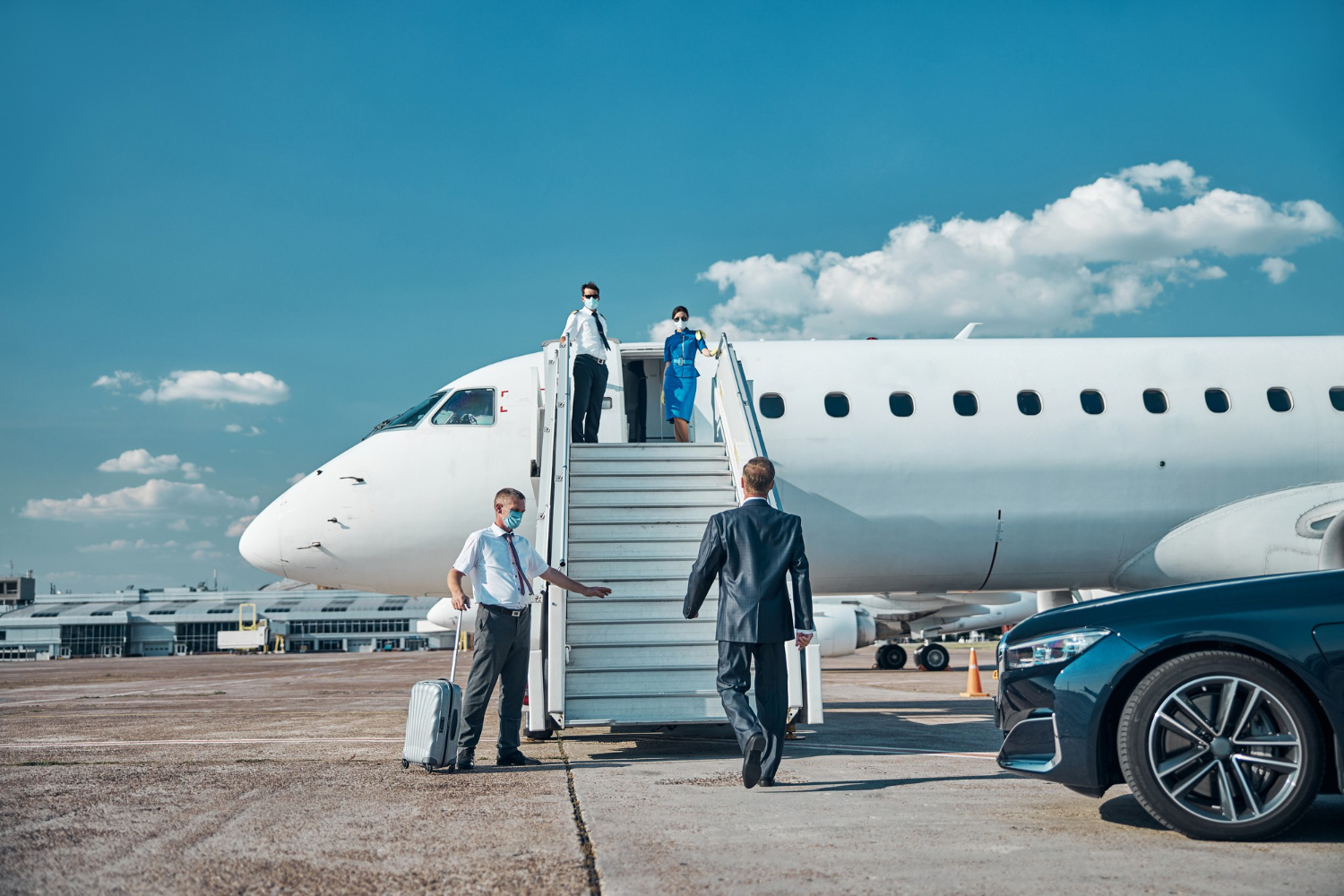
Boarding pace tells a pilot a lot. Delays from passenger confusion or conflict get relayed to the cockpit.
Pilots monitor boarding progress closely, since flight crews keep them updated on how smoothly passengers are settling in, and a boarding process running noticeably behind schedule due to overhead-bin disputes or seating confusion is quickly relayed to the cockpit. It directly affects the pilot’s departure planning. How smoothly boarding is going is one of the first things pilots effectively track, an operational detail that shapes decisions about pushback timing and communication with air traffic control.
Like our content? Follow us for more.
2. Whether Cabin Crew Flag Any Passenger Concerns
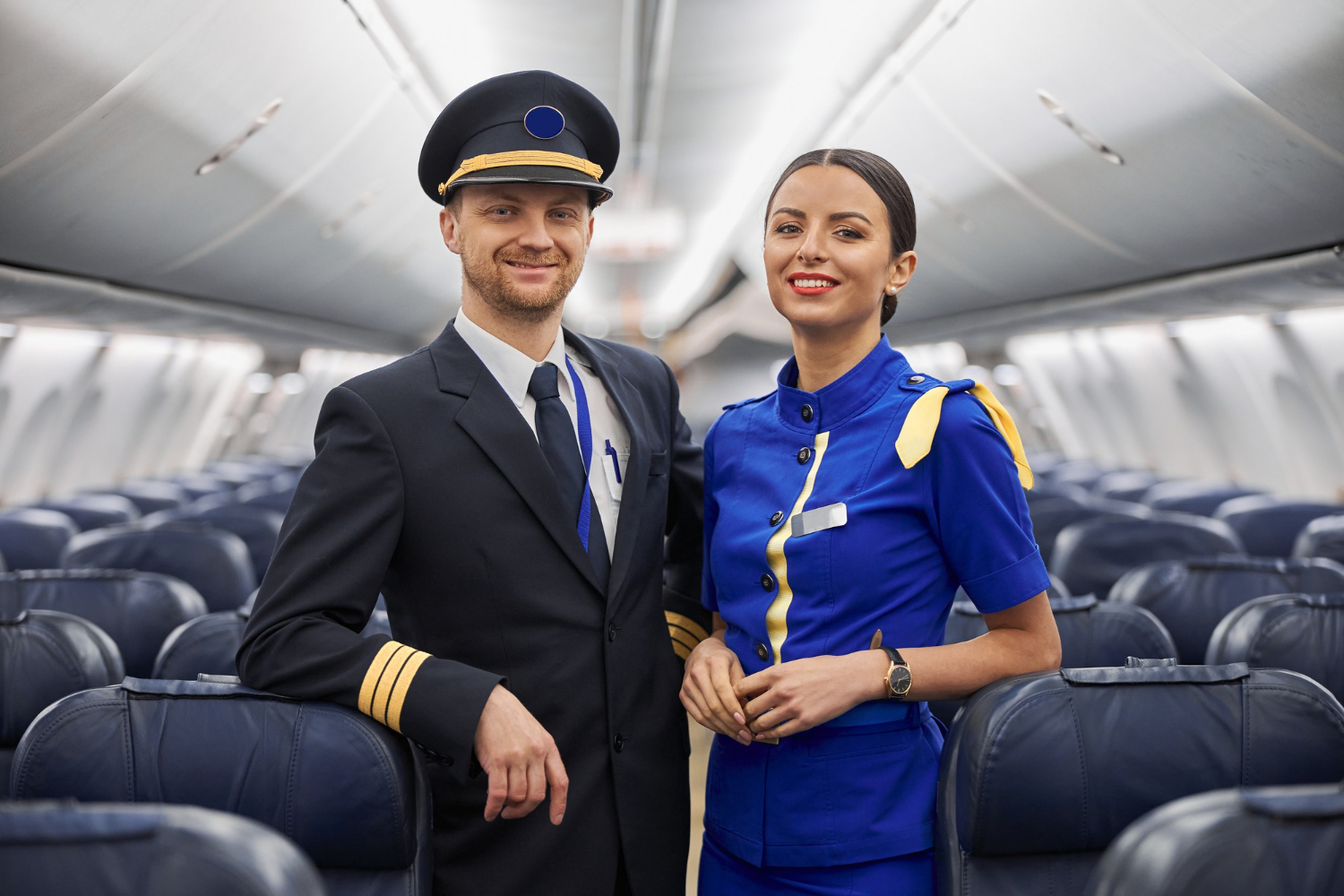
Flight attendants brief pilots on notable passenger issues. Health concerns or conflicts are relayed immediately.
Before departure, flight attendants routinely brief the pilots on anything notable happening in the cabin, a passenger who seems unwell, a seating dispute, or any other situation that might affect the flight. Pilots rely heavily on this crew communication, since they can’t personally observe most of the cabin. Whether cabin crew flag any passenger concerns is a critical piece of pre-flight awareness for pilots, the primary channel through which they stay informed about what’s actually happening among passengers.
3. How Passengers Respond During the Safety Briefing

Attentiveness during the safety demonstration is noted by crew. It’s relayed as a general read on the cabin’s mood.
While pilots aren’t typically watching this directly, cabin crew often mention to the cockpit whether passengers seem attentive and cooperative during the safety briefing or distracted and dismissive, a general mood indicator that can inform how the crew approaches in-flight service and communication. How passengers respond during the safety briefing is a small but genuine data point pilots receive, part of the broader picture crew members build and share about the overall tone of a particular flight.
4. Weight and Balance Numbers From the Full Passenger Count
Total passenger and baggage weight affects flight planning directly. Pilots review these figures before every departure.
Before every flight, pilots review the aircraft’s weight and balance figures, calculated from the total passenger count, baggage, and cargo, numbers that directly affect fuel calculations, takeoff performance, and how the flight is planned. It’s one of the most consequential passenger-related data points pilots actually work with directly. Weight and balance numbers from the full passenger count are a genuinely essential part of pre-flight preparation, technical figures drawn from passengers collectively that shape real operational decisions before every takeoff.
5. Whether Connecting Passengers Are Still Boarding
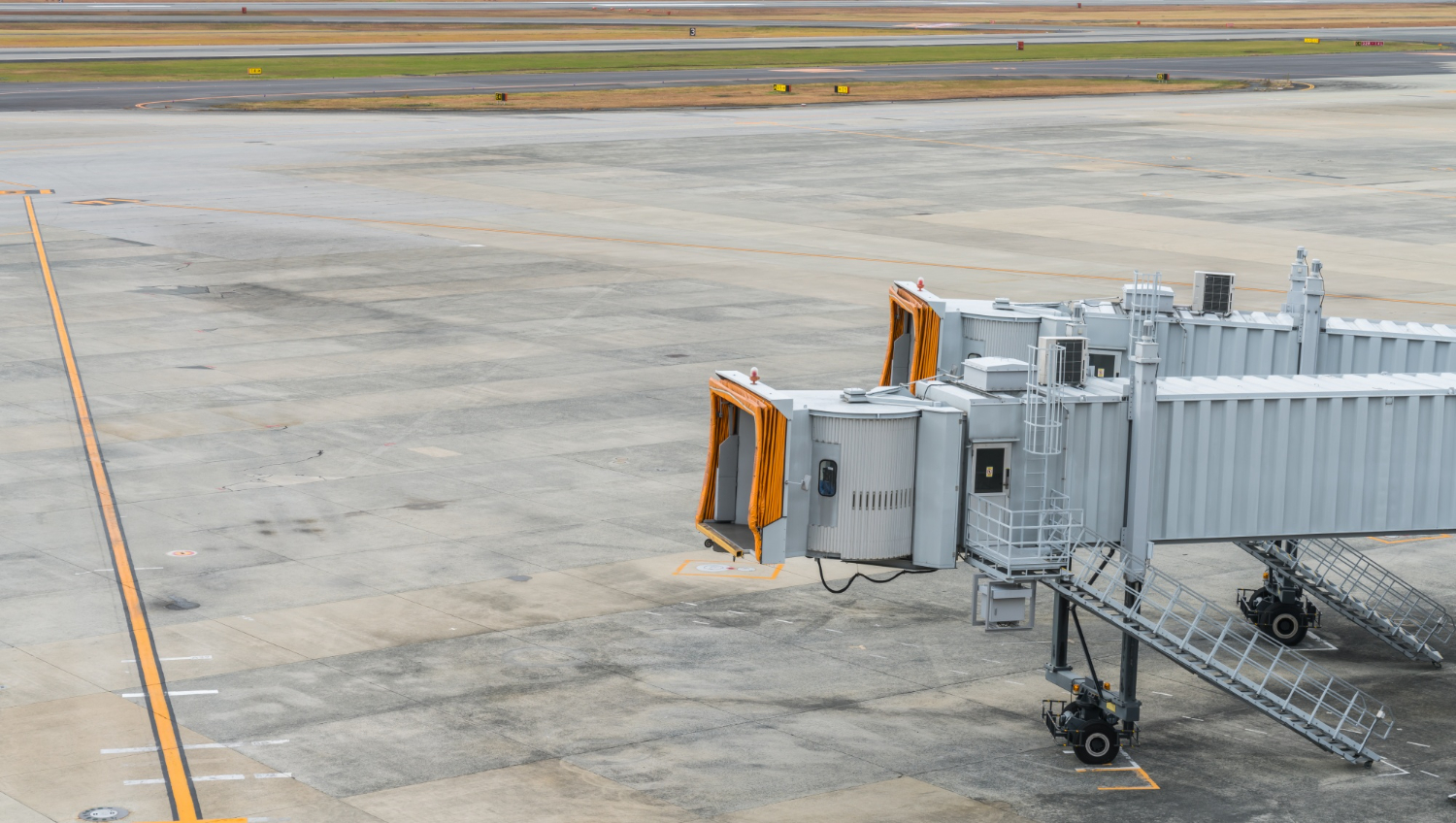
Late-arriving connections affect departure timing. Pilots weigh wait times against schedule impact.
When passengers are still making their way from a delayed connecting flight, pilots are kept updated on the situation and often have to weigh the operational cost of waiting against the ripple effects on the rest of the day’s schedule. It’s a genuine, frequent balancing act. Whether connecting passengers are still boarding is a real-time factor pilots actively track, a decision point that directly affects countless departure-time choices made every single day across the industry.
6. Reports of Disruptive or Concerning Behavior

Any conflict or disturbance is relayed to the cockpit immediately. Pilots decide how to respond based on severity.
If a passenger becomes disruptive, intoxicated, or involved in a conflict before departure, flight attendants report it to the cockpit immediately, and pilots make the call on how to proceed, from a calm conversation to, in serious cases, involving airport authorities before takeoff. Passenger safety and crew authority take clear priority. Reports of disruptive or concerning behavior are among the most serious things pilots are made aware of, situations that can directly affect whether and when a flight ultimately departs.
7. General Cabin Mood and Energy
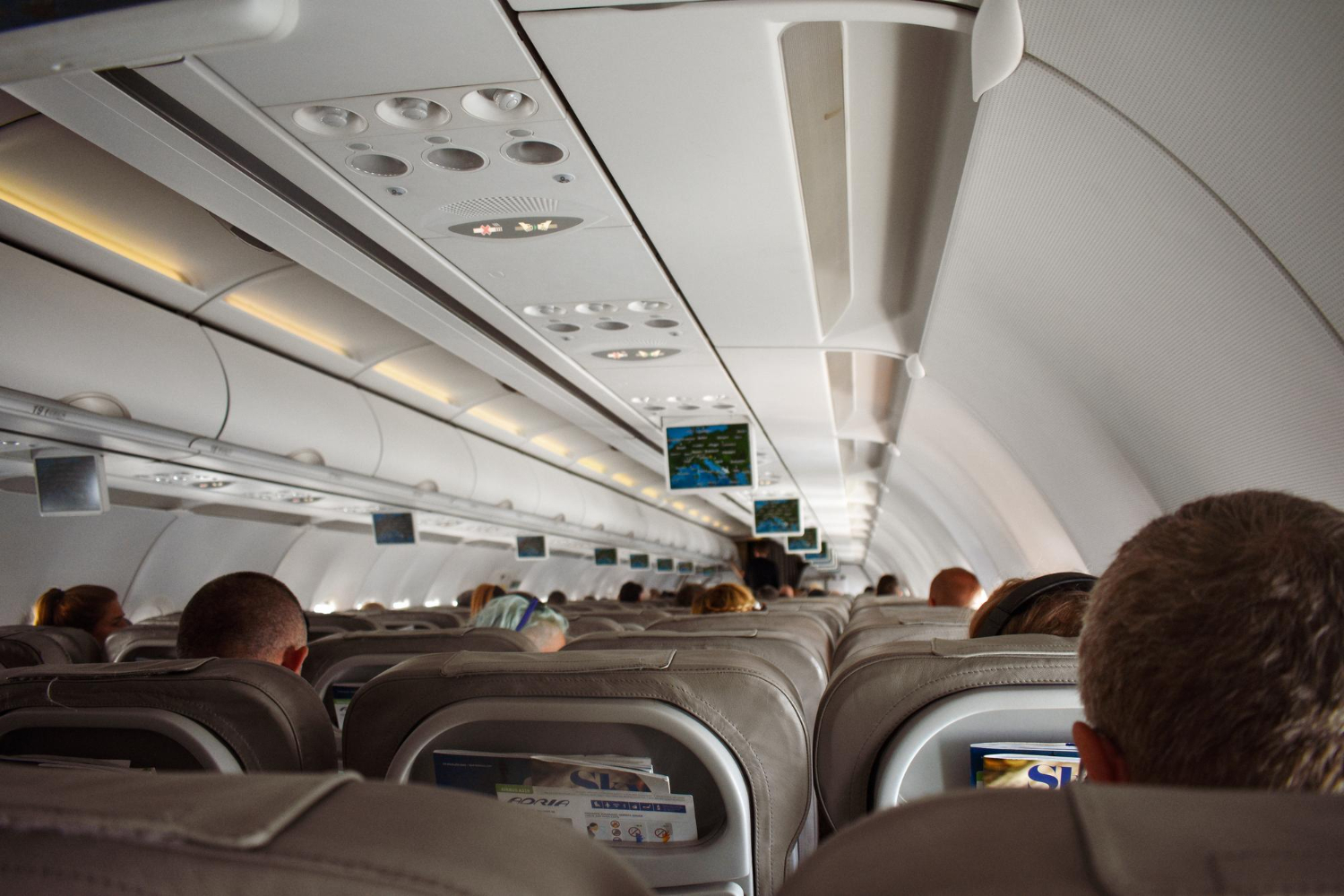
Crew often relay a general sense of the flight’s atmosphere. It subtly shapes crew approach and communication.
Beyond specific incidents, cabin crew sometimes share a general sense of the flight’s overall mood, a particularly quiet, tense, or unusually cheerful cabin, information that helps pilots and crew calibrate their tone for announcements and in-flight communication. It’s a soft but genuinely useful data point. General cabin mood and energy is a subtle factor pilots pick up on secondhand, an impressionistic read that nonetheless shapes small but real decisions about how a flight crew approaches the trip ahead.
8. Weather-Related Passenger Anxiety

Turbulence forecasts prompt proactive crew communication. Anxious passengers are flagged so crew can reassure them.
When rough weather or turbulence is expected, pilots often make a point of communicating proactively to help ease passenger anxiety, and crew members sometimes flag specific passengers who seem particularly nervous so cabin crew can offer extra reassurance during the flight. It’s a genuinely thoughtful part of the job. Weather-related passenger anxiety is something pilots actively try to anticipate and address, using clear, calm communication specifically to ease the nerves of travelers who might be dreading a bumpy ride.
9. Whether Passengers Comply With Crew Instructions

Following crew instructions promptly reflects well on a flight. Repeated non-compliance gets escalated to the cockpit.
How readily passengers comply with basic crew instructions, stowing bags, fastening seatbelts, powering down electronics, gets tracked informally by cabin crew and relayed to the cockpit if there’s a persistent issue with a specific passenger or a broader pattern across the cabin. Compliance directly affects on-time departure. Whether passengers comply with crew instructions is a practical factor pilots care about directly, since it has a real, measurable effect on how efficiently a flight can safely get underway.
10. Overall Readiness of the Cabin for Departure
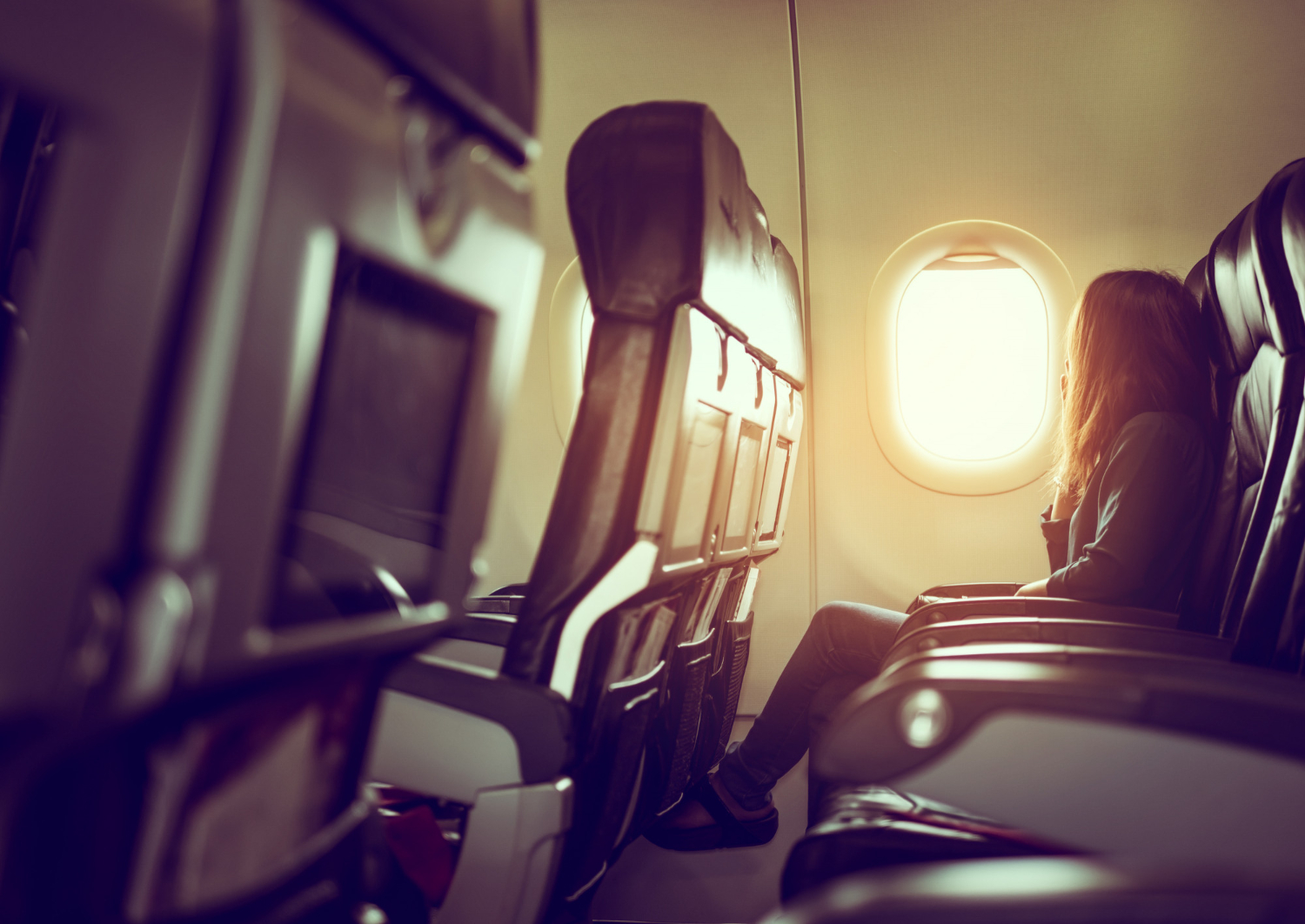
A final all-clear from crew confirms the cabin is ready. It’s the last passenger-related check before takeoff.
The final piece of passenger-related information a pilot receives is a formal confirmation from cabin crew that the cabin is fully secure and ready for departure, seatbelts fastened, aisles clear, doors armed, a definitive signal built from everything crew observed during boarding and the safety briefing. Overall readiness of the cabin for departure is the culmination of everything pilots have been tracking about passengers, the final go-ahead that confirms it’s genuinely safe and appropriate to begin the flight.
More Aware Than You Might Think
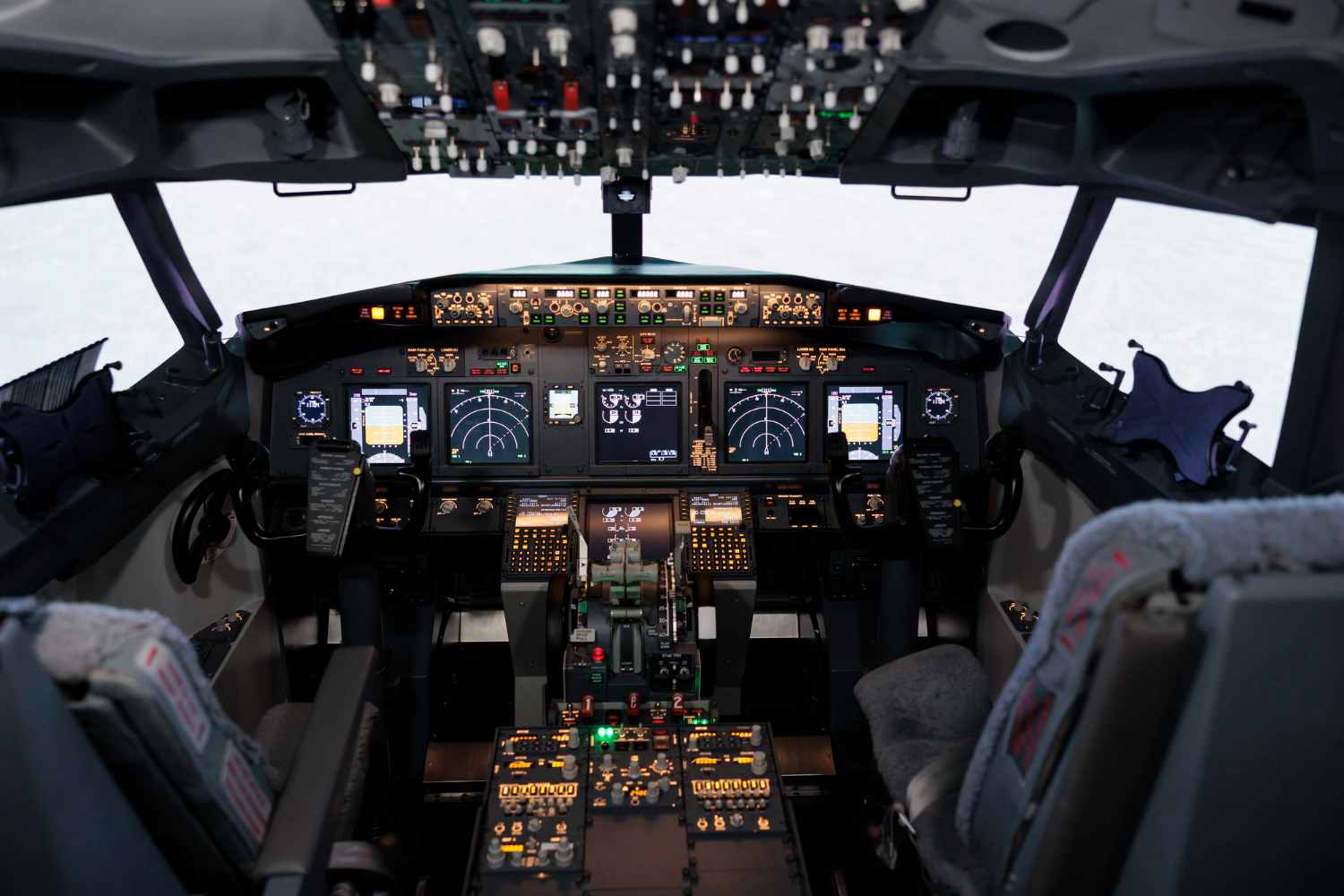
Taken together, these ten observations show that pilots, even behind a closed cockpit door, stay genuinely informed about what’s happening among passengers through a steady stream of crew communication and operational data. It’s a collaborative system built on clear reporting between cabin and cockpit, all working toward the same goal of a safe, smooth departure.
For travelers, understanding this system offers a bit of reassurance: pilots aren’t isolated from what’s happening in the cabin, they’re actively kept in the loop by a trained crew whose job includes exactly this kind of communication. Simple things, boarding promptly, following crew instructions, and staying calm and cooperative, genuinely do contribute to a smoother, more efficient departure for everyone on board, all the way up to the flight deck.
Like our content? Follow us for more.