
Viking River Cruises has become the dominant brand in the American river-cruise market, particularly among travelers over 55, and the company’s relentless PBS sponsorship advertising has made “Viking” nearly synonymous with European river cruising for a generation of American travelers. The reality of a Viking river cruise — what the experience is actually like, what is and isn’t included, who it suits and who it doesn’t — is more nuanced than the advertising suggests. First-time Viking cruisers consistently report a specific set of surprises, both positive and negative, that the marketing does not fully convey. The ships are smaller and the experience more uniform than ocean-cruise veterans expect. The demographic skews older and the pace is gentler than younger travelers anticipate. The included excursions are good but the optional ones add up. Here is what first-time travelers actually need to know about Viking River Cruises before booking, based on the consistent patterns in passenger experiences.
Viking was founded in 1997 and has grown into the largest river-cruise operator serving the American market, with a fleet of identical “longships” operating primarily on the Danube, Rhine, Main, Douro, Seine, and other European rivers, plus operations on the Mekong, the Nile, and other international waterways. The company’s ocean-cruise division launched in 2015. The river cruises are the original and still-defining product. The brand’s heavy PBS underwriting has built exceptional awareness among the educated, older American demographic that constitutes its core market. Understanding what the experience actually involves helps first-time travelers set appropriate expectations.
The Ships Are Small and Identical
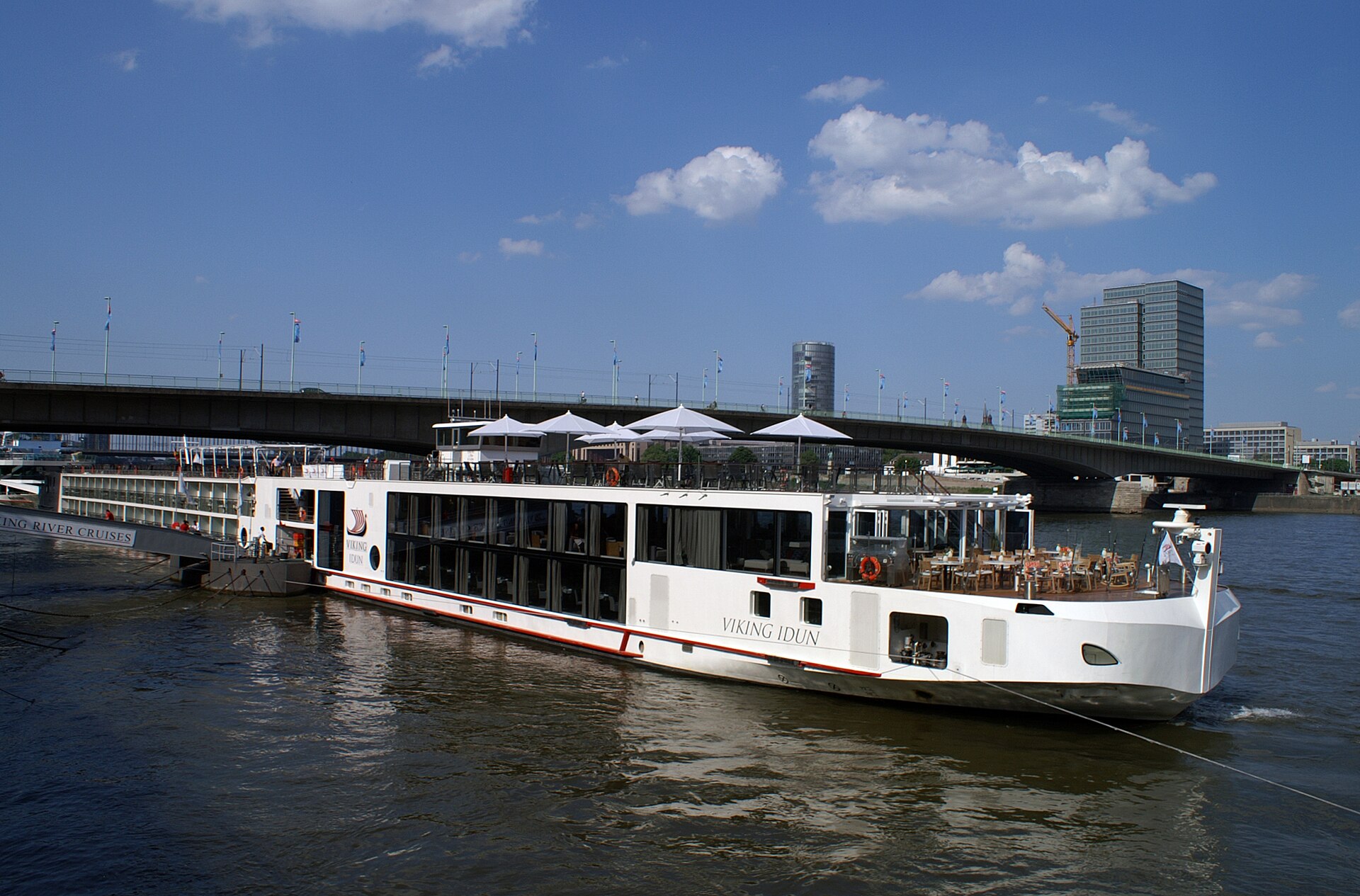
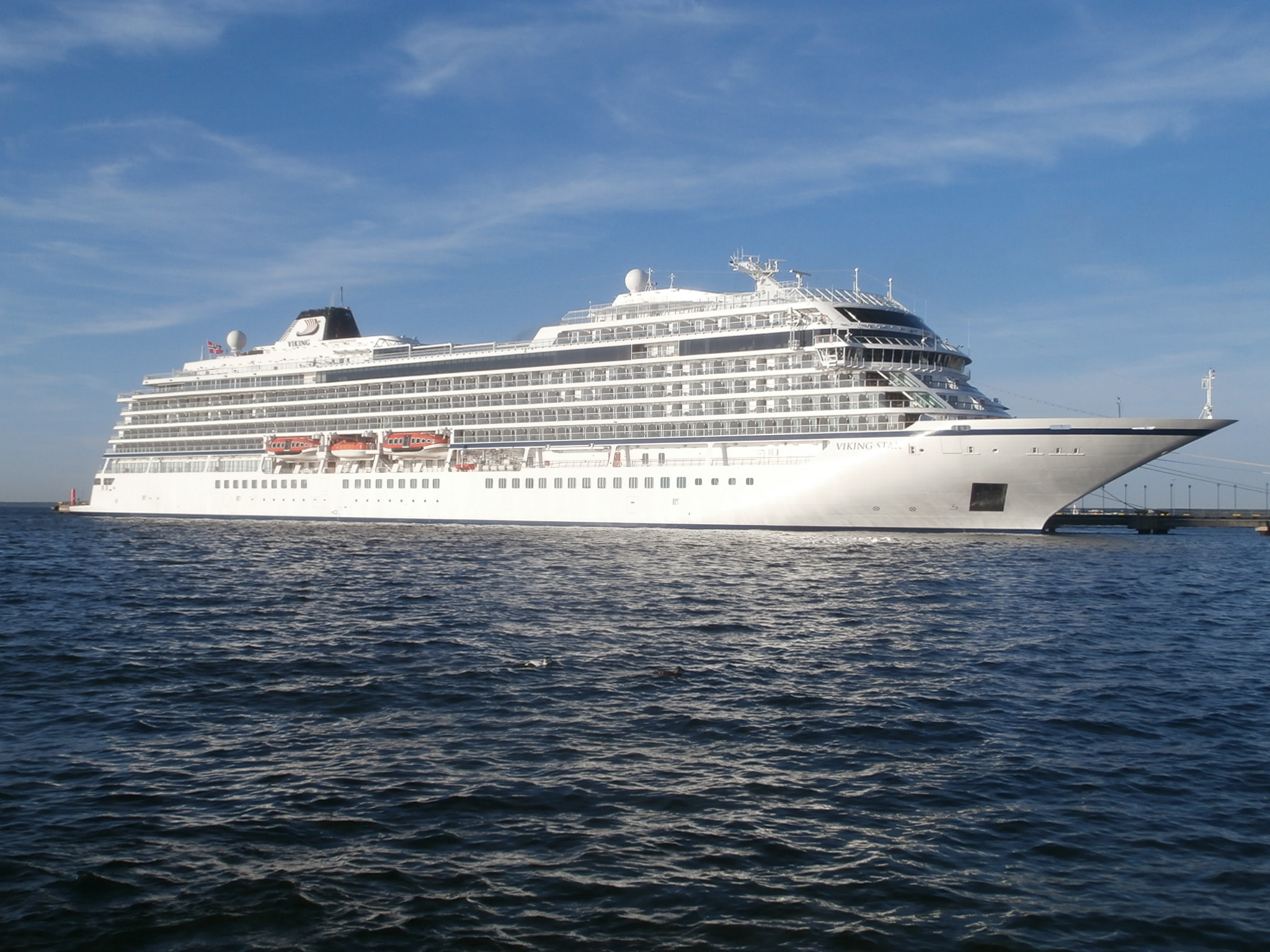
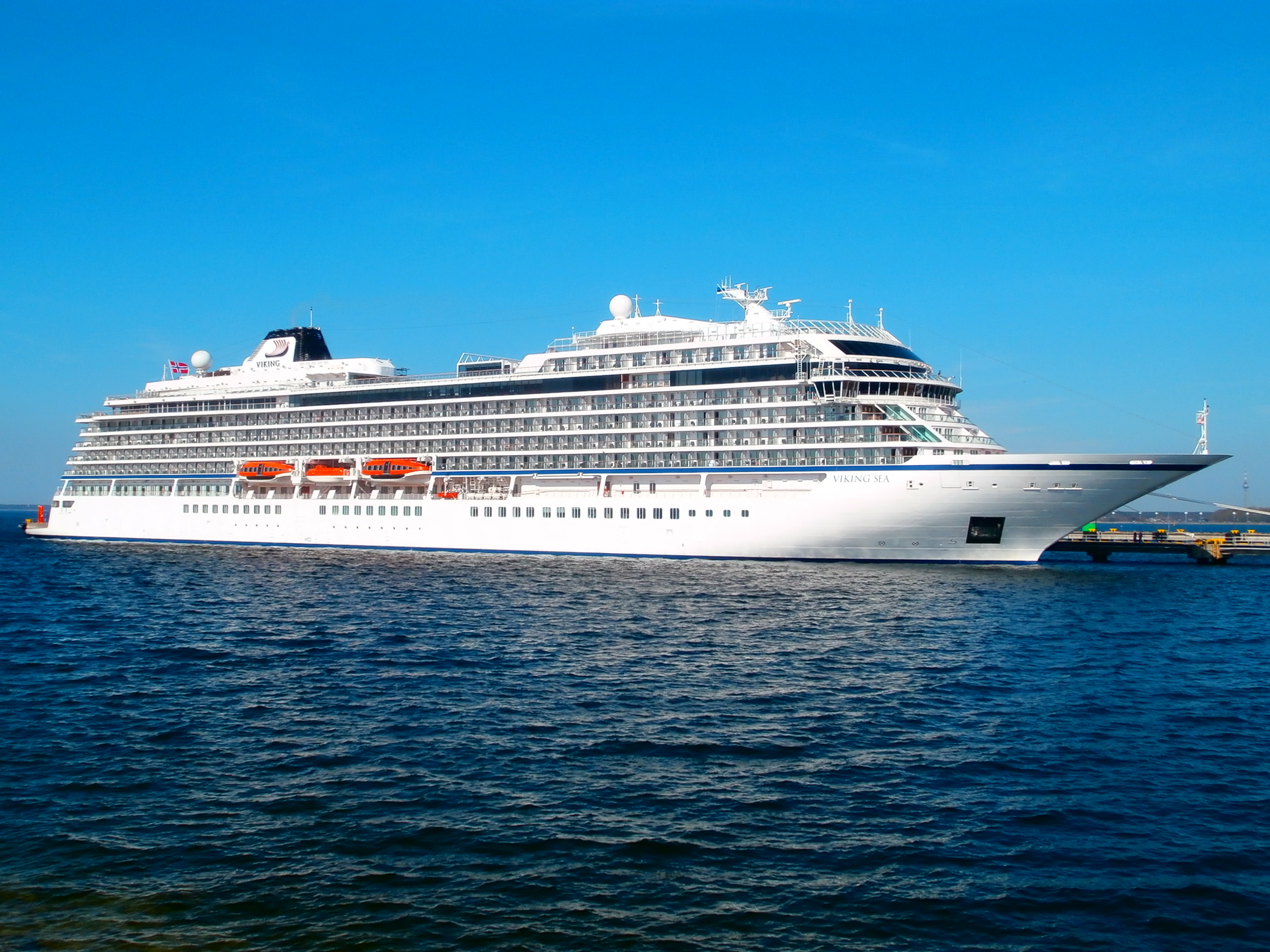
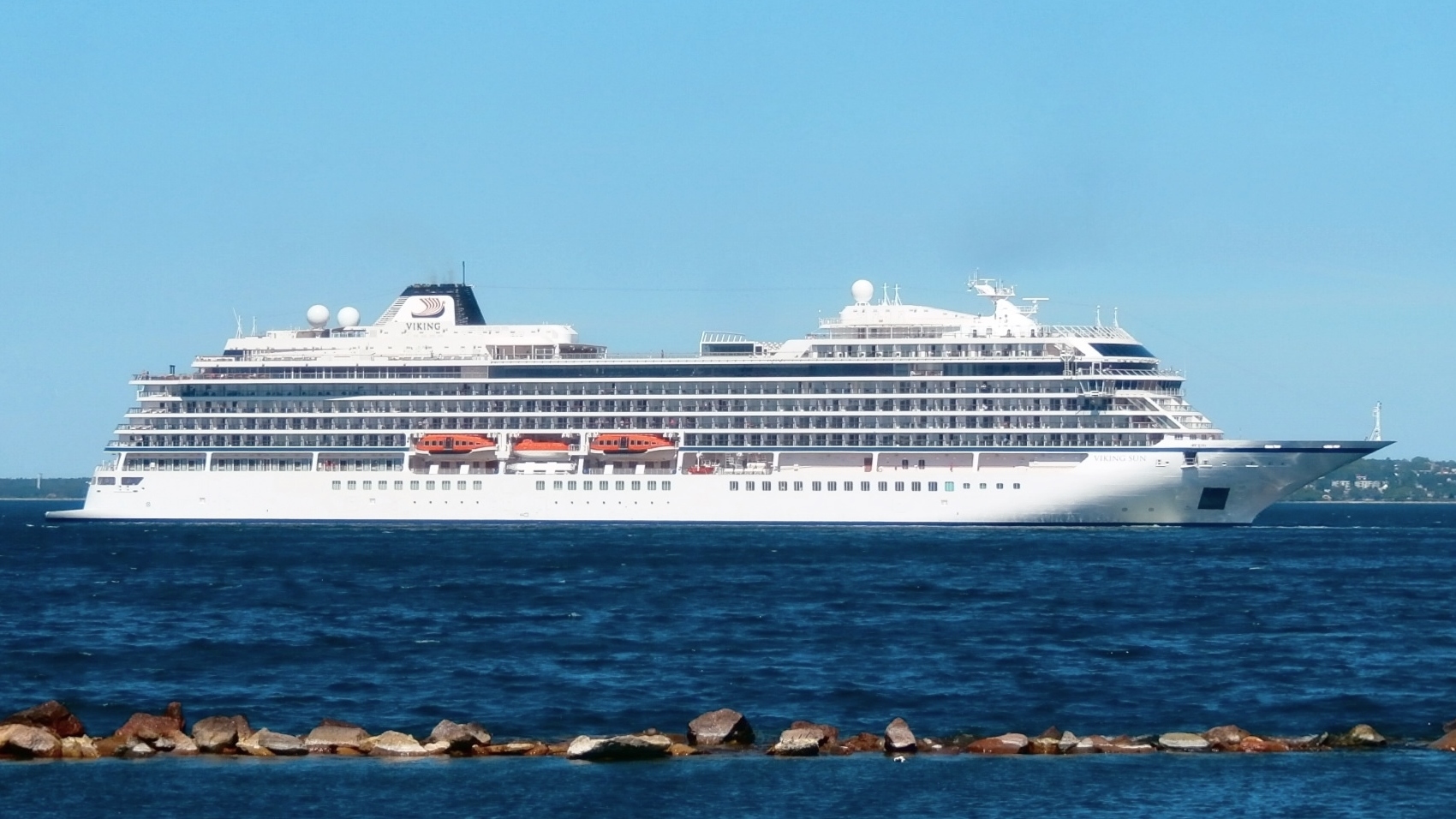
The first surprise for many first-time Viking river cruisers, particularly those with ocean-cruise experience, is the scale. Viking’s river longships carry approximately 190 passengers — a fraction of the 3,000-to-6,000 passengers on a modern ocean cruise ship. The longships are also nearly identical to one another, built to a standardized design that maximizes the size allowable within European river lock dimensions. The small scale means a more intimate experience with fewer dining and entertainment options than an ocean cruise, but also no crowds, no waiting, and a more personal level of service. First-time travelers expecting ocean-cruise-style amenities (multiple restaurants, large entertainment venues, casinos, water parks) will find the river experience fundamentally different.
The Demographic Skews Older
Viking river cruises attract a notably older demographic — the typical passenger is 55 to 80, with many in their late 60s and 70s. Viking explicitly markets to this demographic and maintains an adults-only policy (no passengers under 18). First-time travelers who are younger, or who expect a socially diverse age range, should understand that the river-cruise experience is calibrated for the older traveler — the pace, the activities, the dining times, and the overall atmosphere reflect this. Travelers who are comfortable in this demographic environment consistently enjoy it; those expecting a younger, livelier social scene may find it sedate.
What’s Actually Included
Viking river cruises include more than many first-time travelers expect — the fare typically includes all meals aboard, beer and wine with lunch and dinner, one shore excursion in each port, Wi-Fi, and the port-to-port transportation. This relatively inclusive model contrasts with the heavy upcharging of some ocean cruise lines. However, first-time travelers should understand the specific exclusions: premium alcohol and specialty drinks, optional shore excursions (which can be substantial), gratuities (recommended at approximately €15-20 per person per day), airfare (unless purchased through Viking), and travel insurance. The “included” model is genuinely more generous than ocean cruising but the optional excursions can add $500 to $1,500 to a typical trip.
The Optional Excursions Add Up
The single most consistent financial surprise for first-time Viking cruisers is the cost of optional shore excursions. While each port includes one complimentary excursion (typically a city walking tour or panoramic bus tour), the more distinctive experiences — special dinners, behind-the-scenes access, longer regional tours, specialized activities — are optional and individually priced, frequently $79 to $249 per person per excursion. A traveler who wants the premium experience in every port can easily add $1,000 or more to the trip cost. First-time travelers should budget for the optional excursions they actually want rather than assuming the included excursions cover everything.
The Pace Is Gentle
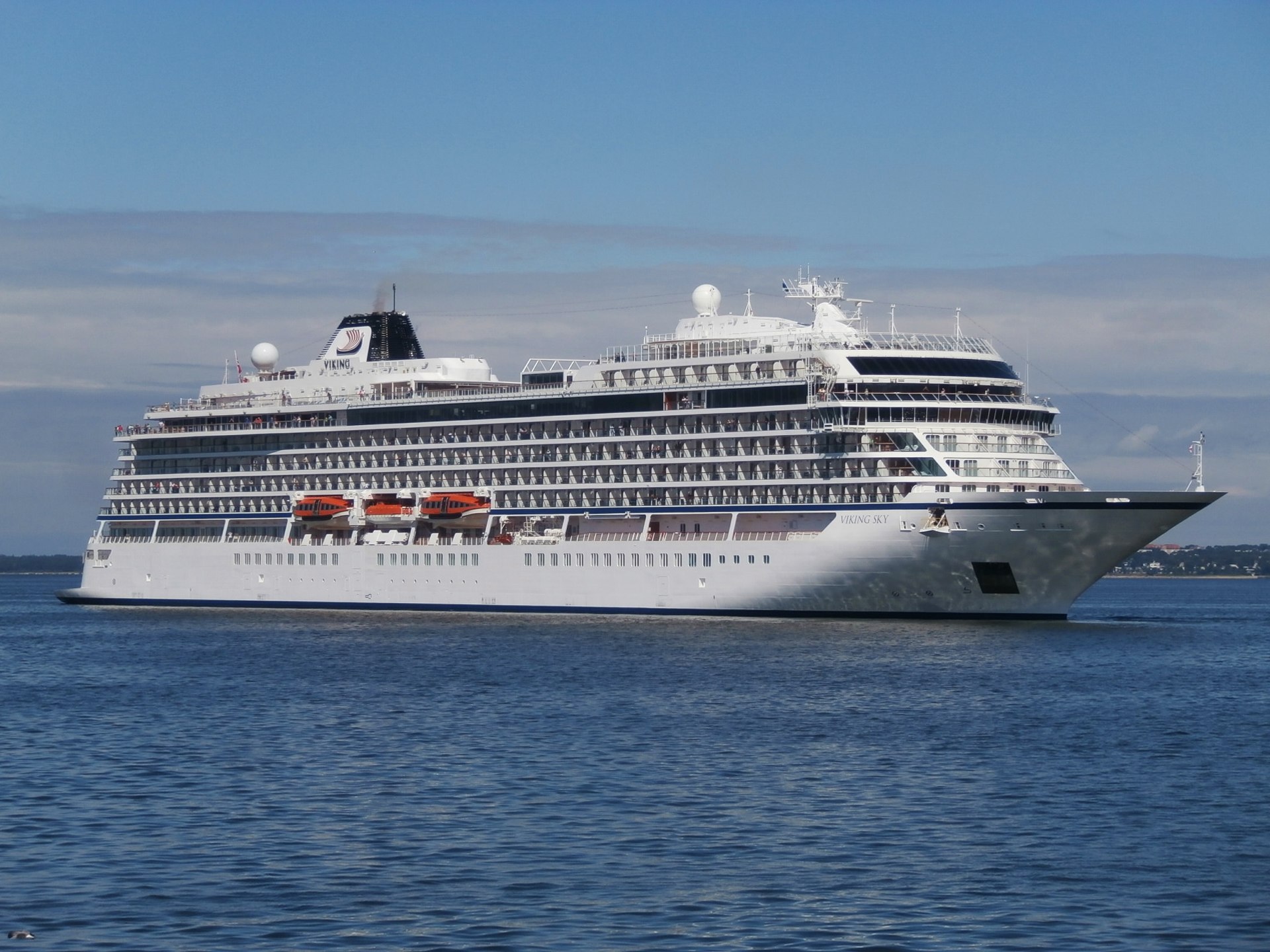
First-time Viking cruisers consistently note the gentle pace. The ships typically dock in or near the center of each destination city, allowing easy walking access. The days follow a predictable rhythm — morning excursion, afternoon at leisure or sailing, dinner aboard, early evening entertainment (typically a local musician or lecturer rather than large-scale shows), early bedtime. The pace suits the demographic but can feel slow to travelers accustomed to packing more into each day. The river-cruise model trades intensity for comfort — the unpacking-once convenience of seeing multiple destinations without changing hotels is a genuine advantage, but the daily pace is deliberately relaxed.
The Food Is Good, Not Spectacular
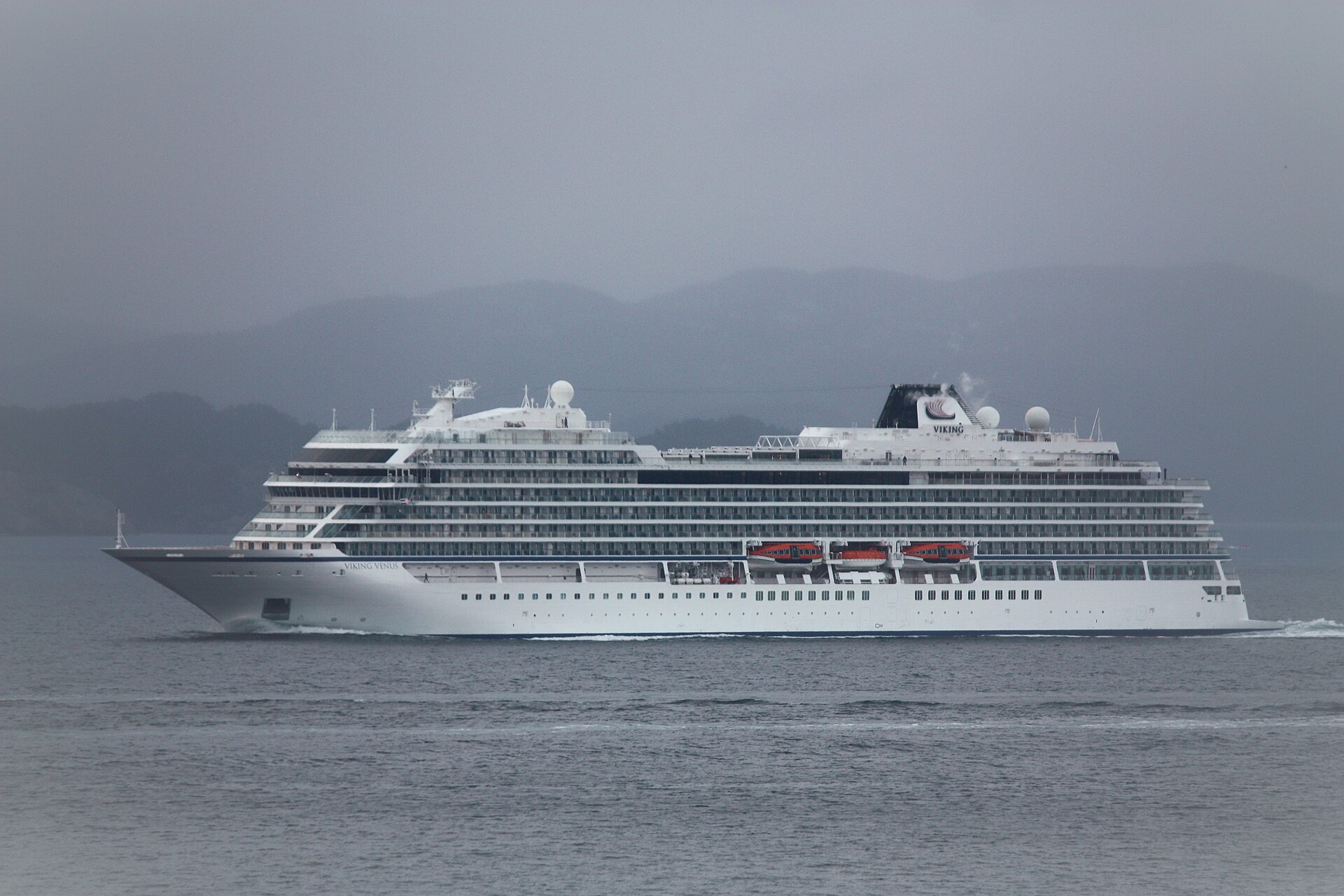
First-time travelers should calibrate their dining expectations. Viking’s food is consistently good — well-prepared, regionally influenced, with both Western standards and local specialties — but it is not the destination-dining experience of a luxury cruise or a fine-dining-focused trip. The single main restaurant (plus a casual alternative and the lounge) produces reliable, satisfying meals rather than spectacular ones. The included beer and wine are decent regional selections rather than premium offerings. Travelers who prioritize exceptional cuisine may find the food adequate rather than memorable; travelers who prioritize convenience and consistency will be satisfied.
The Best Itineraries for First-Timers
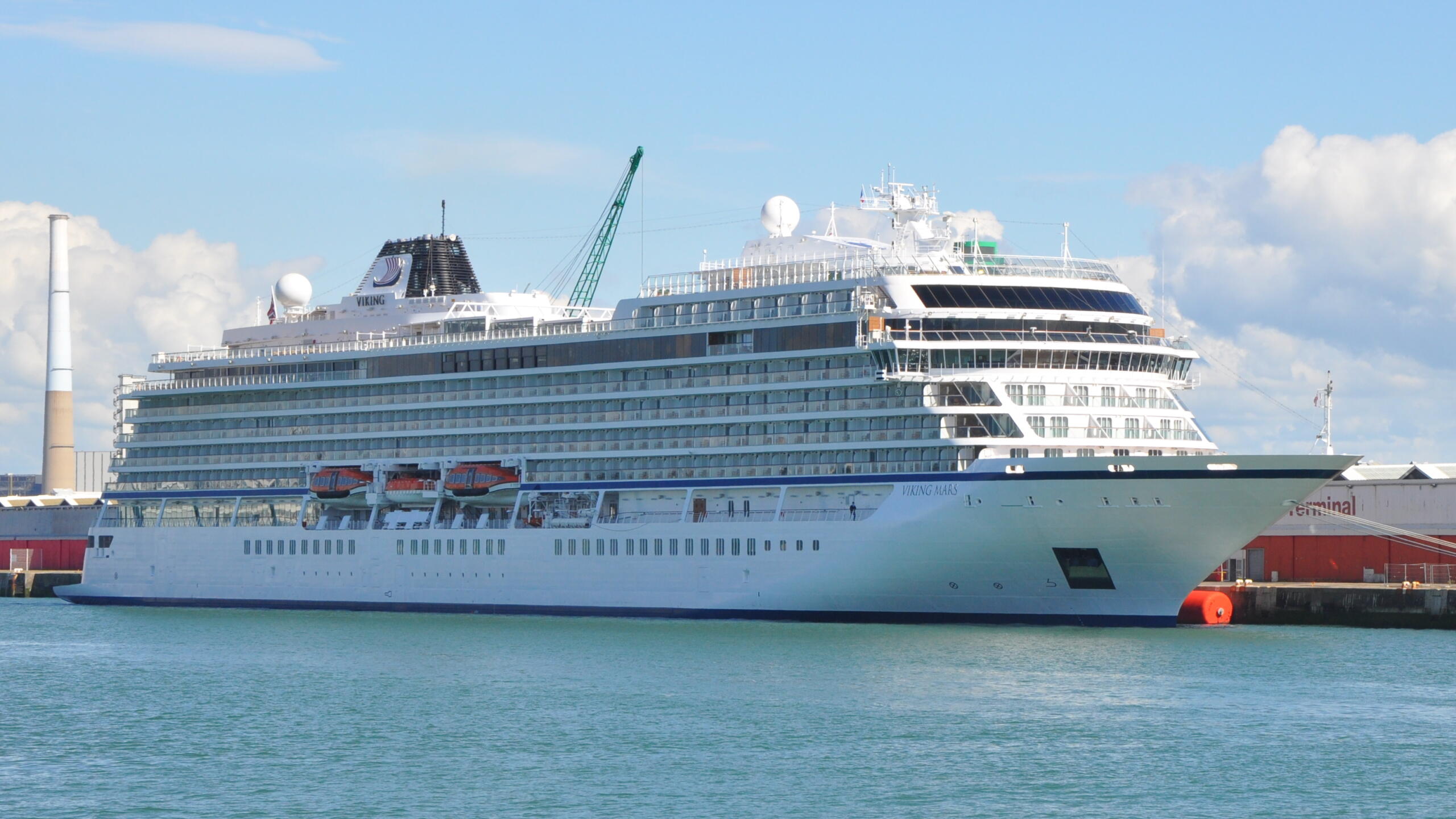
For first-time river cruisers, the most-recommended starting itinerary is typically the Rhine (Amsterdam to Basel or reverse) or the Danube (typically Budapest to Passau/Nuremberg or reverse). These classic European river routes offer the most-developed infrastructure, the most-scenic stretches (the Rhine Gorge, the Wachau Valley), and the most-accessible destinations (Amsterdam, Cologne, Vienna, Budapest, Bratislava). The Christmas Markets cruises (late November through December) are extremely popular but cold. The Douro (Portugal) and Seine (France) are excellent but better suited to travelers who have done a classic route first. First-time travelers should generally start with the Rhine or Danube before exploring the more specialized itineraries.
Who It Suits and Who It Doesn’t
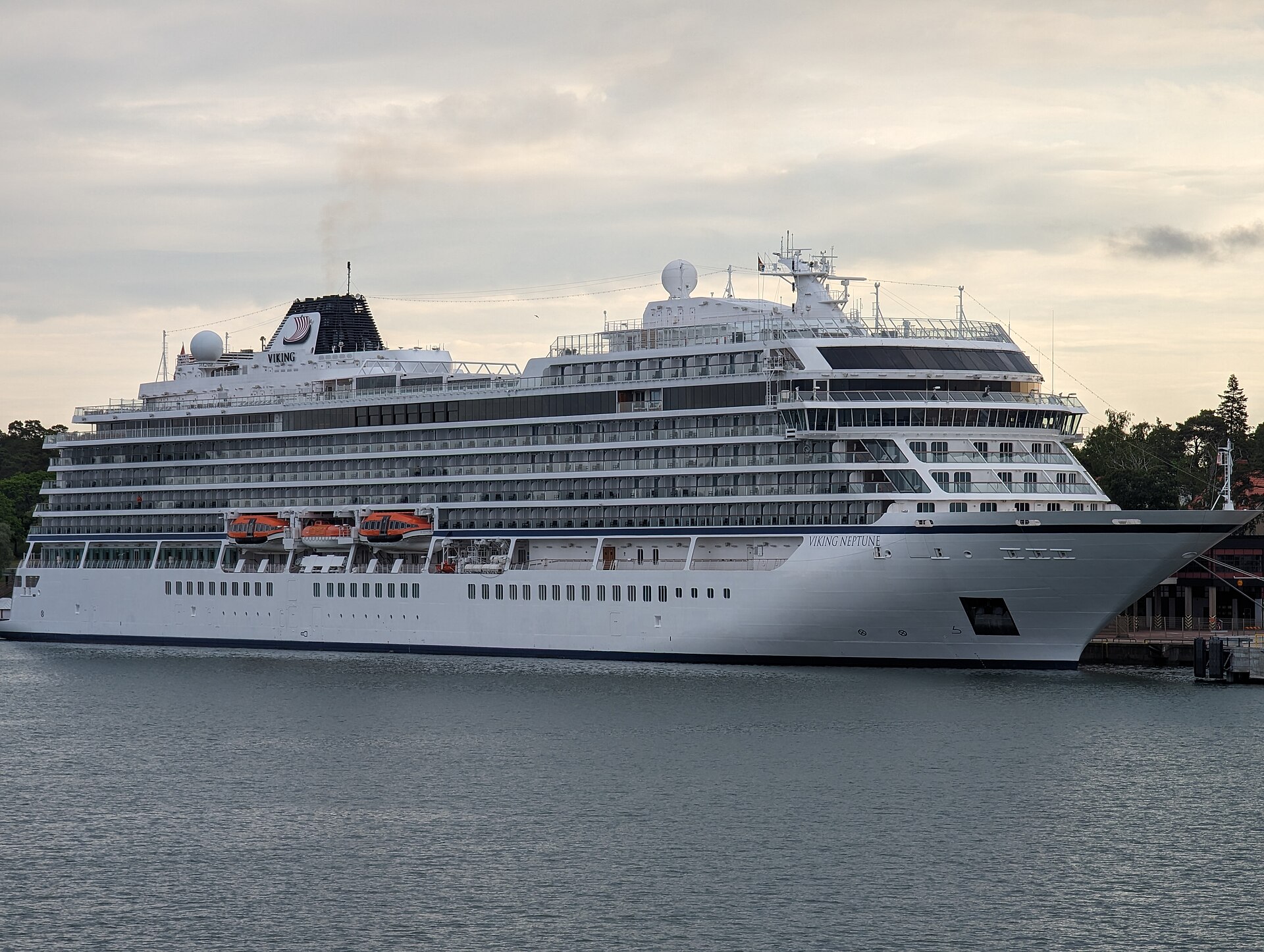
The honest assessment for first-time travelers is that Viking river cruises suit a specific traveler very well and others poorly. The cruises are excellent for travelers who value comfort, convenience, and a relaxed pace; who are comfortable in an older-demographic environment; who want to see multiple European destinations without the logistics of independent travel; and who appreciate the unpack-once, everything-arranged model. The cruises are poorly suited to travelers who want an active, intensive, independent travel experience; who want a young or socially diverse environment; who prioritize exceptional dining or nightlife; or who want maximum flexibility and spontaneity. The mismatch between the cruise’s actual character and a traveler’s expectations is the single largest source of disappointment among first-time Viking cruisers.
The Bottom Line for First-Timers
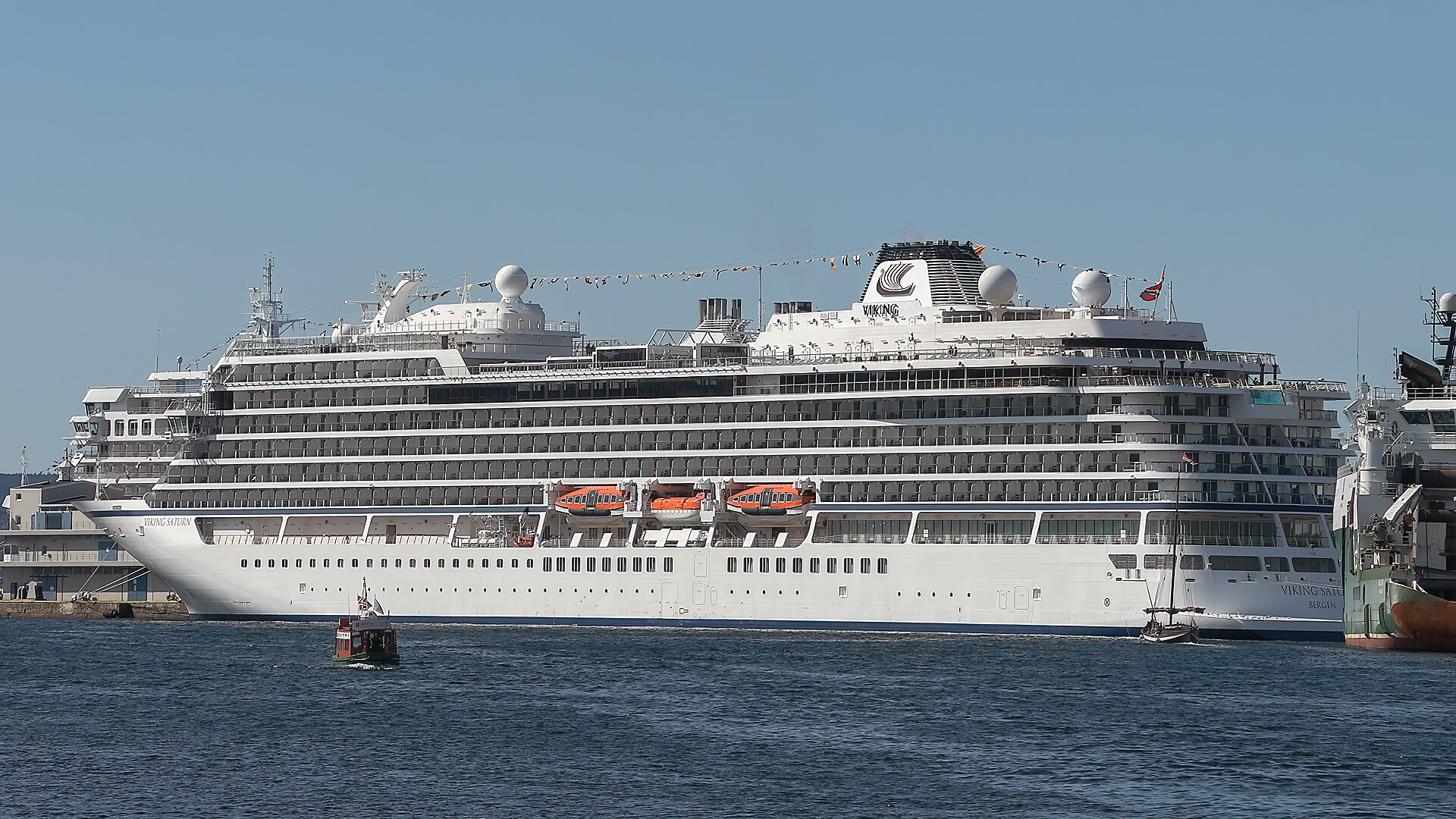
The practical advice for first-time Viking river cruisers is to understand the product accurately before booking. The cruises deliver exactly what they promise to the right traveler — a comfortable, convenient, well-organized way to see European river destinations at a relaxed pace in an older-adult environment with good food and inclusive pricing. The disappointments arise almost entirely from mismatched expectations rather than from deficiencies in the product itself. First-time travelers who research the actual experience, budget appropriately for optional excursions, choose a classic first itinerary, and arrive with calibrated expectations consistently report excellent experiences. Those who expect an ocean-cruise-style experience, a younger social environment, or an intensive independent-travel pace are the ones who come away disappointed. The Viking river cruise is a specific, well-executed product — and matching it to the right traveler is the key to a successful first river cruise.
A Few Practical Booking Tips
Beyond setting accurate expectations, first-time Viking cruisers benefit from several specific practical strategies. Book early — Viking itineraries, particularly the popular Rhine and Danube routes and the Christmas Markets cruises, frequently sell out 12 to 18 months in advance, and early booking secures both the preferred cabin categories and the better pricing. Consider the cabin category carefully — the entry-level staterooms are comfortable but small with limited views, while the French-balcony and veranda categories add meaningful value for the river-watching that is central to the experience. Arrive a day or two early in the embarkation city to adjust to the time change and see the city properly, since the cruise itself moves quickly through embarkation. Budget realistically for the optional excursions you actually want, the gratuities, and the airfare if not purchased through Viking. And consider travel insurance seriously, given the older demographic and the substantial trip cost. With these practical preparations and accurate expectations, the first-time Viking river cruise consistently delivers the comfortable, convenient European travel experience the brand promises.