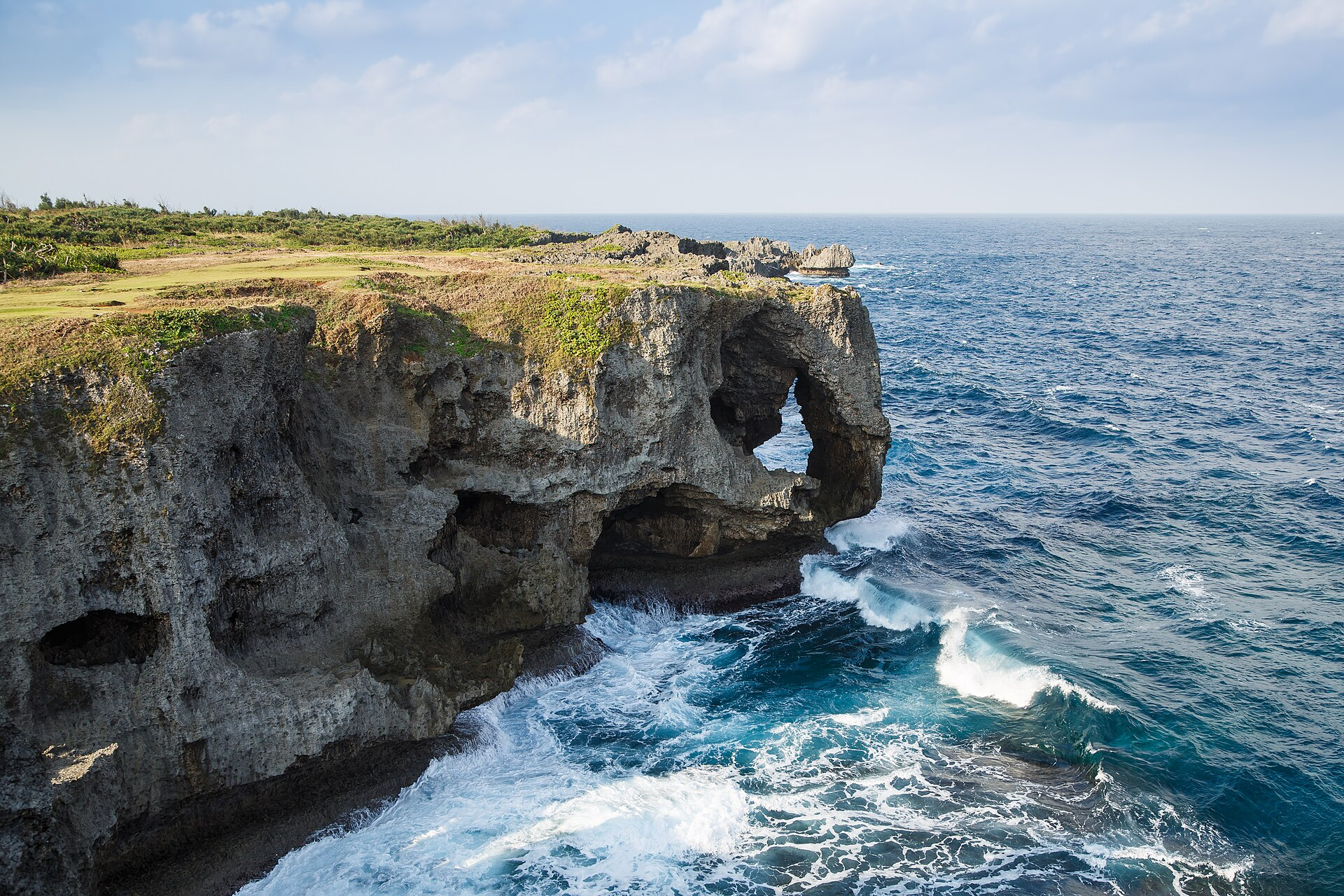
Far to the south of Japan’s main islands, scattered across a warm subtropical sea, lies a chain of islands unlike anywhere else in the country. Okinawa, and the wider Ryukyu archipelago it anchors, is a world of white-sand beaches, coral reefs, a distinct culture and history, and a famously relaxed pace of life. Once an independent kingdom with its own traditions, language, and cuisine, this island region has also become famous worldwide for the remarkable longevity of its residents, especially its women. Here’s a traveler’s guide to Okinawa and its surrounding islands: the spectacular scenery, the deep-rooted Ryukyu culture, and the unhurried island lifestyle that make this one of Japan’s most distinctive and rewarding destinations to explore.
A quick note: Okinawa is widely known for its residents’ exceptional longevity, and it’s often discussed in that context. This article focuses on Okinawa as a travel destination, its scenery, culture, and history, rather than offering any health, diet, or lifestyle advice. For anything related to health or wellness, a qualified professional is always the right source.
A Different Side of Japan
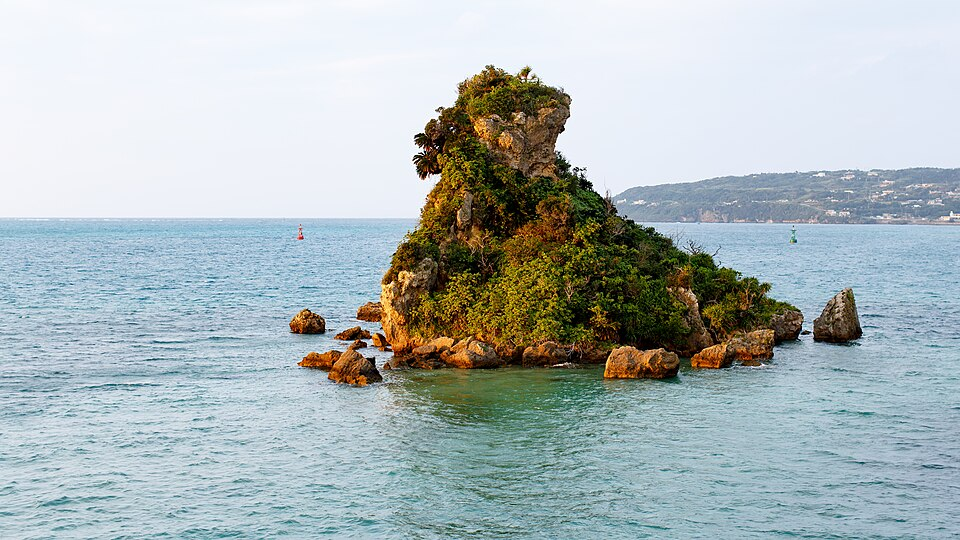
Most visitors picture Japan as Tokyo’s neon or Kyoto’s temples, but Okinawa offers something entirely different. Located hundreds of miles southwest of the mainland, closer to Taiwan than to Tokyo in places, the region enjoys a warm, subtropical climate, with beaches and coral reefs more reminiscent of a tropical paradise than of mainland Japan. The pace is slower, the atmosphere more laid-back, and the landscape greener and more oceanic. For travelers, Okinawa is a chance to experience a side of Japan that feels worlds away from the big cities, a place of sun, sea, and a culture all its own, yet still unmistakably Japanese in its warmth and hospitality.
Like our content? Follow us for more.
The Legacy of the Ryukyu Kingdom
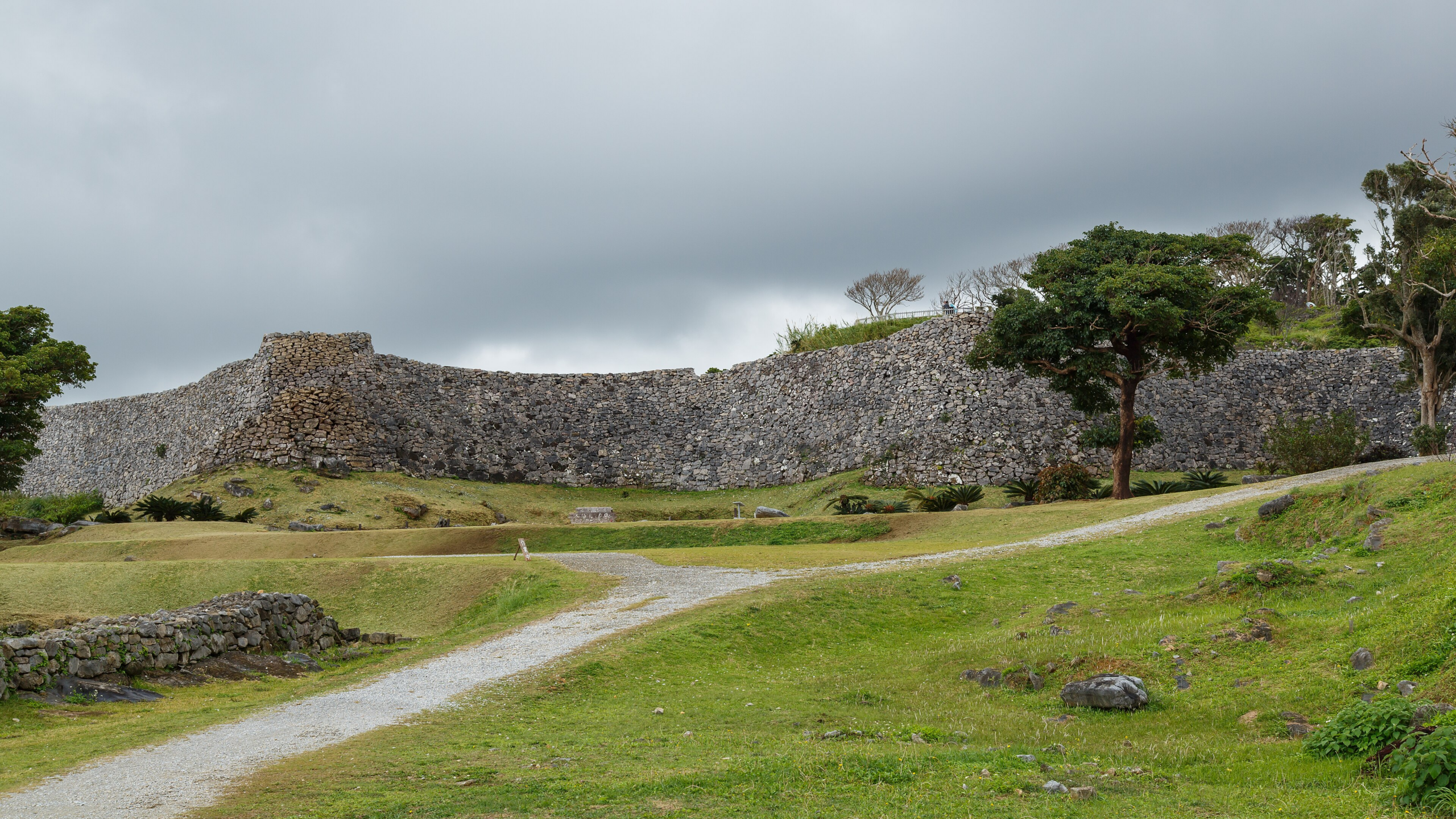
Okinawa’s distinct character is rooted in its history as the heart of the Ryukyu Kingdom, an independent maritime nation that thrived for centuries through trade with China, Japan, and Southeast Asia before eventually becoming part of Japan. This legacy gives Okinawa a culture noticeably different from the mainland, with its own traditional music, dance, crafts, architecture, and even dialects. You can sense this heritage everywhere, from the distinctive red-tiled roofs of traditional houses guarded by shisa lion-dog statues to the haunting sound of the sanshin, a three-stringed instrument central to Okinawan folk music. Understanding the Ryukyu past is key to appreciating what makes the islands feel so unique within Japan.
Shuri Castle and Historic Naha
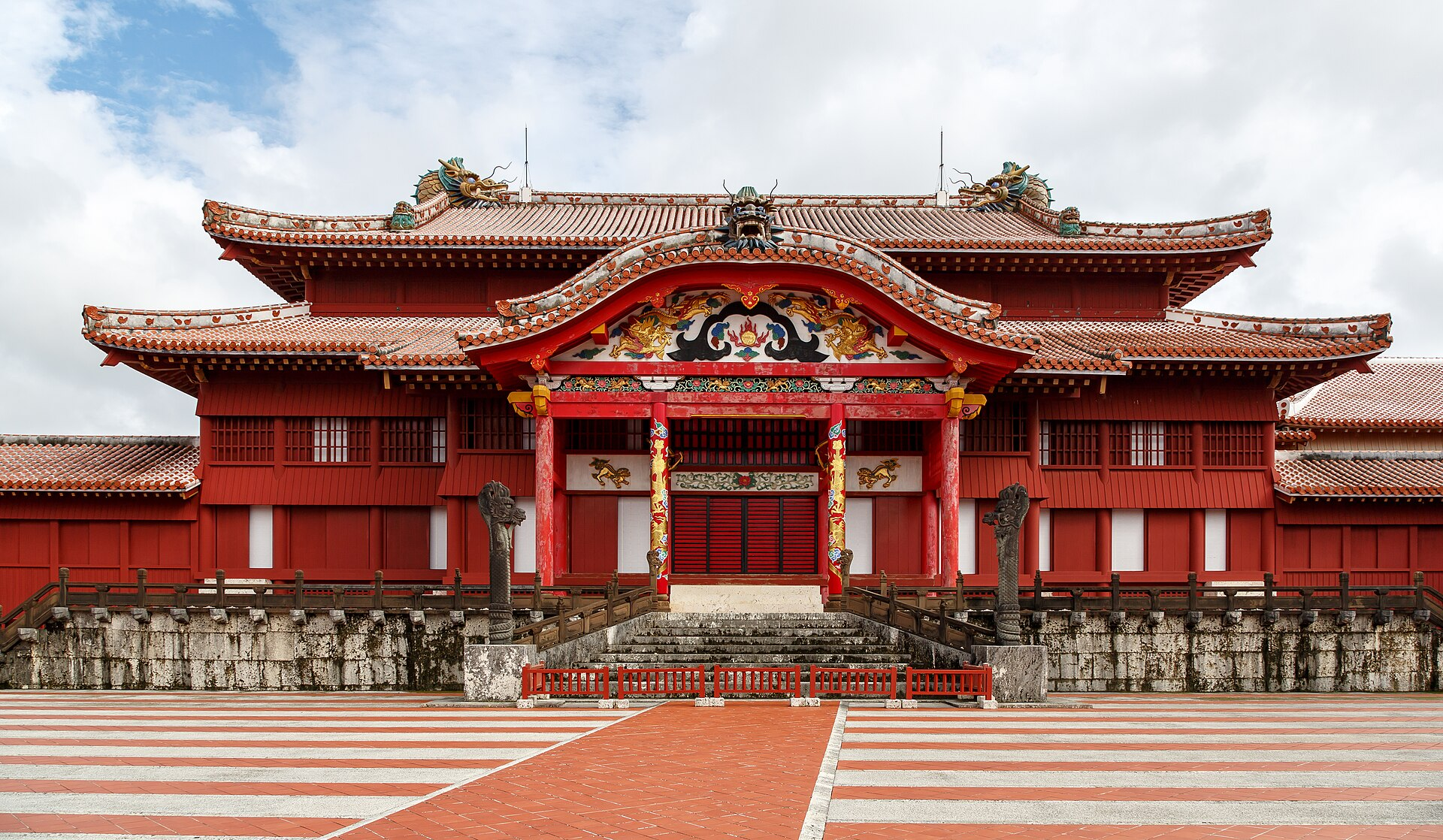
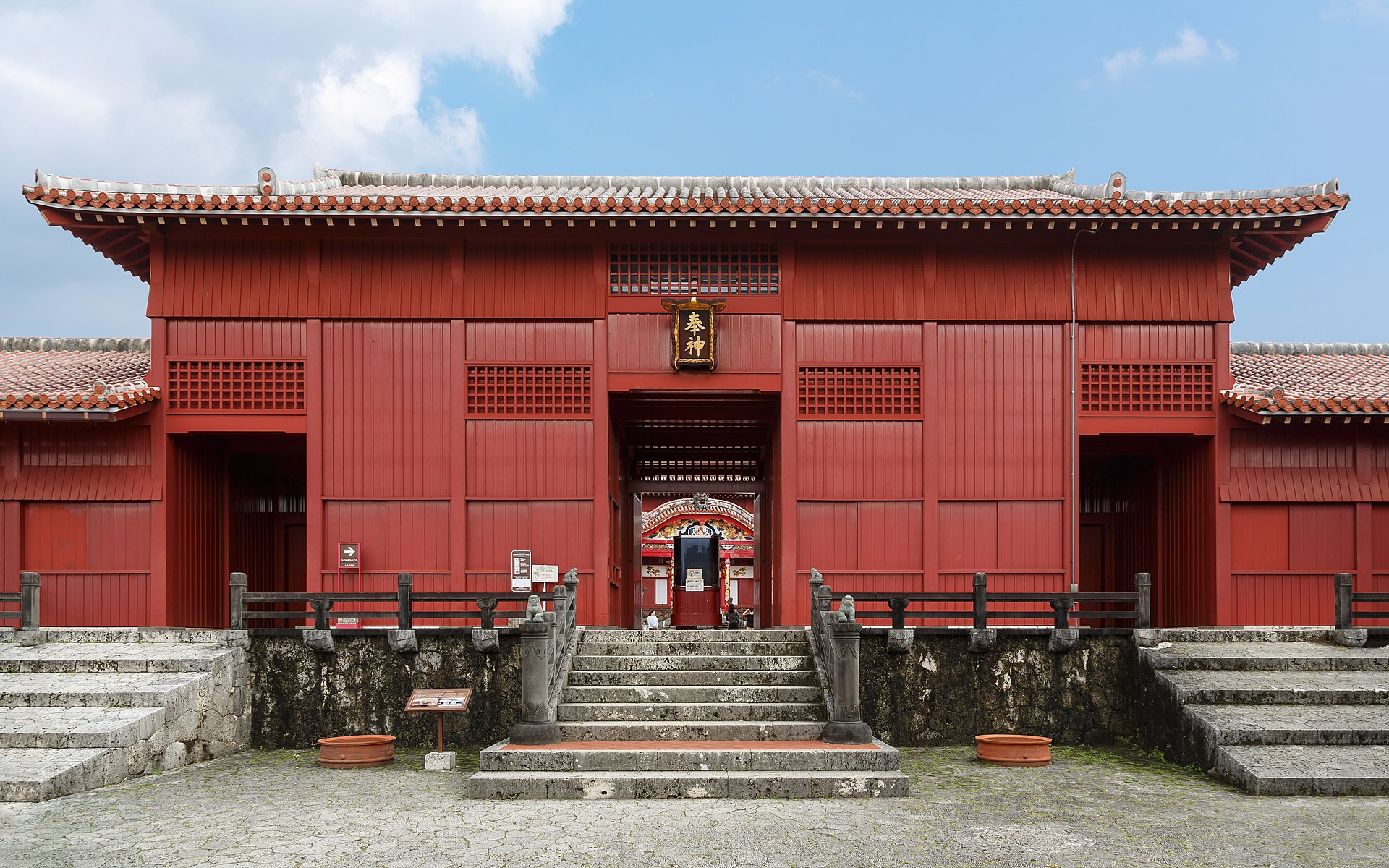
The gateway to Okinawa is Naha, the lively capital city on the main island, home to lively markets, the famous Kokusai-dori shopping street, and a deep well of history. The crown jewel is Shuri Castle, the former palace of the Ryukyu kings, a magnificent example of the kingdom’s distinctive architecture painted in striking vermilion. Tragically, the main castle structures were devastated by a fire in 2019, but a dedicated reconstruction effort is underway to restore this beloved national symbol, and the site remains open and deeply meaningful to visit. Exploring Naha’s historic sites, markets, and museums offers a rich introduction to Okinawan identity before you head out to the beaches and the outer islands.
Beaches and Coral Reefs
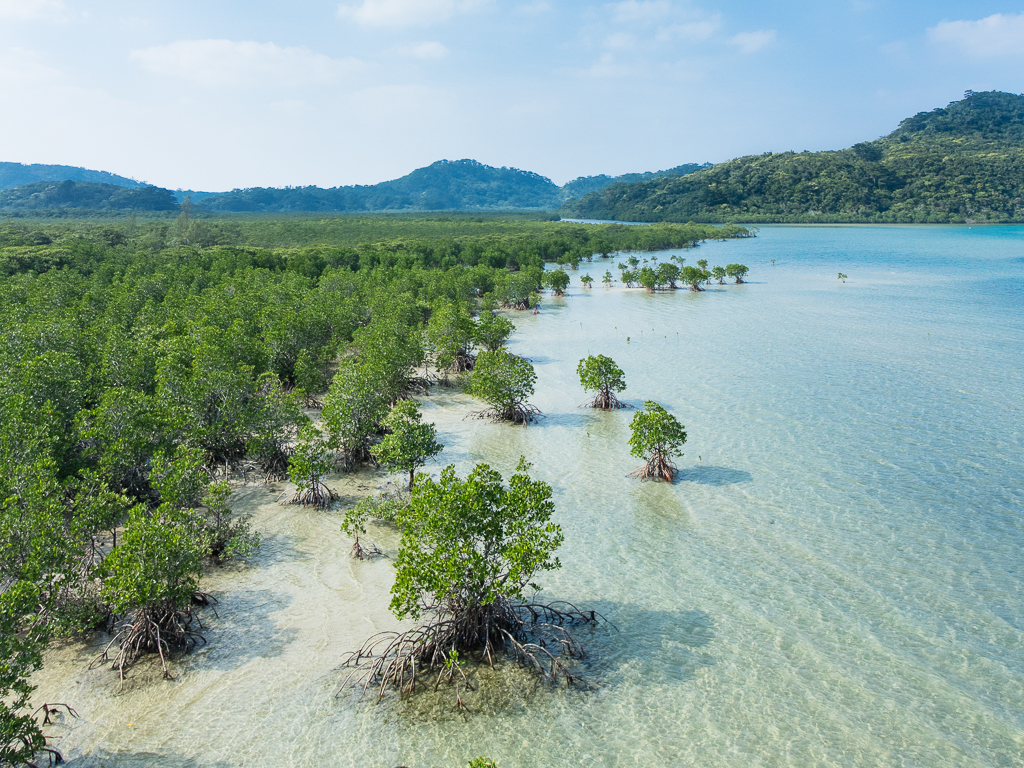
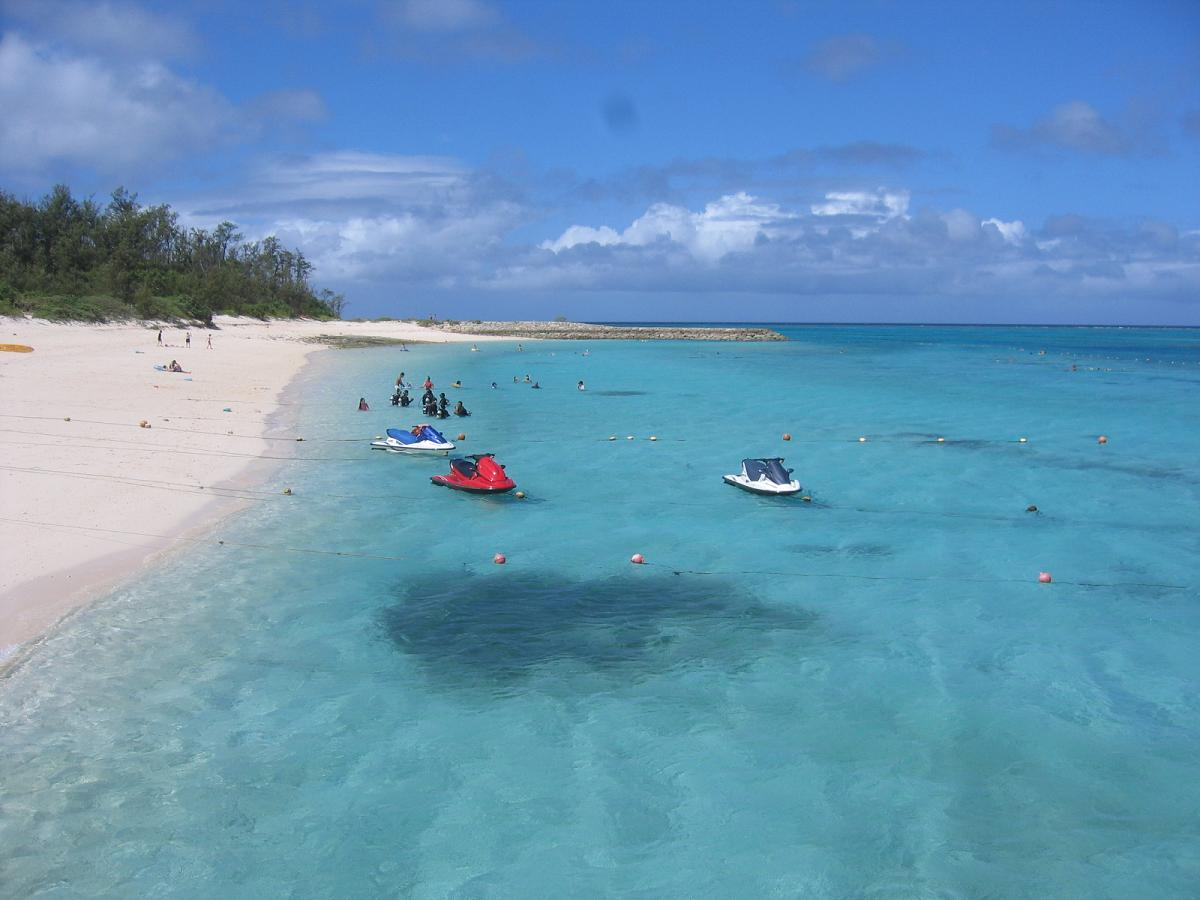
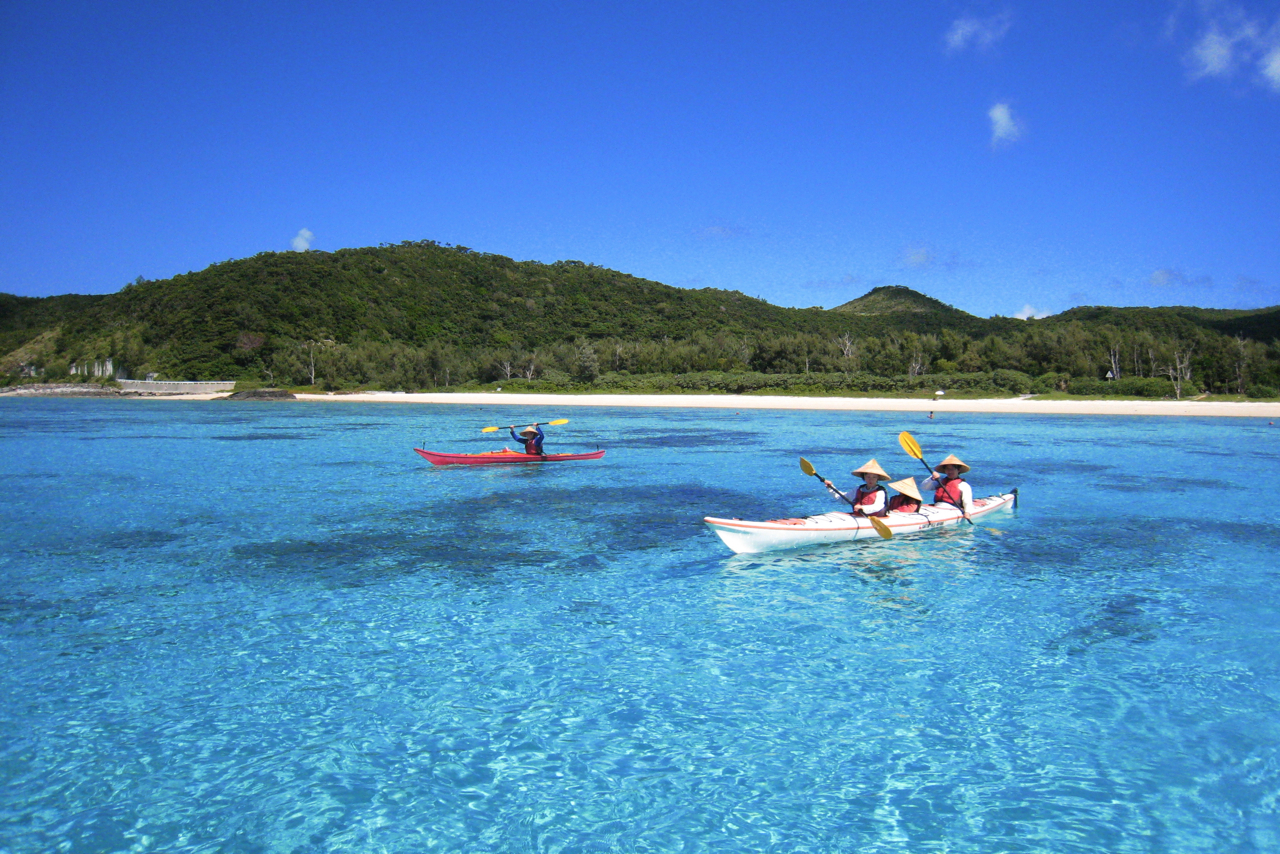
Okinawa is, above all, a beach destination, and its waters are some of the most beautiful in all of Japan. The main island and its neighbors are ringed with white-sand beaches and clear, warm, turquoise seas teeming with lively coral reefs and tropical fish. The region is a premier spot for snorkeling and diving, with world-class sites that draw underwater enthusiasts from around the globe. The nearby Kerama Islands, a short boat ride from Naha, are especially renowned for their dazzling clarity of water, in a shade sometimes called “Kerama Blue,” and for seasonal whale watching. Whether you want to dive among reefs or simply relax on the sand, Okinawa delivers.
The Churaumi Aquarium and Northern Okinawa
In the north of the main island lies one of Japan’s most celebrated attractions: the Okinawa Churaumi Aquarium. Home to enormous tanks that house whale sharks and manta rays among countless other species, it’s regularly ranked among the finest aquariums in the world and is a highlight for families and ocean lovers alike. The surrounding northern region, known as Yanbaru, is a lush expanse of subtropical forest, now protected and recognized for its rare wildlife and biodiversity. Here travelers can hike, explore mangroves, and discover a wilder, greener Okinawa far from the beaches, rounding out the island’s surprising natural variety with dense jungle and remarkable ecosystems.
The Remote Yaeyama Islands

For those seeking even more pristine, off-the-beaten-path beauty, the Yaeyama Islands, the southwesternmost islands in all of Japan, are the ultimate reward. Ishigaki Island serves as the hub, with gorgeous beaches like the postcard-perfect Kabira Bay and a relaxed island-town atmosphere. From there, short ferries reach even more remarkable destinations: tiny Taketomi Island, famous for its perfectly preserved traditional Ryukyu village, sandy lanes, and water-buffalo carts, and wild Iriomote Island, a dense jungle realm of mangrove rivers, waterfalls, and rare wildlife that feels almost like the Amazon. These far-flung islands offer some of the most spectacular and unspoiled scenery in the entire country.
Okinawan Food Culture
Okinawan cuisine is a distinctive part of the travel experience, reflecting the islands’ unique history and subtropical bounty. Local specialties differ markedly from mainland Japanese food, featuring ingredients like the bitter goya melon (in the famous goya champuru stir-fry), purple sweet potatoes, local pork dishes, and Okinawa soba, a noodle dish distinct from mainland soba. The islands also have their own distilled spirit, awamori. Dining in Okinawa, whether at a lively Naha market stall or a small island eatery, is a flavorful window into Ryukyu culture and the region’s trading past. Sampling these local dishes is one of the great pleasures of a visit, and a delicious way to connect with Okinawan heritage.
The Famous Island Longevity
Okinawa has earned international fame as a place where people, particularly women, have historically lived to remarkable ages, making it one of the world’s most talked-about regions for longevity. For travelers, this reputation adds an intriguing cultural dimension: visitors often notice the strong sense of community, the unhurried rhythm of daily life, and the close-knit social bonds, especially in the smaller villages, that locals themselves frequently mention with pride. Many older residents remain active and engaged in their communities. While the science of longevity is a topic for experts, not a travel article, the warm, communal, easygoing atmosphere that visitors encounter is a genuine and memorable part of the Okinawan experience.
The Spirit of “Island Time”
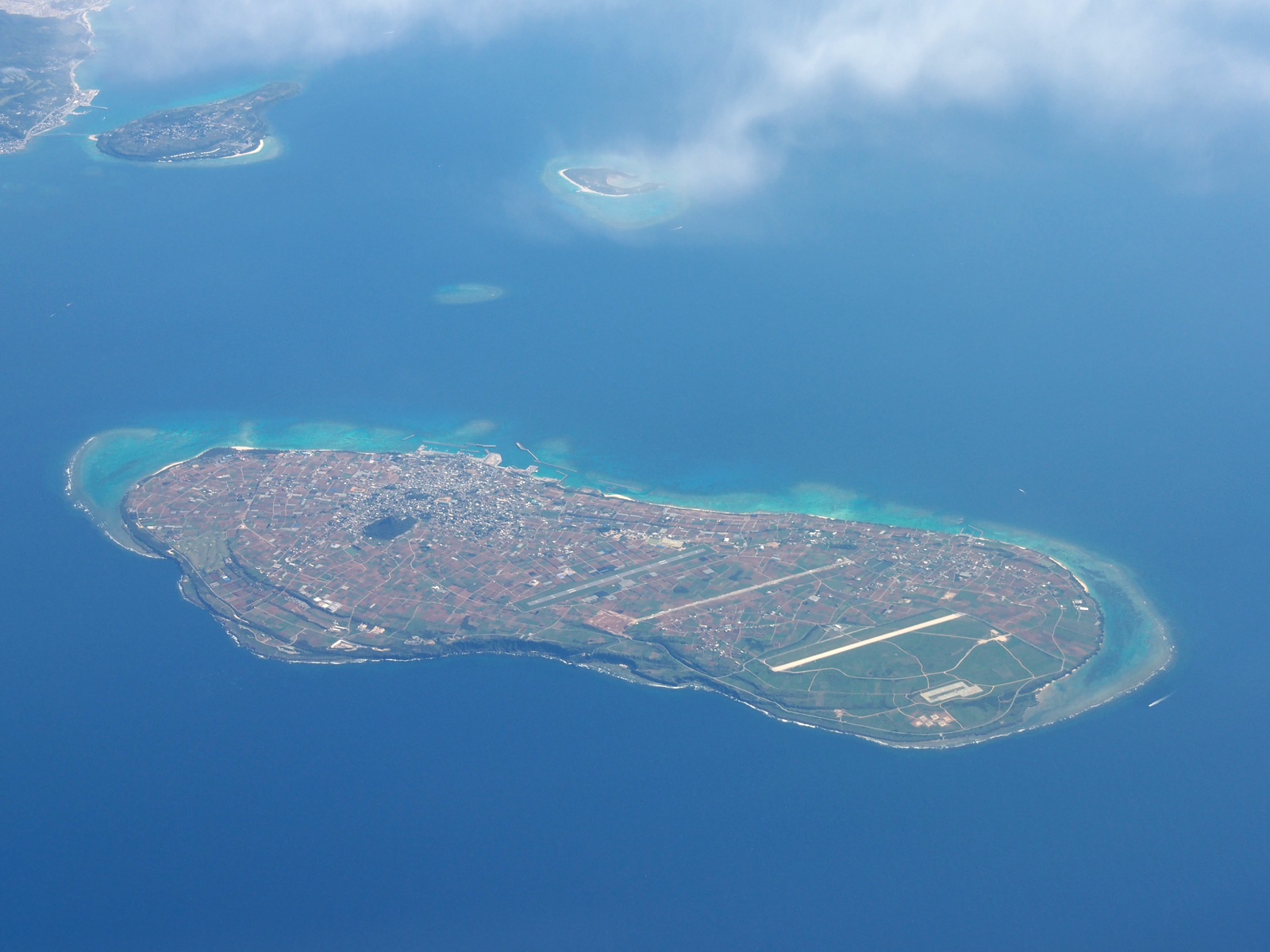
Perhaps the most distinctive thing travelers take away from Okinawa is its atmosphere, a relaxed, friendly, unhurried spirit that locals sometimes call “island time.” Life here moves at a gentler pace than in Japan’s big cities, and there’s a palpable warmth and openness among the people. Visitors often describe feeling their stress melt away amid the slow rhythms, scenic beauty, and genuine hospitality. This easygoing island culture, combined with the spectacular natural surroundings, is a huge part of Okinawa’s appeal. It’s the kind of place that invites you to slow down, savor the moment, and appreciate simple pleasures, an experience that lingers long after you’ve returned home.
Festivals and Living Traditions
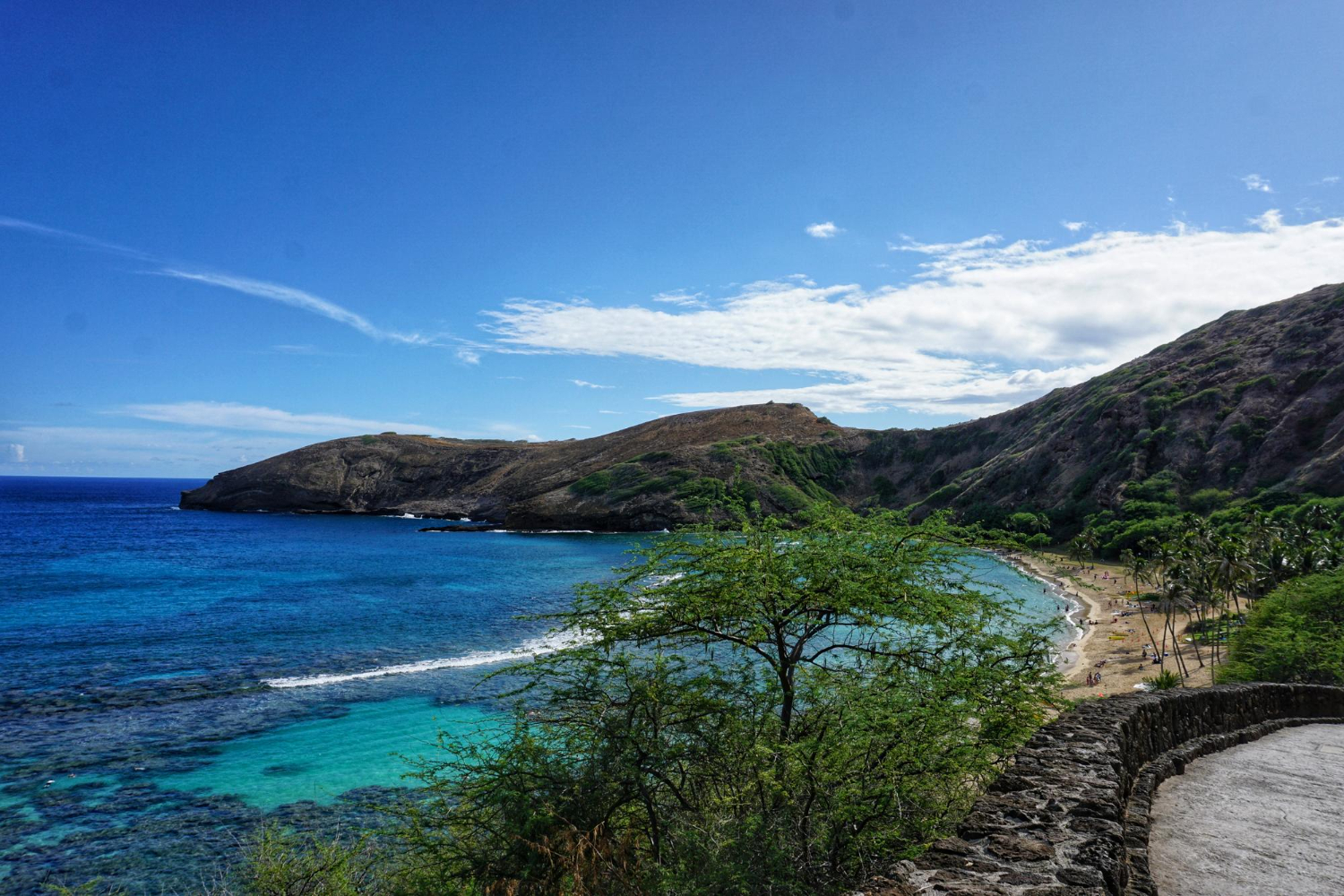
Okinawa’s distinct culture comes alive in its festivals and traditions, which travelers can sometimes catch during a visit. The islands are known for eisa, an energetic style of drumming and dance performed at summer events, with performers moving in formation to powerful taiko rhythms. Traditional craft villages keep alive arts like Ryukyu glassmaking, bingata textile dyeing, and pottery, and visitors can often watch artisans at work or try a hands-on workshop. Local markets brim with island produce, crafts, and snacks found nowhere else in Japan. These living traditions, passed down through generations, give Okinawa a cultural depth that goes well beyond its beaches, and experiencing even a small slice of them adds a memorable, authentic dimension to any island trip.
Practical Tips for Visiting
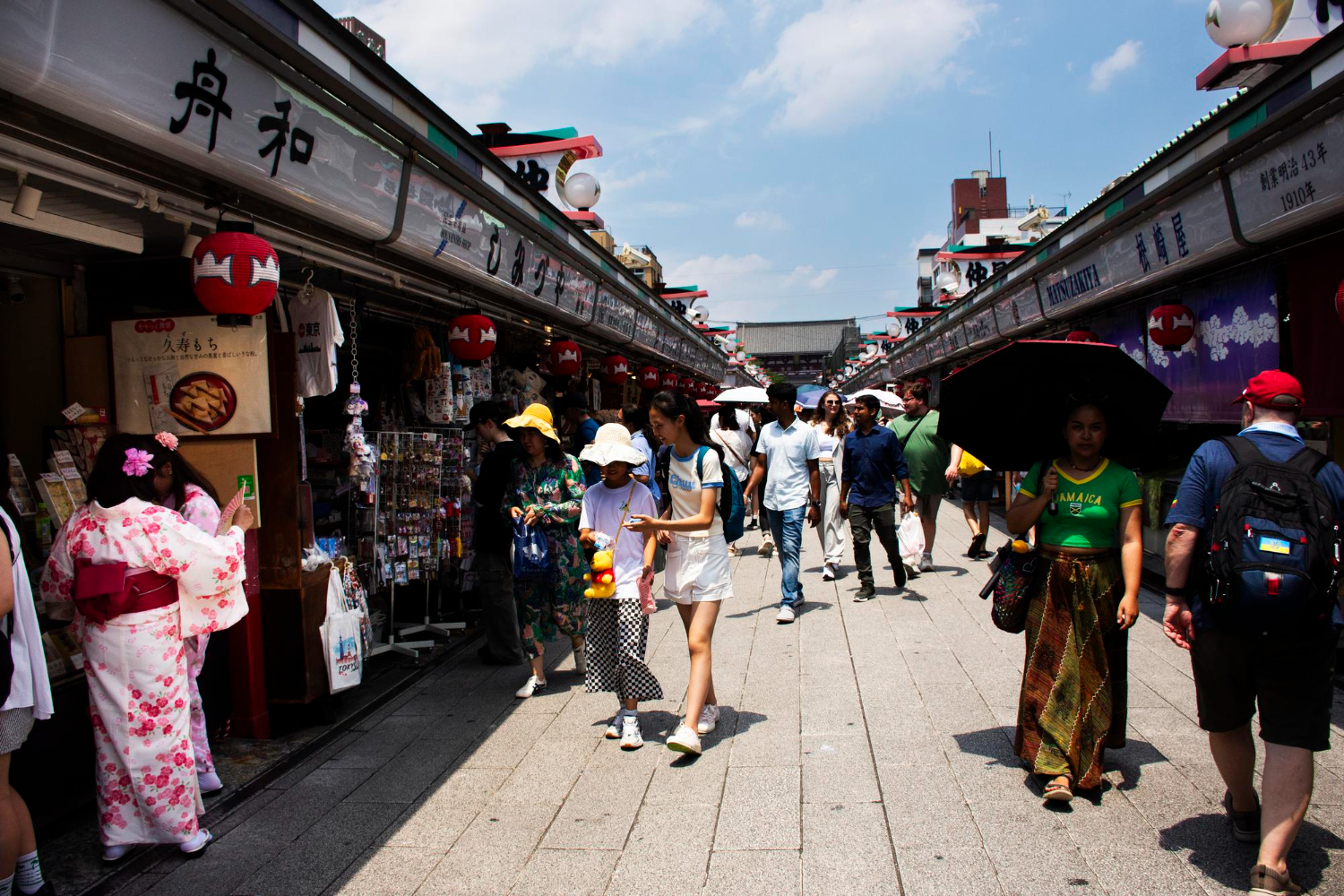
Okinawa is well set up for travelers. The main island is reached easily by air, with Naha Airport connecting to cities across Japan and beyond, and renting a car is the most convenient way to explore at your own pace, since public transport is limited outside the capital. Ferries and short flights link the main island to the outer islands like Ishigaki and the Keramas. The subtropical climate means warm weather much of the year, though summer can be hot and humid and is also typhoon season, so spring and autumn are often ideal times to visit. With a little planning, island-hopping through this region is smooth, rewarding, and surprisingly easy.
An Island World Worth Discovering
Okinawa and its surrounding islands offer one of Japan’s most rewarding and distinctive travel experiences, a place where turquoise seas meet a proud and ancient culture, where jungle islands sit beside coral reefs, and where the pace of life invites you to truly unwind. From the historic streets of Naha and the symbolic Shuri Castle to the dazzling waters of the Keramas and the wild beauty of the Yaeyamas, this island region rewards the curious traveler at every turn. For anyone looking to discover a side of Japan beyond the familiar, Okinawa is a sun-soaked, culturally rich, and genuinely unforgettable destination well worth the journey south.
Like our content? Follow us for more.