Tidal islands are among the few places where the route in has a timetable set by the moon. Getting the timing right is the entire experience; getting it wrong is a serious matter, which is why every entry here comes with the same instruction. Here are twelve.
1. Mont-Saint-Michel, France
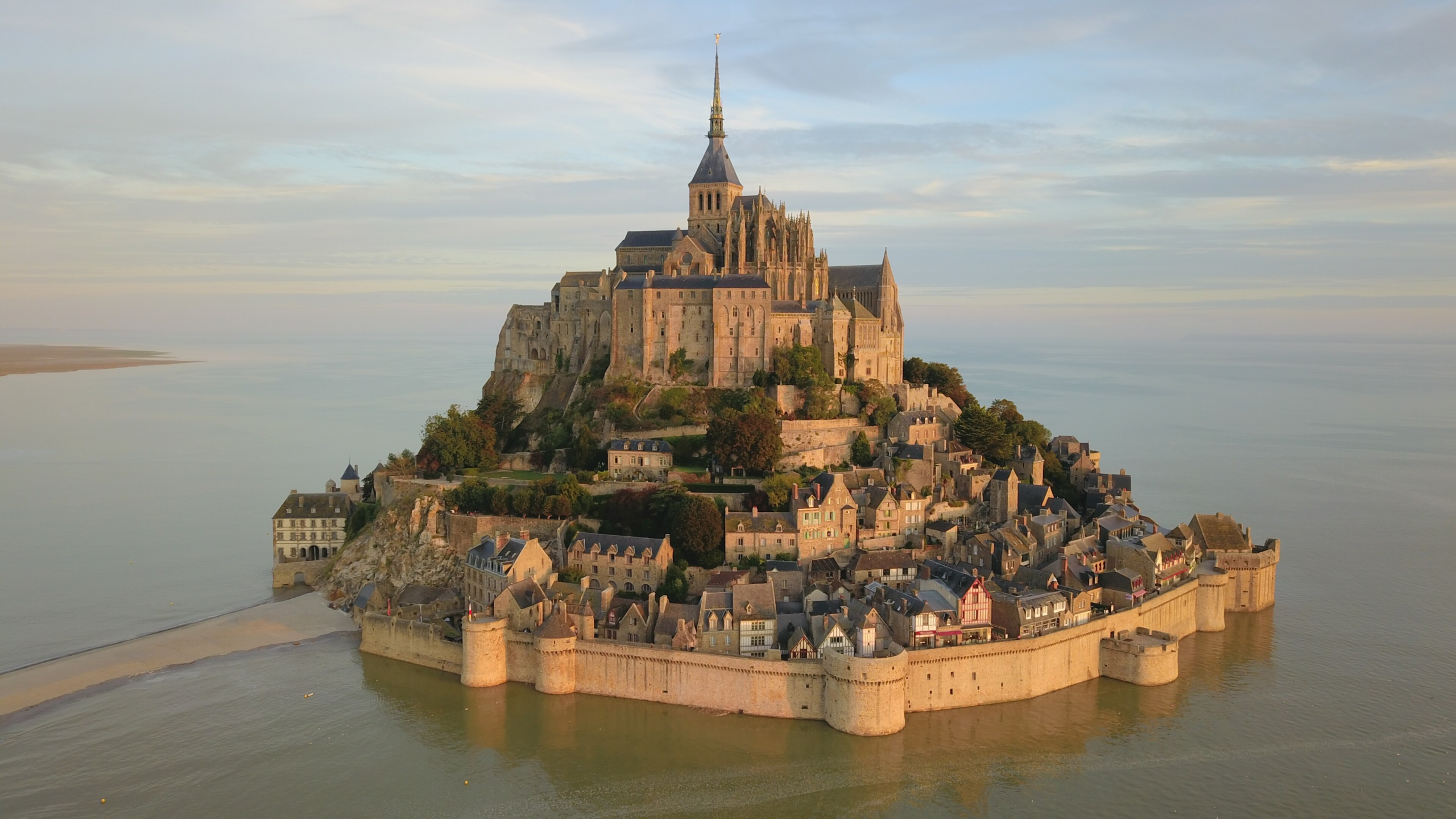
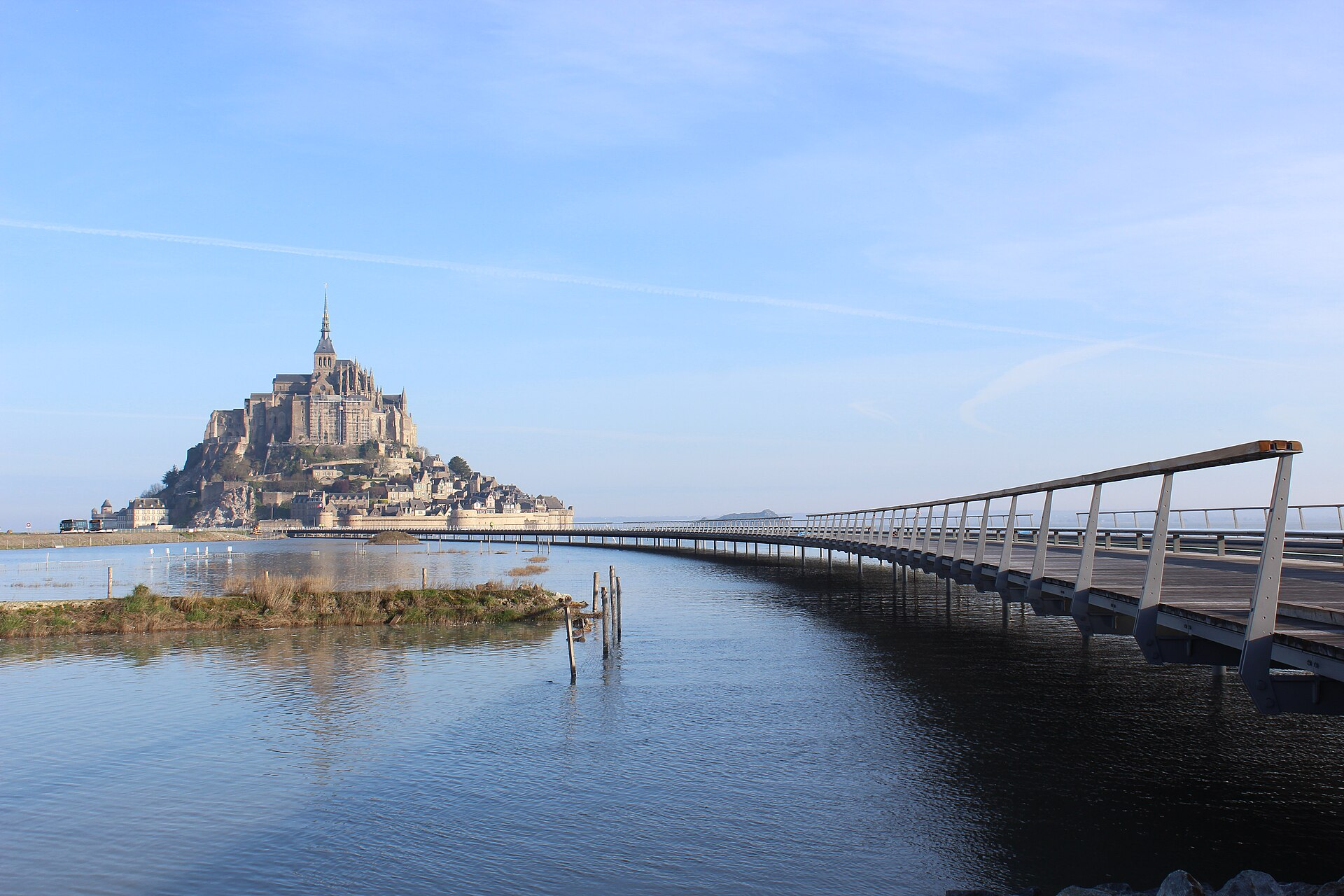
The most famous tidal site in the world, a rocky island crowned by an abbey off the coast of Normandy, historically cut off by fast-moving tides across enormous sand flats.
A raised bridge now provides access, so visitors are no longer stranded, though the surrounding flats still flood dramatically at the highest tides. Guided walks cross the sands. Mont-Saint-Michel is the tidal island that made the phenomenon famous.
Like our content? Follow us for more.
2. Lindisfarne, England
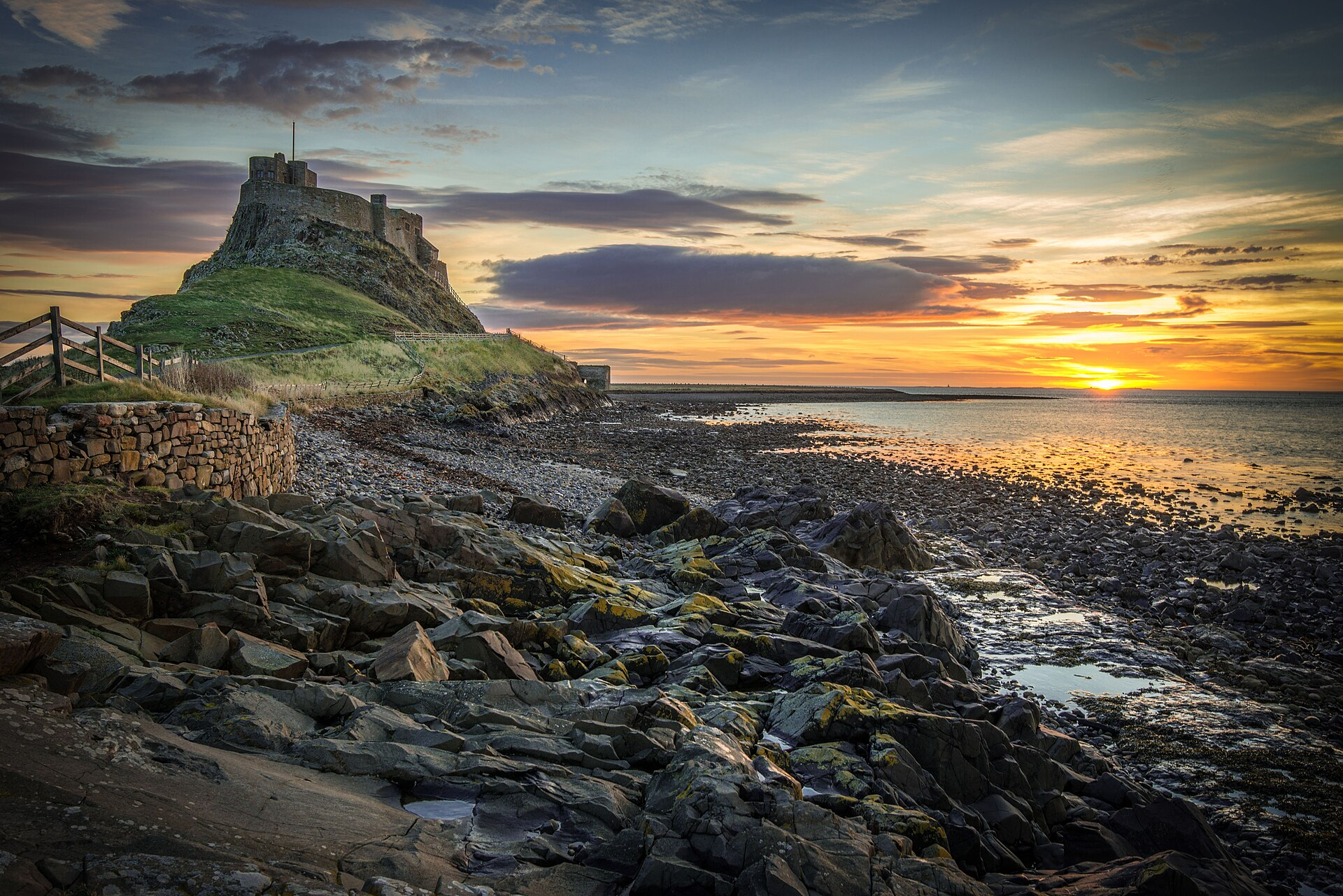
A low island off the Northumberland coast, reached by a causeway that floods twice daily, with a priory, a castle and a long religious history.
Published safe crossing times are displayed at both ends and are not advisory — vehicles are recovered from the causeway every year by people who ignored them. Lindisfarne is the tidal island with the most closely watched timetable in Britain.
3. St Michael’s Mount, England
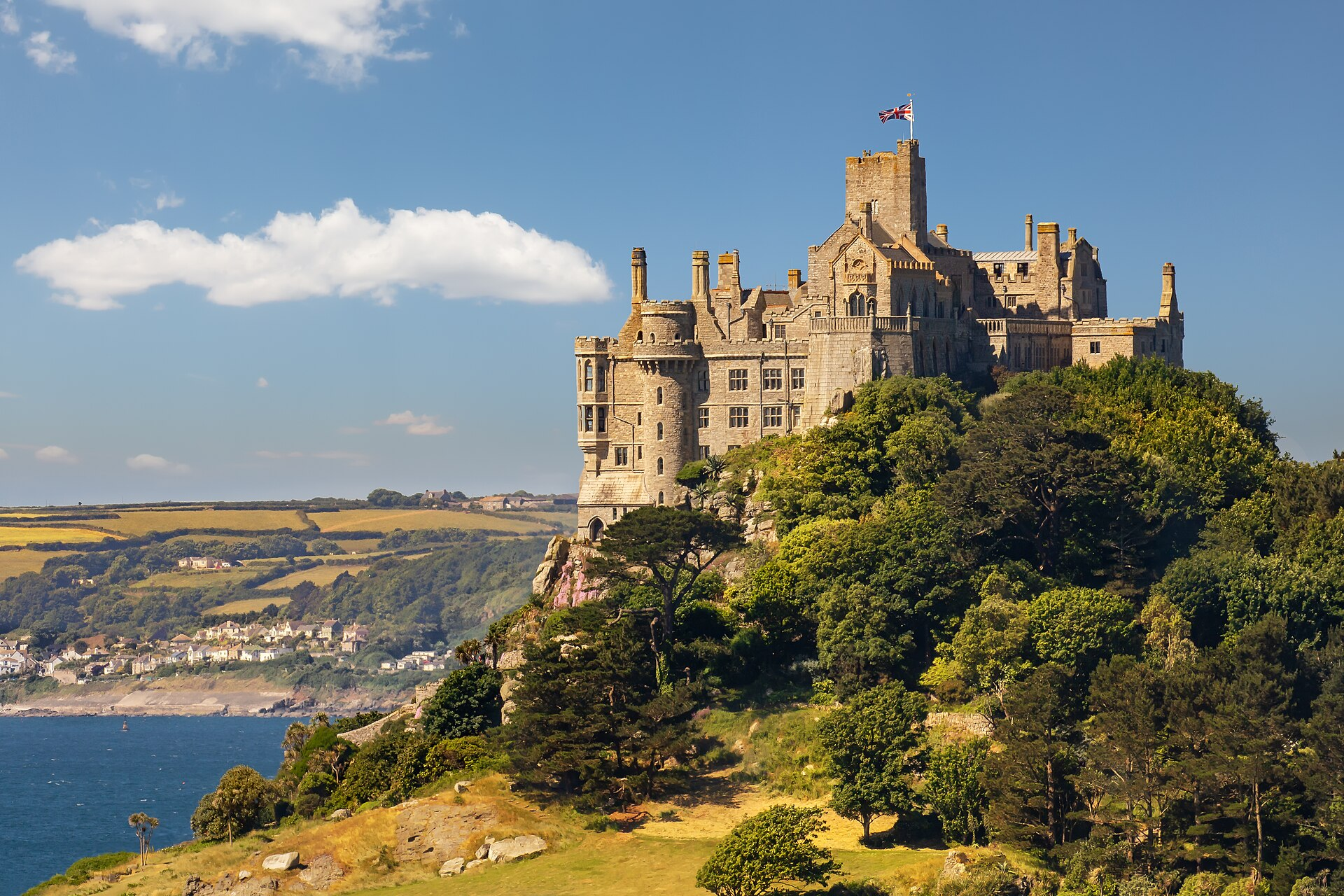
A rocky island in Mount’s Bay, Cornwall, with a castle and garden, connected to the village of Marazion by a granite causeway that emerges at low tide.
At high tide small boats run the crossing instead, so a visit can be walked one way and sailed the other. Check both tide and boat times. St Michael’s Mount is the tidal island where you can arrive on foot and leave by sea.
4. Île de Noirmoutier, France
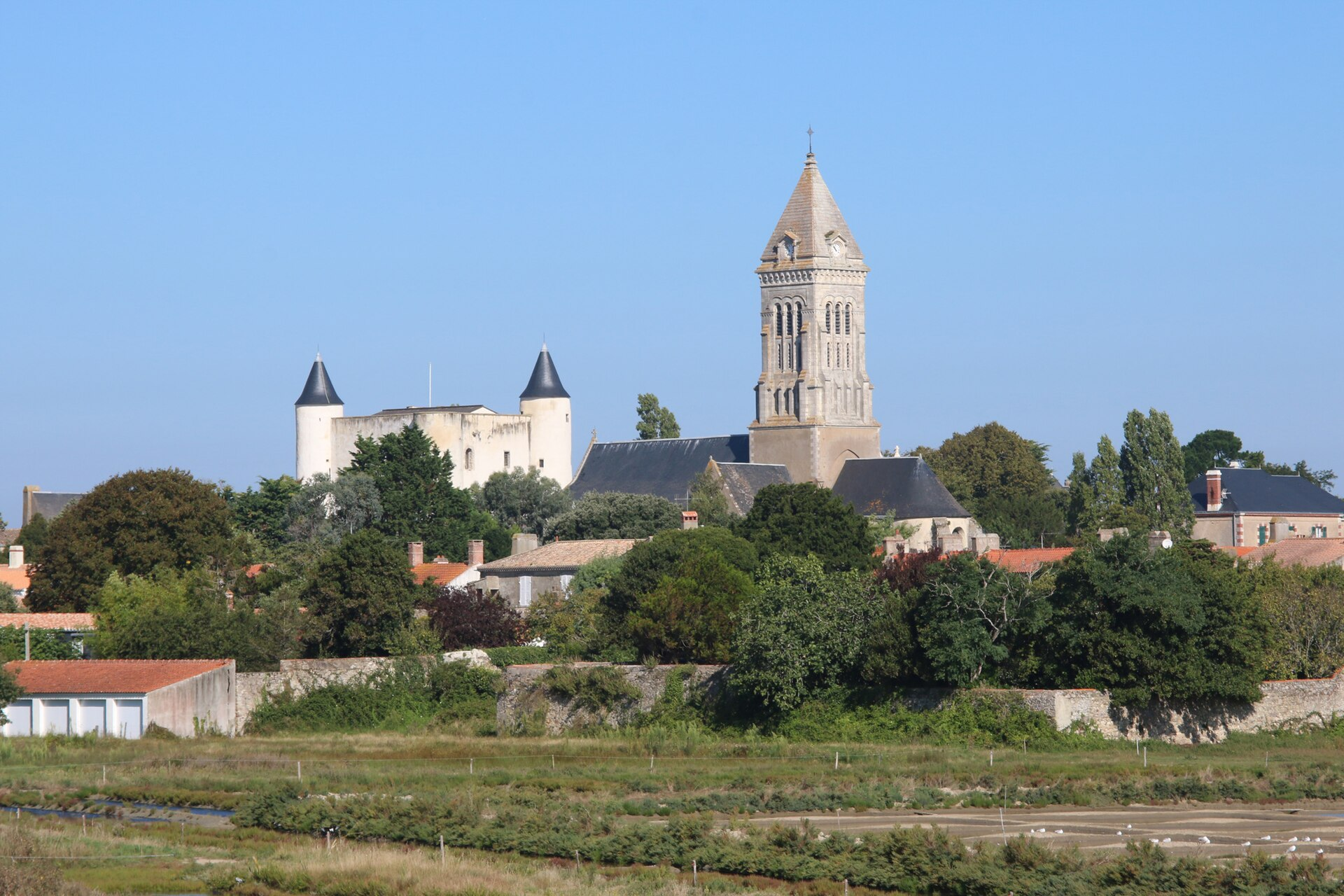
Reached by the Passage du Gois, a road several kilometres long that crosses the seabed and is submerged under metres of water twice a day.
Rescue towers stand along its length for anyone caught out, which tells you everything about the seriousness of the timing. A bridge offers a permanent alternative. The Passage du Gois is the tidal crossing with escape towers built into it.
5. Jindo and Modo, South Korea
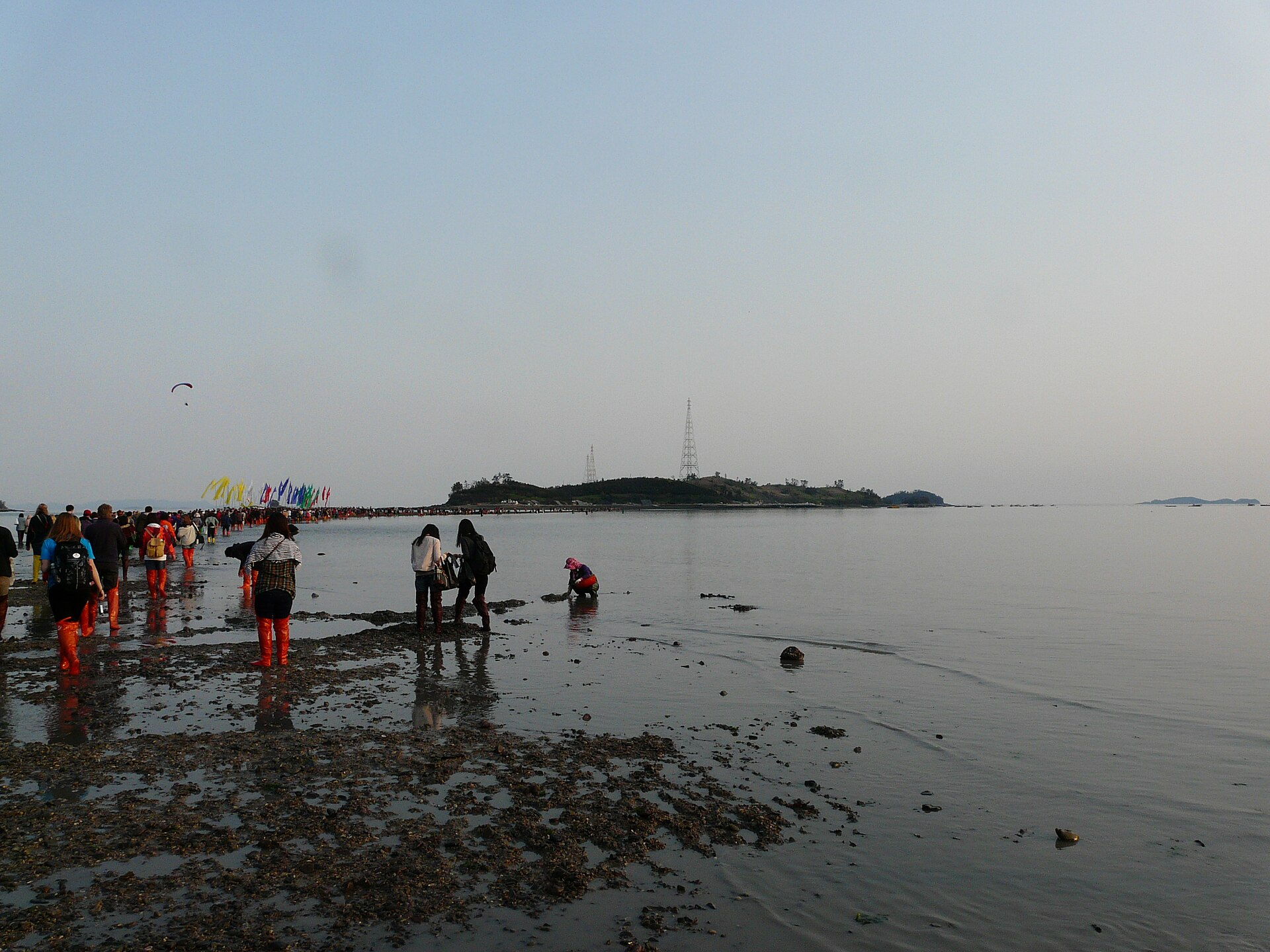
Twice a year, tides expose a land bridge several kilometres long between two islands, an event celebrated with a festival and walked by large crowds.
The rest of the year the route is underwater, which makes this one of the few tidal crossings that is a scheduled annual event rather than a daily one. Jindo is the tidal crossing that happens twice a year and draws a festival.
6. Holy Island of Anglesey Region, Wales
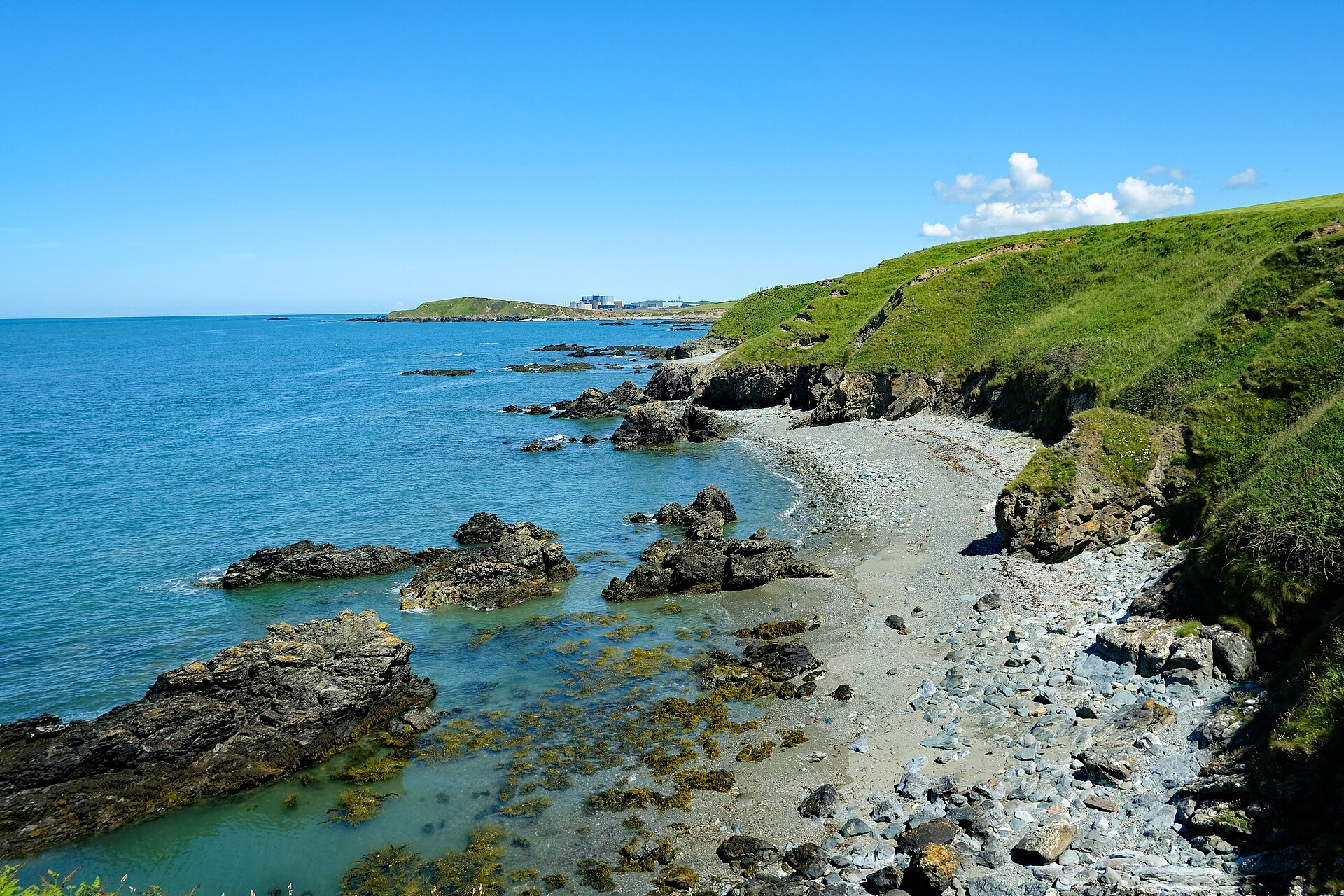
Several small Welsh tidal islands, including St Cwyfan’s church on its islet, are reached across ground that floods with the tide.
The church sits alone within a low sea wall and is accessible on foot only at low water, which makes services there a matter of scheduling. These are the tidal islands where a church timetable follows the moon.
7. Sveti Nikola and the Adriatic Tombolos — Croatia
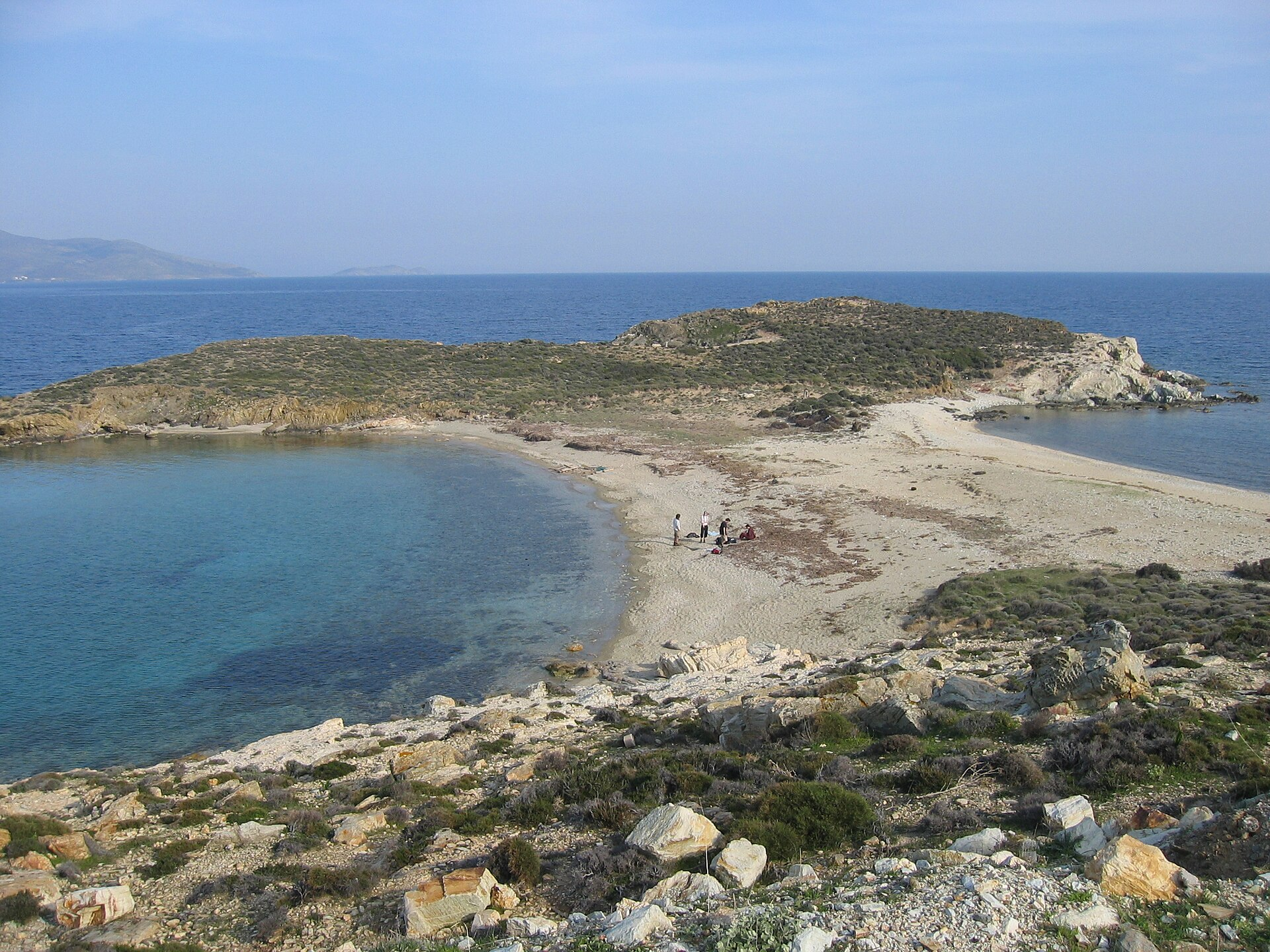
The Adriatic has a low tidal range, but several sites feature tombolos — sand or shingle bars connecting islets to shore — that are walkable in calm conditions.
Because the range is small, access depends more on weather and wave conditions than on the tide clock. Conditions change quickly. These are the tidal islands where the wind matters more than the tide.
8. Ko Nang Yuan, Thailand
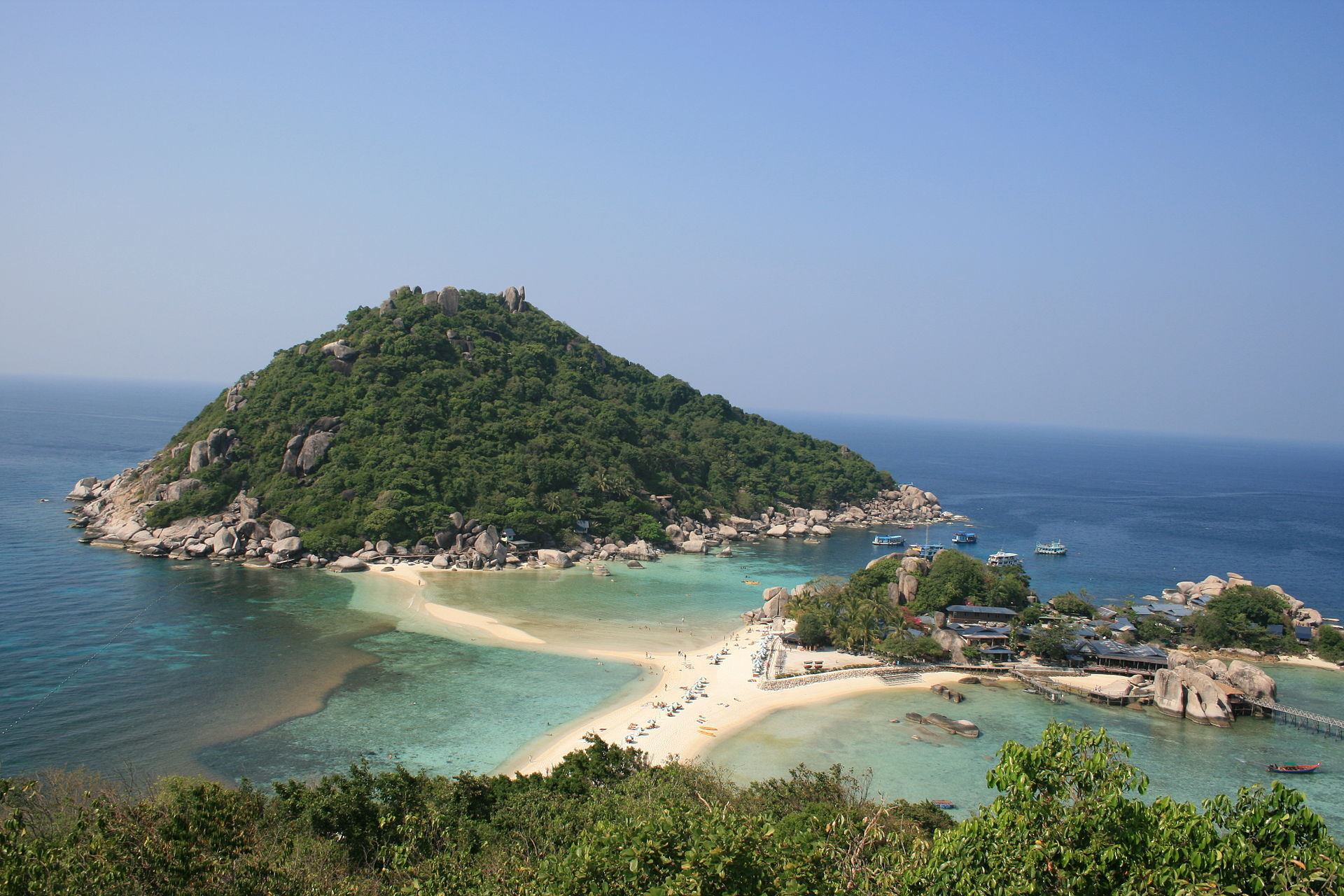
Three small islands linked by sandbars that emerge and submerge with the tide, in shallow turquoise water off the coast.
Walking between them is possible at low water, and the sandbars are protected, with restrictions in place to limit damage. Follow posted rules. Ko Nang Yuan is the tidal island group where three islands become one at low water.
9. Cramond Island, Scotland
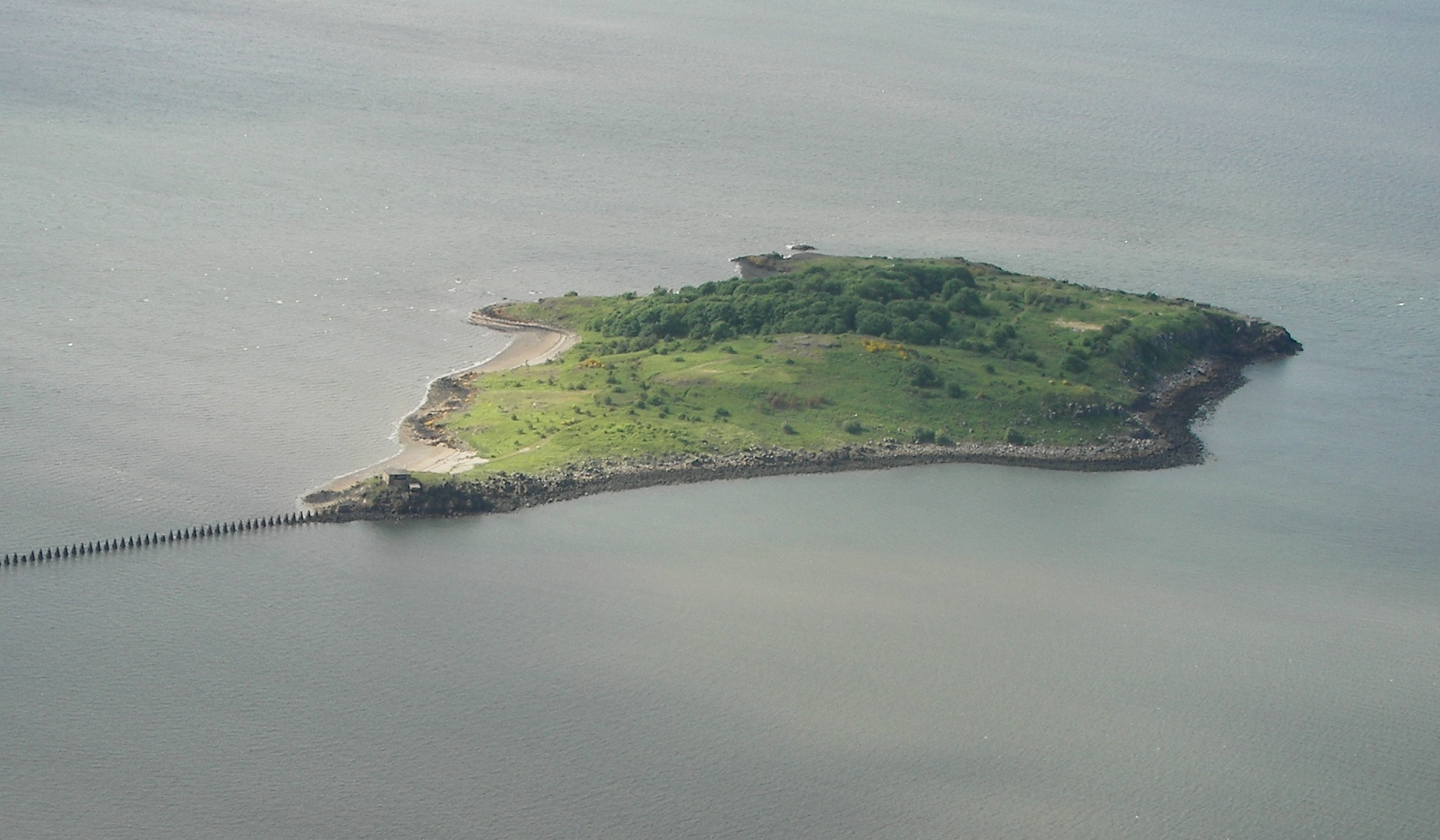
Reached from the Edinburgh shoreline by a causeway lined with concrete anti-boat pylons, a wartime structure that now marks the route.
Safe crossing times are posted, and people are cut off there regularly enough that rescue callouts are a recurring local story. Cramond is the tidal island closest to a major city and most frequently misjudged.
10. Île Callot, France
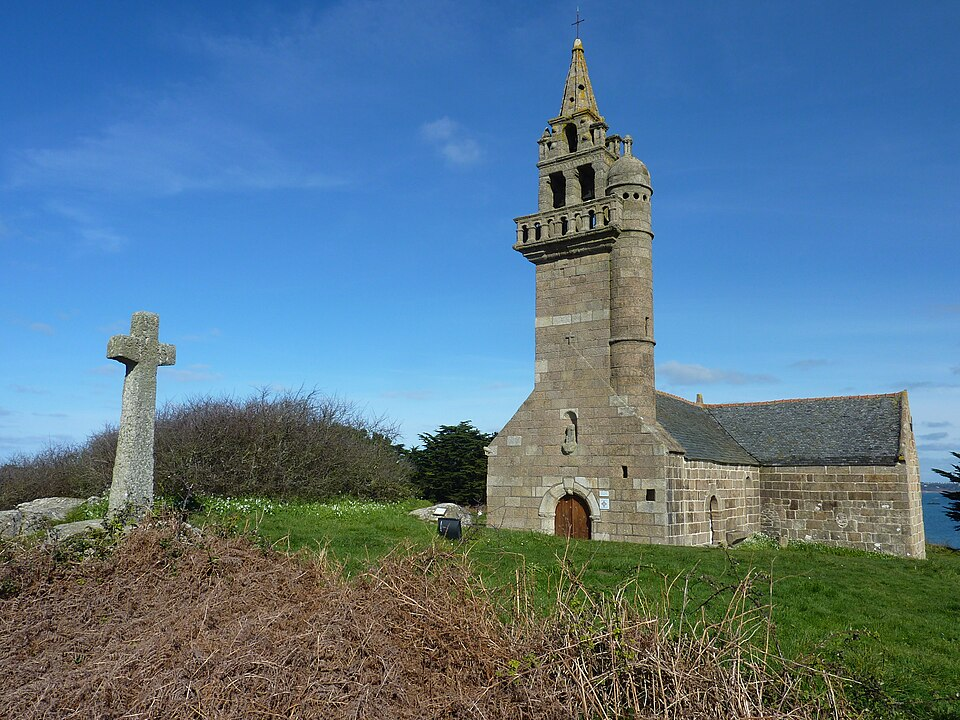
A small island off the Brittany coast reached by a submersible road, with a chapel and beaches, and a strong local sense of the tide’s schedule.
The crossing is short but the water rises quickly across flat ground. Times are published locally. Île Callot is the tidal island where a short crossing is deceptive.
11. Sankt Peter and the Wadden Sea Flats — Germany and the Netherlands
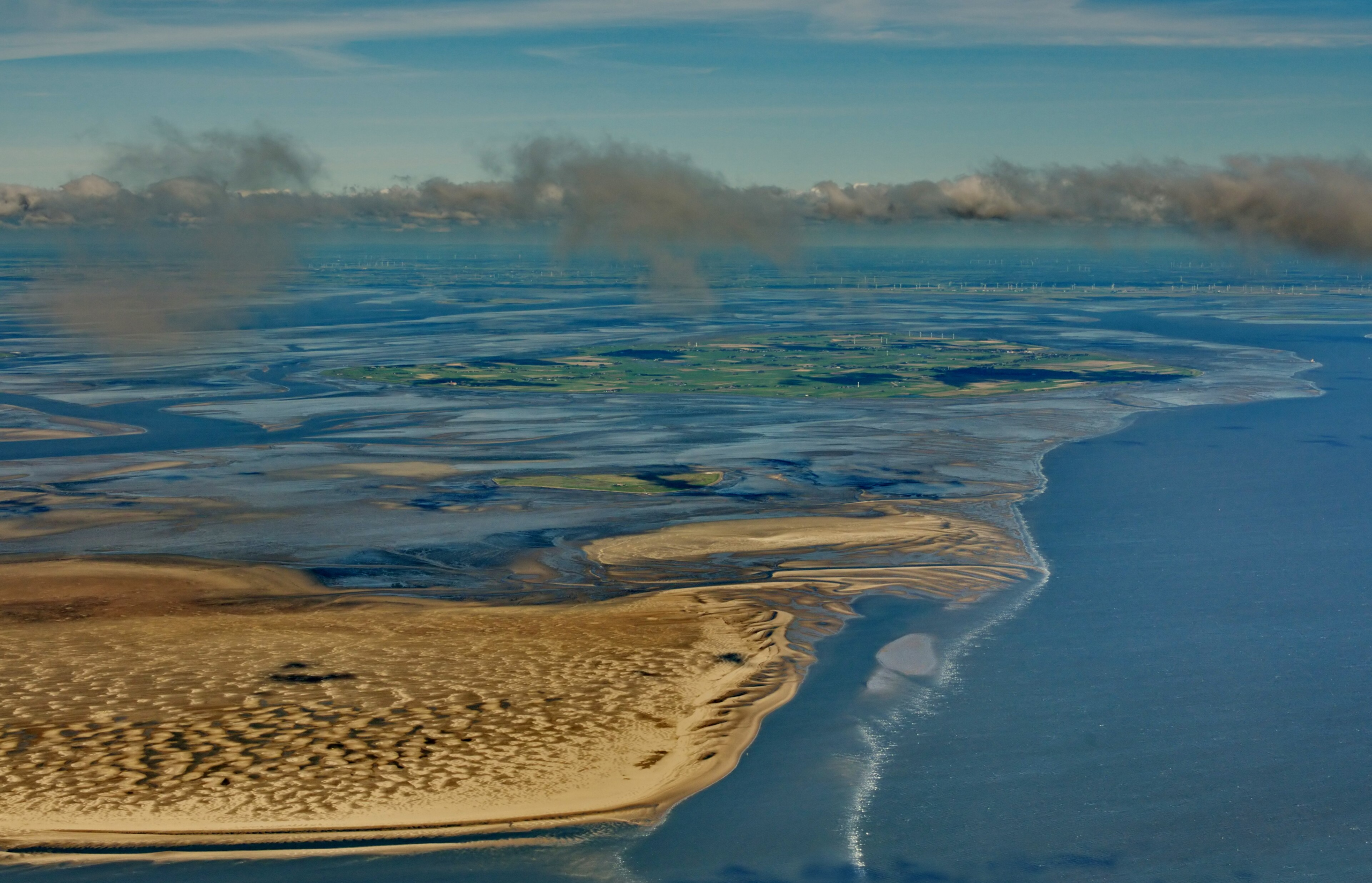
The Wadden Sea produces vast intertidal flats where guided mudflat walking, known as wadlopen, crosses to islands over open seabed.
These crossings are long, disorienting and legally require licensed guides in places, because the flats are featureless and channels fill fast. Never attempt them alone. The Wadden crossings are the tidal walks that are effectively expeditions.
12. Bardsey and the Welsh Offshore Islands — Wales
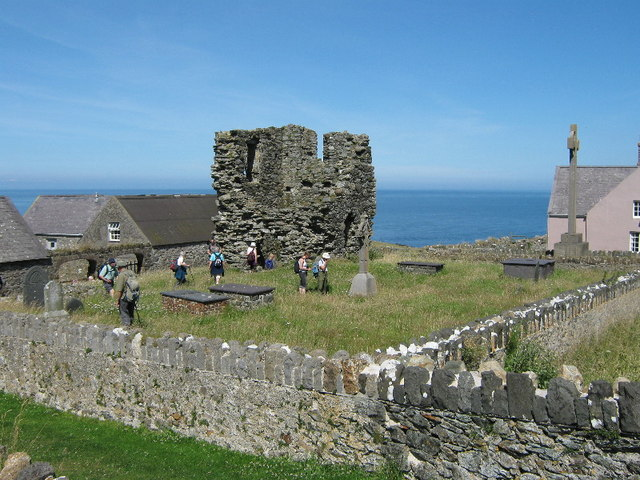
Some Welsh islands are not walkable at all and are reached by boat on tide-dependent schedules, which is the honest end of this category.
Where crossing on foot is impossible, tides still govern access, and sailings are cancelled routinely for conditions. Plan flexibility into any visit. These are the islands where the tide controls the boat rather than the path.
The Sea Sets the Timetable
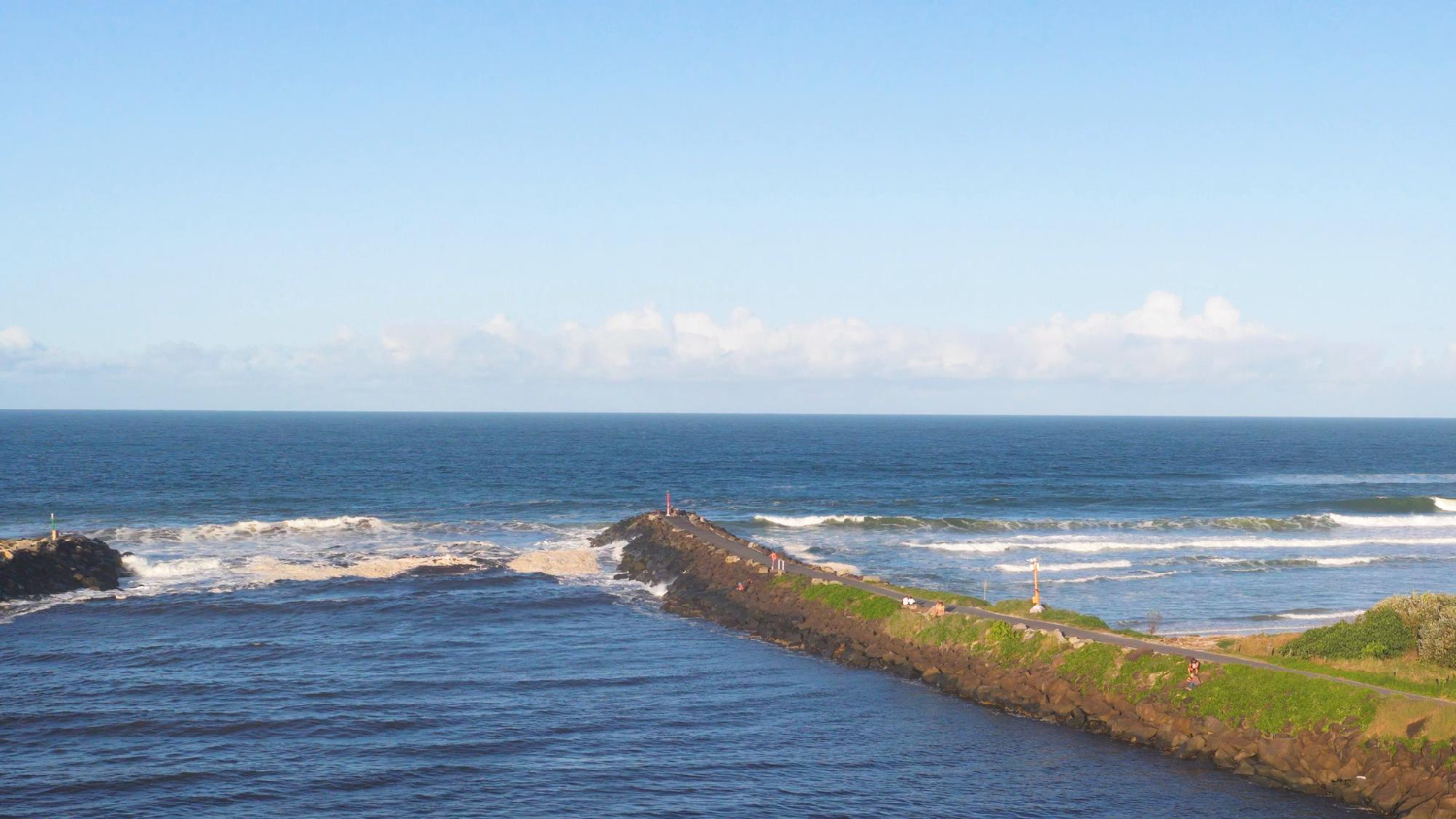
What unites these places is that arrival and departure are dictated by something entirely outside human control, on a schedule published in advance and enforced without exception.
The single essential instruction for all of these: consult official tide tables and posted safe crossing times for the specific site and the specific day, allow a wide margin, and turn back rather than risk it. Tides rise faster than people expect and rescue services attend avoidable incidents at these sites every year. Get the timing right and they are among the most atmospheric places you can walk to.
Like our content? Follow us for more.