Almost every instruction in a recipe exists because of something physical happening in the pan. Here are fifteen of those things, and why they matter.
1. Browning Is Not Caramelising
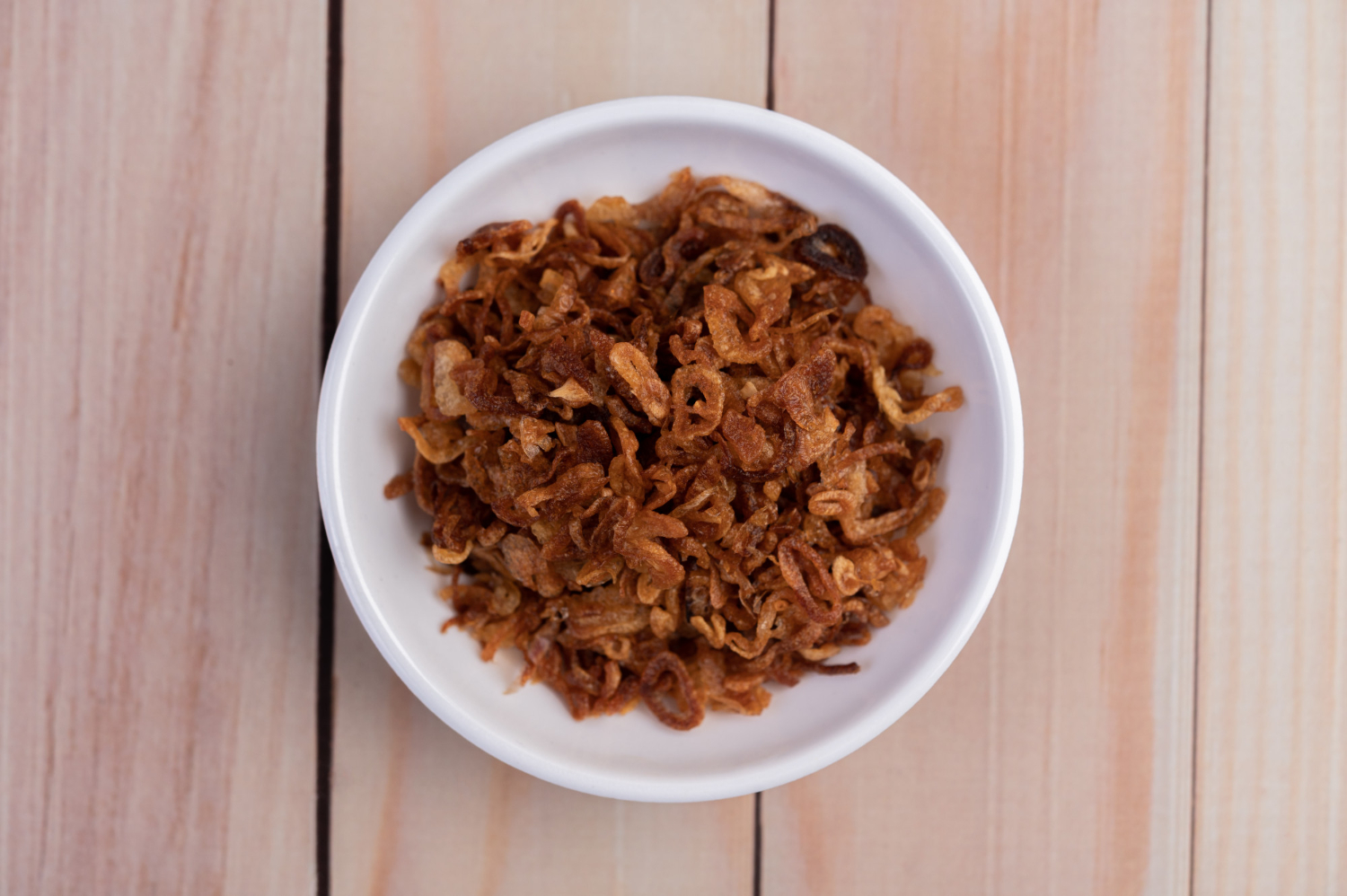
Two different reactions are routinely confused. Caramelisation is sugar breaking down under heat; the Maillard reaction is between amino acids and sugars and needs protein present.
Steak, bread crust and roasted coffee are Maillard; caramel sauce is caramelisation. Both produce brown colour and neither is the other. Browning is the kitchen process most often given the wrong name.
Like our content? Follow us for more.
2. Water Is the Enemy of Browning
Nothing browns properly while it is wet, because the surface cannot exceed the boiling point of water until the water has gone.
This is why meat is patted dry, why a crowded pan steams instead of searing, and why wet vegetables refuse to roast. Water blocking browning is the reason most disappointing pan results happen.
3. Salt Draws Water Out and Then Back In
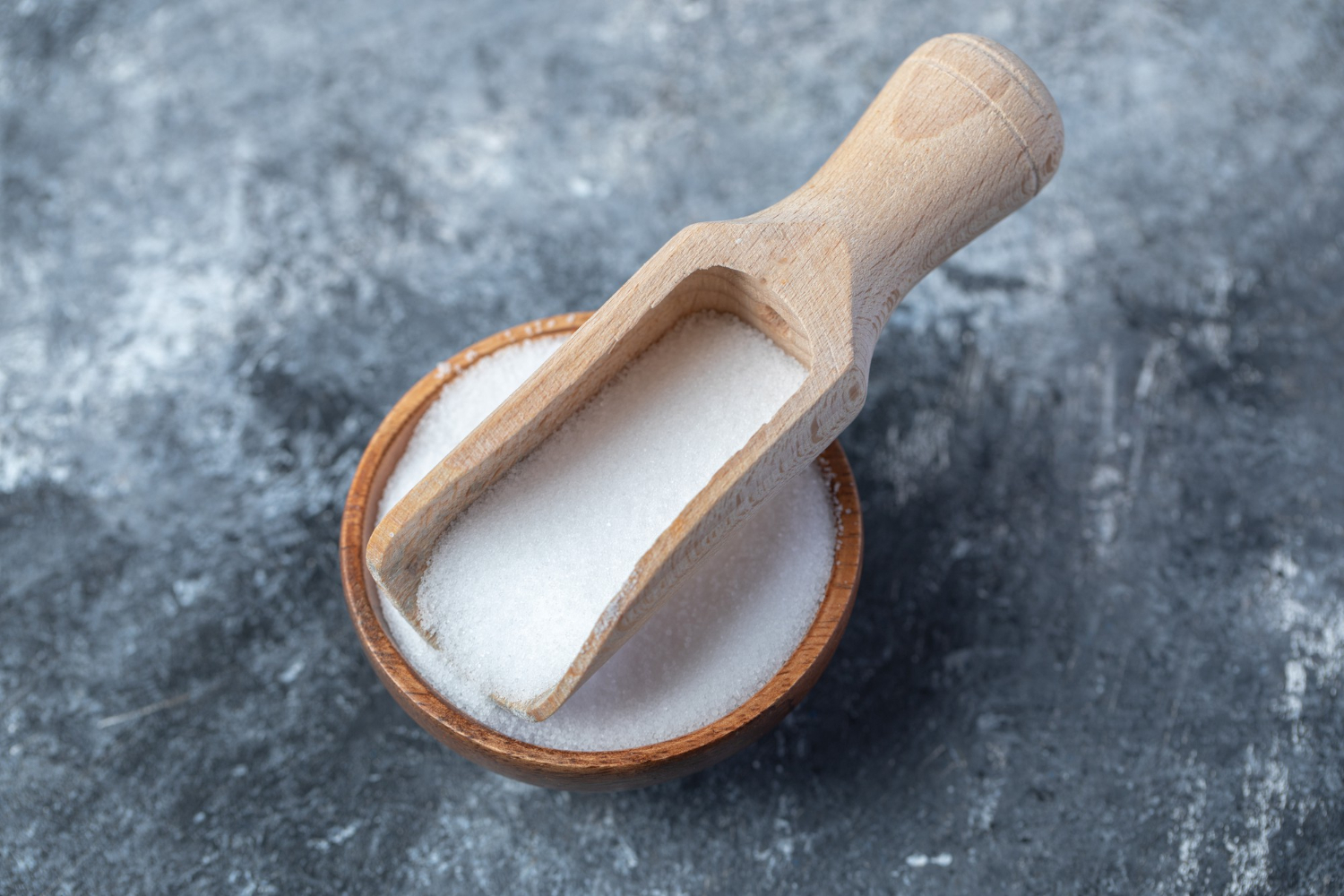
Salt applied to meat initially pulls moisture to the surface, which looks like a mistake, and then that liquid is reabsorbed carrying the salt inward.
Which is why timing matters: salting well ahead or immediately before cooking both work, and the awkward window is in between. Salt moving water in both directions is the kitchen behaviour that confuses the most cooks.
4. Resting Meat Is About Pressure, Not Magic
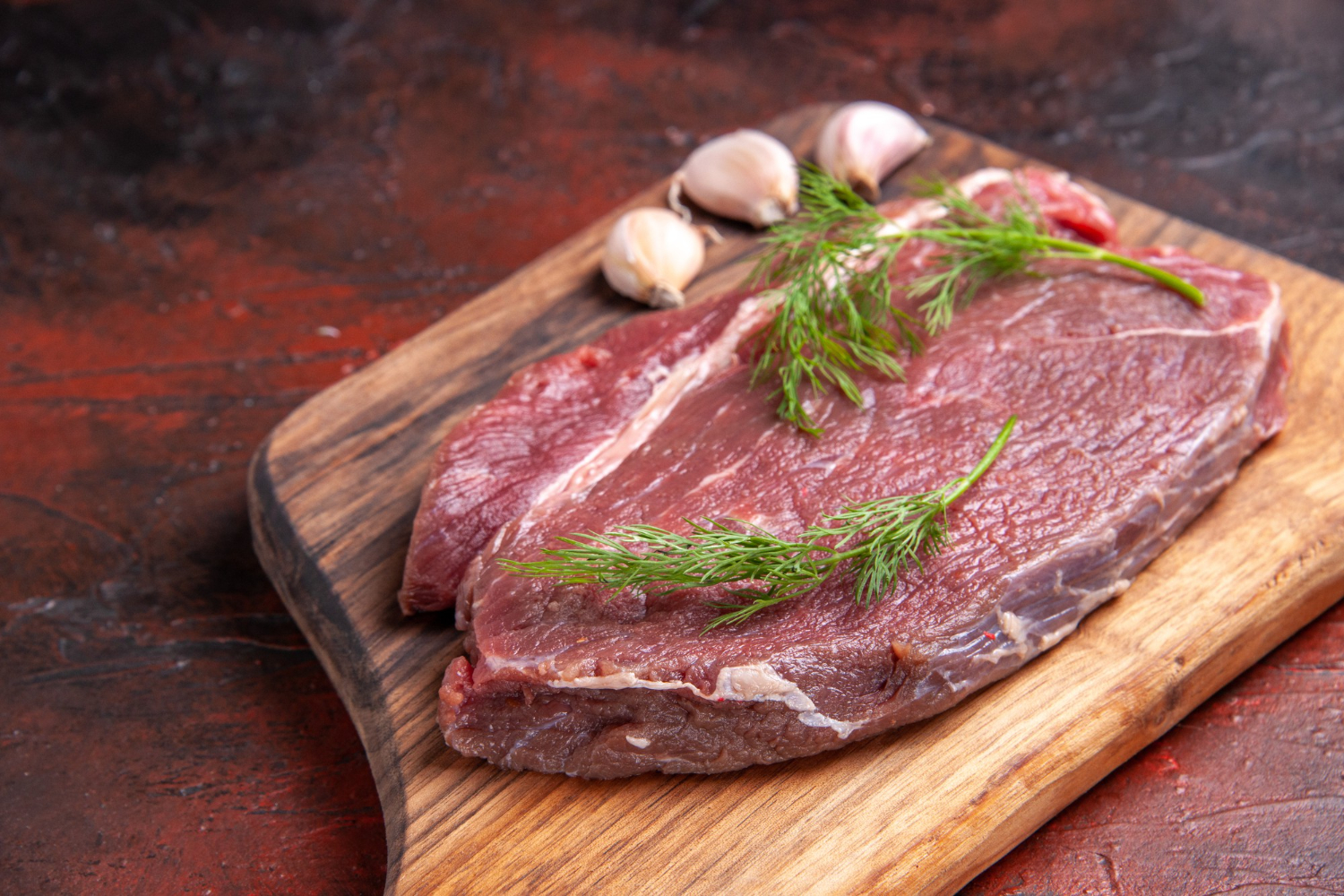
Heat drives moisture toward the centre and raises internal pressure, so cutting immediately releases it onto the board.
Resting allows that to equalise so the liquid stays in. The effect is real and modest rather than transformative. Resting meat is the step whose benefit is physical rather than mysterious.
5. Acid Makes Things Taste Less Flat
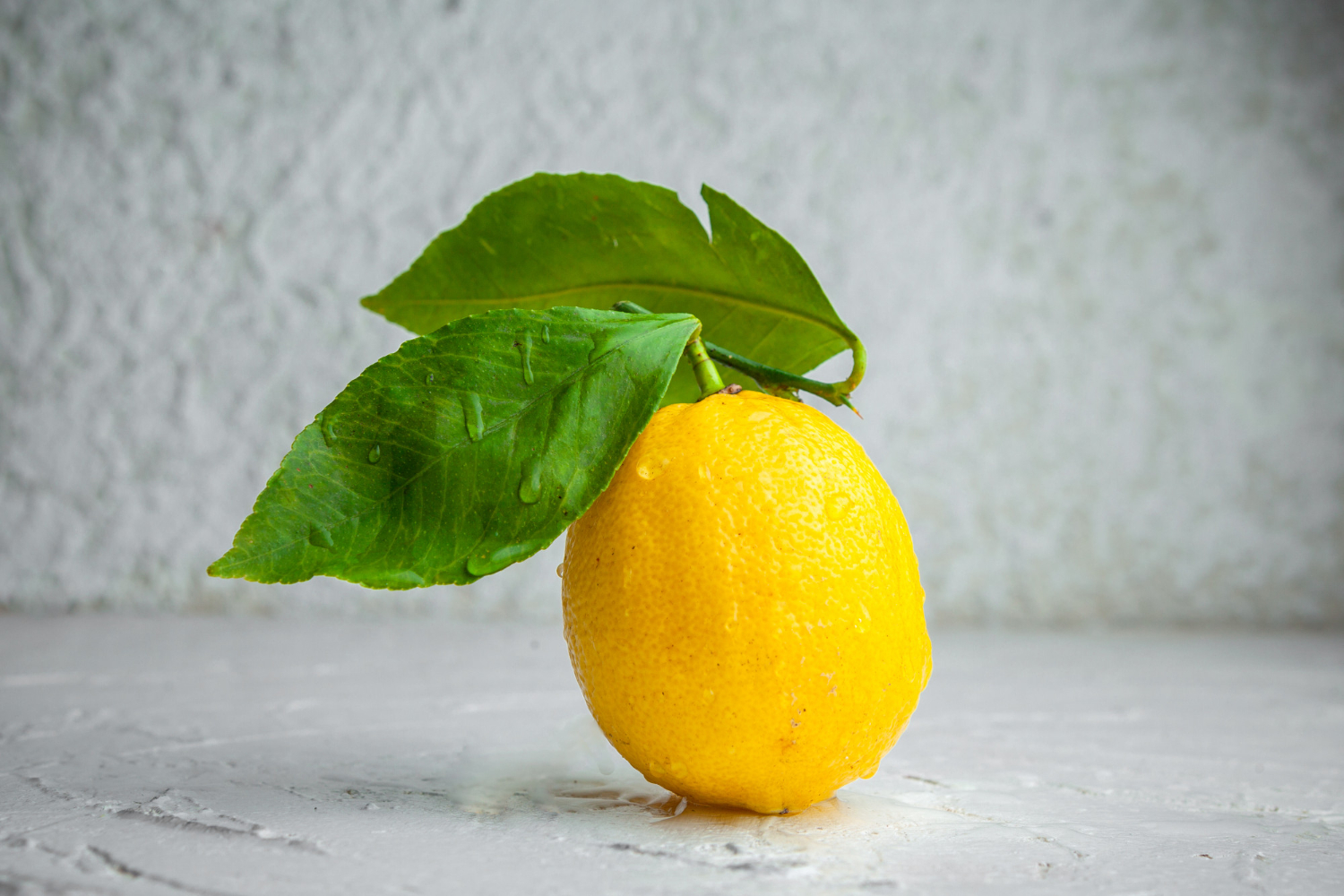
A dish that seems to be missing something is frequently short of acid rather than salt, and a squeeze of lemon or a splash of vinegar solves it.
Acid provides contrast that stops rich or heavy flavours reading as dull. Adding acid is the kitchen correction that fixes more finished dishes than any other.
6. Fat Carries Flavour That Water Cannot
Many aroma compounds are fat-soluble and not water-soluble, so cooking them in oil or butter distributes them through a dish in a way water never will.
This is why spices are bloomed in hot fat and why a fat-free version of a dish tastes thinner. Fat carrying flavour is the reason the first step of so many recipes involves oil.
7. Boiling Harder Does Not Cook Faster
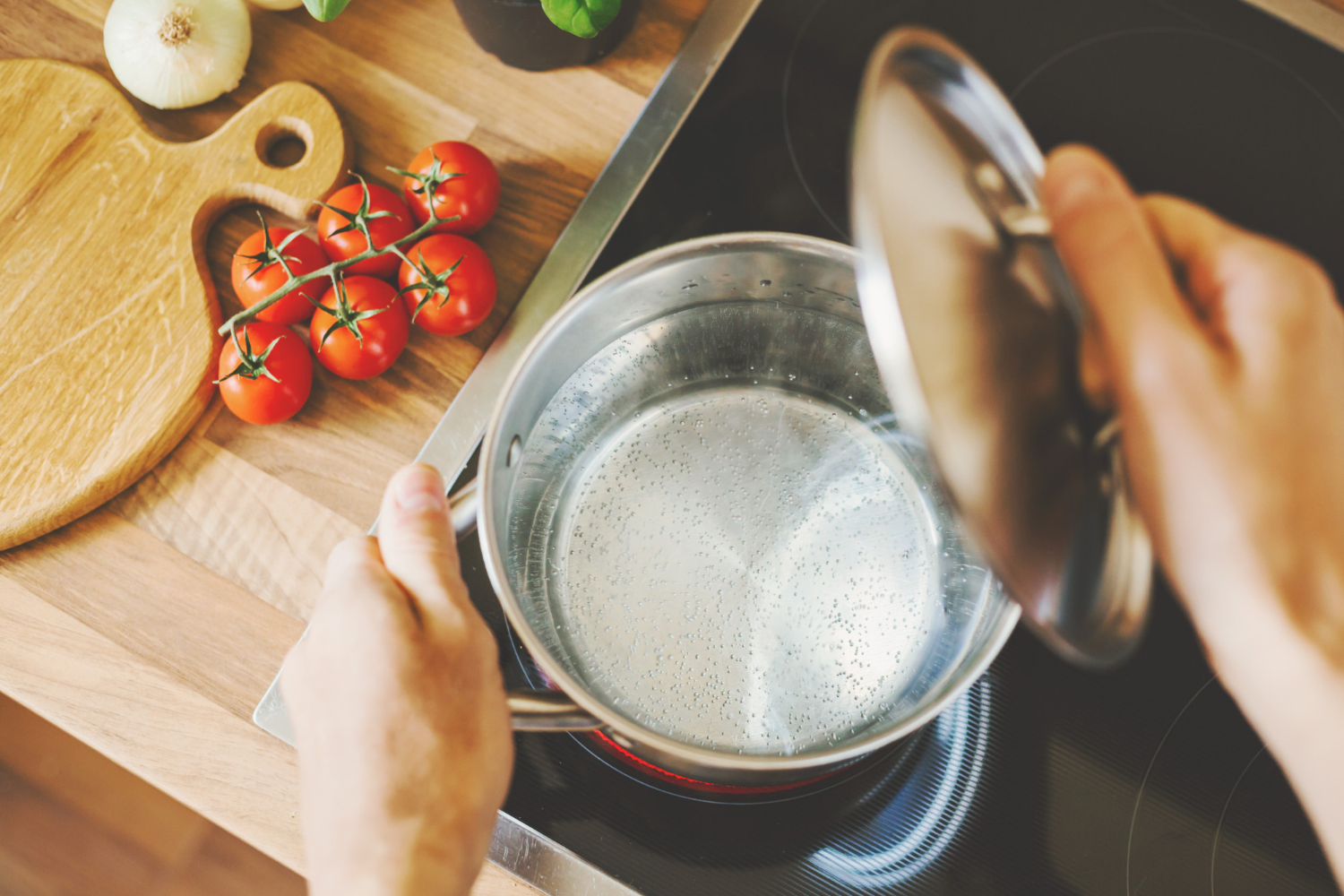
Water at a rolling boil and water at a gentle boil are the same temperature. The extra heat converts water to steam rather than raising the temperature.
The result is more evaporation, more energy used and no time saved. Boiling harder achieving nothing is the kitchen misconception with the widest reach.
8. Starch Is Why Pasta Water Matters
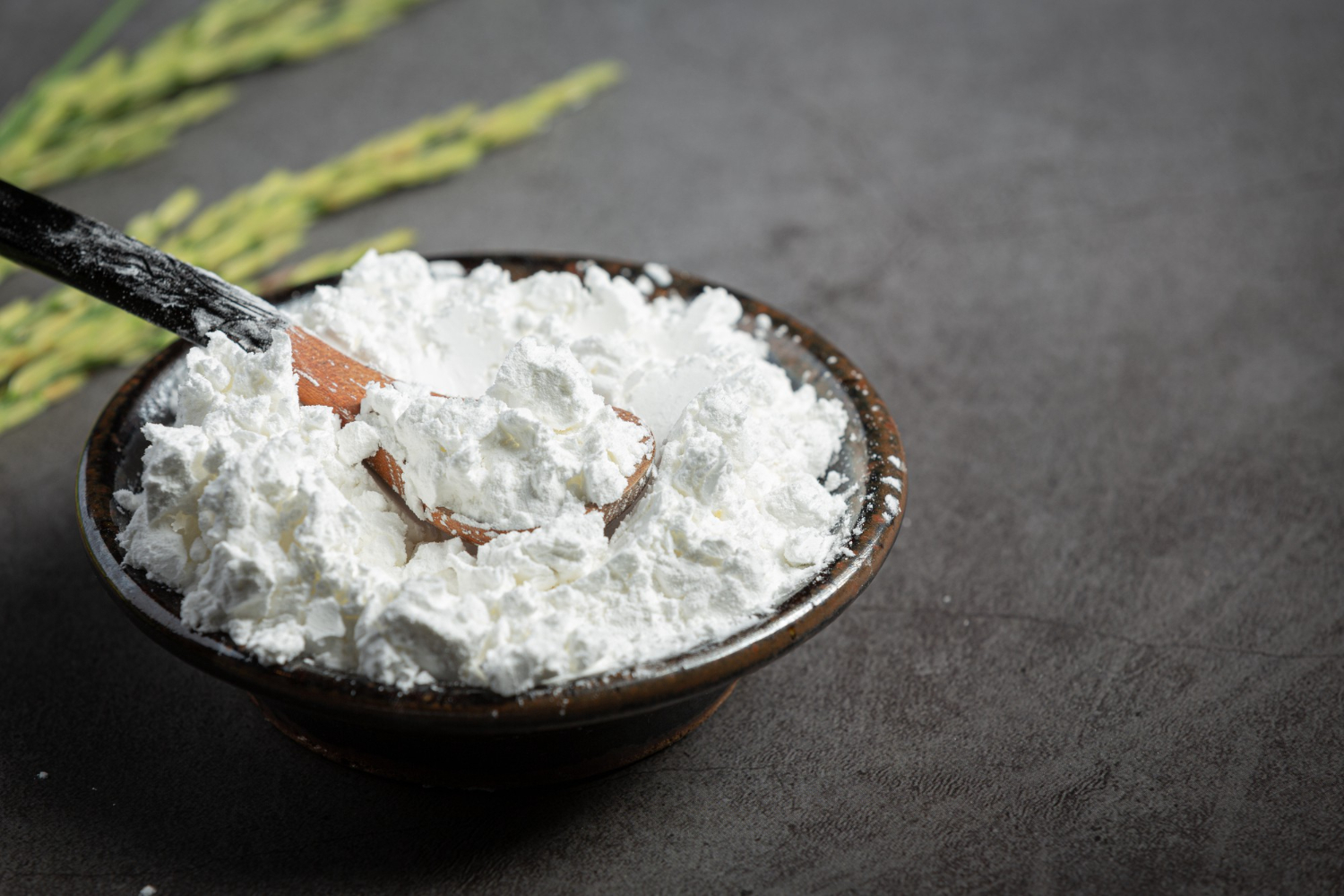
Pasta releases starch into its cooking water, and that starchy liquid helps sauce cling to the pasta instead of sliding off.
A ladle of it added to a sauce emulsifies fat and water into something that coats. Pasta water is the kitchen ingredient most people pour down the sink.
9. Eggs Are Two Different Ingredients
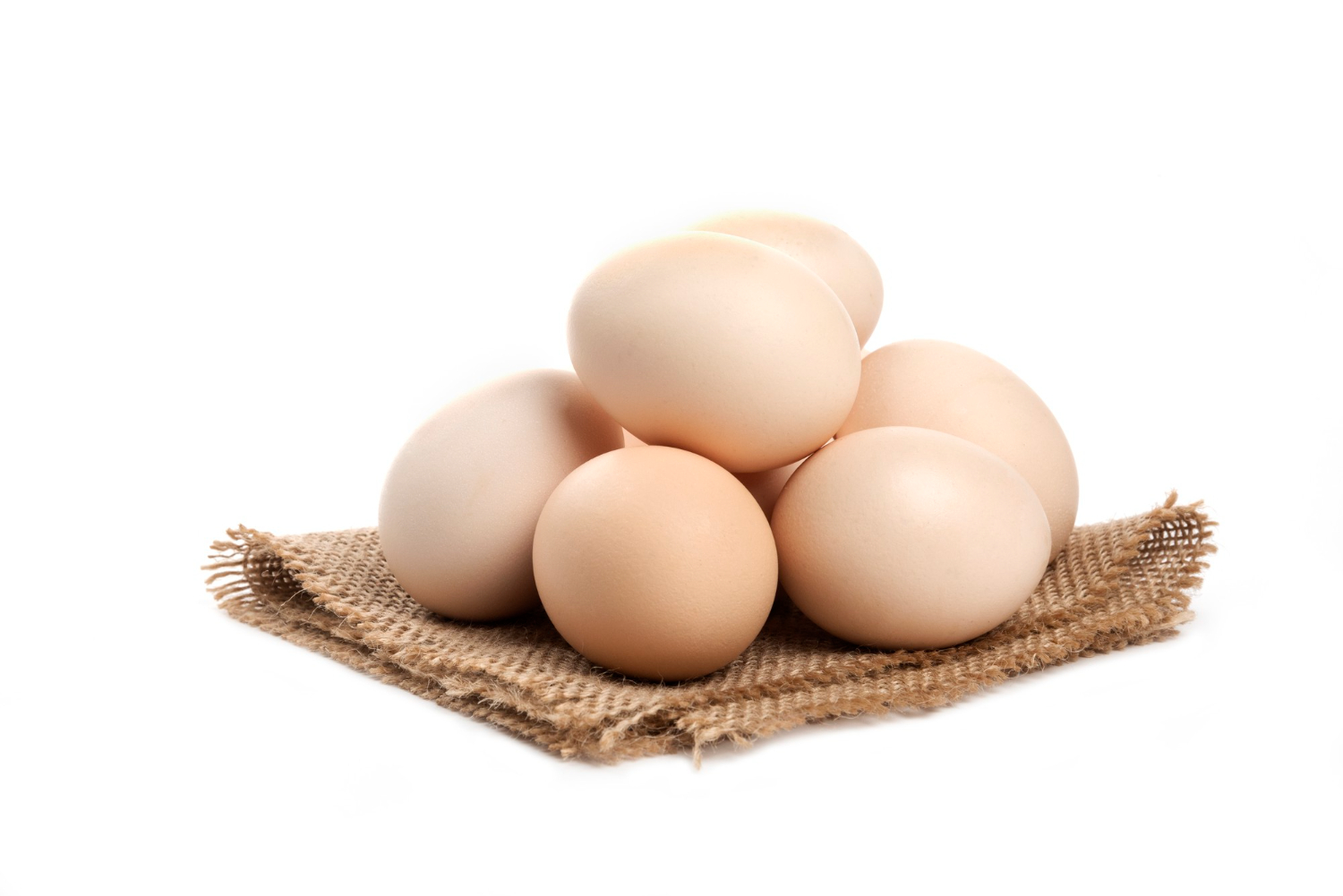
Yolk and white behave nothing alike: the yolk is fat and emulsifier, the white is protein and water that sets firm and traps air.
Recipes calling for one and not the other are exploiting that difference deliberately. Eggs being two ingredients is the distinction that explains custards, meringues and mayonnaise at once.
10. Baking Powder and Baking Soda Are Not Interchangeable
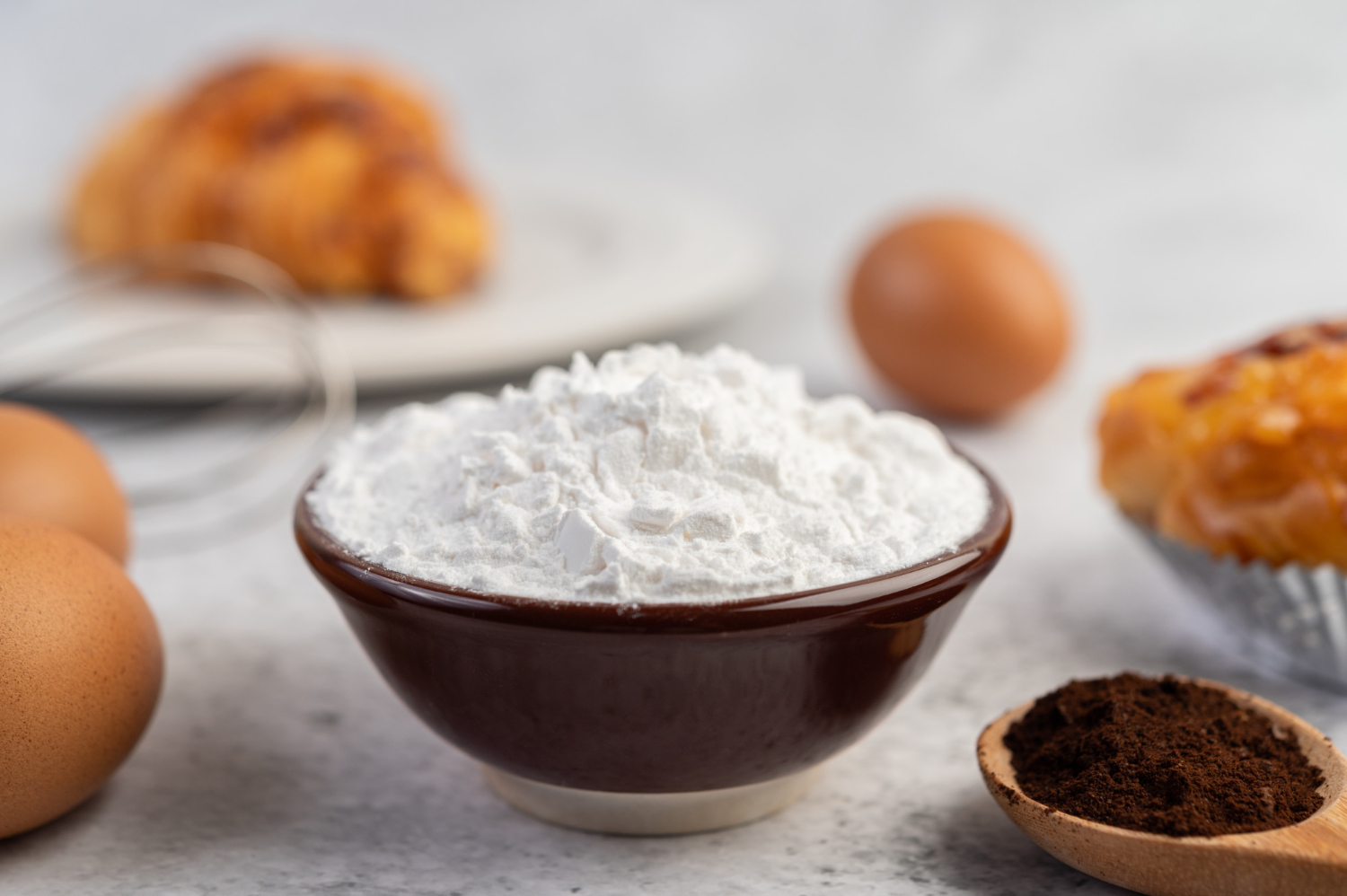
Baking soda needs an acid present to react; baking powder already contains its own acid and only needs moisture and heat.
Substituting one for the other without adjusting produces either no rise or a soapy taste. The two raising agents are the kitchen ingredients most damaging to swap.
11. Onions Sweeten Because Sugars Concentrate
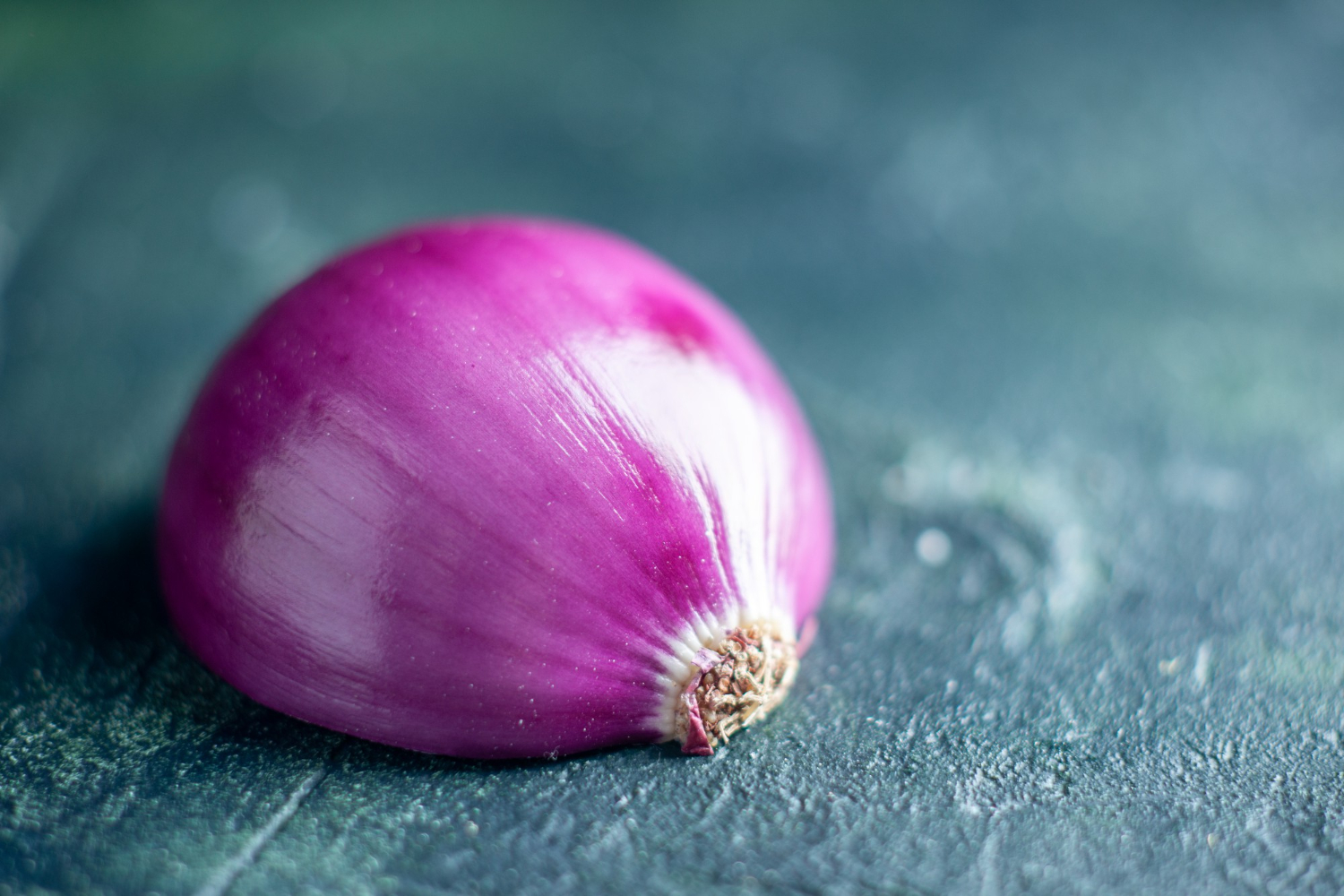
Long slow cooking of onions is not adding sweetness but removing water and breaking down compounds, concentrating what was already there.
It cannot be rushed with high heat, which browns without developing the same result. Onions sweetening slowly is the kitchen process people most often try to hurry.
12. A Sharp Knife Is Safer Than a Blunt One
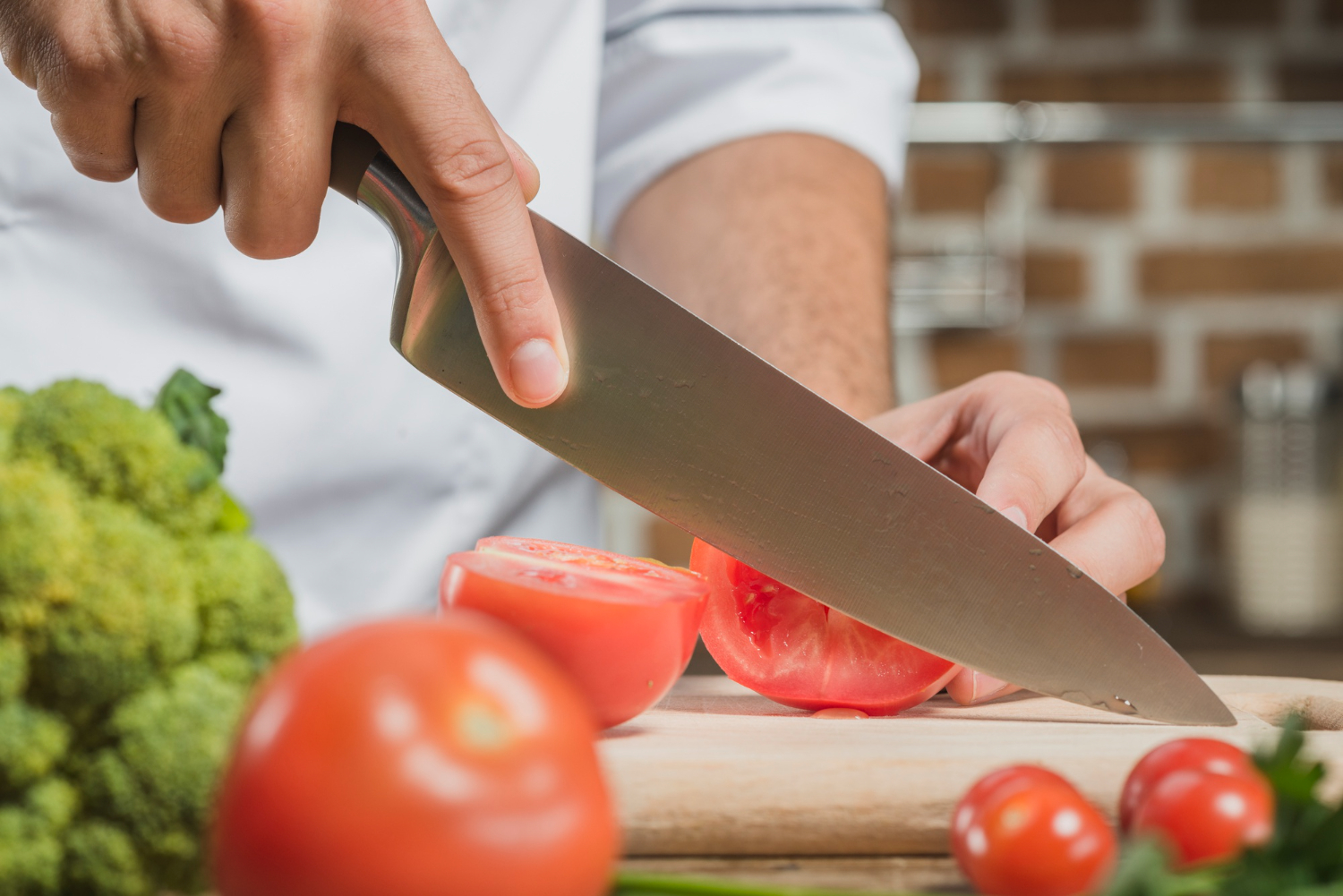
A sharp blade cuts where it is placed with modest pressure. A blunt one requires force and is far more likely to slip off the surface of what it is cutting.
Most kitchen advice about knives comes back to this single point. A sharp knife being the safer option is the kitchen fact that sounds backwards and is not.
14. Cold Fat Is Why Pastry Flakes
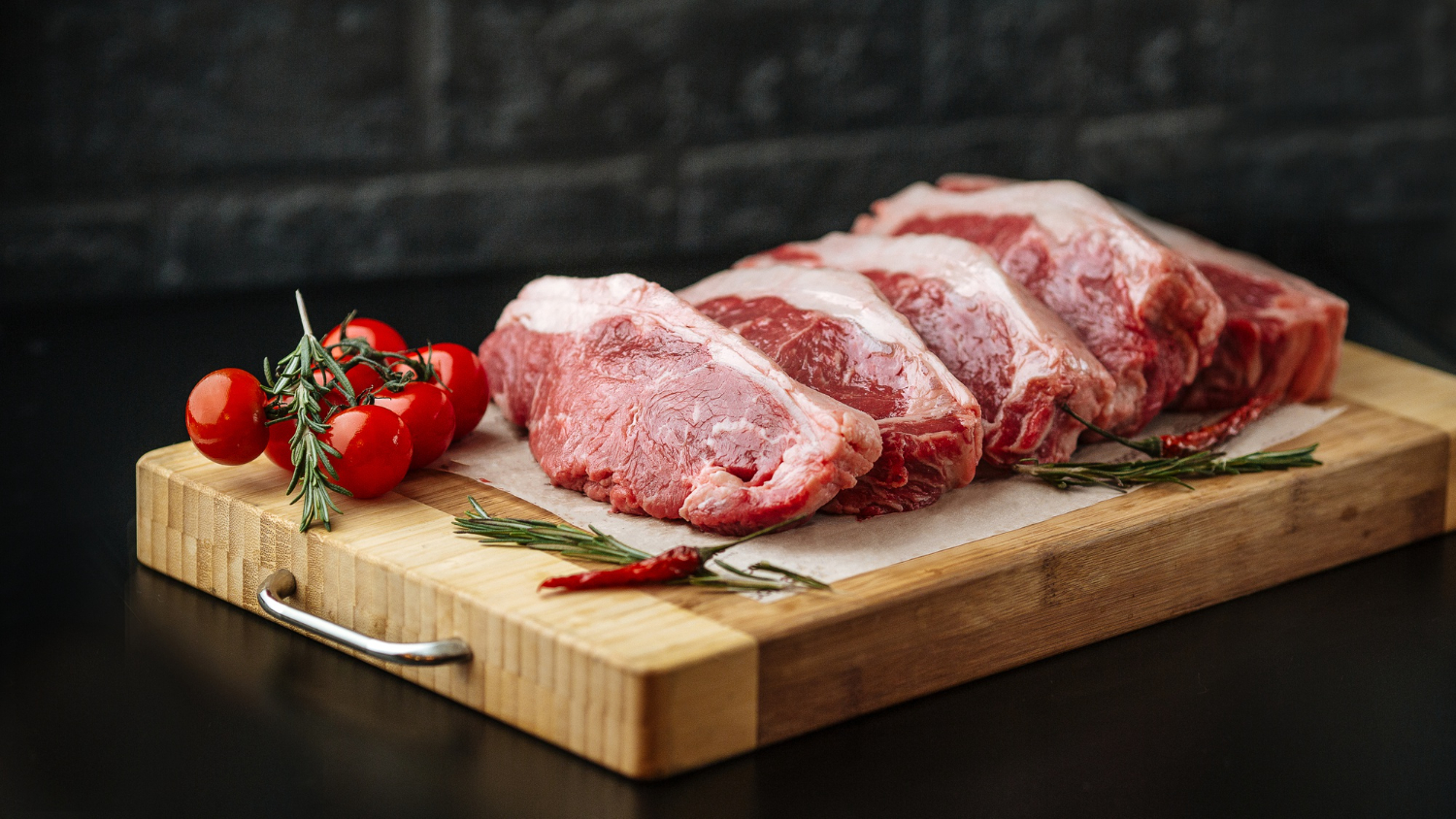
Solid pieces of cold fat in pastry dough melt in the oven and leave gaps, and the steam released pushes the layers apart.
Warm fat blends into the flour instead and produces something dense. Cold fat creating layers is the kitchen principle behind every flaky pastry there is.
15. Taste It at Every Stage
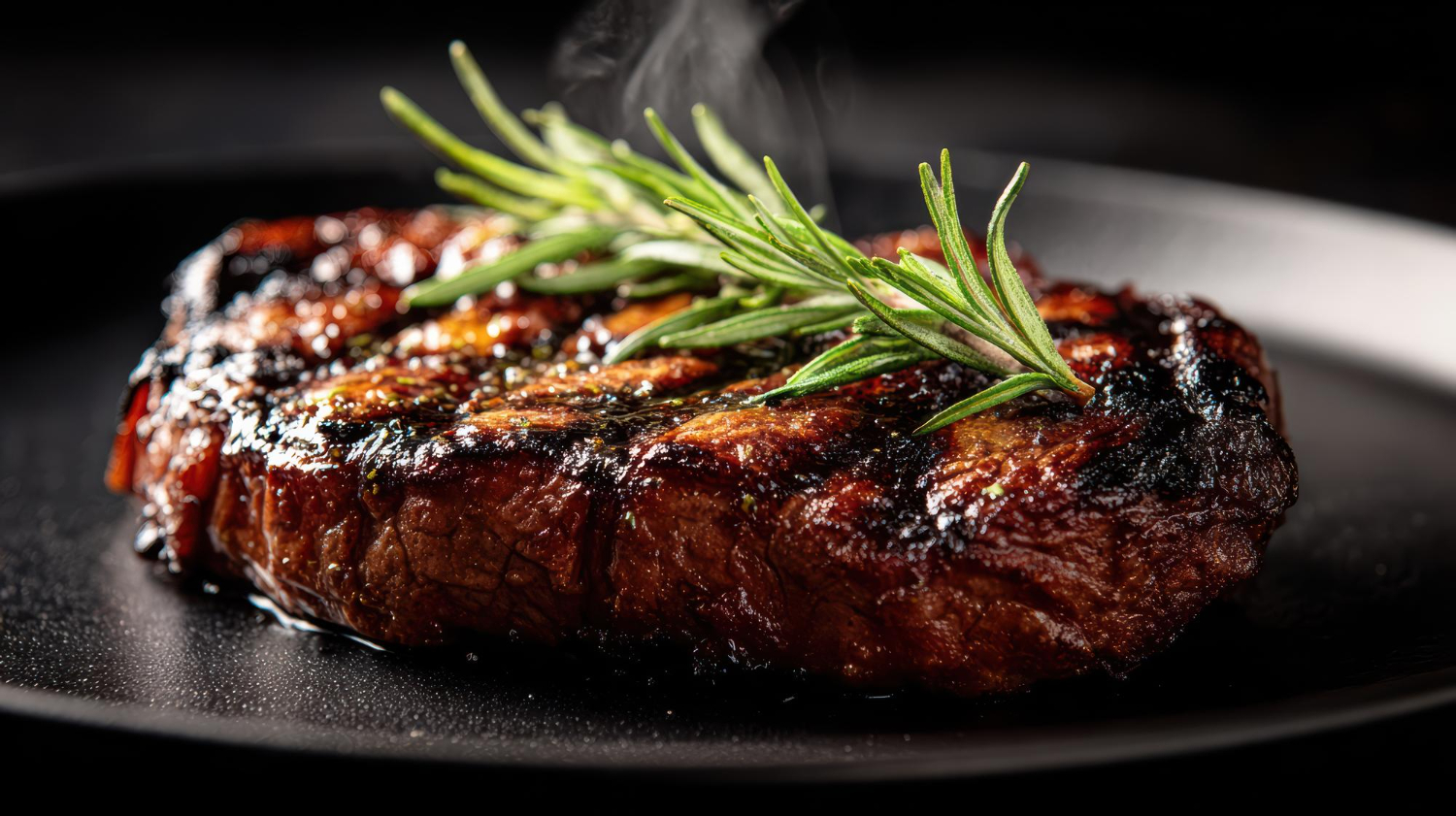
The single practice that separates confident cooks from anxious ones is tasting continuously rather than at the end, when nothing can be corrected.
Seasoning is a series of small adjustments rather than one decision. Tasting at every stage is the kitchen habit that makes the other fourteen useful.
A Few Principles, Endlessly Reused
Heat, water, fat, acid, salt and protein. Nearly every technique in a domestic kitchen is one of those six being managed, and most recipe instructions are shorthand for managing them.
None of this requires equipment or expertise. Dry the surface, use enough fat, do not crowd the pan, add acid at the end, keep the fat cold in pastry, and taste as you go. Understanding why a recipe says something is what allows you to depart from it, which is the point at which cooking stops being instruction-following.
Like our content? Follow us for more.