The leaf is doing three jobs at once: container, cooking vessel and seasoning. Which leaf is used depends entirely on what grows nearby, and the flavour it contributes is part of the dish. Here are twelve.
1. Tamales – Mesoamerica
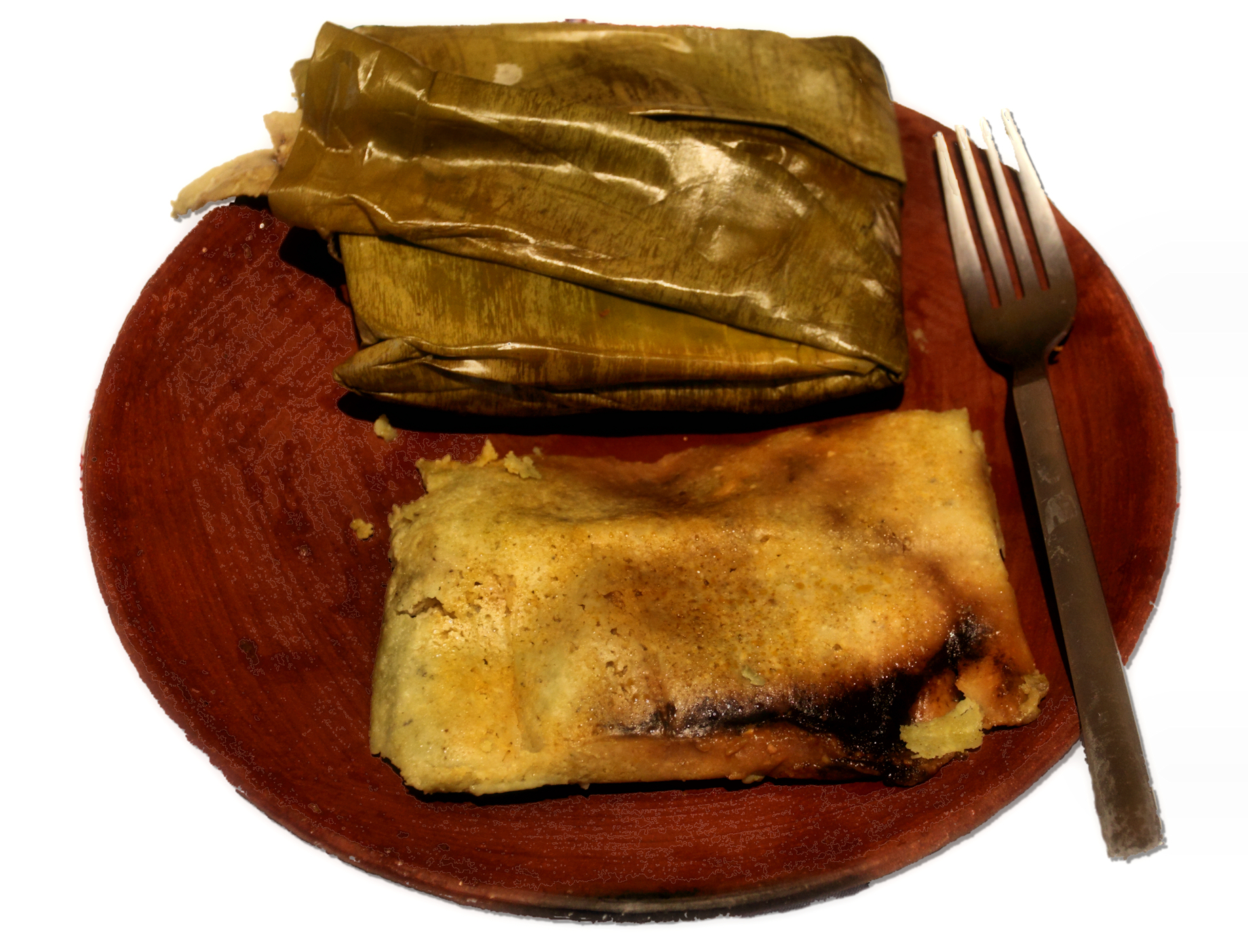
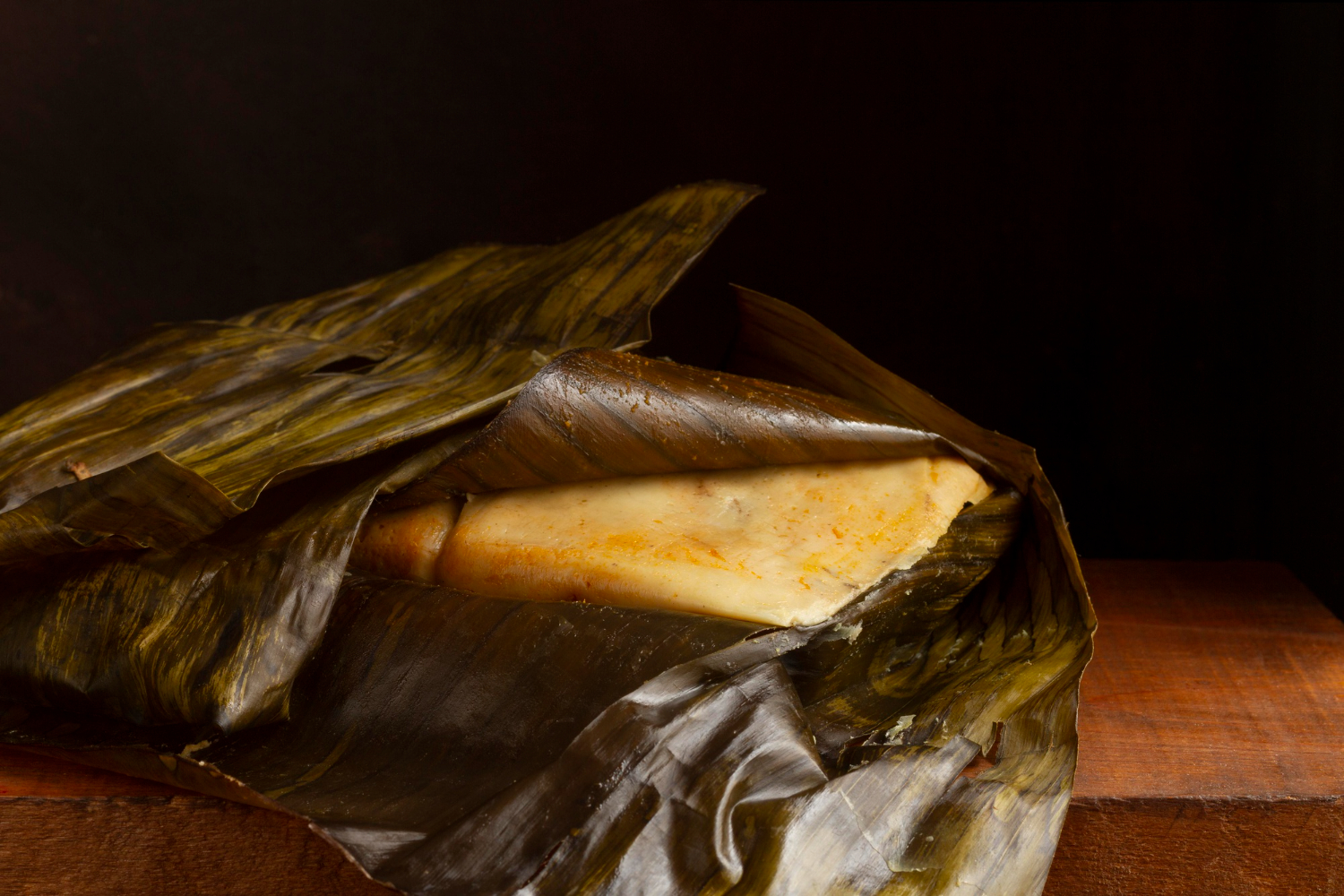
Masa dough with a filling, wrapped in dried corn husks or banana leaves and steamed, with the wrapper removed at the table.
Corn husk gives a drier, subtler result and banana leaf a moister, greener one, and the choice is regional. Tamales are the leaf-wrapped food where the wrapper choice changes the dish.
Like our content? Follow us for more.
2. Ketupat and Lontong – Malaysia and Indonesia
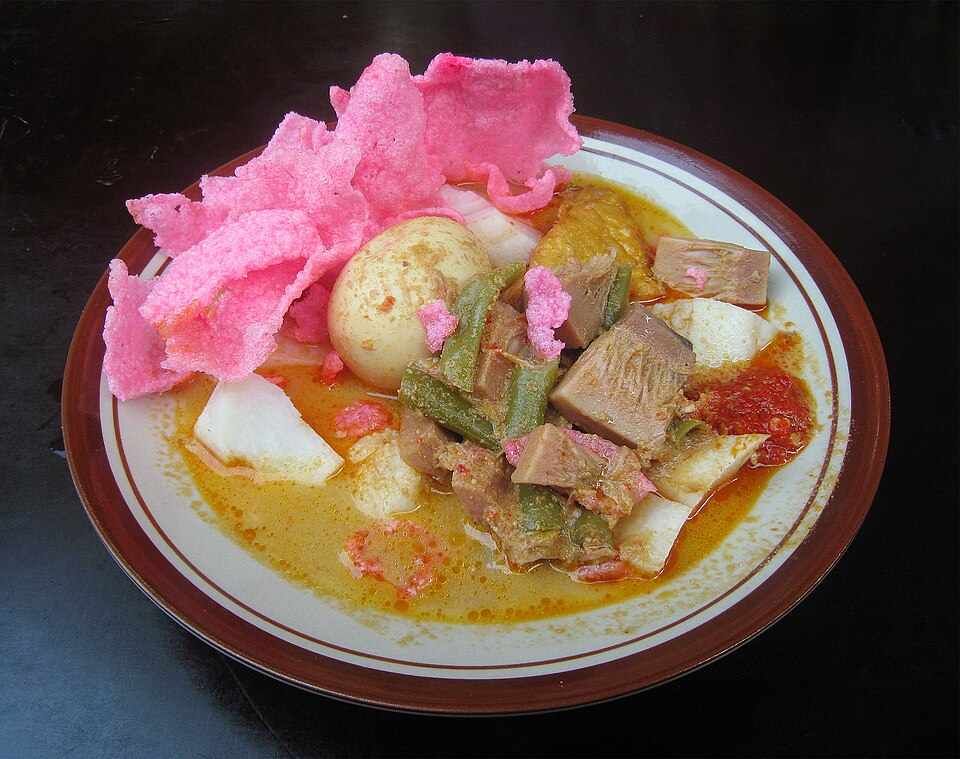
Rice compressed inside a woven palm-leaf pouch or a tight banana-leaf cylinder and boiled, so the grains swell against the wrapper and set into a firm cake.
The weaving is done by hand and the tightness of the pouch determines the density of the finished rice. Ketupat is the leaf-wrapped food where the wrapper is woven rather than folded.
3. Otak-Otak and the Banana Leaf Grills – Southeast Asia
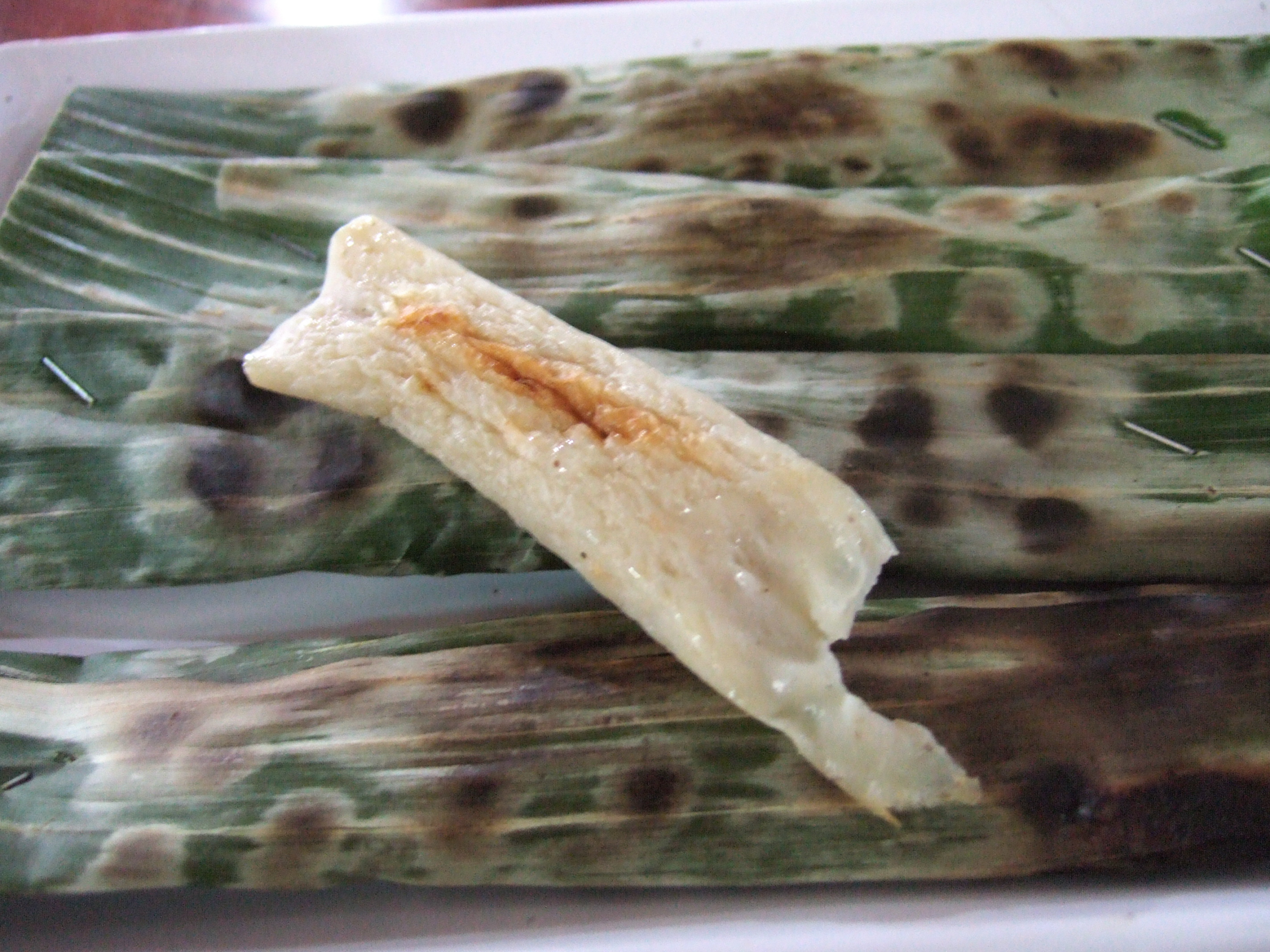
Spiced fish paste wrapped in banana leaf and grilled directly over coals, so the leaf chars while the contents steam inside.
The scorching of the wrapper is intentional and contributes to the flavour. Otak-otak is the leaf-wrapped food cooked by burning the outside deliberately.
4. Patrode and the Colocasia Leaf Rolls – Western India
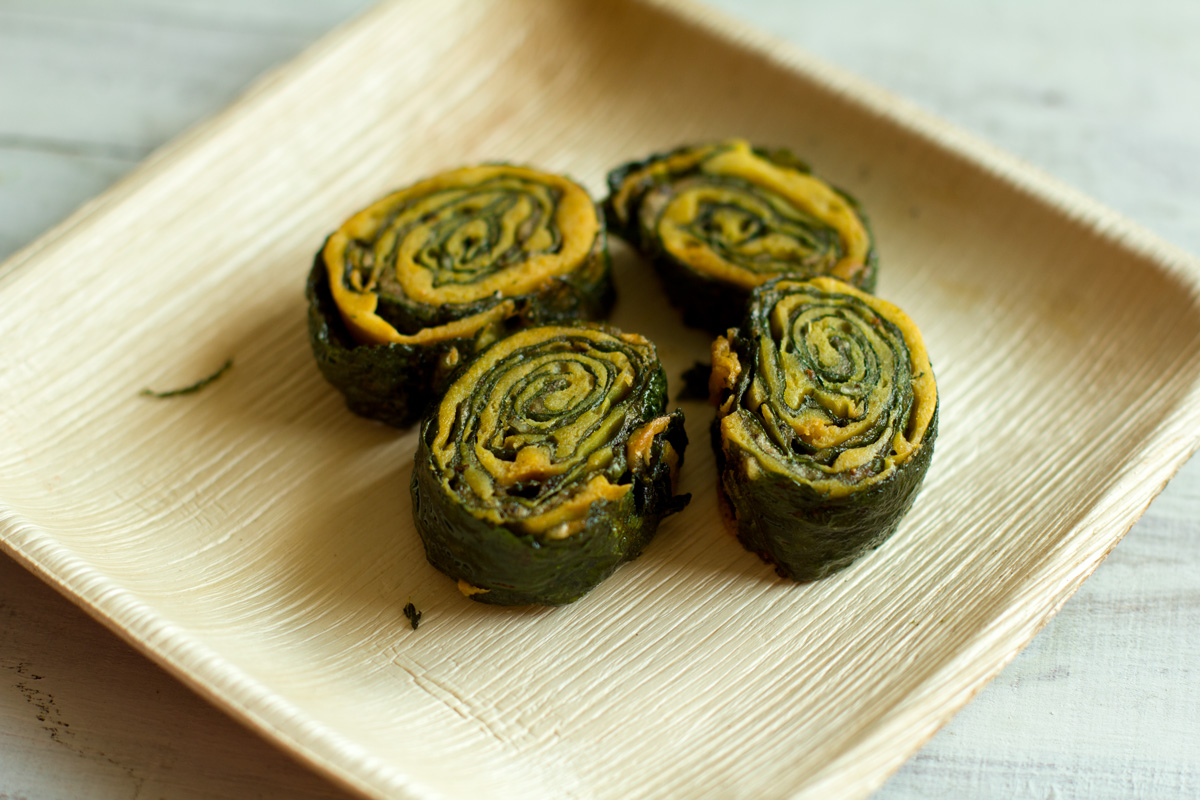
Large colocasia leaves are spread with a spiced gram-flour paste, stacked, rolled tightly and steamed, then sliced into spirals and frequently fried.
Here the leaf is eaten along with the filling, which is the exception on this list. Patrode is the leaf-wrapped food where the wrapper is the main ingredient.
5. Ffagod and the Caul-Wrapped Traditions
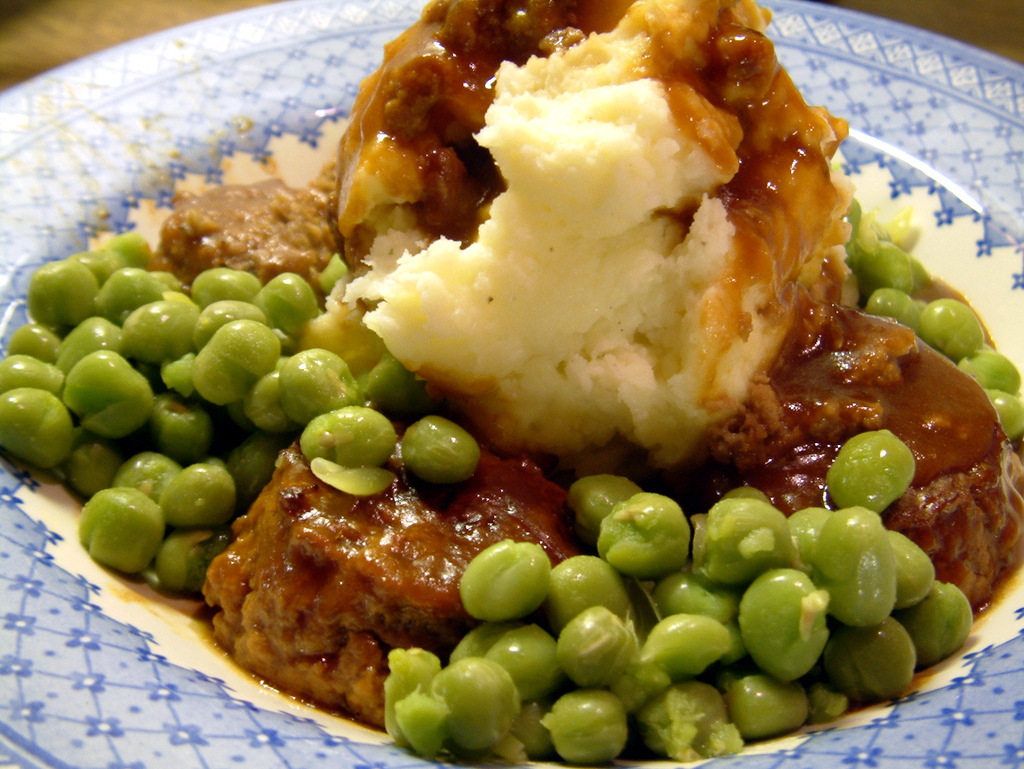
Several European traditions wrapped chopped meat in a natural membrane rather than a leaf, achieving the same effect of holding a parcel together during cooking.
The wrapper melts into the dish rather than being removed. Caul-wrapped dishes are the European answer to the same structural problem.
6. Lemang and Bamboo-Cooked Rice – Malaysia and Indonesia
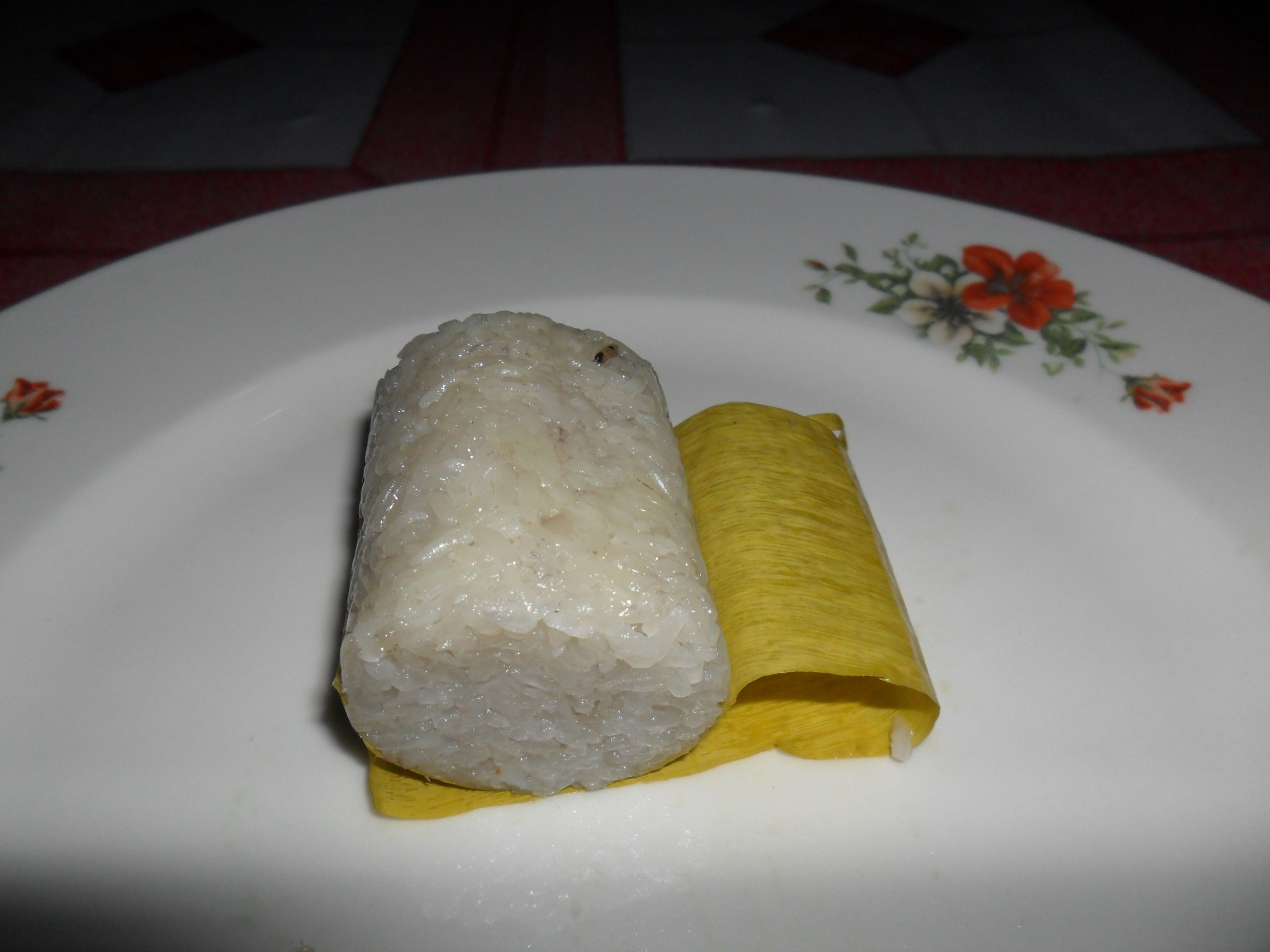
Glutinous rice and coconut milk packed into a length of bamboo lined with banana leaf and cooked slowly over an open fire.
The bamboo is the cooking vessel and is split open to serve. Lemang is the leaf-wrapped food cooked inside a tube cut from a plant.
7. Hallaca and the Latin American Christmas Parcels
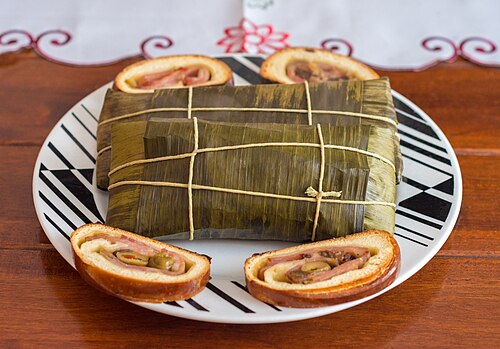
A festive filled dough parcel wrapped in banana leaf, tied, and boiled, made in large batches by a whole household at once.
The assembly is a group activity spanning a day. Hallaca is the leaf-wrapped food that functions as an annual family production line.
8. Pepes – Indonesia
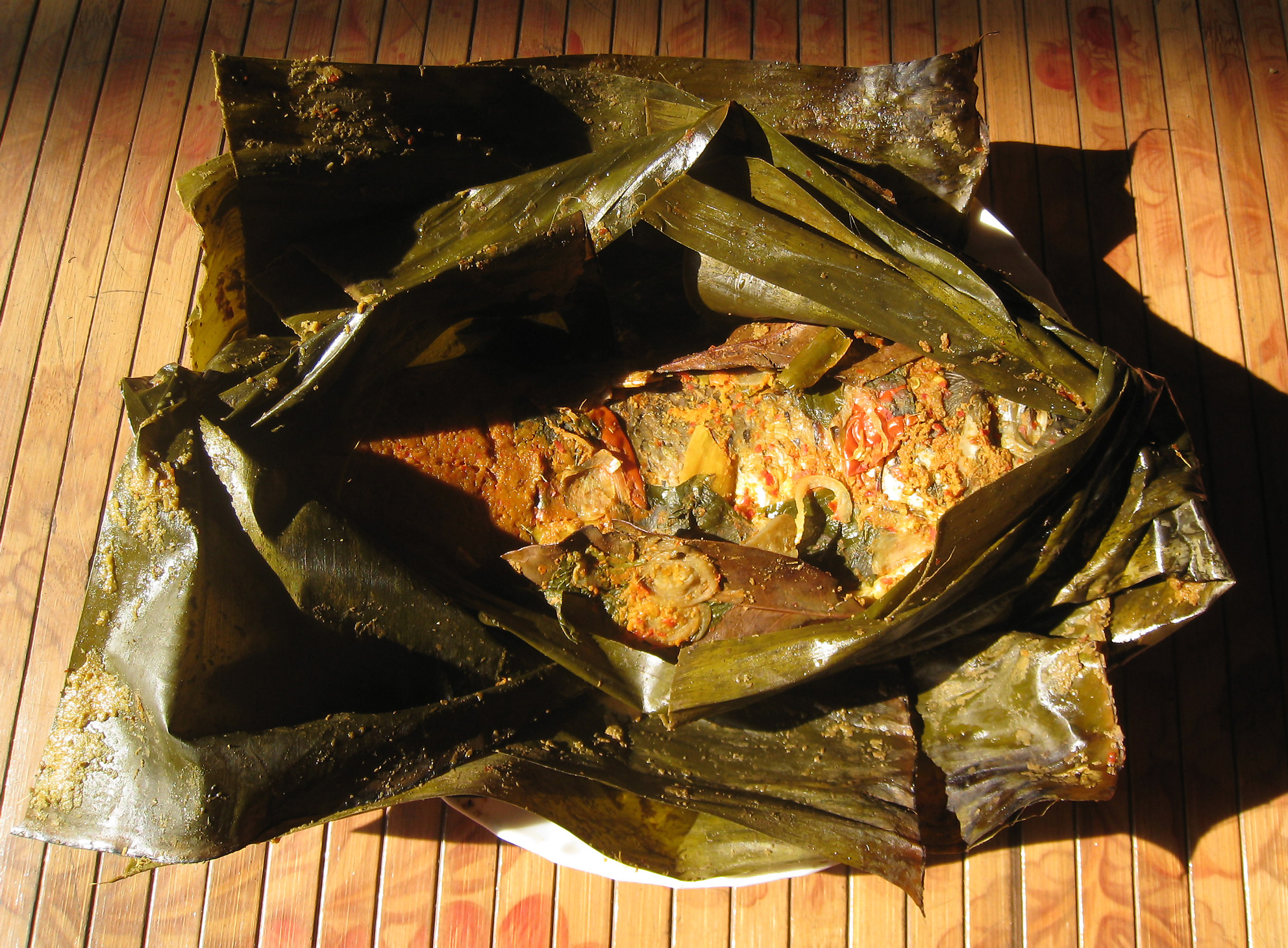
Fish or other ingredients mixed with spice paste, wrapped in banana leaf and steamed or grilled, so the parcel arrives whole and is opened by the diner.
Opening it at the table releases the aromatics all at once. Pepes is the leaf-wrapped food where unwrapping is part of the experience.
9. Banana Leaf Meals – South India
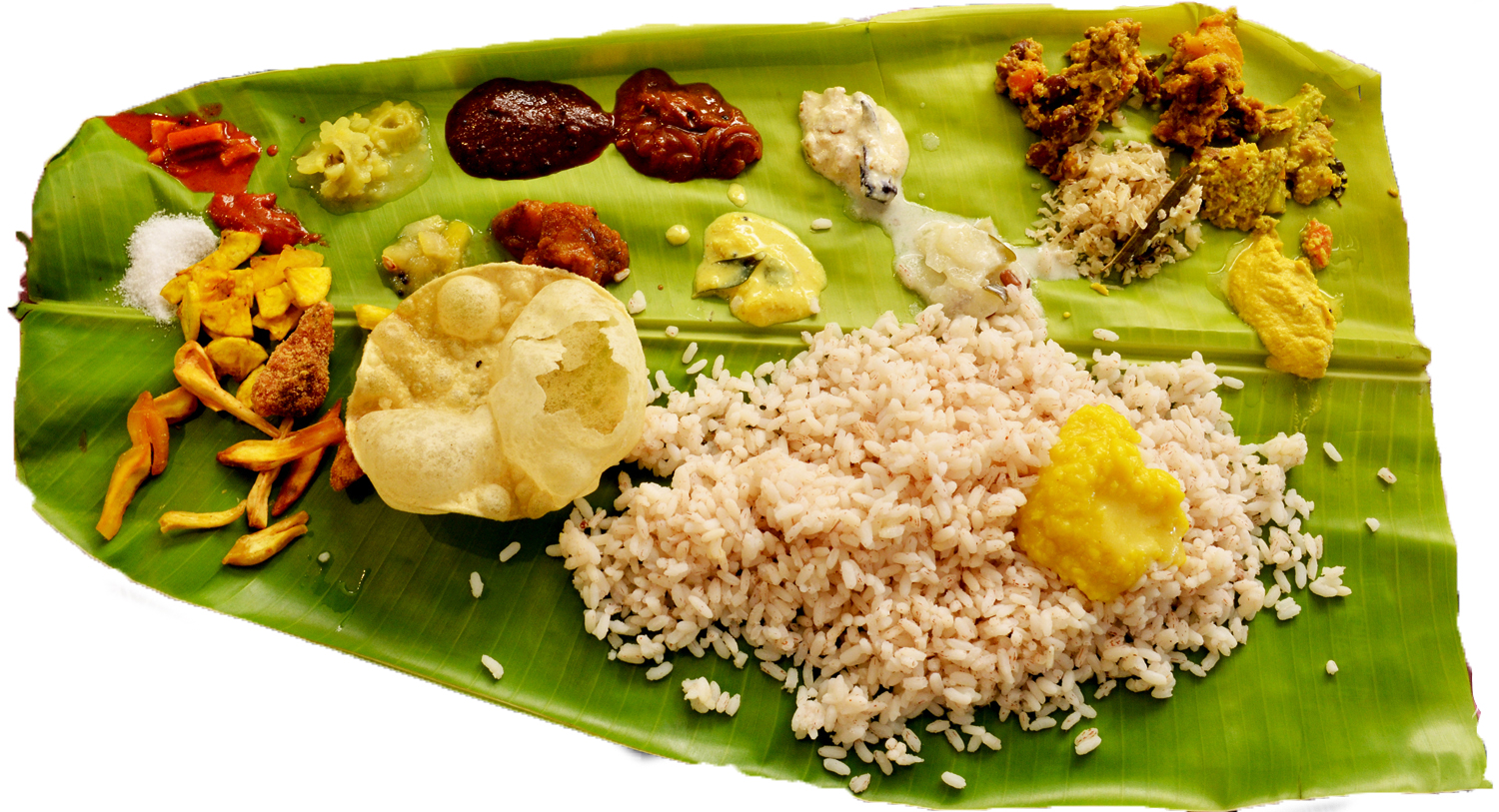
Rather than wrapping, the leaf serves as the plate, with rice and several accompaniments arranged on it in a set order and the leaf folded at the end.
Which way the leaf is folded afterwards carries meaning. The banana leaf meal is the leaf-based dish where the leaf is the plate rather than the parcel.
10. Hangi and Earth-Oven Cooking – Pacific
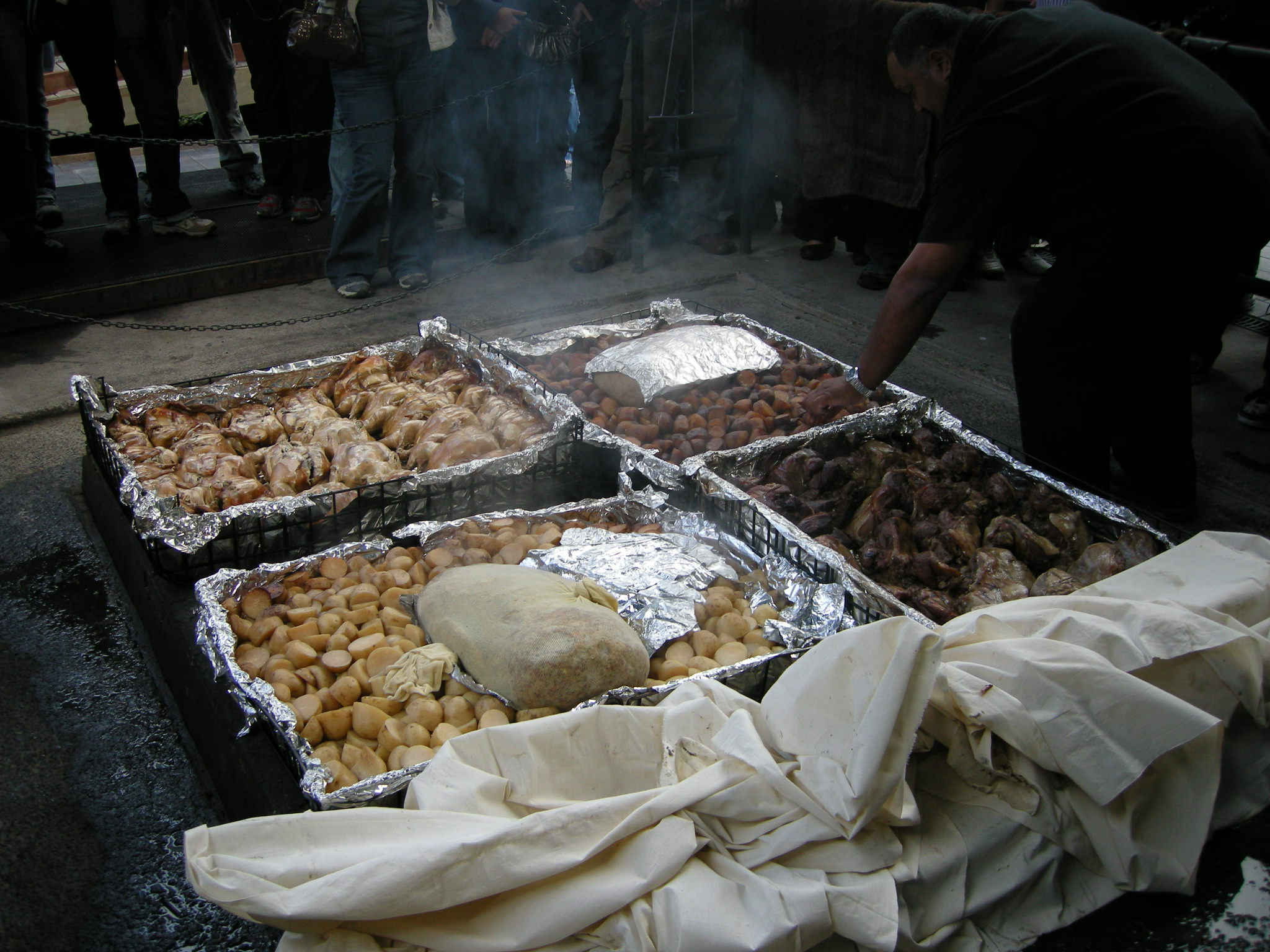
Food wrapped in leaves and placed in a pit with heated stones, then buried and left for hours to cook in trapped steam.
The leaves protect the food from the earth and hold the moisture in. Earth-oven cooking is the leaf-wrapped method where the oven is a hole in the ground.
11. Moin Moin and the West African Leaf Puddings
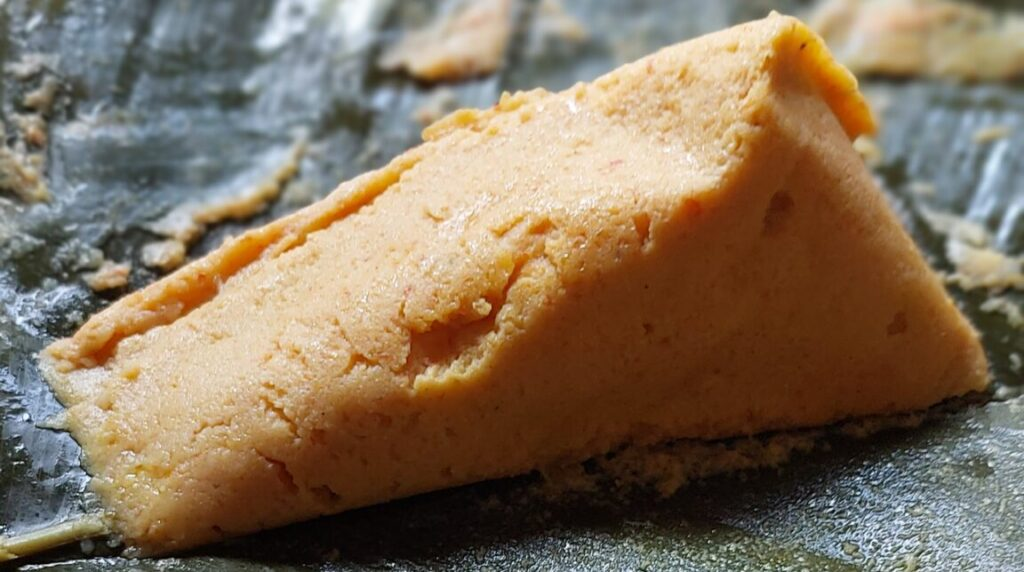
Ground bean batter steamed in leaves until set, producing a savoury pudding turned out of its wrapper.
The leaf shapes the finished dish as a mould would. Moin moin is the leaf-wrapped food where the wrapper determines the shape.
12. Cha Lua and the Vietnamese Leaf Sausages
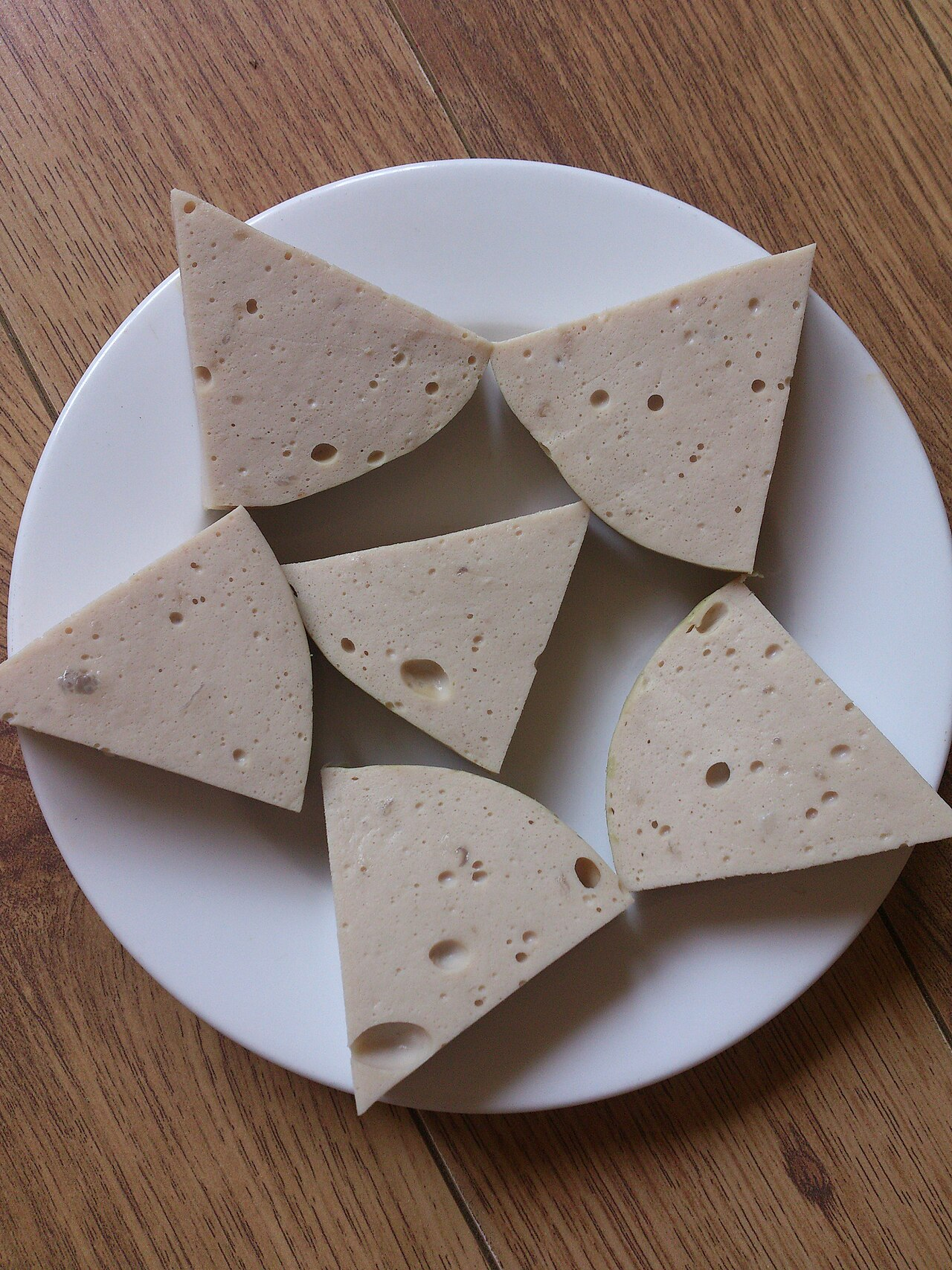
Pounded meat paste wrapped tightly in banana leaf, tied and boiled, producing a smooth pale sausage with a faint green tint from the wrapper.
The tightness of the wrap determines the texture. Cha lua is the leaf-wrapped food where the wrapping pressure is part of the recipe.
The Oldest Packaging There Is
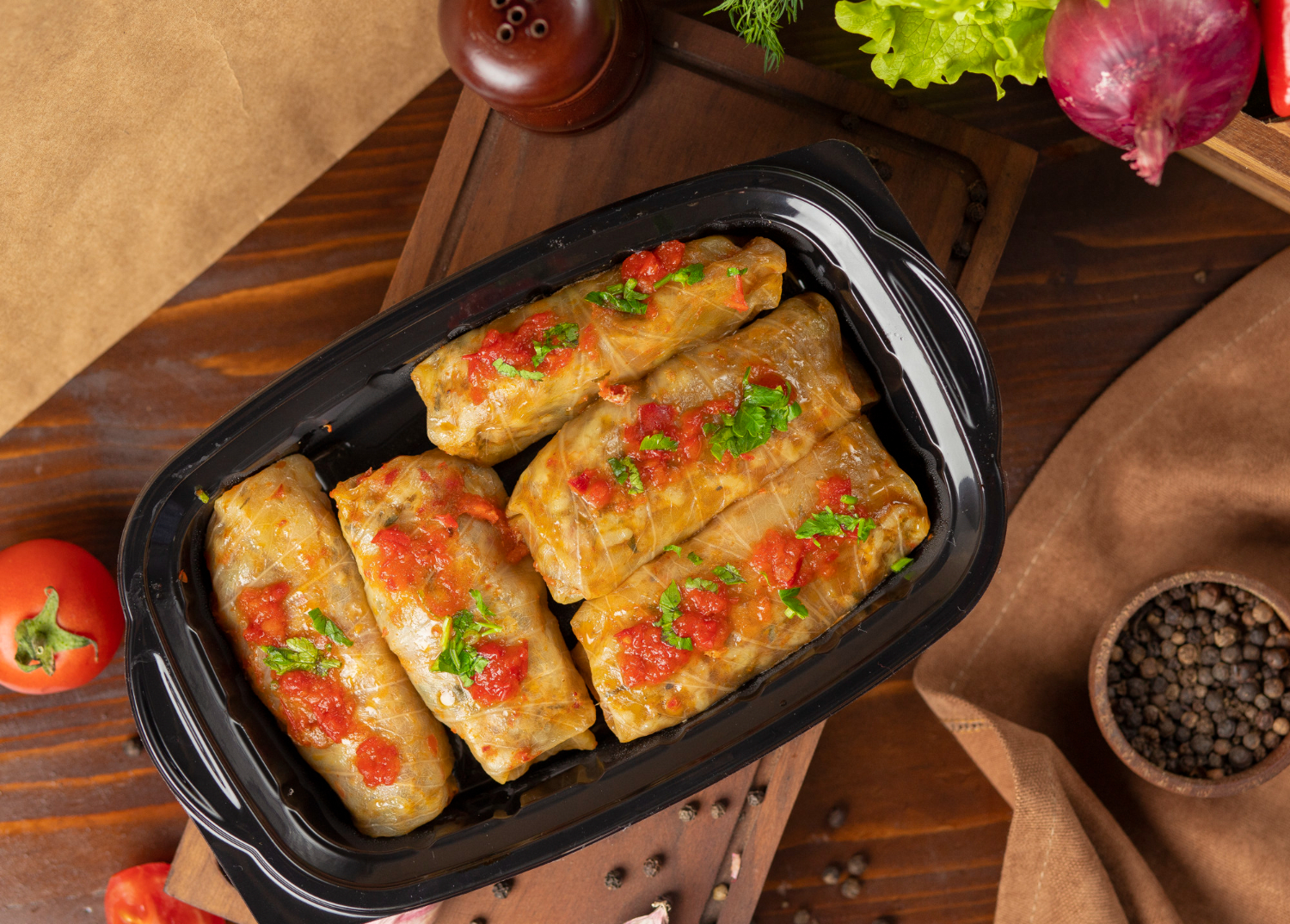
A leaf holds steam, tolerates fire, adds flavour, costs nothing and composts. Every cuisine in a warm climate worked that out, and several are still using it in preference to anything modern.
If you encounter any of these, the etiquette is nearly always the same: unwrap at the table rather than in the kitchen, because the point of the parcel is that it holds everything in until the moment it is opened. And unless it is a vine leaf, the wrapper is not dinner.
Like our content? Follow us for more.